Visa
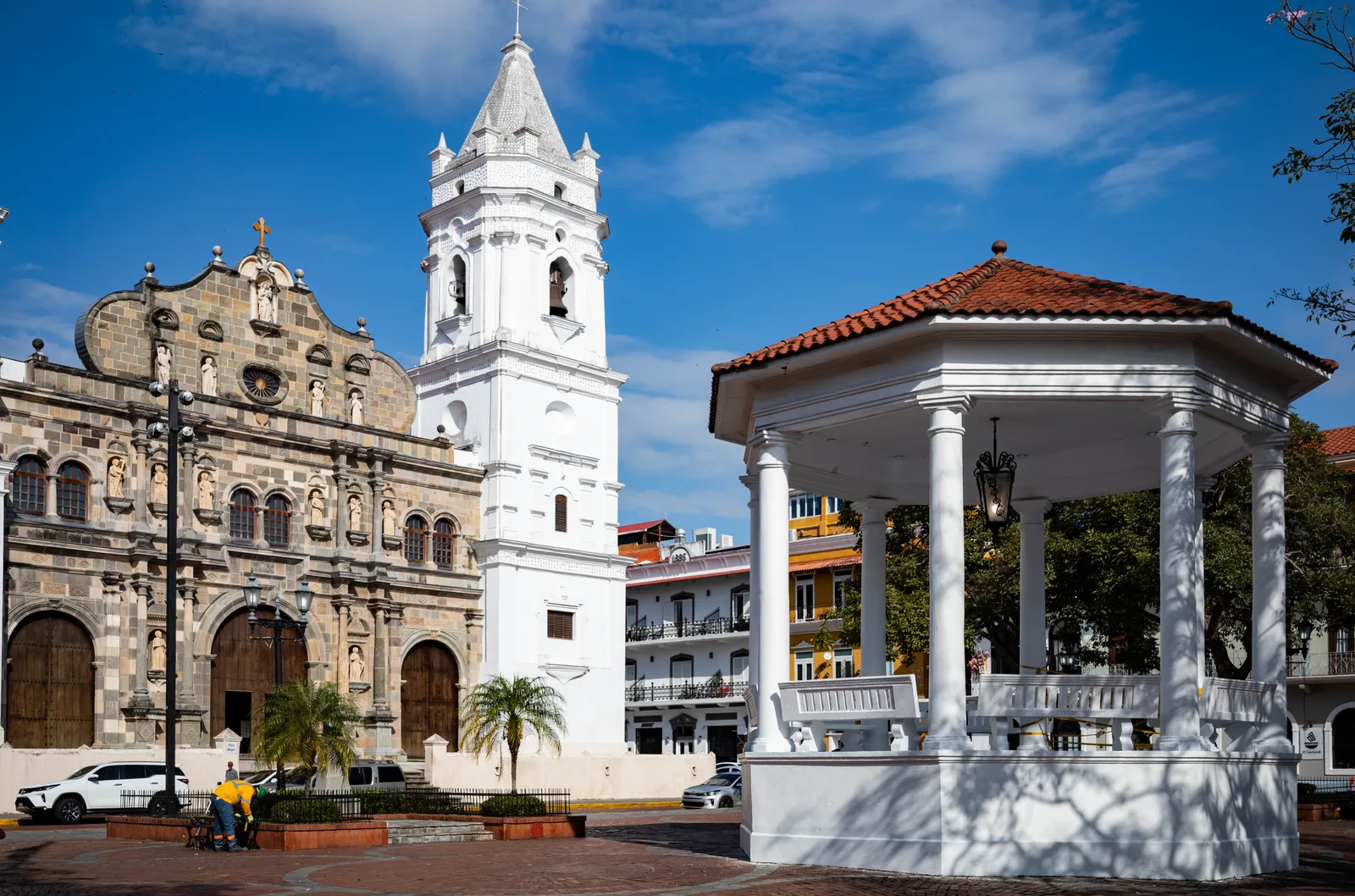
Read Panama City through three different landscapes
Panama City makes more sense when you give each of its landscapes time. Walk the squares of Casco Antiguo, visit the archaeological remains of Panamá Viejo and look back at the modern waterfront from Amador. Together, they reveal a capital whose importance comes from the movement of people, goods and ideas across the isthmus, long before the Canal opened.
This guide covers the capital of Panama on the Pacific side of the country. It is not Panama City in Florida. The distinction matters when booking flights and accommodation, but so does another one within the city: Panamá Viejo and Casco Antiguo are separate historic places. Seeing one does not mean you have visited the other.
Three full days provide a useful first introduction to the historic districts, biodiversity collections and an outdoor outing. Add time for an island visit or a journey across to the Caribbean side. If you are considering a move, keep some of the visit free for ordinary journeys and property inspections. VisaWand’s Panama country guide supplies the national context, while the sections below help you choose a workable city base.
Follow the history beyond a single skyline
The Panamá Viejo Trust’s archaeological account dates the original city’s foundation to 15 August 1519. Henry Morgan’s attack in 1671 left it in ruins, and the city moved two years later to the location now known as Casco Antiguo. The archaeological site also preserves evidence of inhabitants who lived there before the Spanish foundation.
The wider story is one of connections across the isthmus. UNESCO’s Colonial Transisthmian Route of Panamá, inscribed in 2025, includes Panamá Viejo and the Historic District of Panamá among its component places. It places them alongside routes and fortifications linking the Caribbean and Pacific. The interpretation also recognises Indigenous knowledge, European colonisation and the forced movement of enslaved Africans.
That context is more useful than treating the old districts as decorative scenery. Notice how streets, churches, commercial activity and defensive locations relate to movement through Panama. The modern Canal, which opened in 1914, belongs to a later chapter. A visit can explore those connections without assuming that every historical building, viewpoint or waterfront attraction shares the same operator, ticket or opening arrangements.
Choose a district that suits the journeys you will make
The tourism board’s accommodation-area overview offers a useful starting shortlist. Casco Antiguo suits visitors who want historic squares and boutique accommodation close at hand. Avenida Balboa offers modern hotels and apartments beside the skyline and Cinta Costera. El Cangrejo is a central alternative, while San Francisco is another district to consider for dining and contemporary city life.
These are broad differences, not guarantees about every street. Compare the exact entrance with your likely destinations and transport connections. A waterfront address may provide an appealing view while still requiring a vehicle for the next activity. Equally, being in a historic district does not establish that a room is quiet, step-free or close to a convenient pickup point.
For a short holiday, prioritise the places you will visit most. For a working or studying household, begin with the real destination of the daily commute and test it at the relevant time. Ask a property to explain the walk from the nearest stop rather than relying on a pin in a booking map. Crossings, shade, stairs and the final approach all affect whether an apparently convenient address works in practice.
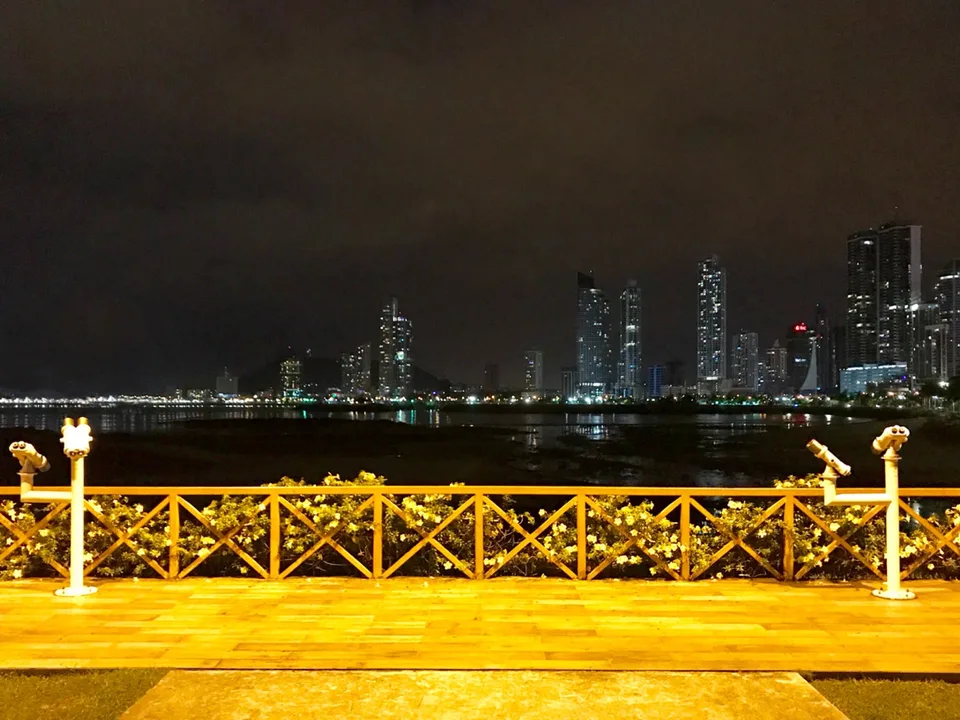
Explore Casco Antiguo from square to square
The tourism board’s Casco Antiguo guide locates the historic district in San Felipe. Begin with Plaza de la Independencia and the cathedral surroundings, then build a walk that includes a few other squares rather than racing between every named building. Plaza de Francia and Paseo Esteban Huertas connect the architecture with views of the bay and modern skyline.
Allow time to examine façades, doors and the relationship between a square and the streets leading away from it. The area also contains restaurants, specialty cafés, shops and nightlife. Decide which of those interests you before choosing the time of your walk. Someone seeking architectural detail may want a different schedule from a visitor planning a long dinner.
Arrange transport to a clear meeting point if the return walk would exceed your group’s capacity. Cobbled surfaces and changes in level deserve attention even on a relatively compact route. Check access to individual churches and museums directly, and leave room around services or private events.
Visit the original city at Panamá Viejo
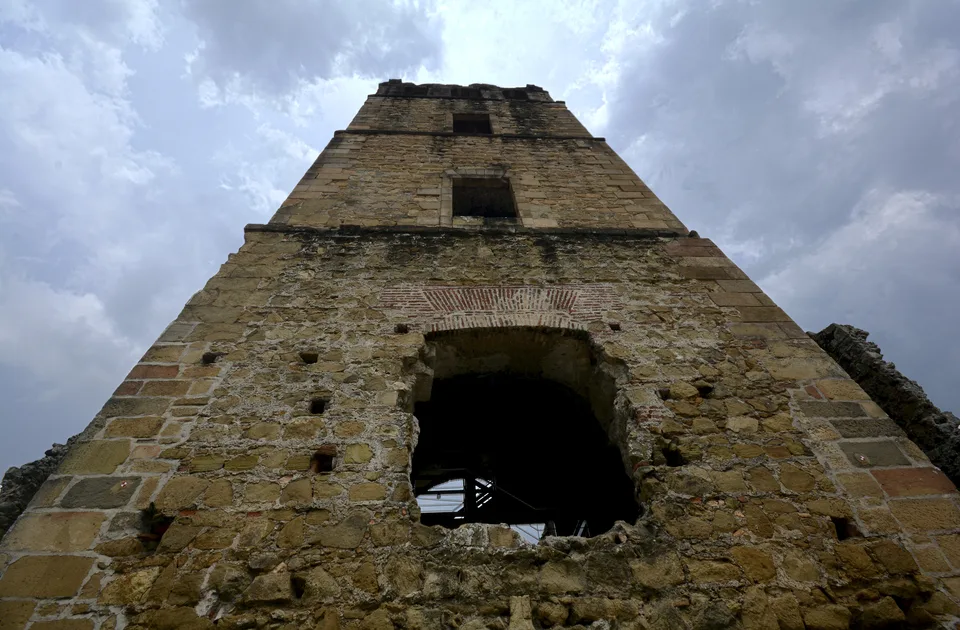
At Panamá Viejo, the cathedral tower and surviving street plan help explain the scale and organisation of the earlier settlement. The site contains convent remains and other structures alongside evidence of its pre-Hispanic past. Give the archaeology its own visit instead of treating it as another name for Casco Antiguo.
The Trust’s visitor questions and admission information lists Tuesday–Sunday opening from 08:30 to 17:30, with the ticket office closing at 16:30. It suggests approximately two hours for the site and museum, although you may spend longer within opening hours. The entrance is through the visitor centre on Avenida Cincuentenario, beside the Morelos statue.
Published admission is US$17 for non-resident foreign adults, with separate child and student categories. Visa and Mastercard are accepted; the operator says it does not currently sell tickets online. Check the applicable category and requirements when planning. Internal transport is available along the site circuit, but ask about the stops and any access needs before relying on it.
Check the Canal status before making the journey
The Canal deserves a place in your understanding of the city, but the visitor plan must reflect current access. At the time of this guide’s review, the Canal Authority’s Miraflores Visitor Center page explicitly marked the centre temporarily closed. Its usual opening hours were struck through, and the linked ticket store was offline. No reopening date was established by that notice.
Do not travel there on the strength of an older guide quoting a normal daily timetable. Check the operator again near your dates and make a confirmed arrangement only after reopening is clear. Historical prices and film schedules are not substitutes for that confirmation. An advertised tour should explain which facility it will actually visit.
The Authority lists Agua Clara Visitor Center as open on the Caribbean side near Colón. That is a different excursion, not a quick replacement stop in the middle of a Panama City walk. Arrange the complete outward and return journey and confirm the day’s hours directly. Published non-resident admission is US$10 for adults and US$5 for children aged six to twelve. Ship movements vary, so ask about current transit information rather than expecting a vessel at an exact moment.
Give the Biomuseo more than an exterior photograph
The Biomuseo’s colourful roof makes it instantly recognisable, but the collections give the building its purpose. The museum’s permanent-exhibition overview follows the formation of the isthmus, the exchange of animals between continents, human interactions with nature and the different development of the Pacific and Caribbean after the land bridge emerged.
Choose a thread to follow through the galleries. A family may prefer the audiovisual environments and animal forms, while another visitor may want to spend longer with geology or human history. The experience provides a useful counterpoint to the city’s commercial and colonial stories: geography shaped both natural systems and the routes people later used.
The museum’s current visitor page lists opening from 09:00 to 15:00 Tuesday–Friday and 10:00 to 15:00 on weekends. Complete-exhibition admission for non-residents is B/.20 for adults and B/.12 for children aged five to seventeen; other categories have separate terms. Tickets are sold at the museum. Confirm current arrangements for your group, and leave sufficient time before closing. Pair the visit with Amador if that suits your day rather than arriving only to photograph the roof after the galleries shut.
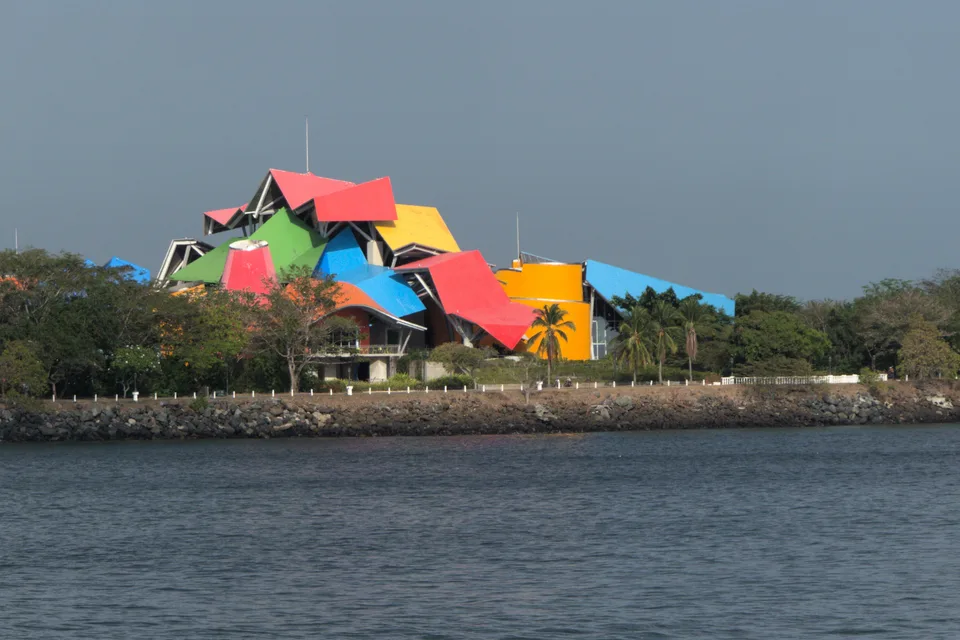
Use Amador for the landscape and the waterfront
The Amador Causeway connects the mainland with islands and opens views towards the skyline and the Pacific entrance to the Canal. Tourism Panama explains that material excavated during Canal construction was used in building it. Its subsequent military history and present leisure uses make it another place where infrastructure has acquired a different daily role.
Choose a manageable stretch for a walk or cycle, with a restaurant or boat departure as an anchor. When hiring equipment, establish the return point, duration, deposit and route restrictions.
Allow for sun, wind and changing weather, especially if you plan to combine an exposed waterfront outing with a museum visit. Decide where you will stop for a drink and how you will return. If travelling by bus, verify the current Amador service and stop with the transport operator before committing to a tight timed connection.
Make an early forest visit a separate activity
Metropolitan Natural Park offers forest trails and wildlife observation within the city, with its visitor information listing trail hours of 07:00–16:30 daily. Start with the entrance staff and select a route appropriate to your group. Allow time to watch and listen rather than judging the outing by how many animals appear.
The park’s viewpoint information distinguishes Cerro Cedro, Los Trinos and Los Caobos. Different routes provide different perspectives on forest and city; an elevated viewpoint is not necessarily an easy walk for every visitor. Ask about current trail conditions, gradients and access before choosing a route, particularly after rain.
Follow the park’s visitor rules: stay on marked paths, leave plants and animals undisturbed and do not feed wildlife. Pets, bicycles and scooters are not permitted on the conservation trails. Bring water and suitable footwear, and discuss guided visits separately if you want interpretation. Keep a museum or other indoor option available if conditions change. The objective is a worthwhile forest visit, not a guaranteed wildlife encounter or a compulsory climb to the highest viewpoint.
Eat across the city’s different influences
The tourism board’s culinary overview describes a food culture shaped by Indigenous traditions, European arrivals, African heritage and Asian communities. Dishes it highlights include sancocho, carimañolas, tamales, guacho and rondón. Use those names as an invitation to ask how a particular kitchen prepares its food, rather than expecting one definitive version everywhere.
Casco Antiguo, El Cangrejo, San Francisco and Costa del Este are among the board’s dining hubs. Around the waterfront it also points to informal food, the seafood market and Sabores del Chorrillo, associated with traditional cooks and dishes such as fried fish and patacones. The San Felipe Neri market offers another way to encounter produce and ordinary food shopping.
Choose meals around the day’s route and your budget. Read menus before sitting down, check what is included and discuss allergies or dietary needs clearly. A market visit can be useful without requiring you to eat at every stall. For a special meal, compare the restaurant’s own current menu, booking terms and location instead of relying on an undated award or an old ranking.
Compare hotel facilities with the actual room booking
Accommodation choices should begin with location and purpose, then move to the details that affect your stay. Hilton Panama on Avenida Balboa is one example of a modern waterfront property, with restaurants, a rooftop pool, spa and fitness facilities described by the operator. It illustrates a different style of stay from a small property in Casco Antiguo.
Confirm which facilities are included in your particular rate and available on your dates. A room photograph or a general hotel description does not establish the exact view, floor, bathroom layout or accessibility of the room you receive. Ask about breakfast, taxes, parking and cancellation before comparing the final total with another offer.
For an apartment or extended stay, examine the working space, kitchen equipment, laundry arrangements and internet connection. Clarify cleaning charges and any electricity allowance, especially if air conditioning is charged separately. Inspect a prospective long-term home where possible and ask to see how routine maintenance is handled. An attractive skyline view may be part of the appeal, but everyday comfort depends equally on a reliable shower, adequate ventilation, lift access and a journey home that suits your routine.
Match the airport journey to your luggage and destination
Tocumen’s official Metro connection information describes an external shuttle from both terminals to the nearest Metro stop. It identifies Door 2 at Terminal 1 and Door 18 at Terminal 2. Follow current airport signs and staff instructions, particularly if your arrival terminal differs from the one shown in an older transfer description.
The Metro’s airport-branch explanation identifies Corredor Sur as the interchange for the airport branch. Plan all required changes and the final journey to your accommodation, rather than assuming the airport train runs directly to every central district. The airport information states that Visa and Mastercard are accepted for Metro payment. Check the operator for current fares and service arrangements before travelling.
The airport also provides MetroBus stop and boarding-card information for both terminals. Compare that option with a prearranged transfer or taxi using the complete journey, luggage and arrival time. Establish a clear meeting point and final price for a booked vehicle, including any relevant charges. On departure, leave room for traffic, transfers and airline check-in requirements; a map’s driving estimate is not a reliable flight-connection plan by itself.
Build a budget from specific choices
The most useful Panama City budget starts with a dated accommodation quote and the activities you genuinely want. Add local journeys, airport transfers, meals and a contingency. Museum admission examples in this guide are tied to particular operators and visitor categories; they do not establish a universal daily cost for the whole city.
Keep the distinction between national or resident discounts and a visitor’s eligibility clear. Carry the identification needed for a claimed category and ask about student or child requirements before budgeting a reduction. Where a payment method matters, check the operator rather than assuming the same card arrangements apply throughout the transport network or at every attraction.
For shopping, compare materials and provenance as well as price. Ask where an item was made and obtain a receipt for valuable purchases. Check your onward destination’s import rules before buying food or plant products.
Plan for tropical weather without rigid promises
Tourism Panama’s seasonal overview describes a broad drier period from December to April and a greener, wetter period during the rest of the year. Treat the boundaries as a planning pattern, not a switch that guarantees dry weather on one date and rain on the next. Different activities can still require different decisions within the same season.
Arrange exposed walks for a comfortable part of the day and keep water, sun protection and a rain layer within reach. Museum visits can give the itinerary flexibility when an outdoor plan becomes less appealing. Check the day’s forecast before a forest outing or boat trip, and follow any operator cancellation or access advice.
If a ferry journey is central to the trip, examine its rescheduling terms before finalising the rest. Avoid an inflexible flight immediately after an excursion whose return depends on conditions.
Spend three days with room for discovery
On day one, give Casco Antiguo a substantial morning or afternoon. Walk between selected squares, pause for a meal and return to a building or street that interests you. Keep the route manageable after an airport arrival. A second walk at a different time can reveal more than adding another distant stop simply to lengthen the checklist.
On day two, visit Panamá Viejo and its museum, allowing the confirmed opening arrangements to set the schedule. Use the other half of the day for a district walk, food shopping or time along the waterfront. The archaeological visit and Casco outing answer different questions about the city’s development, so neither needs to be rushed into the other’s spare hour.
On day three, choose a forest visit followed by the Biomuseo and a modest Amador outing if your pace allows. Otherwise choose two of those activities and enjoy them properly. Miraflores is not included as an operating attraction while the closure notice remains in place. A confirmed Agua Clara excursion requires additional travel planning and may sensibly replace a full day, rather than being added to an already crowded afternoon.
Add an island or a different regional capital
For a change of setting, consider Taboga. Taboga Express advertises daily ferry trips and an approximately thirty-minute crossing, with identification or a passport required. Confirm the sailing you will actually use, the departure location, fare category and return booking. A ferry ticket is distinct from a beach package or guided island activity.
Build the day around the outward and return arrangements, including travel between your hotel and the departure point. Check luggage and activity restrictions with the operator. An island outing can make a pleasant contrast to the city’s museums, but it should not be squeezed between airport transfers or treated as immune to weather-related changes.
For the Caribbean side, explore the practicalities of Colón’s location directory alongside the Canal Authority’s Agua Clara information. That VisaWand page is a destination directory, rather than a completed city travel guide. If comparing Central American capitals for a longer trip, the completed San José city guide offers a different museum and neighbourhood itinerary. Travelling there involves entering another country, so compare national entry requirements and the full transport costs before treating the two cities as interchangeable bases.
Test the household routine before relocating
A scouting visit should include an ordinary commute, a grocery trip and an inspection of the address you may actually rent. Establish responsibility for water, electricity, internet, maintenance and building charges in writing. Ask how outages or repairs are handled and what documents you will need to manage accounts. Locate healthcare, pharmacy and school services relevant to your household before making a long commitment.
Panama Digital’s IDAAN account information provides an official starting point for understanding water-account documentation. Its property-clearance procedure should not be confused with a universal requirement for every rental. Confirm the arrangement for the particular building and landlord.
For immigration, separate tourist admission from the work, education and permanent-residence categories listed by the National Migration Service. Do not assume that renting an apartment or buying a home supplies permission to work. PROPANAMA’s remote-worker information describes a distinct route involving foreign-source work and eligibility requirements; it is not blanket authorisation to take local employment. Review the appropriate official procedure before signing a job or long lease. VisaWand’s Panama destination and consultant listings and consultant directory can help you compare professional support and its written scope.
Official planning resources
Reviewed 16 October 2026. Use the official resources linked throughout this guide for admission, transport, housing and immigration decisions. Prices, services and rules can change; confirm the details relevant to your dates. Photography illustrates the locations and is not a live view.
View all official resources
- Panama Viejo Trust: archaeology and history
- UNESCO: Colonial Transisthmian Route of Panama
- Panama Tourism: accommodation districts
- Panama Tourism: Casco Antiguo history and walking routes
- Panama Viejo Trust: admission and visitor logistics
- Canal Authority: Miraflores temporarily closed
- Canal Authority: Agua Clara near Colon
- Biomuseo: biodiversity exhibitions
- Biomuseo: current visitor hours and prices
- Tourism Panama: Amador Causeway
- Metropolitan Natural Park: walking and wildlife visits
- Metropolitan Natural Park: viewpoints
- Metropolitan Natural Park: visitor rules
- Panama Tourism: culinary districts and markets
- Hilton Panama: Avenida Balboa hotel example
- Tocumen Airport: Metro connection and terminal shuttles
- Metro operator: airport branch connection
- Tocumen Airport: bus stops and boarding cards
- Panama Tourism: broad national dry and green seasons
- Taboga Express: official island ferry information
- Panama Digital: IDAAN water-account documentation
- National Migration Service: tourism admission requirements
- National Migration Service: work, education and permanent residence categories
- PROPANAMA: short-stay remote-worker category
Plan the next part of your journey
Explore the Panama guide, browse other cities or compare consultants for your travel and relocation questions.