Visa
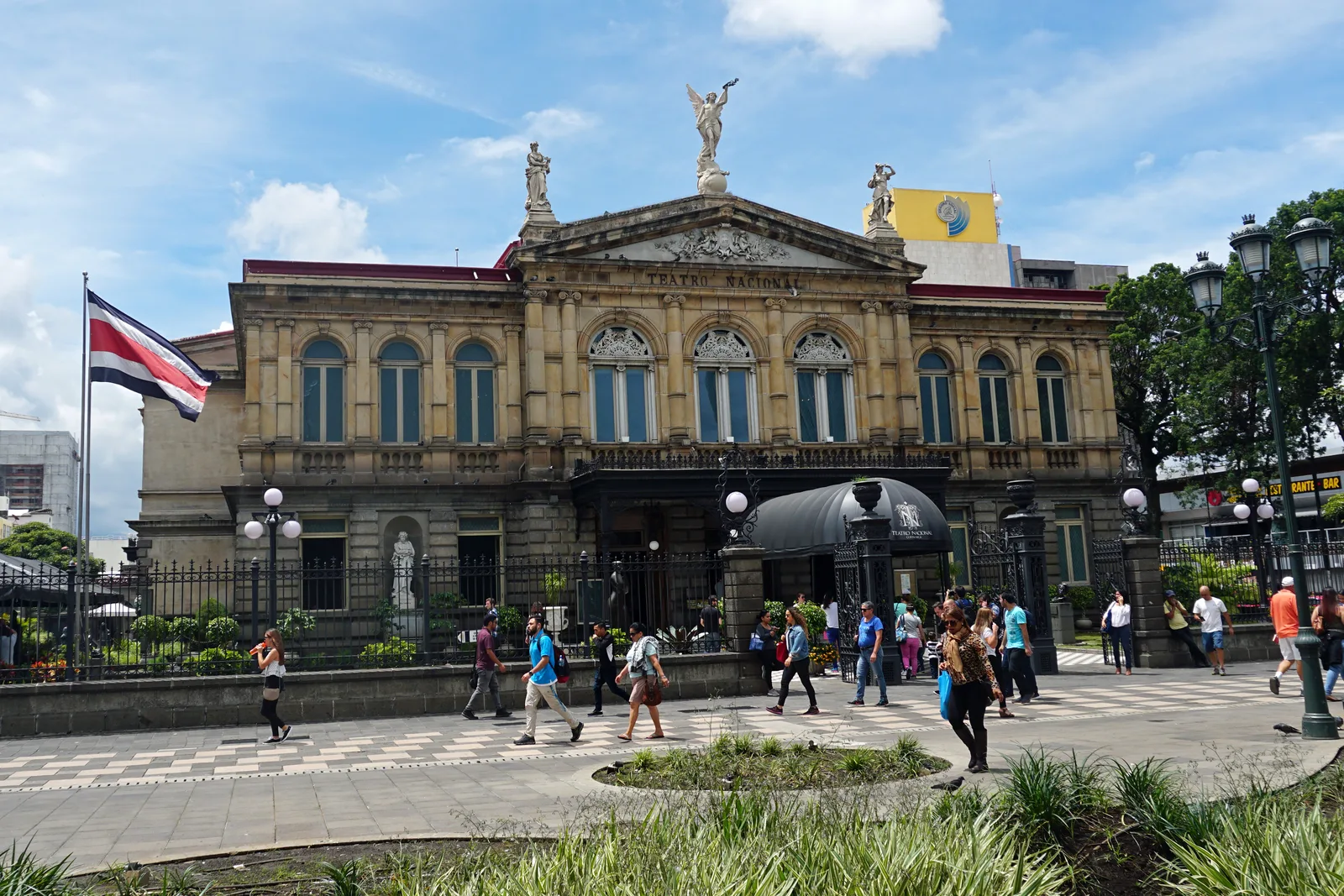
Give San José time beyond the airport transfer
San José brings Costa Rica’s history into focus through a former barracks, a national theatre, archaeological collections and streets shaped by successive generations of city life. The Costa Rica Tourism Board’s capital overview places it in the Central Valley, surrounded by hills and volcanic landscapes. Give the city a deliberate place in your itinerary rather than leaving its museums to whatever time survives a transfer.
Two or three nights can support a worthwhile first visit, depending on arrival times and how deeply you want to explore the collections. A longer stay allows a more relaxed pace and an excursion elsewhere in the Central Valley. Choose a base around the activities you care about, then work out the journeys between them.
For someone considering a move, San José also deserves a practical trial. Spend part of a scouting visit on ordinary errands and a real commute. The useful question is whether a particular address works for your household, alongside the national requirements explained in VisaWand’s Costa Rica country guide.
Read the city through its neighbourhoods
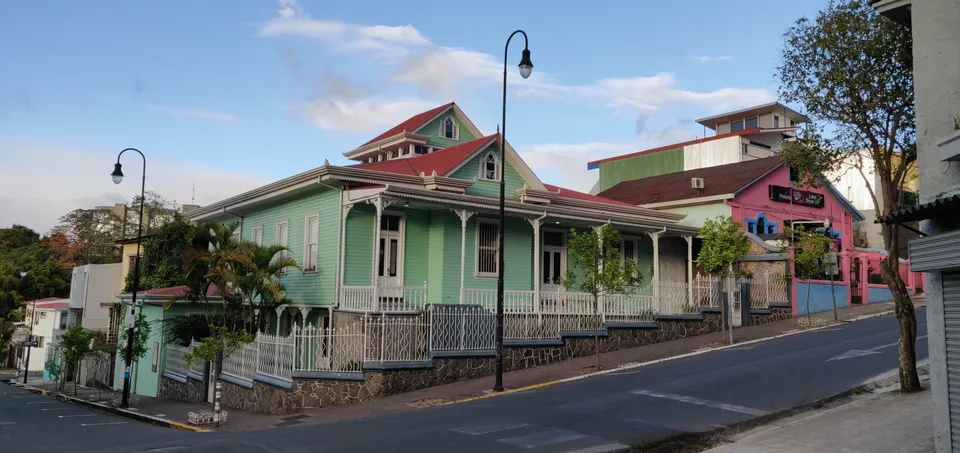
The tourism board’s historical walking guide traces Barrio Amón’s development to 1892, with Aranjuez following in 1894 and Otoya in 1906. The older residential streets offer another way to understand San José alongside its major institutions. Look at building materials, verandas and the relationship between houses and the street, allowing time to notice details between destinations.
Treat a photographed historic building as something to appreciate from the public street unless its operator confirms visitor access. Casa Verde, shown later in this guide, illustrates Barrio Amón’s architecture; the photograph does not establish that its interior is open. Keep a walking plan flexible enough to use a different street or arrange a ride when that better suits your group.
For dining, Barrio Escalante deserves a separate place on the shortlist. The tourism board highlights its coffee, restaurants and microbrews. Before choosing accommodation there for the food scene, check the exact walk to the places you expect to use and ask about evening noise at the property. A neighbourhood name cannot answer those questions for every block.
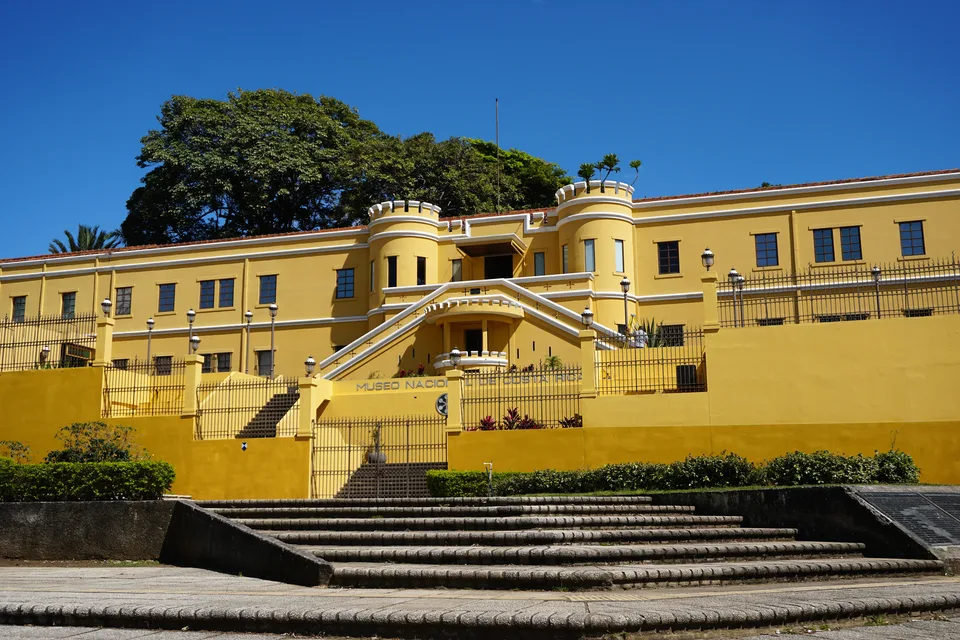
Start with the National Museum at Bellavista
The National Museum offers a substantial introduction to Costa Rican history, archaeology and natural history. Its former Cuartel Bellavista setting adds another layer to the visit: the building is associated with the abolition of the army. The tourism board’s museum overview explains how its collections complement the Jade and Central Bank museums.
Check the National Museum’s current visitor information when setting your dates. The Bellavista galleries normally open Tuesday to Saturday, 08:30–16:30, and Sunday, 09:00–16:30; Monday is closed. The page also lists specific holiday and institutional closures, so the normal weekly schedule should not be your only check.
The 2026 foreign visitor rate is US$11, with a US$6 student rate on the stated evidence. However, the museum introduced free Saturday and Sunday admission for foreign visitors of all ages from 30 April 2026 until further notice. It also lists exemptions for under-12s and foreign visitors over 65, with identification conditions. Check that the temporary weekend arrangement still applies before budgeting.
Tickets are currently sold in person on the day, with cash, Visa and Mastercard accepted. The main entrance is on the west façade by Plaza de la Democracia. Ramps, lifts and a wheelchair-request service are listed; discuss the approach and route you need directly if steps or walking distance affect your visit.
Choose a second collection for a different perspective
The Central Bank’s cultural-heritage account explains that its pre-Columbian gold collection developed between 1950 and 1974, alongside numismatic collecting and the acquisition of Costa Rican art. This background makes the Gold Museum an opportunity to consider craftsmanship, material and cultural meaning, rather than simply the value of a precious metal.
The Central Bank museums are associated with Plaza de la Cultura, a useful point around which to organise a central outing. Check the museum operator’s current hours, admission and any maintenance closures before visiting. A current ticket price could not be independently confirmed for this guide, so request the applicable amount rather than relying on an old converted dollar figure.
The Jade Museum’s official site describes five permanent galleries using archaeological objects to explore social, religious and everyday life. Jade is central to its identity, but the displays also include other materials. Its address is Avenida Central, between calles 13 and 13 bis, making it another option to consider when planning your central museum time.
Choose according to interest and stamina. A visitor fascinated by archaeology may welcome several substantial collections; another may get more from one carefully paced visit and an afternoon outside. Check access arrangements and current charges separately. The existence of a museum circuit in tourism material does not confirm that a combined ticket is currently available on your dates.
Make the National Theatre a visit of its own
The National Theatre provides a striking change of scale from the street to an interior designed for public performance. Its official visit-planning page lists a daily 09:00–16:00 visiting window. Confirm the available tour and language when arranging your day, because a performance booking and a building visit serve different purposes.
The theatre’s visitor FAQ distinguishes photography rules: photographs without flash are permitted during visits, while photography during performances is prohibited. It also says late entry to a performance is not allowed. If you book a show, leave enough time for the journey, ticket collection and finding your seat rather than using curtain time as an arrival target.
No current guided-visit price is quoted here because the planning page does not display one and older FAQ pricing needs confirmation. Ask for the total for your group and any eligible reductions. For a performance, consult the programme itself; the charge for one series does not establish the price of another production.
Use La Sabana for an outdoor afternoon
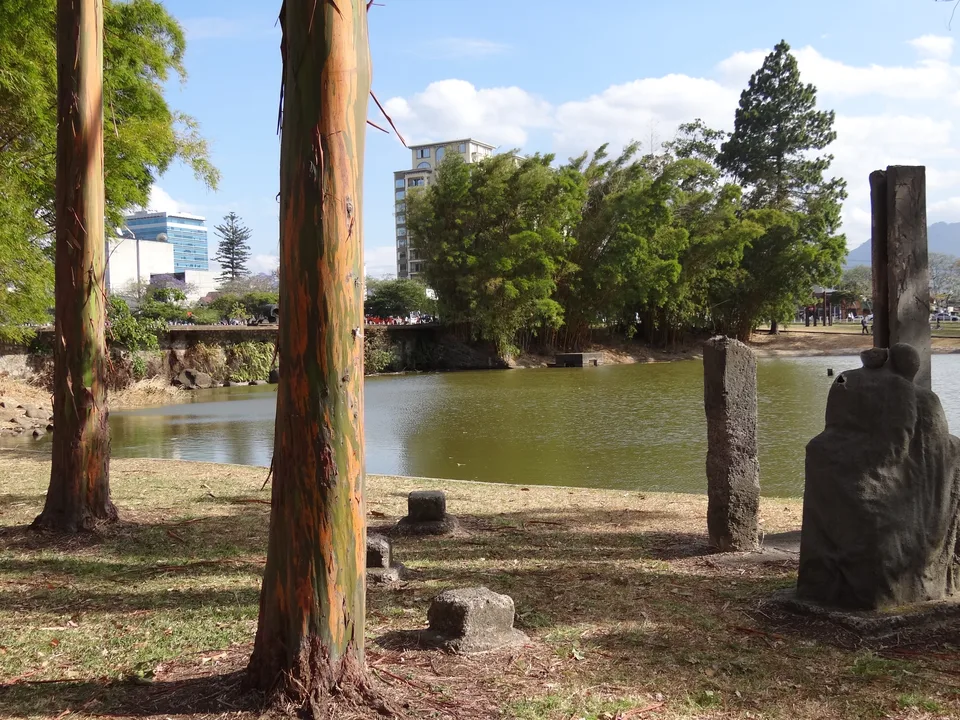
La Sabana adds open space to a stay otherwise concentrated on central streets and galleries. The historical walking guide describes the site's period as an international airport, inaugurated in 1940, and its later return to park use. Today its sporting areas, lake and greenery give an outing here a different rhythm from a museum visit.
Choose a manageable route through the park and leave time to sit. The pond photograph dates from February 2013 and illustrates the setting, rather than reporting current facilities or water conditions. If a particular sports facility, event or accessible route is important to you, establish those details before building the day around it.
Paseo Colón and the La Sabana area are also worth comparing when choosing a base. Plot your accommodation against the park entrance you intend to use and the central attractions on your list. Check crossings and the complete journey instead of assuming that an address described as near the park places every destination within an easy walk.
Eat at the market and explore Escalante deliberately
The tourism board’s introduction to local cultural experiences highlights the Mercado Central as a place for produce, clothing and food stalls. Give yourself time to look around before choosing a meal. Ask what a plate includes, whether the serving suits one person and which ingredients or accompaniments can be changed.
One food mentioned in that account is a chorreada, a corn pancake often paired with sour cream. Use the example as a starting point for reading a menu and asking questions. Availability and preparation vary, so explain allergies or dietary restrictions to the person serving you instead of treating a dish’s familiar name as a complete ingredient list.
For another meal, choose an Escalante restaurant by its own current menu, opening arrangements and location. This guide does not invent a personal favourite. Check whether you need a reservation, how prices are displayed and what the total will include. Plan the return to your accommodation before the evening becomes dependent on a dwindling phone battery.
For shopping, favour purchases you can identify and carry comfortably. Ask about materials and keep receipts for valuable items. Check food-import rules for your onward destination before buying edible souvenirs, and avoid turning a morning purchase into something you must carry through every subsequent museum visit.
Choose accommodation by your complete day
A central hotel can suit a trip built around the theatre and museums; a base near La Sabana may suit someone who wants park time alongside selected central outings. Escalante is another area to compare for restaurant-focused evenings. Evaluate the actual street, room and journeys rather than selecting from neighbourhood labels alone.
As a documented central example, Gran Hotel Costa Rica, Curio Collection by Hilton lists its address on Second Avenue between streets 1 and 3. Its published facilities include Wi-Fi and an on-site restaurant. Breakfast costs extra, self-parking is unavailable, valet parking is chargeable and an airport shuttle is not offered. These details matter when comparing its total with another property.
For any hotel, request the price for your dates and party size, including charges that might otherwise appear later. Confirm breakfast, cancellation terms, parking and the handling of late arrival. Ask about a particular accessible room or connecting arrangement before paying; a facility listed somewhere in a hotel does not establish that every room has it.
An apartment or guesthouse may be useful for a longer stay if its kitchen, laundry and working space match your needs. Ask for an inventory and evidence of internet performance in the specific unit. Arrange an initial stay that lets you assess the address before committing to a much longer booking.
Plan the journey from SJO to your actual address
Juan Santamaría International Airport, SJO, is in Alajuela. It serves the wider capital region, so an airport-area room and a central San José room support different plans. Check the airport code and exact transfer destination on every booking, especially if your first or last night is intended mainly to support a flight.
The airport’s official transport page identifies authorised orange airport taxis and lists operators. Use the terminal’s designated arrangements and confirm the destination and payment terms. For a prearranged transfer, establish the meeting point, flight-delay policy, luggage capacity and any child-seat requirement in writing.
For a bus journey, consult TUASA’s route information and confirm the appropriate stopping service and boarding point. Its published page distinguishes direct services from services with stops; not every bus labelled Alajuela–San José provides the same airport access. The page references older fare notices, so this guide does not present its displayed fare as a verified current charge.
Compare the whole journey, including the final connection from a bus terminal to your accommodation. Allow for walking, luggage and arrival time. A low first-stage fare may still leave an inconvenient last stage. For an early departure or late arrival, establish the transport actually operating at that hour and keep a workable fallback.
Keep local journeys simple
Group nearby central visits into one part of the day, with a meal or rest between them. Save the address of each destination and your accommodation offline. If you are using a ride service or taxi, confirm the correct entrance; a museum’s administrative address and its visitor entrance can lead to different approaches.
Walking can work for selected central visits when the route suits your group. Check crossings, pavement conditions and the return rather than judging only by the straight-line distance on a map. If someone needs regular rests, build those into the itinerary instead of adding them only after the day has become tiring.
For a longer stay, test a regular commute in both directions at the time you expect to make it. Include waiting and connections, and compare the route on an ordinary weekday. Do not sign a lease on the assumption that a journey made during a quiet holiday afternoon represents your working week.
Budget in the currencies actually quoted
Build a budget around accommodation, meals, local journeys, airport transport and admission. Keep quoted colón and US-dollar amounts clearly labelled before converting them into your own currency. Use your payment provider’s current rate and charges when assessing the final cost, rather than treating an indicative conversion as the amount that will leave your account.
The National Museum’s published rates and temporary exemptions provide a useful planning example: the charge can depend on the visitor’s category and day. Check each attraction separately. A free-admission arrangement at one institution does not establish free entry elsewhere, and an eligibility claim may require identification you need to bring with you.
Request live room and transfer quotations for the largest expenses. Compare a comfortable plan with a reduced plan and decide which optional outing you would remove if necessary. Keep a reserve for a changed journey or unexpected extra night. For prospective residents, create a separate monthly household budget based on the actual rental and bills under consideration.
Choose a season without expecting identical days
The tourism board’s Central Valley climate guide describes a broadly dry period from December to March and a rainy period from May to October. San José’s intermediate elevation gives it a temperate setting, while higher areas can be colder and wetter. These regional patterns help with planning; they do not forecast a particular afternoon.
In a wetter period, keep outdoor walking flexible and check the current forecast before leaving. A museum can anchor a day, provided its opening arrangements have been checked. Carry a rain layer and protect documents and electronics, especially when you have several journeys between indoor visits.
Pack for the places you will actually go. A city afternoon and an outing higher in the surrounding region may need different clothing. Leave room in the schedule to change the order of activities, and choose flexible reservations when that flexibility would help you. Avoid paying for several weather-sensitive excursions simply to fill every available day.
A realistic three-day first visit
Day one: arrive and settle into your chosen base. If time allows, take a short central walk to understand the theatre and plaza area, with a meal nearby. Keep this day flexible if flight timing or room access is uncertain, and confirm the next morning’s museum arrangements before turning in.
Day two: make Bellavista the main visit, checking the day’s admission conditions and opening. Choose the Jade Museum as a second collection only if your group wants more gallery time. Allow a proper break and avoid booking a tightly timed evening programme until you know how the day is progressing.
Day three: choose a National Theatre visit or the Gold Museum according to your interests, then give an afternoon to La Sabana or a shorter neighbourhood walk. An Escalante dinner can provide another perspective on the city. If you attend a performance, arrange the journey around its start time and late-entry rules.
With another day, consider a separate Central Valley excursion. With less time, choose fewer collections and enjoy them properly. The itinerary is deliberately adaptable to opening days, weather and stamina; it does not require moving quickly between every named attraction to be worthwhile.
Test the household you would actually live in
For a relocation scouting stay, start with your work, study or family obligations. Identify the address you must reach regularly and test the complete journey from a possible home. Check groceries, laundry, a pharmacy and any school or childcare arrangements before deciding that a pleasant short stay translates into a workable long-term base.
Inspect a prospective rental carefully. Request a written breakdown of rent, building charges, parking, utilities, security arrangements and repair responsibilities. Record the condition of appliances and any existing damage. Clarify the currency, payment schedule, deposit, notice provisions and what happens if you need to end the agreement early; obtain advice on the actual contract where necessary.
For electricity, CNFL’s property-service procedures provide an official starting point. Confirm the provider and account arrangements for the exact address, including who pays existing bills. Ask the owner how water service is billed and which matters must be handled with AyA or another applicable provider. Check internet availability and mobile reception in the unit itself.
For healthcare, ask an employer, institution or adviser how CCSS registration and coverage apply to your circumstances, and identify the local service you would use. Keep insurance for the transition under review and bring relevant medical information. For children, confirm admission and language support directly with the school before signing housing commitments around it.
Separate tourism from work, study and residence
Use the official entry-requirements page to check your nationality’s rules before booking. It calls for a valid travel document, any required visa, economic means and return or onward travel. The immigration officer determines the permitted stay; the maximum available to one nationality group should not be presented as an entitlement for every visitor.
The DGME’s April 2026 explanation of immigration categories distinguishes tourism, residence and special categories, including students and specific forms of work. Tourist status does not authorise employment. Identify the appropriate route before making commitments around a job, course or prolonged stay, and check what documents and later registration steps apply to that route.
Remote work has a separate Estancia programme for remote workers and service providers serving clients outside Costa Rica. Its requirements need to be assessed independently; a hotel with good internet does not establish immigration eligibility. Study permission, temporary residence and permanent residence also involve distinct conditions and should be treated as separate decisions.
The Costa Rican Embassy’s visa and residence guidance points readers towards nationality-specific requirements and the relevant authorities. Check health requirements against recent travel and transit history as well as nationality. For individual assistance, use VisaWand’s consultant directory or Costa Rica destination and consultant page to compare the scope and fees of professional support.
Look beyond the capital with enough time to enjoy it
The tourism board’s Central Valley overview identifies Alajuela, Heredia and Cartago as other provincial centres, alongside landscapes and protected areas farther afield. Choose an additional destination because it adds something you want, then investigate its current access and transport. Leave enough time for the return rather than attaching a distant outing to a departure flight.
VisaWand’s Alajuela location and consultant page and Cartago location and consultant page can help identify these places for further research. They are location directories, not completed travel guides. The wider Costa Rica cities and settlements directory provides further options when planning an onward trip or comparing possible bases.
For a short visit, the city itself offers enough decisions to fill the available days thoughtfully. For a possible move, preserve time for ordinary life between the sightseeing: an address, a commute and the services around it will tell you more about your own prospects than another hurried excursion.
Official planning resources
Reviewed 16 October 2026. Use the official resources linked throughout this guide for admission, transport, housing and immigration decisions. Prices, services and rules can change; confirm the details relevant to your dates. Photography illustrates the locations and is not a live view.
View all official resources
- Costa Rica Tourism: capital geography and character
- Costa Rica Tourism: historical walks and districts
- Costa Rica Tourism: museums in the capital and Central Valley
- National Museum: 2026 visitor hours, admission and access
- Central Bank: museum collections and Plaza de la Cultura
- Jade Museum: collections, visitor contacts and location
- National Theatre: current visit-planning page
- National Theatre: guided visits and performance rules
- Costa Rica Tourism: Barrio Escalante and Central Market food
- Hilton: Gran Hotel Costa Rica facilities and charges
- SJO Airport: transport and authorised taxis
- TUASA: route distinctions and published timetables
- Costa Rica Tourism: Central Valley climate
- CNFL: electricity-service procedures
- Costa Rica Tourism Board: entry requirements
- DGME: April 2026 immigration categories and documents
- Costa Rica Tourism: remote-worker stay requirements
- Costa Rican Embassy: visas and residence guidance
- Costa Rica Tourism: Central Valley and nearby alternatives
Plan the next part of your journey
Explore the Costa Rica guide, browse other cities or compare consultants for your travel and relocation questions.