Visa
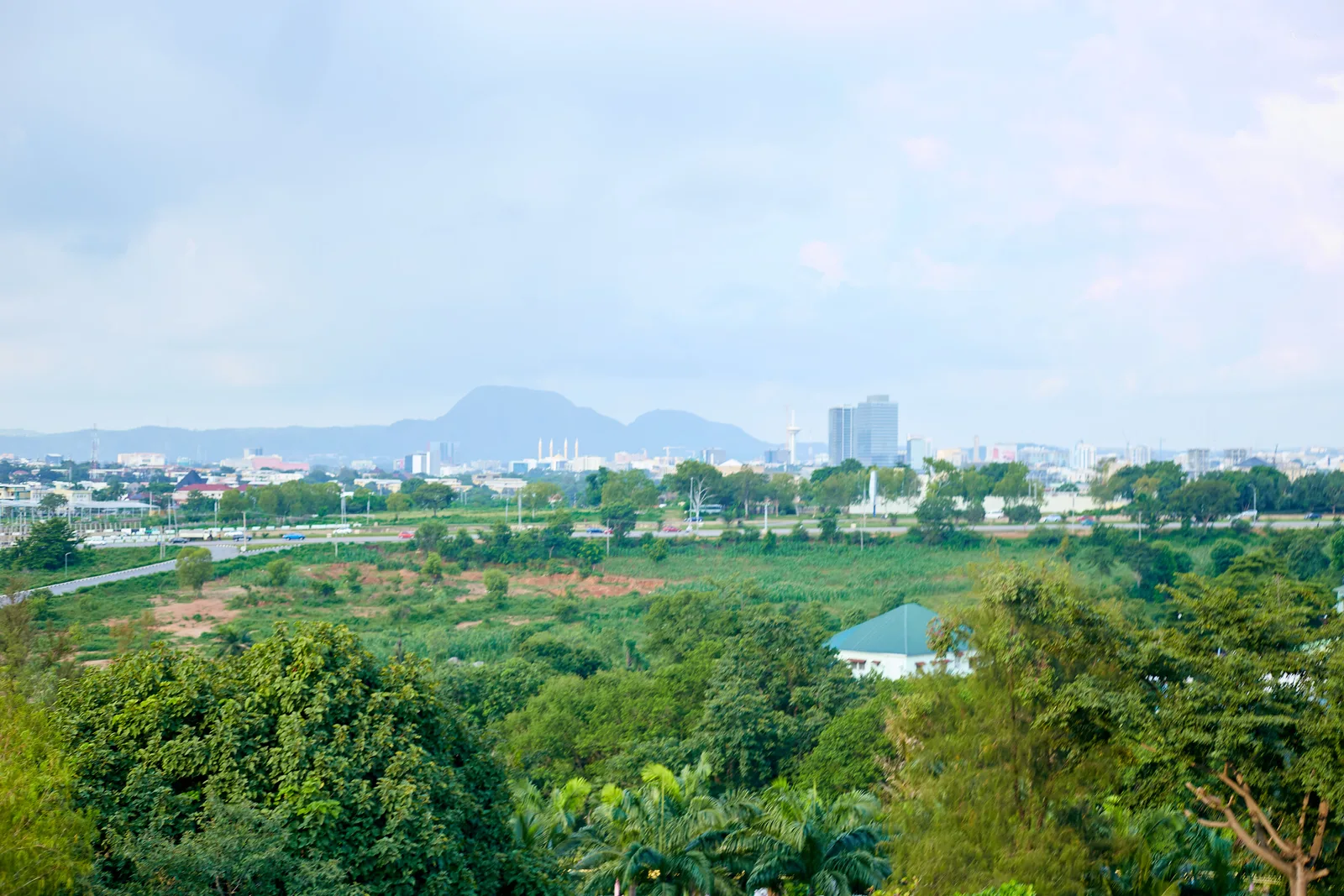
A capital visit starts with a current assessment
Abuja’s broad roads, administrative districts and surrounding hills present a different face of Nigeria from the coastal commercial metropolis of Lagos. People arrive for government business, conferences, family visits, employment and an introduction to the country’s planned capital. Its parks, monumental architecture and restaurants can fill the intervals between appointments, but a successful stay depends on reliable transport and a carefully chosen base.
Check conditions before committing. Canada’s travel advice currently advises against non-essential travel to Abuja, while UK guidance for the Federal Capital Territory highlights violent crime, kidnapping and unpredictable security conditions. Separately, NCDC’s 25 October 2026 update describes an active Ebola response following a confirmed case in the FCT. Recheck these sources, insurance conditions and local arrangements before departure. VisaWand’s Nigeria country guide provides the wider national context for the decisions below.
Understand the planned city and the wider territory
Abuja the capital city and the Federal Capital Territory are different geographical units. A property advertised as being in “Abuja” can be well outside the central districts you need. Compare the actual address and route rather than treating the name as proof of a convenient location. The Federal Capital Development Authority’s history explains the 1976 legal framework for creating the new capital and the decision to move federal functions from Lagos. It also distinguishes the older town once called Abuja, subsequently renamed Suleja, from the planned capital. That helps avoid a genuine naming confusion when reading historical accounts.
The planned landscape is visible in large roads, separated districts and prominent public buildings. Yet it is also a lived city, with households, traders and workers whose daily journeys connect the monumental centre with a much wider urban area.
Choose a district around your appointments
The Central Business District is an obvious starting point for comparing accommodation near central offices and civic landmarks. Maitama offers another established hotel base: Transcorp Hilton’s address is on Aguiyi Ironsi Street. These are useful location references, not promises that every meeting or attraction will be a short walk away.
Wuse, Garki, Asokoro and other district names appear repeatedly in service and accommodation searches. Use a precise address for each appointment and ask a trusted local contact to assess the journeys between them. A lower room rate farther away can be offset by hired transport, delays and a route you would prefer not to use routinely.
For relocation, compare the workplace, school and medical provider before choosing a home. For a conference, ask where sessions actually take place; the organiser’s office address may be different. Check evening meal arrangements too. A pleasant hotel can become an inconvenient base if every ordinary errand requires a separate long journey.
Read the skyline without assuming unrestricted access
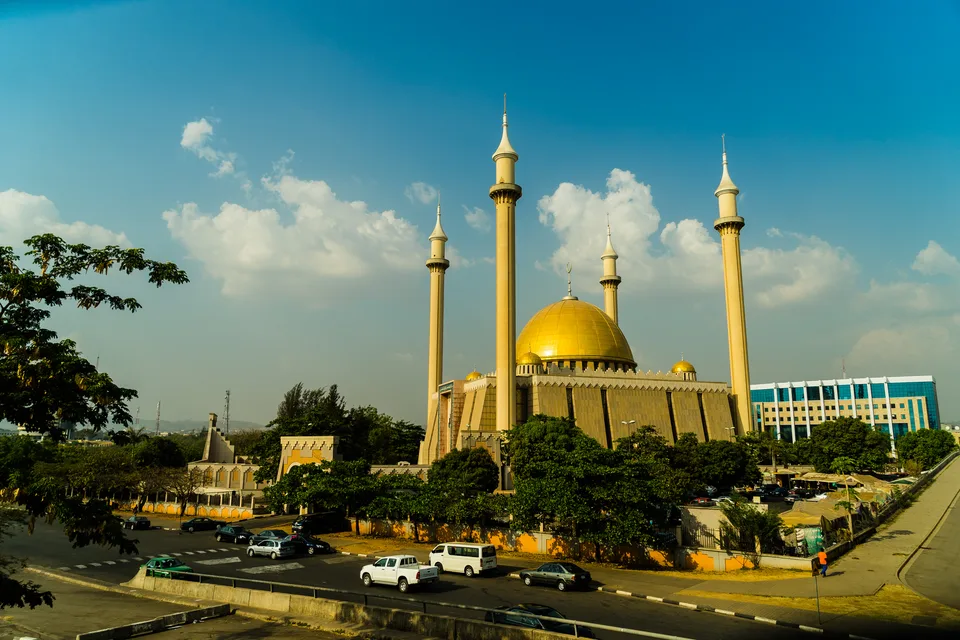
The National Mosque’s golden dome and minarets are among the capital’s most recognisable architectural features. Its setting helps explain the scale of the central civic landscape. Treat a view of the exterior and permission to enter as separate matters, especially around worship, official events or changing security arrangements.
The Nigerian Supreme Council for Islamic Affairs publishes contacts at the National Mosque Complex in the Central Business District. Its administrative office hours do not establish public mosque-tour hours. Enquire about visitor permission, dress, photography and any arrangements for people who are not attending worship before planning an interior visit.
The same principle applies around government buildings. An impressive facade is not an invitation to approach a gate or photograph a checkpoint. Ask locally about permitted viewpoints and follow instructions from staff. Avoid trying to turn restricted access into a more adventurous sightseeing experience.
Make Millennium Park a flexible daytime option
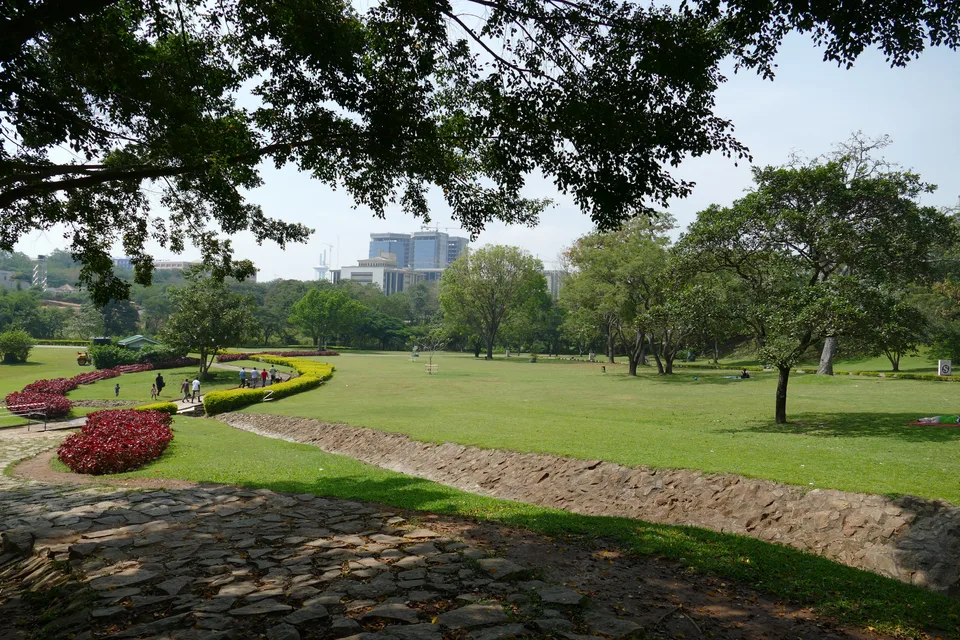
The FCT administration’s Millennium Park page identifies the park in Maitama and dates its inauguration to December 2003. Its lawns, paths and planted landscape offer a different scale from the surrounding roads and official buildings. It can make a useful break between indoor appointments when current access and conditions permit.
Confirm opening arrangements and any admission charge before travelling. A government description of the park’s design does not guarantee that every feature, fountain or facility is currently operating. Nor does an older photograph establish today’s condition. Plan the visit around daylight, weather and your transport arrangements rather than assuming an unrestricted late-evening stroll.
Bring water and sun protection, and choose footwear suitable for paths that may be wet after rain. Ask about step-free entry if needed. If local advice or public health measures change your plans, retain an indoor or hotel-based alternative.
Arrange a specialist museum visit in advance
For an experience beyond the usual skyline photographs, consider NASRDA’s National Space Museum. The agency locates it on its Abuja headquarters campus and describes models and artefacts relating to Nigeria’s satellite and space programmes. Its account includes interpretation by scientists and engineers, making it particularly relevant to visitors interested in technology or travelling with curious older children.
Contact the agency before including it in an itinerary. The reviewed primary information does not establish current walk-in opening hours, admission prices or the arrangements required to enter the campus. Ask about booking, identification, group size, visitor ages and accessibility. A museum within an agency campus needs a different approach from a public gallery on a shopping street.
If permission cannot be arranged, choose another activity instead of treating the existence of a museum webpage as an appointment.
Use Jabi for shopping and an easier meal stop
Jabi Lake Mall’s official website gives its address on Bala Sokoto Way in Jabi and lists trading hours of 9am to 9pm Monday to Saturday, with 10am opening on Sundays and public holidays. Check individual businesses and any exceptional arrangements before making a special trip. A cinema, restaurant or shop may follow its own schedule.
The mall can be practical for combining a purchase, a meal and time indoors, particularly when heat or rain makes an outdoor plan less attractive. Establish your pickup point and return arrangements before browsing. Travellers with accessibility needs should confirm facilities directly rather than assuming that every entrance works equally well.
The lake name does not mean every nearby waterfront activity is included, licensed or suitable for you. Ask separately about access, boat operators and safety arrangements if considering an activity. Do not treat the water as an unsupervised swimming opportunity. For a first visit, a simple shopping-and-dining stop may meet your needs without adding a separate excursion.
Match the accommodation type to the length of stay
Hotels can simplify a short business visit through reception, dining and organised transport. Serviced apartments may suit a household or longer assignment, especially when kitchen facilities reduce dependence on restaurant meals. Compare the actual unit, cancellation conditions and total bill rather than relying on a category label.
Fraser Suites Abuja provides an example in the Central Business District, with apartment-style accommodation and extended-stay enquiries. Its own information describes kitchen facilities and parking, while private airport transfers cost extra. Confirm which facilities belong to your booked apartment and which are shared or separately charged.
For any property, ask about power backup, water arrangements, internet performance, laundry and the security procedures for visitors and drivers. Request practical accessibility details if needed. A hotel’s marketing language about its location cannot establish that the surrounding district is free of risk. If an employer or host has accommodation standards, have the property assessed against them before paying a non-refundable deposit.
Plan the airport arrival as a complete journey
Nnamdi Azikiwe International Airport is Abuja’s air gateway. Confirm whether your flight uses the domestic or international arrangements and give the collecting driver the flight number. Terminal questions and assistance enquiries can be directed through FAAN’s customer-service information, which also lists a dedicated Abuja contact for passengers with reduced mobility.
Arrange pickup through a provider you have checked, and obtain the vehicle, meeting-point and contact details before departure. Ask how delays are handled and whether the quote includes waiting, parking and the exact destination. A generic “Abuja transfer” is insufficient when the accommodation could be in a distant district or satellite settlement.
Do not budget the connection around an unverified fixed driving time. Flight arrival procedures, traffic and your destination all matter. If connecting to another flight, confirm terminal arrangements with the airline and leave a realistic buffer. Keep essential documents and the host’s contact details accessible so a phone or mobile-data problem does not leave the arrival plan unusable.
Verify rail arrangements instead of relying on old promotions
The FCT administration identifies light rail among the capital’s infrastructure. Before relying on an airport or city rail journey, obtain the current operating days, departure times, fare, station access and onward transport arrangements from the relevant authority or station. Previously publicised free-ride periods are not evidence of a free service for your travel date.
Distinguish the urban rail journey from an intercity railway service. A station name alone does not tell you which network, destination or ticket applies. Confirm the last usable departure and whether it aligns with your flight rather than simply checking that a railway appears on a map.
For a first arrival, compare the complete rail-and-onward-transfer journey with an arranged car, including luggage and arrival after dark. If the necessary current details cannot be confirmed, choose a connection you can verify. Public transport can be useful without being presented as an automatic solution for every traveller, address or flight time.
Build each day around a workable transport plan
Group nearby appointments and allow time between them. For hired cars or app-based rides, check the vehicle and driver details, use the intended pickup point and share arrangements with a trusted contact when appropriate.
Avoid assuming that the city’s broad roads make every distance walkable. Heat, crossings, the final approach to a building and security conditions all affect the choice. Ask your host about the entrance actually used by visitors; large compounds can have more than one gate and may require prior authorisation.
For longer stays, test commuting at the hours you would normally travel, including the school run and evening return. Compare a weekly transport arrangement with individual journeys, checking waiting time and cancellation terms. Do not judge a residential area from a quiet midday drive alone. Daily reliability matters more than the shortest theoretical route on a navigation app.
Eat Nigerian food with a clear understanding of the bill
Food is a worthwhile part of a visit, but the best choice depends on your schedule, budget and dietary needs. A hotel restaurant can be convenient between appointments; a separate restaurant outing needs its own transport and return plan. Ask a reliable host for current options rather than treating a list of “local favourites” as permanently authoritative.
Transcorp Hilton’s dining information describes Nigerian and continental buffet selections at Bukka, alongside other restaurants and lighter meals. It lists breakfast from 6.30am to 10.30am for a fee, without a verified amount in the reviewed information. Confirm the current charge and whether breakfast is already included in your room booking.
Ask about taxes, service charges, drinks and any minimum spend before comparing venues. Explain allergies directly, including cross-contact concerns. For longer stays, kitchen access can provide flexibility, but check refrigeration and the equipment supplied.
Budget in naira using written, dated quotations
Build a trip budget from accommodation, airport connections, daily transport, meals and paid activities. Then add insurance, communication costs and a contingency. A room’s advertised nightly rate can conceal separate breakfast, transfer or laundry charges. Request the full amount in naira, the applicable dates and the payment and cancellation terms.
No reliable current city-wide hotel, meal or taxi average was established in the reviewed primary material, so a numerical daily budget here would imply precision the evidence cannot support. Compare quotations for the actual stay instead. Ask museums and attractions directly about admission rather than assuming that an old “free entry” claim remains valid.
For relocation, separate recurring monthly expenses from initial payments. Rent, deposits, agency charges, service charges, furniture and utility setup can create a substantial first bill. Establish the period covered by every requested payment. A lower headline rent may not be economical once commuting and household services are included. Keep receipts and written confirmation of what each payment covers.
Plan for rain, heat and harmattan haze
The FCT’s broad seasonal pattern combines a rainy period extending roughly from March into October with a drier period around October to March. These are approximate transitions, not a promise of rain-free dates. Harmattan can bring dusty haze and dry air. Check the Nigerian Meteorological Agency’s forecasts and alerts shortly before and during your stay.
Schedule outdoor visits with shade, water and time indoors in mind. Rain can alter an afternoon plan or the final approach to a property, so retain flexibility rather than stacking several weather-dependent stops. Carry footwear suited to the outing and a light rain layer when conditions warrant it.
Choose travel dates around the purpose of the trip as well as the season. A conference or school enquiry may dictate timing, while a flexible visitor can compare accommodation availability and likely conditions. Climate is only one consideration: current security and health advice should also inform the decision.
A realistic programme for three usable days
Use the first day for arrival, orientation and confirming appointments. If timing and local advice permit, make one short central architectural stop, with mosque access arranged beforehand if you intend to enter. Keep the evening straightforward rather than adding a long cross-city outing after a flight.
On day two, combine a confirmed specialist museum visit with a meal and a flexible park stop, adjusting the order to opening arrangements and weather. If the museum cannot receive you, replace it rather than arriving unannounced. Day three can accommodate Jabi shopping, another meeting or a quieter period before departure.
This is a framework for a visit that has already been assessed as appropriate, not encouragement to disregard current advisories. Avoid filling spare time with distant road trips. Travellers considering a move should reserve separate working days for property inspections, school discussions and service enquiries. Three calendar dates touched by late arrival and early departure may provide only one full day.
Moving: inspect the home and its access arrangements
Start with temporary accommodation while you assess the precise workplace, school and healthcare journeys. Inspect potential homes and the roads leading to them. Ask how access changes during heavy rain and how visitors, deliveries and returning residents enter the property. A gated entrance alone does not answer every household security question.
Verify the landlord’s or agent’s authority, the property offered and the proposed lease before transferring money. Obtain written terms covering the payment period, deposit, notice, repairs and included services. Clarify charges for shared facilities and record the condition of fixtures at handover. Seek qualified legal advice for a significant commitment.
Check water storage, cooling, ventilation, insect screening and power backup. Ask who maintains equipment and pays for fuel or repairs. Test mobile reception and internet in the rooms where you would work. A holiday impression, attractive balcony or impressive address cannot establish that a property supports an ordinary working week. Compare the home’s total running costs with its convenience.
Establish utility accounts and practical household support
AEDC’s official self-service portal provides routes for electricity connection enquiries, account updates, complaints and outage information. The FCT Water Board is the relevant starting point for its water services. Confirm the specific property’s account numbers, metering and responsibility for bills with the landlord and provider.
Ask what supply arrangements actually serve the building and how shared costs are allocated. Backup equipment needs maintenance, and a tenant should know whom to contact when it fails. Establish whether water storage or a pumping system forms part of the property’s arrangements rather than assuming that all advertised homes receive identical service.
Before settling in, identify reliable repairs, waste arrangements and a route for reporting problems. Keep emergency and landlord contacts accessible to everyone in the household. Families should contact schools about current places, curriculum, fees and transport directly; an agent’s description of a “family area” does not establish admission. Include these enquiries in the reconnaissance budget and timetable rather than leaving them until after a lease is signed.
Make healthcare planning specific to your household
The FCT administration’s service information identifies hospitals in several districts, but a hospital’s existence does not establish that it offers the specialist care, medication or insurer billing your household needs. Contact suitable providers directly and retain records and prescriptions needed for continuity of care.
Current UK health guidance gives 112 for emergencies while warning that Nigeria has no national ambulance service and that hospital-owned ambulance provision is very limited. Arrange medical and evacuation insurance and ask your host how urgent assistance would be obtained locally. Seek personalised pre-travel advice about malaria and vaccination requirements.
During the current Ebola response, follow NCDC’s updates and instructions. Its guidance says to report possible exposure promptly, even without symptoms, and to contact public health authorities before visiting a healthcare facility if symptoms develop after possible exposure. NCDC lists 6232 for its toll-free call centre. Do not substitute an older outbreak’s end date or reassuring social-media claim for current official information.
Separate entry permission from the purpose of your stay
Use the official Nigeria Immigration Service eVisa portal for eligible short visits and the NIS information centre to identify the correct category. British-passport entry guidance requires advance visa arrangements and six months’ passport validity; visa on arrival is no longer available. Nationality, existing residence status and purpose can change requirements, so check your own case.
Foreign travellers should complete the applicable electronic landing and exit cards and retain confirmations. These are separate from a visa. Follow current instructions for the NCDC health declaration, particularly where travel history triggers screening requirements. Check yellow-fever certification and any applicable exemptions before departure.
Tourist permission does not authorise ordinary employment or establish residence. NIS states that short-visit eVisas cannot be converted into work or residence permits inside Nigeria. Employment, study and dependants require the relevant process; permanent residence is separate again. VisaWand’s Nigeria consultant listings can help identify professional assistance, with qualifications and written terms checked before engagement.
Compare other places without turning them into casual detours
Suleja’s destination page helps distinguish the older place name from the capital, but its location in Niger State matters when reading current regional travel warnings. Do not turn historical interest or a nearby landmark into an automatic day-trip recommendation. Evaluate the complete route and current advice first.
For a different urban experience, Lagos’s destination page offers a coastal commercial-city comparison, while Calabar’s destination page provides another Nigerian location reference. Canada’s advisory treats those two cities differently from Abuja, but that does not establish every route or activity as safe. Check the guidance applicable to your nationality and insurer.
These are separate journeys, not nearby neighbourhoods. Verify flights, onward transport and entry conditions for any wider itinerary. Use the Nigeria location directory as a starting point for geographical comparisons, then consult operators and authorities for current services. Abuja is most useful to visit or assess as a home when each practical decision is grounded in the actual address, purpose and conditions of the stay.
Official planning resources
Reviewed 28 October 2026. Use the official resources linked throughout this guide for admission, transport, housing and immigration decisions. Prices, services and rules can change; confirm the details relevant to your dates. Photography illustrates the locations and is not a live view.
View all official resources
- Government of Canada: Nigeria travel advice
- UK government: Nigeria regional risks
- NCDC: 25 October 2026 Ebola response update
- Federal Capital Development Authority: Abuja history
- NSCIA: National Mosque Complex contacts
- FCTA: Millennium Park
- NASRDA: National Space Museum
- Jabi Lake Mall: visiting and stores
- Fraser Suites Abuja: accommodation and extended stays
- FAAN: airport service and accessibility contacts
- Federal Capital Territory Administration
- Transcorp Hilton Abuja: restaurants and breakfast
- NiMet: forecasts and climate information
- AEDC: official customer self-service
- FCT Water Board: customer information
- FCTA: services and hospital information
- UK government: Nigeria health
- Nigeria Immigration Service: official eVisa application
- Nigeria Immigration Service: visa and residence information
- UK government: Nigeria entry requirements
- Nigeria Immigration Service: landing and exit cards
- NCDC: Nigeria health declaration portal
Plan the next part of your journey
Explore the Nigeria guide, browse other cities or compare consultants for your travel and relocation questions.