Visa
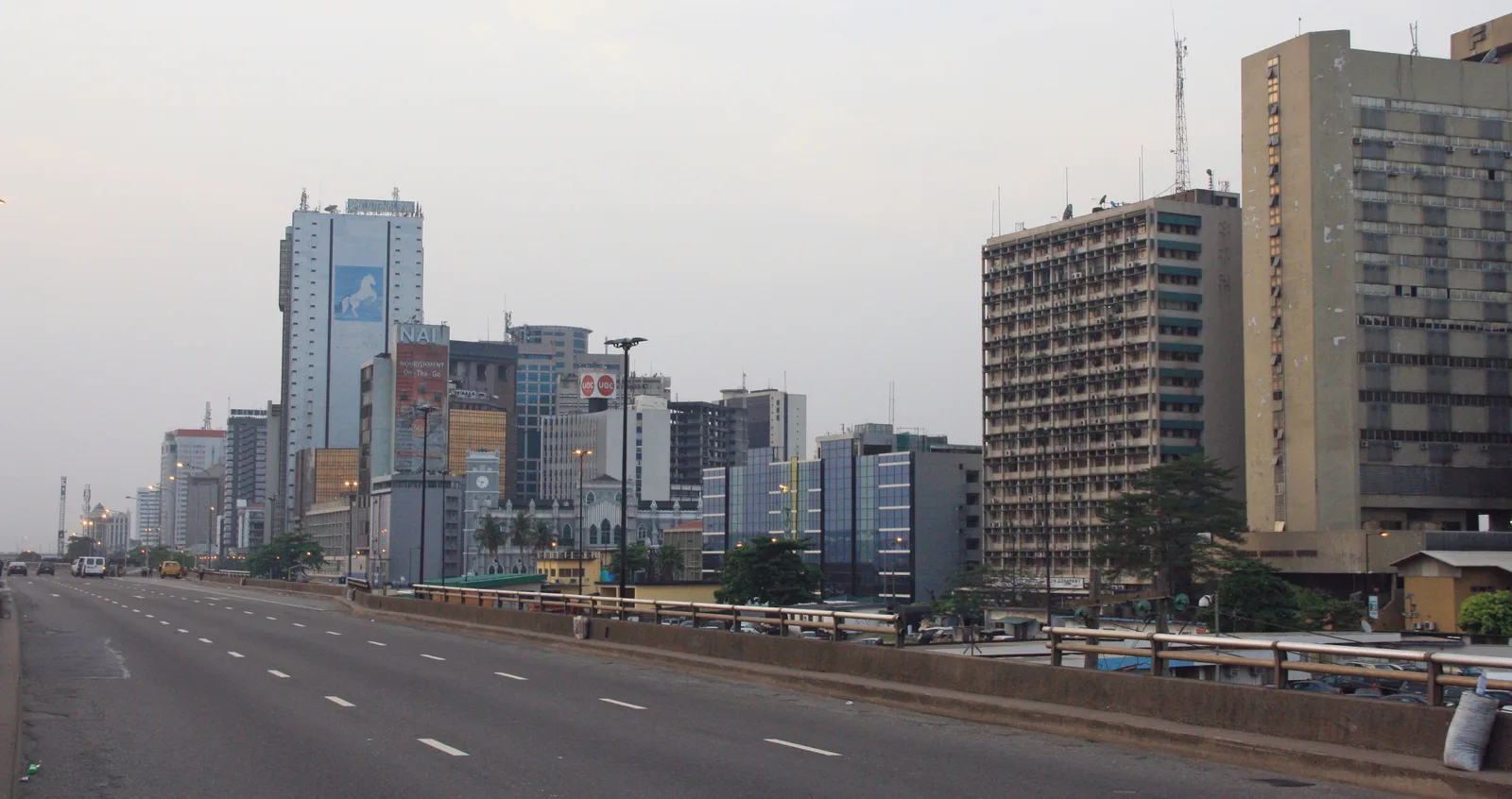
Lagos rewards a well-planned visit
Lagos is a city to approach through its culture and daily rhythms: art galleries, Yoruba heritage, music, food, commerce and the movement between mainland districts and the lagoon-side islands. It can make an absorbing holiday or business stop, but where you stay matters enormously. A hotel that looks close to everything on a regional map may leave you spending much of the day travelling.
Start by deciding what brings you here. For an art-focused visit, organise around Onikan and the Lekki corridor. For mainland appointments, consider a mainland base. For relocation, begin with the workplace, school and household services you will actually use. Do not choose a neighbourhood solely because its name appears frequently in hotel searches.
Give a first visit at least three usable days if your schedule allows. That means days after arrival formalities and before the airport transfer, rather than simply counting hotel nights. A successful Lagos itinerary is selective: one main area per day, a confirmed return journey and enough flexibility to respond to traffic, weather or a changed opening arrangement.
Understanding the city’s geography
Lagos Island, Victoria Island, Ikoyi and the Lekki peninsula are different places, not alternative names for the same centre. The mainland is equally varied. Ikeja is useful to consider for airport-related arrangements and mainland business, while Yaba, Surulere and other districts deserve assessment against your specific destination. Avoid treating the entire mainland as one budget category or the entire island side as one luxury district.
The Lagos State Building Control Agency’s resources page provides planning and building-regulation context for those assessing a move. Keep a street address and location pin for every booking, because a broad neighbourhood label does not establish which entrance, bridge approach or road you need. Ask your host to confirm the most practical arrival route.
For each accommodation candidate, compare three journeys: from the airport, to your principal daytime destination and back after an evening out. Check the likely conditions at those times, not just a midday driving estimate. This is especially important for families or anyone who needs to return during the day for medication, work calls or a child’s rest.
Historic Lagos Island and the Marina
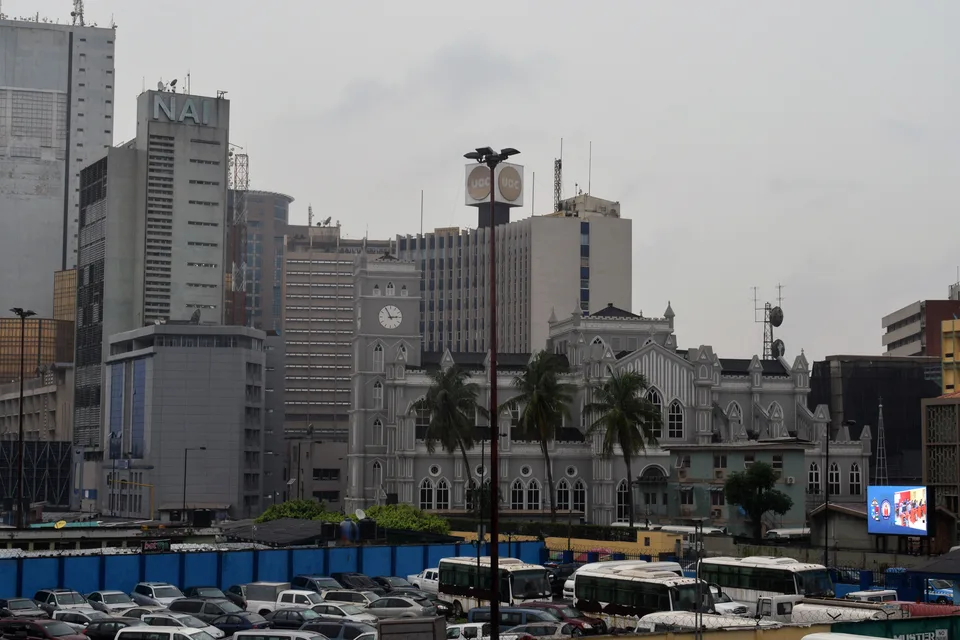
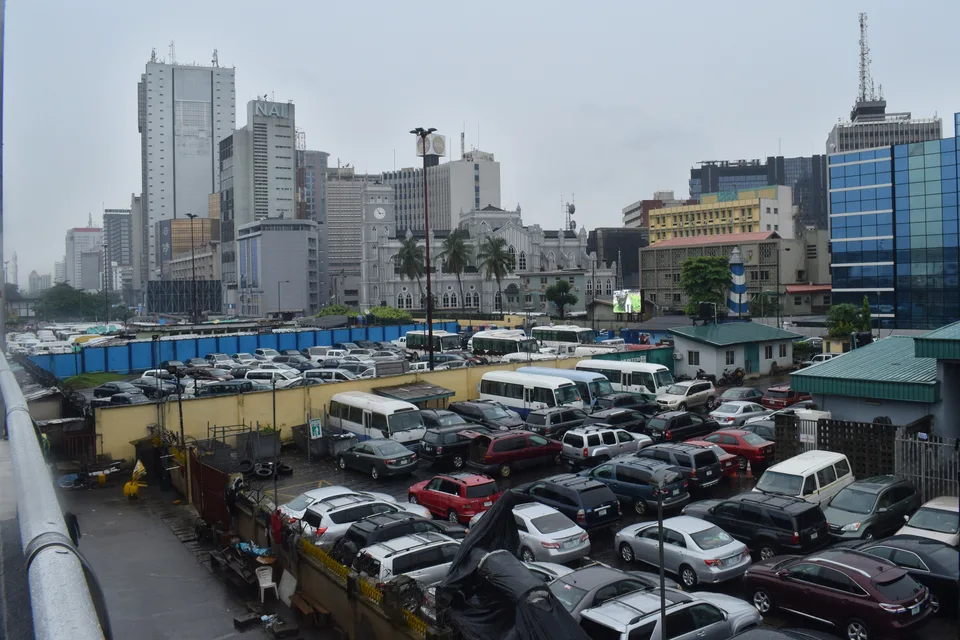
The Marina streetscape gives a useful introduction to Lagos’s role as a commercial city. Its cathedral and office buildings belong to a working urban district, rather than an attraction precinct separated from everyday traffic. Arrange a focused daytime visit with a clear meeting point, and ask before entering religious buildings or photographing services.
History also helps explain the city’s scale and importance. Lagos State’s resilience strategy traces its changing political role and the movement of Nigeria’s federal capital to Abuja in 1991. Lagos therefore should not be described as Nigeria’s present national capital. Nor should an old administrative boundary or population estimate be presented as a verified count of today’s metropolitan area.
For visitors, the most useful way to explore this part of the city is to connect an architectural stop with a substantive cultural visit nearby. Do not assume that every interesting building is open to casual visitors. Confirm access, carry only what you need and make arrangements for collection at a location your driver can identify precisely. Leave time to observe the streets without attempting to cross the whole city afterwards.
Onikan and the John Randle Centre
The John Randle Centre at Onikan Round About provides a clear anchor for a cultural day. Its published opening hours are Wednesday to Monday, 10am–6pm, with Tuesday closed for maintenance. Adult admission is listed at ₦5,000; children below ten are free. Check arrangements for children aged ten and above and any special programme before purchasing.
The centre’s Yoruba heritage focus makes it a worthwhile starting point for understanding culture rather than simply collecting landmark photographs. Give the visit enough time for interpretation and conversation. If you are travelling with children, ask which activities are available on your date, instead of assuming every advertised programme runs continuously.
A practical sequence is to make the centre your main booking, arrange lunch nearby and add a short Marina visit only if the day remains comfortable. The museum’s location on Lagos Island does not mean that a room advertised elsewhere on the island side is within walking distance. For a family with children of different ages, establish the admission category for each person and allow breaks. The free-entry threshold is an age rule, not a statement that every activity suits a younger child. Ask about the programme before promising a particular experience.
For groups, agree a meeting place and a latest departure time before people separate. Keep the Tuesday closure in mind when allocating your limited days.
Nike Art Gallery and buying art responsibly
The Nike Art Foundation offers another perspective on Nigerian culture through artworks, galleries and workshops associated with Nike Okundaye. Its own Lagos contact information places the gallery at 2 Nike Art Gallery Road, Ikate, by Legacy Place on the Lekki–Epe Expressway. Use that address when arranging a car rather than relying on a general reference to Lekki.
Current opening hours and a universal admission policy were not reliably established from the foundation’s visitor information for this guide. Ask directly about individual visits, groups, tours and workshops. For a textile or craft workshop, establish the duration, materials, group size and whether you can take the finished work away immediately. This makes comparisons between an informal visit and a booked session more meaningful.
Do not assume a workshop is included in an ordinary gallery visit, or that an artist advertised in the foundation’s programme will be present on your date.
If buying, ask about the artist, materials, provenance, price, packing and delivery before committing. A work that fits your budget may still require substantial shipping arrangements. Obtain an itemised receipt and clarify export documentation. Nigeria’s official travel and customs guidance for British travellers warns that exporting African art, particularly antiques, requires written authorisation from the Department of Antiquities. Confirm how the rules apply to the actual object, rather than assuming everything sold as a souvenir is exempt.
Music, evenings and choosing an event
Lagos’s musical identity is part of its appeal. The Fela Kuti estate’s account of the Afrika Shrine explains the cultural legacy behind a name many visitors recognise. That historical account is not a current performance calendar. For the New Afrika Shrine or any other venue, establish the artist, date, admission, door time and transport arrangements through the organiser before setting out.
Plan the return journey before the first drink. If you have a driver, agree waiting arrangements and a collection point; if arranging a later pickup, make sure the venue can identify a suitable meeting place. Keep a working phone and an alternative way of contacting your accommodation. A late event can be enjoyable without turning the journey home into an improvisation.
Choose an evening that matches your interests and energy rather than trying to sample every nightlife district. The best value may be one confirmed performance with enough time to enjoy it. Ask about seating, accessibility and any restrictions if those affect your party. Avoid building the next morning around a demanding cross-city transfer after a very late finish.
Lekki Conservation Centre and the coast
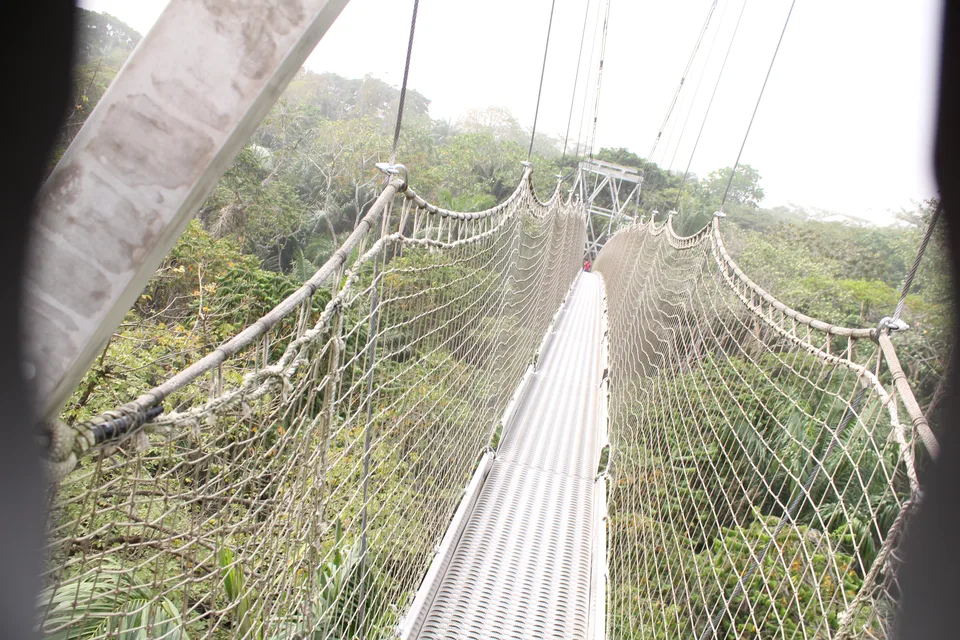
The Nigerian Conservation Foundation identifies Lekki Conservation Centre as a 78-hectare conservation site, established in 1990 and owned by the foundation. It offers a useful contrast to an itinerary otherwise dominated by roads, galleries and indoor appointments. Plan it as a proper outing, with footwear and clothing suitable for walking.
The canopy walkway is a familiar image of the centre, but a historical photograph is not evidence of today’s access. Confirm opening arrangements, admission, walkway availability, age or health restrictions and weather-related closures directly. Reliable current prices were not established for this guide. If heights are uncomfortable for someone in your group, ask what the ground-level visit involves before deciding whether to go.
Combine this outing with another Lekki-area stop only after considering actual travel time. A coast-facing address does not guarantee a swimmable beach, lifeguards or unrestricted access. Ask the operator about conditions and facilities before paying for a beach visit. Keep an indoor alternative available in wet weather, and avoid scheduling the conservation centre immediately before a flight when a delay would create an expensive problem.
Choosing accommodation and arriving from the airport
Murtala Muhammed airport arrangements require attention to the actual terminal. The Federal Airports Authority passenger-support page distinguishes international Terminal 1, international Terminal 2 and domestic facilities. Check your airline’s instructions and give the precise terminal to whoever collects you. A transfer quotation should specify the address, passengers, luggage, waiting allowance and arrangements if your flight is delayed.
For a Victoria Island base, Eko Hotels & Suites is one established option to compare, with its address on Adetokunbo Ademola Street. For the mainland, the Radisson Blu Hotel, Lagos Ikeja provides a different geographical proposition. The hotel lists its address as 38–40 Isaac John Street, with check-in from 2pm and checkout at noon. Ask about luggage storage when your flight falls outside those hours. These examples illustrate location choices, not a promise of availability, a particular price or suitability for every traveller.
Compare hotels with serviced apartments by the full stay cost. Establish whether breakfast, laundry, internet, power provision, cleaning and airport collection are included. For an apartment, confirm the identity of the person taking payment and what happens if the advertised unit becomes unavailable. A sensible first booking allows enough time to assess the city without committing immediately to a long residential contract or a series of non-refundable transfers.
Rail, buses and paying the correct fare
LAMATA publishes separate information for the Blue Line and Red Line. The Blue Line serves the Marina–Mile 2 corridor; the Red Line timetable covers Oyingbo–Agbado, including mainland stops such as Yaba, Oshodi and Ikeja. Do not assume that the Red Line currently provides a direct journey to Marina or the airport terminal.
A June 2026 Blue Line announcement introduced 6am starts Monday to Saturday from 15 June, with a stated 9.30pm close. Older timetable material still displays different times. Confirm the day’s service at the station and use the correct direction; a train’s scheduled running time excludes reaching the station and completing your final connection.
For regulated buses, use approved electronic payment. LAMATA’s cashless-payment notice lists the Cowry card at ₦500 before loading travel funds and warns against cash fare payments. Its 2026 fare page lists Ikeja–Obalende at ₦720 and Marina–Lekki at ₦570. These are route examples, not universal city fares. For a simple illustration, one new card plus a ₦720 journey requires ₦1,220 before any return trip or connecting service. Buying the card does not make the first journey free.
Keep enough balance for your return, and use the operator’s assistance procedures if a validator fails or a charge appears incorrect.
Food, shopping and practical budgeting
The National Institute for Cultural Orientation’s cuisine guide lists foods associated with Lagos and the wider southwest, including eko with stew, amala, eba and okra soup. Menus offer a better introduction when you ask what accompanies a dish and how it is prepared. For allergies or dietary restrictions, clarify ingredients directly; a familiar name does not establish an identical recipe everywhere.
Build a budget in naira, abbreviated NGN or shown with ₦, and obtain current prices for your dates. Allow separate amounts for accommodation, meals, transfers, admission and an emergency reserve. For example, two full-price adult entries to John Randle Centre total ₦10,000 before transport or food. A low admission fee can be outweighed by repeated journeys if you organise the day badly.
For shopping, decide whether you want everyday essentials, clothing, textiles or a significant artwork, then choose the appropriate venue. Ask for a full price before agreeing to alterations or delivery. Keep receipts and check payment confirmation with the merchant. Avoid carrying the entire trip budget in cash, and retain a second payment option securely at your accommodation. Before booking a full day with a car, clarify whether the price includes fuel, parking, tolls, waiting and any evening surcharge. Compare that total with the journeys you actually intend to make, rather than multiplying a guessed fare by the number of attractions.
A useful souvenir is one you can transport and lawfully take home.
Waterways, weather and leaving enough time
Water transport can be worth considering where a suitable service connects your actual destinations. Check the operator, jetty, departure and onward connection rather than treating any boat as an interchangeable taxi. Lagos State Waterways Authority’s safety guidance requires life jackets throughout the trip, including for personnel. Do not accept a trip without a correctly worn jacket, and check suitable sizes for children before boarding.
Weather can change which outing makes sense. Use the Nigerian Meteorological Agency for current forecasts and seasonal information, and consult the Hydrological Services Agency’s flood resources when assessing wider conditions. A seasonal outlook does not establish that a particular street or rental property will remain accessible during heavy rain.
NiMet’s 2026 seasonal outlook predicted a longer rainy season and a delayed end to the rains in Lagos, alongside a potentially pronounced midyear “August Break”. These were forecasts, not a record of what happened on every date. A short dry interval should not be mistaken for the permanent end of the wet season. Choose dates around the experiences you want: a confirmed exhibition can provide a firmer reason to travel than a promise of ideal outdoor weather.
For visits, keep flexible time around outdoor activities and major transfers. For housing, ask about drainage, previous flooding and alternative access, and inspect the approach road as carefully as the building. Carry rain protection for documents and electronics. When conditions disrupt a route, take local operational advice rather than forcing a tightly packed itinerary. Budgeting extra time is part of planning Lagos realistically, not an admission that the day has failed.
A workable three-day itinerary
Use day one for Lagos Island and Onikan: John Randle Centre, a measured introduction to the Marina and lunch without a second major transfer. Schedule this around the centre’s Tuesday closure. Keep the evening simple after a long arrival day, particularly if you have not yet learned the journey between your hotel and the places you intend to visit.
Use day two for a Lekki-area art visit, with the conservation centre added only if access, weather and the route make it realistic. Those with a strong interest in art may prefer a longer gallery visit to a second attraction. Confirm both places independently rather than assuming one booking or driver’s quotation includes all admission and activities.
On day three, choose a mainland appointment, a confirmed cultural event or extra time in an area you particularly enjoyed. Prospective residents should replace some sightseeing with a property inspection and a realistic commute. Keep your final flight day clear enough for a cautious airport transfer. This itinerary is a suggested order of priorities, not a claim that every combination fits within a fixed number of driving minutes.
Moving here: housing, commuting and essential services
For a move, assess the home against a complete weekday routine. Obtain the rent period, upfront payment, deposit, agency charges, service charges and notice conditions in writing. Ask who is authorised to rent the property and have an independent professional check the agreement. A listing, an impressive gate or an agent’s registration alone cannot establish ownership or the right to grant a tenancy.
Electricity arrangements deserve a specific conversation. Ikeja Electric’s customer information explains meter and account issues, while Eko Electricity Distribution identifies its own service area. Confirm the supplier for the actual address, any outstanding account balance, the tariff classification and the allocation of generator, inverter or estate charges. Do not assume a quoted rent includes backup power or unlimited air conditioning.
Check water source, treatment, storage, waste collection and repair responsibility. Test mobile reception and the internet connection inside the unit rather than relying on a speed advertised for the neighbourhood. Families should confirm school admission, fees and transport before committing to a lease. If you expect to commute daily, try the journey at the relevant hour before deciding that a larger or cheaper home is the better overall choice.
Health, security and preparing sensibly
Read the current Nigeria safety advice with attention to your exact journeys and circumstances. Protests can disrupt Lagos, and personal-security arrangements deserve advance planning. Use transport you have checked, keep the driver’s and host’s contact details, avoid unnecessary travel after dark and do not approach demonstrations to take photographs. Seek current local information when plans change.
The UK government’s health guidance identifies 112 as an emergency number but warns that there is no national ambulance service and hospital-owned services are limited. Arrange insurance for treatment and possible medical evacuation, and identify an appropriate medical provider before you need one. Public treatment is chargeable; private care is more expensive. Discuss malaria prevention, vaccinations and existing conditions with a qualified travel-health professional.
For longer stays, establish how prescriptions and follow-up care will be managed. Keep medical documentation, insurer contacts and a practical transport plan available offline. Check what your policy excludes, particularly residence, employment or particular activities. Sensible preparation should support an enjoyable visit; it should also be concrete enough to work if a phone fails or the person who normally helps you is unavailable.
Visas, residence and places beyond Lagos
Use the Nigeria Immigration Service’s visa categories to identify the correct purpose of travel. Its tourism category is single-entry for thirty days, prohibits work and is not extendable. Follow the official eVisa application link, confirm nationality-specific eligibility and fees, and obtain the required approval before travelling. The landing and departure card system is a separate requirement; it does not replace a visa.
Employment, study and residence involve different permissions. Consult the immigration knowledge base and your employer or institution before committing to a move. Do not interpret a business meeting visa as general permission to work, or a tourist stay as a route to automatic permanent residence. VisaWand’s Nigeria country guide, Nigeria visa consultant directory and consultant listings provide further starting points.
For a separate excursion, Badagry’s local-government heritage information introduces museums and sites associated with the transatlantic slave trade. Arrange this as a considered trip with confirmed access and transport, not a brief stop added to an airport day. Check regional travel advice before travelling farther afield. Use the Nigeria location directory to compare places; directory coverage does not mean every location has a completed guide.
Official planning resources
Reviewed 17 October 2026. Use the official resources linked throughout this guide for admission, transport, housing and immigration decisions. Prices, services and rules can change; confirm the details relevant to your dates. Photography illustrates the locations and is not a live view.
View all official resources
- Lagos State Building Control Agency: planning resources
- Lagos State: resilience strategy
- John Randle Centre: visitor information
- John Randle Centre: Yoruba heritage
- Nike Art Foundation: galleries and workshops
- Nike Art Foundation: Lagos address
- UK FCDO: Nigeria entry requirements
- Fela Kuti: Afrika Shrine legacy
- Nigerian Conservation Foundation: Lekki Conservation Centre
- FAAN: airport passenger support
- Eko Hotels and Suites: Victoria Island
- Radisson Blu Lagos Ikeja
- LAMATA: Blue Line timetable
- LAMATA: Red Line timetable
- LAMATA: Blue Line service update
- LAMATA: cashless payment policy
- LAMATA: 2026 bus fares
- LAMATA: card and fare help
- National Institute for Cultural Orientation: Nigerian cuisines
- LASWA: waterway safety
- Nigerian Meteorological Agency
- Nigeria Hydrological Services Agency: flood and drought information
- NiMet: 2026 seasonal climate outlook
- Ikeja Electric: customer FAQs
- Eko Electricity Distribution: service area
- UK FCDO: Nigeria safety
- UK FCDO: Nigeria health
- Nigeria Immigration Service: visa categories
- Nigeria Immigration Service: eVisa application
- Nigeria Immigration: landing and departure cards
- Nigeria Immigration Service: work study residence guidance
- Badagry Local Government: historical monuments
- UK FCDO: Nigeria regional risks
Plan the next part of your journey
Explore the Nigeria guide, browse other cities or compare consultants for your travel and relocation questions.