Visa
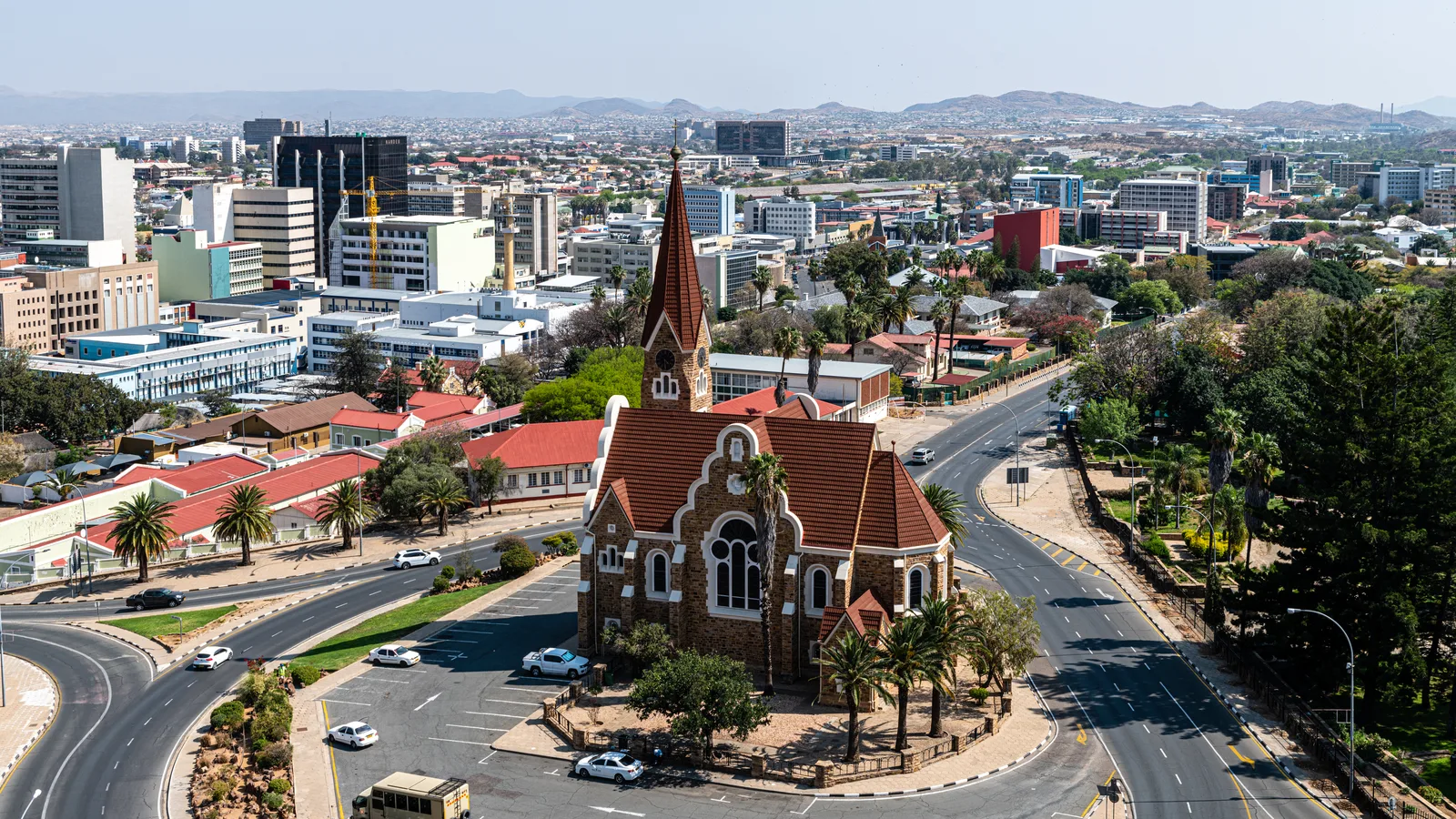
A highland capital worth more than an overnight stop
Windhoek is where many Namibian journeys begin, but collecting a rental vehicle and leaving immediately misses an important part of the country. Museums explain the struggle for independence, markets reveal the work of contemporary traders, and the hills around the city introduce the landscape that shapes life inland. Give the capital two full days if history, art and everyday urban life interest you; add another for a nearby nature excursion.
The Namibia Tourism Board’s central-region overview places Windhoek among the Auas, Eros and Khomas highlands. This is an inland capital rather than a coastal resort. A city stay can combine central sights and suburban accommodation, but the address matters: somewhere described as being in Windhoek may require transport for almost every outing.
For a first visit, reserve the arrival evening for settling in. People considering a move should add ordinary working days, when they can test school journeys, inspect housing and visit service providers. A pleasant holiday base and a workable home are different decisions, even within the same suburb.
History begins before the colonial landmarks
Windhoek’s history did not begin with its European buildings. The municipal history account describes settlements drawn to the area’s hot springs and the nineteenth-century presence of Jonker Afrikaner. German colonial expansion brought the Alte Feste fort in 1890; South African troops occupied Windhoek in 1915. Namibia became independent in 1990. These successive periods help explain the layers visible around Independence Avenue and Robert Mugabe Avenue.
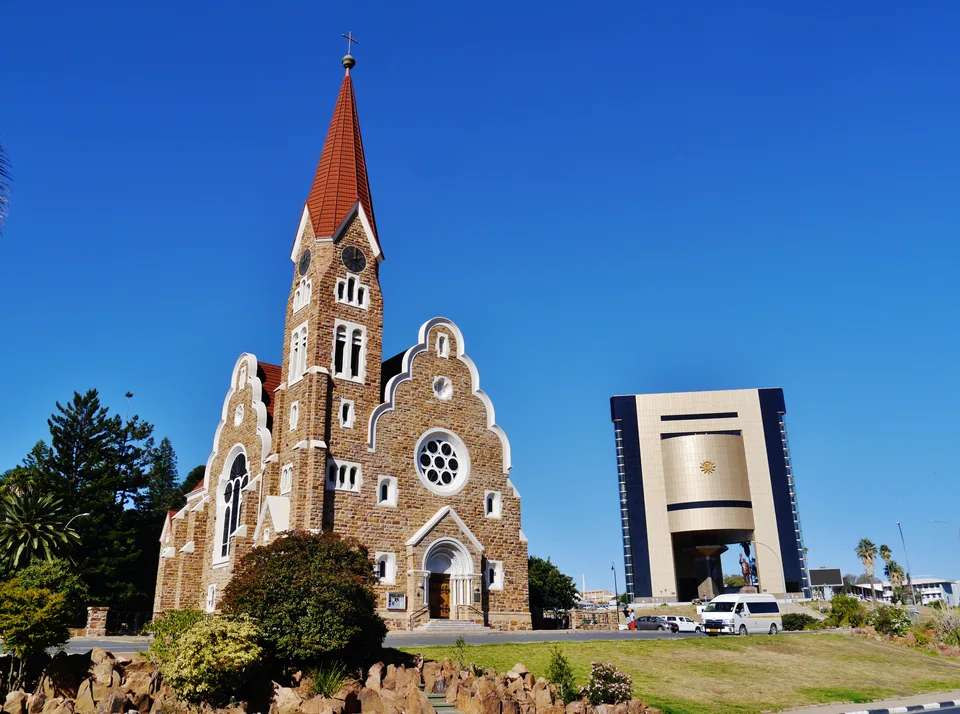
The architectural contrasts are striking, but they need interpretation. A church, colonial fort and independence museum standing close together do not tell a single uncomplicated story. Read the labels, notice whose experiences are represented, and allow time for subjects that challenge the postcard image of the city.
An effective historical walk connects buildings with changes in power and daily life. Ask how land, work and access to the centre changed under different administrations. Keeping those questions in mind gives even a brief visit more substance, without requiring a specialist background or turning every stop into a lengthy lecture.
The Namibia Digital Repository’s Old Location research documents the shooting of 10 December 1959 through interviews and archival work. Forced removals and resistance belong in any serious understanding of Windhoek. Pairing this history with a neighbourhood visit makes the city more intelligible than treating its buildings as isolated photo stops.
Museums and the central landmark circuit
Start around Christuskirche and the Independence Memorial Museum, then choose one museum to explore properly. The Museums Association of Namibia’s museum listing describes three galleries covering anti-colonial resistance and the liberation struggle. It currently lists weekday opening from 09:00 to 16:30 and weekend closure. Municipal information gives different Saturday hours, so confirm directly before organising a weekend visit. Do not build a schedule around an assumed rooftop or lift opening.
The Windhoek City Museum offers another perspective, covering pre-colonial settlement, the German period, the Old Location and residents’ voices. It is at Robert Mugabe Avenue and Schwerinsburg Street. Its published opening-time entry contains an obvious error; contact the museum for a usable time and current admission arrangements.
For the outdoor part of the circuit, keep the walk short enough to enjoy the buildings rather than simply endure the heat. Check access before entering churches or official grounds. Museum visits work best with a pause between them: the subject matter deserves attention, and a long list of interiors can quickly become indistinct.
Travellers who need step-free access should contact each venue individually about entrances, lifts, toilets and seating. The presence of a lift in a historical photograph does not confirm that it is operating today. If access is uncertain, choose an alternative in advance instead of arriving with a tightly timed programme that depends on it.
Contemporary art, crafts and indigenous plants
The National Art Gallery of Namibia provides a useful counterpoint to historical museums. Its published hours are Monday 14:00–17:00, Tuesday–Friday 08:00–17:00 and Saturday 09:00–14:00, with Sunday closure. Check the exhibition programme and holiday arrangements before travelling. An exhibition is an opportunity to encounter individual artists, rather than expect one room to summarise an entire country.
For shopping, the Namibia Craft Centre at 40 Tal Street publishes weekday hours of 09:00–17:30, Saturday 09:00–16:00 and Sunday 09:00–15:00; public holidays have shorter hours. Ask who made an item, what materials it contains and how it can be packed. Buying fewer pieces with a clear connection to their makers is often more satisfying than filling a bag with anonymous souvenirs.
The National Botanical Garden offers a different kind of introduction. Much of it retains natural vegetation, with an emphasis on indigenous plants and conserving water. The environment ministry lists weekday access from 08:00 to 17:00. Confirm special openings separately. Expect a botanical walk through a dry environment, with suitable shoes and water, rather than extensive lawns and ornamental flowerbeds.
Choosing a neighbourhood and accommodation
A central address suits visitors who want to concentrate on museums and shopping. Hilton Windhoek’s location page, for example, places that hotel on Reverend Michael Scott Street in the centre. This is a location reference rather than a price recommendation. Check the actual walking route to your intended destinations, evening transport and any parking charge before choosing between properties.
Klein Windhoek and Eros are useful names to include in an accommodation search, while people looking at longer stays may also encounter Ludwigsdorf, Kleine Kuppe and Hochland Park. Compare individual addresses instead of assuming every property in a named suburb has the same atmosphere or convenience. A hillside room may offer a view while making a quick walk for breakfast less practical.
Guesthouses, hotels and self-catering accommodation answer different needs. Ask about breakfast times, kitchen equipment, laundry, heating for winter nights and room access after a late flight. Drivers should confirm parking dimensions and security arrangements. Travellers with limited mobility should request details of steps, gradients and bathroom layouts; a photograph of a comfortable bedroom does not establish an accessible route to it.
Arriving at the correct airport
Namibia Airports Company places Hosea Kutako International Airport about 45 kilometres east of Windhoek, across the Khomas Mountains. Eros is a separate airport; check the airport name on every ticket and transfer confirmation. Confusing them can disrupt an otherwise straightforward connection.
The airport operator lists shuttles and vehicle rental among the available facilities. Arrange the transfer around your flight number and accommodation address, asking whether the fare is per person or per vehicle, how delays are handled and whether the driver waits through immigration. Confirm payment methods before arrival. Do not assume a hotel automatically supplies an airport shuttle: the Hilton location page, for instance, currently lists no airport shuttle service.
Allow the first rental-car handover enough time for an inspection, insurance questions and a demonstration of unfamiliar equipment. Photograph existing damage and check the contract’s road restrictions. After a tiring overnight flight, spending the first night in Windhoek can be a practical decision, especially if the next stage involves unfamiliar rural roads. Avoid treating an advertised transfer duration as a guaranteed connection time.
If an onward flight leaves from Eros, plan the road transfer as a separate journey, including baggage collection and check-in requirements. Ask the airline what happens if the incoming flight is delayed, especially when tickets were purchased separately. An airport change is a reason to build in a substantial margin, not simply add the driving time.
Katutura and the history beyond the centre
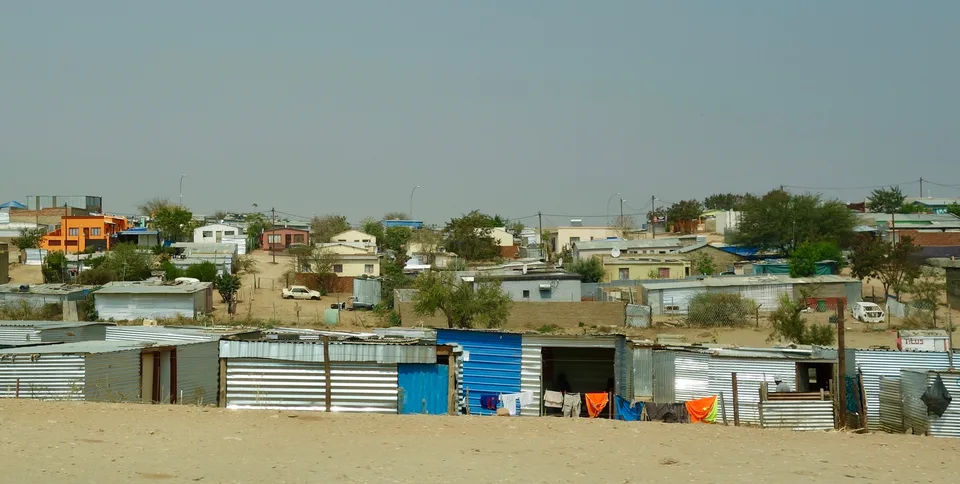
Katutura deserves attention as part of a living city, with households, businesses and institutions, rather than as a spectacle. A visit is most useful when it connects the history of forced relocation with present-day work and community life. Choose a guide who can explain the route, identify the places being visited and make clear which activities support local businesses.
Before booking, ask whether the itinerary includes historical interpretation, a market visit or mainly driving between stops. These can be very different products. Agree on group size, photography expectations and the total cost, including transport. Give people the choice to decline photographs, and do not enter homes or workplaces simply because they appear on a tour route.
Consider what you want to learn before deciding how much time to spend. Someone interested in urban history may prefer a slower visit with discussion; someone joining a food outing should know whether there is any historical component at all. Paying for local knowledge can improve the experience, but a guide’s presence does not remove the need for consideration and consent.
Getting around and planning a sensible evening
Windhoek has municipal buses, not just private vehicles and taxis. The city’s bus-information page links route maps and timetables and provides contact details for smart cards and taxi stops. Some linked documents carry older branding despite recent upload paths. Confirm the route, operating day and last service with the transport division before relying on one for a work shift or an evening return.
For a short stay, combine a compact central outing with prearranged rides for more distant stops. Avoid planning several scattered errands as though all suburbs were within an easy walk. Ask your accommodation to help identify a reputable taxi company, and agree on the pickup point and fare basis.
The UK government’s Namibia safety advice warns that robberies in Windhoek can occur during the day as well as after dark, including in busy places. It recommends reputable, arranged taxis rather than street hailing. Keep valuables discreet and organise the journey home before going out. In a vehicle, keep belongings out of sight and remain attentive at intersections and fuel stops.
Eating, shopping and handling money
Kapana is an important introduction to everyday Namibian food culture: grilled meat sold by informal vendors. Nedbank Namibia’s reporting on its 2026 cook-off describes the trade as a source of livelihoods as well as a culinary tradition. Ask locally about an appropriate market visit, check the price and portion before ordering, and choose food cooked thoroughly and served hot.
Menus and opening days matter more than broad claims about a city’s dining scene. Vegetarians, people with allergies and families with small children should check available dishes directly. A self-catering kitchen can be useful for a longer stay, but establish whether it includes the equipment you need. A fridge and kettle alone will not replace restaurant meals.
The tourism board’s currency information confirms that the Namibian dollar is fixed at equal value to the South African rand, which can be used in Namibia. Namibian dollars are not legal tender in South Africa. Carry more than one payment method, keep some small notes available and ask merchants about card acceptance. Compare bank charges before choosing a withdrawal or exchange option, especially before travelling onward.
Building a budget that fits your trip
Accommodation and transport should be priced together. A lower room rate can lose its advantage if every meal and museum visit requires a separate ride. Request written quotes for your dates, including taxes, breakfast, parking and cancellation terms. For an apartment, establish whether cleaning, electricity and internet are included or billed separately.
Build a daily allowance around actual choices: a simple breakfast, one main meal, groceries or another meal, and the journeys you expect to make. Add excursions as separate costs, with park admission, guide fees and vehicle charges itemised where applicable. Current, comparable quotations are more useful than an unsupported claim that everyone can visit Windhoek on one particular daily amount.
Keep arrival and departure costs separate from ordinary spending. Airport transfers, luggage storage or a late checkout can matter disproportionately on a short visit. Drivers should also account for the rental deposit, insurance excess and fuel rather than just the headline daily rate. Retain a reserve for a changed flight or an extra night; do not spend the entire margin on the first excursion.
For a family, calculate costs for the whole group. A private transfer may compare differently with several individual tickets, while a self-catering apartment can change both meal costs and transport needs. Check whether a quoted room accommodates everyone and whether children’s ages affect the price. Comparing the same inclusions prevents misleading savings.
Seasons and a realistic three-day stay
The Namibia Tourism Board’s climate guidance describes a hot summer, a main rainy season broadly from December to April and cooler winter conditions with cold nights. Windhoek’s inland setting calls for layers. Pack sun protection and drinking water for daytime outings, and something warm for early starts and winter evenings. National temperature ranges should not be read as an exact forecast for the city.
On day one, settle in, then give the central museum area a leisurely half-day if opening hours permit. Use the evening for dinner near your accommodation rather than a complicated cross-city programme. On day two, combine a guided neighbourhood visit with either the art gallery or craft centre, leaving room for conversation and shopping.
Use day three for the botanical garden or a prearranged trip to Daan Viljoen, depending on access and your interests. Move museum and gallery visits to confirmed opening days if your stay includes a weekend. This is a suggested sequence, not a promise that every venue opens daily. With only one full day, choose history and one complementary experience instead of trying to compress the whole plan.
Moving to Windhoek and choosing a home
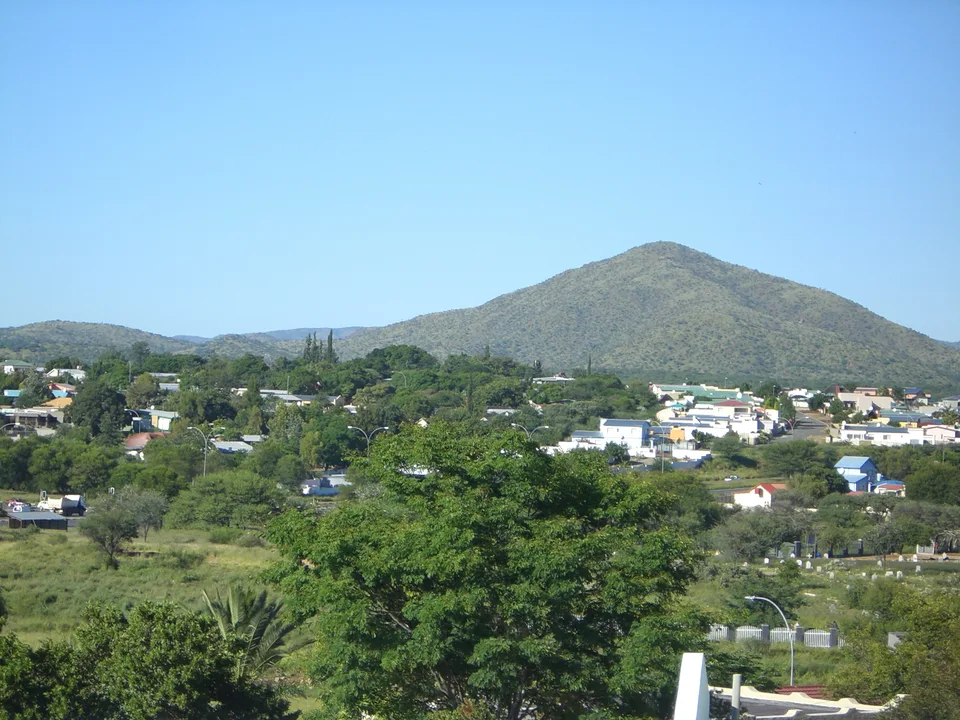
Begin a relocation search with the workplace or campus address and the journeys the household will make most often. Compare central housing with suburbs such as Eros, Klein Windhoek or Ludwigsdorf, and include the cost of commuting in the comparison. Local agent rental listings can show the range of properties being marketed, but asking prices are neither completed rents nor a reliable citywide average.
Use temporary accommodation while inspecting. Check water pressure, hot water, ventilation, storage, laundry space and the practical route from parking to the front door. Visit at the time you would normally leave for work and again when you would return. Ask about surrounding construction, noise and responsibility for garden or pool maintenance where relevant.
Obtain the lease, deposit conditions, inventory and utility arrangements in writing. Establish who handles repairs and how problems are reported. Photograph the property’s condition at handover and record meter readings. A furnished home should have an agreed item list. If children or pets are moving too, check the property’s rules and realistic space before paying a deposit, rather than relying on a listing’s general description.
For an initial inspection visit, make a shortlist of homes with comparable sizes and inclusions. Record the monthly total beside the commute you tested, rather than ranking them by photographs alone. Returning to the strongest candidates can reveal practical details missed during the first viewing and gives the household a firmer basis for agreement.
Commuting, utilities and household services
Test the commute rather than estimating it from distance alone. A household needing school drop-offs, groceries and medical appointments may have a different transport requirement from one person travelling to a single office. Ask an employer or institution about actual arrival times and transport arrangements, then check the route independently during your inspection stay.
The city’s finance and customer-service guidance explains municipal accounts and meter readings. Before moving in, identify whether water and electricity use conventional or prepaid meters, whose name appears on the account and which charges the landlord passes on. Check the meter numbers against the property, keep handover readings and agree how shared consumption is divided.
The municipal e-portal offers services including account balances, readings and incident reporting, subject to registration and activation requirements. The electricity-services pages provide connection and disconnection guidance. Internet access, mobile reception, school availability and healthcare should also be checked at the specific address. For remote work, ask to test the connection where you will actually sit, rather than accepting a general statement that Wi-Fi is available.
Visiting, working, studying and residence
Namibia’s visa rules depend on nationality and passport type. The official immigration fact sheet hosted by the Namibian embassy distinguishes visa-exempt travellers, those eligible for a visa on arrival and people who must obtain a visa beforehand. A holiday visa may allow up to 90 days, but the permission actually granted and its dates govern your stay. Check eligibility through the official immigration e-services portal before booking non-refundable travel.
For British citizen passport holders, current UK government entry guidance states a visitor visa is required and quotes N$1,600 for travellers over 11. That example is not a universal fee. It also specifies six months’ passport validity and three blank pages. Check children’s documentation and any yellow-fever requirement for your route separately, including transit countries.
The Namibian embassy’s category guidance says employment, training, company audits and volunteering require appropriate work permission even for otherwise visa-exempt visitors. Work and study applications involve Home Affairs approval and supporting documents. University admission, a lease or a property purchase does not itself establish residence rights. Obtain advice on the relevant long-term category before committing to a move; visitor status should not be treated as permission to start work.
Healthcare and travel beyond the capital
The UK government’s healthcare guidance notes that Windhoek has medical facilities, but private hospitals may require payment before treatment even where a traveller has insurance. Confirm which providers your insurer accepts and how payment authorisation works. People relocating should check ongoing prescriptions, specialist availability and family cover before moving, while visitors should seek route-specific travel-health advice.
Daan Viljoen is a nearby nature option: the environment ministry places the game park 24 kilometres west of Windhoek and describes highland wildlife and walking trails. Confirm current trail access, entry charges and day-visitor arrangements before setting off. Park access should not be assumed to include a private lodge’s restaurant or facilities.
Okahandja and Rehoboth offer other central-region possibilities, while a coastal or desert stay needs its own travel planning. Consult VisaWand’s Namibia location directory and Namibia destination page for the wider country context. For a regional city comparison, the Harare guide covers a different capital and its practical considerations. Use the consultant listings to identify relevant assistance, checking credentials and scope before appointing anyone. Leave Windhoek with a realistic onward schedule rather than an extra destination squeezed into a departure day.
Official planning resources
Reviewed 17 October 2026. Use the official resources linked throughout this guide for admission, transport, housing and immigration decisions. Prices, services and rules can change; confirm the details relevant to your dates. Photography illustrates the locations and is not a live view.
View all official resources
- Namibia Tourism Board: central region
- City of Windhoek: history and heritage
- Namibia Digital Repository: Old Location oral-history research
- Museums Association of Namibia: Independence Memorial Museum
- City of Windhoek: City Museum
- National Art Gallery of Namibia: collection and visiting information
- Namibia Craft Centre: address and trading hours
- Environment ministry: National Botanical Garden
- Hilton Windhoek: location and transport
- Namibia Airports Company: Hosea Kutako International Airport
- City of Windhoek: bus timetables and route maps
- UK government: Namibia safety and road travel
- Nedbank Namibia: kapana vendors and the 2026 cook-off
- Namibia Tourism Board: currencies and practical information
- Namibia Tourism Board: seasons and climate
- Fine & Country Namibia: rental listings
- City of Windhoek: municipal accounts and customer services
- City of Windhoek: municipal e-portal
- City of Windhoek: electricity services
- Namibian immigration: visa requirements fact sheet
- Namibian immigration: official e-services portal
- UK government: Namibia entry requirements
- Namibian embassy: visitor and employment categories
- Namibian embassy: work and study permit documentation
- UK government: Namibia healthcare planning
- Environment ministry: Daan Viljoen Game Park
Plan the next part of your journey
Explore the Namibia guide, browse other cities or compare consultants for your travel and relocation questions.