Visa
A coastal capital with several different faces
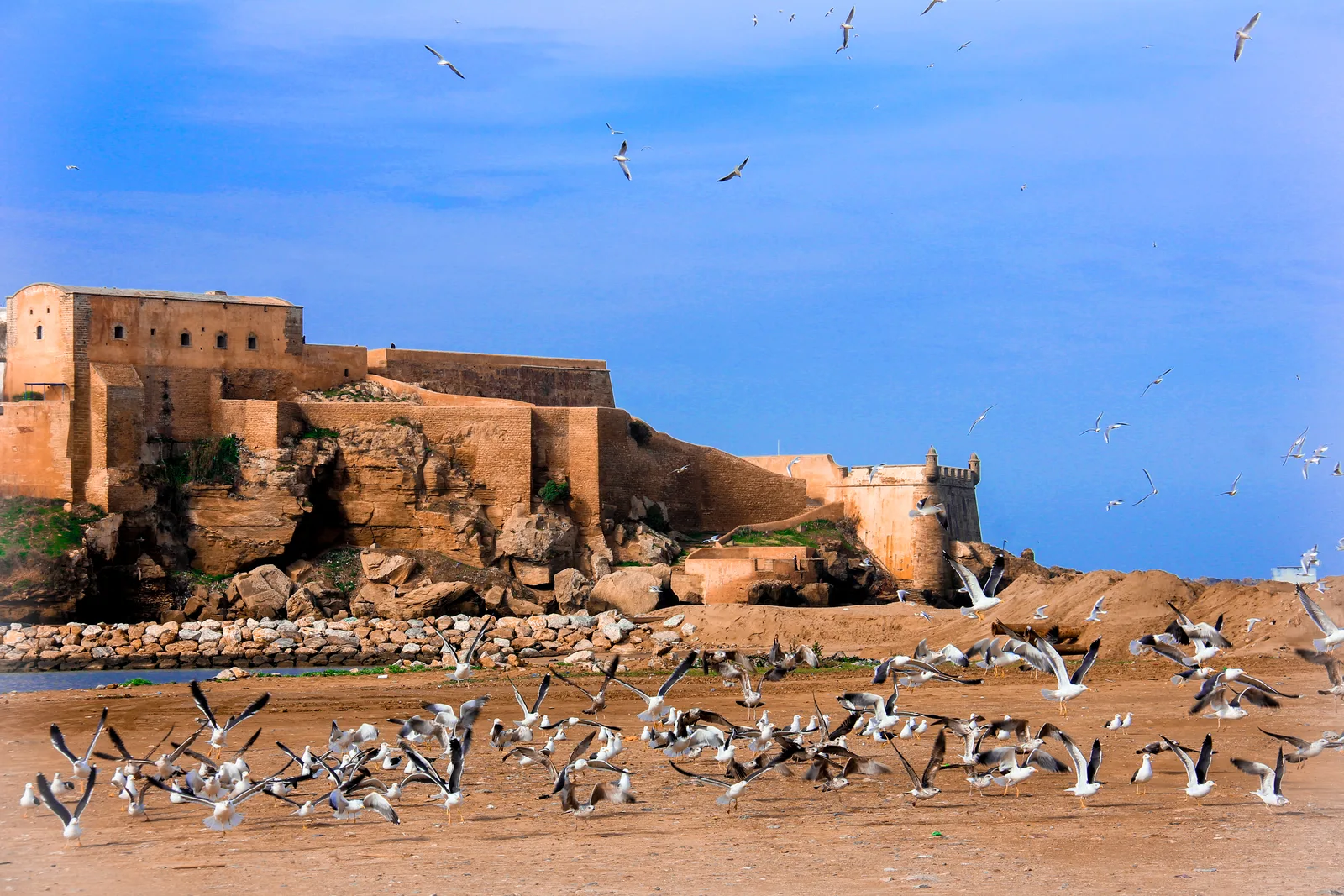
Rabat rewards travellers who enjoy looking closely at a city rather than moving between headline attractions. Morocco’s capital combines a medina, monumental ruins, galleries, administrative districts and an Atlantic shoreline. Around the mouth of the Bouregreg, the relationship between fortifications, river and ocean gives the city a particularly distinctive setting.
The best introduction mixes those elements. Walk through the older streets, make time for a substantial museum visit and leave an afternoon flexible for gardens or the waterfront. Three full days provide a realistic first stay. Add time if you want to explore neighbouring places or are using Rabat as a base between rail journeys.
Rabat and Salé are separate cities on opposite sides of the Bouregreg, connected by bridges and public transport. Accommodation advertised with Rabat in its name may be across the river or elsewhere in the wider region. VisaWand’s Morocco location directory helps place the capital within a national itinerary; check the actual address before comparing stays or planning transfers.
Understand why the modern city belongs in the history
UNESCO’s Rabat World Heritage listing recognises the combination of the historic city and the modern capital, rather than just a collection of medieval monuments. Inscribed in 2012, it includes older Almohad fabric and the new town developed under the French Protectorate from 1912 into the 1930s. Public spaces and planning are part of the story.
This makes a walk beyond the medina worthwhile. Notice the changes between enclosed lanes, monumental gateways, broader avenues and planted spaces. The city is easier to understand when its buildings are read together, including the colonial context of the twentieth-century development. A heritage designation should prompt questions about those histories, not flatten them into a single picturesque period.
Choose a base using the exact district and transport
For a first visit, compare the medina and the central area around Hassan and the main cultural sights. A restored guesthouse can bring character and a smaller scale, while a modern hotel may offer simpler vehicle access or lift arrangements. Neither category guarantees quiet, accessibility or a particular level of service. Ask about the specific room and entrance.
Agdal is another district to consider when rail journeys, shopping or appointments shape the stay. The regional tourism board’s accommodation directory is a useful starting point, but its listings cover several destinations. Filter geographically and check how far a property is from the station, tram stop and places you expect to visit.
For a longer stay, add Hay Riad and other districts that fit your workplace or household routine to the comparison. Do not book a distant address merely because it appears close on a small map. Include the final walk, traffic and return trip. A base that works well for one meeting may be inconvenient for daily sightseeing or a repeated commute.
Walk the medina and Oudayas with time to pause
The regional tourism board’s medina information introduces an older urban fabric of streets, trading and everyday activity. Approach it as a neighbourhood as well as a visitor destination. Choose a manageable route, note a clear meeting point and allow time to stop without having to navigate to another booked attraction immediately afterwards.
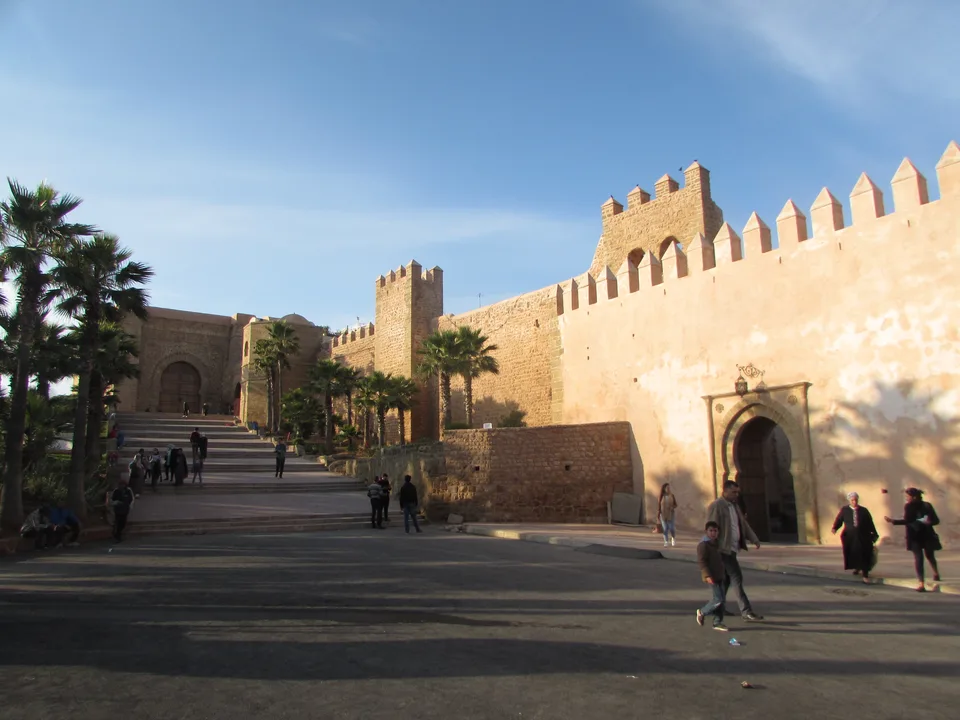
The Kasbah of the Oudayas adds gateways, walls and a dramatic position near the river mouth. The Moroccan National Tourist Office’s Rabat introduction places the kasbah and its surrounding gardens among the city’s central experiences. Look at the setting as well as the architecture, and keep in mind that some lanes are residential rather than a stage for visitor photographs.
Ask before photographing people or looking into a doorway. Uneven surfaces, steps and gradients can make apparently short walks more demanding for someone with limited mobility. Request a route adapted to your needs rather than assuming a vehicle can reach every entrance. A pause in a garden or café can be part of the visit, not time lost from sightseeing.
Read Hassan Tower alongside the surrounding space
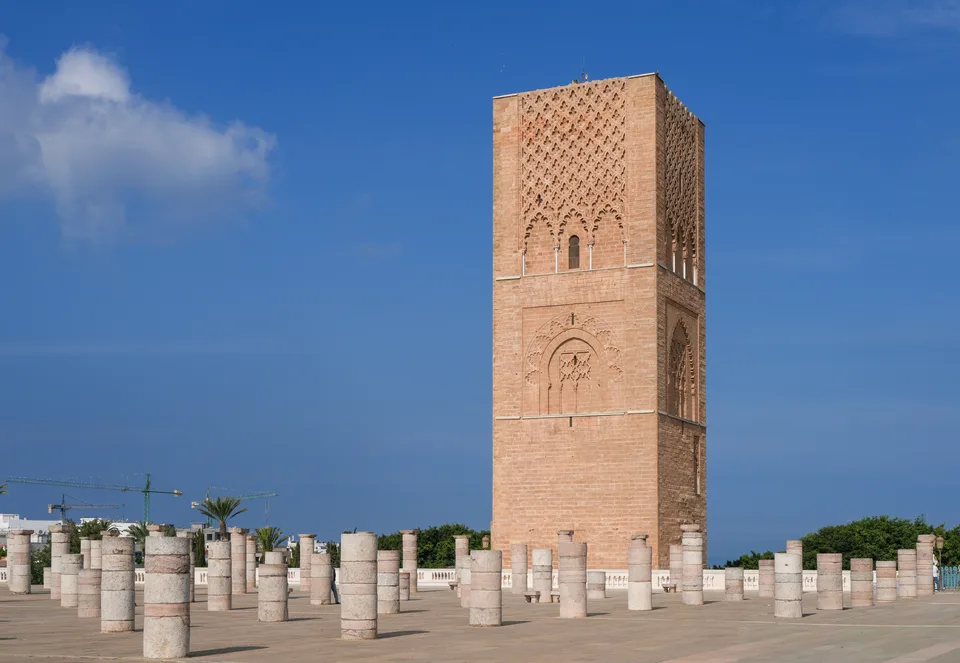
The regional tourism board’s Hassan Tower page identifies the monument as the surviving minaret of an unfinished Almohad mosque project associated with Sultan Yacoub Al Mansour. The tower rises above an extensive field of columns, making the scale of the intended complex apparent. Looking across the open space is as revealing as looking up at the decoration.
The board publishes daily visiting hours of 9am–6pm. Confirm current access before a special journey, particularly around ceremonies or religious occasions. The nearby Mausoleum of Mohammed V belongs to a different historical moment; follow the instructions of guards and staff about the areas available to visitors, dress and photography.
Allow time to look rather than treating this as a brief stop between taxis. The open setting can be exposed to sun or changing weather, so plan a comfortable time of day and carry water. Do not assume that access to one monument establishes permission to enter another religious or ceremonial space nearby. Each place has its own arrangements.
Give Chellah a separate, unhurried visit
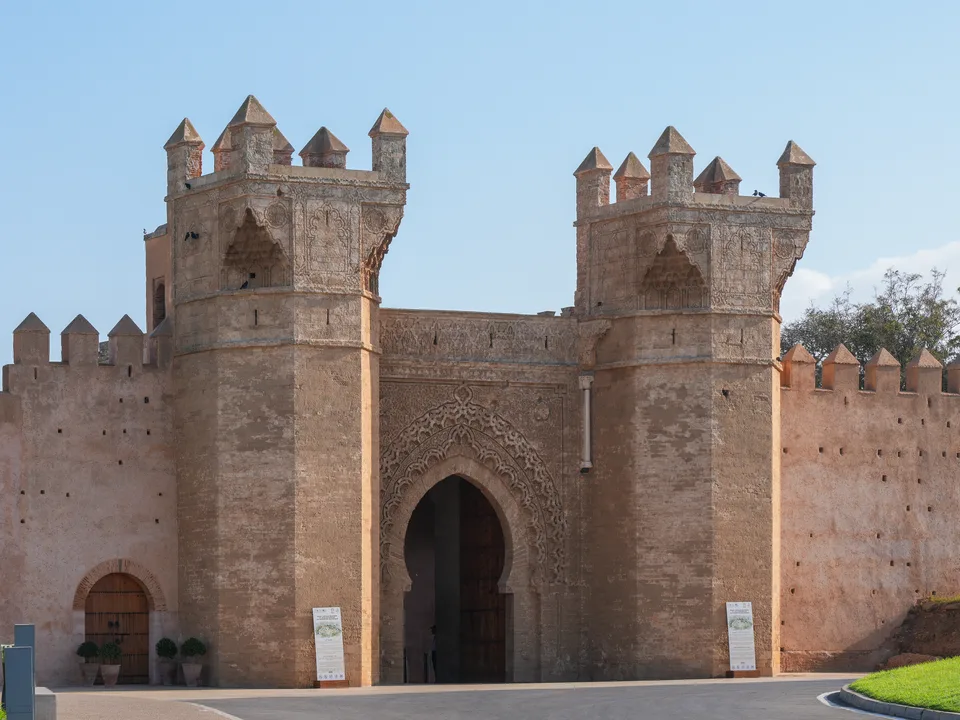
Chellah combines archaeological remains, a fortified enclosure and the later funerary landscape associated with the Marinids. It provides a different experience from walking the medina: more open ground, visible ruins and time to consider layers of occupation. The national tourist office highlights both the remains and the setting, including gardens and storks.
The site operator’s practical information lists winter hours of 9am–6pm from October through March and summer hours of 9am–8pm from April through September. It publishes standard individual admission of MAD70 for adults over 25, with separate youth, child, resident and audio-guide arrangements. Check the category and any special opening hours before buying.
The operator notes that preservation constraints leave some areas inaccessible despite adaptations. Ask about the route if steps or uneven ground are a concern. Reserve an audio guide in advance if it is important to your visit, and check the terms before paying for an online ticket. Leave enough time afterwards for the return journey rather than pairing the site with a tight departure.
Make contemporary art part of the capital
The Mohammed VI Museum of Modern and Contemporary Art offers a useful counterpoint to the older monuments. Its collections and temporary exhibitions bring modern Moroccan artistic practice into the itinerary. Check what is showing on your dates: an artist featured in a past exhibition should not be assumed to be on display now.
The National Museums Foundation gives the address as 2 Avenue Moulay Hassan and publishes hours of 10am–6pm, with Tuesday closure. Its current listed foreign admission is MAD60. Recheck arrangements for holidays, special exhibitions and any reduced category. Tuesday is a good day to plan other sights rather than discovering the closure at the door.
Arrive through Rabat–Salé Airport with a clear connection
ONDA’s Rabat–Salé airport transport page lists taxis and buses, with bus availability linked to flight schedules. Confirm the actual service for your arrival rather than applying a timetable copied from an older article. Keep your accommodation’s full address and a contact number available offline, particularly if the final approach involves a pedestrian lane.
ONDA publishes indicative taxi charges to central Rabat of MAD150 by day and MAD200 in the evening, and says destination tariffs are displayed in the public hall and taxi area. Confirm the applicable displayed rate, destination and any conditions before departure. A journey to a different district or another municipality should not be priced by assumption.
For a late arrival, luggage-heavy journey or mobility requirement, arrange the full transfer with a provider or your accommodation. Establish the meeting point and vehicle access at the destination. If you plan to continue by train, organise the road connection to the correct station explicitly. Allow time for the airport exit, traffic and finding the platform before committing to an onward departure.
Distinguish Rabat Agdal from another station on your ticket
The regional tourism board’s mobility guide introduces the rail network. ONCF identifies Rabat Agdal as a stop on its Al Boraq high-speed route linking Casablanca, Kenitra and Tangier. Do not treat every station carrying the name Rabat as interchangeable. Check the origin and destination printed on your ticket and the station you will actually reach from your hotel.
Use ONCF’s booking service for the timetable and fare on your date, including the return journey. Prices and availability depend on the service and booking conditions, so a promotional fare is not a permanent route price. Read exchange and cancellation terms before paying, especially if the rail journey follows a flight or another uncertain connection.
For relocation, test a proposed rail commute through the whole journey. Include getting to the station, waiting, the service frequency that fits your working hours and the final connection at the other end. A fast train between two cities does not necessarily produce a short door-to-door working day. Compare that routine with living nearer the place you need to be.
Use the tram for connected urban journeys
The Rabat–Salé tram operator provides route, stop and service information. Check the map against your actual destination and the walk beyond the stop. The network helps connect the two cities, but a hotel being in the wider metropolitan area does not mean it sits conveniently on a tram route.
The operator’s ticket rules list a single ticket at MAD7, valid across the network for one hour from first validation, with transfers between different lines. Validation is required each time you board. A digital ticket is also listed at MAD7. Understand those conditions rather than treating the hour as an unrestricted return-trip pass.
Check operating times for the day and retain the ticket during the journey. With luggage, consider how much walking or changing vehicles the route involves. Taxis can fill gaps in a sightseeing day, but agree how the trip will be charged and give the precise destination. For a prospective home, inspect the nearest stop and surrounding streets at the times you would use them.
Eat and shop with a practical sense of value
The national tourist office’s food guide introduces dishes such as couscous, tagine and pastilla, alongside mint tea. Use those names to explore menus, not to assume every kitchen prepares the same recipe or portion. Ask about ingredients, particularly where a sweet-and-savoury dish or a shared platter may differ from what you expect.
Balance restaurant meals with café stops and the food available near your accommodation. Compare a menu before sitting down, including drinks and extras. People considering a longer stay should visit everyday food shops and supermarkets around a prospective home; holiday restaurant spending is a poor basis for estimating a monthly grocery bill.
When buying crafts or textiles, ask about materials, origin and the final price. Inspect what is handed over and keep a receipt for a substantial purchase. Leave time for packing or shipping arrangements if necessary. A seller’s description of something as authentic is a starting point for questions about provenance, materials and production; compare several examples before deciding what to buy.
Choose accommodation by the total stay cost
A medina guesthouse, central hotel and larger property elsewhere in the region can offer very different experiences. Compare room access, breakfast, heating or cooling, reception hours and the practical return after dinner. Ask whether a terrace or courtyard mentioned in the listing is shared, and whether stairs are unavoidable on the way to your room.
Request a total quote that includes applicable taxes and charges. For apartments, check cleaning fees, the deposit, utilities and cancellation terms. A lower headline rate can be offset by repeated transfers if the property is distant from the places you want to visit. Families should confirm the actual sleeping arrangement rather than relying on a maximum-occupancy label.
Build a daily budget from confirmed accommodation, meals, transport and admissions. The verified tram and attraction charges provide reference points, not a complete price for every traveller. Keep modest cash for small transactions, ask about card acceptance and check your bank’s charges. Avoid converting an old exchange rate into a falsely precise budget for a future trip.
Plan around the Atlantic setting and the calendar
The national tourist office’s climate overview emphasises Morocco’s regional contrasts. Rabat’s coastal setting should not be confused with an inland desert itinerary. Choose spring or autumn for a trip centred on walking if those dates suit you, while checking the forecast rather than assuming a season guarantees comfortable conditions every day.
Bring layers for the waterfront and a waterproof option when rain is forecast. In warmer weather, use the cooler parts of the day for exposed monuments and keep indoor visits available for a break. For winter accommodation, ask how the room is heated. A sunny courtyard photograph does not establish how comfortable the bedroom will be at night.
Ramadan and major holidays can affect opening hours, dining and daily routines. Confirm your plans with each venue and accommodation, and respect local customs. Festivals and sporting events can also change availability and prices, so verify the actual calendar before making a booking around an event. A past programme is useful context, not evidence of this year’s dates.
Three days with room to change the order
Spend the first full day between the medina and Oudayas, allowing time for streets, gardens and a meal. Keep the route manageable and add a waterfront pause if conditions suit. This is a useful orientation day after travel, without the need to coordinate several separate admissions or a distant excursion.
On day two, give Hassan Tower and the nearby ceremonial landscape proper attention, then visit the Mohammed VI museum if it is open. If the day is Tuesday, swap the museum with another part of the programme. On day three, visit Chellah and leave the remaining time for a district you want to explore more closely.
Add Salé as a separate half-day or another day if you want to understand both sides of the river. Anyone considering a move can substitute housing appointments and a commute trial for an excursion. Keep at least one flexible block for weather, changed access or an unexpected interest. The city is more rewarding when the programme leaves time to look and ask questions.
Test a home against ordinary household needs
Start a housing search with the destinations that will structure your week: work, school, university, shopping and healthcare. Compare central districts, Agdal and Hay Riad against those journeys, including the return at busy times. Visit the actual street and building rather than deciding that a neighbourhood name guarantees a particular atmosphere or convenience.
At viewings, inspect ventilation, light, hot water, heating or cooling and signs of damp. Test taps, look at windows and ask who handles repairs. Check stairs, lifts, refuse arrangements and where deliveries or taxis can stop. If you depend on parking, establish whether it is included and usable rather than assuming space will be available nearby.
Separate rent from building charges, utilities and agency costs. Verify who has authority to let the property and obtain written terms covering the deposit, inventory, notice and maintenance. Have unfamiliar clauses explained independently before paying. Short-term accommodation can give you time to compare current homes without turning a first arrival into an immediate long-term financial commitment.
Establish services and healthcare before you need them
Redal’s customer procedures provide a starting point for water and electricity account questions within its service area. Ask the landlord to show recent bills and explain account ownership, shared charges and the meter arrangement. Confirm the current provider for the address rather than applying information for one municipality to the whole region.
For internet, check service availability at the exact building, installation time and cancellation terms. Test mobile reception where you intend to work and consider a backup connection. Families should contact schools directly about places, language, fees and admission documents. Then test the daily journey before choosing a home around an institution that has not confirmed a place.
Hôpital Universitaire International Cheikh Zaïd publishes a round-the-clock emergency service in Rabat. Identify a suitable provider near your accommodation or home, and confirm insurance, payment and access to any ongoing care you require. Travel insurance and resident healthcare arrangements are different matters. Do not assume that a residence application or tenancy automatically establishes medical cover for your household.
Check entry permission for your passport and purpose
Use the official Accès Maroc portal to establish whether your nationality, passport and circumstances require a consular visa, an electronic visa or another authorisation. An exemption available to one traveller cannot be transferred to someone with a different document. VisaWand’s Morocco destination page is another starting point, with the passport selection checked carefully.
The official eVisa conditions describe a single-entry permission with a stay of no more than 30 days, within a maximum validity of 180 days from issue. Validity and permitted stay are different. By contrast, UK guidance for British-citizen passport holders describes visa-free tourism of up to 90 days. Keep that nationality-specific example separate from the eVisa rules.
For work, study or settlement, contact the Moroccan consular service about the appropriate entry process and confirm the residence procedure with the competent local authority. The government’s foreigners’ entry and residence law distinguishes residence documents from a short tourist visit. Ask about your category, documents and deadlines before travel; long-term permission is not established by renting a home.
Keep employment plans separate from tourist travel
The Spanish government’s guidance on employment in Morocco explains the employer-led foreign-worker contract authorisation process through TAECHIR. Confirm the current requirements and any exceptions with the employer and Moroccan authorities. Study plans likewise need direct confirmation of admission and the immigration steps relevant to the course. Remote work should be checked explicitly rather than assumed lawful under a visitor category.
For everyday travel, UK government safety guidance identifies theft risks in tourist districts and beaches, cautions about unofficial guides and advises avoiding demonstrations. Use a guide with the appropriate official identification, protect valuables and plan late returns. Check circumstances at the actual address and route rather than applying a blanket safety label to an entire district.
VisaWand’s consultant listings can help locate professional assistance for a proposed move. Verify credentials, written costs and responsibilities. Advice should clarify the applicable route and documents; it cannot guarantee permission, employment or processing dates. Keep an independent record of your authorised stay and resolve uncertainty before it becomes an overstay problem.
Add Salé or another city without rushing the capital
The regional tourism board’s Salé introduction offers a starting point for exploring the city across the Bouregreg. VisaWand’s Salé location page helps distinguish it geographically from Rabat. Plan the crossing and the route within the city, allowing time to understand its own heritage rather than using it only as a viewpoint back towards the capital.
Casablanca’s city page provides another urban comparison, while Kenitra’s location page helps place a possible rail extension northward. Check the service, correct station and available time before adding either. Protect a margin before an international flight rather than arranging an intercity return around the shortest advertised journey.
Official planning resources
Reviewed 17 October 2026. Use the official resources linked throughout this guide for admission, transport, housing and immigration decisions. Prices, services and rules can change; confirm the details relevant to your dates. Photography illustrates the locations and is not a live view.
View all official resources
- UNESCO: Rabat, Modern Capital and Historic City
- Regional Tourism Council: accommodation directory
- Visit Rabat: Medina of Rabat
- Moroccan National Tourist Office: Rabat
- Visit Rabat: Hassan Tower
- Chellah: practical information
- National Museums Foundation: Mohammed VI museum
- ONDA: Rabat-Sale Airport taxis and buses
- Regional Tourism Council: access and mobility
- Rabat-Sale Tramway: network and service information
- Rabat-Sale Tramway: tickets and validation
- Moroccan National Tourist Office: food and drinks
- Moroccan National Tourist Office: climate and seasons
- Redal: customer procedures
- Cheikh Zaid International University Hospital: services
- Morocco: official Acces Maroc portal
- Acces Maroc: official eVisa conditions
- UK government: Morocco entry requirements
- Moroccan Foreign Ministry: consular services
- Morocco: law on entry and residence of foreigners
- Spanish Ministry of Labour: employment in Morocco
- UK government: Morocco safety and security
- Regional Tourism Council: Sale
Plan the next part of your journey
Explore the Morocco guide, browse other cities or compare consultants for your travel and relocation questions.