Visa
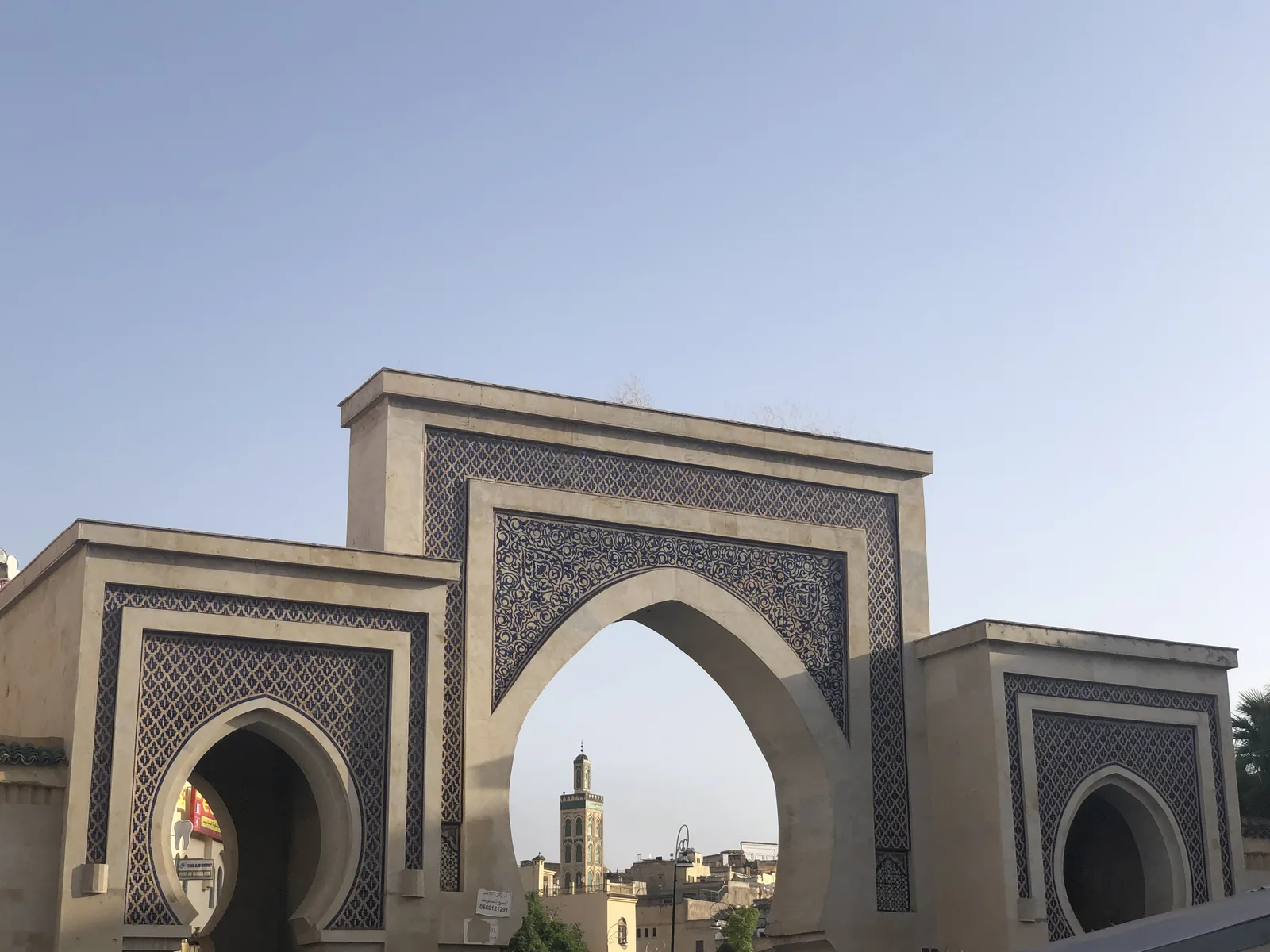
Give Fes time beyond its famous photographs
Fes is a city to explore at walking pace, with enough time to stop. A decorated doorway, a courtyard or the sound of work in a narrow lane can hold your attention longer than an entire checklist. Its historic quarters reward curiosity, but practical decisions matter: where a taxi can leave you, how far you must carry a bag, and whether a return route is comfortable after dinner.
The national tourism office's Fes introduction identifies Bab Boujloud as a useful medina entrance and introduces sights across the city. Plan three full days for an initial visit, with a fourth if you want a separate excursion. For a possible move, add time to test ordinary routines outside the sightseeing circuit. VisaWand's Morocco country guide provides national context; this guide focuses on choosing a base, understanding access and making your time in Fes useful.
Understand the different meanings of the old city
UNESCO's Medina of Fez account traces the city's origins to the ninth century and its prominence under the Marinids in the thirteenth and fourteenth centuries. Fes el-Bali is the older urban area. Fes Jdid was founded to its west in 1276 and includes the royal palace and other historic components. Neither should be confused with the later modern city simply because its name includes the idea of newness.
The medina entered the World Heritage List in 1981. Its importance includes living skills and urban life, as well as monuments. That distinction should shape a visit: lanes provide access to homes, shops and workplaces, rather than functioning as a museum with unrestricted entry everywhere.
Use the city's layers to organise your days. Give Fes el-Bali a substantial walking visit, group the Fes Jdid area separately, and leave practical errands in the modern city their own time.
Choose accommodation by its final approach
Before reserving a medina riad or guesthouse, ask which vehicle-access point serves it, how long the final walk takes and whether staff can meet you. Request directions you can follow without a continuous internet connection. A map pin gives a location, but may not reveal steps, slopes or confusing turns on the approach.
For a short visit, staying near a recognisable entrance can reduce the effort of arriving and leaving. A deeper medina address may offer a compelling setting, but should be chosen with its practical demands understood. Ask about stairs to the bedroom and roof terrace, heating or cooling, sound between rooms and late arrival arrangements.
A modern-city hotel may suit travellers who prioritise straightforward vehicle access, rail journeys or appointments. Compare the whole daily routine, including trips to the historic quarters. Splitting a brief stay between two properties usually creates more luggage work than useful variety.
Start with orientation rather than a long checklist
Bab Boujloud provides a recognisable starting point for exploring Fes el-Bali. The tourism office's medina page describes its blue and green decoration and introduces the city's craft traditions. Take a moment to identify the entrance and a reliable meeting place before walking farther. Photograph your accommodation's directions and keep its telephone number accessible.
Allow time for pauses and changes of direction. A route that seems short on a map can involve slopes, crowds and repeated stops. Wear shoes that cope with uneven surfaces and carry water without making your bag unnecessarily heavy. Leave room for deliveries and people going about their work.
If a guide would help, agree the language, duration, fee and proposed stops before departure. The government safety guidance advises checking an official badge and local-authority permission. Establish whether shopping visits are included so that a cultural walk does not become an unexpected sales itinerary.
Compare the medersas through their details
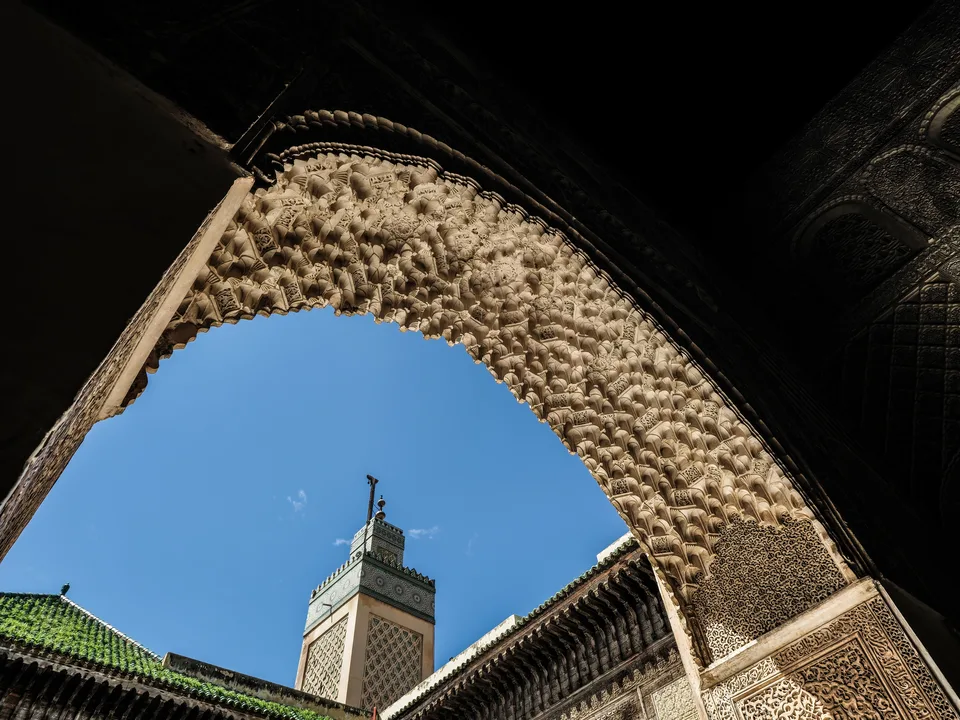
The regional tourism authority's Fes page identifies Bou Inania and Al Attarine as fourteenth-century religious schools, with carved cedar and intricate mosaic decoration. Choose one for an unhurried first visit, then decide whether a second would add a worthwhile comparison. Look at how wood, plaster and tile work together instead of treating the courtyard solely as a photograph.
Confirm current opening and admission directly before setting out. A reliable current operator tariff for both medersas was not established in the material checked, so this guide does not assign them an invented fee. Ask what areas a ticket covers and whether any spaces are temporarily restricted.
Respect worship and staff instructions wherever they apply. A medersa admitting visitors does not establish a general right to enter nearby mosques. If access to a specific interior is essential to your plans, verify it explicitly rather than interpreting an open doorway as permission.
Make Batha part of the current city
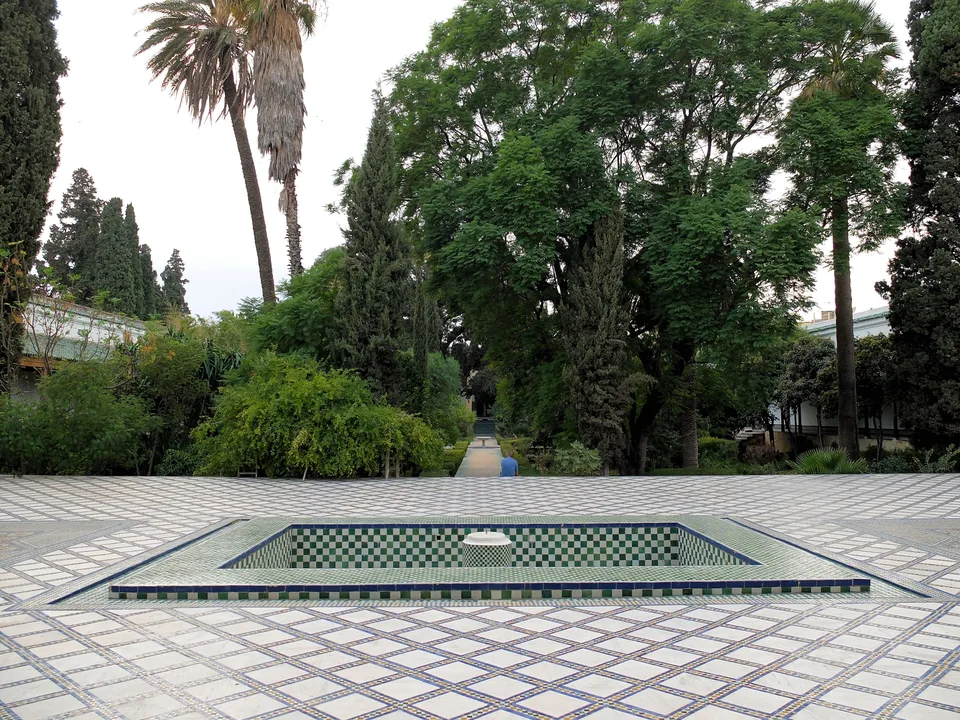
Al Batha Museum of Islamic Arts reopened in February 2025 following restoration. The Fondation Nationale des Musées describes collections including manuscripts, ceramics, textiles and metalwork, alongside the palace garden. Older advice that presents the museum as indefinitely closed should not determine your itinerary.
The current operator page gives foreign admission as MAD 60, with separate Moroccan and child rates. It lists visiting hours of 10:00–18:00 and Tuesday closure. Check holiday changes and any temporary gallery restrictions before travelling. The address is 5, Place Batha Oued Fejjaline, Fes.
Allow enough time to connect objects with the architectural details you have noticed elsewhere in the medina. It can be a useful quieter interval between walks, provided you check the opening day. The garden photograph accompanying this guide dates from 2014, before the refurbishment; it illustrates the historic setting without promising that today's layout is identical.
Look for the craft behind the finished object
Wood, leather, ceramics, textiles and metalwork all feature in Fes's visitor experience. A useful approach is to ask how an object is made and what its material contributes, rather than immediately asking what discount is possible. If someone demonstrates a process, establish whether the demonstration is offered freely or as part of a paid visit.
The foundation sponsor's Nejjarine introduction describes Nejjarine as a museum devoted to wood arts and trades, housed in a restored fondouk. It offers a reason to look beyond the best-known views of the city. Confirm its regular hours, admission and access directly: a museum-night programme in an older brochure is not a permanent free-entry policy.
Treat workshops as workplaces. Ask permission before photographing workers or equipment, avoid blocking entrances, and keep children clear of tools. A brief, respectful exchange can explain more than an uninvited close-up photograph.
Visit the tanneries without accepting a sales obligation
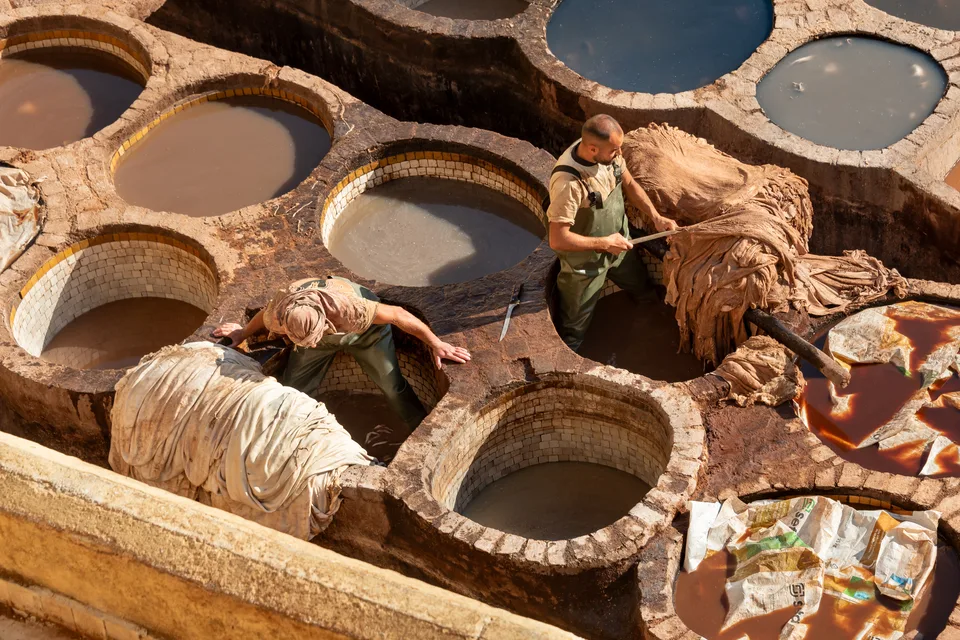
The Chouara tanneries are among the places identified by the regional tourism authority. The distinctive vats explain why the area is so frequently photographed, but any visit should begin with clear access arrangements. Ask where you will be taken, whether viewing involves a shop, what payment is expected and whether there are stairs.
Do not assume that a terrace, workshop or passage is public simply because another group has entered. Agree any charge before following a guide or host, and make clear whether you intend to shop. A viewing visit does not oblige you to buy leather goods.
For purchases, compare construction, lining, finish and intended use. Clarify the exact item and price, obtain a receipt for a substantial purchase, and check the packed goods before leaving. If smells or confined stairways are difficult for you, consider whether this particular stop belongs in your itinerary at all.
Give Fes Jdid a separate walking interval
Fes Jdid broadens the picture beyond Fes el-Bali. The royal-palace gates and the Mellah appear among the regional tourism authority's listed places. Plan around the public areas you can actually visit; seeing a palace entrance is different from touring palace rooms. Ask before photographing sensitive locations and follow security instructions.
Approach Jewish heritage as part of the city's history and continuing cultural memory. Confirm access to any synagogue, cemetery or other specific site before making it the anchor of your day. A name on a destination map does not establish daily opening or visitor admission.
Leave a break between this outing and a long medina walk. Grouping nearby interests can reduce repeated transfers, but the final route should reflect your energy and the temperature. A shorter visit with time to understand the neighbourhood is preferable to arriving at several closed doors late in the day.
Keep a garden or quiet interval in reserve
Jnan Sbil is identified in the national and regional visitor information as one of Fes's garden stops. Check current opening and entry arrangements before planning a break there. A garden can provide a change from the enclosed lanes, although weather and maintenance may affect which areas are available.
Do not make every pause another attraction to complete. A seated drink, lunch near your next stop or time back at your accommodation can make the afternoon more enjoyable. Families and travellers with limited mobility may benefit from shorter outings separated by a longer rest.
Ask accommodation staff to help assess routes in practical terms: slopes, stairs, distance to a taxi and the return after dark. Broad claims that an entire historic quarter is easy or inaccessible are less useful than clear information about the exact journey and building you want to use.
Arrange the airport journey to the correct gate
Fes is served by an airport using the code FEZ. Compare date-specific flights through the airline's Fes booking page or the carrier operating your chosen route. Displayed promotional fares and routes may refer to different travel dates; check the actual flight, baggage allowance and arrival time before making linked reservations.
For a medina stay, arrange the complete transfer rather than only a ride towards the city. Obtain the driver's meeting instructions, total price and precise drop-off, then coordinate the final walk with your accommodation. Ask what happens if a flight arrives late or your phone cannot connect.
A current official airport-bus timetable and fare were not reliably verified for this guide. Confirm the service directly before depending on it, and budget for an alternative. The city's railway station and airport are different arrival points; neither description alone tells a driver which medina entrance serves your room.
Use ONCF for the journey you will actually take
The ONCF Al Atlas route document identifies the corridor connecting Fes with places including Meknes, Rabat, Casablanca and Marrakesh. Use the current ONCF journey planner to check your date, departure station, class and connections. A route shown in a published timetable does not guarantee an unchanged departure months later.
Compare first and second class on the actual booking terms and availability. Promotional starting fares are not a universal price for every train. Keep a copy of the ticket and leave time to reach the platform without relying on an optimistic road-transfer estimate.
The station arrival still leaves a local journey to your accommodation. Establish that final leg in advance, particularly after dark or with substantial luggage. If connecting from a flight elsewhere in Morocco, leave a realistic buffer for immigration, bags and the transfer to the train rather than treating the flight's landing time as station arrival.
Plan local journeys around where vehicles can go
Walking and a road transfer serve different parts of a Fes day. Identify the practical pickup and drop-off for each outing, rather than asking a driver to reach an address inside a lane that vehicles cannot use. For dinner away from your room, agree a comfortable return route before leaving.
Use a suitable licensed taxi and establish the meter or total fare before starting. The government travel advice cautions that some app-arranged rides can be unlicensed; an app listing alone is not proof of authorisation or passenger insurance. Check what arrangement your accommodation is actually making.
Online maps and bus information need scrutiny too. A site showing simulated vehicle positions cannot establish when a real bus will arrive. For a time-critical journey, seek current operator or station confirmation and keep a backup. Avoid building an airport departure around an unverified frequency copied from a travel forum.
Eat with curiosity and clear ingredients
The national tourism office's gastronomy account associates Fes with khlii, spiced dried meat, and introduces dishes such as tagines, couscous and pastilla. Menus provide a better starting point than claims that every traveller must visit one supposedly secret restaurant. Choose places that fit your diet, schedule and route.
The official food introduction describes different pastilla fillings, including poultry and fish. Ask about the actual preparation, especially if avoiding meat, nuts, eggs or particular cooking fats. A vegetable name on a menu does not establish how the stock or sauce is made. Use a written explanation for serious allergies where helpful.
Check whether a price is for one person, a shared dish or a set meal, and whether drinks and service are included. If a dish requires advance preparation, arrange it before arriving hungry. A convenient lunch stop can preserve energy for the afternoon better than crossing the city for every meal.
Budget for access, guidance and what you buy
Use Moroccan dirhams, abbreviated MAD, when comparing costs. The verified foreign adult Batha museum ticket is MAD 60; other admissions, guide services and transport should be priced separately for your intended visit. This guide leaves unverified monument fees unquoted instead of presenting an unreliable all-attractions total.
Request a guide's full price, duration and inclusions in writing. Establish whether transport, admission or shopping stops are part of the arrangement. Compare accommodation on the final payable amount, including taxes, meals and cancellation terms. Add the cost of luggage help or arrival transfers if you will need them.
For a larger craft purchase, consider shipping, packing, customs and the consequences of damage. Retain the seller's details and receipt. Keep enough spare money for a changed journey or an unexpected taxi. Savings from a cheaper room can disappear if its location creates several extra transfers or difficult arrival arrangements.
Choose dates for comfortable walking
Fes is inland, so a forecast or seasonal description for Agadir's Atlantic coast is not a reliable guide to conditions here. The tourism office's climate overview distinguishes inland influences from the coast. Check the actual forecast before departure, and think about how heat, rain or cooler evenings will affect long walking days.
For a visit centred on the medina, choose dates that suit your tolerance for time outdoors and ask your accommodation about heating and cooling in the specific room. An attractive courtyard photograph does not establish winter warmth or summer comfort upstairs. Carry sun protection and wear shoes with a dependable grip.
Check holiday and Ramadan opening arrangements with individual sites and restaurants. If attending a festival, use the organiser's programme for that year rather than treating a recurring month in promotional copy as confirmed dates. Book around a verified event, not an assumption that performances happen every evening.
A practical three-day first visit
This suggested itinerary gives each area enough attention without requiring every possible stop. On day one, begin near Bab Boujloud, take an orientation walk and visit a medersa if current access allows. Have lunch, then choose a short craft-focused continuation or return for a rest.
On day two, visit Batha within its confirmed opening hours, remembering the Tuesday closure. Add a garden interval or part of the Fes Jdid area according to your interests and energy. Keep palace sightseeing tied to the public areas rather than assuming an interior tour.
On day three, choose Nejjarine or a more focused craft visit, with the tanneries optional after confirming viewing arrangements. Leave time for shopping you have considered carefully. With two days, reduce the selection; with four, add a separate excursion or revisit an area at a slower pace. Keep at least one afternoon flexible for weather or changed opening arrangements.
Test a rental with your real weekly routine
A longer stay needs more than a beautiful guesthouse courtyard. Test the journey to work, study, groceries and appointments from the actual property. Carry a normal shopping bag back and assess the steps and slopes. Check whether a late return or an early departure would require help you cannot reliably arrange.
Inspect ventilation, heating, cooling, hot water, appliances, drainage and noise. Ask how electricity, water, internet and shared-building costs are billed, who handles repairs and what happens if an essential service fails. Test connectivity in the room where you expect to work, rather than relying on a speed test performed elsewhere.
Verify the landlord's authority and use a written agreement with clear deposit and departure terms. Record the contents and condition before moving in. Seek independent advice when buying property or signing a substantial contract, particularly if you cannot confidently read the documents. Do not transfer a large payment solely on the strength of photographs.
Confirm services before committing to a move
Identify medical care that can meet your needs and arrange appropriate insurance. The current health guidance gives 150 as the ambulance number. Check prescription medicine requirements and bring the documentation relevant to your case. For children, confirm school admission, teaching language, fees and transport with the institution itself before choosing a home.
Ask a prospective employer or university which administrative steps they support, what documents require translation or legalisation and which tasks remain yours. Establish the realistic commute to the actual campus or workplace. A central sightseeing address may be inconvenient for a daily appointment elsewhere.
The British government's living-in-Morocco guidance explains residence procedures for British nationals. Use it within that scope and consult the Moroccan authorities and your own consulate for individual requirements. Assess banking, mobile service and household shopping during a trial stay so that a permanent decision rests on ordinary life as well as memorable visits.
Keep tourism, employment and residence separate
Use the official Accès Maroc checker to identify the entry formalities applicable to your passport, residence and purpose of travel. Exemption, e-Visa eligibility and permitted stay are different questions. Confirm unresolved circumstances with a Moroccan diplomatic mission before departure rather than assuming another traveller's experience applies to you.
The official e-Visa conditions cover tourism or business and state that this e-Visa does not entitle its holder to apply for residence. A business visit should not be interpreted as unrestricted local employment. Study, work and residence need the appropriate arrangements and should be discussed before a move.
For British citizens, passport-specific entry guidance provides the relevant visitor rules. Those are not universal requirements for every nationality. A rental or property purchase does not itself establish indefinite status. VisaWand's consultant directory can help identify advisers; verify credentials, fees and the scope of service before engaging anyone.
Choose another stop for a distinct reason
Meknes can provide a separate imperial-city comparison; VisaWand's Meknes location directory identifies the place without presenting it as a completed guide. Check actual transport and admission before turning an excursion idea into a tight schedule. Leave enough time to explore rather than only travelling there and back.
For a different city experience farther away, read VisaWand's completed Marrakesh guide. Its Agadir guide offers an Atlantic alternative with a very different daily rhythm. Neither should be treated as a quick neighbourhood extension of Fes.
Use the Morocco location directory and Morocco destination page to compare a wider journey. Choose what you want from each stop, then allocate travel days accordingly.
Official planning resources
Reviewed 15 October 2026. Use the official resources linked throughout this guide for admission, transport, housing and immigration decisions. Prices, services and rules can change; confirm the details relevant to your dates. Photography illustrates the locations and is not a live view.
View all official resources
- Moroccan National Tourist Office: Fes
- UNESCO: Medina of Fez
- Moroccan National Tourist Office: medina and craft traditions
- Fondation Nationale des Musées: Al Batha Museum of Islamic Arts
- Fes-Meknes regional tourism: Fes monuments
- Groupe Safari: Mohammed Karim Lamrani Foundation and Nejjarine
- ONCF: Al Atlas Marrakech–Fes route
- ONCF: train search and booking
- Royal Air Maroc: Fes flight search
- Moroccan National Tourist Office: gastronomy
- Moroccan National Tourist Office: food and drink
- Moroccan National Tourist Office: climate
- FCDO: safety and local laws
- FCDO: health
- FCDO: living in Morocco
- Accès Maroc: official eligibility checker
- Accès Maroc: official e-Visa conditions
- FCDO: British-passport entry requirements
Plan the next part of your journey
Explore the Morocco guide, browse other cities or compare consultants for your travel and relocation questions.