Visa
A compact capital that deserves more than a stopover
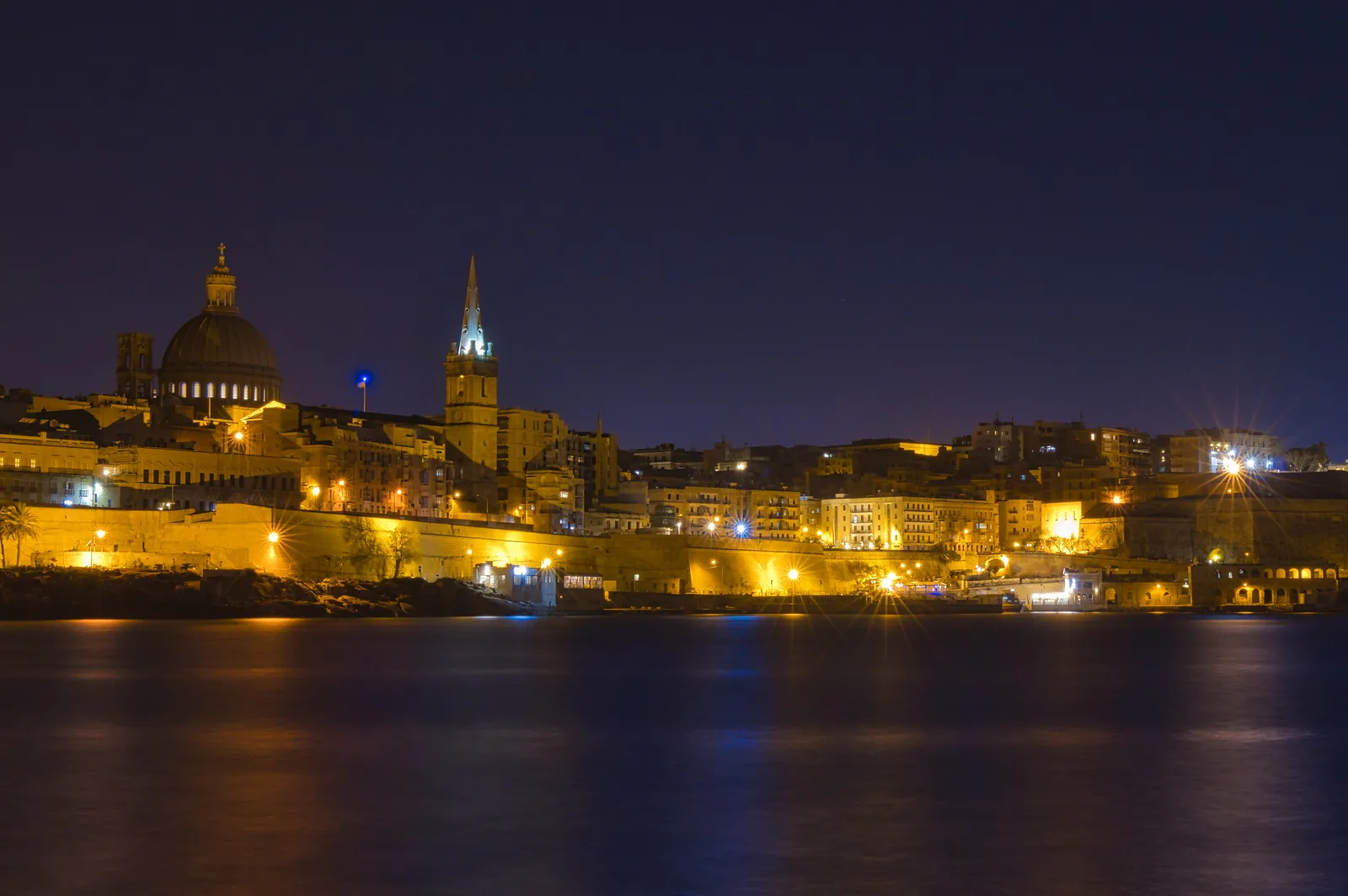
Valletta makes its first impression across water: a fortified skyline, a dome and spire, and stone buildings catching the light above the harbour. Inside the walls, the experience becomes more intimate. Streets open onto steep views, balconies project above narrow pavements, and churches and palaces sit close enough together to make a walking day feel unusually rich. Malta’s capital is small in area, but the slopes and the depth of its cultural sites deserve time.
Choose Valletta for history, art, harbour views and evenings that do not require travelling back from a day trip. It is less straightforward if your priority is walking out of a hotel onto a sandy beach. Two or three nights make a useful introduction, with room for a crossing to another harbour town. Anyone considering a move should add ordinary weekdays for inspecting homes and testing connections. VisaWand’s Malta location directory and Malta destination information help place the capital within the wider island.
Read the history in the plan of the streets
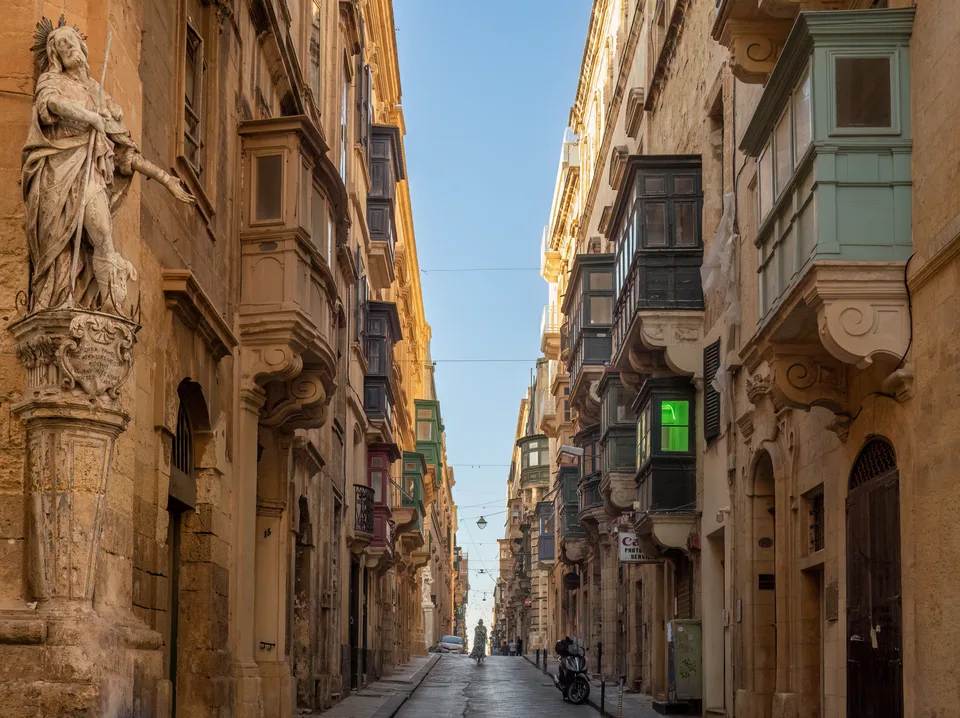
The UNESCO account of Valletta explains the city’s origins in 1566, following the Great Siege of the previous year. The Knights of St John and their engineers planned a fortified Renaissance city on a hilly peninsula. The grid gives it a clear structure, while the terrain supplies the drama: a straight street can fall away toward a glimpse of harbour, then demand a climb on the return.
The fortifications and monumental buildings belong to the same story. St John’s, the Grand Master’s Palace and the former auberges were expressions of the Order’s military, religious and institutional life. Later changes added other layers without erasing the relationship between the grid and the peninsula. It is worth looking beyond individual façades to the city’s edges. From the bastions, the logic of building between two harbours becomes clearer. This is also why a short distance on a map can involve a very different journey on foot.
Orient yourself before choosing where to stay
Use the central streets and the main cultural sites as reference points, then examine the route to your exact doorway. A room close to a museum may still be reached by steps or a steep approach. Ask accommodation providers to describe the entrance, lift access and taxi drop-off, particularly if you have luggage, a pushchair or limited mobility. A building with a lift can still have steps before you reach it.
Valletta’s two harbour sides serve different journeys. The Sliema ferry is on the Marsamxett side; the Three Cities crossing uses the Grand Harbour side. Staying near one does not mean being equally convenient for the other. Floriana lies outside the historic capital and should be compared as a separate location, not automatically treated as an address within the walls. Sliema offers another base across the water. For a first visit focused on Valletta’s interiors, sleeping in the capital reduces the need to plan around a return crossing every evening.
Give St John’s time and attention
St John’s Co-Cathedral is a visit to plan deliberately. The foundation lists tourist opening Monday to Saturday, 09:00–16:45, with last admission at 16:00; Sundays and public holidays are closed to sightseeing. Worship has a separate schedule. Adult admission is €15 and includes an audio guide. Arriving at the last entry leaves only 45 minutes, so an earlier visit gives the building and its art more breathing room.
Dress for a church, bring something to cover appropriately, and wear shoes suitable for its protected floors: stiletto and narrow heels are prohibited. There are no lockers, and wheeled luggage is not allowed inside. Still photography without flash is permitted under the published policy, while filming and sound recording require prior written consent. The museum is listed as closed for extension and refurbishment; that notice should not be mistaken for closure of the co-cathedral itself. Check the foundation’s current notices before booking your day, including any access arrangements your party needs.
Check which Palace rooms will be open
The Grand Master’s Palace on St George’s Square is both a historic visitor attraction and a working seat of state. The restored State Rooms and Armoury offer different ways into the history of the Order and Malta’s later institutions. Adult admission is listed at €12, but a ticket does not establish that every room will be available. The operator’s specific notices take precedence over general descriptions of the restoration.
For October 2026 planning, the State Rooms are closed all day on 26 October and until 13:30 on 28 October, with access restricted to the Armoury during those closures. The Throne Room is closed until further notice. State functions can also affect visiting arrangements. If the interiors are the main reason for your trip, check again shortly before arrival. Pair the Palace with a slower walk and lunch rather than filling the remaining time with another demanding museum immediately afterward. The site is partially accessible; ask about the particular rooms you intend to visit.
Walk to Fort St Elmo for a different perspective
At the peninsula’s tip, Fort St Elmo and the National War Museum bring the defensive setting into focus. The fort dates from 1552, before Valletta’s foundation, and its position helps explain the strategic importance of the harbour entrances. The museum’s military history extends beyond the Knights, with the Second World War particularly prominent. Displays include Malta’s George Cross and the surviving Gladiator aircraft known as Faith.
The listed adult ticket is €10 and includes both fort and museum. Give the combined visit substantial time; the operator recommends at least an hour and a half. The First World War display within Section 4 is currently closed, and some areas require stairs. On scheduled In Guardia show days, regular museum admission starts at noon, so confirm the event calendar before choosing a morning slot. Treat a walk to the fort as part of the visit, with water and a rest planned, rather than counting only the time spent inside.
Make the gardens part of the walking day
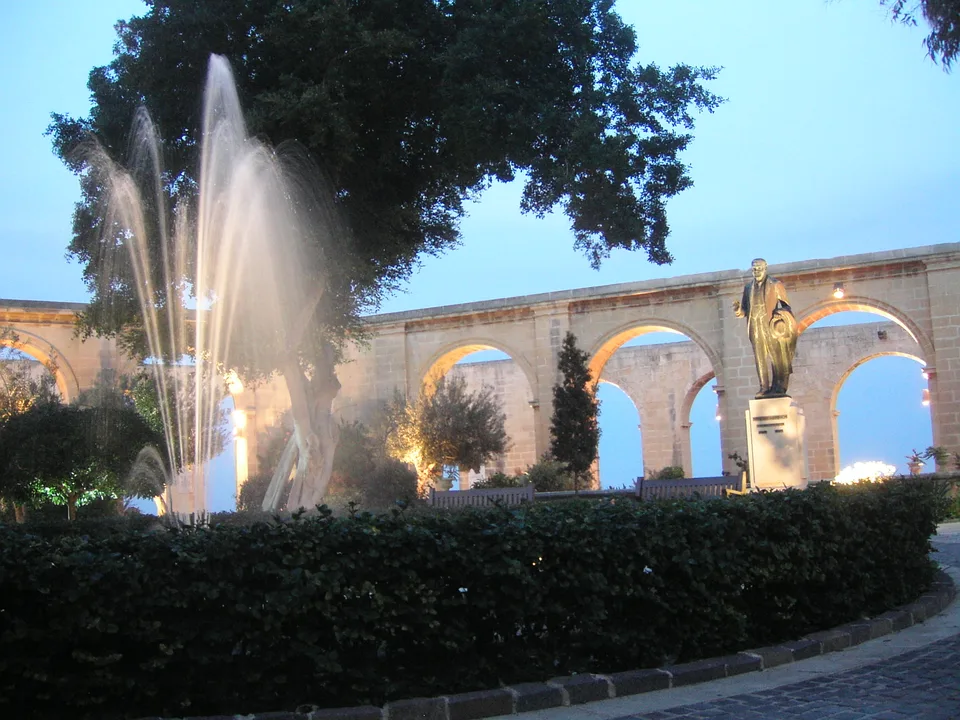
Upper Barrakka and Lower Barrakka provide pauses between buildings as well as different perspectives on the Grand Harbour. Use them to break up a museum day, not as interchangeable pins to rush between. Take time to sit, look across the water and understand how the surrounding settlements relate to Valletta. Their setting is particularly useful after you have spent a morning looking at interiors and objects.
The Saluting Battery below Upper Barrakka has its own admission and schedule. The operator lists Monday–Saturday visits and firing displays at noon and 16:00, subject to notices. Adult admission is €3, and on-site purchases are card-only. Check the day’s arrangements and arrive ahead of a display if that is your aim. The sound of gunfire can be startling for children or sound-sensitive visitors. You can still plan a garden pause without making the firing the centrepiece of the day, particularly when you want a quieter break.
Stay for an evening of culture
One advantage of sleeping in Valletta is the freedom to make an evening performance part of the trip. Teatru Manoel’s current programme includes performances and scheduled theatre tours, offering a different experience from daytime sightseeing. Check the actual date, venue, language and running time rather than assuming that every listing takes place in the main auditorium or that there will be a suitable production on every night.
A tour is worth considering if the building interests you but the performance programme does not match your dates. Consult the theatre’s visitor information for access and booking arrangements. When choosing seats, ask about steps and sightlines if either affects your enjoyment. Leave dinner plans flexible enough to accommodate the performance time. For a late finish, establish your journey home beforehand, particularly if you have chosen accommodation across the harbour. The value of an overnight stay is having room to enjoy something beyond the daytime circuit, rather than merely fitting in another attraction.
Choose accommodation by the room and the approach
Start with VisitMalta’s accommodation information, then compare properties on their own merits. Decide whether you want a hotel’s reception and breakfast, an apartment’s cooking facilities, or a smaller property in a converted building. Do not assume that a historic address provides air conditioning, a lift, sound insulation or space for storing luggage. Ask whether the advertised view belongs to the booked room or to a shared terrace.
For summer dates, confirm cooling in the bedroom, not just in a communal area. For a longer stay, check laundry, desk space, kitchen equipment and the practical route to groceries. Read cancellation conditions and compare a dated total including any taxes or additional charges. A low headline nightly rate may not be the best choice if every arrival and departure requires a difficult transfer. If mobility is important, request a description of the complete route from the street to the room and bathroom, rather than accepting “accessible” without details.
Get from the airport to the right part of the city
Malta International Airport is outside Valletta. The operator’s Airport Direct information identifies TD4 as the service for Valletta and the Gozo fast-ferry area, advertised at 30-minute intervals. Use the dated timetable and stop information to establish which departure and alighting point match your accommodation. The name of the destination alone is not enough when the city has steep approaches and more than one waterfront connection.
Compare the complete airport journey with a quoted taxi or transfer, especially with several bags, a late arrival or a group. Ask where a vehicle can legally drop you and how you will reach the entrance from there. Build a margin into the return journey; a scheduled interval is not a guarantee against traffic or operational disruption. If you arrive by cruise ship, confirm the actual berth and walking route. The Barrakka Lift connects Lascaris Wharf on the Grand Harbour side with Upper Barrakka Gardens, but does not remove every walk between a ship and your destination.
Match a bus ticket to the journeys you will make
Malta Public Transport’s fare and travel-card information distinguishes single fares from several visitor products. The fare table lists ordinary day tickets at €2 in winter and €2.50 in summer, valid for two hours; check the seasonal rate for your dates. Airport Direct and other direct services have their own treatment. A winter timetable announcement should not be used as proof that a winter fare has already begun.
For comparison, the Explore Flex seven-day bus offer is listed at €27 and includes Airport Direct. Read the inclusions carefully rather than confusing it with another similarly named card. For a longer stay, investigate the personalised tallinja card: the government-supported scheme covers qualifying bus services, the harbour ferries and Barrakka Lift, but excludes tallinja Direct routes and on-demand services. Application and validation conditions matter. A bank card used to pay a fare is not the same as a personalised transport card, and a visitor pass is not automatically interchangeable with either.
Use the harbour ferries with a return plan
Valletta Ferry Services operates the crossings to Sliema and the Three Cities. Its published adult daytime fares are €3 single and €5 return, with different night fares. Check the operator’s current timetable, service notice and departure point before walking downhill. The routes use different sides of Valletta, and a late return can involve a different pattern from the daytime service.
Weather and harbour events can alter the plan. For example, the operator has announced a Three Cities suspension on 17 October 2026 during the Middle Sea Race, from 09:00 until approximately 15:00 or until the final racing boat departs. That is a useful reminder to check notices rather than rely on a timetable alone. If you stay across the water, identify a bus or taxi alternative and include it in your budget. Avoid putting a ferry crossing immediately before an immovable restaurant reservation, performance or onward departure without enough allowance for disruption.
Eat locally without turning every meal into a booking
VisitMalta’s food introduction points to the island’s Mediterranean influences and staples including Maltese bread, cheese, olive oil, honey and pastizzi. Those give you ways to explore beyond a generic international menu. Make one meal a deliberate choice, then leave room for a simpler lunch or snack when museum timing calls for it. Check ingredients directly if allergies or dietary requirements limit your options.
Use menus to compare the complete bill: portions, sides, drinks and any extras matter more than the lowest main-course price. A harbour outlook or prominent address is a setting, not independent proof of quality. For shopping, decide whether you want something made locally, an exhibition-related purchase or simply a practical souvenir. Ask about origin and materials if that distinction matters. Avoid buying food gifts that your onward destination will not admit, and check the relevant official import rules before paying for anything that could be restricted.
Build a budget from actual choices
Keep accommodation, eating, admissions and transport separate when comparing a Valletta stay. Three substantial museum visits can already fill much of two days, so there is little reason to buy additional admissions simply to make a pass feel worthwhile. Compare individual tickets with any bundle against the places you genuinely intend to enter and the dates they will be open.
Request a full room quote for your dates and party, including breakfast, additional beds, taxes and cancellation terms. Add a realistic allowance for an alternative airport or harbour transfer if your first plan fails. On a short visit, staying closer to your main interests may save useful time even when the room itself costs more. On a longer visit, cooking and laundry facilities can change the comparison. There is no single daily spending figure that honestly covers these different trips; a written list of your selected bookings will be more useful than an unsupported citywide average.
Choose the season around walking and the water
For a cultural walking trip, consider spring or autumn and check the forecast rather than assuming that an island destination always means beach weather. Summer planning should allow for heat, shade, water and an indoor break. In winter, keep a warm layer and waterproof clothing available, and give harbour crossings an alternative. A bright morning does not establish that the wind or sea conditions will remain suitable for the rest of the day.
The Malta Meteorological Office provides local forecasts and separate marine information. Consult it close to travel, especially before a day involving boats or exposed waterfronts. Plan footwear for slopes and steps as well as smart interiors. If the weather turns, switch the order of an indoor visit and a garden walk instead of forcing the original sequence. Check seasonal timetables independently: ferries, buses and attractions do not necessarily change seasons on the same date. Leave enough flexibility to enjoy the city under the conditions you actually find.
A three-day introduction with breathing space
On the first day, enter the historic centre, find your accommodation and take an orienting walk. Look at the central streets, pause at Upper Barrakka, then choose a simple dinner. If arrival is early, add one booked interior; if it is late, keep the evening free of admission deadlines. This makes transport delays easier to absorb and gives you a chance to understand the slopes before a full sightseeing day.
Make the second day your main cultural day, choosing St John’s and either the Palace or Fort St Elmo, with lunch and a proper break between them. Use Lower Barrakka or another short walk to change pace. Reserve the evening for a performance if the programme suits. On the third day, cross to the Three Cities or Sliema after checking conditions, leaving enough time to return for luggage. With only one full day, choose two priorities and a garden pause. For a potential move, replace the excursion with viewings and a trial commute.
Compare homes through everyday needs
A Valletta address can put cultural life close at hand, but inspect how a home functions throughout the year. Ask about cooling, winter damp, ventilation, storage and laundry. Test mobile reception in the rooms you would use for work, and obtain address-specific information about fixed internet. Establish how deliveries reach the building and how you would bring home a large grocery shop.
Use the Housing Authority’s information and rent-registration portal to understand residential leases and dispute procedures. Check the terms, inventory, deposit and registration arrangements before committing. For water and electricity, ARMS explains account and tenant procedures, including occupant declarations and temporary recognition options. Ask how bills will be supplied and charged, record opening meter readings, and avoid treating an estimated allowance as a guaranteed monthly cost. Compare the commute from Floriana or Sliema as well. Test a working-day return, with the walk from the final stop included, before deciding that a convenient visitor connection will serve your household.
Arrange healthcare and immigration for the purpose of your stay
The Primary HealthCare directory connects Valletta with services in Floriana; confirm the appropriate clinic, current access and documents before attending. The government’s health-services information also provides entitlement contacts. Living at an address does not by itself settle what care is covered. Check your insurance or public entitlement separately, including prescriptions and any continuing care your household needs.
For a visit, use Identità’s Schengen visa information and check nationality-specific requirements; the usual short-stay limit is shared across Schengen, not restarted on arrival in Malta. Local employment needs the appropriate status, such as a qualifying Single Permit, and permission to start work. EU and EEA residence guidance distinguishes free-movement rights from documentation obligations. Study residence has its own conditions. Eligible remote workers should examine the separate Nomad Residence Permit, which does not authorise services to Malta-based clients. Renting a home does not create permanent residence. VisaWand’s consultant directory can help you identify advisers for individual questions.
Look across the harbour before fixing your wider plans
The Three Cities—Birgu, Isla and Bormla—offer another perspective on the harbour’s history and fortifications. VisaWand’s Vittoriosa, also known as Birgu, location page, Senglea location page and Cospicua location page help you distinguish the settlements. Choose one manageable walking area rather than assuming that a ferry arrival automatically leaves time to explore all three in depth.
Sliema’s location page is useful when comparing a different accommodation base or building a wider itinerary. These are location pages, and their directory content should not be mistaken for a completed travel guide. Think about the journeys you will repeat: the capital’s interiors, a workplace elsewhere, or regular water crossings. Valletta works especially well when its dense concentration of culture is the reason for being there. Give it that focus, then use nearby places to broaden the trip rather than compressing the whole island into each day.
Official planning resources
Reviewed 16 October 2026. Use the official resources linked throughout this guide for admission, transport, housing and immigration decisions. Prices, services and rules can change; confirm the details relevant to your dates. Photography illustrates the locations and is not a live view.
View all official resources
- UNESCO City of Valletta
- St Johns Co-Cathedral visit
- Grand Masters Palace visitor information
- Fort St Elmo and National War Museum
- Saluting Battery visit
- Teatru Manoel programme
- Teatru Manoel visits
- VisitMalta accommodation
- Airport Direct services
- Transport Malta Barrakka Lift
- Malta Public Transport fares
- Personalised tallinja card
- Valletta Ferry Services operator
- VisitMalta local food
- Malta Meteorological Office
- Housing Authority services
- Housing Authority rent registration portal
- ARMS utility accounts and tenant guidance
- Primary HealthCare health centres
- Malta health services and entitlement
- Identita Schengen Visa information
- Identita Single Permit
- Identita EU nationals
- Identita study residence guidance
- Residency Malta Nomad Residence Permit FAQ
- Three Cities transport and visitor information
Plan the next part of your journey
Explore the Malta guide, browse other cities or compare consultants for your travel and relocation questions.