Visa
A river city with room for a longer stay
Kuching makes an unusually satisfying base for a first visit to Malaysian Borneo. You can spend a morning among shopfronts and museums, then devote another day to forest wildlife without continually changing hotels. The Sarawak River gives the centre its bearings; beyond it, the city spreads into residential and commercial districts that matter more to someone relocating than to a weekend visitor.
Allow three full days for an introduction, or four if Bako is important to you. That creates space for weather changes and unhurried meals. Kuching suits travellers who enjoy looking closely at everyday streets as much as ticking off attractions.
Understand the history behind the waterfront
The Sarawak Tourism Board’s heritage account traces modern Kuching’s development through Brunei administration, river commerce and the Brooke rulers. James Brooke arrived in 1839; Charles Brooke’s later projects included the Old Courthouse, completed in 1874, and Fort Margherita, finished in 1879. The 1884 fire helped transform the central shopping streets as rebuilding favoured brick construction. Sarawak became a British Crown colony in 1946.
Those buildings tell part of the story. Indigenous communities, Malay settlements, Chinese trading networks and Indian Muslim businesses also shaped the city. Read the administrative monuments alongside the shops, religious buildings and riverbank neighbourhoods. A good visit leaves room for different perspectives on the same period, especially when a museum’s exhibits focus on the ruling family rather than the whole population.
Get your bearings on both riverbanks
The waterfront and Main Bazaar form a useful starting point, with Carpenter Street behind them. India Street adds textile shops and another part of the city’s trading history; Padungan extends the exploration towards shops and food stops. Compare the walking route from your hotel, including road crossings and any steps, before choosing a base.
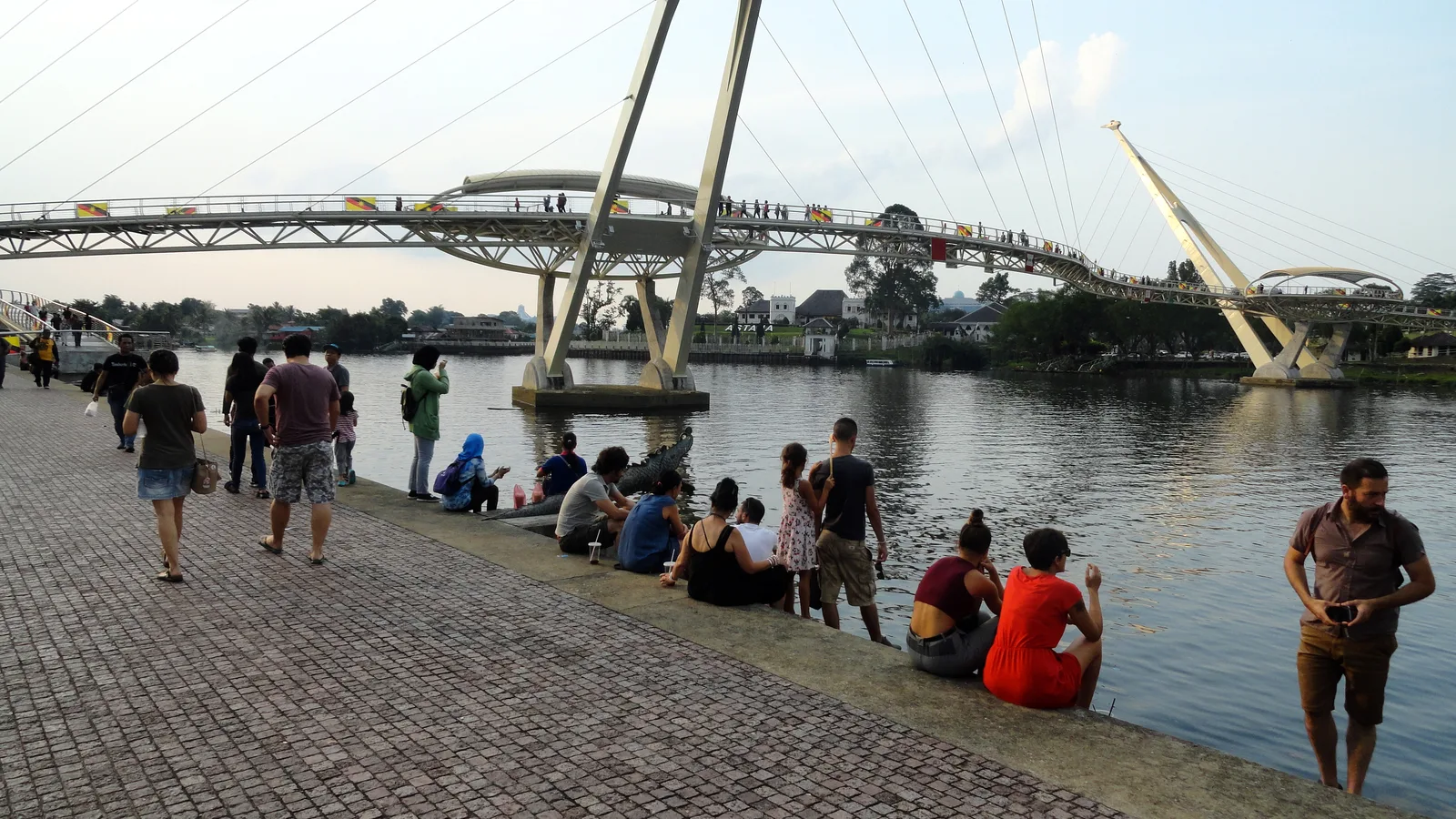
The Darul Hana Bridge is the distinctive S-shaped pedestrian crossing between the south-bank waterfront and the north bank near the Astana and State Legislative Assembly. It opened in 2017 and gives a different perspective on the river after dark. A view of a public building does not establish permission to enter it. For river taxis, agree the landing point and fare before boarding and choose a crossing suited to the conditions and your mobility.
Walk the older shopping streets slowly
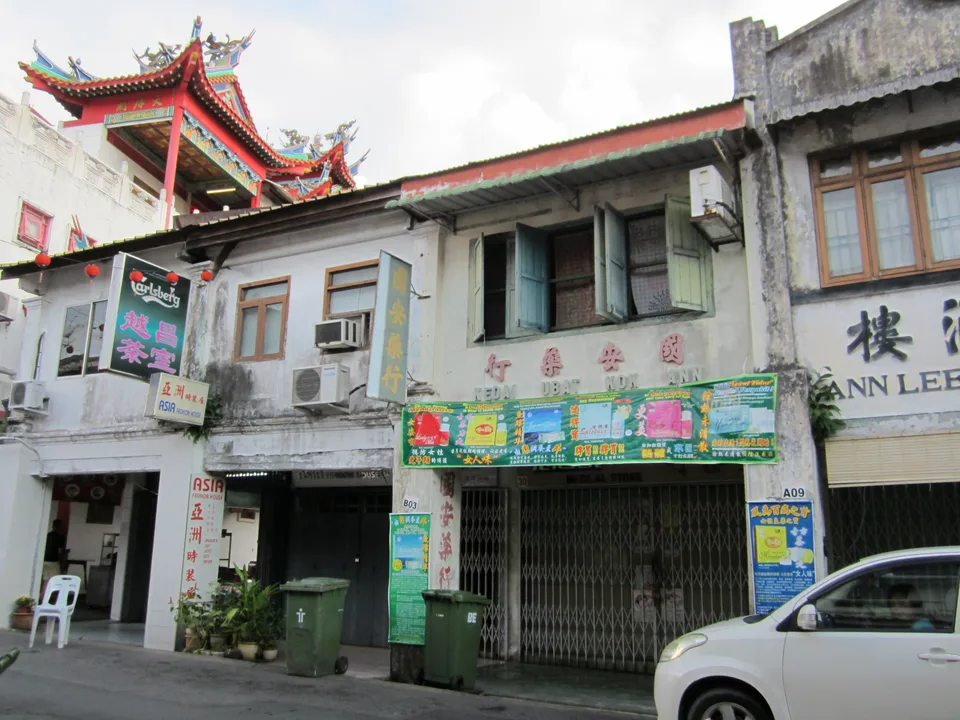
Carpenter Street is best approached as a working street. The tourism board’s Carpenter Street introduction describes its craftspeople, small traders, food stalls and surviving older buildings. Look for the relationships between ground-floor shops, upstairs rooms and religious architecture rather than photographing only the most decorative frontage.
Start with one street and follow your interests. Step inside a shop when you want to buy something or have been welcomed; doorways and workshops are not automatically public exhibits. Ask before photographing people at work or at worship. Keep a rain break flexible so the walk can remain enjoyable instead of becoming an endurance test.
Make Borneo Cultures Museum a priority
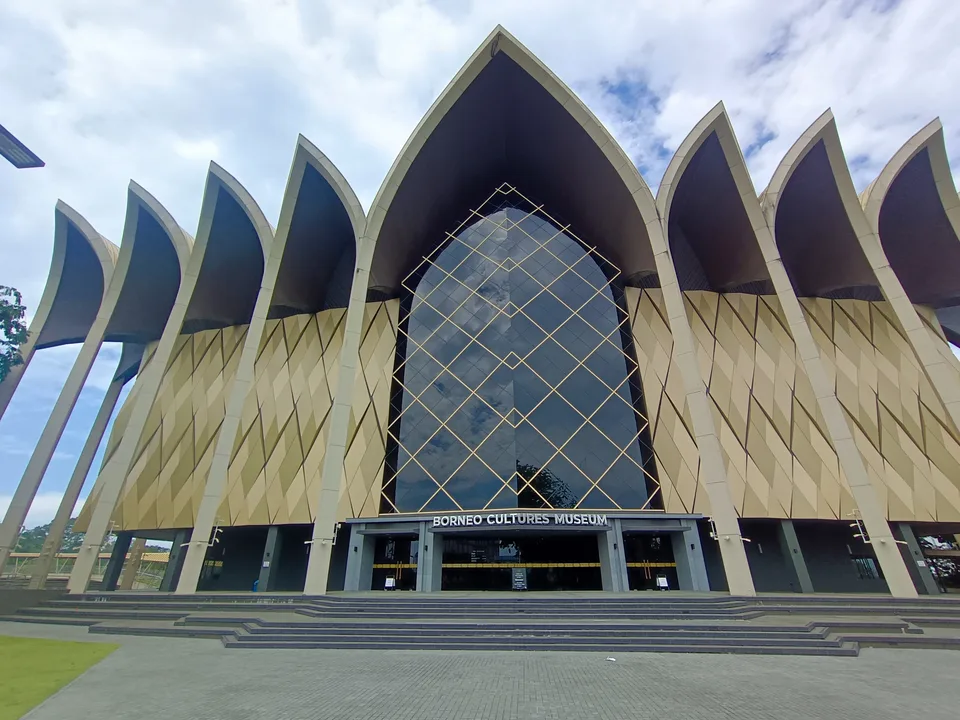
The Borneo Cultures Museum stands beside Padang Merdeka in central Kuching. Its galleries address rivers, relationships with nature, historical change and material culture. It is a useful early stop because it gives context to experiences elsewhere in Sarawak, rather than leaving cultural interpretation until the end of a wildlife itinerary.
Published hours are 9am–4:45pm on weekdays and 9:30am–4:30pm on weekends and public holidays, with last admission at 4pm and specified holiday closures. The official chart lists RM50 for foreign adults aged 18–60; other age, student and Malaysian categories differ. Check your category before paying. Leave enough time to read selectively and pause between galleries. A late arrival just before last admission is poor value if this is a major reason for your visit.
Add a smaller museum or the Brooke Gallery
The Museum Department’s visitor FAQ lists free admission to the Chinese History Museum and Islamic Heritage Museum. These can complement the larger museum without turning the entire day into consecutive ticketed attractions. Check their own opening arrangements and choose the subject that interests you most.
Across the river, the Brooke Gallery at Fort Margherita focuses on Sarawak’s development during the Brooke era. The Trust worked with the Sarawak Museum on its exhibition and supplied family artefacts. Treat that focus as a reason to visit with questions about whose story is being told. Confirm access, current tickets and opening hours before travelling specifically for the fort. For accessibility at Borneo Cultures Museum, the department says wheelchairs can be requested at its counter.
Visit Semenggoh on the animals’ terms
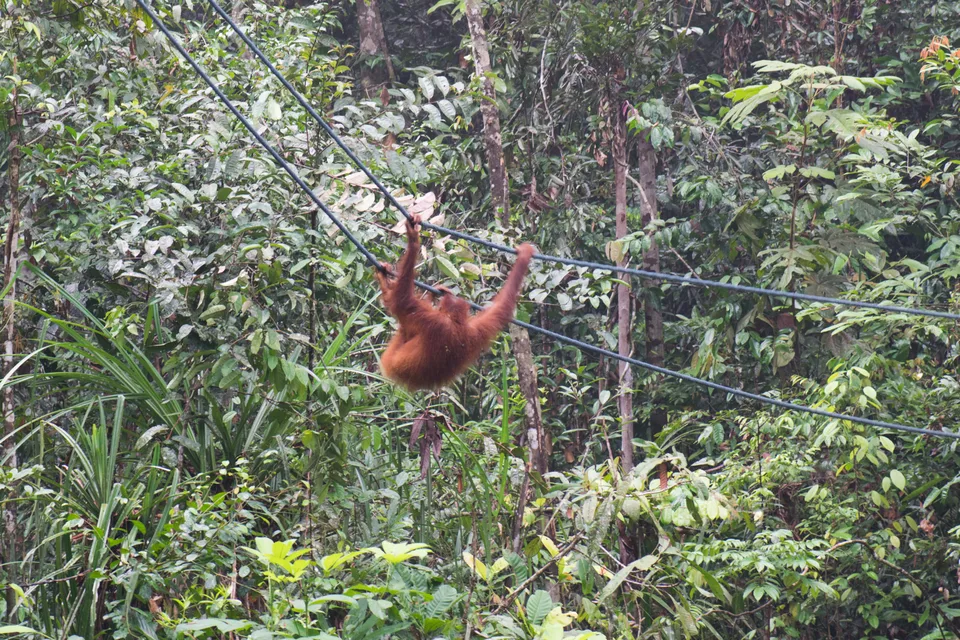
Semenggoh is a sanctuary for semi-wild orangutans, not a performance with guaranteed appearances. Sarawak Forestry Corporation explains that animals may return for supplementary feeding at 9am and 3pm, but may stay in the forest when wild fruit is plentiful. Seeing none is a possible outcome of a responsible visit.
The ministry’s visitor information and route map publishes visiting windows of 8am–10am and 2pm–4pm. Organise transport around the full visit, including the return, rather than the feeding time alone. Follow ranger instructions about where to stand and when to move. Avoid attempts to attract an animal or arrange close contact. Keep the rest of the day modest: returning to town for a museum, meal or quiet afternoon usually works better than chasing another distant excursion.
Give Bako a day of its own
Bako National Park combines forest, mangroves, heath vegetation and coastal cliffs, with habitat for proboscis monkeys, silvered langurs and bearded pigs. Wildlife remains unpredictable. Choose the visit for the landscape and the time outdoors as well as for any particular animal you hope to see.
Sarawak’s government announced compulsory guided visits from 2026. Confirm the current guide arrangement with SFC before committing to transport, and ask what your quote includes. Allow separately for getting to the departure point, the boat, park admission and guiding. Ask about weather, tides, landing conditions, available trails and the return departure. Keep a city alternative for unsuitable conditions. A scenic beach within a wildlife park should never be treated as an invitation to swim without explicit local confirmation that it is safe and permitted.
Check Bako availability before planning an overnight stay
A dated operational notice matters more than an undated description of attractive chalets. SFC’s 17 April 2026 Bako water-supply notice says new e-bookings are temporarily closed until further notice, while day visitors and guests with fully paid bookings may proceed. It reports that water pressure has improved but has not returned fully to normal.
This notice does not establish whether a particular future date is available. Ask SFC for the current position before building an overnight itinerary around it. The official park-admission service also directs visitors to pre-register and explains that admission e-tickets are for one redemption and are non-refundable. Keep the admission, accommodation, guide and boat arrangements distinct when checking confirmations; one payment should not be assumed to cover all four.
Consider the Cultural Village as a separate excursion
The Sarawak Cultural Village’s booking site offers a different introduction to regional cultures through representative buildings and performances. It is at Pantai Damai, Santubong, so plan it as an excursion rather than a quick diversion between city museums. The operator publishes 9am–5pm opening, last entry at 4pm, and cultural shows at 11:30am and 4pm.
When checked, entrance-only international tickets were RM135 for visitors aged 13 and above and RM85 for children aged 2–12. Malaysian prices and entrance-with-lunch products differ. Check the selected nationality and package before comparing offers. Allow time to explore before a performance and arrange the journey back. The setting is an interpreted visitor attraction; it should not be presented as equivalent to an invited visit to someone’s home or community.
Choose accommodation around your evenings
For a first visit, being able to return on foot after dinner can be more valuable than a room with an impressive view. Compare central hotels, guesthouses and apartments using their actual entrance locations. Check the walk to your chosen streets after dark, and ask whether the room faces traffic, entertainment or a quieter side of the property.
A resort stay near Damai serves a different purpose from a city base. It can make sense when the coast and Cultural Village dominate your plans, but repeated city journeys should be included in the comparison. Families should ask about connecting rooms, laundry and breakfast arrangements. Anyone arriving late should confirm reception access directly.
Compare the complete room price
Use the final payable total rather than a search result’s headline nightly rate. Identify cancellation conditions, breakfast, deposits, parking and any charges collected separately. Flexible cancellation can be valuable when a short stay depends on a weather-sensitive excursion, although it does not replace suitable travel insurance.
Malaysia’s official tourism-tax guidance sets out the RM10 per-room, per-night charge for liable tourists and the treatment of online bookings. Malaysian citizens and permanent residents have exemptions under the stated conditions. If a registered platform has collected the tax, keep the receipt to help avoid duplicate collection at the property. Ask the accommodation to explain any additional charge individually. A larger party sharing one room should still check occupancy rules rather than assuming the tax arrangement determines how many people may stay.
Plan your airport arrival before landing
Kuching International Airport, KCH, is the arrival airport to select when checking flights and arranging a pickup. Reconfirm the route for your travel date, baggage allowance and any connection requirements. Leave a useful buffer when connecting on separate tickets, particularly when collecting bags and completing immigration formalities.
Grab lists Kuching among its supported airports. Compare the quoted price, vehicle size and pickup instructions before confirming a ride. For a taxi or hotel transfer, establish the price and meeting point in advance. Do not rely on a fixed journey time from an old guide: traffic, rain and roadworks can change it. Save the accommodation’s full address and contact details offline, and make the first journey simple if you are arriving tired or after reception’s normal hours.
Use buses selectively and check construction updates
The tourism ministry’s Kuching Metro electric-bus page links routes between Open Air Market and Semenggoh, with maps and schedules available through the Kuching Metro app. Its outbound timetable specifically identifies departures intended for reserve visits. Check both directions and the complete journey before choosing this option; a bus passing a useful destination is not necessarily a quick connection.
Keep this service distinct from Sarawak Metro’s earlier hydrogen-bus trials. The latter’s May 2026 statement says those three vehicles are now serving education and research purposes. Do not build a trip around an old free-loop recommendation. For driving or commuting, consult Sarawak Metro’s current construction notice and allow for diversions. Future ART infrastructure on a map should not be treated as an operating passenger service without an official service announcement.
Eat beyond a single signature dish
Kuching joined UNESCO’s Creative Cities Network for Gastronomy in 2021. That recognition concerns a food culture connected to regional ingredients, communities and trade. It is a useful invitation to explore meals at different times, rather than a guarantee attached to every restaurant.
Start with Sarawak laksa and kolo mee: the former commonly brings together a spiced broth, coconut milk, prawns, chicken and egg; the latter is tossed noodles with toppings that can include pork. For another meal, look for bamboo-cooked manuk pansuh or a vegetable dish using midin fern. Ask about ingredients and preparation if you have allergies or dietary requirements. A vegetarian-looking garnish does not establish that a broth or cooking fat is suitable. Check an outlet’s opening hours before travelling specifically for a particular dish.
Shop with provenance and packing in mind
Shopping is more interesting when you can identify the maker, material and intended use. Carpenter Street’s mixture of small businesses rewards patient browsing, but a shop’s historic setting does not prove that every item was made locally. Ask where a textile or craft object comes from and whether the seller can explain its production.
For food gifts, compare storage instructions and best-before dates before buying. Layered kek lapis can be visually striking, but the practical purchase is one you can transport and store correctly. Keep receipts for higher-value items and check your destination’s import rules for food, wood or plant materials.
Build a budget around transport and chosen experiences
Write down the costs you can actually confirm: accommodation’s final total, airport transfers, selected admission categories and excursion quotations. The museum and Cultural Village prices above provide specific anchors; they are not a complete daily budget. Add meals, drinks, laundry, mobile data and a contingency appropriate to your plans.
A city day and a guided park day have different cost structures. Compare a package with independent arrangements using the same inclusions, party size and cancellation conditions. A low admission fee does not make the whole excursion inexpensive if transport and guiding are separate. A resident’s budget needs rent, utilities, routine travel and healthcare alongside occasional leisure spending.
Choose a season with realistic weather expectations
Kuching is warm, humid and rainy. METMalaysia’s climate guidance identifies heavy northeast-monsoon rain in western Sarawak; coastal rainfall typically peaks in January and reaches its relative minimum in June or July. A less rainy period still carries a need for rain protection and flexible outdoor plans.
If forest and coastal excursions are the priority, choose dates with that pattern in mind, then check forecasts and warnings close to departure. Reserve indoor options for poor conditions without assuming a particular afternoon will be dry. Carry footwear with grip, a waterproof cover for essentials and clothing that can dry between outings. Leave a spare day before an important onward flight if an excursion is central to the trip. Seasonal averages describe a pattern, not the weather your booking guarantees.
A three-day introduction that leaves breathing room
Day one: settle in, orient yourself along the river and walk a manageable stretch of the older streets. Choose a relaxed evening rather than immediately adding a distant attraction. This is also the time to confirm the following days’ transport and operational conditions.
Day two: visit Semenggoh around one feeding window, then return for lunch and a modest afternoon. If the connections would make that tiring, dedicate the afternoon to rest and put the larger museum on another day. Day three: give Borneo Cultures Museum a substantial visit and choose one smaller museum or a river crossing afterwards. Add a fourth day for Bako if conditions and arrangements are suitable. Substitute the Cultural Village for a city day when that interests you more; attempting everything in three days would leave little margin.
Test a move through ordinary household routines
For relocation, spend time doing the errands that a holiday hides. Try the commute at the required hour, locate groceries and a pharmacy, and check where you would seek medical care. Compare homes by these journeys rather than their advertised distance from the waterfront.
Inspect cooling, ventilation, signs of damp, drainage, window screens, water pressure and the practical route from parking or street to door. Ask how repairs are reported and who pays for servicing appliances. Establish internet availability at the precise unit and test mobile reception indoors. Request a written inventory and photograph meter readings at handover. Keep the first tenancy decision flexible enough to respond to what you learn about the neighbourhood, instead of treating a short holiday impression as a complete assessment.
Separate student housing from the general rental market
Students should start with their institution’s accommodation office. Swinburne Sarawak’s Student Village page lists several on-campus room types, semester tenures and availability conditions. It publishes RM135 weekly for a standard fan-cooled twin room, with a separate RM540 deposit; other room types have different charges. Confirm the current offer and what is included before calculating a semester total.
That is an institution-specific example, not Kuching’s average rent or an option available to every newcomer. For a private tenancy, obtain the full rent, deposits, utility responsibility and exit terms in writing. Verify who is authorised to let the property before paying. A furnished short stay may help you compare districts, but check the building’s rules and the agreement’s permitted use before relying on it for a longer arrangement.
Set up utilities and healthcare deliberately
Sarawak Energy’s residential account-change checklist requests tenancy or ownership evidence, a recent meter-reading photograph and identification; it specifically recognises passports for foreigners. Rented properties also require the relevant owner consent. Agree with the landlord who will complete the process and how the previous occupant’s final bill is separated.
For water bills, applications and supply updates, use Sarawak Water’s current customer channels. Check which account serves the property and retain payment records. For healthcare, identify a suitable provider and confirm insurance arrangements before you need treatment. The FCDO health guidance notes charges at government and private hospitals and gives 999 for an ambulance. It also flags rabies in Sarawak: avoid contact with unfamiliar animals and seek prompt medical care after a bite or scratch.
Treat Sarawak entry permission as a real checkpoint
Nationality and purpose determine Malaysian entry requirements. Use the official Malaysian visa portal and check the passport-specific rules rather than applying another traveller’s permitted stay to yourself. The Malaysia Digital Arrival Card portal explains registration and exemptions; an arrival card is not a visa or permission to work.
Foreign travellers continuing from Peninsular Malaysia should carry their passports and expect immigration checks. The FCDO’s East Malaysia guidance specifically explains entry and exit stamps for this journey, within advice written for British passport holders. Check the permission and expiry granted to you in Sarawak. Keep the relevant records and arrange departure or an appropriate authorised status before expiry. A domestic flight booking does not remove the immigration step or turn a visit into residence.
Work, study and long stays need their own arrangements
For employment, ask the prospective employer about Sarawak’s GENESIS EXPRT Employment Pass process and the approvals required for your position. Do not begin work on the assumption that tourist admission is sufficient. For formal study, Swinburne’s visa guidance illustrates the advance approval process through the university and EMGS; follow your own institution’s instructions before travelling.
For a potential longer stay, consult the ministry’s current S-MM2H requirements and licensed-agent list. This is a distinct programme to investigate, with eligibility and obligations to verify; it should not be presented as automatic permanent residence or unrestricted work permission. VisaWand’s Malaysia country guide and Malaysia visa destination page provide broader context. Use the consultant directory when comparing professional help, and verify an adviser’s relevant authorisation independently.
Decide what to add or compare next
Nearby alternatives should match the kind of time you want outdoors. SFC’s protected-area overview includes Santubong, the city forest at Sama Jaya and the Wind and Fairy caves near Bau. Check the particular site’s access and current conditions before treating any as an effortless substitute for a cancelled excursion.
For a different Malaysian city experience, compare the completed Kuala Lumpur guide for a larger metropolitan stay or the Malacca guide for a heritage-focused visit on the peninsula. These are separate journeys, not local day trips from Kuching. VisaWand’s Malaysia location directory can help you explore other places; its listings should not all be assumed to contain finished travel guides. Choose the next stop for what it adds to the trip, with enough time left to enjoy Kuching itself.
Official planning resources
Reviewed 16 October 2026. Use the official resources linked throughout this guide for admission, transport, housing and immigration decisions. Prices, services and rules can change; confirm the details relevant to your dates. Photography illustrates the locations and is not a live view.
View all official resources
- Sarawak Tourism Board: Kuching heritage
- Sarawak Tourism Board: Darul Hana Bridge
- Sarawak Tourism Board: Carpenter Street
- Sarawak Museum Department: Borneo Cultures Museum
- Sarawak Museum Department: visiting FAQ
- Brooke Heritage Trust: the Brooke Gallery
- Sarawak Forestry Corporation: protected areas near Kuching
- Kuching Metro: route map and Semenggoh visiting windows
- Sarawak Forestry Corporation: Bako National Park
- Sarawak government: Bako guided-visit announcement
- Sarawak Forestry Corporation: Bako water-supply notice
- Service Sarawak: park admission and registration
- Sarawak Cultural Village: current visitor tickets
- Royal Malaysian Customs: tourism tax and online bookings
- Grab: supported airport rides
- Sarawak tourism ministry: Kuching Metro electric bus
- Kuching Metro: outbound Semenggoh timetable
- Sarawak Metro: hydrogen bus trials and future passenger services
- Sarawak Metro: current Jalan Tun Jugah construction notice
- UNESCO: Kuching Creative City of Gastronomy
- Sarawak Tourism Board: regional dishes and ingredients
- METMalaysia: climate and Sarawak rainfall seasons
- Swinburne Sarawak: Student Village accommodation
- Sarawak Energy: residential account change checklist
- Sarawak Water: billing, applications and supply updates
- FCDO: Malaysian healthcare and travel health
- Malaysian Immigration: official visa portal
- Malaysian Immigration: Malaysia Digital Arrival Card
- FCDO: East Malaysia entry checks
- GENESIS Sarawak: Employment Pass applications
- Swinburne Sarawak: student visa preparation
- Sarawak ministry: current S-MM2H requirements and licensed agents
Plan the next part of your journey
Explore the Malaysia guide, browse other cities or compare consultants for your travel and relocation questions.