Visa
Look beyond the skyline for historical context
VisaWand’s Malaysia country guide provides wider context. Use its Malaysia location directory, destination page and consultant listings for further planning and professional guidance.
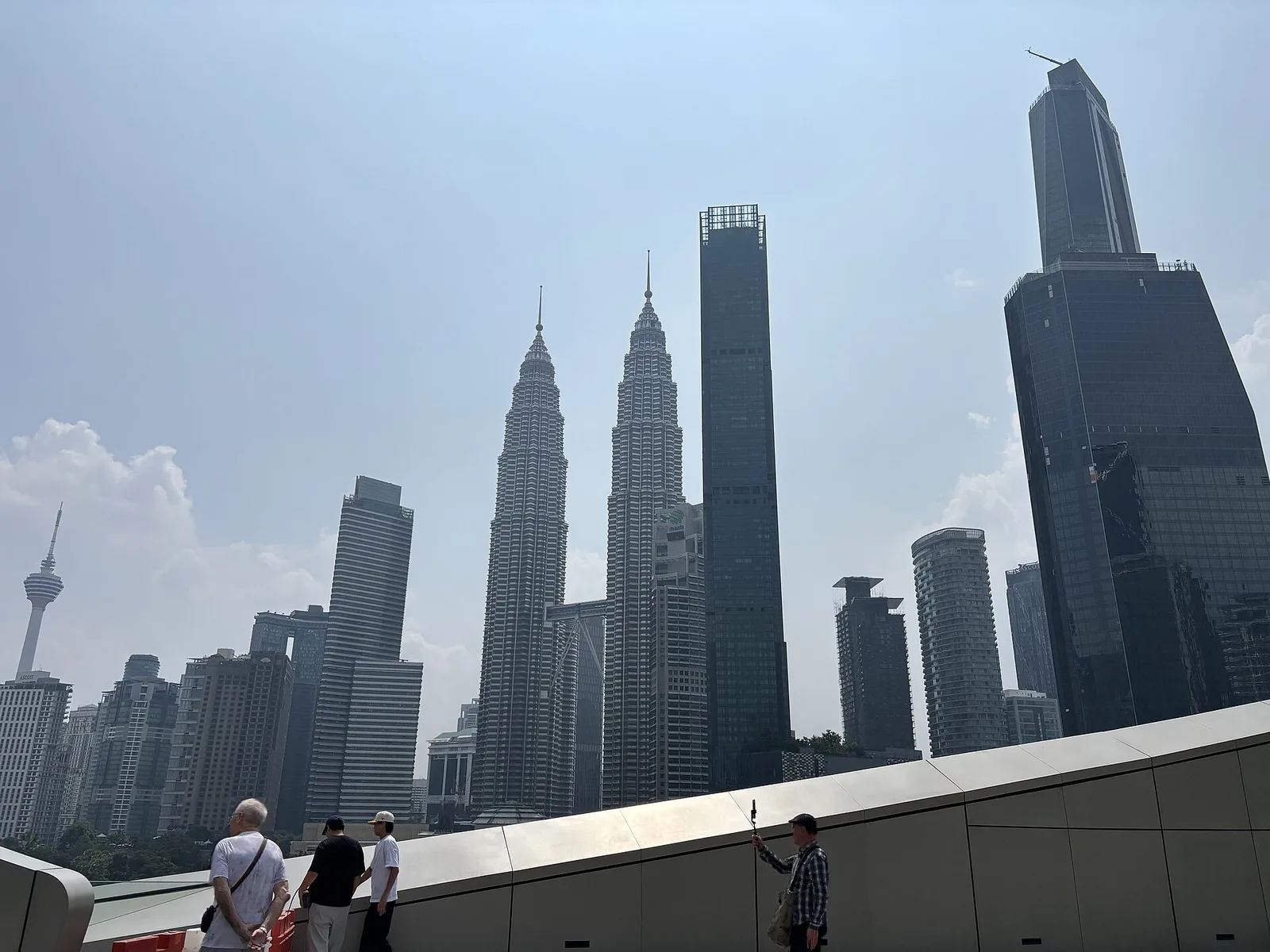
Kuala Lumpur can be explored through contrasting areas rather than one long checklist. KLCC supplies the tower landmark and an outdoor pause: KLCC Park occupies fifty acres within the precinct, with paths, benches, shelters, a jogging track and children's facilities. A park walk and a booked tower ascent answer different interests. Combine the two if they suit your day, or use the outdoor time without adding another admission. Elsewhere, museums and street neighbourhoods offer a different view of the city, with space for meals and ordinary journeys between them.
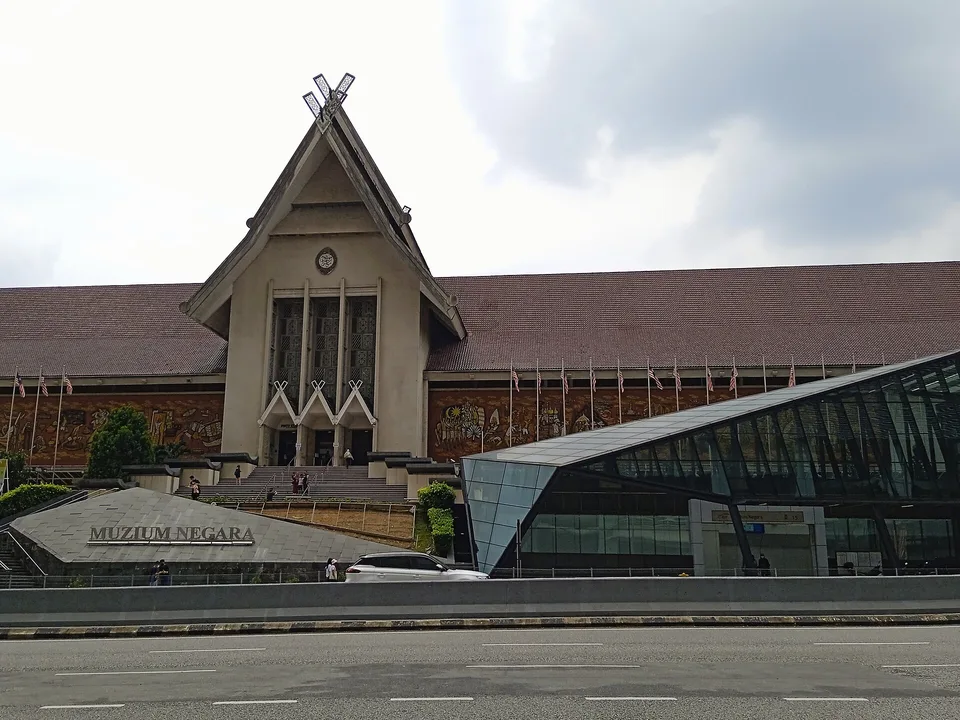
The Department of Museums describes Muzium Negara as a building in the style of a Malay palace, opened on 31 August 1963. Its four history galleries cover prehistory, Malay kingdoms, the colonial era and Malaysia today. That provides national context for a city stay without pretending that a skyline view explains the country’s history. Give the collection time early in the trip if those themes interest you, then let what you learn guide the choices you make elsewhere. The museum is one perspective within a wider visit, rather than a substitute for exploring neighbourhoods and daily life.
Compare the city centre with a Chinatown walking day
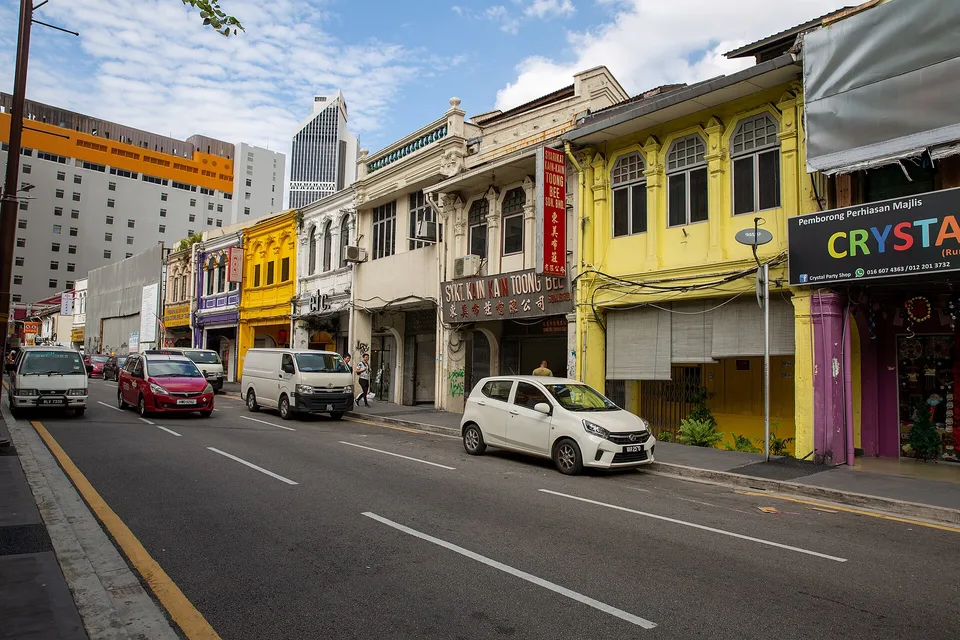
Tourism Malaysia’s city guide places the PETRONAS Twin Towers at the heart of KLCC and identifies Petaling Street as Chinatown. These provide different starting points for a visit: the city-centre landmark on one day, and a street-based exploration on another. Choose the part of the city that fits your interests, then investigate the individual attractions rather than assuming a district name tells you what is open or included.
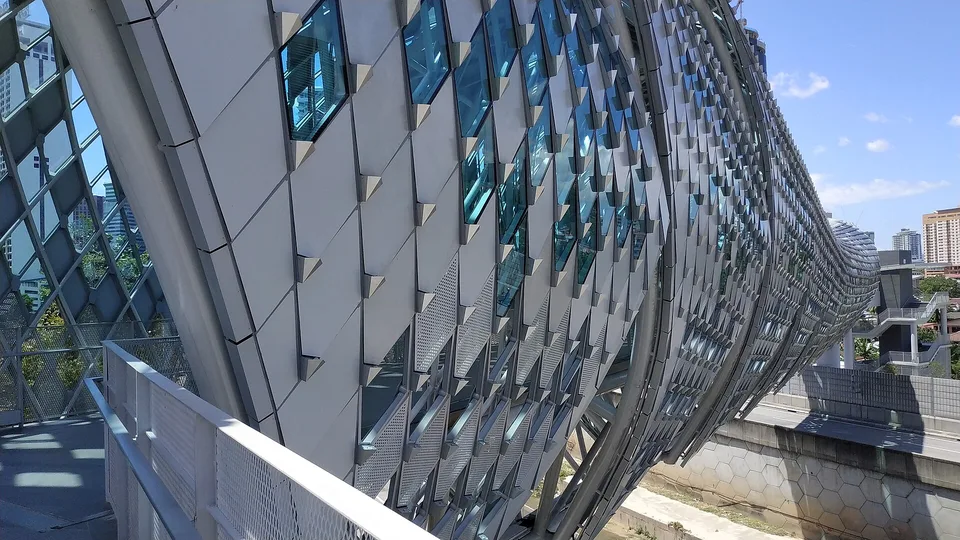
The guide also describes Saloma Bridge as a pedestrian connection between the KLCC area and Kampung Baru. Treat it as a route to investigate when planning a walk, with current access and conditions checked separately. For shopping around Petaling Street, compare the goods and prices in front of you and keep receipts. A busy visitor area does not establish an item’s quality or make every purchase a bargain. Leave browsing as flexible time instead of making it another appointment in an already full day.
Choose accommodation by the journeys you will repeat
For a short visit, begin with the arrival plan and two or three experiences that matter most. A property near KL Sentral is worth comparing when the airport-rail connection is a major priority; a base near the places where you intend to spend evenings may suit a different trip. Check the complete route to the specific entrance before deciding that a familiar district name guarantees convenience.
Compare the actual room category and occupancy, not just the lowest price shown in a search. Ask about sleeping arrangements, lift access, luggage storage and check-in timing. For an apartment or longer stay, establish which cooking and laundry facilities are supplied and whether their use carries an additional charge. Confirm the cancellation terms alongside the total quote, including disclosed taxes and fees. If the visit is intended to assess a move, use temporary accommodation to test the proposed daily routine before accepting a longer lease. The most useful base is the one that makes your intended days manageable at a cost you have understood.
Price the airport journey for the date you will travel
The KLIA Ekspres operator’s current fare table lists an adult single journey between KL Sentral and KLIA terminals 1 or 2 at RM55, with a return at RM100. For children aged six to fifteen, the listed prices are RM25 single and RM45 return. These are the standard fares shown at the October 2026 review; check the actual purchase conditions and any eligible promotion before paying.
The operator separately announces revised fares from 1 January 2027: RM65 single and RM118 return for adults, and RM29 single and RM53 return for children aged six to fifteen. A visitor planning next year’s trip should therefore distinguish the current table from the announced change. Compare the price offered for the intended booking and retain its conditions rather than treating an older budget as fixed.
The published journey time between KL Sentral and terminal 1 is twenty-eight minutes. That is the rail segment, rather than a promise about the complete journey from baggage collection to a hotel room. Add the terminal walk, waiting and the onward connection when comparing accommodation bases. KLIA Ekspres and KLIA Transit tickets are not interchangeable. Check the service and destination before purchase, particularly when a journey includes an intermediate station or a late-night arrival.
Build journeys around the actual station entrance
The transport ministry’s rail overview identifies the KL Monorail corridor between KL Sentral and Titiwangsa, passing commercial areas including Chow Kit and Bukit Bintang. That gives a useful starting point for comparing a sightseeing route or accommodation address. It does not establish that every property advertised as being near the monorail has the same walking approach, or that an airport-rail ticket covers the onward urban journey.
For each important trip, compare the station entrance, any interchange and the final walk, not merely the distance between map pins. Keep a separate allowance for the airport transfer and check the current operator’s ticket conditions before deciding on a pass. Eligibility and covered services can differ between products. A household considering relocation should make the proposed commute at a relevant time during a scouting visit, including the journey home, then compare it with the hours required by work or study.
Book the tower experience you actually want
At the October 2026 review, the PETRONAS Twin Towers admission table lists normal-admission adults aged thirteen to sixty at RM127 on weekdays and RM137 on weekends in its general-admission category. The Malaysian MyKad rates for that age group are RM42 and RM45 respectively. Use the category you can document. Evening Experience, Premium Sky Access and Priority Access are separate products, so compare inclusions before choosing a slot. Tickets remain subject to availability.
The operator requires visitors to be at the entry point fifteen minutes before the visiting time and to present their downloaded online tickets at check-in. It warns that a missed time can lead to refused entry without a refund; sold tickets are also described as non-refundable and non-transferable. Read the terms applicable to the booking before paying. Allow for the security check and any baggage arrangements rather than arriving at the building exactly when the visit is due to begin.
Give the National Museum time within the day
The National Museum’s visitor information lists daily opening from 09:00 to 17:00, with ticket sales and admission ending at 16:30. It specifies closures on the first two days of Eid al-Fitr and the first day of Eid al-Adha. Check the calendar before choosing a museum day around those holidays. A late-afternoon arrival should leave enough time for the visit rather than merely meeting the admission cutoff.
The official ticket page lists adult admission at RM2 for Malaysian citizens and RM5 for foreign visitors. Tickets are sold at the museum counter, with no online booking offered. Establish the category relevant to each visitor and bring the required evidence for any discount. The museum permits photography without flash in its galleries; follow the site’s rules when photographing exhibits. Treat this visit as a considered part of the itinerary, allowing time to engage with the displays, rather than a brief stop added because the admission price is low.
Batu Caves is a religious site in neighbouring Selangor
Tourism Selangor's Batu Caves overview identifies this limestone temple setting in Gombak, Selangor, north of Kuala Lumpur. It is a Hindu shrine and pilgrimage destination, particularly associated with Thaipusam, as well as a place people visit for its cave setting. The rainbow-coloured staircase has 272 steps, so reaching the main temple involves a substantial climb. The golden statue of Lord Murugan is another landmark at the entrance.
Choose this outing for the place itself, not simply for a quick photograph before a distant appointment. Consider the climb against the stamina and mobility of your party, and follow instructions at the religious site. The regional visitor page identifies KTM Komuter's Batu Caves stop as a rail arrival point; use the operator's current journey information for departure times and service changes. Keep the return connection in the plan. This is a Selangor excursion from the city, rather than a walk between central Kuala Lumpur sights.
Explore food through different parts of the city
Tourism Malaysia’s Kuala Lumpur map and guide points readers towards Kampung Bharu for Malay food, Jalan Alor for Chinese food and Little India in Brickfields for Indian food. Treat these as starting areas for exploration rather than rigid boundaries around what every kitchen serves. Choose a part of the city that fits the day’s route and give the meal time of its own, instead of adding several distant eating stops to an already crowded itinerary.
Look at the menu, portions and displayed prices before ordering, especially when comparing a simple meal with a more elaborate dinner. Ask directly about ingredients and preparation when dietary requirements matter. An area’s identity does not establish the ingredients of an individual dish or the practices of every seller. If staying longer, investigate the food shops near the proposed accommodation as well as the places you want to visit on a holiday. A pleasant evening meal and a dependable route for ordinary groceries answer different household needs.
See pewter-making at the Royal Selangor Visitor Centre
The Royal Selangor Visitor Centre gives a craft-focused alternative to an afternoon spent only shopping. Its displays explain pewter and tin-related history, while the live craftsmanship showcase introduces work such as casting, polishing and assembly. There is also a retail showroom, but the manufacturing demonstrations give a reason to visit even when buying a souvenir is not the priority.
The operator lists free admission and guided tours, with opening from 9am to 5pm daily, including public holidays. Its address is 4 Jalan Usahawan 6, Setapak Jaya, Kuala Lumpur: arrange this as a deliberate outing rather than assuming it is beside the KLCC towers. Hands-on workshops have their own booking arrangements. For the School of Hard Knocks, the operator specifies adult supervision for children under twelve. Check the programme and any workshop charge separately before promising the activity to a family member.
Build a budget from the actual bookings
Begin with the accommodation total for the intended occupancy and dates, then add airport transfers and the onward journey. The airport-rail fares are useful reference points, but the cost of reaching the room depends on the complete route. Add the attractions you intend to enter, meals and any booked experiences separately. Check whether a package includes the same admission or service you are comparing with a direct purchase.
Keep optional shopping outside the essential travel total until you have decided what is worth buying. For a possible move, build a separate household budget: rent, charges, deposits, utilities, commuting and services need their own figures. A visitor’s hotel bill cannot establish residential affordability, while meeting an immigration salary threshold does not prove that a particular household budget will work. Obtain the outstanding quotes before making a commitment that depends on them.
Plan for heat, humidity and changing rain conditions
Malaysia’s meteorological department describes the national climate through relatively uniform temperatures, high humidity and substantial rainfall, while emphasising regional differences. Do not transfer an east-coast monsoon description or a countrywide average directly into a precise forecast for Kuala Lumpur. Check the city’s current forecast and warnings when arranging outdoor activities and the day’s journeys.
Give an outdoor walk room to change rather than fixing every hour around a hoped-for dry spell. Keep an indoor option that interests you, with its opening and admission checked. When comparing accommodation, ask about cooling and ventilation and consider where wet clothing can dry. Those details matter on a short stay and become more relevant for a household settling into an ordinary routine. Choose travel dates around the experiences you want and actual booking prices, without assuming that a particular month guarantees comfortable weather or the lowest costs.
Three days with room to understand the city
Give the first day to arrival and a manageable central outing. If the flight and transfer leave enough time, explore the KLCC area and choose a meal that fits the route. Reserve any tower visit only after confirming the operator’s available slot and conditions. If arrival is late, protect check-in and rest rather than treating a first-night attraction as compulsory.
Use the second day for the National Museum, allowing time to engage with the collection. Add one further outing according to your interests and current conditions, rather than filling the afternoon with distant stops. A meal in an area you want to explore can be part of the day instead of a journey taken solely to complete a food checklist. Check the museum’s holiday closures before fixing the sequence.
On the third day, make Petaling Street and the surrounding streets the principal walking focus, with shopping and refreshments as flexible stops. Keep the departure transfer and baggage arrangements secure if travelling onward. For a move-assessment visit, replace part of the sightseeing with the proposed commute and a home viewing. That change gives the visit a clear practical purpose without expecting a holiday schedule to answer every residential question.
Consider Putrajaya as a separate outing
The Putrajaya municipal tourism directory lists places including Masjid Putra, Putrajaya Lake, gardens and bridges. Choose one or two places that interest you and investigate their current visitor arrangements before planning the journey. A listing establishes a destination to research, rather than permission to enter every building or a promise that all facilities will be operating on your date.
VisaWand’s Putrajaya location page provides another place to explore alongside the Kuala Lumpur guide. Treat the outing as a deliberate change of setting, with its own transport, meal and return arrangements. If the stay is short, compare it with another day in Kuala Lumpur rather than adding a regional trip simply to lengthen the list. For a prospective move, investigate the actual workplace and household journeys before treating another location as a suitable alternative home base. A pleasant visitor outing does not establish a manageable daily commute.
Inspect the home as a place to live through an ordinary week
Use a viewing to assess the layout and the tasks your household will repeat. Examine cooling, ventilation, storage, cooking facilities and the condition of supplied equipment. Ask about maintenance responsibility and building charges before comparing the rent with another property. For a furnished home, agree on an inventory and retain a record of its condition. Discuss repairs and departure terms while the arrangements can still be clarified.
Test the commute alongside grocery shopping, laundry and the services you expect to use regularly. Families should confirm school or childcare arrangements with the organisation concerned before making housing depend on an assumed place. Check healthcare coverage and provider arrangements against the household’s actual circumstances. Keep unresolved costs visible in the moving budget instead of replacing them with an optimistic average. A useful exploratory stay produces answers about the intended routine, as well as a sense of whether you enjoy the city.
Make utility responsibility part of the handover
TNB’s landlord and tenant guidance describes a Change of Tenancy arrangement that makes the tenant responsible for unpaid electricity bills. It also describes an alternative in which the registered owner monitors consumption and payments through myTNB. Establish which arrangement the proposed rental uses before occupation. Ask who receives the bill, how you can see the consumption record and what happens when the tenancy ends.
Record the handover readings and retain the account and payment information relevant to your arrangement. Ask how outstanding charges are addressed, keeping them separate from the consumption you expect after moving in. For water and internet, establish the provider and building-specific account process directly before assuming that the same electricity procedure applies. A furnished property may include services in its rent, but that should be confirmed in the written terms. Check internet availability, installation timing and the contract length against the period you intend to stay. Equipment in a room is not proof of an active connection or a service suited to your work or study needs.
Plan a visit within the permission actually granted
The Immigration Department’s short-term social visit guidance includes tourism among its listed purposes. It describes extensions as a matter of special consideration, with examples such as illness or an accident, supporting evidence and a confirmed return or onward ticket. That is not a dependable way to build extra holiday time into a booking. Check your own entry requirements and the duration granted rather than assuming that every nationality receives the same stay.
Check the official Malaysia Digital Arrival Card portal alongside visa requirements. Its instructions say to submit MDAC within three days before arrival. Exemptions include Singapore citizens, diplomatic and official passport holders, Malaysian permanent residents and long-term pass holders, alongside specified regional travel-document categories. Read the list for your document and keep the registration for arrival checks. An arrival card is not permission to undertake employment or study; those activities require their own assessment.
Assess a job offer against current Employment Pass policy
The Expatriate Services Division’s June 2026 salary policy sets revised Employment Pass bands: Category I at RM20,000 and above, Category II at RM10,000–RM19,999, and Category III at RM5,000–RM9,999. The announcement applies the revised requirements to new and renewal applications submitted on or after 1 June 2026. A prospective employee should establish which requirements apply to the proposed role before relying on an older description of the scheme.
Salary alone does not establish approval. The official Employment Pass overview describes the employer’s application and states that holders may work only for the company named in the pass; changing company requires a new application. Ask who will handle the process, what approvals remain outstanding and when employment can lawfully begin. Compare the written offer with rent, commuting and household costs, keeping immigration eligibility separate from financial affordability. If family members will accompany you, establish their applicable arrangements individually rather than assuming that one employment approval automatically resolves every household member’s permission.
A study move needs a plan for arrival as well as admission
Education Malaysia Global Services’ medical-screening guidance requires new international students to attend a panel clinic in Malaysia within seven working days of arrival. That timing belongs in the first week’s arrangements, alongside the institution’s registration process and accommodation handover. Follow the current instructions for your application rather than a dated checklist using different wording or deadlines.
Establish the exact campus and expected timetable before choosing a home. A convenient holiday address can still create an unsuitable daily journey to classes or placements. Ask the institution which documents it supplies, what steps remain the student’s responsibility and how arrival should be coordinated with the pass process. Budget tuition, housing, commuting and essential services separately. Confirm any proposed work through the applicable official route before treating it as dependable income; admission to a course does not answer every employment question.
Official planning resources
Reviewed 14 October 2026. Use the official resources linked throughout this guide for admission, transport, housing and immigration decisions. Prices, services and rules can change; confirm the details relevant to your dates. Photography illustrates the locations and is not a live view.
View all official resources
- PETRONAS Twin Towers official admission guidance
- Putrajaya municipal destination listings
- TNB landlord and tenant account guidance
- Department of Museums national history collection
- EMGS student medical-screening guidance
- Meteorological Department climate guidance
- Employment Pass salary policy effective June 2026
- Official Employment Pass overview
- Immigration short-term social visit guidance
- Tourism Malaysia Kuala Lumpur map and guide
- Transport ministry rail overview
- National Museum official visiting information
- National Museum official ticket information
- KLIA Ekspres current fares and journey information
- Airport-rail fare adjustment from January 2027
- Suria KLCC: park setting and amenities
- Tourism Selangor: Batu Caves location and temple staircase
- Royal Selangor Visitor Centre: crafts, admission and location
- Official Malaysia Digital Arrival Card portal and eligibility instructions
Plan the next part of your journey
Explore the Malaysia guide, browse other cities or compare consultants for your travel and relocation questions.