Visa
Johor Bahru rewards a slower look
Johor Bahru sits on the Malaysian side of the water from Singapore, but its best introduction is at street level: old shopfronts, a temple courtyard, breakfast followed by another conversation over coffee. Shopping brings many visitors across the Causeway. Staying overnight gives the city room to become more than a transaction between immigration queues.
Come for a manageable heritage quarter, Johorean food and access to family attractions elsewhere in southern Johor. Expect a city where a short walk can connect several central stops, while the next outing requires a bus or car. Two nights suit an introductory visit. Add time for LEGOLAND or a serious assessment of daily life. Use VisaWand’s Malaysia country guide alongside this city plan, particularly when comparing a holiday with a longer stay.
Understand the city and its surroundings
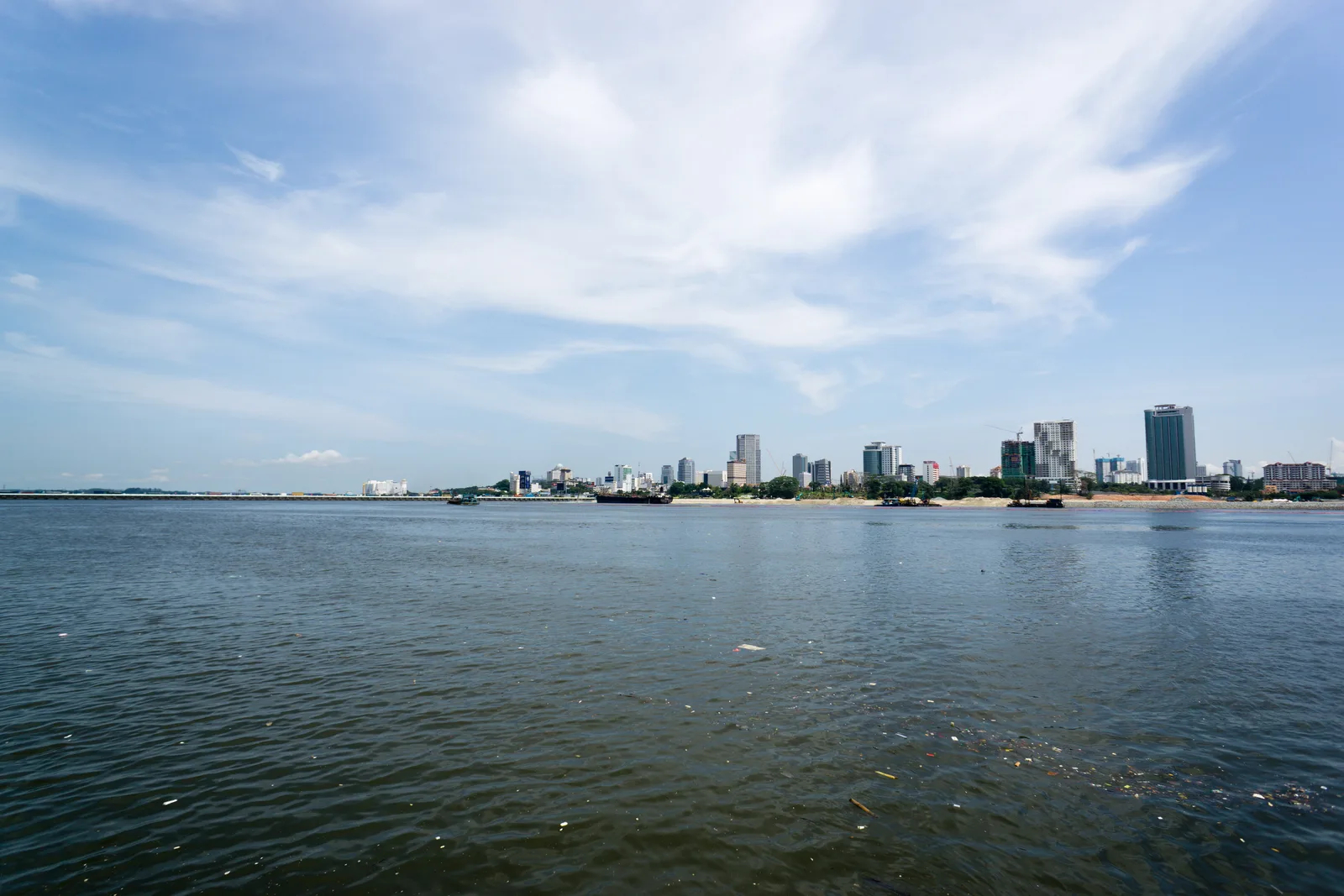
Johor Bahru is the capital of Johor state, near the southern end of Peninsular Malaysia. The city council’s geographical overview places the city beside Selat Tebrau, the strait separating it from Singapore. Johor, Johor Bahru and the wider urban region are different scales of place; hotel searches frequently blur them.
JB Sentral and the immigration complex anchor the central visitor area. Iskandar Puteri lies farther west and contains LEGOLAND Malaysia. Senai Airport is outside the centre, while Desaru is a separate coastal destination. Neither a Johor address nor a photograph of a waterfront tells you whether somewhere is convenient for your plans. Check the actual building entrance, route and travel arrangements before booking; distance measured across the water is especially misleading here.
A royal capital with a trading history
The modern city developed under Temenggung Daeng Ibrahim from 1855. Abu Bakar subsequently renamed Iskandar Puteri as Johor Bahru in 1866, as recorded by the Johor royal secretariat’s history. The older use of Iskandar Puteri refers to this city’s history; today the name also identifies a separate neighbouring city.
Royal institutions, commerce and Chinese community organisations all help explain the surviving streetscape. Read it through individual buildings rather than expecting an intact museum town. Older shophouses stand beside towers and substantial roads. The contrast is part of contemporary JB: a place serving residents, cross-border workers and visitors simultaneously. A heritage walk makes more sense when you leave time to understand what buildings were for, rather than simply collecting their façades.
Choose a base around your actual journeys
For a first visit without a car, start by comparing accommodation around JB Sentral, Jalan Trus and Jalan Wong Ah Fook. This puts the heritage streets and central shops into a relatively compact area. Confirm the pedestrian route to your hotel, including crossings and entrances; a property described as near the checkpoint may still involve an awkward approach with luggage.
Southkey is a different proposition: useful when shopping and a hotel connected to a larger commercial complex are the priority. Larkin matters for coach connections rather than old-town sightseeing. For LEGOLAND, compare an Iskandar Puteri base with travelling from central JB each day. Families planning repeated park visits may value proximity more than a central address. Choose one cluster first, then judge the hotel within it.
Walk Jalan Tan Hiok Nee with time to pause
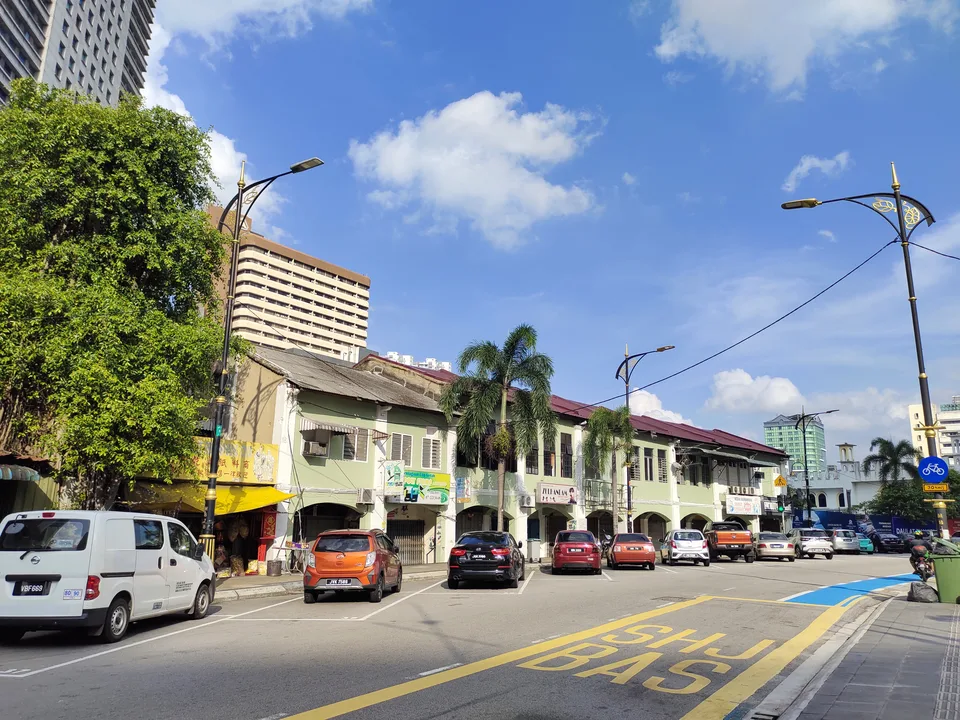
Jalan Tan Hiok Nee offers a useful starting point for the older commercial quarter. The Chinese association’s cultural-street programme connects conservation, community activity and the history of the area. Look at shopfront proportions, upper floors and the relationship between neighbouring streets, rather than treating the street as an outdoor shopping set.
Plan the walk early, with breakfast or a café break as part of the route. Continue towards Jalan Ibrahim and Jalan Trus as your interests dictate. Check current event notices before assuming there will be music, a market or an evening performance. Ordinary business days have their own appeal, but this remains a working district: allow space for deliveries, customers and worshippers, and ask before photographing people at close quarters.
Visit the Old Chinese Temple respectfully
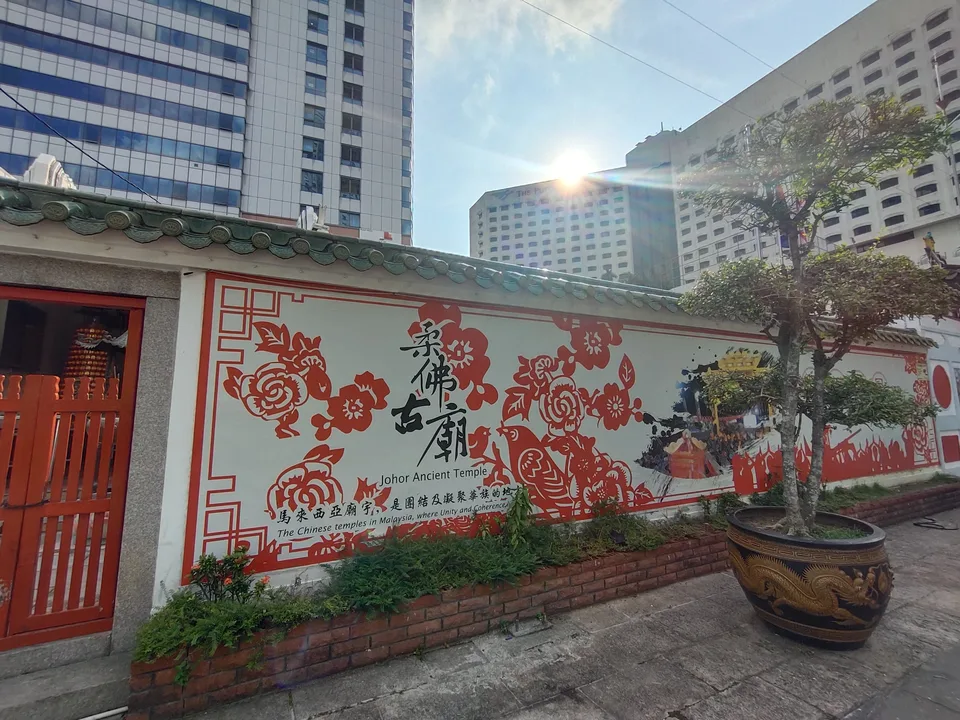
On Jalan Trus, the Old Chinese Temple provides a different perspective on the city’s commercial growth. Its managing association’s account describes a temple shared by five Chinese community groups, with five deities and traditions associated with the annual procession. Historic objects carry dates from the nineteenth century, although the association notes uncertainty about the exact founding year.
That uncertainty is a reason to avoid presenting a precise foundation date as settled fact. Visit as a guest at an active religious place: keep voices low, follow staff instructions and ask about photography where people are praying. Crowds and access can change during ceremonies. A short, attentive stop is more useful than rushing through with the expectation of a ticketed attraction’s fixed visitor routine.
Add the Chinese Heritage Museum
The Chinese Heritage Museum at 42 Jalan Ibrahim gives the older streets more context. Its operator’s visitor-information page lists opening from 9am to 5pm, closing on Mondays, with last ticket sales at 4pm. Confirm the current arrangements before visiting, particularly around holidays or special events.
The association’s site also carries recent museum news, making it a better planning resource than an undated list of city attractions. Schedule the museum and surrounding streets together; they belong to the same exploration of migration, trade and community institutions. If your only full day is Monday, move the museum to arrival or departure day where possible. Otherwise, keep the street walk and accept that the indoor visit needs another occasion.
See Sultan Abu Bakar Mosque from the right perspective
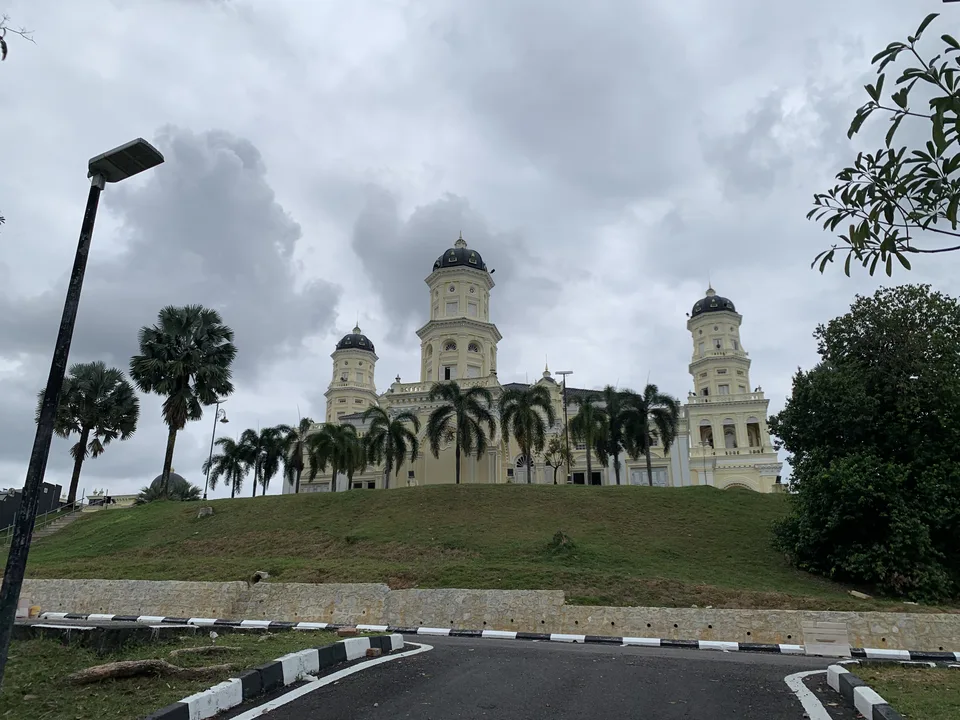
Sultan Abu Bakar Mosque is one of JB’s defining buildings, with pale towers rising above its hillside setting. The city council’s heritage-landmarks brochure describes its combination of Islamic and colonial architectural features. It makes a worthwhile separate stop after the more compact old-town walk.
Arrange the journey rather than assuming an uninterrupted promenade connects every central landmark. This is a functioning mosque, and visitors should dress modestly and ask about permitted areas and timing. Do not build the day around guaranteed interior access: reliable current visitor hours were not available for this guide. An exterior visit can still explain the building’s setting and scale, provided you respect boundaries and any instructions on arrival.
Give LEGOLAND its own day
LEGOLAND Malaysia’s directions identify its location as Iskandar Puteri, formerly Nusajaya. It is a regional outing from JB, rather than an attraction tucked into the old town. Decide whether your group wants the theme park, Water Park, SEA LIFE or a combination before comparing tickets; the cheapest advertised product may cover only part of the resort.
Check the official opening calendar and ride-closure notices for your actual date. The parks have separate schedules, and the theme park has scheduled closed days. Leave enough time for the journey in both directions, meals and the interests of younger children. A multi-park ticket is not automatically better value if your group cannot realistically use its inclusions. Compare an overnight stay nearby when planning more than one park day.
Compare hotels and apartments carefully
Two operator examples illustrate the location decision: Amari Johor Bahru’s location page describes its central base, while St. Giles Southkey sits within the Mid Valley Southkey complex. These are examples of different bases, not a price ranking or a claim that either suits every traveller.
Compare the final total for your exact dates, room occupancy, breakfast, parking and cancellation terms. For an apartment, establish who manages check-in, whether late arrival is possible, how luggage storage works and whether the building permits the proposed stay. A kitchenette is useful only if the equipment and nearby groceries match your needs. Ask about lifts and step-free access directly; a favourable map position does not answer those questions.
Arrive through Senai with a workable connection
Senai is the airport serving Johor Bahru, with an onward road journey into the centre. Causeway Link’s AA1 airport-shuttle page lists a direct service to JB Sentral at RM8 one way. The published journey allowance is about 50 minutes, but traffic and the interval until the next departure must also enter your plan.
Check the current timetable before choosing a flight connection, especially for an early departure or late landing. The operator’s travel guidelines (source unavailable) recommend reaching the pickup point at least 15 minutes before departure and state that AA1 buses currently cannot accommodate passengers with mobility needs. Arrange a suitable alternative vehicle when necessary. An airport transfer should include the whole group, luggage and arrival hour, rather than relying on a generic taxi estimate.
Treat the Singapore crossing as an international journey
The Causeway connects neighbouring urban areas across a national border. Budget for immigration procedures and queues on both sides, not merely the time spent moving across the bridge. Cross-border buses and the Shuttle Tebrau train are different products; select the one whose departure point, ticket availability and onward connections suit the day.
KTMB’s Shuttle Tebrau passenger FAQ lists RM5 for JB Sentral to Woodlands. In the opposite direction it lists RM5 for Malaysians and SGD5, converted to ringgit, for other passengers. Return pricing depends on the originating journey, so do not assume a universal RM10 return. Your passport is used for train boarding. At JB, boarding closes ten minutes before departure; at Woodlands it closes twenty minutes before. Arrive earlier for formalities.
The RTS Link is still a future option
For planning checked on 15 October 2026, the new RTS Link is not an operating travel option. A joint Malaysian transport ministry and Singapore LTA announcement dated 2 October sets an expected passenger-service start in February 2027, subject to independent safety certification and final regulatory approvals.
This matters beyond sightseeing. Do not accept a rental advertisement’s future station access as proof of an easy present-day commute. Assess the transport you can actually use during your stay or tenancy. If your trip falls after the target date, check a fresh official opening announcement, operating timetable and ticket information. A construction completion date, trial run and passenger launch are separate milestones; none should substitute for confirmation that a service is carrying passengers.
Use buses selectively and group your stops
The BAS.MY Johor Bahru operator page provides routes and current notices. Useful examples include J13 between JB Sentral and Larkin, J15 to Mid Valley Southkey, and J100 to KSL City Mall. Consult the route information for your direction, stop and return journey rather than assuming every bus boards at the same place.
The advertised RM30 unlimited 30-day pass is for Malaysian citizens aged 18–59, not a general visitor pass. Payment arrangements vary by service; carry a practical fallback and check the operator’s instructions. For journeys between dispersed destinations, compare the bus connections with a quoted car journey. Group stops geographically so that the day does not become a sequence of transfers merely to save a small amount on each individual trip.
Eat for the region, then choose the individual kitchen
Johorean cooking gives a short stay a strong focus. Tourism Malaysia’s Johor food introduction highlights laksa Johor, mee rebus, lontong, kacang pool and otak-otak. Laksa Johor centres on fish gravy; lontong combines rice cakes with a vegetable gravy. These are useful things to look for on menus, rather than a promise that every restaurant prepares them in the same way.
Build breakfast and lunch around the part of town you are exploring. Check the displayed price, portion and ingredients before ordering, especially with seafood or dishes sold by weight. Explain allergies clearly and ask about stock, sauces and shared preparation equipment. Pork-free signage and halal certification are different claims; travellers requiring halal food should check the establishment’s own certification rather than infer it from the neighbourhood or cuisine.
Shop with a destination in mind
City Square on Jalan Wong Ah Fook is a central shopping reference point. Its official website and store directory are useful for checking whether a particular shop is present before making a dedicated journey. For another shopping cluster, Mid Valley Southkey’s access information explains its road connections; it also has the J15 bus connection listed by the bus operator.
Do not turn every mall name into an itinerary stop. Choose according to the shops, food, accessibility or indoor break your group needs. Compare product model numbers, warranties and return arrangements before buying electronics. Crossing back to Singapore introduces separate customs rules, so check allowances for the goods you are carrying. A favourable exchange rate does not remove import obligations or make every purchase cheaper.
Build a budget from actual choices
Use ringgit for the Malaysian part of your plan and keep Singapore-dollar costs separate. A useful verified starting point is the RM8 AA1 fare: two one-way airport-bus journeys cost RM16 per passenger. That calculation covers those bus tickets only, not hotel access, meals, attractions or a complete day’s spending.
Price accommodation for your dates, then add the specific paid activities and transfers you intend to use. Give cross-border journeys a separate line so that a missed connection or change of plan does not consume the food budget. For a family, compare the whole party’s transport cost rather than a headline single fare. Retain some cash for smaller purchases, and review your bank’s overseas transaction terms before choosing how to pay.
Plan for heat, rain and changing skies
JB has a tropical climate. The city council describes a typical daily temperature range of roughly 24–32°C, while METMalaysia’s climate explanation emphasises high humidity and substantial rainfall. Those descriptions are planning context, not a forecast for your travel dates. Pack for hot walks, wet pavements and strongly air-conditioned interiors.
METMalaysia places the northeast monsoon generally between November and March, with heavier rain particularly affecting exposed eastern areas, including eastern Johor. Avoid assuming the whole state has identical conditions. Check current warnings before coastal or countryside trips. For JB itself, put the longer street walk earlier in the day and retain an indoor alternative. No month guarantees rain-free sightseeing; flexibility is more useful than choosing a supposed perfect season.
A realistic three-day introduction
Day one: settle into a central base, walk Jalan Tan Hiok Nee and nearby streets, and visit the Chinese Heritage Museum if its opening day fits. Leave time for lunch and the Old Chinese Temple rather than adding a distant attraction after immigration and check-in.
Day two: choose a focused outing. Families can devote it to the LEGOLAND product they have actually booked. Others can combine the mosque exterior with a slower exploration of central JB and one shopping stop. Keep transport and any access restrictions in mind.
Day three: use the morning for a second neighbourhood, shopping that has a purpose, or housing and commute research. Leave a proper departure margin. Treat Singapore as a separate day with its own entry requirements, not an effortless extra stop before an international flight.
Moving here starts with a trial commute
For relocation, spend a short initial stay testing ordinary days. Measure the journey from a prospective building entrance to work or school at the time you would actually travel. If employment is in Singapore, include access to immigration, both clearances and the onward journey; a fast trip on one quiet afternoon proves little about a routine.
Compare homes by daily needs: groceries, a clinic, laundry, school access and reliable transport. Visit after rain where possible and look for water ingress, drainage problems and difficult walking approaches. Ask building management about lift reliability, parking, access cards and noise. A larger apartment farther out can be a poor fit if it creates two additional journeys every day. The right comparison is the household’s complete routine, not floor area alone.
Inspect the tenancy and household costs
Before paying a deposit, establish the landlord’s authority and the agent’s identity, and obtain a written agreement you understand. Record the inventory, existing damage, meter readings and responsibility for repairs. Clarify deposit refunds, early termination, renewal, parking and any management charges. Do not assume a quoted monthly rent includes utilities or internet.
Ranhill SAJ’s water-account guidance covers account changes at existing premises, including tenancies, with supporting documents and applicable charges. Ask how the particular building bills water, especially with shared arrangements. For electricity, agree with the landlord who will hold the account, arrange any necessary transfer and pay the ongoing bills. Confirm foreign-applicant documentation directly with each provider. Check broadband availability for the exact unit and agree who handles account closure when the tenancy ends. Request recent bills for the property so that the household budget reflects its actual usage and account arrangements, especially where air conditioning will run regularly.
Organise healthcare and education before settling
Identify a nearby routine-care provider and an appropriate hospital, then check insurance acceptance, appointments and payment arrangements. Hospital Sultanah Aminah publishes separate foreign-patient deposits and ward charges; the listed amounts exclude further investigation and treatment charges. Do not treat subsidised prices quoted for Malaysian citizens as a reliable estimate for a foreign household.
For children, confirm a school place, curriculum, fees, transport and the child’s immigration position before choosing a long tenancy. For higher education, admission and residence permission are separate steps. Malaysian Immigration’s Student Pass information describes the application process, including the requirement for new higher-education applicants to be outside Malaysia when applying. Coordinate with the institution rather than arriving as a tourist and assuming the necessary status can be arranged afterwards.
Separate a visit from permission to work or live
Check Malaysia’s nationality-specific entry rules and use the official Malaysian visa portal where an application is required. The Malaysia Digital Arrival Card portal is separate: non-exempt foreign visitors must submit the MDAC within three days before arrival. Exemptions include Singapore citizens and Malaysian permanent residents and long-term pass holders; check the full list for your document category.
A tourist visit does not provide a general route to Malaysian employment or permanent residence. Employer-sponsored arrangements have their own requirements, and Employment Pass salary policy changed from June 2026. Check the current category with the employer. For Singapore, ICA’s entry requirements cover visas where applicable, passport validity and the separate free SG Arrival Card. Neither country’s arrival card replaces its visa or residence permission. VisaWand’s consultant directory can help you find relevant professional support.
Decide what belongs on a longer regional trip
Keep nearby destinations in proportion. Iskandar Puteri suits park-focused days; Desaru offers a separate coastal stay; Tanjung Piai is a distinct mangrove-country excursion. Mersing and its offshore islands need their own transport and weather planning. They are not alternative neighbourhoods for a quick central-JB walk.
For a wider Malaysian journey, compare VisaWand’s Kuala Lumpur guide with the different experience offered here. The Malaysia location directory helps identify other destinations, while the Malaysia destination page provides another starting point for onward planning. Stay in JB when its food, heritage streets and border position suit your purpose. Choose another base when most of your time would otherwise be spent travelling back to the place you actually want to explore.
Official planning resources
Reviewed 15 October 2026. Use the official resources linked throughout this guide for admission, transport, housing and immigration decisions. Prices, services and rules can change; confirm the details relevant to your dates. Photography illustrates the locations and is not a live view.
View all official resources
- KTMB: Shuttle Tebrau passenger FAQ
- LTA and Malaysian Ministry of Transport: RTS Link revised commencement target
- ICA: entering Singapore
- Malaysian Immigration: Malaysia Digital Arrival Card
- Causeway Link: BAS.MY Johor Bahru routes and passes
- Causeway Link: AA1 Senai Airport shuttle
- Causeway Link: airport bus travel guidelines (source unavailable)
- Tourism Malaysia: Johor travel guide
- Johor Bahru City Council: city geography and history
- Johor coronation secretariat: history of the sultanate
- LEGOLAND Malaysia: location and directions
- LEGOLAND Malaysia: opening calendar and ride closures
- METMalaysia: monsoons and thunderstorms
- METMalaysia: Malaysian climate
- Immigration ESD: revised Employment Pass salary policy
- Malaysian Immigration: Student Pass
- Ranhill SAJ: water account name changes
- Hospital Sultanah Aminah: foreign-patient deposits and ward charges
- Johor Bahru City Square: current shops and visitor information
- Mid Valley Southkey: getting here
- Johor Bahru City Council: heritage landmarks brochure
- Johor Bahru Chinese Association: museum visitor information
- Johor Bahru Chinese Association: Old Chinese Temple
- Johor Bahru Chinese Association: Tan Hiok Nee cultural street
- Amari Johor Bahru: location
- St. Giles Southkey: hotel information
- Malaysian Immigration: official visa portal and FAQs
Plan the next part of your journey
Explore the Malaysia guide, browse other cities or compare consultants for your travel and relocation questions.