Visa
A city of courtyards, hills and everyday life
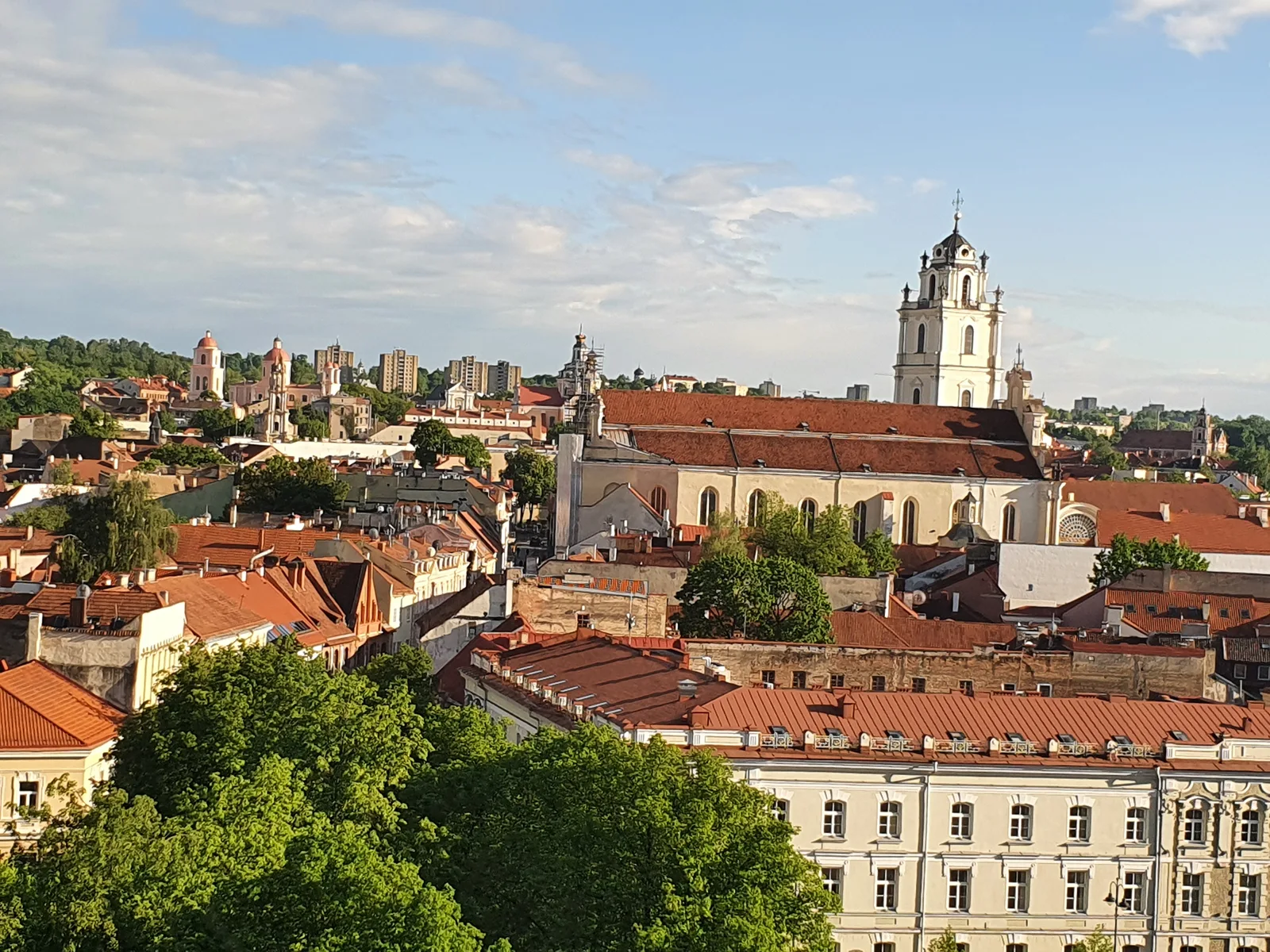
Vilnius makes a strong case for travelling slowly. Lithuania’s capital has a historic centre of church towers, courtyards and winding streets, with wooded slopes and rivers close enough to change the rhythm of a day. Its appeal extends beyond individual monuments: the contrast between the Old Town, artistic Užupis and the working city gives a short visit variety.
Allow three days for an introduction, then add time for a regional excursion or practical research if you are considering a move. A visitor can organise much of the central sightseeing on foot, but a resident needs to think about the actual workplace, university and household routine. VisaWand’s Lithuania country guide supplies national context, while the Lithuania location directory identifies other cities and settlements to compare.
Understand the city behind the architecture
Vilnius developed as a major centre of the Grand Duchy of Lithuania. UNESCO’s description of the historic centre explains the significance of its street pattern and overlapping architectural periods. Gothic, Renaissance, Baroque and later buildings sit within a city repeatedly reshaped by political change, fires and war.
That history makes the view more complex than a collection of preserved façades. Buildings often incorporate earlier fabric, and some spaces record what was lost. The UNESCO property concerns the historic centre rather than every neighbourhood within modern Vilnius. As you walk, look for changes in street width, courtyards and the relationship between buildings and slopes. A museum visit can then give context to details that might otherwise remain attractive but unexplained.
Start with Cathedral Square and the Old Town
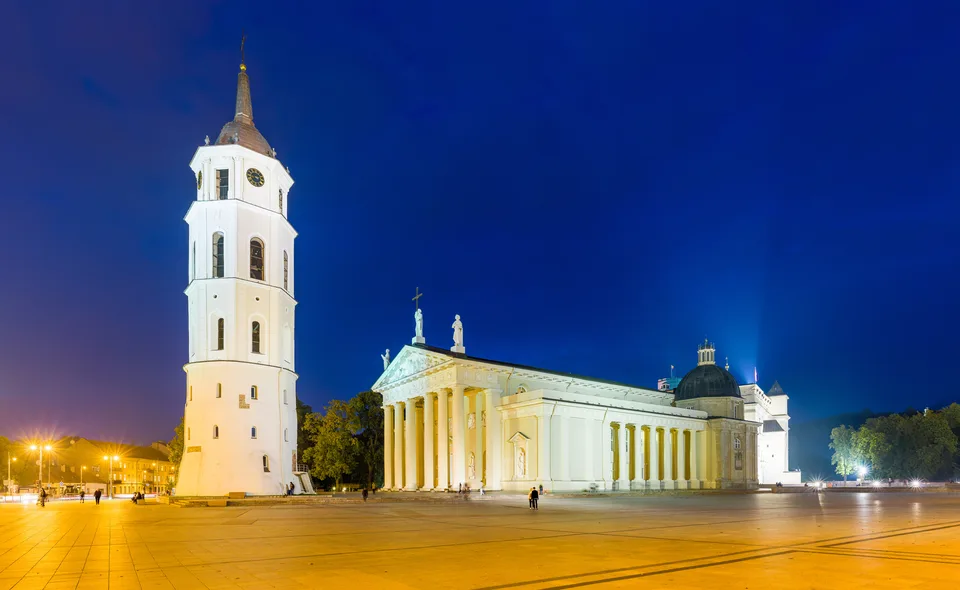
Cathedral Square provides a useful first orientation point. The cathedral, separate bell tower, palace museum and Gediminas Hill occupy a concentrated area, but each has its own access arrangements. Continue into the Old Town along streets and courtyards that interest you rather than trying to cover every church before lunch.
Treat religious buildings as active places of worship. Services can change visitor access, while towers, crypts and museum spaces may require separate tickets. Ask before entering an apparently open courtyard that could belong to a residence or institution. Comfortable shoes help on uneven paving, and luggage can make a short walk less straightforward. For anyone with limited mobility, check individual entrances and routes: the walkable scale of the centre does not mean every interior or viewpoint is accessible.
Decide how to visit Gediminas Hill
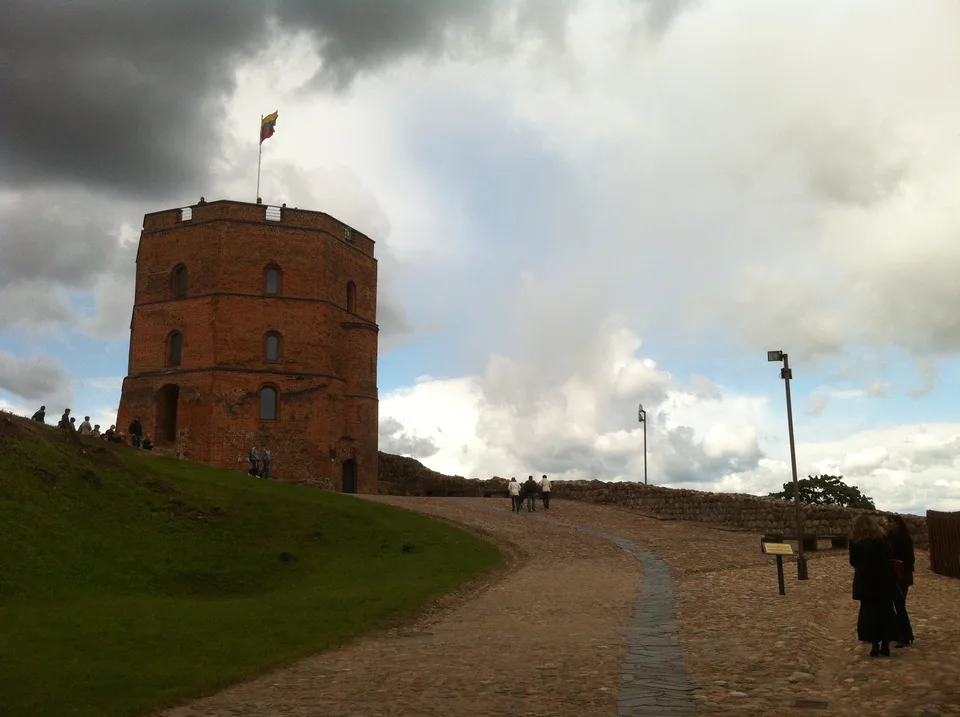
Gediminas Hill offers a view across the city and a connection with its castle history. The distinction between the hill and the tower matters. The National Museum’s visitor information states that the hill itself is free to visit during the day, while standard adult admission to the tower exhibition costs €8.
The funicular is a separate purchase: €2 one way or €3 return. The museum lists the tower and funicular as opening daily from 10:00 to 20:00, with ticket sales ending thirty minutes earlier; check holiday changes. Access to the panoramic plaza can be arranged for visitors with reduced mobility, but the tower exhibition is not wheelchair-accessible. The walking route also has limitations. Choose the experience you can comfortably use instead of buying a ticket on the assumption that the lift makes the entire attraction step-free.
Give the palace museum enough time
The Palace of the Grand Dukes of Lithuania explores archaeology, architecture, reconstructed historical interiors and other collections through separate routes. Its presentation helps distinguish the development of the site from the appearance of the museum building today. Current admission choices include a €16 adult ticket for routes I–IV, with individual routes priced differently.
Opening hours change by season. From September through May, the museum’s detailed calendar lists Monday closure, Thursday opening until 20:00 and Sunday closing at 16:00. Other regular open days close at 18:00. Last visitors enter an hour before closing, so a late-afternoon arrival may leave less time than expected. The summer schedule on the general visit page includes Monday opening; use the schedule for your travel dates. In 2026, listed holiday closures include 1 November and 24–26 December.
Cross the Vilnelė into Užupis
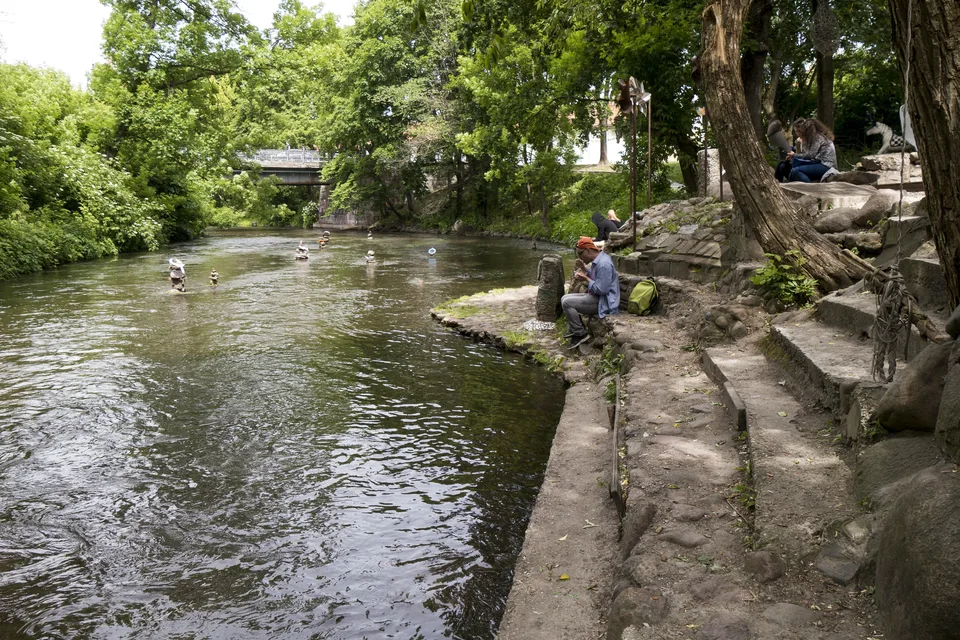
Užupis brings art, residential streets and the river into the same walk. Its self-declared republic dates from 1 April 1997 and belongs to the neighbourhood’s playful cultural identity. It is not a separate country, border crossing or immigration jurisdiction. Look for public art and the constitution displays, then allow time to explore away from the main photo stops.
The riverbanks offer a change from the more formal spaces around the cathedral. Choose paths suitable for the weather and your footing; a photograph of someone sitting beside the water does not establish a maintained accessible route. Public art can change, so treat the experience as a neighbourhood visit rather than a promise that a particular temporary installation will remain. Respect residents’ entrances, studios and the everyday uses of streets that visitors find picturesque.
Include the history that is harder to see
Jewish history is essential to understanding Vilnius. Streets around the former ghettos carry the traces of a community central to the city’s intellectual, religious and commercial life, and of its devastation during the Holocaust. The official account of the former ghettos provides a starting point for a considered walk rather than a decorative detour.
Museum interpretation can help explain absences in the streetscape. Go Vilnius reports that an exhibition on the Great Synagogue’s archaeology runs until 31 January 2027, drawing on excavations and recovered objects. Confirm the venue’s current visitor arrangements before setting out. Leave space to absorb what you learn, and keep commemorative sites distinct from light-hearted sightseeing. A well-informed guide can be particularly useful when buildings have disappeared and the significance of a location is not obvious from its present appearance.
Use gardens to pace the day
Bernardine Garden lies between Gediminas Hill, the Vilnelė and the Bernardine religious complex. Its paths and planted areas make a useful pause between the palace district and Užupis. The tourism agency lists free entry and regular opening from 07:00 to 22:00, subject to local notices.
For a longer outdoor interval, consider Vingis Park or another city park rather than adding another interior simply to fill an afternoon. Choose the route and return connection before leaving the centre, especially in shorter winter daylight. Gardens, riverbanks and wooded paths offer different surfaces and levels of shelter. Keep an indoor alternative for heavy rain, and do not assume that fountains, cafés or seasonal activities operate throughout the year. A park can be a worthwhile walk without every advertised feature being available.
Choose a base for the visit you want
An Old Town hotel suits a first visit centred on walking, churches and museums. Check whether the particular room faces a busy street or quieter courtyard, and ask about lifts, stairs and the distance from the nearest vehicle drop-off. Historic accommodation can have a very different entrance arrangement from a modern hotel.
Užupis can suit visitors drawn to its artistic character, provided the actual property works for luggage and evening plans. Beyond the historic core, compare central addresses and transport connections rather than relying on a neighbourhood’s reputation. Apartments can help with cooking, laundry and a longer stay, but inspect the equipment list and additional charges. For an early departure, establish how you will reach the airport before booking a room whose main advantage is proximity to daytime attractions.
Compare the airport train with the whole journey
Vilnius Airport has a railway stop linked to the terminal by a short walk, with stairs and a lift. The airport’s train information gives a journey of up to eight minutes to Vilnius Railway Station. That is the time on the train, not the time from aircraft door to hotel.
The station is a useful arrival point if your accommodation or onward service is nearby. Check the departure interval and the connection from the station before deciding that the fastest vehicle is the quickest overall option. Trains do not run around the clock. For tickets and current traffic notices, use LTG Link’s journey planner. Fare promotions can change the amount payable, so check your actual departure rather than relying on an older quoted price. Allow separately for baggage collection and any border procedures. If the website is unavailable in your region, consult airport information or use the listed station purchase options.
Pick the airport bus by its destination
JUDU’s updated airport connection page lists bus 88 toward the centre and Europa Square, buses 1 and 2 toward the station area, and express route 3G through the centre toward northern neighbourhoods. The correct service depends on your address, not simply on which vehicle arrives first.
The operator also lists night connections, including 88N and N8. Check the current timetable and your intended stop, because older pages describe different route patterns and names. A contactless bank card can buy a sixty-minute city ticket on board. If you prefer a transport card, the operator identifies Narvesen outlets at the airport as purchase points. With bulky luggage or restricted mobility, compare the final walk with a transfer quote and confirm where a vehicle can stop at your accommodation. Keep a late-arrival alternative available.
Buy the right city transport ticket
Vilnius’s city network uses buses and trolleybuses. JUDU’s current standard fares are €1 for thirty minutes and €1.25 for sixty minutes. A twenty-four-hour ticket costs €7.50 and a seventy-two-hour ticket €13.50. A full thirty-day ticket costs €38; the cheaper weekday-only product has a different purpose.
Activate the appropriate ticket and follow the instructions for the payment method you choose. The time tickets allow transfers within their validity period. Go Vilnius’s current transport guide also explains contactless purchase and the transport card. Older official pages still display lower fares, so use the operator’s current table when budgeting. For occasional trips around a walkable central itinerary, individual tickets may cost less than a pass. Keep regional railway tickets separate; a city pass does not automatically cover your excursion to another town.
For contactless payment, JUDU specifies one ticket per bank card and automatic activation of the EUR 1.25 sixty-minute ticket. Separate the card from others in your wallet before tapping, and make suitable arrangements for companions rather than expecting one tap to cover a group.
Eat with the season and your dietary needs in mind
Food provides another way into Vilnius’s overlapping traditions. The tourism agency’s food overview explains šaltibarščiai, the vivid pink cold soup made with beetroot and kefir, commonly accompanied by egg, cucumber and herbs. It is especially associated with summer. Look at what a venue is actually serving rather than expecting every traditional dish in every season.
Read ingredients carefully if you avoid dairy, eggs, meat or gluten, and explain allergies directly. A vegetable-based soup can still contain dairy; a meat-free-looking plate can include animal ingredients in its sauce or garnish. Compare menus near your accommodation before committing to a reservation across town. For self-catering, check whether your apartment has a usable kitchen and refrigerator, then plan purchases around your arrival time. Buying a few things you can use is more practical than an ambitious grocery shop on a short stay.
Budget for a particular itinerary
Lithuania uses the euro. Start with accommodation quotes for your dates, then add the transport and admissions you intend to use. A €7.50 city day ticket and €8 tower admission total €15.50; adding the €16 palace combination brings that example to €31.50 before food and accommodation. The funicular remains a separate choice.
That calculation is a planning example, not an average daily cost or a recommendation to visit both museums on the same day. Families should compare the relevant ticket definitions and children’s ages, while visitors interested in only one palace route should price that route separately. Check cancellation terms, breakfast inclusions and cleaning charges when comparing rooms. Keep a reserve for weather changes or a late transfer. For shopping, assess the maker, materials and luggage space instead of treating every central souvenir shop as equally informative about Lithuanian craft.
Include Vilnius's city tax when comparing accommodation totals. The standard charge is EUR 2 per person per night, with exemptions specified in the official rules. Ask the provider whether it is already included in the displayed price. Two non-exempt adults staying three nights would add EUR 12, which can change a comparison between otherwise similar room quotes.
Choose a season with realistic expectations
Summer brings long evenings for walking and sitting outdoors, while colder months put greater weight on museum schedules, warm breaks and suitable footwear. Spring and autumn can work well for a city-focused trip if you leave room to rearrange outdoor plans. Rain is not confined to the colder part of the year.
Lithuania’s meteorological service gives Vilnius a January monthly mean of −3.7°C and a July mean of 18.5°C in the 1991–2020 reference period. These are monthly averages, not daytime forecasts. Check current conditions before choosing a hill walk or regional excursion, and allow for slippery surfaces in winter. For a prospective move, an out-of-season visit can reveal practical needs that a sunny weekend conceals: clothing storage, heating arrangements, daylight for commuting and the usability of the walk to the nearest stop.
Three days without racing between sights
On day one, orient yourself around Cathedral Square, visit Gediminas Hill or the tower, and continue into the Old Town. Keep the afternoon flexible for streets, a church interior and a proper meal. Avoid booking several consecutive timed visits before you know your walking pace.
On day two, give the palace museum a substantial block of time, then walk through Bernardine Garden and into Užupis. Adjust around seasonal Monday closure and the earlier Sunday finish. A lighter evening leaves room to enjoy the neighbourhood without hurrying back for another admission slot.
On day three, include Jewish heritage interpretation and choose either a longer park walk or practical exploration beyond the central sightseeing area. This is an editorial itinerary, not a scheduled tour. Add a separate day for Trakai or Kaunas if possible, and swap outdoor sections around the forecast rather than forcing the same route in all conditions.
Find housing you can actually live in
Begin a move with a realistic temporary base while you inspect longer-term homes. International House Vilnius’s housing resources identify established property-search platforms, including Aruodas and Domoplius. Listings are a starting point for comparison, not proof that an apartment is available on the terms you need.
Ask for the complete monthly cost, recent winter and summer bills, heating arrangements, internet availability and any building charges. Inspect ventilation, windows, laundry facilities, storage and the actual entrance. A renovated frontage does not tell you whether there is a lift or a quiet room for work. Request a written agreement you understand, confirm the landlord’s authority and record the inventory at handover. Clarify deposit deductions and notice provisions before paying. Compare properties for your household’s routine rather than transferring a holiday preference directly into a year-long decision.
Sort the address, commute and household routine
Declaring your place of residence is an administrative step connected with access to services. International House Vilnius explains the need for the relevant residence document and the owner’s consent or an appropriate agreement. Confirm that a prospective property supports the declaration you require before signing. Registering an address does not itself grant a right to live or work in Lithuania.
Test the commute at your normal start and finish times. Include the walk to the stop, transfers and the return after an evening commitment. Identify grocery shops, a pharmacy and suitable storage for bicycles or pushchairs. Families should contact schools and childcare providers about admissions and language arrangements before assuming a nearby institution has a place. Ask an employer or university which documents and appointments it helps organise, then keep the remaining tasks on a dated household checklist.
Arrange healthcare and practical support
International House Vilnius’s health-insurance guidance explains compulsory coverage and the importance of your residence and employment circumstances. Do not assume every newcomer gains the same entitlement simply by renting an apartment or declaring an address. Ask which contributions apply, what your employer handles and whether you need separate cover during an initial period.
Once eligible, registering with a family doctor involves choosing a suitable primary-care provider. Check whether it accepts new patients and whether its arrangements meet your communication and prescription needs. Visitors should confirm their travel-insurance and any European health-card entitlement before departure. For emergencies, Lithuania’s Emergency Response Centre uses 112. Keep your address, insurance information and essential medication details accessible, particularly if several family members depend on one person’s phone for documents.
Keep tourism separate from employment and study
Use the Foreign Ministry’s visa categories to establish the route relevant to your passport and travel purpose. Short Schengen visits generally fall within ninety days in any 180-day period across the area, rather than a fresh allowance for each country. Nationality-specific restrictions and border documentation need individual checking.
EU, EEA and Swiss citizens have a different residence framework from third-country nationals; EURAXESS Lithuania’s entry guidance explains the distinction and longer-stay documentation. For third-country employment, the Migration Department’s rules and exceptions matter: tourist entry or a residence document from another country should not be treated as blanket permission to take a Lithuanian job. Full-time study, exchange study, family residence and employment can require different documents. Use MIGRIS and the Migration Department with your institution or employer, or compare VisaWand’s consultant listings for relevant assistance.
Check the November 2026 application change
A Migration Department notice dated 15 October 2026 announces changes taking effect on 1 November 2026 for in-country applications based on ordinary employment and bachelor-level study. Holding a Schengen visa or another country’s national visa will no longer be enough to submit those applications inside Lithuania. Other qualifying legal-stay categories remain listed in the notice.
The announcement distinguishes highly qualified workers and renewal cases, so it should not be read as an identical rule for every worker or every student. Confirm your precise route and application location before travelling. Eligibility to submit an application is also different from permission to begin work or remain after existing permission expires. Build the immigration timetable before making irreversible housing or course arrangements, and follow the official process for your nationality and purpose.
Add Trakai, Kaunas or another Baltic stop
Nearby excursion options include Trakai’s lakeside setting and island castle, Kernavė’s archaeological landscape and Kaunas’s architecture. Choose one according to your interests and transport connections. Check current Trakai visitor information before expecting access to every castle interior; published notices identify renovation work in the Dukes’ Palace.
Use the railway operator’s actual timetable and allow time between the station and the place you want to visit. A short train ride does not automatically make a relaxed half-day excursion. VisaWand’s Trakai location page and Kaunas location page are directory references for the relevant places. For a longer Baltic route, the completed Riga guide provides another capital to compare. The Lithuania destination page can help organise the wider planning and consultation questions that follow from your chosen itinerary.
Official planning resources
Reviewed 15 October 2026. Use the official resources linked throughout this guide for admission, transport, housing and immigration decisions. Prices, services and rules can change; confirm the details relevant to your dates. Photography illustrates the locations and is not a live view.
View all official resources
- UNESCO: Vilnius Historic Centre
- JUDU: current ticket types and fares
- Go Vilnius: public transport and contactless payment
- Vilnius Airport: train connection
- National Museum: Gediminas Castle Tower
- Go Vilnius: Uzupis neighbourhood
- Palace of the Grand Dukes: visits and tickets
- Palace of the Grand Dukes: seasonal opening hours
- Lithuanian Migration Department: MIGRIS
- JUDU: updated airport bus routes
- Migration Department: work and bachelor-study application changes from November 2026
- International House Vilnius: declaring residence
- International House Vilnius: housing resources
- International House Vilnius: health coverage
- International House Vilnius: family doctor registration
- Lithuanian Hydrometeorological Service: 1991–2020 climate normals
- Go Vilnius: Lithuanian food traditions
- Go Vilnius: nearby excursions
- Go Vilnius: Bernardine Garden
- Go Vilnius: parks
- Lithuanian Foreign Ministry: visa categories
- Migration Department: work permission and exceptions
- EURAXESS Lithuania: EU and EEA residence conditions
- LTG Link: tickets and timetables
- Go Vilnius: Jewish heritage and former ghettos
- Go Vilnius: Great Synagogue archaeology exhibition
- Lithuanian Emergency Response Centre: 112
- Go Vilnius: Trakai Island Castle
- Go Vilnius: city tax
- JUDU: contactless payment rules
Plan the next part of your journey
Explore the Lithuania guide, browse other cities or compare consultants for your travel and relocation questions.