Visa
A capital best explored beyond the postcard
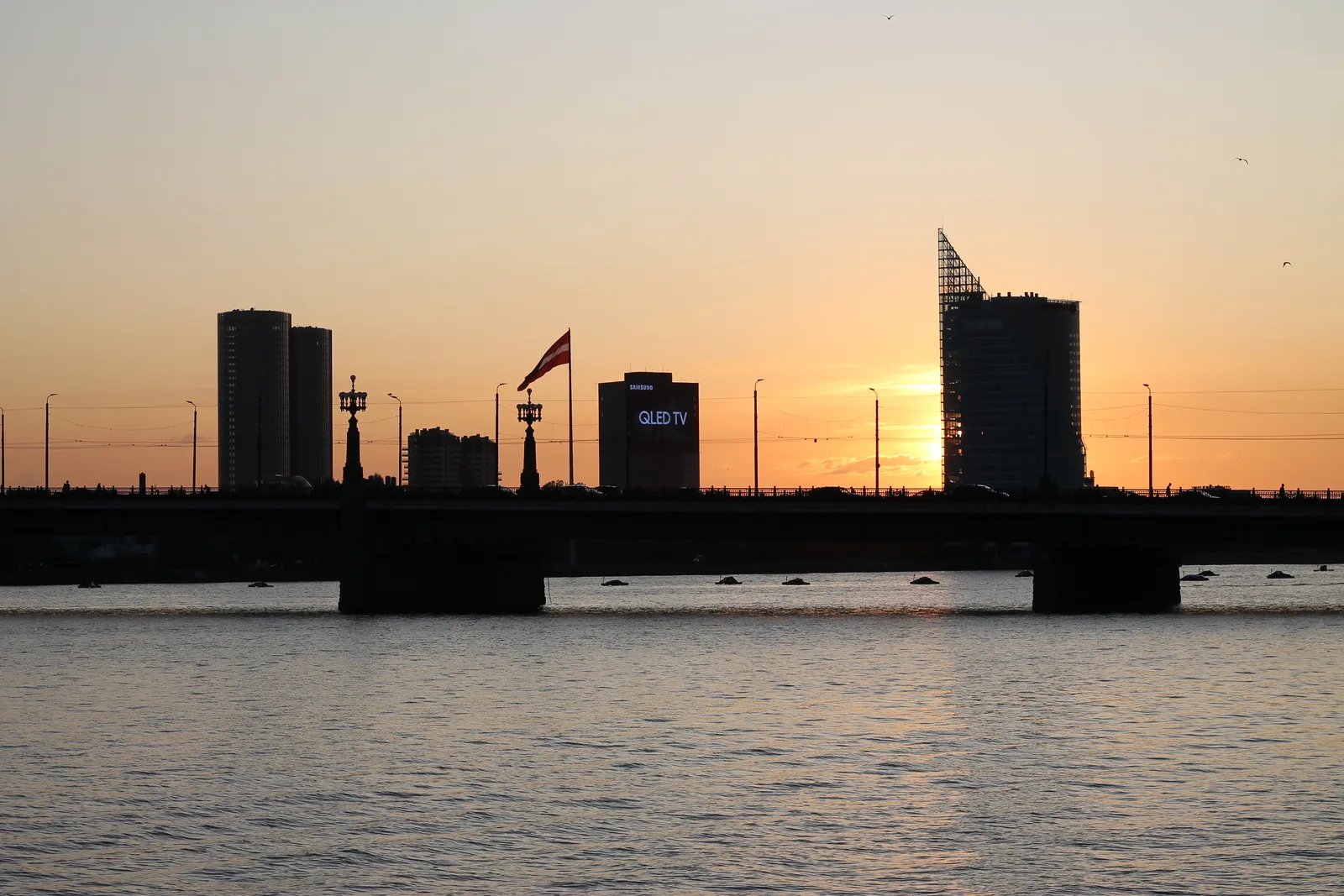
Riga rewards a visit that crosses the boundary of its Old Town. Church towers and merchant houses supply the familiar skyline, but the Latvian capital also offers extraordinary apartment façades, working markets and residential streets across the Daugava. A well-planned first visit can leave time for unexpected discoveries. Three days can introduce those contrasts without turning every meal into a rushed stop between monuments.
The practical choice is where to base yourself. Stay in the historic core for immediate sightseeing, in the surrounding centre for museums and everyday services, or across the river if a particular neighbourhood suits your plans. Visitors considering a longer stay should test the journey to their workplace or university before choosing an apartment. VisaWand’s Latvia country guide provides wider national context; its Latvia location directory helps identify other destinations.
Read the history in the streets
Riga’s medieval prosperity grew through Hanseatic trade linking northern Europe with markets farther east. UNESCO’s account of the historic centre explains how nineteenth-century expansion subsequently produced wooden neighbourhoods and the elaborate buildings associated with Art Nouveau. These different layers explain why walking only around the medieval lanes gives an incomplete picture.
Fire and warfare destroyed many early buildings, so a picturesque frontage does not necessarily mean untouched medieval fabric. Look at street patterns, surviving structures and reconstruction together. The heritage designation concerns the historic centre, rather than every district within Riga’s municipal boundaries. Taking that distinction seriously makes the city more interesting: it becomes a place repeatedly rebuilt around commerce, government and daily life, rather than a frozen collection of old façades.
Get your bearings around Old Riga
Vecrīga, or Old Riga, occupies the compact historic area beside the Daugava. Town Hall Square, Dome Square and the streets around St Peter’s Church give a first walk a useful shape. Continue toward the canal and surrounding boulevards to understand the transition into the larger centre.
Choose a small number of interiors rather than trying to enter every church. Religious services, concerts and museum exhibitions operate under different arrangements, and an attractive exterior is no guarantee of unrestricted access. Uneven paving also affects walking speed, wheelchairs and luggage. If mobility is important, ask your accommodation about the actual entrance and approach route. A central address can still involve steps, cobbles or a vehicle drop-off some distance from the door.
Check the House of the Black Heads before visiting
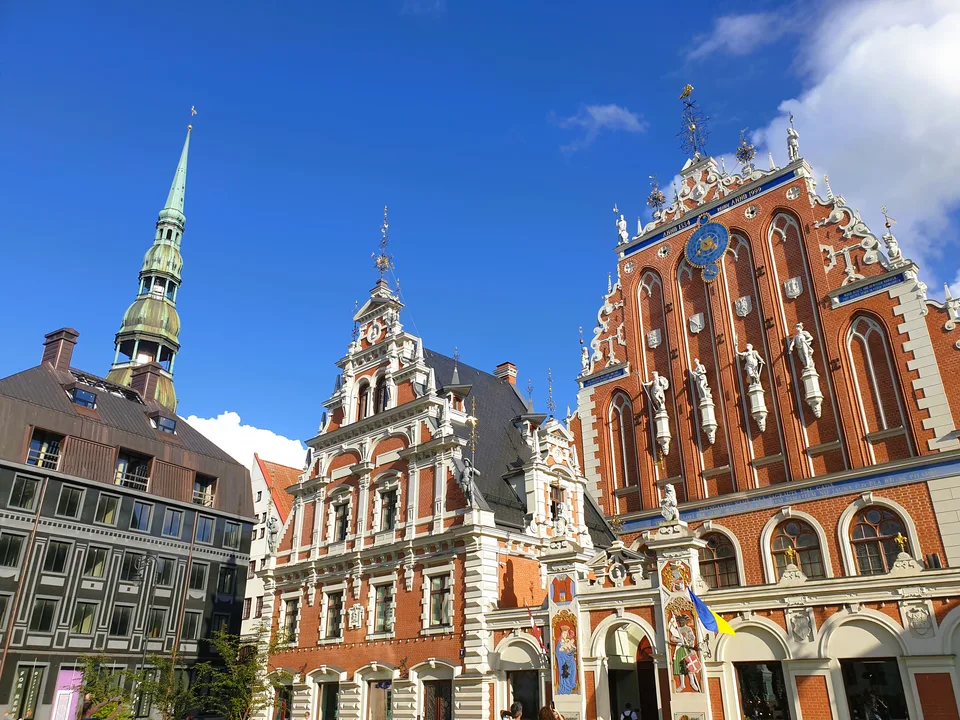
The richly decorated House of the Black Heads anchors Town Hall Square and makes a natural orientation point. Its exterior can be appreciated during an Old Town walk, while an interior visit needs a separate decision about time and admission. The operator’s exhibition page lists standard adult admission at €10, with the audio guide an additional €4.
Opening notices matter here. At the review date, 15 October 2026, the exhibition is closed on 15–16 October; on 28 October it is scheduled to close at 14:00. The usual advertised hours are 10:00–17:00, subject to further changes. Check your intended day before buying or building an itinerary around entry. A coffee package is a different ticket product, rather than the basic admission price.
Look up around Alberta Street
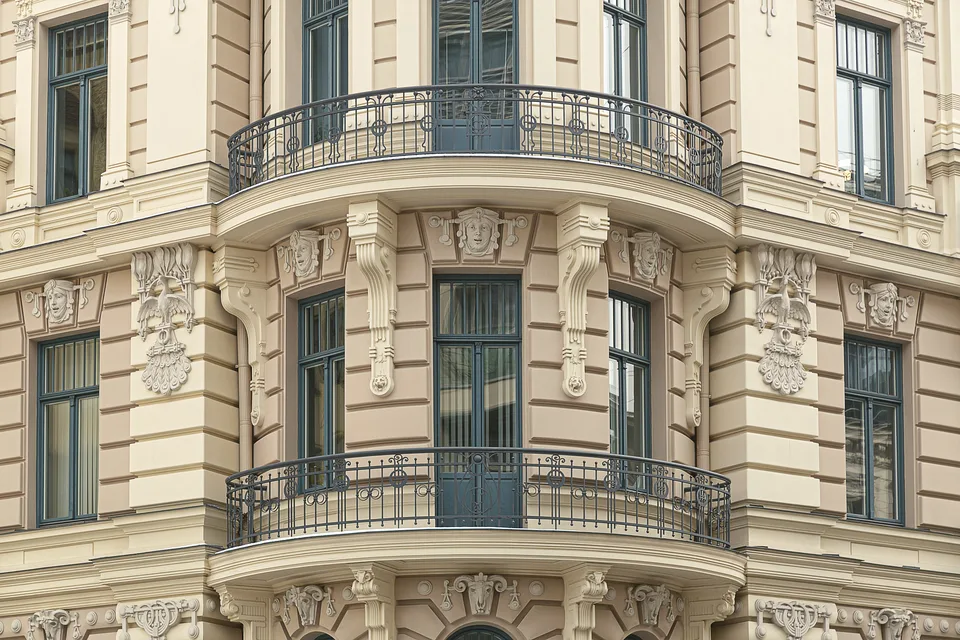
Riga’s Art Nouveau buildings deserve a dedicated walk outside the medieval core. The tourism agency’s architecture overview identifies Alberta Street, Elizabetes Street and Strēlnieku Street as useful starting points. Sculpted faces, patterned surfaces and ornate balconies reward slow observation; a short route can be more satisfying than collecting distant addresses.
Remember that many buildings remain homes or workplaces. Admire façades from public space and enter only where access is explicitly offered. For an interior interpretation, the Riga Art Nouveau Centre at Alberta Street 12 has seasonal admission prices. The whole-museum adult ticket is €5 from October through April and €9 from May through September; smaller exhibition combinations differ. Choose the ticket for the spaces you actually want, and confirm opening arrangements before arriving.
Make time for Latvian art
The Latvian National Museum of Art offers a way to place Riga within the country’s cultural history. It is particularly useful when architecture has raised questions about the people, institutions and changing ideas behind the city. Choose between its permanent collection and the exhibitions running during your stay instead of assuming one ticket covers everything.
Standard adult tickets cost €7 for the permanent display, €10 for the Great Exhibition Hall and €15 for the combined option. The museum’s June 2026 price announcement confirms those amounts. Regular hours include a Monday closure, Friday evening opening until 20:00 and weekend closing at 17:00; the ticket office closes half an hour earlier. Check holiday exceptions and arrive early enough to see the collection properly.
Visit Central Market while it is working
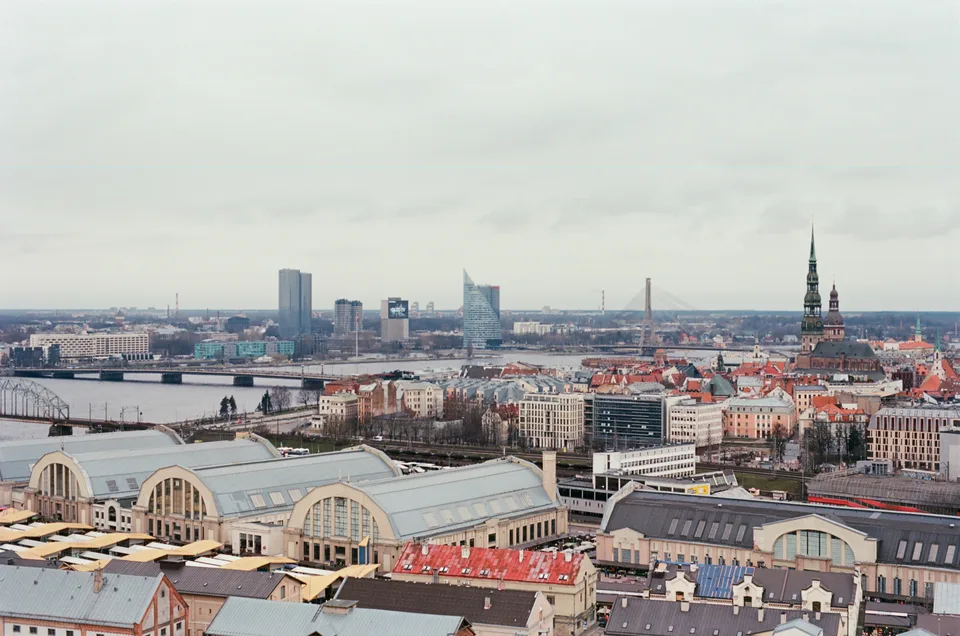
Riga Central Market is a useful encounter with everyday shopping as well as a landmark. Opened in 1930, its five characteristic pavilions incorporate components from former airship hangars. That history gives the complex a distinctive shape, but the reason to spend time here is the mixture of produce, fish, bread and prepared food.
The official visitor listing places it near the central railway and coach stations, a practical combination on arrival or departure if you can manage your luggage. It also warns that the pavilions close for a sanitary day on the first Monday of each month. Visit earlier in the day rather than treating a working market as a late-night attraction. Ask before photographing vendors, and buy quantities suited to your accommodation’s storage facilities.
Cross the river into Pārdaugava
Pārdaugava’s neighbourhoods provide a different setting from the dense historic centre. Ķīpsala has wooden houses and river views; Āgenskalns offers another market and streets where residential life is more visible. Arkādija Park and Māras Pond can provide a quieter interval between museums and sightseeing.
Choose one area for a substantial walk, with a transport plan for the return. Crossing a river changes the shape of journeys, so a place that looks close on a map may depend on a particular bridge or service. For prospective residents, this is an especially useful afternoon: visit food shops, inspect the route to a stop and notice how the neighbourhood feels after the daytime excursion ends. That information is more valuable than a broad claim that one bank is universally preferable.
Choose accommodation around your actual trip
An Old Town hotel suits a short first visit focused on historic sights. Before booking, ask about evening noise, stairs, lifts and taxi access. A room facing an internal courtyard may offer a different experience from one above a busy street, even within the same building. Read the room description as carefully as the address.
The surrounding centre can be convenient for an itinerary combining art, architecture and regular shopping. Across the Daugava, compare the precise connection with your arrival point and evening plans. Apartment accommodation can help with cooking and laundry, but check kitchen equipment, linen, cleaning charges and arrival procedures. For an early flight, assess the first available airport connection rather than assuming that a central postcode solves the departure problem. Compare refundable options if your transport arrangements remain uncertain.
Arrive from Riga Airport by bus
Riga Airport’s public-transport instructions identify bus 22 as the city connection. Its stop is in car park P1, between arrivals exits E and C. Follow the terminal signs rather than looking for an airport railway platform. Buy a suitable ticket from the stop’s machine, a listed terminal retailer or a supported mobile application.
The airport lists a €1.50 ninety-minute ticket. It also describes card-only ticket sales from the driver on this particular route; buying beforehand avoids relying on that exception. Check the current departure timetable against your landing time, especially late at night. Allow separately for immigration, baggage collection, waiting and the walk from your city stop. An advertised vehicle journey cannot tell you exactly when you will reach a hotel room.
With bulky luggage or limited mobility, compare a booked transfer with the whole bus journey, including the final approach to your accommodation. Ask the hotel where a vehicle can stop and how you will collect keys. On departure, leave the airline’s required check-in time intact when calculating the journey; sightseeing distance and airport reporting time are different planning questions.
Use the correct return stop
Bus 22 does not use identical central stops in both directions. For Old Riga, the airport lists 11. novembra krastmala on the journey into the city and Grēcinieku Street on the airport-bound journey. Around the stations and market, the names and stopping pattern also differ. Save the airport-bound stop before your final morning.
The airport’s published city-ticket options include €5 for twenty-four hours, €8 for three days, €10 for five days and €30 for a monthly ticket. Compare the product with your planned travel rather than automatically buying the longest pass. Check activation and validation instructions for the medium you use. Keep train travel separate in your calculations: a city transport product should not be assumed to cover every regional service or every combined ticket offer.
Eat through the markets and neighbourhoods
Food is one reason to leave room in the schedule. Central Market offers smoked fish, rye bread, cheese and seasonal produce, while Āgenskalns provides another setting for browsing and prepared food. Buy a few things you can identify and ask how they are served or stored, rather than treating every unfamiliar item as a souvenir.
Use LiveRiga’s food directory to find current menus and types of venue, then check the restaurant’s own booking and opening information. Dietary needs deserve direct questions about ingredients, preparation and cross-contact. A dish with vegetables is not necessarily vegetarian, and bread-based dishes may be unsuitable for someone avoiding gluten. For a self-catering stay, plan the first grocery shop around arrival time; having a kitchen is only useful if you can obtain food when you need it.
Build a budget from real choices
Riga uses the euro. Rather than relying on a single daily spending figure, combine a room quote for your actual dates, intended transport tickets and the admissions you genuinely want. Food spending varies with the balance between market purchases, groceries, cafés and restaurant meals. Keep airport transfers and regional excursions visible as separate items.
For example, a €5 city day ticket, €10 basic House of the Black Heads admission and €7 permanent-collection art ticket total €22 before accommodation and meals. That is an illustrative combination, not a promise of the cost of a complete day. Weather or closures may make a different combination sensible. When shopping, compare material, maker and provenance; leave space for useful purchases instead of buying bulky objects simply because the surrounding street feels historic.
For two people sharing a room, keep the accommodation total separate from individual admissions. For families, compare the museum’s stated family ticket with the ages and number of children travelling; each institution defines its products differently. A combined exhibition ticket saves money only when you want both parts. Keep a small reserve for a taxi or an indoor alternative if a delayed arrival or bad weather changes the plan.
Plan for the season, including rain
Riga’s outdoor experience changes substantially across the year. Summer offers longer evenings for neighbourhood walks, while colder months make museum opening days and warm indoor breaks more important. Spring and autumn can work well for a mixed itinerary, provided you keep some flexibility for wet or windy conditions beside the river.
The Latvian meteorological service’s climate overview uses the 1991–2020 reference period and distinguishes Riga’s warmer urban setting from national averages. Climate normals describe patterns, not the weather for a particular weekend. Check the forecast before packing and again before an excursion. In winter, choose footwear for potentially slippery paving and allow more time between stops. A beach trip can still mean a coastal walk rather than swimming; decide what would make the outing worthwhile in the conditions expected.
A realistic three-day introduction
On day one, walk through Old Riga from Town Hall Square toward Dome Square, then continue to the canal and boulevards. Visit the House of the Black Heads only if its calendar permits. Leave time for a proper meal and an unhurried return along streets you want to see again.
On day two, combine Alberta Street and nearby Art Nouveau façades with the National Museum of Art. This groups related interests without repeatedly crossing the city. Reserve the evening for a performance or dinner only after checking the actual programme and booking conditions.
On day three, start at Central Market, avoiding its monthly pavilion closure, then choose Āgenskalns or Ķīpsala across the river. These are editorial suggestions, not a fixed tour. Swap days around museum Mondays, weather and your energy level; keep a fourth day for an excursion rather than squeezing everything together.
Find a home with winter costs in view
For a move, begin with temporary accommodation while you inspect longer-term options. Compare apartments by the total household bill, not just advertised rent. Ask for recent winter and summer utility statements, how heating is controlled, what internet arrangements exist and which charges remain your responsibility. Inspect windows, ventilation, hot water, laundry facilities and storage.
Read the written agreement, inventory, deposit conditions and notice provisions before paying. The Residential Tenancy Law is the official legal starting point; obtain an explanation you understand if the contract raises questions. Confirm the person’s authority to let the property and keep payment records. A furnished holiday apartment may be practical for an initial stay but unsuitable for a family’s school routine, a quiet home office or the administrative arrangements required for residence.
During a viewing, check the specific floor and access rather than judging the building from its renovated frontage. Try the lift if there is one, look at the shared entrance and ask who handles repairs. A remote worker should test the available connection and identify a usable desk area. Someone bringing a bicycle or pushchair needs to know where it can be stored securely without blocking communal space. Photograph the agreed inventory at handover and document existing damage together.
Test the commute and organise essential services
Travel from a prospective home to work or university at the time you would actually commute. Test the return after an evening commitment, including the walk from the stop. A cheaper apartment can lose its appeal if it adds awkward transfers, while a central one may save little time for a destination across the river.
Ask separately about declaring your residence address and the documents needed for your status. An address declaration records where you live; it does not create immigration permission. Build a household checklist covering mobile service, internet installation, banking documentation, waste arrangements and any school or childcare application. For families, contact the relevant institution before signing a lease on the assumption that a place or a particular teaching language will be available nearby.
If you are scouting Riga during a holiday, use one ordinary weekday for practical checks. Walk to a grocery shop, locate the nearest useful stop and try the route to a prospective institution. Keep notes on the particular property and journey rather than declaring an entire neighbourhood convenient after seeing one attractive street. Ask an employer or university which administrative steps it supports and which remain your responsibility, so that appointments do not become an unexpected barrier after arrival.
Arrange healthcare before you need it
Identify how you will access routine care, prescriptions and urgent treatment. Latvia’s National Health Service explains the European Health Insurance Card and its limits. For eligible insured visitors, necessary state-provided care is subject to the applicable local arrangements; patient charges and repatriation are not covered by the card. Private travel insurance should be assessed alongside that entitlement.
For a move, confirm your own healthcare eligibility rather than assuming a lease, job offer or residence application automatically provides full cover. Ask how to register with a family doctor and maintain continuity for existing prescriptions. The medical emergency number is 113. Keep your accommodation address and relevant insurance details accessible to everyone travelling with you, including where documents are stored if your phone is unavailable.
Separate a visit from permission to live and work
Start with the Foreign Ministry’s entry information for your passport and circumstances. Short Schengen stays generally use the combined ninety-days-in-180 calculation; visiting another Schengen country does not reset it. Nationality restrictions and documentary requirements need individual checking. A visa itself does not guarantee admission at the border.
Also check the electronic travel declaration rules. Foreign nationals outside the listed exemptions must submit the declaration at least forty-eight hours before entering Latvia. Exemptions include EU and EEA nationals and numerous other listed citizenships; this is not a requirement for every visitor. The declaration is separate from permission to enter, and it does not replace a necessary visa. Follow the official list rather than relying on an assumption based solely on your departure country.
Choose the right longer-stay route
PMLP’s employment guidance distinguishes EU, EEA and Swiss citizens from third-country nationals. The former generally need registration for stays beyond three months, with relevant exceptions. Third-country employment requires the appropriate stay and work arrangements, often involving the employer. A sightseeing visit should not be treated as permission to start a local job.
For remote work, PMLP’s Latvian guidance updated in June 2026 specifies qualifying OECD-linked employment or self-employment and currently states a €4,538 monthly income threshold. Older English information shows a lower figure, so confirm the current documentary requirements with the responsible representation. This visa does not authorise local Latvian employment. Students should follow Study in Latvia’s nationality-specific permit guidance with their institution. Family, temporary residence and permanent residence involve separate conditions; consult PMLP’s residence resources or VisaWand’s consultant listings for help identifying the relevant process.
Add the coast or the Gauja valley
Jūrmala offers beaches, pine-backed coastal walks and wooden villas; choose the actual station, such as Majori or Dubulti, for the part you intend to explore. Sigulda suits a day centred on the Gauja valley and castle landscapes. The tourism agency’s excursion overview helps compare these choices without pretending that they offer the same experience.
Check Vivi’s current timetables and notices before committing to a departure; Sigulda-line works have affected schedules from October 2026. Allow for the journey onward from the station and the last practical return. VisaWand’s Jūrmala location page and Sigulda location page are directory references, while the completed Tallinn guide can help plan another Baltic capital. For wider comparisons, use the Latvia destination page before extending your route.
Official planning resources
Reviewed 15 October 2026. Use the official resources linked throughout this guide for admission, transport, housing and immigration decisions. Prices, services and rules can change; confirm the details relevant to your dates. Photography illustrates the locations and is not a live view.
View all official resources
- UNESCO: Historic Centre of Riga
- LiveRiga: Old Town
- Riga Airport: public transport
- LiveRiga: Central Market
- House of the Black Heads: admission and closures
- Riga Art Nouveau Centre: admission
- Latvian National Museum of Art: tickets
- National Museum of Art: June 2026 price changes
- PMLP: current remote-work long-stay visa requirements
- Latvian Foreign Ministry: visa processing and entry
- Latvian Foreign Ministry: current entry conditions
- Latvian Environment, Geology and Meteorology Centre: climate normals
- Latvian public services: residence declaration
- LiveRiga: Pardaugava neighbourhoods
- LiveRiga: excursions and day trips
- LiveRiga: architecture
- Latvian Foreign Ministry: electronic travel declaration
- Latvian National Health Service: EHIC and care
- PMLP: employment and residence registration
- PMLP: residence permit routes
- Vivi: train timetables and disruption notices
- National Museum of Art: opening hours
- Latvian legislation: Residential Tenancy Law
- Study in Latvia: non-EU student entry and permits
- LiveRiga: food and drink directory
Plan the next part of your journey
Explore the Latvia guide, browse other cities or compare consultants for your travel and relocation questions.