Visa
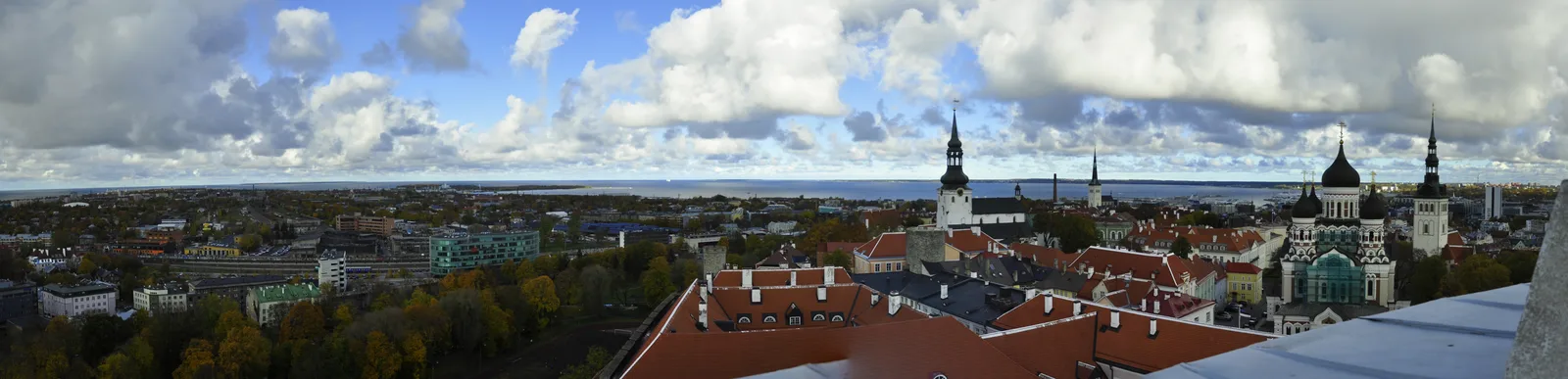
Make Tallinn more than a brief shore excursion
Tallinn is easiest to enjoy when the medieval skyline is the beginning of the visit. Estonia’s capital also offers wooden residential streets, converted industrial quarters, substantial art collections and access to the Baltic waterfront. A day can introduce the Old Town; three days allow you to understand why somebody might choose to return or consider living here.
The main planning decision is how much walking and museum time you want. A hilltop viewpoint, a maritime collection and an art museum are all worthwhile, but putting them into one hurried afternoon reduces each to a photograph. Choose a central base for a short stay and use public transport to extend your reach. For relocation research, add time for a real commute, housing inspections and administrative appointments. Information in this guide was checked on 15 October 2026.
Read the Old Town as two connected places
The UNESCO-listed Historic Centre of Tallinn reflects a northern European trading city shaped by the Hanseatic League. Its upper town, Toompea, served an administrative role, while the lower town developed its merchant streets and public buildings. UNESCO inscribed the historic centre in 1997; the designation does not turn the whole modern city into a World Heritage site.
Start in the lower town, allowing the streets around Town Hall Square to establish the scale before climbing. The arrangement of lanes and plots is part of the interest, not simply the façades of individual attractions. Comfortable footwear matters on uneven surfaces, and a shorter route can be more rewarding than repeatedly retracing steep connections. Historic buildings remain places of work, worship and residence; opening arrangements should be checked individually rather than inferred from an open street entrance.
Give the viewpoints their own walking time
The official Old Town overview identifies Patkuli and Kohtuotsa among Toompea’s viewing platforms. Include a viewpoint in a loop through the upper town, with time to look back across the roofscape and understand how the city meets the sea. Leave room around groups and narrow approaches instead of treating the platform as a timed photographic appointment.
Keep paid towers as an optional addition. Seasonal opening, stairs and weather can make a tower a different proposition from a ground-level viewpoint. If somebody in the group needs step-free access, establish a suitable route before climbing and ask the visitor-information team about specific entrances. For an evening return, consider how familiar the descent will feel in darkness or wet weather. The skyline is compelling, but the practical walk to and from it deserves equal attention.
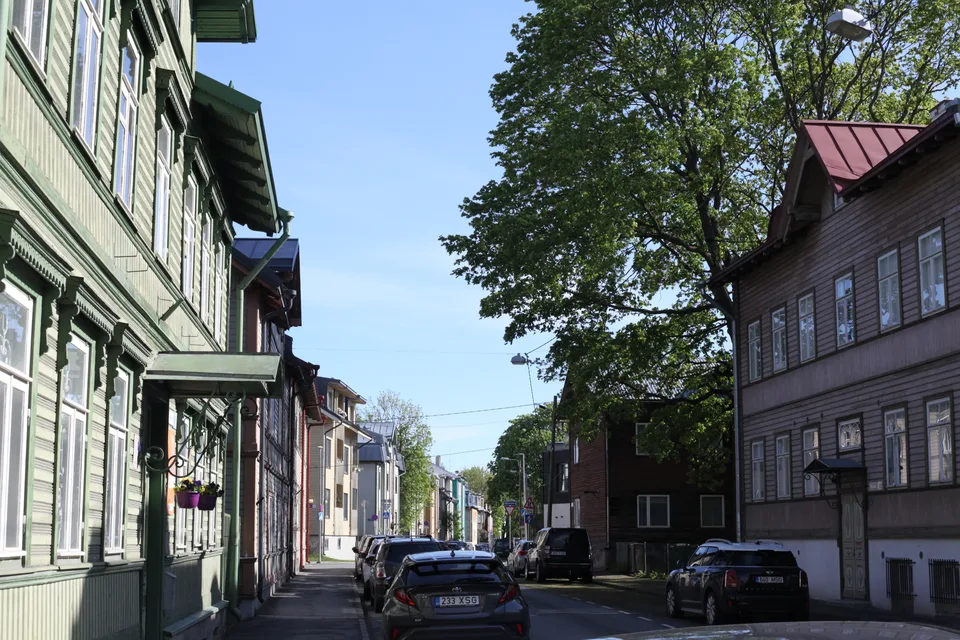
Follow wooden streets into Kalamaja
Kalamaja’s official neighbourhood introduction traces its development from a fishing settlement into an industrial district and home for factory workers. Its wooden houses provide a clear change from the Old Town’s stone streets. Walk a residential stretch at an ordinary pace, remembering that doors, gardens and windows belong to people who live here.
Continue towards Telliskivi when you want galleries, design shopping or a meal. The former industrial setting supports a different kind of visit from medieval sightseeing, with cultural venues rather than a single monument as the focus. Choose a current exhibition or browse a few shops, leaving time for the district itself. For prospective residents, this is also a chance to examine street noise, everyday food shopping and the actual connection to a workplace, without mistaking a lively afternoon for proof that every nearby apartment will suit.
Reach the waterfront through Noblessner
A waterfront outing helps explain Tallinn’s maritime setting. The tourist board’s urban-nature guide describes the coastal connection between Kalasadam and Noblessner, passing the Seaplane Harbour area. Combine part of that route with a destination you already want to visit, rather than walking out and immediately retracing the entire distance.
Take a layer that suits exposure by the water and decide where to stop or return by transport. An outdoor plan that is comfortable in calm sunshine can feel very different in wind. Noblessner provides another example of industrial land finding new uses; see it alongside Kalamaja rather than imagining all of northern Tallinn as one uniform neighbourhood. Leave time to sit or have a meal if that is the purpose of the outing. A waterfront walk need not become an inventory of every museum and development along it.
Allow a proper visit to the Seaplane Harbour
The Estonian Maritime Museum’s collection introduction describes the Lembit submarine, a seaplane and other objects inside the former seaplane hangar. Outdoor museum ships add another dimension, while Fat Margaret is a separate museum venue near the Old Town. Choose whether you want one site or both before selecting tickets.
Current Seaplane Harbour admission information lists an adult combined ticket for the hangar, temporary exhibition and museum ships at €22. The Maritime Museum combination including Fat Margaret costs €30, with its stated one-week validity condition. The opening-hours page gives October–April hours of Tuesday–Sunday, 10:00–18:00; Mondays are closed in that season, with separate holiday arrangements. The museum recommends at least two hours. Ask about access to individual exhibits if mobility is important: a generally accessible museum does not make every part of a submarine equally accessible.
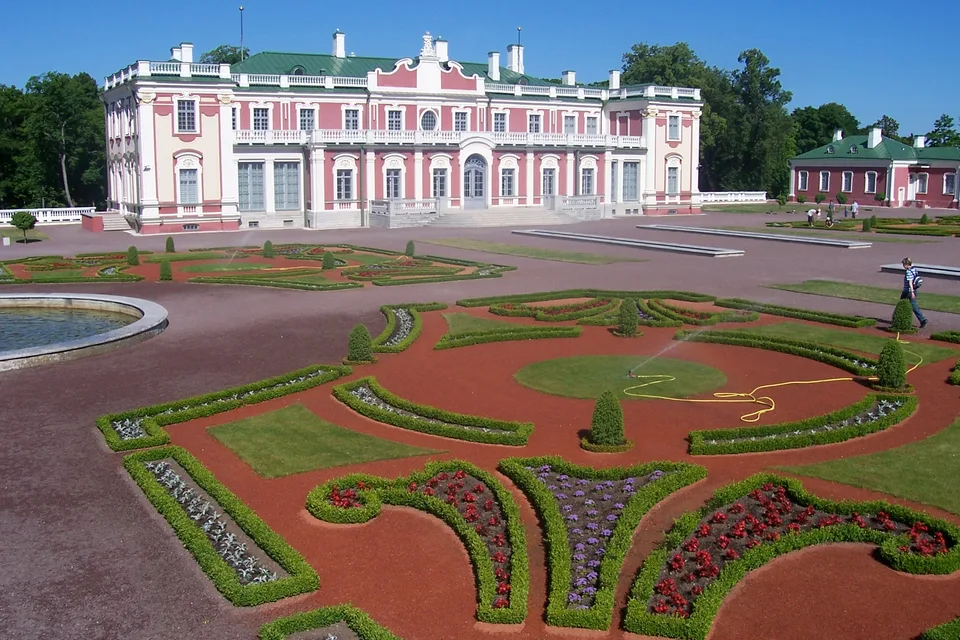
Pair Kadriorg’s park with one collection
Kadriorg provides a useful change of pace: parkland, the palace and art museums can form a day with fewer repeated crossings of the centre. Decide which collection matters most before adding a second admission. The palace’s art museum and Kumu are separate destinations, so allow time for the walk between them rather than treating their names as interchangeable.
The park can also be the main experience. Choose a shorter circuit with a café break, or add a longer walk when daylight and weather allow. A photograph of formal gardens does not establish that every path or entrance is suitable for a wheelchair or pushchair. For a family visit, balance a collection with outdoor time instead of buying several tickets in the hope that everybody will remain interested. Check the return route before settling into an evening elsewhere in the city.
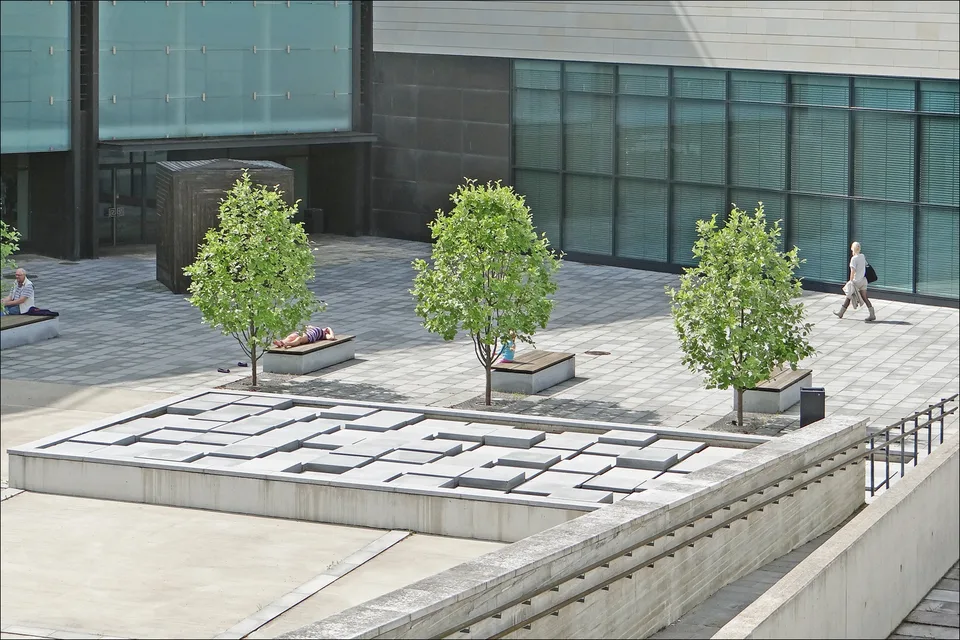
Choose Kumu for Estonian art and architecture
Kumu Art Museum introduces Estonian art across different periods, with permanent displays and changing exhibitions in a distinctive modern building. Its current schedule is Tuesday–Wednesday and Friday–Sunday, 10:00–18:00, with Thursday opening until 20:00; Monday is closed. Ticket sales finish thirty minutes before closing, which should not be mistaken for enough time to see the collection.
The Art Museum of Estonia’s price list gives standard Kumu adult admission at €16 and Kadriorg Art Museum admission at €15. Donation tickets are a different product. Kumu’s directions page currently warns that its pedestrian tunnel closes from 19 October to 1 November. That notice concerns the approach, not closure of the museum. Check the alternative access arrangements before travelling, especially if the tunnel forms part of your intended step-free route or you are arriving with children.
Put a coastal walk into the right season
Pirita and the Reidi Road waterfront offer another way to appreciate the city’s relationship with the bay. Use the coastal paths for an outing in their own right, with a realistic distance and a return option. A beach destination can be worthwhile for walking without being suitable for swimming on the day.
Keep a weather alternative nearby in your plan. If the forecast makes an exposed walk unattractive, an art or maritime visit may provide a better use of the afternoon. Conversely, an unexpectedly fine day can justify reducing indoor plans. For a longer stay, these outings help compare the recreational access offered by different areas, but a pleasant coastal address must still work for work, school and routine shopping. The practical question is how the whole week would function, not simply whether the view is appealing.
Select accommodation by neighbourhood and entrance
The tourist board’s accommodation-area guide distinguishes historic Old Town stays, the modern centre and Rotermann Quarter, harbour accommodation and Kalamaja–Telliskivi. Old Town gives direct access to historic streets but can bring evening activity. Harbour hotels may simplify a ferry departure; a central hotel with a straightforward tram connection may suit an airport arrival better than a more atmospheric address up a slope.
Compare the complete price for the same dates and occupancy. Check breakfast, cancellation terms, luggage storage and arrival arrangements. In older buildings, ask whether there is a lift and whether it reaches the room’s floor. In apartments, verify heating, cooking facilities and laundry rather than relying on a generic amenities list. A room above a bar and a courtyard room in the same district can produce very different nights. Keep the initial booking flexible if you are coming to inspect potential homes.
Use the current airport routes
Tallinn Airport’s transport information now lists trams T2 towards Old City Harbour and Kopli and T4 towards Tondi. Older accounts of the suspended airport tram connection should not determine a current journey. The airport’s public-transport centre is at the city end of the passenger terminal, connected to arrivals by a walkway with lift or escalator access.
The airport lists a €2 one-hour QR ticket, available online or at its ticket machine, and contactless bank-card payment onboard. Bus 2’s stop on Tartu highway requires a short walk from the terminal; do not assume every bus mentioned on a city map leaves from the same place. Use the current Tallinn journey planner for the exact destination, date and first or last connection. Add time for waiting and the final walk to your entrance, particularly with luggage or an early flight.
Treat the ferry terminal as part of the booking
Arriving by sea can put you close to central Tallinn, but the terminal matters. Port of Tallinn’s Terminal A information identifies Viking Line and Eckerö Line services and the Vanasadam tram stop outside. Terminal D is separate. Read your ticket and operator instructions rather than using “Tallinn port” as a sufficient departure address.
The official arrival overview describes Helsinki crossings of roughly two to three hours, depending on the service. The total journey also includes reaching the terminal, check-in and disembarkation. Compare the complete outward and return itinerary before treating Helsinki as a casual day trip. Bring the required travel document even on an internal Schengen crossing. If you have a fixed flight afterwards, allow a buffer appropriate to your booking conditions and the possibility of disruption, rather than chaining the tightest connections a timetable permits.
Pay for transport as a visitor
Tallinn’s reputation for free public transport needs qualification. Official visitor transport guidance says most international visitors pay; registered Tallinn residents qualify under the personalised-card and identification rules. Published ordinary fares are €2 for one hour, €5.50 for one day, €9 for three days and €11 for five days. Trains and regional buses require attention to their own tickets.
Validate on every boarding, including transfers within a ticket’s validity. QR tickets need a compatible scanner, normally at the front. Use the same payment card consistently when relying on automatic daily fare calculation. The transport day runs from 04:00, so an automatic daily cap is not the same concept as a freely chosen twenty-four-hour sightseeing window. Group purchases and companion tickets need separate attention. Check the current instructions before buying for several people, and do not assume that every person’s purchases receive the cardholder’s cap.
Eat and shop with local products in mind
Rye bread is a useful starting point for Estonian food. The tourist board’s local-products guide also describes kama, a flour mixture of cereals and peas commonly eaten with kefir or yoghurt, alongside cheeses, chocolate and other foods. Ask about ingredients when allergies or dietary requirements matter; a traditional description does not replace the preparation details of a particular kitchen.
For a self-catering stay, combine food shopping with your Kalamaja or centre walk rather than making every meal a separate journey. In design shops, compare workmanship and place of production before buying. Wool, linen and wooden household items can make more relevant souvenirs than a generic object labelled with the city’s name. Check your destination’s import rules before transporting food. Tallinn uses euros, and comparing the whole bill remains more useful than assuming that a familiar regional label guarantees inexpensive eating.
Price the itinerary before buying a city pass
One adult Seaplane Harbour ticket, one standard Kumu ticket and a €5.50 transport day ticket total €43.50 at the published prices above. This is an illustrative subtotal for selected admissions and transport, not a full daily allowance. It excludes accommodation, meals and anything else you choose to add. It also does not make visiting both museums on one day the best itinerary for everybody.
Compare a Tallinn Card against the exact attractions you intend to visit, their open days and the pass’s activation and validity conditions. Its transport and admission benefits can be useful, but unused inclusions have no practical value. A visitor who mainly wants streets and parks may make different choices from a visitor planning several collections. Price a family using the applicable family and child rules, rather than simply multiplying the adult rate by every traveller.
Expect a substantial seasonal change
The Estonian Environment Agency’s 1991–2020 normals give Tallinn-Harku a January mean of −2.9°C and July mean of 17.6°C. These are monthly averages at a specific station, not daytime highs or a forecast for your visit. The contrast helps explain why a successful summer walking itinerary may need considerable adjustment in winter.
For warmer months, investigate longer outdoor days with rain protection and a layer for the waterfront. In winter, prioritise footwear for slippery surfaces and indoor breaks rather than trying to maintain a summer walking distance. Spring and autumn can suit a mixed museum-and-street visit, provided the timetable stays flexible. Check current weather warnings before coastal or nature outings. If a Christmas market or other event is the main reason for travelling, confirm that year’s dates before booking; an attractive archived programme is not an operating calendar.
Three days with room to change course
Day one: explore the lower Old Town, take a measured route up Toompea and choose a viewpoint. Add one interior if its subject appeals, then leave the evening for a meal and a shorter return walk. Avoid committing your arrival day to several non-refundable admissions.
Day two: spend the morning at the Seaplane Harbour when open, then explore Kalamaja and Telliskivi, or choose part of the waterfront towards Noblessner. Keep enough time for the museum instead of arriving near its last entry.
Day three: combine Kumu or Kadriorg Art Museum with the park. Adjust for Monday and holiday closures, the October tunnel works and weather. These are editorial suggestions, not a tour with guaranteed connections. Someone investigating relocation should replace a sightseeing block with a housing inspection and commute trial, while keeping another block for an ordinary grocery-and-services routine.
Examine a home through its winter costs
Start a housing search around the job or campus that brings you to Tallinn, then compare the full commute and household costs. Request recent winter as well as summer bills. Ask how heating and hot water work, what is separately metered, what the building charges cover and whether advertised rent excludes utilities. An appealing monthly figure cannot be assessed without those answers.
Inspect ventilation, signs of damp, windows, common areas and the practical storage you need. Test the route to transport and everyday shops. Agree rent, deposit, notice, repairs and the handover inventory in writing, and establish what documentation is available for registering your real address. A temporary booking can help you inspect homes before committing to a lease. Avoid extrapolating a whole neighbourhood’s suitability from one furnished flat or a visit made only at a quiet time of day.
Connect the address, services and healthcare
Estonia’s population-register guidance explains why an accurate address matters for public services and administrative processes. Discuss the documents required for your circumstances with the relevant authority before assuming that an apartment booking is sufficient. Address registration and the right to reside are related administrative questions, but they should not be confused with acquiring a digital business identity.
For a family move, confirm admission, language arrangements and the daily schedule directly with schools or childcare providers. Establish healthcare coverage before needing treatment. Tervisekassa’s guidance for people insured elsewhere in Europe explains necessary care with an EHIC or replacement certificate; applicable patient contributions may still be payable. Moving permanently and arranging ordinary coverage require their own assessment. For urgent medical, police or rescue assistance, use the official emergency number 112. Keep the property’s full address accessible to everyone in the household.
Check entry and employment separately
Consult the Estonian Foreign Ministry’s visa information for your nationality and travel document. For third-country visitors subject to the Schengen short-stay rule, the normal limit is 90 days in any 180 across the area together. A ferry visit to Finland does not restart the allowance. Entry rules, permitted activities and a longer stay should be assessed before paying for an extended booking.
The government programme’s live-and-work guidance distinguishes EU, EEA and Swiss nationals from other applicants and explains registration for longer stays. Third-country employment can require employer action and the appropriate basis for staying; study and family circumstances have separate routes. Use VisaWand’s Estonia country guide for wider context and its consultant directory to identify relevant assistance. Ask about the adviser’s experience and written scope. Neither a lease nor a business registration is a substitute for checking your own permission.
Understand what e-Residency actually provides
The official e-Residency and digital-nomad comparison distinguishes a digital identity for using business services from a visa allowing a qualifying remote worker to stay temporarily. E-Residency itself does not grant entry or residence rights. The digital-nomad route concerns remote work for a foreign employer or company, or predominantly foreign clients, under its stated eligibility conditions.
There is a specific uncertainty to resolve before applying: the programme page states an income threshold of €4,500 net monthly, while the Foreign Ministry’s current D-visa table lists teleworking financial means at €132 a day, expressed there as €3,960 monthly. These official figures differ. Confirm the applicable requirement and evidence directly with the responsible Estonian representation. Do not assume the lower amount qualifies, or that a temporary remote-work visa automatically provides a route to permanent settlement.
Decide what belongs beyond Tallinn
For another Estonian stay, compare the Tartu city page or Pärnu city page with your interests and travel dates. They are separate destinations requiring their own transport and accommodation decisions. Use the Estonia location directory to browse other places; a location entry should not be assumed to contain a completed travel guide.
Helsinki may fit a longer Baltic itinerary, and VisaWand’s Helsinki city guide can help with that next stage. Keep the ferry journey and terminal procedures visible in the plan rather than counting the crossing alone. The Estonia destination page provides another route to consultation listings. Tallinn can support a varied short break or a serious relocation inspection, but the most useful itinerary is the one that gives enough time to the decisions that brought you here.
Official planning resources
Reviewed 15 October 2026. Use the official resources linked throughout this guide for admission, transport, housing and immigration decisions. Prices, services and rules can change; confirm the details relevant to your dates. Photography illustrates the locations and is not a live view.
View all official resources
- UNESCO: Historic Centre of Tallinn
- Visit Tallinn: Old Town
- Visit Tallinn: Kalamaja
- Visit Tallinn: choosing an accommodation area
- Tallinn Airport: public transport
- Visit Tallinn: transport fares and validation
- Tallinn Transport: current timetables
- Seaplane Harbour: admission tickets
- Seaplane Harbour: opening hours
- Estonian Maritime Museum: collections
- Kumu Art Museum: exhibitions and hours
- Art Museum of Estonia: admission prices
- Kumu: access and directions
- Visit Tallinn: parks and coastal walks
- Estonian Environment Agency: 1991–2020 climate normals
- Estonian Foreign Ministry: visa-free entry rules
- Estonian Foreign Ministry: long-stay D visas
- Estonian e-Residency programme: digital-nomad visa comparison
- Estonian e-Residency programme: moving and working
- Estonian Interior Ministry: population register
- Tervisekassa: healthcare for visitors insured elsewhere in Europe
- Estonian Emergency Response Centre: 112
- Port of Tallinn: Terminal A and transport
- Visit Tallinn: arriving by sea and land
- Visit Tallinn: food and locally made products
Plan the next part of your journey
Explore the Estonia guide, browse other cities or compare consultants for your travel and relocation questions.