Visa

Give Nairobi time beyond the airport
Nairobi is worth more than a night between international flights and a safari. A stay here can combine Kenyan history, African art, forest walks and wildlife with the practical business of understanding a large capital. The city rewards a selective itinerary: choose the experiences that matter to you, group them geographically and leave room for the journeys between them.
The most useful first decision is whether this is a city break, a safari connection or a scouting visit for a possible move. Three full days provide a workable introduction without requiring every attraction to fit into one exhausting circuit. A connection may justify an airport-focused stay; a relocation visit needs ordinary errands and trial commutes as well as sightseeing.
Use VisaWand's Kenya country guide for wider preparation, then work from exact Nairobi addresses. An appealing hotel photograph says little about its convenience for tomorrow's meeting or park entrance. This guide covers the city and selected trips beyond it, with prices and entry information checked in October 2026. Confirm changeable arrangements again before paying, especially when a visit requires a particular booking or proof of eligibility.
Understand the railway city and its unequal history
Nairobi's modern growth began around a railway depot established in 1899. Archival research in Mary Njeri Kinyanjui's study of African markets explains how colonial planning restricted African residence, movement and trading opportunities. That history deserves attention alongside the skyline: the city's development was neither socially neutral nor simply a story of an empty site becoming a prosperous capital.
Museums offer different ways into that past. Choose a broad introduction to Kenyan history at the National Museum, an art-focused visit at Nairobi Gallery, or a more specific examination of a colonial household at the Karen Blixen Museum. Ask guides whose labour and perspectives are represented, and whose are missing. Literature and architecture can be compelling without making colonial life an uncomplicated object of nostalgia.
Contemporary Nairobi also needs space in the visit. Spend time with exhibitions, food businesses and the everyday services around your base. Avoid expecting one market, neighbourhood or staged encounter to explain every Kenyan community. When buying work from an artist or craft seller, ask about the maker and materials rather than inventing a traditional meaning for a design that happens to attract you.
Choose a neighbourhood around your actual destinations
Start with a short list of addresses rather than a ranking of supposedly best neighbourhoods. The central business district is useful to assess for central institutions and the Nairobi Gallery, but a central address does not make every journey simple. Check the entrance, evening return arrangements and access to the particular services you need.
Westlands is an option to investigate when meals and social outings feature prominently: the dining venue described below is at Mpaka Road and Westlands Road. For northern appointments, the United Nations Office at Nairobi's neighbourhood information describes Gigiri's diplomatic, business and shopping setting beside Karura Forest. Staying there deserves consideration when your reason for visiting is in that area; it is not a universal shortcut to attractions elsewhere.
Karen and Lang'ata suit investigation when the museum and wildlife facilities on that side dominate your plans. Compare those addresses with your airport and work commitments before choosing. For a longer stay, also assess individual homes in areas such as Kilimani or Kileleshwa against your own commute. These are search areas, not promises about safety, affordability or consistent building quality. A trial journey is more revealing than a neighbourhood label.
Start with the National Museum and the city centre
The Nairobi National Museum on Museum Hill provides a strong first substantial visit. Its displays encompass human origins, Kenyan history and cultural traditions, alongside natural-history collections. Allow enough time to read interpretation rather than treating the museum as a brief indoor pause. The institution advertises daily opening from 08:30 to 17:30; check the ticket options if you also want the Snake Park.
Nairobi Gallery, at Kenyatta Avenue and Uhuru Highway, offers a different emphasis. The former Provincial Commissioner's office houses the Murumbi African Heritage Collections and temporary exhibitions. Its official page lists the same daytime hours and cashless ticketing. Check the current exhibition before choosing between a focused gallery visit and another hour at the larger museum.
Plan the movement between buildings deliberately. Ask your accommodation about current street conditions and a suitable driver or walking guide, particularly if you are unfamiliar with the centre. Keep the day manageable with a seated lunch and one principal afternoon stop. Historical proximity on a map does not oblige you to walk every intervening street or cross a difficult road simply to follow a proposed route.

Treat Nairobi National Park as a proper safari
Kenya Wildlife Service's Nairobi National Park information describes open plains and riverine habitats against an urban backdrop. The contrast is striking, but the park is a wildlife environment, rather than an ordinary city garden for unrestricted wandering. Arrange a suitable game-drive vehicle or an appropriately organised visit and follow the rules for the specific activity you book.
The displayed entry categories include USD 80 for a nonresident adult and USD 40 for a nonresident child. Different rates apply to African citizens, East African citizens and qualifying Kenyan residents. Establish which category applies and carry the required evidence. Admission is only part of the cost: ask separately about the vehicle, driver, guiding, collection and any payment charges.
Agree what the outing includes before departure. Ask about seating, vehicle condition, drinking water, toilet opportunities and arrangements for children or limited mobility. Leave your subsequent appointment flexible enough that a slow drive or delayed return does not become a crisis. Wildlife sightings and clear skyline views cannot be guaranteed. A photographer's memorable image is a record of one moment, not a promise that your vehicle will encounter the same animals in the same place.

Book the elephant nursery before building the day around it
The Sheldrick Wildlife Trust's Nairobi Nursery visit is a scheduled conservation visit, not a walk-in attraction. Its public hour runs from 11:00 to noon daily except 25 December, with advance booking required. The Trust accepts requests within three months of the intended date and requires its own official confirmation; a third-party platform voucher alone does not establish admission.
Its published minimum entry donation is USD 20 for visitors aged 12 and over and USD 5 for younger children, paid in cash on arrival. Qualifying Kenyan resident rates differ. Nairobi National Park fees are additionally required, even if you only visit the nursery; driver and vehicle charges may also apply. Ask an organiser to itemise the complete cost.
Use the Mbagathi, or Workshop, Gate instructions on the official page and arrive early. The Trust recommends reaching the gate by 10:30 or earlier. Do not expect a delayed visit to be extended. Only keepers may feed or directly interact with the elephants. Plan the experience around learning about rescue and rehabilitation, with a relaxed meal afterwards, rather than treating proximity to animals as an entitlement to touch them.
Give the southern attractions their own breathing space
The Giraffe Centre's current rate panel lists nonresident admission at KES 1,500 for adults and KES 750 for children aged three to twelve; children below three enter free. Its resident category has separate eligibility conditions and prices. The centre's visitor FAQs advertise daily opening from 09:00 to 17:00 and payment by M-Pesa, Visa or Mastercard. Check dated announcements and current access directly before travelling.
At the Karen Blixen Museum, the house, furnishings and coffee-farm material invite a more focused historical visit. The museum advertises daily opening from 08:30 to 17:30 and eCitizen ticketing. Read the author's story in the wider context of colonial Kenya, rather than confusing a film setting with a complete account of local history.
These visits can share a broadly southern day, but assess the actual route and your group's energy. If a fixed nursery booking is already the day's anchor, select one further substantial stop instead of automatically adding every nearby attraction. Ask for separate admission totals and realistic waiting time. Someone travelling with young children may gain more from an unhurried lunch and an early return than from one final rushed entrance.
Use Karura for a quieter outdoor day
Friends of Karura Forest's essential information distinguishes the main forest from the Sigiria section, separated by Limuru Road. Pick your entrance to suit the route you intend to follow. Gate A is the main Limuru Road access; Gate B is closed to the public. Do not ask a driver simply to find any entrance and assume every trail begins there.
The currently linked Karura fee notice lists nonresident adult entry at KES 696, including VAT but excluding the eCitizen charge. A car has a separate parking charge. The association's payment update explains that daily tickets are bought at the gates using the electronic system, with a transaction-related convenience charge. Confirm the complete amount and payment method, particularly if you do not have access to M-Pesa.
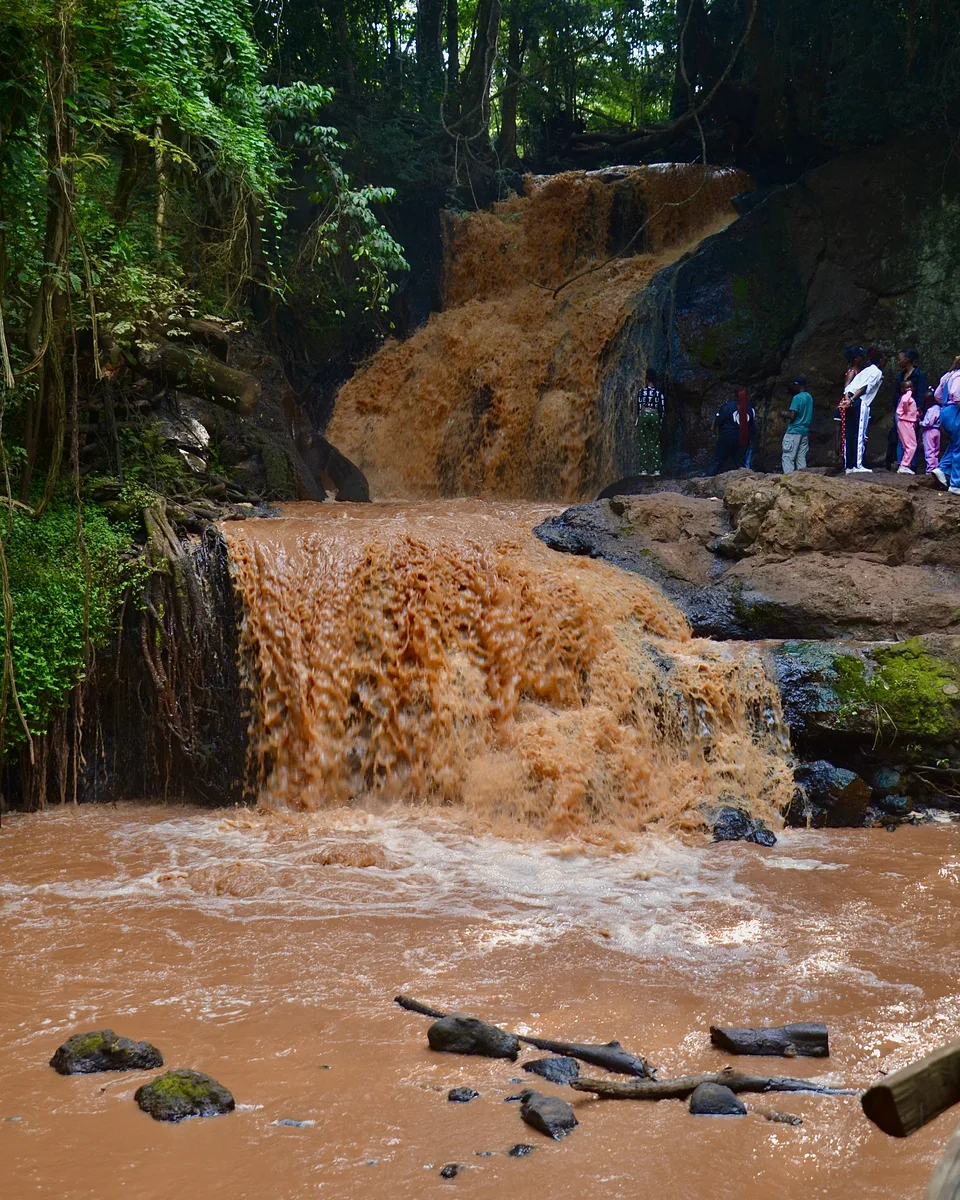
Begin with a route you can comfortably complete and ask staff about conditions that day. Leave time to return well before the gates close; the essential-information page lists last entry at 17:30 and locked gates at 19:00. Confirm availability before relying on bicycle rental or guided activities. A forest visit can be worthwhile without reaching every waterfall or turning a restful walk into an endurance test.
Eat widely and shop with a practical purpose
Food planning is easier when you distinguish a quick meal from an evening destination. Nairobi Street Kitchen's own visitor information describes several food concepts, including Indian, Mexican and Thai dishes, at its Westlands site. It welcomes walk-ins while recommending reservations for larger groups. Check the day's programme if you want a quiet conversation rather than an entertainment-focused evening.
Use menus to compare the whole bill: food, drinks, service charges, dietary substitutions and transport home. Ask staff about ingredients and cross-contact when allergies matter; an advertised vegetarian or gluten-free option does not answer every medical dietary question. There is no verified citywide meal average in this guide, because a single figure would hide substantial differences in setting and what is included.
For practical shopping, The Hub Karen's store directory lists a supermarket, banking facilities, pharmacies and mobile-network shops. It is an example of an errands stop to assess when already in that area, not a reason to cross town for an item available near your hotel. With craft purchases, inspect materials and packing, agree the price clearly and check import restrictions before buying animal products, plants or unusually large objects.
Compare accommodation by the night you will actually have
For a short stay, compare a conventional hotel, a smaller guesthouse and a serviced apartment against the same needs. Ask about the exact room, bathroom, ventilation, luggage storage and cancellation conditions. If working during the visit, confirm a usable desk and internet in the room itself. Reception Wi-Fi is not proof that a video call will work upstairs.
An airport-oriented stay can be sensible for a late arrival or early departure, but check the airport named in the booking. A transfer to Wilson is different from a transfer to Jomo Kenyatta International Airport. Request the property's actual pickup arrangement, operating hours and written total, including waiting or parking charges where applicable.
For families or travellers with limited mobility, request specific details: bed arrangements, lift access, bathroom steps and the route from vehicle drop to reception. Ask about nearby construction or events when sleep is a priority. Compare final prices for identical dates, occupancy and refund terms rather than headline rates. A slightly dearer room can be the more economical choice if it removes repeated paid journeys, but make that comparison with actual quotes rather than an assumed saving.
Keep airport transfers and onward flights distinct
Check every ticket's airport, terminal and check-in deadline. Safarilink's official FAQs place its Nairobi operation at Wilson Airport on Lang'ata Road, separate from JKIA. The airline offers to arrange a transfer with at least 48 hours' notice, with the charge confirmed separately. It lists a latest Wilson check-in time of 60 minutes before departure and a 15-kilogram baggage allowance including hand luggage; confirm the terms of your own ticket.
Do not plan an airport change from the driving time alone. Immigration, baggage collection, customs, the road journey and the next airline's check-in all consume time. Obtain a connection plan from the carriers or organiser before buying separate tickets. If a missed connection would jeopardise the trip, consider an overnight interval rather than spending the entire first day watching the clock.
For a straightforward hotel transfer, arrange an identified vehicle, clear meeting point and total including any expressway toll. Current UK government advice recommends Mombasa Road or the Nairobi Expressway for JKIA journeys. Leave a generous departure margin for traffic and airport security checks. This research did not verify a current airport bus or commuter-train timetable, so no guaranteed departure schedule is reproduced here.
Make local journeys and the budget work together
Price the journeys your itinerary actually requires. A low room rate can lose its advantage when every museum, meal and meeting needs a long vehicle trip. Group visits by area, use an agreed pickup point and keep the return journey affordable. When using an app-booked car, check the vehicle and driver details before entering and confirm the destination pin.
Matatus and buses are part of Nairobi's transport landscape, but newcomers should establish the route, boarding point and fare locally before relying on them for a timed appointment. Ask your host for current help rather than assuming a route number from an old map remains sufficient. If you rent a car, confirm accepted driving documents, insurance, parking and responsibility for tolls with the provider.
Build separate budget lines for accommodation, food, admissions, guiding and transport. The park and nursery examples above show why an attractive headline admission is not always the complete outing cost. Allow for transaction charges and changes of plan. Ask which payments require cash and which are cashless, and keep receipts for significant purchases. Carry a backup payment method without exposing all your money whenever you pay for a small item.
Pack for highland weather and check the week's conditions
The University of Cape Town's Nairobi climate profile places the city at roughly 1,800 metres and describes a highland climate. Its historical analysis identifies long rains from March to May and shorter rains around November and December, with June to October relatively drier. June to August is generally cooler than January to March. These are climatological patterns, not a forecast for your dates.
Bring a light warm layer as well as rain protection and comfortable shoes. An early wildlife drive and an afternoon indoors may require different clothing. Keep documents and electronics protected from rain, and choose a forest route based on current conditions rather than the appearance of a dry-season photograph.
Use the forecast close to departure and adjust each day. A wet morning can become a museum day; a clear interval can suit an outdoor plan if access remains appropriate. Check road and weather conditions again before a trip beyond Nairobi. When evaluating a home, inspect drainage and the approach road as carefully as the living room: a pleasant viewing in sunshine does not answer every question about ordinary household life.
Use three days to balance culture, wildlife and space
On day one, settle in and make the National Museum the main cultural visit. Add Nairobi Gallery only if you have the time and interest for another collection; otherwise leave a generous lunch and orientation interval. Choose dinner near your base so that the first evening does not depend on another complicated journey.
Give day two to the southern wildlife and heritage options. Anchor it around whichever booking matters most, then ask an organiser to sequence the remaining stops realistically. A park outing, a scheduled conservation visit and a house museum are different experiences with separate access arrangements. Select rather than accumulate them, especially after a long international journey.
On day three, take a forest walk and allow time for shopping or a neighbourhood you are considering for a longer stay. For an extension, investigate VisaWand's Naivasha location directory or Mombasa location page. These are separate destinations, not Nairobi neighbourhoods or promises of completed travel guides. Check travel time, accommodation and activity access independently. A longer trip should gain a worthwhile new experience, rather than merely consume a day in transit between unfamiliar places.
Check entry, health and permission for a longer stay
Use Kenya's official eTA guidance to check your nationality and exemption category. Several groups qualify for different permitted periods; do not assume every foreign visitor needs an eTA. Where required, apply in advance: the authority recommends allowing at least two weeks. Approval permits travel but does not guarantee admission. Check passport validity and blank-page requirements with the authority and carrier.
As checked on 16 October 2026, current government entry advice describes compulsory Kenyan-provided visitor health insurance introduced on 5 October, subject to exemptions. Purchase through the applicable eTA process or official eCitizen insurance service, retain proof and check the final charge. Existing foreign insurance is not accepted as its substitute. Current health advice also describes Ebola response and screening measures; consult the latest official updates and a qualified travel-health professional before departure.
Tourism permission does not authorise employment or permanent settlement. Class D employment permission concerns a specific employer and qualifying skills. Study, investment and other purposes have their own permit or pass requirements. Use VisaWand's Kenya destination information and consultant directory to investigate assistance, while confirming eligibility with the authorities before starting the activity.
Test everyday life before signing a lease
Begin a relocation assessment with temporary accommodation and a real working week. Test the commute at the times you will travel, inspect homes in person and verify school availability before choosing an address. Ask for the full monthly cost: rent, service charges, utilities, parking, internet and any furnishing or maintenance responsibilities. This guide does not substitute an invented average rent for an actual property quote.
Inspect water storage, drainage, locks, ventilation and backup arrangements. Nairobi Water's customer guidance explains scheduled supply and account requirements; establish who pays and how your building handles interruptions. Kenya Power's customer information distinguishes prepaid and postpaid accounts. Check the meter and any outstanding balance, and test internet where you intend to work.
Read current safety advice alongside local guidance: demonstrations can disrupt travel, crime requires care, and same-sex sexual activity is illegal. Arrange appropriate medical cover and identify care that meets your household's needs; the emergency ambulance number is 999. Keep substantial commitments conditional on confirmed immigration permission, a workable budget and a satisfactory written agreement. Nairobi's attractions are a reason to explore; these everyday checks determine whether it suits your life.
Official planning resources
Reviewed 16 October 2026. Use the official resources linked throughout this guide for admission, transport, housing and immigration decisions. Prices, services and rules can change; confirm the details relevant to your dates. Photography illustrates the locations and is not a live view.
View all official resources
- Mary Njeri Kinyanjui: African Markets and the Utu-Ubuntu Business Model, urban history chapter
- United Nations Office at Nairobi: Gigiri neighbourhood
- National Museums of Kenya: Nairobi National Museum
- National Museums of Kenya: Nairobi Gallery
- Kenya Wildlife Service: Nairobi National Park
- Sheldrick Wildlife Trust: Nairobi Nursery visits
- Giraffe Centre: current rates
- Giraffe Centre visitor FAQs
- National Museums of Kenya: Karen Blixen Museum
- Friends of Karura: essential information
- Karura Forest current linked fees notice
- Friends of Karura: 10 December 2025 update
- Nairobi Street Kitchen: visitor FAQs
- The Hub Karen: store directory
- Safarilink: airport transfers and flight FAQs
- University of Cape Town: Nairobi climate profile, November 2017
- Kenya Immigration: eTA general information
- UK FCDO: Kenya entry requirements
- Kenya eCitizen: inbound travel health insurance
- UK FCDO: Kenya health
- Kenya Immigration: Class D employment
- Kenya Immigration: permits and passes
- Nairobi City Water: customer FAQs
- Kenya Power: customer support
- UK FCDO: Kenya safety and security
Plan the next part of your journey
Explore the Kenya guide, browse other cities or compare consultants for your travel and relocation questions.