Visa
Malindi rewards a mixed coastal stay
Malindi is an Indian Ocean town in Kenya’s Kilifi County, with a working centre, coastal monuments and accommodation spread towards the marine park. It suits travellers who want beach time alongside local streets and historical visits, rather than an itinerary confined to a resort. The useful question is where your days will happen: near the town’s services, beside a particular hotel beach, or out on organised excursions.
The Kenya Wildlife Service visitor page places Malindi Marine National Park about five kilometres south of town along Casuarina Road. That distance matters when choosing accommodation: a central room is not automatically convenient for a morning boat departure. Allow three or four nights to combine heritage, a sea outing and a nearby archaeological or forest visit. For a longer stay, investigate water, cooling, internet and daily transport before judging the town by a holiday property alone.
Read the town’s history beyond the pillar
The Vasco da Gama story is an entry point into Malindi’s history, not its beginning. National Museums of Kenya records the Portuguese fleet’s arrival on 15 April 1498, when Malindi already had a sultan and maritime connections. The surviving monument commemorates that encounter within a much broader Indian Ocean history; describing the town as founded by a European navigator would erase the settlement that received him.
The Malindi museum service groups several distinct properties, including the Portuguese Chapel, House of Columns and Malindi Heritage Complex. Their histories differ. The Heritage Complex was constructed in the early 1890s as an Imperial British East Africa Company collector’s office. The House of Columns has no established construction date in the museum’s account, although photographic evidence shows it existed in 1891. A walk becomes more interesting when buildings are read in their own periods, rather than collectively labelled ancient.
Choose between the centre and Casuarina
Treat central Malindi and the Casuarina corridor as different accommodation choices. The centre is the practical starting point for errands, everyday shopping and a heritage walk. Accommodation farther along the coast can make sense when a pool, grounds and time at the property are priorities. An address described as Malindi may therefore involve a ride whenever you want the town’s services.
Plot the actual entrance, your intended boat departure point and the places you expect to eat before reserving. Ask whether the final approach is paved, whether a driver can reach reception in heavy rain, and how evening return transport is arranged. These are questions for a specific property, not assumptions about an entire neighbourhood.
Watamu is another coastal base, not a district of central Malindi. Compare its location on VisaWand’s Watamu destination page when deciding which town better fits your planned outings.
Visit the pillar and museum properties deliberately
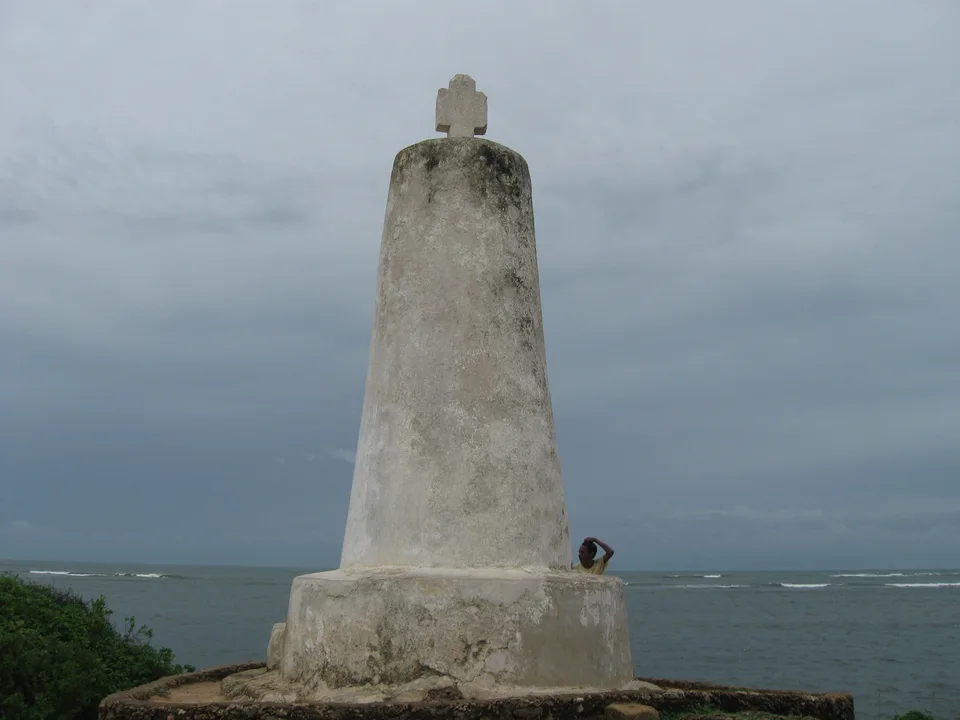
The Vasco da Gama Pillar stands beside the sea, its limestone cross supported by the familiar protective cone. It is a compact historical stop rather than a large museum demanding most of a day. Go for the setting and context, while allowing time for the separate chapel and museum properties if staff confirm their access.
Use National Museums of Kenya’s admission schedule effective from 7 May 2026, not an older fee chart. The Malindi category lists adult admission at KES 200 for Kenyan and East African citizens, USD 6 for residents and the rest of Africa, and USD 8 for foreigners from outside Africa. The table alone does not establish that one payment covers every Malindi property: ask which stops your ticket includes. Confirm individual opening arrangements and use the official NMK payment service when directed, keeping your receipt available.
Plan a marine outing around conditions
A visit to Malindi Marine National Park is most useful when the booking specifies what you will actually do. Ask about snorkelling or viewing arrangements, time on the water, equipment sizes, flotation aids, guide supervision and the launch point. A boat photograph cannot tell you whether an excursion suits a weak swimmer or a young child. Discuss those needs before paying.
KWS publishes a non-resident adult park charge of USD 25, with different African-citizen, resident and East African categories. Confirm the category applicable to your documents; a boat operator’s advertised price may include admission or leave it separate. Obtain the complete quotation before comparing offers.
Visibility, wildlife sightings and a calm crossing cannot be guaranteed. Keep the excursion movable within your stay, and ask the operator how unsuitable conditions affect cancellation or rescheduling. Booking the sea outing early in the visit leaves room for a second attempt.
Treat the shore as a living environment
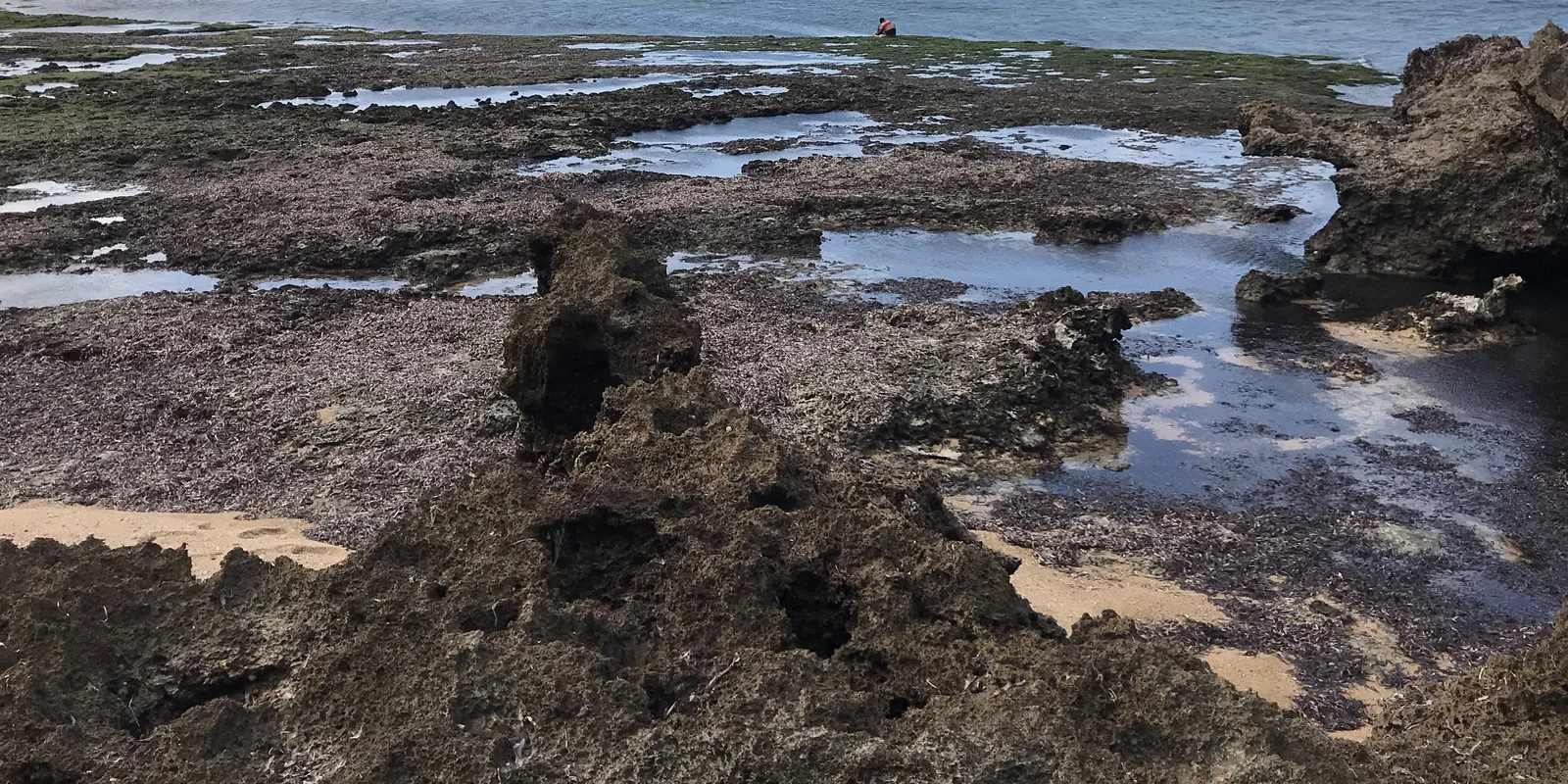
Malindi’s shoreline includes exposed rock as well as sand. A beach-facing property does not establish that the water immediately outside is suitable for swimming at every tide. Ask staff where swimming is currently advised and follow local warnings; inspect the entry and exit before going into unfamiliar water. Travellers who mainly want dependable swimming should give the pool and its supervision as much attention as the beach description.
The KWS marine wildlife code asks visitors to check local sea conditions and avoid harming or removing coral, shells and marine life. Do not collect souvenirs from the reef or purchase shell products simply because they are offered near a tourist area. Keep your distance from animals and choose an operator willing to explain responsible conduct. The quality of a marine visit depends partly on how carefully a group behaves, not only on what it sees.
Give Gedi its own half-day
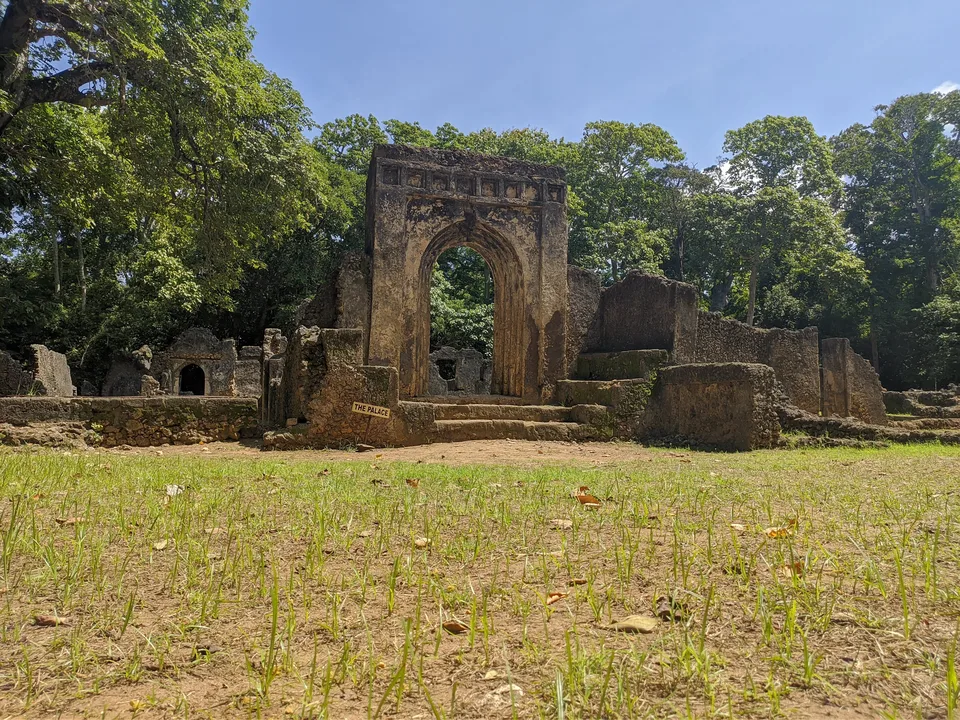
The Historic Town and Archaeological Site of Gedi offers a different perspective on the coast: an abandoned Swahili settlement within surviving forest, inland from the ocean. Its walls, palace remains, religious buildings and wells make the organisation of a trading town visible. UNESCO inscribed it on the World Heritage List in 2024. This recognition applies to Gedi, not to the whole of Malindi.
Allow an unhurried half-day including travel rather than squeezing the ruins between a late breakfast and an airport transfer. A guide can help explain the street pattern, water system and trade connections, while shade, walking shoes and drinking water make the visit more comfortable. Confirm guide charges separately from admission. Gede Ruins appears in the same 2026 NMK fee group as Malindi, but that grouping is not evidence of a combined ticket. Arrange the return ride before leaving town.
Add forest time if birds interest you
Kenya Forest Service’s Arabuko-Sokoke visitor information describes a forest reserve about 18 kilometres from Malindi, with walking trails and trained guides available. This is a strong alternative to another beach day for travellers interested in birds, woodland and coastal conservation. It is not an open-savanna safari, and a list of recorded species is not a promise that you will see them.
An early guided walk is the sensible starting point. Tell the guide whether your interest is birds, plants or a manageable general introduction, and agree the duration and fee beforehand. Ask KFS for current conservation charges rather than relying on an undated directory price. Keep to designated trails, wear suitable shoes and carry drinking water in a reusable container; the forest guidance prohibits single-use plastic bottles. A dedicated forest morning usually offers more than rushing it after a tiring marine excursion.
Compare accommodation by the complete package
Malindi offers a choice between a property-centred holiday and a stay organised around independent outings. Compare room-only, breakfast, half-board and all-inclusive quotations using the meals and drinks you will genuinely consume. A lower room rate may lose its advantage when every dinner requires a return ride, while an inclusive package is poor value if you spend most days elsewhere.
As a concrete example, Diamonds Malindi’s published all-inclusive arrangements list specified restaurants, selected drinks and Wi-Fi. Read the inclusions rather than assuming every menu, premium drink or excursion is covered. Ask the property for your dates, occupancy and cancellation terms; no single nightly price represents the town.
For an apartment, check cooling in bedrooms, insect screens, kitchen equipment, cleaning frequency and water arrangements. Request recent photographs of the actual unit. Families should establish sleeping arrangements and pool access before paying a deposit.
Travellers with reduced mobility should request photographs or measurements of entrance steps, bathroom access and the route between the room and dining area. Ask boat operators how boarding works at the actual departure point. A property described as accessible may still leave an unsuitable transfer or excursion to solve separately; settle those details while cancellation remains possible.
Connect through the correct airport
Malindi has its own airport, but a flight search must distinguish the airports used at the other end. Safarilink’s Malindi route information lists service from Nairobi’s Wilson Airport via Lamu. Wilson and Jomo Kenyatta International Airport are different airports. An international arrival at Jomo Kenyatta therefore needs a separately planned road transfer if connecting to a Wilson departure.
Check the itinerary for your travel date, any intermediate stop and the consequences of separate tickets. Leave a realistic connection margin for immigration, baggage and road traffic rather than treating Nairobi as one terminal. Arrange collection at Malindi using the flight number and the property’s actual entrance.
Read Safarilink’s baggage conditions before packing: the published Malindi allowance is 20 kilograms including hand baggage, with soft bags required. Confirm the conditions attached to your ticket, especially when connecting from an airline with a more generous allowance.
Budget for road transfers and local rides
Rail travellers should understand the last leg: KWS identifies the railway connection through Mombasa, followed by road travel to Malindi. Do not book a coastal train assuming it reaches Malindi itself. Compare the combined railway, station transfer and road cost with a domestic flight, including the time each option consumes.
For local movements, decide which journeys need a prearranged car and which can be agreed locally. Establish the destination, total fare and whether waiting or a return journey is included before departure. With luggage, children or a fixed flight, a documented transfer is easier to plan than an uncertain chain of rides.
Do not use an old transport photograph as evidence of today’s routes or prices. Ask your accommodation where to arrange suitable services and what an evening return involves. For anyone considering living here, test the actual school, workplace or shopping journey before committing to a neighbourhood.

Eat locally, with room for a planned restaurant meal
Food planning is easier when you separate everyday meals from resort dining. Explore the centre with time to compare menus and ask what is available that day. For seafood, establish the portion, preparation and final price before ordering; a display or verbal description need not mean the same serving size in every restaurant. Ask directly about allergens and how food is prepared.
For a documented resort example, Diamonds Malindi’s restaurant listings describe Onda’s seafood and grilled dishes alongside buffet and Asian dining options elsewhere in the property. Confirm reservations, outside-guest access and any supplement rather than assuming a restaurant is included because it shares a hotel address.
When self-catering, check refrigeration and cooking equipment before buying several days’ groceries. Shop in quantities you can store safely, and plan drinking water alongside food. A kitchen can reduce costs, but only if it meets your household’s needs.
Build a budget with identifiable costs
Start with accommodation, airport collection, meals, local rides and your main outings. Keep admission separate from transport, equipment and guiding until a supplier confirms the package. This prevents a cheap-looking excursion from being compared with another that includes substantially more.
For an adult charged the outside-Africa NMK rate and the KWS non-resident marine rate, one USD 8 Malindi-category admission plus USD 25 marine-park admission totals USD 33. That is an illustrative combination of two published charges, not a complete day-trip price or a universal tariff. Boat costs, transfers and additional heritage admissions may remain payable.
Obtain current written quotations for the large items and retain a reserve for changed plans. Use Kenyan-shilling prices for everyday spending when quoted, and check currency and card charges before payment. Avoid treating a converted foreign-currency estimate as a fixed local price. Longer stays also need a separate household budget.
Choose dates using Malindi’s coastal climate
Malindi remains warm throughout the year. The WMO city climate table supplied by Kenya’s meteorological service shows mean daily maximum temperatures around 27°C in July and nearly 32°C in March. These are published climate averages, not a forecast for your particular week, and nights remain warm enough to make bedroom cooling worth checking.
Rainfall is especially significant in April, May and June; May has the largest monthly total in that table. January and February are comparatively dry. A rainy-season booking can still work for a flexible holiday, but it should not depend on one immovable morning at sea or a difficult unpaved property approach.
Choose dates around the activity you most want, then ask providers about normal operating conditions and current forecasts. For heritage and forest visits, favour earlier starts and leave the hottest part of the day less demanding. Budget for shade and drinking water throughout.
A realistic three-day introduction
On the first morning, explore Malindi’s heritage properties, confirming which buildings are accessible and what each ticket covers. Take lunch in town and leave the afternoon for settling into your accommodation and learning the local shoreline. This is also the time to confirm the following day’s boat arrangements and conditions.
Use the second day for a marine outing if the operator considers conditions suitable. Keep the afternoon light: a pool, a meal and a short walk are enough after time on the water. If the excursion is postponed, exchange it with the heritage or archaeological day rather than forcing a departure.
On day three, visit Gedi with a planned return transfer and time to understand the site. Keen birdwatchers should add a fourth morning for Arabuko-Sokoke instead of compressing forest and ruins into one rushed excursion. Keep departure day free of any outing whose return depends on uncertain conditions.
Check current safety and health information
Read the current Kenya travel advice for your exact route. The UK advises against all but essential travel within 15 kilometres of the east coast between the Tana and Galana rivers, with additional restrictions farther north. This matters when extending a Malindi stay: do not assume every coastal road trip has the same risk profile.
Arrange travel-health advice before departure, including malaria prevention and vaccination requirements appropriate to your route. Government healthcare guidance lists 999 for an ambulance. Save your insurer’s assistance details and identify a suitable medical facility before you need one.
October 2026 guidance also reports Ebola-related screening and public-health measures. Follow the latest WHO Kenya response information and Kenyan health instructions rather than relying on an old itinerary’s assurances. This is a changing national situation; it does not establish cases in Malindi. Carry prescribed medicines with their documentation and plan for care your household may require.
Check entry permission and the new insurance rule
Use Kenya Immigration’s current eTA guidance and exemption list for your nationality and status. Some travellers are exempt, with different conditions and permitted periods; “everyone needs a visa” is inaccurate. Where required, an eTA permits travel for assessment at the border and does not guarantee admission. The portal recommends applying at least two weeks before departure despite describing usual processing as three days.
The current entry guidance also reports a government-provided inbound travel-health-insurance requirement introduced on 5 October 2026. Check the official eCitizen insurance service even if you are exempt from eTA: the two exemption systems differ. Existing foreign insurance does not replace this statutory cover, and the required policy does not necessarily meet all your personal insurance needs.
Confirm passport, onward-travel and any route-dependent vaccination documents with the authorities. Keep approvals and policy documents accessible during travel. Check charges in the official application rather than relying on an older all-in entry-cost estimate.
Moving here starts with a trial stay
A holiday package reveals little about maintaining a household. Begin with a temporary base and visit candidate homes during ordinary working days. Test the journey to essential services, mobile reception inside the building, internet performance and bedroom comfort. Ask how the property handles water storage, electricity interruptions, rubbish collection and maintenance; assess the actual arrangements rather than expecting the landlord’s assurances to cover every scenario.
A written lease should identify the owner or authorised agent, deposit, rent, included services, repair responsibilities and termination conditions. Inspect the inventory and record meter readings before occupation. Establish whether electricity is separately metered and who receives bills. Kenya Power’s customer-support service and Malindi Water and Sewerage Company are useful starting points for account and supply enquiries. Neither a furnished listing nor a holiday rate establishes the cost or availability of a suitable long-term home.
Separate visiting from working or studying
Tourism entry does not authorise taking a local job, operating a business or beginning a course. Review the relevant Kenya Immigration permit category before agreeing to work or relocating a household. Ask a prospective employer or education provider what sponsorship and documentation are required, while checking the official conditions yourself. A lease or property purchase should not be treated as immigration permission.
Foreign-national registration is another administrative requirement with its own rules. The immigration registration information addresses stays beyond 90 days; registration does not substitute for the permit or pass required for your activity. Check how these obligations interact with your existing status before extending a visit.
VisaWand’s Kenya country guide provides broader planning context. The Kenya consultation listings can help you identify advisers for individual questions, but a consultation cannot guarantee an approval. Make the immigration decision before assuming a trial holiday can become permanent residence.
Compare nearby bases before committing
Choose Malindi when a working town, compact heritage visits and access to marine and forest outings match your priorities. Choose a different base if your main activities would require repeated long transfers. A short reconnaissance stay in two places can reveal more than choosing an apartment entirely from listing photographs.
Watamu is worth comparing for a coastal stay combined with Gedi and the surrounding conservation landscape. Mombasa offers a different urban experience and the railway connection, while Nairobi is a separate inland base with different work, service and transport considerations. Check VisaWand’s Mombasa destination page and Nairobi destination page for the correct locations when comparing them.
For a wider search, the Kenya destination directory lists other places; a directory entry does not necessarily contain a completed travel guide. Make the final choice around the days you will actually spend there: holiday activities for a visit, and ordinary household routines for a move.
Official planning resources
Reviewed 26 October 2026. Use the official resources linked throughout this guide for admission, transport, housing and immigration decisions. Prices, services and rules can change; confirm the details relevant to your dates. Photography illustrates the locations and is not a live view.
View all official resources
- Kenya Wildlife Service: Malindi Marine National Park and Reserve
- National Museums of Kenya: Malindi heritage sites
- NMK: Vasco da Gama Pillar
- NMK: admission fees effective 7 May 2026
- NMK official eCitizen payment service
- KWS: marine wildlife code and Malindi visitor brochure
- UNESCO: Historic Town and Archaeological Site of Gedi
- Kenya Forest Service: Arabuko-Sokoke visitor information
- Diamonds Malindi: all-inclusive inclusions
- Safarilink: Malindi flights
- Safarilink: baggage allowance
- Diamonds Malindi: restaurant choices
- WMO and Kenya Meteorological Department: Malindi climate
- UK government: current Kenya travel advice
- UK government: Kenya healthcare and emergencies
- WHO: Kenya Ebola response update
- Kenya Immigration: eTA rules and exemptions
- UK government: Kenya entry requirements
- Kenya eCitizen: inbound travel health insurance
- Kenya Power: customer support
- Malindi Water and Sewerage Company: customer services
- Kenya Immigration: permit information
- Kenya Immigration: foreign-national registration
Plan the next part of your journey
Explore the Kenya guide, browse other cities or compare consultants for your travel and relocation questions.