Visa
Sapporo is a city break with a northern rhythm
Sapporo offers an unusual combination: a substantial city with an easy central walking route, serious winter weather and open landscapes within reach of public transport. Between the station, Odori Park and Susukino, the pleasures are urban: shopping, historic buildings, warm meals and streets that become particularly atmospheric after dark.
Three full days allow central sights, a cultural visit and an outing to a larger park; snow sports or hot springs justify extra nights.
For relocation, the same geography raises different questions. A hotel beside a subway station may be convenient for a holiday, while a home needs a workable winter commute, reliable heating and access to everyday services. Summer impressions alone provide an incomplete picture of living here.
Look beyond a single founding story
Modern Sapporo developed rapidly during the Meiji period, but its history does not begin with an empty landscape awaiting planners. Ainu people are indigenous to Hokkaido, and the city's earlier waterways and communities deserve attention alongside the better-known administrative buildings.
The tourism board's account of the Otomo canal describes infrastructure constructed in 1866, before the familiar 1869 phase of government-led city planning. It is a useful corrective to a simplified founding date. The physical city emerged through successive changes in land use, settlement, transport and administration.
To explore Indigenous culture more directly, consider Sapporo Pirka Kotan, the Ainu Culture Promotion Center in Koganeyu, Minami-ku. Its exhibitions and craft traditions offer a different perspective on the region. It lies outside the central walking circuit, so plan transport and check the programme rather than assume workshops happen whenever visitors arrive.
Choose a base along the central transport spine
The official city-area overview helps distinguish three useful bases. Around Sapporo Station, the main advantage is railway access, including the airport connection and onward Hokkaido journeys. This suits short stays with luggage, provided the chosen entrance and hotel route are genuinely convenient.
Odori puts a visitor close to the park, the Clock Tower and the intersection of the three subway lines. It is a practical compromise for sightseeing in several directions. Compare the distance to an actual station entrance, especially if stairs or icy surfaces would be a problem.
Susukino suits travellers who want restaurants and evening activity close at hand. Check room orientation and recent information about noise before choosing a hotel directly above a busy street. A little more distance from nightlife can be worthwhile when early starts, children or uninterrupted sleep matter more than a late dinner.
Compare rooms, access and the final bill
Central hotels are the straightforward choice for a city-focused trip. Compare room size, bed arrangements, luggage space and breakfast rather than relying on a star category. A compact room can work for one person and become frustrating for a family unpacking winter clothing.
Apartment-style accommodation may help with laundry or longer stays, but verify cooking equipment, check-in arrangements and the complete charges. A listing described as being in Sapporo can still be far from the central sights. Establish how the final walk from transport works after dark and in snow.
Before paying, ask for the total accommodation charge, including any applicable taxes or compulsory fees. Check cancellation conditions against the season and flight arrangements. When an event is the reason for travelling, confirm its current official dates before booking a restrictive rate; a recurring festival is not proof of next year's schedule.
Start with Odori Park and the street grid
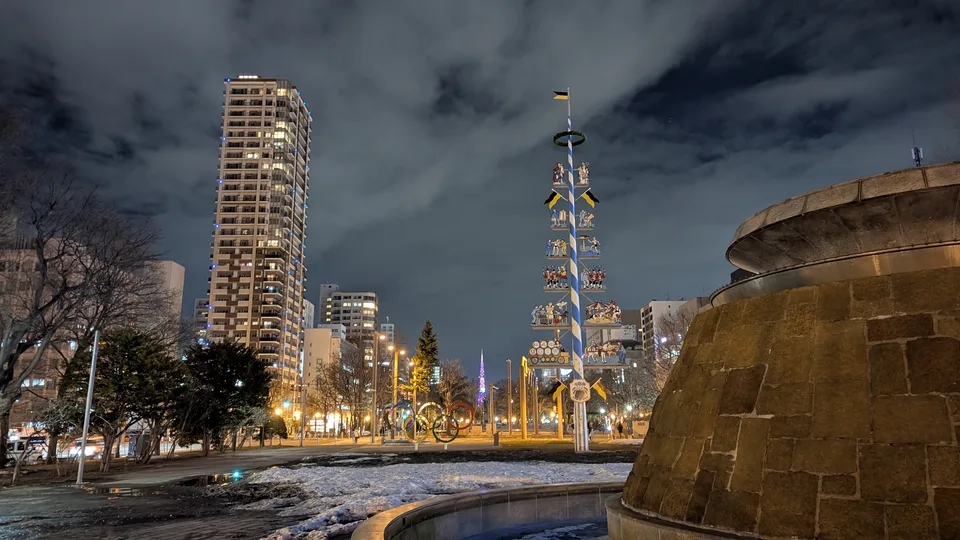
Odori Park runs east to west through central Sapporo for approximately 1.5 kilometres across twelve blocks. Its origins as a firebreak help explain why this broad open strip is so closely woven into the surrounding streets. It is a useful place to understand the city before moving between individual attractions.
Choose a stretch rather than feeling obliged to walk its whole length. In warmer weather, benches and planted areas give a central sightseeing day some breathing room. In winter, allow for the actual cleared route and conditions underfoot; the same map distance can require more care.
The park hosts major seasonal events, but the experience changes between them. Check current event information if specific stalls, sculptures or illuminations matter. An ordinary weekday walk and a festival visit are different activities, even when the photographs use the same landmark skyline.
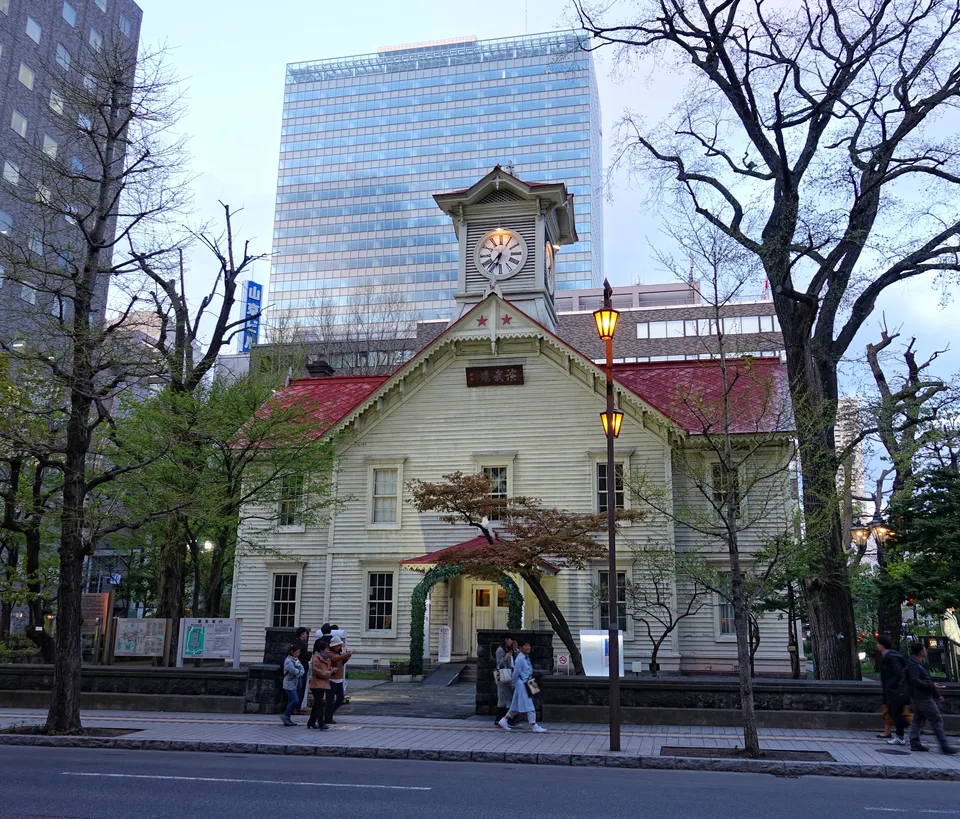
Go inside the Clock Tower
The Clock Tower makes more sense as a historic building than as a large monument. The operator's historical and visitor information explains that the former Sapporo Agricultural College drill hall dates from 1878, while the clock installation followed in 1881. Its scale against surrounding office buildings is part of the appeal.
Ordinary adult admission is ¥350. Regular opening is 08:45–17:10, with entry closing at 17:00; the published New Year closure is 1–3 January. Special openings and concessions appear in current notices. In particular, occasional free-entry days should not be mistaken for the everyday price.
Make it a short, attentive indoor stop within the central walk. Read the displays and look at how the building was used, rather than arriving only for an exterior photograph. Check access arrangements in advance if winter approaches or steps would affect the visit.
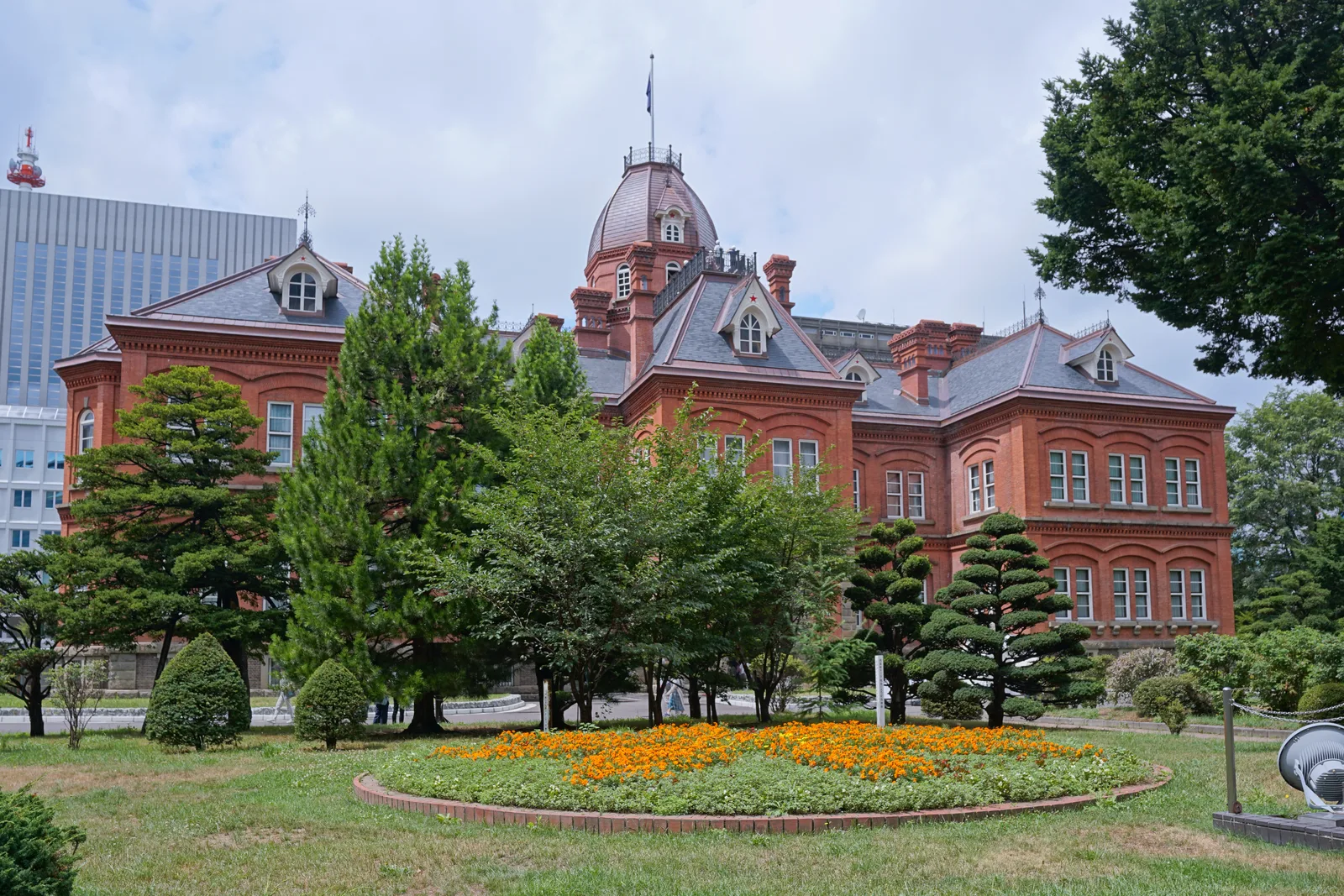
Revisit the Red Brick Government Office after renovation
The Former Hokkaido Government Office, commonly called the Red Brick Building, reopened on 25 July 2025 after a major renovation. Older advice describing a long closure or universally free entry no longer gives a reliable basis for planning.
The current operator's visitor page lists ordinary adult admission at ¥300, opening from 08:45 to 21:00 and last entry at 20:30. Exhibitions cover Hokkaido's history, heritage and Ainu culture. The octagonal dome tour has a separate charge and reservation requirement; standard entry does not imply access to every experience.
Visitors needing assistance are directed to the basement-level south entrance slope and intercom. There is no private-car parking. Check the latest closure notices: the English page still displays a dated 2025 inspection day, which should not be repeated as a confirmed annual closure for 2026.
Choose a viewpoint on a clear evening
Sapporo TV Tower gives an elevated view along Odori Park and across the central street pattern. It is a sensible optional stop when visibility is good, particularly after first seeing the park from ground level. Cloud, reflections and poor weather can change the value of a night-time visit.
The tower's current admission page lists ¥1,200 for an ordinary adult visitor. The ¥800 price requires proof of Sapporo residence. Standard hours are 09:00–22:00, with last observation-deck entry at 21:50; the published calendar includes closure on 11 November 2026 and 1 January 2027.
If visiting both the tower and Clock Tower, compare their current combined ticket before buying separately. Decide whether the itinerary genuinely includes both. A discount is useful only when it fits the trip, and it does not remove closure dates or the need to check visibility.
Give Moerenuma Park enough time and daylight
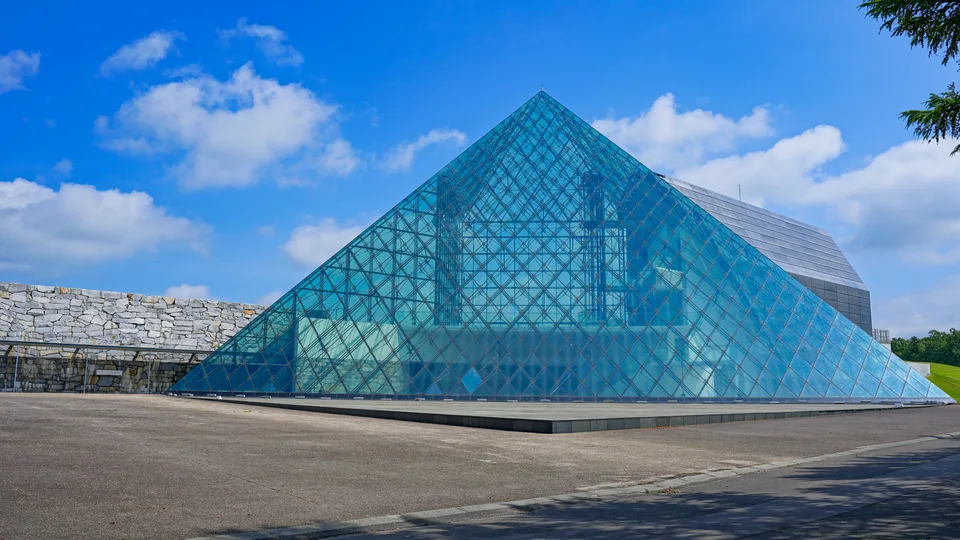
Moerenuma Park is a different kind of outing from the central gardens. Isamu Noguchi's overall design brings hills, geometric forms, play spaces and the Glass Pyramid into a large landscape created on a former waste-disposal site. Go for the relationship between the features, rather than one quick photograph at the entrance.
Entry to the grounds is free, but individual facilities keep separate calendars. The Glass Pyramid's seasonal schedule shortens in winter and has Monday closures, with a different pattern during the warmer months. Confirm it if indoor shelter is important to the visit.
Plan the bus connection and return before setting off; the west entrance closes during snowfall. Water features are seasonal and weather-dependent. The operator currently warns that night fountain shows are suspended during trial operation, so photographs of illuminated performances should not be treated as a promise of the current programme.
Use Nijo Market for a specific meal
Nijo Fish Market is a central place to see seafood retail and compare prepared dishes such as sushi, rice bowls and grilled fish. Its location near the Sosei River makes it easier to combine with the central sights than a distant market excursion.
First decide whether the aim is breakfast, a substantial seafood meal or shopping. Check portions and the total price, especially for premium items sold by weight or offered as an addition. A market setting does not establish that every meal is inexpensive or every product suits the journey home.
Individual sellers and restaurants have their own schedules. Confirm the opening of a business that matters rather than applying a single time to the whole area. If buying food for travel, ask about packaging and storage, then check the rules of the country where it will be imported.
Eat beyond the photograph of a ramen bowl
Sapporo-style miso ramen is a useful starting point: miso-based broth, noodles and toppings provide a warm, substantial meal. Recipes differ, and the city's reputation does not make every shop interchangeable. Compare the ingredients, portion and ordering process before joining a queue on reputation alone.
Soup curry offers another local introduction, with substantial vegetable pieces, spices and a comparatively light broth. Stocks can use meat, seafood or vegetables, so a bowl full of vegetables is not automatically vegetarian. Ask about the broth as well as visible toppings.
For allergies and dietary restrictions, prepare a clear translated explanation and confirm it with staff. Butter, meat stock, seafood and sauces can matter even when absent from a menu photograph.
Understand the New Chitose Airport connection
New Chitose Airport serves the wider region and is outside central Sapporo. The JR Hokkaido airport service page lists the Sapporo fare at ¥1,230 before any reserved-seat supplement. Train types have different stopping patterns; think in terms of roughly forty minutes on the train, then add station walking, waiting and the final hotel journey.
The railway's boarding guidance distinguishes non-reserved accommodation from the reserved car. A standard fare does not guarantee a seat. Compatible transport IC cards can simplify ordinary travel, while a reserved seat requires the appropriate additional ticket.
Allow generous airport-return time during winter disruption. Check the operator's live information before leaving, and confirm the route appropriate to the flight's terminal. A late train does not necessarily wait for delayed aircraft; plan an alternative if the scheduled connection leaves little margin after immigration or baggage collection.
Pay for the transport you will actually use
Sapporo's subway has three lines, all connecting at Odori. The transport bureau's current fare table lists adult subway journeys at ¥210–380 and the streetcar at ¥230. The streetcar serves a loop southwest of the central core; it is useful for selected journeys rather than a replacement for the whole subway network.
The official ticket guide lists a subway-only day pass at ¥830 and the ¥520 Donichika ticket for weekends, national holidays and 29 December–3 January. These cover the subway, not the airport railway, every bus or the streetcar. Published purchase arrangements require cash for these passes.
Use Ekibus Navi to compare complete routes. Compatible cards such as Suica and Kitaca work on the municipal systems listed by the bureau. Do not assume the locally issued SAPICA card has identical coverage on every railway simply because other IC cards are accepted.
Keep central sightseeing independent of a car
A rental car is not an automatic requirement for this itinerary. The centre's walking routes and public transport let visitors avoid collecting a vehicle merely to leave it parked. Compare a hire against the specific excursion planned, including parking, insurance, fuel and return arrangements.
Winter changes the decision materially. A confident driver in a warm climate may have little experience of ice, reduced visibility and snow clearance. Ask the rental operator about the vehicle, permitted driving documents and equipment before paying. Leave room to change an outing when conditions deteriorate.
For a household considering relocation, test the commute using the transport actually available at working hours. A convenient weekend drive does not establish a reliable daily journey. Check the cleared route from the front door to the station, along with alternatives when weather interrupts surface transport.
Choose a season for a particular experience
The tourism board's winter planning guide describes a long snow season, with snow generally increasing from late December and continuing into March. It recommends layers and footwear with substantial tread. These are practical distinctions, not simply advice about the appearance of holiday photographs.
Choose winter for a deliberate snow-focused visit, with suitable clothing, flexible journeys and time indoors. Do not assume that a short walk on the summer map will be equally quick on an icy pavement. Families and travellers with limited mobility should make the last stretch to accommodation part of the booking decision.
Warmer seasons make parks and outdoor walking easier to combine. Check the current forecast and facility calendar rather than relying on a fixed flowering or foliage date. If travelling for the Snow Festival or illuminations, use the event organiser's announced dates and allow for accommodation demand around the programme.
Build a budget from verified components
Useful adult price anchors are ¥350 for the Clock Tower, ¥300 for standard Red Brick admission and ¥1,200 for the TV Tower at the ordinary visitor rate. That makes ¥1,850 if bought individually, before any applicable combined ticket or concession. Odori and Moerenuma provide time outdoors without a basic entry charge.
For transport, four separate minimum-fare subway journeys would cost ¥840, making the ¥830 subway pass a small saving on that particular pattern. Two such rides cost ¥420, less than either adult day-pass price. Calculate the actual route before assuming unlimited travel is cheaper.
Accommodation, meals, shopping and excursions remain separate. Price the room for the dates and people travelling, then add the airport connection and any optional experiences. Reserve money for winter clothing or disrupted plans rather than publishing a single city-wide daily figure that conceals those differences.
A three-day itinerary with room for weather
Day one: begin at the Red Brick Government Office, continue to the Clock Tower and walk part of Odori Park. If visibility is good, add the TV Tower. Finish around Tanukikoji and choose dinner in the central area, keeping the arrival day lighter if the flight is late.
Day two: make Moerenuma the main outing, checking the bus and Glass Pyramid calendar first. Return for an unhurried meal. In poor weather, replace the park with indoor interpretation and shopping rather than trying to force the original plan through snow or rain.
Day three: visit Nijo for the meal or shopping experience wanted, then choose a cultural or hot-spring excursion. Pirka Kotan needs its own travel allowance. Jozankei is another possibility, but combining every peripheral stop is unnecessary. Keep the flight-home day conservative, especially when a weather disruption would have consequences for onward travel.
Consider Jozankei and Otaru without crowding the stay
Jozankei is a hot-spring area within Sapporo's large municipality, rather than another central neighbourhood. The tourist association's transport guide distinguishes direct bus travel from routes involving a change at Makomanai. Check the exact boarding point, booking requirements and return service before selecting a bath or overnight stay.
For a hotel visit, confirm day-use hours, bathing rules and whether the desired facilities are included. A room booking, a meal booking and admission to a bath are different products. Ask the property directly about private bathing or other individual requirements.
Otaru is a separate city accessible by JR, including some airport-line services. It can provide a different base for part of a longer trip. Compare an overnight stay with the return journey rather than assuming that every Hokkaido destination makes an equally straightforward day trip from Sapporo.
Choose a home for February as well as summer
Start relocation decisions with the workplace or institution, then compare homes along a realistic commute. Check heating, insulation, ventilation and storage for boots and coats. Ask who clears snow around entrances and parking, and how the cost is handled. Visit the actual building rather than choosing from an appealing summer street photograph.
The official foreign-resident housing guide explains monthly rent in advance and possible additional management or shared-area fees. It also links to registered organisations that help foreign residents find housing. Publicly subsidised homes have eligibility conditions and vacancies; they are not an automatic option for every newcomer.
Request a written breakdown of upfront charges, renewal and termination terms before paying. Confirm the arrangements for utilities and the heating system. A low advertised rent can be less useful than a more suitable home near the journey the household must make every day.
Arrange registration, healthcare and household routines
The resident-registration guidance requires applicable residents to report their address to the ward office within fourteen days of living in Sapporo. Short-term tourism and resident registration are different situations. Ask the employer or institution which documents apply before making a long housing commitment.
The medical-insurance explanation distinguishes employee coverage from National Health Insurance and the separate arrangements for older residents. Eligible residents should confirm their route and contributions with the employer or ward office; holiday visitors should arrange appropriate travel cover instead of assuming access to resident insurance.
Use the foreign-resident Help Desk for questions about utilities, waste separation, language support and local services. Establish routine medical arrangements before prescriptions are needed. Emergency numbers are 119 for ambulance or fire and 110 for police. Keep the household's address available in Japanese for deliveries, appointments and emergencies.
Separate a visit from permission to live and work
Japan's official short-stay exemption table depends on nationality and passport conditions. Stay periods vary; a universal ninety-day entitlement would be incorrect. Check the Japanese mission responsible for the application when a visa is required, and use current official instructions for the traveller's circumstances.
The residence-status guidance explains that activities must stay within the permission granted. Tourism does not provide unrestricted employment rights; study and work require the appropriate arrangements, and students seeking paid work may need additional permission. Permanent residence requires a separate application, not simply a decision to remain.
Use VisaWand's Japan guide and Japan destination page alongside official resources. The existing Fukuoka city guide provides another urban option to compare. Browse the Japan location directory for other places and consultant listings when individual plans require advice.
Official planning resources
Reviewed 15 October 2026. Use the official resources linked throughout this guide for admission, transport, housing and immigration decisions. Prices, services and rules can change; confirm the details relevant to your dates. Photography illustrates the locations and is not a live view.
View all official resources
- Sapporo tourism: city districts
- Sapporo tourism: the earlier Otomo canal
- Sapporo Pirka Kotan: Ainu culture
- Red Brick Government Office: visiting information
- Sapporo City: Red Brick reopening notice
- Sapporo Clock Tower: admissions and current notices
- Sapporo TV Tower: prices and opening calendar
- Odori Park: landscape and seasonal events
- Moerenuma Park: official visitor guide
- Moerenuma Glass Pyramid: seasonal hours
- JR Hokkaido: airport train fares and reserved seats
- JR Hokkaido: airport boarding guidance
- Sapporo transport bureau: current fares
- Sapporo transport bureau: passes and compatible IC cards
- Sapporo Ekibus Navi: official route planner
- Sapporo tourism: winter planning
- Sapporo tourism: miso ramen
- Sapporo tourism: soup curry
- Sapporo tourism: Tanukikoji shopping
- Sapporo tourism: Nijo Fish Market
- Jozankei Tourist Association: transport
- Sapporo Help Desk: housing, utilities and winter life
- Sapporo Help Desk: resident registration
- Sapporo Help Desk: medical insurance
- Japan MOFA: short-stay visa exemptions
- Sapporo Help Desk: residence status and work permission
Plan the next part of your journey
Explore the Japan guide, browse other cities or compare consultants for your travel and relocation questions.