Visa
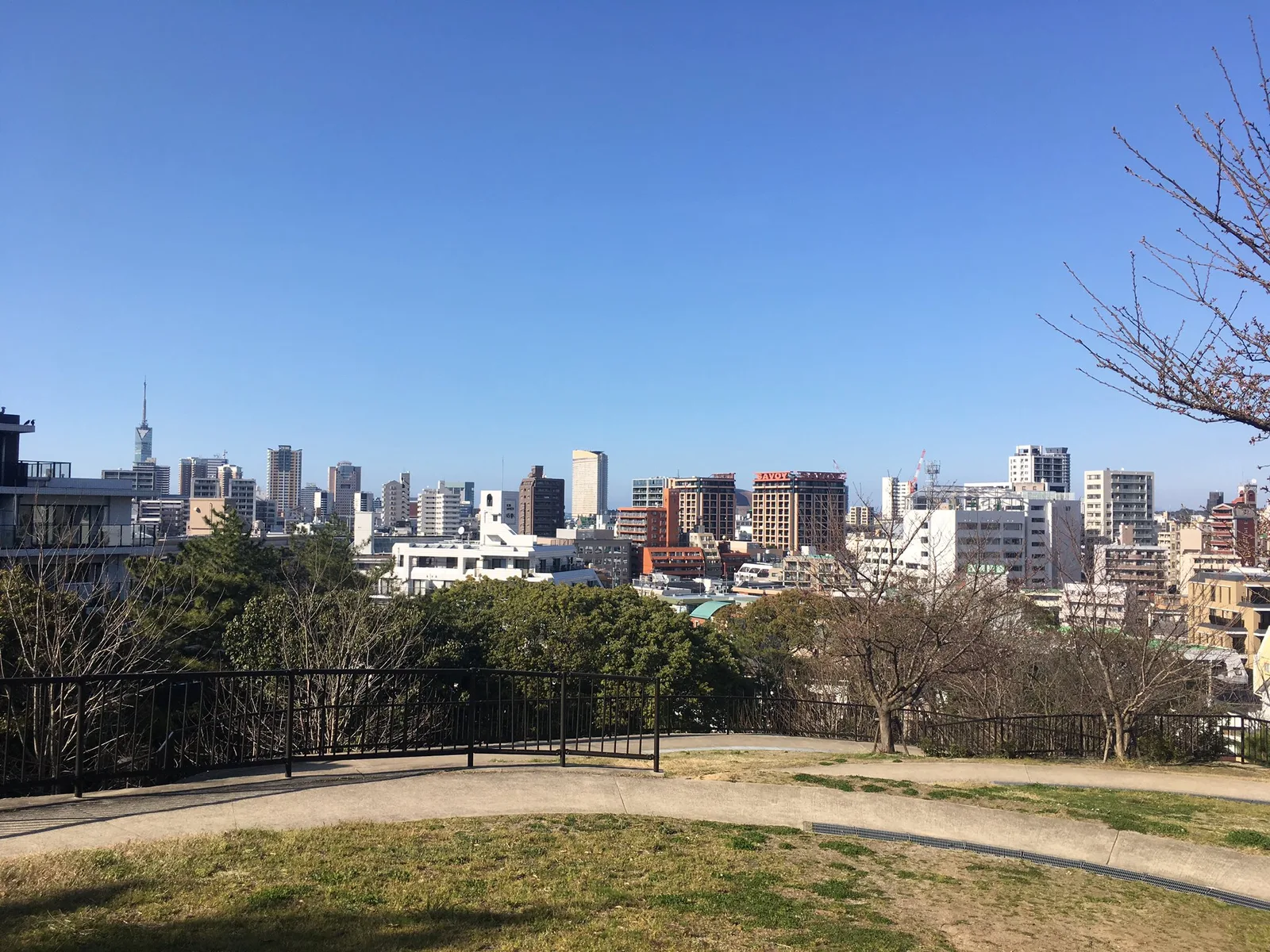
A city break with room for ordinary pleasures
Fukuoka rewards a visit organised around neighbourhoods and meals rather than a race between monuments. On northern Kyushu, the city brings together a busy rail gateway, an older merchant district, substantial shopping streets and parks within reach of the waterfront. A morning among temple grounds can lead naturally to a bowl of noodles, an afternoon by the lake and an evening at a small food stall.
Give the city three nights if you want a first introduction without treating arrival and departure as sightseeing days. Stay longer for a separate excursion or to assess everyday life. For prospective residents, the useful questions concern commuting, housing and services as much as restaurants. Fukuoka city and Fukuoka prefecture are different geographical scales: a regional attraction is not necessarily nearby.
Understand the two names before choosing a base
Hakata is part of present-day Fukuoka, not a separate destination requiring another intercity journey. Its name survives prominently at the principal railway station and in food, crafts and festivals. The Japan National Tourism Organization’s Hakata introduction explains the relationship between the historic merchant town and the castle town of Fukuoka. Those different origins remain helpful when reading the city’s geography.
Use Hakata Station as an arrival reference, and Tenjin as another major centre for shopping and transport. Do not assume an address described as “Fukuoka” lies within walking distance of either. Check the actual station, street and entrance before booking.
Hakata Old Town deserves an unhurried walk
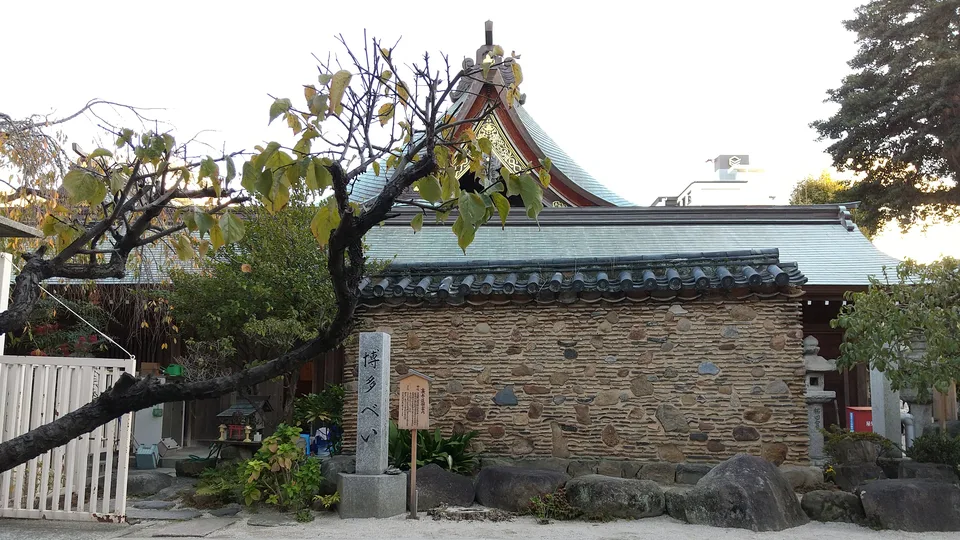
The city’s shrine and temple walking route provides a grounded way to explore Hakata Old Town. Shofukuji was established in 1195 by Eisai; Jotenji dates to 1242. Tochoji’s large wooden seated Buddha offers another substantial stop. Choose a few places and allow time to understand their setting rather than treating each entrance as a photograph to collect.
Kushida Shrine and the surrounding Kawabata area can extend the outing towards shops and the river. These are religious places within a working city. Follow signs about access, photography and shoes, and leave worshippers space. A quiet courtyard does not imply permission to enter every building. Carry the names in Japanese as well as English, and plan a seated break if your route links several temple grounds.
Tenjin, Daimyo and the streets around them
Tenjin suits travellers who want department stores, restaurants and an evening programme close together. The official neighbourhood guide identifies Daimyo, Kego and Imaizumi as useful surrounding areas to explore. Browse a manageable group of streets instead of expecting one continuous pedestrian shopping precinct. Check crossings and the route back to your accommodation, particularly after dinner.
For a hotel here, compare the nearest subway entrance with the entrance you will actually use with luggage. Tenjin and Nishitetsu Fukuoka (Tenjin) are related transport landmarks, but the station name alone does not describe the whole walk. If nightlife matters less than sleep, ask whether the room overlooks a busy evening street. A convenient district can contain very different individual hotel settings.
Ohori Park and the castle landscape
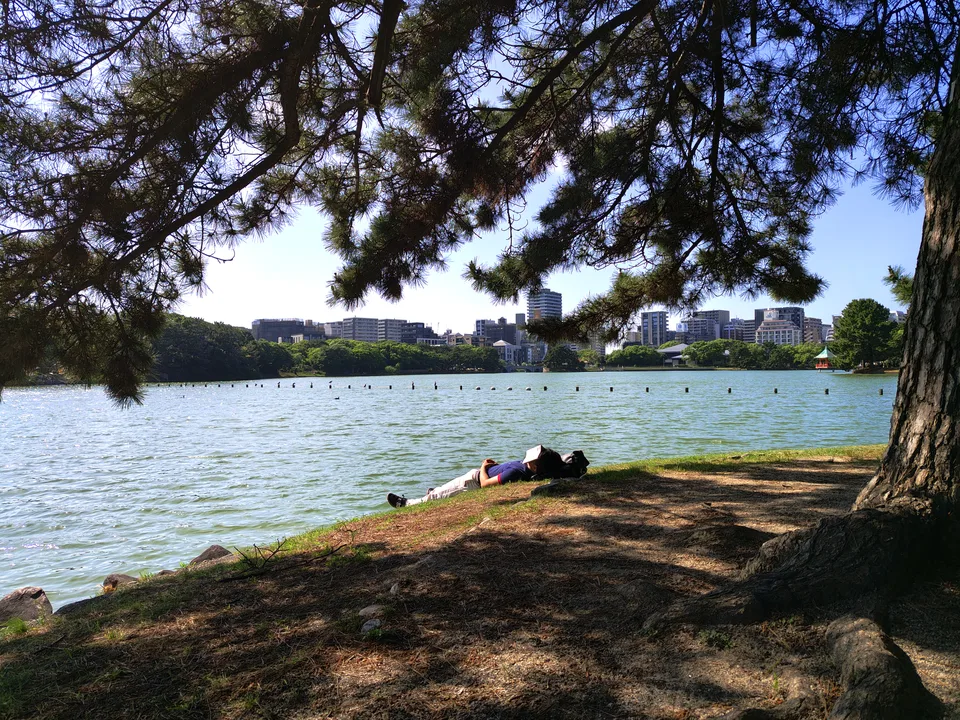
Ohori Park provides a different pace: water, paths and space to pause between indoor visits. The city’s Ohori area itinerary connects the park with neighbouring Maizuru Park, the Fukuoka Castle ruins and cultural institutions. Plan it as a substantial outing with optional stops. Do not arrive expecting an intact castle keep with fully furnished historic rooms.
Choose a lakeside walk first, then decide how much climbing or museum time suits the group. Castle remains and changing ground levels require different footwear and stamina from a flat shopping corridor. In warm weather, leave room for shade and drinks. Travellers considering a move can use the same outing to inspect nearby grocery shops, street crossings and station access rather than judging the neighbourhood only from the park.
Make the art museum a deliberate choice
The Fukuoka Art Museum’s visitor information currently lists adult admission to its collection exhibition at ¥200. Special exhibitions have separate prices, so the inexpensive collection ticket should not be read as access to every show. Check what is on during your dates and choose accordingly. A museum visit can be a worthwhile part of the park day rather than merely an emergency response to rain.
Mondays are normally closed, with holiday-related exceptions. Confirm the calendar before fixing the order of your itinerary, and check the final admission time for the exhibition you want. Collections rotate, so an artist’s presence in the institution’s holdings does not guarantee that a particular painting will be displayed. Follow the photography rules posted for each gallery.
Momochi offers a waterfront contrast
Seaside Momochi gives an urban visit a coastal change of scene. Combine a walk with Fukuoka Tower if the weather and visibility justify the trip. The tower’s current admission page lists ¥1,000 for adults of high-school age and above, ¥500 for elementary and junior-high pupils, and ¥200 for younger children aged four or over. Check the applicable category when buying.
Its published hours are 9:30am to 10pm, with last admission normally at 9:30pm; crowds can bring that cutoff forward. The visitor FAQ also explains wheelchair access via the lifts. Discuss particular needs with staff rather than assuming the whole surrounding route is equally accessible. A cloudy afternoon may suit a shore walk better than a paid panoramic view; keep the choice flexible.
Check the museum notice rather than an old closure date
Fukuoka City Museum has an evolving renovation programme. At this review, its official renewal notice withdraws the previously proposed main-building closure timetable and says the schedule is being reconsidered following the cancelled tender. An old reference to an October 2026–March 2029 closure is therefore not a dependable statement of current access.
Check the museum’s latest opening and exhibition information before travelling specifically for it. Construction can affect approaches and outdoor space even when an institution remains open. This matters particularly when combining the museum with a waterfront visit or planning an accessible route. Keep the art museum and city museum distinct in bookings and directions: they are different institutions, with different collections, locations and operating arrangements.
Choose accommodation around your actual journeys
Hakata Station is a practical starting point for rail arrivals and repeated onward trips. Tenjin suits a stay centred on shopping and evening meals. Around Ohori, compare the attraction of park access with the additional journeys your daily programme requires. A coastal property can suit a slower holiday, but calculate the return route before booking it for an intensive city break.
The official accommodation overview describes business hotels, larger hotels, inns, hostels and capsule accommodation. Use those categories to identify priorities rather than infer quality. Compare room dimensions, bathroom arrangements, non-smoking availability, luggage storage and cancellation terms. For families, verify the actual beds and child charges. For an extended stay, ask about laundry and cooking facilities rather than assuming they accompany a residential-looking room.
The airport terminal changes the transfer
Fukuoka Airport’s proximity to the urban centre is useful, but the terminal distinction matters. The airport’s subway access page shows the direct station connection at the domestic terminal. International passengers need an additional transfer; the free terminal shuttle connects the international and domestic sides. Include walking, waiting and luggage handling when comparing options.
The often-quoted short train ride to Hakata does not describe the complete journey from an international arrival gate to a hotel room. Check your flight’s terminal, the last workable connection and the route from the destination station. With bulky luggage, several travellers or specific mobility needs, compare a direct taxi or other confirmed transfer. Keep the accommodation address available offline and in Japanese for the final approach.
Use the subway pass for the travel it covers
The city subway’s ticket information currently lists its one-day pass at ¥640 for adults and ¥320 for children. It covers the three municipal subway lines, with validity on the purchase date when bought from a machine. It is not a rolling twenty-four-hour ticket. Compare it with the individual journeys you expect to make before buying automatically.
The pass should not be assumed to cover separate JR trains, Nishitetsu trains or buses. An interoperable IC card makes payment easier but does not make every ride free or place every operator in one fare system. Plan a route using the current network, including the Nanakuma Line connection to Hakata. For a short stay, grouping attractions geographically often saves more effort than repeatedly crossing the city to maximise a pass.
Arriving by rail and continuing through Kyushu
Hakata Station is the main rail gateway identified in the city’s arrival guidance. It is a useful base for a wider Kyushu journey, but distinguish intercity rail tickets and passes from local subway travel. Check your train, seat arrangements and luggage conditions with the actual operator. Leave enough transfer time to find the platform rather than relying on the shortest connection a booking tool offers.
For onward travel, compare the full journey: hotel checkout, station approach, departure time and arrival transfer. A regional excursion can be straightforward without being a sensible addition to a late arrival day. If considering an international ferry, verify the current sailing directly before making dependent bookings; old route descriptions are not proof that a particular service still operates.
Make a yatai evening a small shared experience
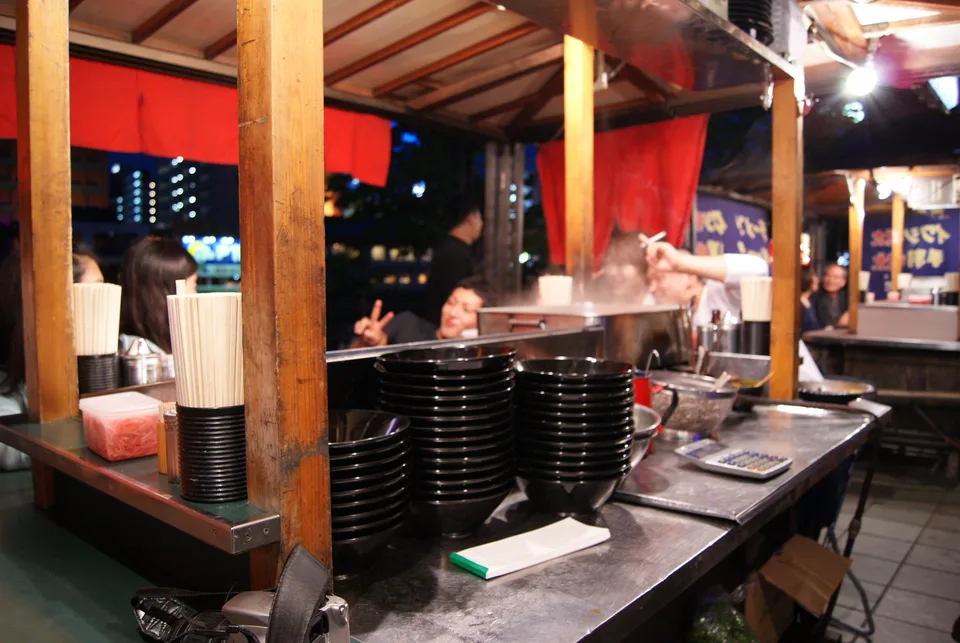
Yatai are compact food stalls, and their appeal lies partly in the close setting around the counter. The city’s yatai guidance is a better starting point than an undated list promising that every stall opens nightly. Weather and the operator’s arrangements affect opening. Have another dinner option nearby so a closed stall does not derail the evening.
Read the menu and prices before ordering, and ask about unfamiliar dishes or any additional charge. Small stalls work better for a few diners than for a large party expecting to sit together. Order considerately, keep luggage out of the way and leave seats available when finished. Photographing a lively counter should not take priority over the comfort of the people working and eating there.
Explore the food beyond one bowl of ramen
Tonkotsu ramen is an obvious introduction, but the national tourism board’s Fukuoka overview also highlights mentaiko and motsunabe. Mentaiko is seasoned pollock roe; motsunabe is an offal hotpot. Understanding those ingredients helps you order intentionally. Ask about the broth and sauces as well as visible toppings if you avoid pork, seafood or particular allergens.
Balance one destination meal with uncomplicated options close to your hotel. For a restaurant that matters to your trip, confirm reservations, opening days and the cancellation policy directly. Do not assume English-language booking support or that a set menu can accommodate every substitution. Carry a clear dietary explanation in Japanese where needed. A food stall, a noodle shop and a longer shared hotpot meal serve different purposes within the same visit.
Shop for things you can identify and use
Tenjin’s commercial area and Hakata’s station surroundings make shopping easy to combine with other plans. Set a purpose before spending an afternoon indoors: clothing, everyday supplies, food gifts or craftwork. The regional tourism overview identifies Hakata weaving and dolls among the area’s traditions. Ask where an item was made and how it should be cared for rather than relying on a decorative label alone.
For food souvenirs, check ingredients, storage requirements and your destination’s import rules. A chilled product that looks convenient in a station shop may be unsuitable for the rest of your journey. Keep receipts and suitable packing for fragile work. Visitors assessing a move should also compare ordinary groceries and household goods, since souvenir shops offer little evidence about everyday spending.
Build a budget from verified components
Start with accommodation for your actual dates and room configuration, then add airport transfers and the trips your itinerary requires. For a concrete sightseeing example, an adult subway day pass, the art museum’s collection admission and Fukuoka Tower’s standard adult ticket total ¥1,840 at the published prices reviewed here. That is an illustration, not a complete daily budget: food, lodging and other transport remain additional.
Avoid treating an advertised starting room rate as the price for a weekend or festival stay. Compare the final booking total, including any applicable local charges, and check whether breakfast changes the value. Keep accessible payment options for smaller purchases. A flexible allowance for a taxi, changed plan or extra meal is more useful than an implausibly precise promise about what every traveller spends.
Match the season to the walking you want
The Japan Meteorological Agency’s 1991–2020 climate normals give Fukuoka a January monthly mean of 6.9°C and an August mean of 28.4°C. These are historical averages, not daytime highs or a forecast. June and July are relatively wet, with normal monthly precipitation of about 250 and 299 millimetres respectively. Build in alternatives when outdoor time dominates the itinerary.
Spring and autumn can suit extended walking, but flowering and foliage dates vary. In summer, start substantial walks earlier and allow a proper indoor break. Winter still needs layers, particularly by the water. Before a coastal outing or onward journey, check current forecasts and transport notices. A climate table cannot tell you whether a particular day will bring heavy rain, strong winds or disrupted services.
Day one: settle in and explore Hakata
After arrival, leave time to reach the hotel, store luggage and eat before deciding how much sightseeing remains comfortable. If you arrive early, explore a selected part of Hakata Old Town and continue towards Kushida Shrine and Kawabata. Keep the route shorter after a long flight. Religious sites may close before your evening meal, so do not postpone every visit until late afternoon.
Use dinner to begin exploring the local food rather than adding an ambitious cross-city reservation. Confirm the next day’s museum calendar and decide whether you need a subway pass. With only an evening available, a neighbourhood walk and straightforward meal are a useful start; the temples can move to another morning without weakening the trip.
Day two: park, art and a contrasting evening
Give Ohori Park and the castle landscape the morning, choosing the amount of walking to match the weather. Add the art museum if its exhibitions interest you and it is open. Stop for lunch before deciding whether to spend the afternoon around Tenjin or continue towards Momochi. Attempting both at length can turn a pleasant day into repeated transfers.
For the evening, try a yatai if conditions and available seating suit your group, or choose a restaurant. Keep the final journey home in mind when ordering another course. Travellers with limited mobility should confirm the detailed route between station exits, park entrances and venues, since a short distance on a map can still involve stairs or an inconvenient crossing.
Day three: choose Dazaifu or more city time
For an excursion, Dazaifu Tenmangu introduces a shrine associated with learning, culture and the arts in a separate city. Its official access directions describe travelling from Nishitetsu Fukuoka (Tenjin) via Nishitetsu-Futsukaichi to the Dazaifu Line. JR Futsukaichi is a different station. Check the current service rather than treating the similar names as interchangeable.
Consult the shrine’s temporary-hall update and current visitor notices before planning around photographs of its recent construction period. Alternatively, remain in Fukuoka for the waterfront, shopping or places postponed earlier. On a departure day, keep the programme conservative and calculate the airport journey from the correct terminal. An excursion works best with enough time to linger and return without a tight flight connection.
Housing decisions begin with the weekday commute
For a move, rent temporary accommodation first if possible and inspect prospective neighbourhoods at the hours you will actually travel. Compare door-to-door journeys to work or study, including the station approach, transfers and late return. A pleasant weekend walk around Ohori does not establish how well an address serves a campus or workplace elsewhere.
Ask a housing agent for a written breakdown of initial and recurring costs, deposit conditions, guarantor requirements, insurance, renewal arrangements and notice periods. Inspect storage, ventilation, noise, internet provision and the appliances included. Have unfamiliar contract language explained before signing. Verify whether the particular property accepts your application circumstances; a listing’s availability is not a guarantee that a tenancy has been approved.
Learn the household arrangements at your address
The city’s Life in Fukuoka resources link a March 2026 handbook with practical local guidance. Household waste uses designated city bags, and collection days depend on the address. The handbook instructs residents to put waste out between sunset and midnight at the designated place. Ask the landlord to show you the correct point and schedule rather than copying a neighbouring building’s practice.
Arrange utilities and internet with the tenancy start date and clarify which services require a separate application. Test mobile reception inside the actual room. For a family, verify school or childcare availability, language support, routes and fees before choosing a long lease. The municipal multilingual portal is a useful route into official everyday services when a property agent cannot answer an administrative question.
Registration and healthcare need their own preparation
The city’s moving-in instructions explain submitting an address notification at the appropriate ward office. Required documents depend on where you are moving from and your household circumstances; residence documents and translated proof of family relationships may be relevant. Confirm the current checklist with the office before attending, particularly when several family members are registering together.
Use the resident handbook to identify medical-language support and discuss health-insurance arrangements with your employer or the ward office as appropriate. Confirm how a clinic handles appointments, prescriptions and payment before routine care is needed. Keep your address and insurance information accessible. Holiday travel insurance and the arrangements required for a residential stay should be assessed separately, especially when ongoing treatment or medication is involved.
Separate a visit from permission to work or remain
Japan’s official short-stay exemption table varies by nationality, passport and conditions. Do not assume everyone receives ninety days or that visa-free entry is available for your circumstances. Check the relevant embassy or consulate instructions and the period actually granted. An arrival procedure or accommodation booking does not establish permission for employment.
For work, study or family residence, use the Immigration Services Agency’s residence-status resources and confirm the appropriate category and activity restrictions. A rental agreement or property purchase does not confer permanent residence. Start with VisaWand’s Japan country guide and compare consultant listings when specialist help is useful, while retaining official authorities as the source for applications and eligibility. Decide the legal basis of a move before making a residential commitment.
Keep the wider journey realistic
Dazaifu is a focused nearby alternative to another city day. Elsewhere in Kyushu, choose onward destinations by travel time and interest rather than assuming the entire region is one sightseeing zone. For a broader Japan itinerary, compare Tokyo’s city page and Osaka’s city page, allowing for the substantial additional journey rather than presenting either as a local excursion.
The Japan location directory and Japan destination page can help organise further research and consultation options. Save the airport, subway, attraction and immigration links relevant to your own plans. Recheck opening arrangements and tickets shortly before departure. Fukuoka works particularly well when its neighbourhoods have time to breathe: enough structure to travel confidently, and enough space to change the afternoon when weather, appetite or energy suggests it.
Official planning resources
Reviewed 15 October 2026. Use the official resources linked throughout this guide for admission, transport, housing and immigration decisions. Prices, services and rules can change; confirm the details relevant to your dates. Photography illustrates the locations and is not a live view.
View all official resources
- JNTO: Hakata history and character
- Fukuoka City: neighbourhood guide
- Fukuoka City: Hakata shrine and temple walk
- Fukuoka City: Ohori Park and castle area
- Fukuoka Art Museum: admission and opening information
- Fukuoka Tower: current prices and opening times
- Fukuoka Tower: visitor and accessibility questions
- Fukuoka City Museum: revised renovation notice
- Fukuoka City: accommodation choices
- Fukuoka Airport: subway connections
- Fukuoka Airport: free terminal shuttle
- Fukuoka City Subway: day tickets and IC cards
- Fukuoka City: arrival gateways
- Fukuoka City: yatai food-stall guidance
- JNTO: Fukuoka regional food and onward ideas
- Japan Meteorological Agency: climate normals
- Dazaifu Tenmangu: official shrine information
- Dazaifu Tenmangu: rail and bus access
- Dazaifu Tenmangu: temporary hall update
- Japan Ministry of Foreign Affairs: short-stay visa exemptions
- Immigration Services Agency: residence-status applications
- Fukuoka City: registering a move
- Fukuoka City: Life in Fukuoka handbook
- Life in Fukuoka: March 2026 resident handbook (PDF)
- Fukuoka City: multilingual official services
Plan the next part of your journey
Explore the Japan guide, browse other cities or compare consultants for your travel and relocation questions.