Visa
A mountain destination with several different centres
Nikkō combines an unusually rich religious landscape with lakes, forests and hot springs. Its appeal is easy to understand; its geography needs a little more care. A hotel described as being in Nikkō might suit a temple visit, a lakeside retreat or a remote bathing holiday, with quite different journeys between them. Choose the experience first, then the address.
For an introduction, allow two or three full days rather than treating every district as an extra stop on a Tokyo day trip. A shorter visit can still work if it concentrates on the central shrines and temples. Adding the higher country calls for another day, appropriate clothing and some flexibility about weather.
The official area overview distinguishes central Nikkō, Okunikkō, Kinugawa-Kawaji Onsen, Imaichi, Ashio and the more secluded hot-spring districts. VisaWand’s Japan country guide provides the national context; this guide focuses on making those local choices useful, whether you are visiting or considering a longer stay.
Understand the sacred landscape before collecting sights
The UNESCO account of Nikkō’s shrines and temples identifies 103 religious buildings across two Shinto shrines, Tōshōgū and Futarasan-jinja, and the Buddhist Rinnō-ji temple. Inscribed in 1999, the property is in Tochigi Prefecture in the northern Kantō region. Its heritage designation concerns a defined historic landscape, rather than every place within today’s municipality.
Religious building here began in the eighth century, while many surviving structures date from the seventeenth. The Tokugawa shoguns are central to the story, but so is the relationship between architecture and the wooded mountain slopes. Looking at how approaches, gates and trees frame each building makes the visit more rewarding than simply identifying the most photographed carving.
These remain places of worship. Follow instructions at each entrance, leave room for ceremonies and observe local photography restrictions. A public path, a shrine precinct and a ticketed interior can have different rules. Allow time for steps and uneven surfaces, and confirm the particular accessible route you need before purchasing admissions.
Give Tōshōgū enough time and buy the intended ticket
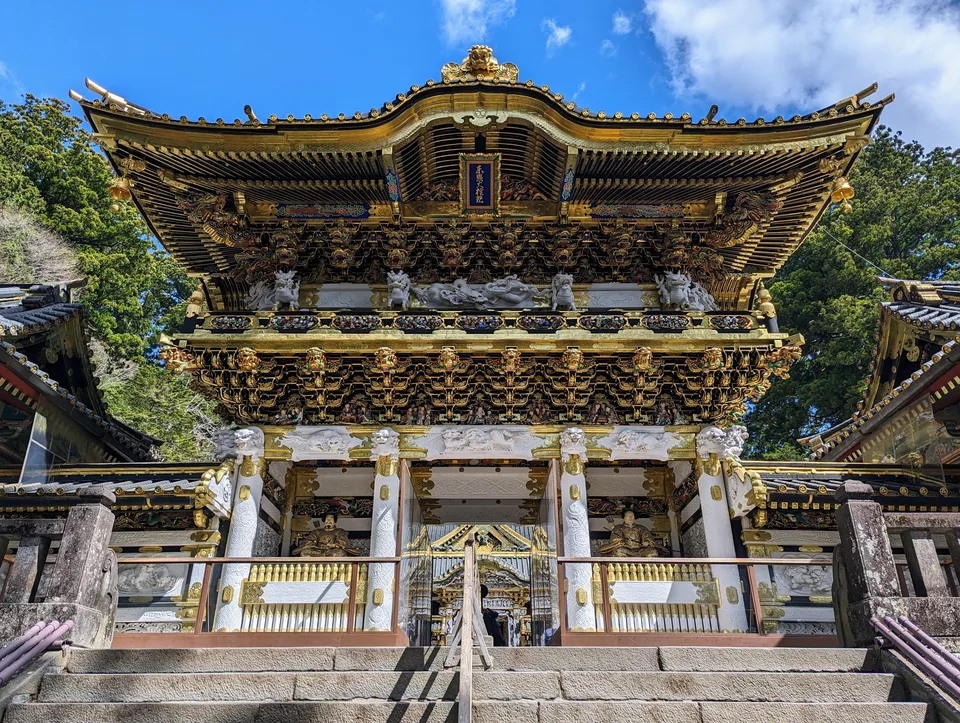
Tōshōgū is the obvious major commitment for a first visit. Its decorative richness rewards a slower pace: pause at the gate, look upwards and notice how carving, colour and metalwork change as you move through the precinct. Leave space in the schedule for queues and the time it takes to absorb a busy historic site.
The shrine’s official admission page lists the individual shrine ticket at ¥1,600 for adults and high-school students, and ¥550 for elementary and junior-high pupils. A shrine-and-treasure-museum combination is a different product, listed at ¥2,400 for adults. Decide whether you want the museum before comparing prices from sellers.
Published shrine hours are 9:00–17:00 from April through October and 9:00–16:00 from November through March, with reception ending 30 minutes before closing. Ceremonies, repairs and other events can restrict parts of the route. Check the date’s notices rather than assuming that arriving shortly before the last admission provides time for a satisfying visit.
Balance the elaborate shrine with Rinnō-ji
Rinnō-ji gives the heritage day another focus. Its English temple leaflet introduces Sanbutsudō, the Hall of the Three Buddhas, and Taiyūin, the mausoleum of Tokugawa Iemitsu, the third shogun. They are separate places within a larger temple complex, so choose a route rather than expecting one entrance to reveal everything.
The temple’s current visiting information lists individual adult admissions of ¥400 for Sanbutsudō and ¥550 for Taiyūin, alongside combination products. Its two-site ticket has an earlier sales cutoff than the general closing time. A wider ticket also includes the treasure hall and Shōyōen garden, with specified purchasing channels.
Opening is generally 8:00–17:00 from April through October and 8:00–16:00 from November through March; reception normally finishes 30 minutes earlier. Events can interrupt admission, and the treasure hall and garden close periodically for exhibition changes. Read the current calendar before paying for a combination whose components you may be unable to use. If time is short, one attentive visit is preferable to hurriedly entering every available building.
Use Shinkyō as a starting point rather than a shortcut
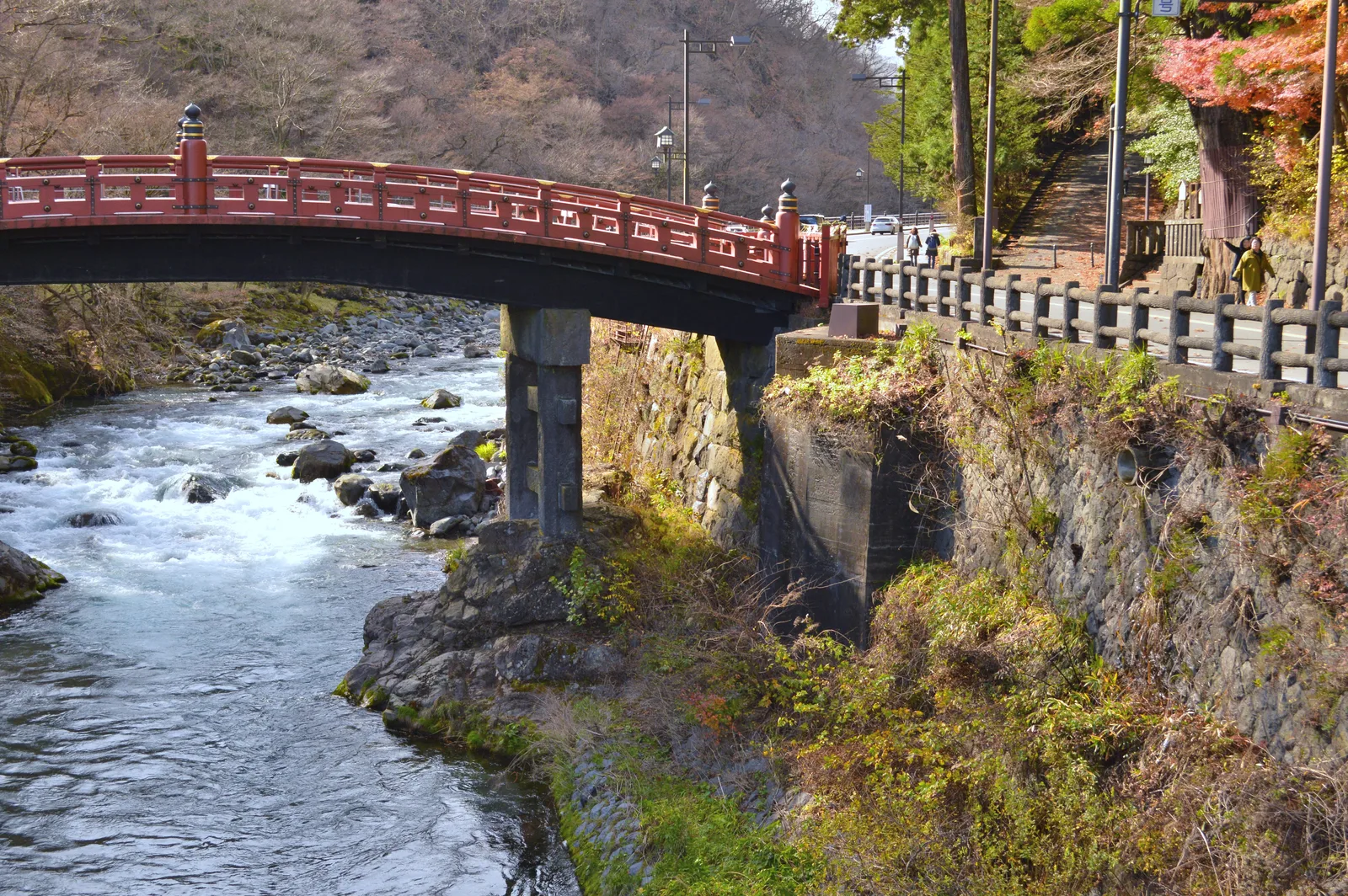
The vermilion bridge across the Daiya River provides a strong visual introduction to central Nikkō. The official Shinkyō Bridge information explains its connection with Futarasan-jinja and distinguishes the bridge-crossing ticket from simply viewing the structure. The published crossing charge is ¥300, with cash required at the counter.
Treat the bridge as a place to pause before continuing towards the religious sites. Photograph from a safe public position and keep the circulation space clear. The river, road and wooded hillside belong to the same setting, but they do not make every nearby surface a pedestrian route.
For anyone travelling with luggage, make the storage decision before beginning the sightseeing walk. Confirm locker availability or ask the accommodation about holding bags; neither an empty locker nor an early room is guaranteed. A lighter bag makes the steps and changes of level easier. Finish with enough time to reach the correct station, particularly when the return train has reserved seats.
Choose a base around the journeys you will actually make
For a first heritage-focused stay, compare addresses near the railway stations with those nearer Shinkyō and the shrine approaches. The first choice simplifies arrival and departure; the second may shorten a sightseeing walk. Check the individual property’s entrance, slope and nearest usable bus stop rather than judging convenience from its district label.
Okunikkō suits a trip whose main purpose is the lake, mountain scenery and walking. Staying there can reduce repeated journeys up from central Nikkō, but makes the final connection to your accommodation important. Kinugawa Onsen offers a different kind of base, particularly if bathing and time at the accommodation are central to the holiday.
The tourism association’s introduction for first-time visitors describes both traditional ryokan and Western-style hotels. Compare the actual room and meal plan: bedding, private or shared bathroom, dinner arrangements and check-in deadline all affect the experience. With a ryokan, an included evening meal is part of the schedule. Tell the property about dietary and access needs before committing, and obtain its response in writing.
Plan a separate day for Lake Chūzenji and Kegon Falls
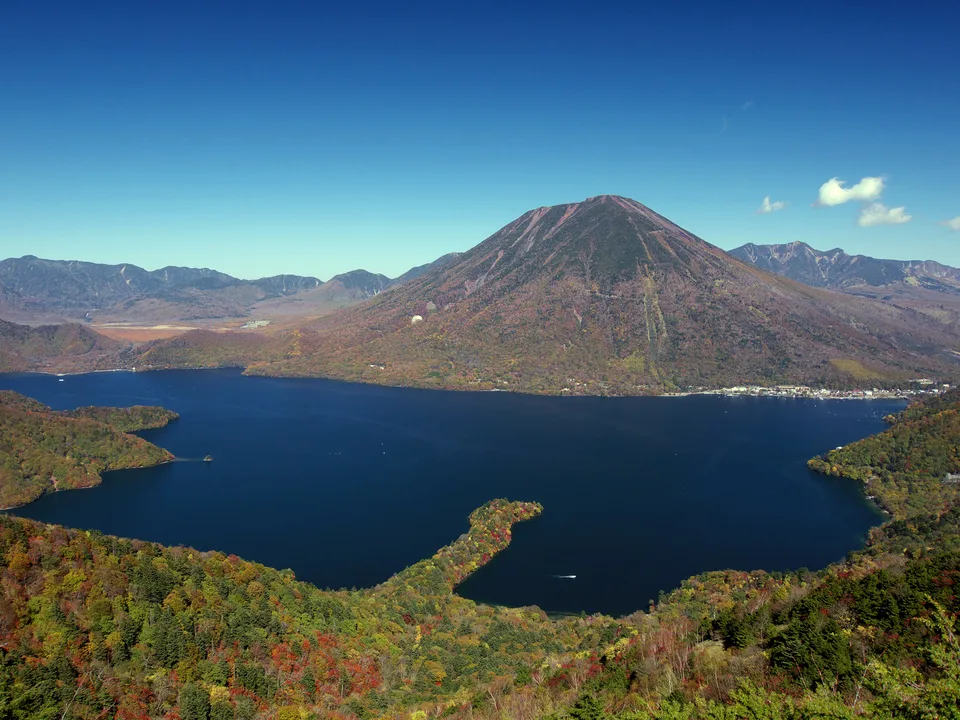
Lake Chūzenji lies at an altitude of 1,269 metres, beneath Mount Nantai. The volcanic landscape and the history of foreign-owned summer villas give the area a character distinct from the central heritage precinct. A lakeside outing deserves time to sit, walk a selected stretch and watch the weather change the view.
Do not mistake the lake’s scale for a small ornamental circuit. The tourism association describes a 25-kilometre perimeter hiking trail. Choose a manageable section and its return journey rather than setting off around the shore without a plan.
Nearby, JNTO’s Kegon Falls information describes the 97-metre cascade fed by the lake. There is an upper viewing area and a lower observatory reached by a paid elevator. Compare the visibility and current access before deciding on the extra admission. Mist, water conditions and seasonal weather affect the experience; a photograph does not establish what the falls will look like on your date. Keep the rest of the day flexible enough to enjoy either place without chasing a sequence of viewpoints.
Walk in Okunikkō with current conditions in mind
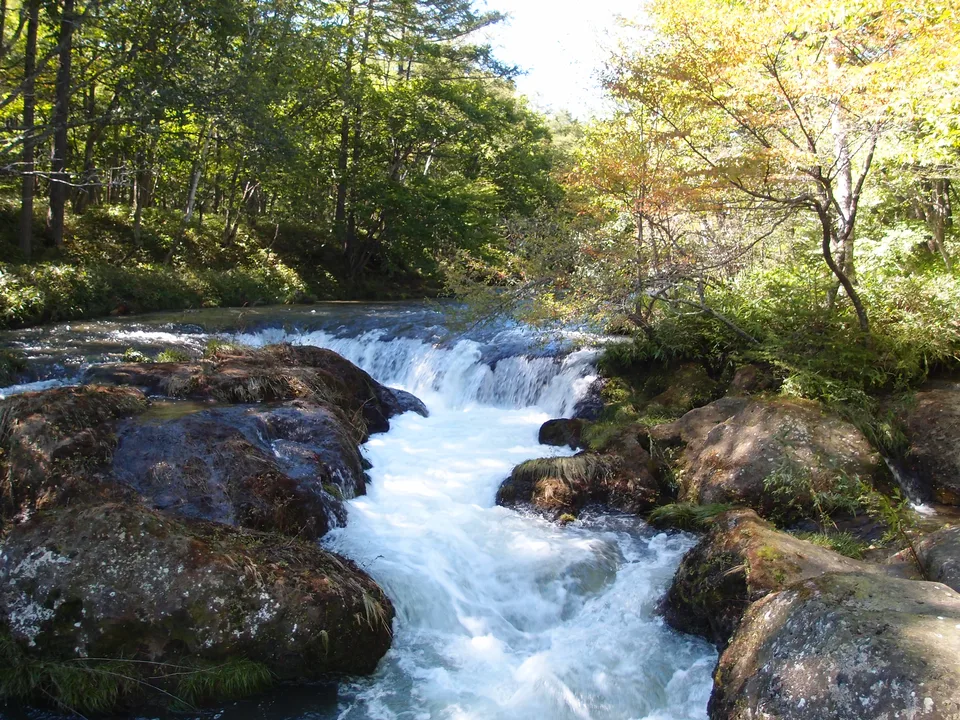
Senjōgahara’s official visitor introduction places the marshland plateau around 1,400 metres above sea level and describes an introductory nature-trail outing of about two hours. That is a planning indication for a suitable route and conditions, rather than a promise that every walker can complete any circuit in that time.
The Nikkō Yumoto Visitor Center provides information about local plants, wildlife and hiking courses. Consult its current advice before choosing a trail, especially when snow, damaged paths or poor weather may change the options. The centre itself keeps seasonal opening hours, so check those before relying on an in-person stop.
The Forestry Agency’s Odashiro and Lake Yunoko guidance warns about bears and slippery winter footpaths. Prepare for the route, carry suitable layers and keep food and rubbish under control. A gentle summer boardwalk description should not be used as evidence of an easy winter walk. Set a turnaround time that preserves daylight and the return connection, and choose a shorter outing when conditions are uncertain.
Leave the closed Akechidaira Ropeway out of the itinerary
Older Nikkō itineraries often include a ropeway stop between the town and the lake. The current Akechidaira closure notice says the service stopped on 16 January 2026 for a major renewal, with reopening planned around September 2027. Construction schedules can change; verify a confirmed reopening before including it in a later trip.
For a visit during the closure, give that time to the lake, the falls or a route that is actually operating. Do not buy a transport product chiefly because an old description mentions a ropeway discount. A listed benefit is not evidence that the attraction is currently available.
This is also a useful reason to keep the day’s booking commitments modest. Mountain scenery cannot be scheduled as precisely as a train seat, and replacing one unavailable attraction with several rushed stops rarely improves the visit. Choose a clear priority and keep a workable return plan.
Reach Nikkō through the right Tokyo departure station
The Tobu Railway access guide shows the main Asakusa route and through services from Shinjuku or Ikebukuro. Direct limited-express travel from Asakusa is approximately two hours, depending on the service. Some journeys involve changing at Shimo-Imaichi; check the actual train and destination when reserving.
JR provides another approach via Utsunomiya and the Nikkō Line, as described in the official regional transport overview. Compare the complete journey from your Tokyo accommodation and any rail pass you already hold. The quickest-looking train segment may not produce the simplest door-to-door trip.
For international arrivals, Tobu’s airport-to-Asakusa directions describe the Keisei Sky Access approach from Narita and the Keikyu/Toei approach from Haneda. Allow separately for immigration, baggage, walking between railway facilities and the onward Tobu departure. Check a date-specific journey before booking a tight connection. After a late flight, an overnight Tokyo stay may be more practical than trying to reach a mountain accommodation after its reception or dinner service has finished.
Match the transport pass to the map
The NIKKO PASS world heritage area is listed at ¥3,000 for adults and ¥1,500 for children, valid for two days. It includes one return journey between Asakusa and Shimo-Imaichi, plus the specified local railway and heritage-area bus zones. Limited-express supplements and shrine or temple admissions are separate. It is not a general ticket for every mountain journey.
The NIKKO PASS all area is listed at ¥8,000 for adults and ¥4,000 for children for four days. Its wider coverage includes specified transport around Okunikkō, with seasonal inclusions such as the Lake Chūzenji sightseeing cruise. Check the coverage map and operating calendar rather than assuming that every listed experience runs throughout the pass’s validity.
Compare the total for your actual route, including supplements and admissions. Tobu states that the pass is for foreign travellers, with accompanying Japanese nationals also eligible. Confirm purchase and collection arrangements before leaving Tokyo. The Asakusa-based pass does not automatically cover a different departure route simply because the train eventually reaches Nikkō.
Use the seasonal bus timetable rather than an assumed frequency
Tobu Bus’s Nikkō route page is the practical starting point for journeys beyond the stations. The linked 2026 English summer timetable applies from 1 April to 30 November. Routes and boarding points differ, and a seasonal timetable should not be carried forward into a winter visit without checking its replacement.
Find both the outward and return services before beginning the day. Note the stop name and number, which direction you need, and whether the bus reaches your intended destination or terminates earlier. Allow a margin between the return bus and a reserved train, particularly during busy foliage periods.
Walking remains useful within the central sightseeing area, but it does not connect the whole municipality on a practical holiday schedule. A taxi or rental car can help with dispersed addresses; compare the full cost and availability first. If driving, confirm the requirements for your licence, parking at the accommodation and appropriate arrangements for winter roads. Transport convenience should be assessed for the season in which you will actually travel.
Eat locally, and make an evening meal plan
Nikkō’s official food and souvenir introduction highlights soba, yuba and local sweets. Yuba is the skin lifted from heated soy milk; the local explanation of the ingredient describes it served in several forms, including dishes with noodles. Try it as part of a meal rather than expecting every preparation to taste or feel the same.
Soy-based ingredients do not establish that the whole dish is vegetarian, vegan or free of allergens. Ask about broth, sauces and accompaniments, using written dietary information where a language gap could matter. Confirm any special meal with a ryokan before arrival.
The tourism association’s practical questions warn that many restaurants open only during the day. Plan dinner before returning late from the lake or a walk. Check whether your room rate includes meals and whether there is an arrival deadline. Carry some yen for cash-only businesses, and keep a modest reserve for a changed transport plan. A cheap room can become a poor saving if it repeatedly requires expensive late connections.
For a workable budget, separate the room, meals, long-distance travel, local journeys and admissions. A heritage day using the adult shrine ticket and Rinnō-ji’s two-site combination would mean ¥2,500 in those admissions alone, before food or transport. That is an example built from the listed products, not an all-inclusive daily allowance. Price accommodation for your actual dates and party size. Check whether a displayed ryokan rate is per person or per room, and ask about any additional charges before comparing it with a room-only hotel.
Choose the season for the area, not just the city name
The official practical information stresses that conditions can differ substantially between central Nikkō and higher districts. Spring and autumn need layers for cold mornings and evenings; even summer outings in Okunikkō can call for outerwear. Winter requires proper protection from the cold and footwear suited to snow and ice.
Autumn colour is a major draw, but its timing varies across the municipality. The visitor questions give a broad pattern of earlier colour in Okunikkō and later colour around the central heritage area. Treat these as approximate seasonal windows, then consult current reports. Peak colour and a clear view cannot be guaranteed for a particular booking.
Build a wet-weather alternative into a longer stay. A museum, a quieter meal or a confirmed craft session can be more satisfying than a mountain journey made solely because it was pencilled into a plan. Book accommodation early for popular dates, while checking the cancellation terms that determine how much flexibility you retain.
Spend three days with one main purpose each
On the first full day, concentrate on the heritage area. Choose Tōshōgū as the main visit, then add a Rinnō-ji component if time and energy allow. Include Shinkyō as part of the approach or return rather than turning every stop into a fixed appointment. Leave time for lunch and a comfortable journey back to the accommodation.
On day two, make the higher lake district the priority. Select a lakeside stretch and a visit to the falls, with any further activity dependent on weather and transport. Keep the return connection visible in the plan. This is deliberately a separate day rather than an afternoon squeezed after several religious sites.
Use day three for a suitable nature walk or a slower local experience. The Woodcarving Village Craft Center introduction describes guided carving activities; confirm the session, reservation requirements and duration with the centre. A shorter visit can omit this third day. Add further nights for an onsen retreat instead of assuming it will fit effortlessly between sightseeing and departure.
Assess housing through an ordinary week
A longer stay needs a different test from a holiday. Start with the workplace or school, the required arrival time and the services your household uses regularly. Compare actual addresses around Imaichi, central Nikkō or another relevant district rather than choosing a municipality-wide label and assuming the commute will follow.
Walk the final connection from the station or bus stop and check the last usable service. Identify groceries, a pharmacy and healthcare options before agreeing to a home. For a family, establish school arrangements directly with the municipality and the relevant institution; proximity to an attractive visitor area says little about the daily routine.
The national housing ministry’s rental-support page provides multilingual checklists and sample documents. Its linked English apartment-search guide explains deposits, agency charges and other potential initial payments. Request an itemised quotation, including any guarantee, insurance and management costs. Inspect heating, insulation, ventilation and the condition of the property. Record existing damage, understand termination and renewal terms, and compare the total household cost rather than rent alone.
Establish services and immigration status separately
Use Nikkō’s foreign-resident information for local announcements and contacts, and the municipal waste and recycling pages for the correct sorting and collection arrangements. Ask which utilities need new accounts and whether the property has the connection you require. Test mobile reception and confirm internet installation rather than relying on tourist Wi-Fi for work or study.
The city’s National Health Insurance information explains arrangements for relevant foreign residents who are not covered through employment. Confirm the scheme applicable to your circumstances; visitor travel cover and resident insurance are different questions. The Immigration Services Agency’s new-resident guidance says new mid-to-long-term residents must register their address with the municipality within 14 days of establishing it.
For entry and permitted activities, begin with Japan’s official visa information and the Japanese mission responsible for your residence. Tourism does not authorise remunerated work. Employment, study and permanent relocation require their own assessment, including the appropriate status and any additional permissions. Compare VisaWand’s Japan destination and consultant listings and consultant directory if professional help would be useful.
Decide what another destination would add
For a wider trip, compare VisaWand’s Tokyo city guide with Kamakura’s city guide. They offer different contexts for a Japan itinerary; allow proper transfer time rather than treating another destination as a spare evening. The Japan location directory provides further pages, whose content and purpose should be assessed individually.
Within Nikkō, another district may be a better addition than another city. A stay centred on hot springs, industrial history or a slower lakeside pace can justify extra nights when it matches your interests. Choose fewer bases if packing and transfers would consume the time you hoped to spend enjoying them.
Official planning resources
Reviewed 16 October 2026. Use the official resources linked throughout this guide for admission, transport, housing and immigration decisions. Prices, services and rules can change; confirm the details relevant to your dates. Photography illustrates the locations and is not a live view.
View all official resources
- areas
- UNESCO: Shrines and Temples of Nikko
- Nikko Toshogu admission
- Rinnoji English leaflet
- Rinnoji visiting information
- Shinkyo Bridge visitor information
- firstvisit
- Lake Chuzenji visitor information
- JNTO: Kegon Falls
- Senjogahara Plateau
- Nikko Yumoto Visitor Center
- Forestry Agency: Odashiro and Lake Yunoko
- Akechidaira closure notice
- Tobu Railway: Tokyo to Nikko
- gettingaround
- Tobu Railway: airport connections to Asakusa
- worldheritagepass
- allareapass
- Tobu Bus Nikko routes and notices
- Tobu Bus 2026 summer timetable
- Nikko food and souvenirs
- Yuba
- Nikko visitor questions
- Nikko practical and seasonal information
- Nikko Woodcarving Village Craft Center
- MLIT rental housing support for foreign nationals
- MLIT English apartment-search guide
- Nikko information for foreign residents
- Nikko municipal waste and recycling
- Nikko National Health Insurance
- Immigration Services Agency new-resident guidance
- Japan Ministry of Foreign Affairs visa information
Plan the next part of your journey
Explore the Japan guide, browse other cities or compare consultants for your travel and relocation questions.