Visa
A port city best explored at two different speeds
Kobe rewards a trip that makes room for both its waterfront and its hills. Around the harbour, the city opens into promenades, shopping complexes and views across the water. Behind the central streets, the ground rises towards Kitano’s historic houses and the mountains. Further north, Arima Onsen offers an entirely different stay built around hot baths and traditional inns. These places belong to the same city, but they do not fit comfortably into one hurried afternoon.
For a first visit, plan two nights if you want a central walking day and a separate mountain or spa outing. A day trip can cover the harbour and downtown; it becomes less satisfying when you add several distant attractions simply because they appear on the same map. People considering a move should use the visit to test a weekday journey as well as the sightseeing circuit. Start with the official Kobe area guide to understand the city’s different districts, then use VisaWand’s Japan country guide for the broader national context.
Trade, foreign residences and the work of rebuilding
Kobe’s international character has a specific history. The port opened to foreign trade in 1868, connecting the city to overseas commerce and new communities. The surviving residences in Kitano and the commercial streets closer to the waterfront make that history visible, although they represent different parts of the city’s development. Kobe is more interesting when these buildings are read as evidence of trade and settlement rather than treated simply as attractive backdrops.
The Great Hanshin-Awaji Earthquake on 17 January 1995 brought devastating damage, including to port infrastructure. Reconstruction is essential to understanding the contemporary city. Kobe Customs’ account of the port’s history provides a useful foundation without requiring a long museum visit. Leave time for the earthquake memorial institution if you want to understand the human consequences and recovery in greater depth. Together, the trading history and the experience of rebuilding explain why an itinerary here benefits from more than a tower photograph and a steak reservation.
Choose your base by the journeys you will actually make
Sannomiya is a practical starting point for a first stay because central transport decisions can be organised around it. Motomachi suits a trip focused on downtown wandering and the waterfront. Compare the actual station entrance and hotel address before booking: a property described as central may still involve a tiring final walk with luggage. Travellers with limited mobility should check that route in detail rather than relying on the district name.
Shin-Kobe deserves separate consideration for a short stay organised around a shinkansen arrival or departure. The tourism board’s Shin-Kobe guide connects the station with nearby waterfalls, the herb-garden ropeway and Kitano. Those options involve different amounts of walking and climbing. A waterfront hotel may offer the setting you want for a relaxed evening, while adding transfers to other plans. Arima is better assessed as a spa stay in its own right. Compare the cost and inconvenience of returning to downtown each day before choosing it as a general city base.
Give the waterfront an unhurried half day
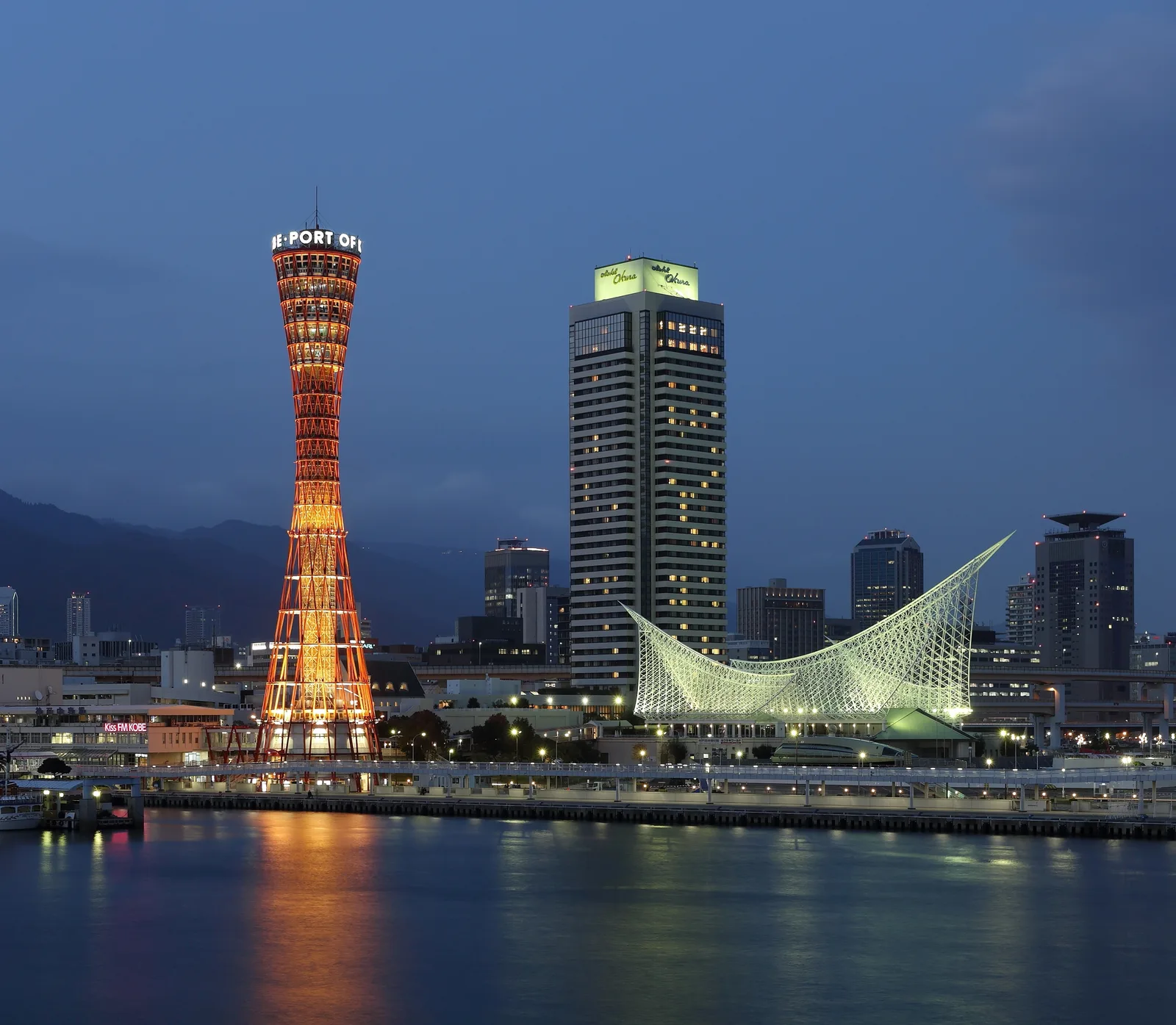
Meriken Park and Harborland provide an easy way into Kobe’s maritime setting. Walk first, decide which indoor attraction matters to you, and leave room to sit beside the water. The skyline and harbour are part of the experience even when you do not buy a sightseeing ticket. Shopping and dining can extend the outing, but they should not become obligations that crowd out the simple pleasure of following the waterfront.
Kobe Port Tower requires more planning. The tower’s official ticket page lists adult observation admission at ¥1,000, or ¥1,200 including the rooftop deck. General admission uses a specified date and time; same-day availability depends on unsold slots. The low-rise area can be entered without an observation ticket. The rooftop involves stairs and excludes wheelchair access, and weather can close it. Choose the ticket for the experience you can use, rather than assuming every part of the building has the same access. Sunset timing and a confirmed reservation matter more than arriving with a packed list of nearby stops.
Kitano: choose a few interiors, then enjoy the streets
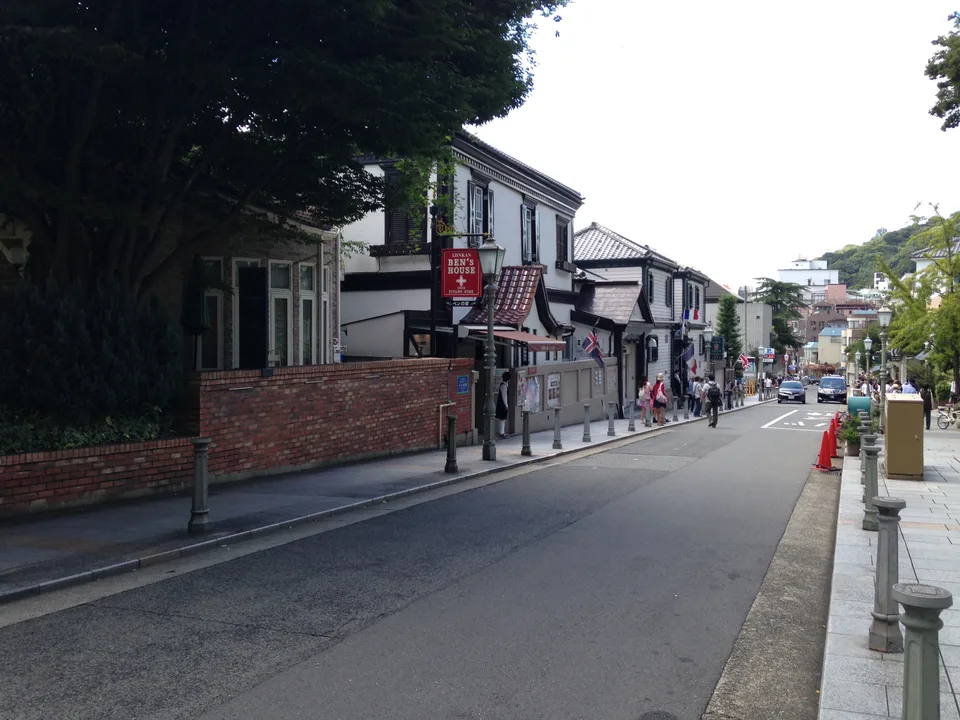
Kitano’s preserved Western-style residences recall the foreign community that developed after the port opened. The district works well as a selective visit: identify one or two interiors that interest you, check their individual opening arrangements, and allow time for the streets between them. A combined ticket is only useful if its included properties match your interests and the time you have available.
The attraction is not limited to entering buildings. Looking at the houses in their hillside setting helps explain how this part of Kobe differs from the commercial centre below. Comfortable shoes matter, and a downhill return may be a better choice after a long morning. Do not assume a route that looks short on a map is level or step free. If historic houses are a main reason for visiting, ask about stairs, accessible entrances and any rooms excluded from admission before paying. This is also a sensible district in which to pause for a café break instead of adding another interior simply to complete a collection.
Nunobiki: distinguish the garden visit from a forest walk
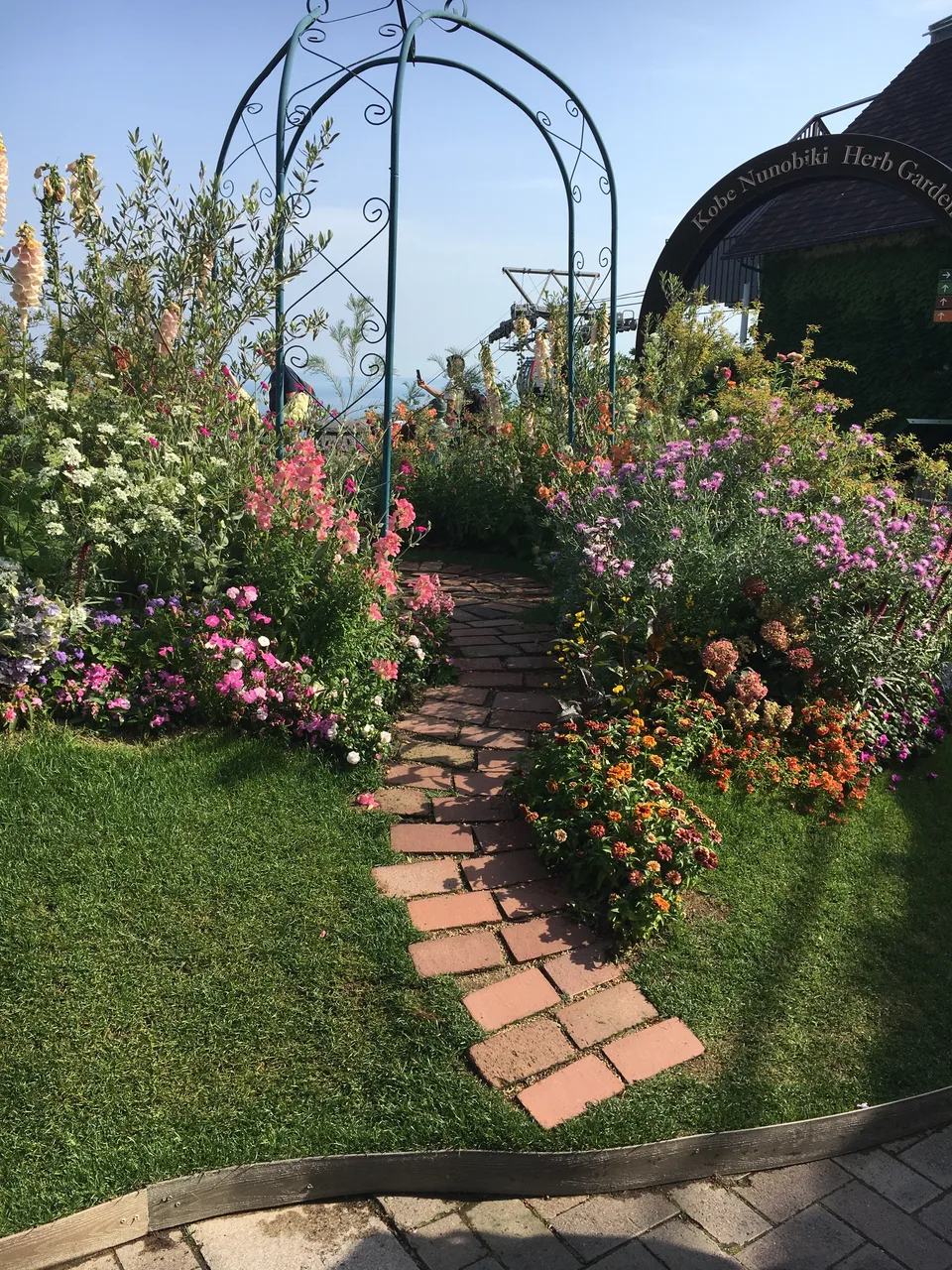
The herb gardens and the waterfalls are separate outings, even though both are associated with Shin-Kobe. A ropeway journey offers a way to reach the gardens; a waterfall visit involves walking. Decide which experience suits the weather, your footwear and your available time. Neither should be treated as a guaranteed quick stop immediately before a reserved train departure.
The herb gardens’ current operating and fare information lists a daytime adult round trip at ¥2,500, with a ¥1,250 youth fare for elementary and junior-high pupils. Special Christmas-season rates apply from early November to 25 December, so the standard price is not a quote for every visit. Autumn weekday opening is shorter than weekend and holiday opening. Evening access also differs from a full daytime garden visit. Maintenance closure is scheduled for 23 January–12 February 2027, and wind or thunder can interrupt operation. Check the date-specific arrangements before making the gardens the centrepiece of a day. If walking to the falls instead, leave a comfortable return margin and turn back when conditions no longer suit the route.
Mountain views need a return plan
Mount Maya and Mount Rokko are reasons to spend longer in Kobe, especially if a clear-weather outlook matters more to you than another urban attraction. They require deliberate transport planning. Choose a mountain destination and work backwards from its last return service; do not string together several viewpoints on the assumption that transport operates late everywhere.
The Maya Viewline operator describes a two-stage journey using a cable car and ropeway. The combined adult return fare is ¥1,560, with ¥780 for children aged six to under twelve. Tuesday is normally the closing day, shifting to the following weekday when Tuesday is a national holiday. Hours vary by season and day, and wind can suspend service. A night-view plan therefore needs a suitable operating date as well as visibility. The operator specifically warns against missing the final queue and attempting a descent on foot at night. Arrive for the return comfortably before the deadline. If the forecast is poor, keep the mountain day flexible and spend the time on a lower-level city visit instead.
Arima Onsen works best as a change of pace
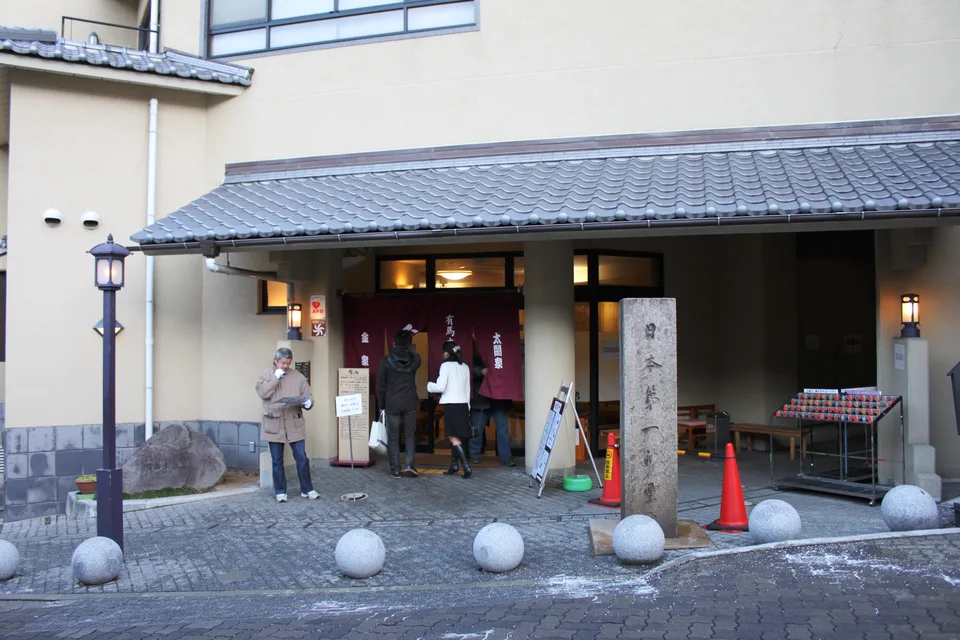
Arima lies on the northern side of Kobe’s mountain landscape. Its appeal is the combination of bathing, sloping streets and the possibility of an overnight ryokan stay. The official Arima visitor feature distinguishes the bronze-coloured, iron-and-salt-rich kinsen water from the clear ginsen springs. Choose a bath for its facilities and rules rather than making assumptions about medical benefits.
A day visit and a ryokan night involve different budgets. For the latter, establish whether dinner and breakfast are included, when you must arrive for dinner, and whether bathing facilities are shared or private. Ask about dietary requirements before booking a meal package. Public bathhouses can provide a simpler introduction without an overnight commitment. The tourism board identifies Kin no Yu and Gin no Yu as tattoo friendly, but this should not be extended to every hotel or bath in the district. Check the specific facility’s admission policy, closing day and towel arrangements. Keep the outing spacious enough for bathing and lunch; combining it with a full mountain circuit can turn a restorative day into a sequence of connections.
Learn about the earthquake beyond the anniversary
The Disaster Reduction and Human Renovation Institution explores the 1995 earthquake, the region’s recovery and ways to prepare for future disasters. It adds substance to a visit by connecting the rebuilt city with the people who experienced its destruction. Its displays and activities make it a worthwhile choice for visitors interested in urban life, public safety or modern Japanese history.
Plan it as a considered museum visit, rather than a brief diversion between unrelated sights. Families should think about how their children may respond to the subject and discuss the visit afterwards. The museum’s current admission page lists ¥650 for adult entry to both wings and ¥450 for university students; high-school pupils and younger schoolchildren enter free. Standard hours are 9:30–17:30, with admission ending at 16:30. Monday is normally closed, with a following-weekday closure after a Monday national holiday, and there is a New Year closure. An East Wing-only ticket covers a different visit. Check which ticket you are buying and consult the calendar before travelling across the city.
Eat deliberately and keep the budget transparent
Kobe beef can be a memorable meal, but the name has a defined meaning. It refers to qualifying beef from Tajima cattle in Hyogo, not every piece of wagyu served in Kobe. The tourism board’s Kobe beef feature explains the brand and different preparations, including teppanyaki, yakiniku and hotpots. Use it to decide what kind of meal you want before comparing menus.
Look at the cut, portion weight, accompaniments and final price. A small casual dish containing Kobe beef is not equivalent to a steak course, and a photograph alone does not establish what is included. Booking lunch may suit your schedule better than committing an entire evening, but compare the actual menus rather than assuming lunch is always cheaper. There is no need to make every meal a premium beef experience. Keep ordinary meals and snacks in the plan, and ask clear questions about ingredients when allergies or dietary rules matter. Shopping deserves the same discipline: choose something you want to carry home, allow for luggage space, and avoid treating every district as another compulsory buying stop.
Arriving: separate the airport names and station names
Kobe Airport, Kansai International Airport and Shin-Kobe station create different arrival journeys. Check the airport code on the booking before arranging a transfer. From Kobe Airport, the airport’s Port Liner information gives an approximately eighteen-minute ride to Sannomiya. That is the train journey, not the total time from landing to a hotel. Allow for arrival formalities, baggage and the final walk or connection.
The Bay Shuttle links Kansai and Kobe airports by sea. Its crossing is only part of the journey: terminal shuttles and onward travel still matter. The operator’s current fare page lists an adult single at ¥1,880 and explains a Port Liner combination ticket with specific sales locations. Crucially, Kobe City announced the end of overseas-visitor discount ticket sales on 30 June 2026. Older ¥500 advice should not be used for a new purchase. Compare the complete route to your accommodation, including waiting time and weather disruption, with available land transport. For rail arrivals, remember that Shin-Kobe and Kobe station are different destinations; book and navigate using the exact station name.
Getting around without buying the wrong pass
Start each day by grouping nearby places. A downtown-and-waterfront day needs a different transport solution from Arima or a mountain outing. The official local transport directory links the municipal subway and other operators, making it a useful starting point for checking the route you actually need. Keep station names and the correct exit available offline if you will arrive without a dependable data connection.
For sightseeing, the City Loop and Port Loop operator distinguishes the broader sightseeing circuit from the waterfront-focused service. The one-day loop ticket costs ¥800 for adults and ¥400 for children; the two-day version is ¥1,200 and ¥600 respectively. Both cover these two loop routes. They should not be mistaken for an unrestricted ticket on every city train, subway or airport connection. Compare the included route with your intended stops before purchasing. If most of the day is a walk and one return journey, convenience may matter more than a pass. For a longer stay, repeat the journey at the hours you expect to commute, including the last connection home.
Build a budget from the choices you make
For an adult example using the published standard prices above, one loop-bus day, observation-only tower admission, a daytime herb-garden return and both earthquake-museum wings add up to ¥4,950. This is a calculation for those four purchases, not a daily spending estimate or a bundled ticket. It excludes accommodation, meals, airport transfers and any transport outside the loop pass. It also assumes that the standard garden fare applies on your date. Replacing one attraction changes the total; there is no reason to buy everything simply because it appears in this example.
Build the rest of the budget around actual booking quotes. Record the accommodation total for the number of guests, breakfast arrangements and cancellation conditions. Add arrival and departure transport separately so that a lower room rate outside your intended area does not conceal a more expensive stay. Keep the beef meal as its own decision, with a stated menu price and portion, rather than absorbing it into an unsupported average food allowance.
For families, apply each attraction’s own age categories. A child fare on a bus is not evidence of the same age threshold at a garden or tower. For a prospective move, keep deposits and other recoverable amounts separate from non-refundable charges: both require cash at the start, but they have different effects on the long-term cost of the home. That distinction makes comparisons more useful than a single headline figure.
Pick a season, then keep one day flexible
Spring and autumn are sensible starting points for a trip built around walking. They still require a forecast check, and seasonal flowers or foliage should be treated as possibilities rather than appointments. The official autumn feature suggests gardens and mountain scenery; choose one destination instead of trying to see every seasonal display in a day.
The summer visitor guidance acknowledges Kobe’s heat and humidity. Plan longer outdoor walks earlier, build in indoor breaks and carry drinking water. A mountain or beach outing changes the setting but does not remove the need to respond to conditions. Winter may suit a city-and-onsen combination, while mountain transport and maintenance calendars need particular attention. Accommodation decisions should follow your dates and activities: compare the total price for the actual nights, cancellation terms and transport costs. Keep one movable day for the clearest forecast if a viewpoint is important. If visibility never improves, a good museum visit is a more useful replacement than travelling uphill solely because the original schedule said so.
A realistic three-day stay
On the first day, settle into your accommodation, explore downtown and continue to the waterfront. Make the tower the one timed commitment if it matters to you, leaving the rest of the walk flexible. Choose dinner after considering how much energy remains rather than booking a distant restaurant that forces another journey. This is an itinerary suggestion, not a promise that every attraction will be open on your arrival date.
Use the second day for Kitano and either the herb gardens or a waterfall walk. Avoid automatically adding all three if you prefer a slower pace or need a gentler route. On the third day, choose Arima for bathing and a different atmosphere, or a mountain excursion when services and weather support it. The earthquake museum is a strong alternative for a disrupted outdoor day, provided its calendar fits. With only one day available, keep the plan in the centre and waterfront. With four days, separate the hill and spa experiences rather than expanding every day into an endurance exercise.
Moving to Kobe: inspect the home and its everyday connections
A pleasant holiday district is only one part of a housing decision. Test the route to work or study, walk to a supermarket and identify a clinic before committing to an address. Compare homes along different railway lines and check which services stop at the nearest station. For a hillside property, consider the return walk with shopping and the practicality of the route in poor weather.
KICC’s rental guidance explains deposits, key money, guarantor arrangements, agency charges and other initial expenses. Ask for an itemised move-in total, monthly management costs and the conditions for renewal and departure. Do not compare properties using rent alone. Check whether air conditioning and cooking equipment are included and whether the flat is furnished. Take measurements before ordering appliances. Temporary accommodation can give you time to inspect homes and understand a commute, but it should be budgeted separately from a conventional lease. Resolve questions about permitted occupants, pets, subletting, cleaning and damage before signing, and record the condition of the property when you move in.
Residence, services and the permissions for a longer stay
The Kobe International Community Center’s living directory brings together resources on resident procedures, medical services, garbage disposal and language support. Use it to identify the correct office and address-specific instructions. Confirm utility arrangements, internet installation and waste collection with the landlord or managing agent. For health coverage, consult the national health insurance resources and establish which system applies to your situation rather than assuming holiday insurance fulfils a resident’s obligations. The multilingual disaster-preparation information is also relevant when choosing and settling into a home.
Tourism, paid work, study and permanent relocation are separate immigration questions. Begin with Japan’s Ministry of Foreign Affairs visa information, checking nationality, residence and the responsible diplomatic mission. Short-term visitor arrangements do not automatically authorise paid employment. The work and long-stay guidance explains the separate application routes; employment or admission to a course does not itself complete the immigration process. Use VisaWand’s Japan destination page and consultant listings for further planning, while keeping official authorities as the source of legal requirements. Compare nearby Osaka or Kyoto as alternative bases according to your actual commitments, using their location pages to orient the comparison.
Official planning resources
Reviewed 17 October 2026. Use the official resources linked throughout this guide for admission, transport, housing and immigration decisions. Prices, services and rules can change; confirm the details relevant to your dates. Photography illustrates the locations and is not a live view.
View all official resources
- area-directory
- Kobe Customs: port history
- Kobe tourism bureau: Shin-Kobe and Kitano
- Kobe Port Tower tickets and restrictions
- Nunobiki Herb Gardens hours and fares
- Maya Viewline operator: hours and fares
- Kobe tourism bureau: Arima Onsen
- Earthquake memorial institution: exhibitions
- Earthquake memorial institution: admission
- Kobe tourism bureau: Kobe beef
- Kobe Airport Port Liner
- Bay Shuttle operator fares
- Kobe city announcement: overseas visitor discount ends
- transport-directory
- loop-overview
- Loop bus operator tickets
- Kobe tourism bureau: autumn
- Kobe tourism bureau: summer
- KICC apartment renting guidance
- living-directory
- KICC: national health insurance resources
- KICC: disaster preparation
- Japan Ministry of Foreign Affairs: visa applications
- Japan Ministry of Foreign Affairs: work and long stays
Plan the next part of your journey
Explore the Japan guide, browse other cities or compare consultants for your travel and relocation questions.