Visa
Osaka at a glance: history, food and contrasting districts
Osaka offers several distinct versions of a city break. A visitor can spend time with the castle's layered history, explore the commercial waterfront around Nakanoshima, devote an evening to Dotonbori or organise a substantial aquarium visit. Food connects those outings without requiring every meal to become a hunt for a celebrated restaurant. The useful question is which combination suits the time and interests available.
Use VisaWand's Japan country guide, Japan destination page, location directory and consultant listings for further planning. The Tokyo city guide provides another destination to consider when comparing a broader Japanese itinerary.
For a first visit, select a base that supports the journeys you expect to make, then leave space for ordinary streets and meals between major sights. Someone considering a move can use the same visit to investigate the practical city: the actual workplace journey, possible homes and access to everyday services. Keep that assessment distinct from a sightseeing itinerary. A lively evening district may be enjoyable to visit while a different address better supports sleep, study or family routines. This guide focuses on Osaka city; attractions elsewhere in the prefecture need their own travel plan.
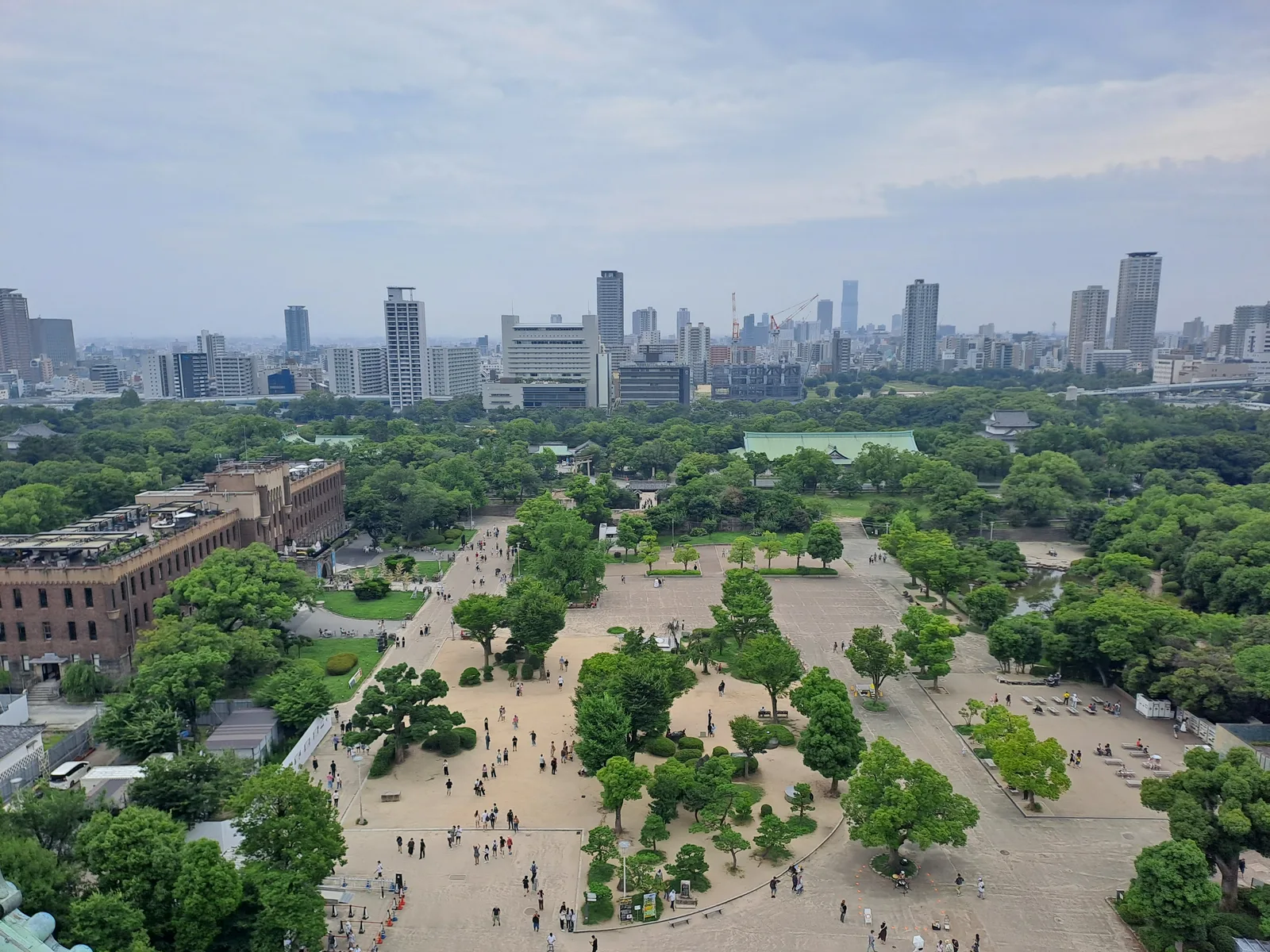
Osaka Castle: reconstruction, tickets and access
Osaka Castle Museum's own history distinguishes several stages of the site: Toyotomi construction, destruction, Tokugawa rebuilding and later changes. It identifies the present main tower as the third, reconstructed in 1931 through citizens' donations and used as a museum from its reconstruction. This makes the visit more interesting than treating the building as an unchanged medieval survival.
The visible stone walls, moats and older structures belong to the Tokugawa period or later. The ticket linked by the museum’s official website costs ¥1,200 for adults and includes one same-day entry to the Toyotomi stone-wall exhibition, where visitors descend to walls buried during the Tokugawa rebuilding. The online voucher allows one visit within a month of purchase; cancellation, changes and refunds are unavailable. Published entry is 09:00–17:30, with closure at 18:00 and an annual holiday from 28 December through 1 January, subject to temporary closures. Ordinary lift access goes to the fifth floor, with stairs above; wheelchair users and people with walking difficulties have separate lift arrangements. This makes mobility requirements part of choosing the museum visit.
Dotonbori’s signs, food and theatre history
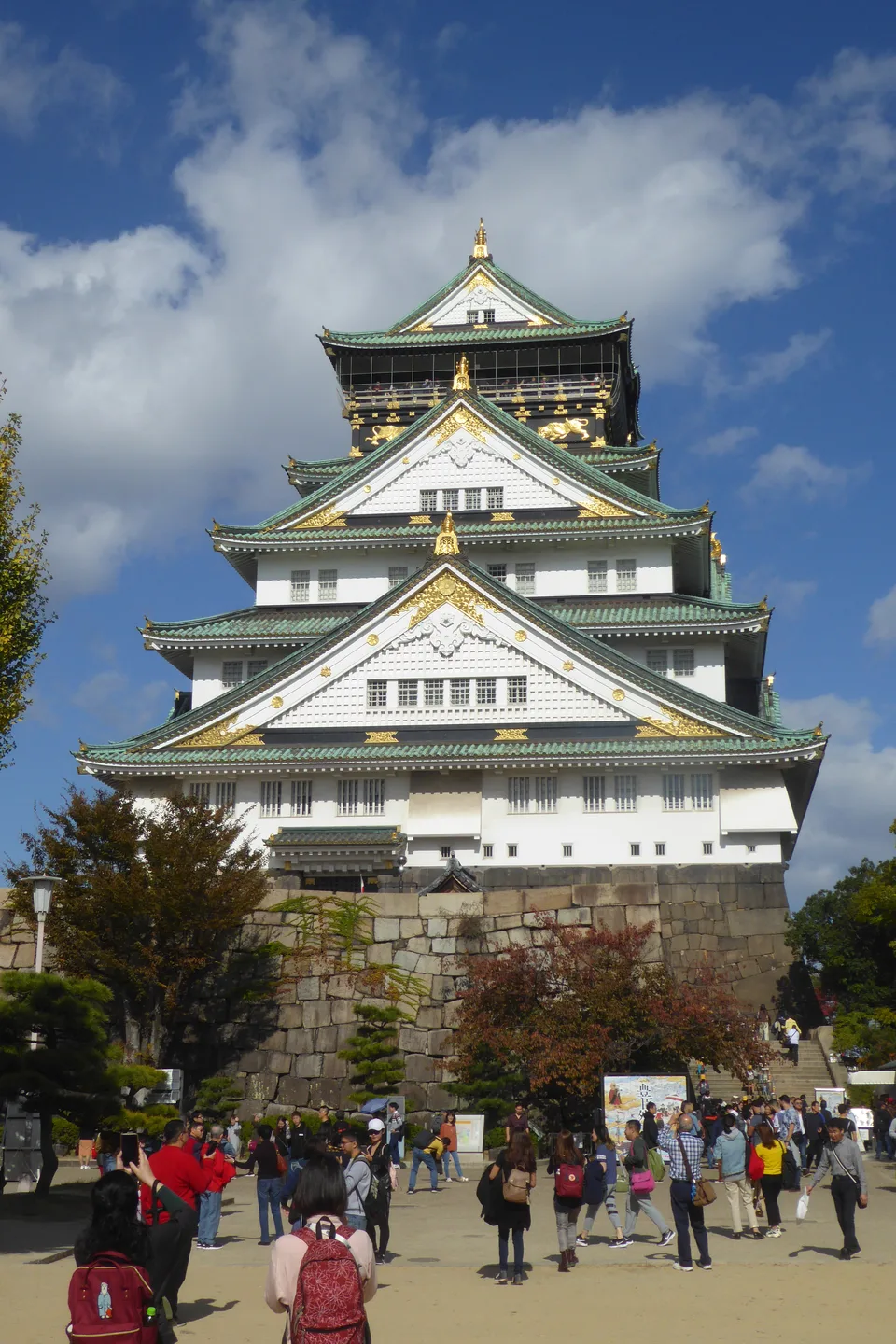
The official tourism bureau's Dotonbori overview places the district in Minami and connects its name with Doton Yasui's canal excavation in 1612. Later theatre, kabuki and teahouse activity helped shape its entertainment identity. The large signs and riverside walk make sense within that longer story of a place organised around attracting an audience.
Choose whether the evening is primarily a walk, a meal or a particular performance, then arrange the business-specific details accordingly. The tourism page says opening hours and holidays vary by establishment; the district's reputation for activity does not guarantee a particular restaurant or theatre is available. Leave time to see the streets and waterfront without turning the visit into a sequence of photo stops. A room near the outing may be convenient, but assess its actual street, noise conditions and return route before treating the entire entertainment area as an interchangeable accommodation choice.
Nakanoshima and Semba: waterfront and commercial heritage
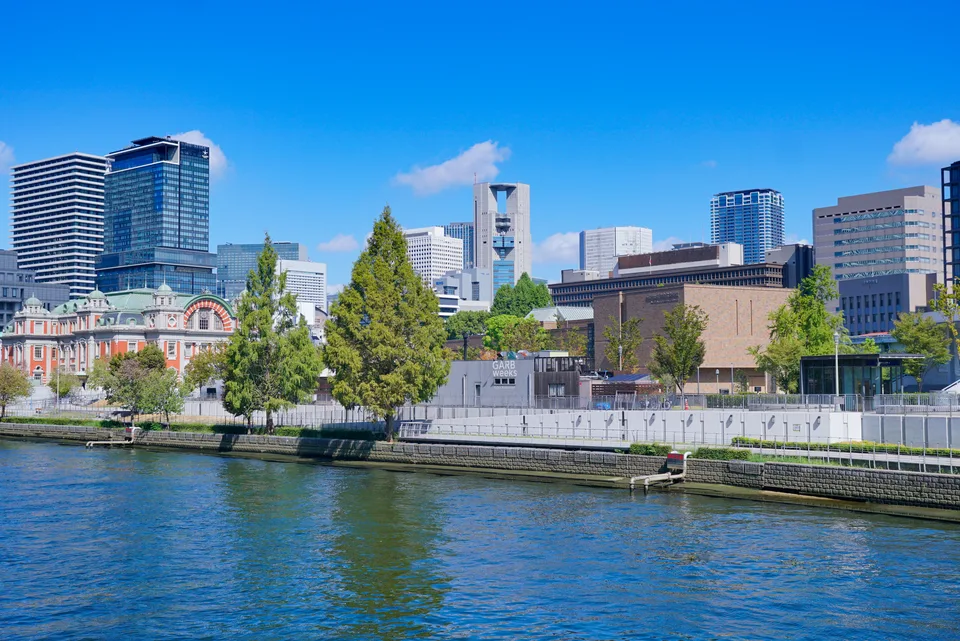
The bureau's Nakanoshima–Semba feature locates Nakanoshima between the Dojima and Tosabori rivers and describes its waterfront and modern architecture. It places Semba to the south, with older commercial buildings. That relationship offers a different organising theme from the brightly signed entertainment streets: water, buildings and the city's commercial setting.
Select a manageable walk and one interior or cultural visit that interests you, rather than assuming every attractive building is open to casual visitors. If adding a riverside meal or cruise, check the actual operator, date and conditions separately. The feature contains individual businesses and prices, which are leads to investigate rather than freshly verified quotations for this guide. For a short visit, compare the experience with the other substantial outings you have chosen. For a longer stay, the area can also help frame an address search, but the property's condition and daily commute still need their own assessment.
Umeda Sky Building: admission and rooftop views
Umeda Sky Building's Kuchu Teien Observatory spans the connecting structure between its two towers, with visitor areas on the 39th and 40th floors and an open-air rooftop. The attraction is the breadth of the cityscape: a useful counterpoint to experiencing Osaka entirely at street level. Choose it for the view and unusual building rather than assuming that a higher viewpoint automatically improves every itinerary.
The operator lists adult admission at ¥2,000 and admission for children aged four to twelve at ¥500. Its published regular hours are 9:30am–10:30pm, with last entry at 10pm; special arrangements can supersede these. Heavy rain can close the rooftop. Allow flexibility when allocating a paid visit to a particular evening, especially if the outdoor view is your main reason for going. Follow the operator's booking link and current notices when selecting a date. The building's access information distinguishes several Umeda stations, so use the directions for the station you actually arrive at.
Kaiyukan: Pacific environments and timed tickets
Kaiyukan's exhibition guide presents the aquarium as a journey through Pacific environments. Its displays connect places such as Japan's forests and Monterey Bay with the central Pacific Ocean tank, where whale sharks and rays feature in the operator's description. This environmental progression provides a reason to slow down between displays rather than seeking one signature photograph and leaving.
Choose a day when an aquarium fits the interests of your travelling group. It can provide an alternative to a long outdoor walk, but that does not remove the need to organise admission. The official ticket page uses date-dependent pricing and recommends advance tickets with a specified entry time. A walk-up arrival may mean waiting for a later available slot, so a fixed price recalled from an older guide is a poor basis for the day's budget. Review exhibition notices too: the operator currently identifies renovation affecting the Aleutian Islands area. Avoid promising children that every named display will be available.
Where to stay: Namba, Umeda or Shin-Osaka
Namba is the transport and entertainment hub of Minami, with Nankai's airport connection, Namba City and Namba Parks shopping, and the smaller dining streets of Ura Namba. It merits consideration when your evenings centre on southern Osaka and your airport journey uses Nankai. Choose the actual street carefully if a quiet room matters more than proximity to nightlife.
Osaka/Umeda forms the northern transport and shopping hub. It provides a different base for time around Umeda, Tenma and Nakanoshima. Shin-Osaka is a separate station serving the shinkansen; consider accommodation there when bullet-train arrivals or departures dominate the schedule, while accounting for journeys to your sightseeing areas.
OSAKA-INFO's hotel directory supplies properties to compare. Evaluate complete quotations for the same dates, room occupancy, bathrooms, lift access and cancellation terms. For a longer stay, cooking and laundry may outweigh an impressive lobby. Temporary accommodation can support a home search, but it needs its own clear booking conditions.
Kansai Airport to Namba by train
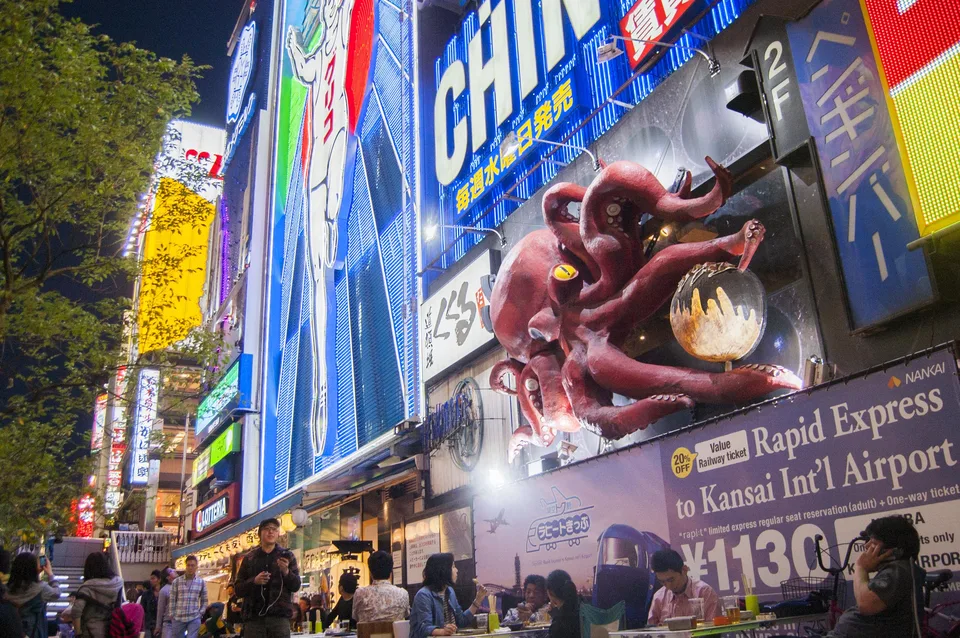
Nankai's timetable page distinguishes Limited Express Rapi:t from the Airport Express between Kansai Airport and Namba. It advertises Rapi:t journeys in as little as 34 minutes and says an additional limited-express ticket is required. The Airport Express takes about 45 minutes and needs only the normal train ticket. Those are service descriptions, not an identical promise for every departure or a complete journey to the hotel.
Check the actual train and ticket conditions before boarding, then compare the onward journey from Namba with the accommodation address. A faster airport segment may still leave a transfer and a walk with luggage. Include immigration, baggage collection and reaching the station when deciding how late an arrival you can accommodate. For departure, confirm the airport from the flight booking and select a service that protects the airline's required arrival time. A city rail pass should not be assumed to cover either train without checking its explicit inclusions.
Shin-Osaka, Osaka Station and regional journeys
Japan National Tourism Organization's Osaka overview identifies Shin-Osaka as the shinkansen arrival station from Tokyo and distinguishes it from Osaka Station, reached by an onward local train. That difference matters when choosing a hotel described as being near “Osaka station.” Use the precise station and property address when comparing arrival options, especially with luggage or a late check-in.
The tourism organisation also identifies Osaka as a base for exploring Kansai, including Kyoto, Nara and Kobe. A base is useful when it reduces repeated packing, but it does not remove the onward journey to each day's actual destination. Calculate station access, transfers and travel within the place visited before choosing between an excursion and an overnight stay. On departure day, keep the rail journey and the flight airport separate in the plan. The attraction of adding another destination should not consume the margin needed to reach the correct terminal and meet the airline's check-in requirements.
Enjoy Eco Card: prices, coverage and exclusions
Osaka Metro's current Japanese Enjoy Eco Card page quotes an adult price of ¥820 on weekdays and ¥620 on Saturdays, Sundays and holidays, with the applicable date rules subject to special notices around periods such as New Year. It permits a day's travel on covered Osaka Metro and Osaka City Bus services, excluding Yumeshima Station, specified bus routes and on-demand buses. Other operators' sections remain outside its coverage, even where trains run through from the Metro.
Compare the actual day's covered journeys with individual fares. The card is valid for the date stamped when used, rather than a rolling 24-hour period, and each traveller needs the appropriate ticket. Keep airport travel and any journey beyond the permitted network separate in the calculation. A discount benefit at an attraction also has its own conditions; it should not be read as admission included. Use current route and station information to establish the complete journey before building the day around the pass.
Osaka food culture and choosing a meal
The tourism bureau's food-culture pages introduce Osaka's cooking through dashi, ingredient use, craftsmanship and familiar foods such as takoyaki, yakisoba and kushikatsu. The collection gives useful subjects to explore, rather than providing proof that a particular restaurant is the right choice for every visitor. Decide which dish or dining setting interests you, then find a current menu that fits the route.
For dietary requirements, ask about the actual ingredients and preparation, including stocks, sauces and shared cooking equipment. A familiar dish name does not establish that every version is suitable. Give at least one meal enough time to become part of the visit instead of treating food only as something bought between attractions. Compare the stated price and what it includes before ordering. Keep drinks and extra items visible in the budget. Historical food features can enrich the experience, while their old event dates and individual business details need a separate current check.
Shopping districts and a practical budget
Shinsaibashi-suji's arcade leads towards Ebisubashi in Dotonbori, making shopping and an evening outing compatible rather than separate cross-city journeys. Amerikamura, west of Shinsaibashi, offers another emphasis on street fashion and vintage goods. Horie and Orange Street combine boutiques and cafés with the area's furniture-making heritage. These are different browsing interests, rather than one compulsory shopping circuit.
Denden Town is a further option for electronics, games and anime collectibles. Compare the particular product, condition and intended use before buying; a distinctive souvenir is not automatically good value. Keep shopping money separate from accommodation, meals, travel and admissions.
Build the essential budget from actual hotel dates and the outings selected. Kaiyukan's date-dependent tickets and the Eco Card's network exclusions make an undated daily average unreliable. A relocation assessment needs a separate household calculation covering housing, commuting, utilities, communications and setup purchases. Visitor spending cannot establish whether a permanent move is affordable.
Seasonal weather and when to visit
Japan Meteorological Agency's Osaka climate normals give a concrete sense of the seasonal contrast. For the 1991–2020 reference period, average daily maximum temperatures were 9.7°C in January, 19.9°C in April, 33.7°C in August and 23.7°C in October. These are historical averages, rather than a forecast or the temperatures every visitor will encounter.
April and October therefore offer a different starting point for planning extended walks than August. A summer itinerary benefits from shorter outdoor stretches and time inside between them; selecting several distant outdoor attractions for one afternoon leaves little room to adapt. In winter, carry layers suitable for the transition between streets and heated interiors. Choose travel dates around the experiences that matter to you, then consult the forecast nearer departure. For a relocation assessment, consider how the weather affects the routine journey to work or school as well as holiday sightseeing. A comfortable short visit in one season cannot establish year-round household comfort.
A realistic three-day Osaka itinerary
For day one, make Osaka Castle the substantial historical visit. Decide whether to enter the museum, then leave the remaining afternoon flexible rather than adding another major ticketed attraction automatically. Spend the evening in Dotonbori, choosing a meal and a riverside walk. An arrival day can use only the evening portion; there is little benefit in forcing the full programme after a long flight.
For day two, explore Nakanoshima and Semba with an emphasis on the waterfront and buildings. Add Umeda Sky Building if the observatory interests you and conditions support the experience. The rooftop is a weather-dependent part of the attraction, so retain an alternative rather than making the day's success depend on a particular view.
For day three, choose Kaiyukan with an advance entry slot, or substitute a focused regional excursion. These are alternatives, rather than obligations to fit into one day. Keep meals, travel and a comfortable return in the schedule. Reduce the programme for children, limited mobility or extreme heat; the sequence is a suggestion, not a promise of opening or effortless connections.
Kyoto and Nara as separate destinations
JNTO's Kyoto introduction highlights traditional wooden machiya townhouses, cultural districts and historic streets, while distinguishing central Kyoto from the much wider prefecture. A focused city visit works better than treating distant coastal or countryside attractions as interchangeable additions. Select the particular area and experience that draws you there, then determine whether returning to Osaka leaves sufficient time to enjoy it.
JNTO's Nara overview identifies Nara Park, Todaiji and the Naramachi area, accessible from Nara Station or Kintetsu Nara Station. Other prefectural destinations require different onward arrangements. Choose a manageable group of sights rather than assuming that arrival in Nara places every temple or pilgrimage route nearby. Kyoto and Nara can complement Osaka's entertainment streets and commercial waterfront, but they can also justify their own stays. If one destination becomes the main reason for travelling, compare a local base with the daily journey from Osaka before booking the entire trip in one hotel.
Finding a home and multilingual advice
Osaka Foundation of International Exchange's foreign-resident information service offers free, confidential consultations covering everyday life, residence status, work, health care and education. It lists twelve service languages, including Japanese, and offers specialist sessions by appointment. That is a useful starting point when the difficulty is understanding a procedure or identifying the appropriate office, rather than simply finding another property advertisement.
For a home search, compare the complete monthly commitment and the cash required before moving in. Ask for an itemised quotation and an explanation of each payment, its refund conditions and any renewal obligation. Establish who will be responsible for repairs and what equipment actually belongs to the property. Test the journey to the workplace or institution at the hours you will use it. A temporary base leaves room to assess those details before a residential commitment. If unfamiliar contract language creates uncertainty, seek clarification before signing rather than treating an attractive address as sufficient evidence of suitability.
Water, utilities and household waste
Osaka City's household information explains that starting or stopping water service requires a procedure. It identifies payment options including bank debit, credit card and payment slips, and points residents towards electricity and gas information. Establish the arrangements for the actual property, including which services the landlord handles and which accounts the occupant must open. A furnished room and an ordinary residential lease can involve quite different practical responsibilities.
Waste collection is another part of settling in. The city separates household waste, recyclables, plastics, paper and clothing, with different collection arrangements and instructions. Use its collection map and the building's designated disposal point rather than following a schedule from another address. When buying furniture, include the eventual removal arrangements in the decision; bulky items require separate attention. Before the first night, make a short list covering utilities, a working phone connection, essential bedding and cooking equipment. Keep account references and property contacts together so that a failed service does not become a search through scattered booking messages.
Japan’s passport-specific visitor permission
Japan's official short-stay exemption list distinguishes eligible countries and passport conditions. The permitted period is not uniformly ninety days: the ministry lists fifteen days for Indonesia and Thailand and thirty for Brunei and Qatar, alongside conditions affecting particular passports. Consult the entry that applies to you and the Japanese diplomatic mission responsible for your place of residence before purchasing a non-refundable trip.
The foreign ministry's visa overview separates short visits without remunerative activities from work and longer stays. It also distinguishes a visa issued before travel from landing permission granted at the border; holding a visa does not guarantee admission. Online tourist applications have their own eligibility rules rather than being a universal alternative for every visitor. For an Osaka visit, organise the application around your actual nationality, residence and purpose. A city hotel booking or an itinerary cannot establish the right to enter, and sightseeing permission should not be treated as permission to take a local job.
Work, study and longer residence
Japan's official work and long-term stay categories distinguish employment activities, student status, dependent family stays and other purposes. Examples include engineering, humanities and international services, intra-company transfers and business management. The appropriate route depends on the proposed activity and its requirements; the existence of a category does not establish an applicant's eligibility or predict approval.
Begin a work move with the employer's proposed role and immigration support, or a study move with the institution's admissions and status procedures. Establish the documentary sequence before selecting a permanent home, particularly where other household members will accompany you. Ask what happens to the plan if admission, employment or immigration timing changes. Long-term residence and permanent residence are separate questions from permission for an initial work or study stay. Use the responsible authorities for the applicable rules and individual circumstances. Treat Osaka's appealing food, transport and visitor experiences as reasons to investigate the location, while assessing income, lawful activity and household needs through a separate relocation budget.
Official planning resources
Reviewed 14 October 2026. Use the official resources linked throughout this guide for admission, transport, housing and immigration decisions. Prices, services and rules can change; confirm the details relevant to your dates. Photography illustrates the locations and is not a live view.
View all official resources
- Osaka Castle Museum official history and ticket link
- Nankai airport train types and timetable
- Official Osaka food-culture collection
- OSAKA-INFO hotel directory
- Official Dotonbori history and visitor information
- Official Nakanoshima and Semba area feature
- Osaka Metro Enjoy Eco Card prices and scope
- Umeda Sky Building observatory admission and access
- Kaiyukan Pacific environments and exhibition notices
- Kaiyukan date-dependent tickets and timed entry
- JMA Osaka climate normals for 1991–2020
- OFIX confidential multilingual resident consultations
- Osaka City housing, utilities and waste information
- Japan passport-specific short-stay exemptions
- Japan visa applications and landing permission
- Japan work, study and long-term categories
- JNTO Osaka arrival stations and Kansai overview
- JNTO Kyoto cultural areas and wider prefecture
- JNTO Nara city sights and regional access
- JNTO northern Osaka stations and neighbourhoods
- JNTO Namba transport, shopping and cultural streets
- JNTO Shinsaibashi, Amerikamura and Horie shopping areas
- Osaka Castle Museum’s operator-linked ticket: prices, access and conditions
Plan the next part of your journey
Explore the Japan guide, browse other cities or compare consultants for your travel and relocation questions.