Visa
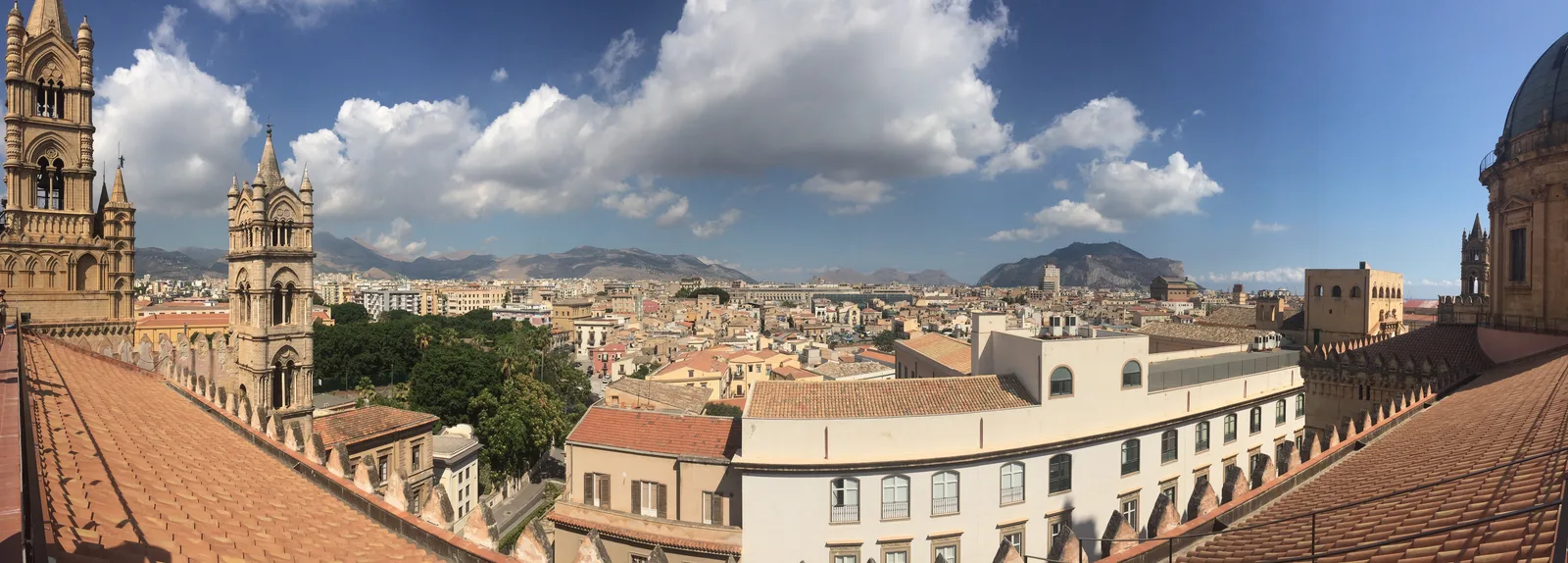
A capital best explored a neighbourhood at a time
Palermo makes a persuasive case for staying put. Sicily’s capital offers royal mosaics, neighbourhood markets, opera, small museums and a seaside quarter, with enough variety for several days. Its pleasures do not fit neatly into a circuit of famous façades: a puppet performance can be as revealing as a palace, while the choice of where you sleep shapes the whole visit.
Allow three full days for an introduction, with another day for an excursion. That is an editorial planning suggestion, rather than a minimum needed to collect every landmark. Travellers interested mainly in beach time should consider whether a central address suits them; those visiting for architecture should resist booking a distant coastal base simply because the photographs look inviting.
Use VisaWand’s Italy country guide for national context. This guide concentrates on Palermo in Sicily, practical choices on the ground and the difference between a holiday and establishing a home. Check the municipal tourism portal for current events before fixing an itinerary around a particular date.
Read the layers behind the architecture
The most distinctive architectural story is the meeting of Latin, Byzantine and Islamic traditions under the Norman kingdom. The regional tourism department’s Arab-Norman itinerary explains the mosaics, geometric marble decoration and muqarnas ceilings that make these buildings more than an assortment of medieval churches. UNESCO inscription came in 2015.
The designation covers nine monuments across Palermo, Monreale and Cefalù. It does not turn every building in the old town into a UNESCO property, nor does it mean the entire itinerary is walkable. Treat the outlying towns as separate journeys.
Palermo also rewards looking beyond that medieval chapter. At Quattro Canti, the intersection of Via Maqueda and Via Vittorio Emanuele provides a useful point of orientation. Its theatrical façades make the crossing a destination in its own right. Start with the layout, then decide which direction to explore, rather than following a map that sends you repeatedly across the same streets.
Choose a base for the trip you actually want
For a first visit centred on monuments, compare accommodation around the historic core with addresses near Teatro Massimo and Politeama. Plot the actual doorway, the nearest usable transport stop and the route from your arrival point. A listing described as central can still involve awkward luggage handling or a noisy room.
Kalsa suits a programme that gives time to art and the eastern side of the centre. Around Piazza Marina, the combination of cultural visits and outdoor pauses can work particularly well for travellers who dislike spending an entire day inside monuments. The official Palermo destination page introduces the quarter and its principal places to visit.
The municipal historic-market directory helps locate Ballarò, Capo, Vucciria and Borgo Vecchio. These are useful geographical reference points, but a market address alone says little about sleep quality. Ask whether your room faces a busy street or an internal courtyard, and read recent comments about evening sound.
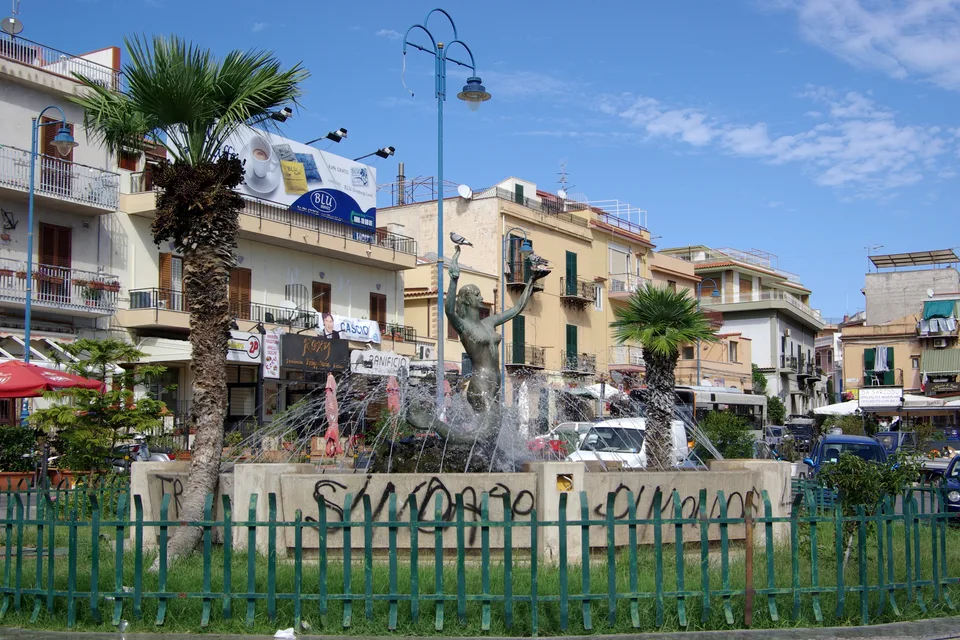
Mondello makes a different proposition: choose it for a coastal stay, accepting separate journeys for city sightseeing. For any district, verify air conditioning, heating, stairs, lift dimensions and check-in arrangements directly. An attractive period building may require more practical questions than a modern hotel.
Give the Palatine Chapel a protected place in the schedule
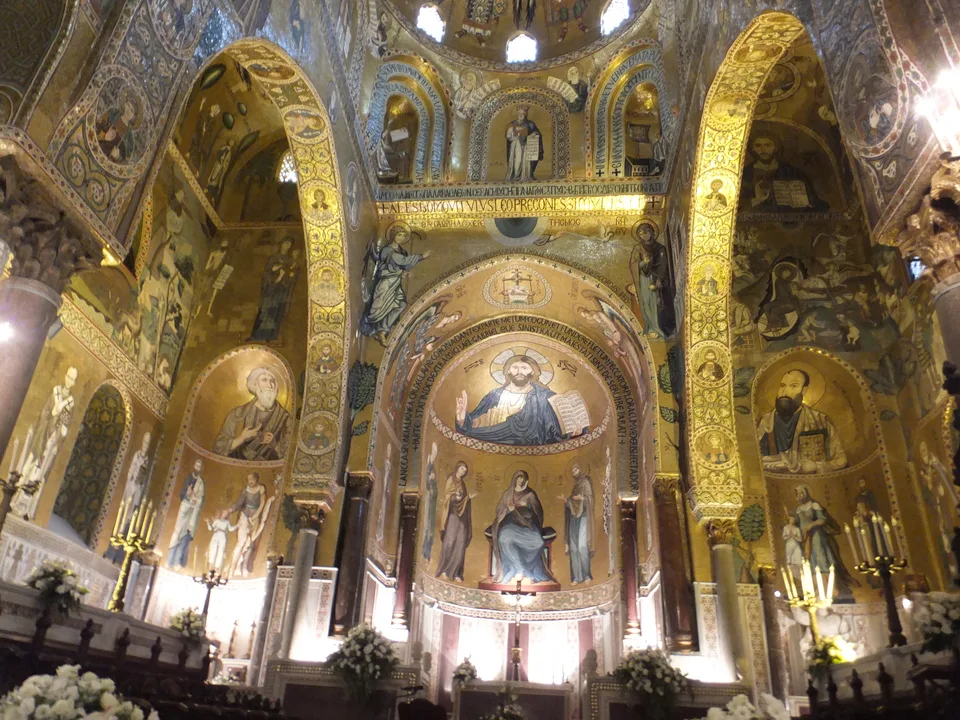
The Royal Palace and its Palatine Chapel deserve an unhurried visit. According to the foundation’s account of the chapel, Roger II ordered its construction after his coronation in 1130, involving Byzantine, Islamic and Latin craftsmen. Look for the relationship between the decorated architecture and the mosaics, including the Christ Pantocrator imagery in the dome and central apse.
The practical difficulty is choosing the right admission, rather than finding the building. The official Royal Palace visitor page distinguishes the fuller Thursday-to-Monday visit from Tuesday and Wednesday tickets that exclude the Royal Apartments. At verification, standard adult prices were €14.50 and €10 respectively. Restoration and institutional activity can limit access; exhibitions can also change the ticket offer.
Sunday worship interrupts chapel visits, with a published closure from 9:30 to 11:00. Sunday and holiday admissions finish earlier than the usual Monday-to-Saturday schedule. Read the dated notices before purchasing, and check the exact areas included. Avoid building an inflexible morning around an assumption that every room will be available.
Visit the cathedral as a working religious building
Palermo Cathedral’s appearance reflects repeated rebuilding and additions. The regional cathedral history traces the reconstruction associated with Archbishop Gualtiero Offamilio in the 1180s and explains how later changes produced its mixture of styles. Looking at that combination is more useful than trying to force the whole building into one architectural category.
Distinguish the worship space from the paid monumental routes. The cathedral’s official ticket site presents routes including the panoramic roofs and warns visitors to purchase directly through its own site or authorised ticket offices. Check which sections your chosen ticket includes and the access conditions for your party.
Online information is not completely consistent: older cathedral pages retain overlapping timetables and restoration notices. For that reason, this guide does not quote a roof price or promise a particular roof opening. Confirm the current product and conditions before making the climb a highlight of your trip. Dress appropriately for a church, leave room for services and choose another visit if the available route does not suit your mobility.
Decide between a theatre tour and an evening performance
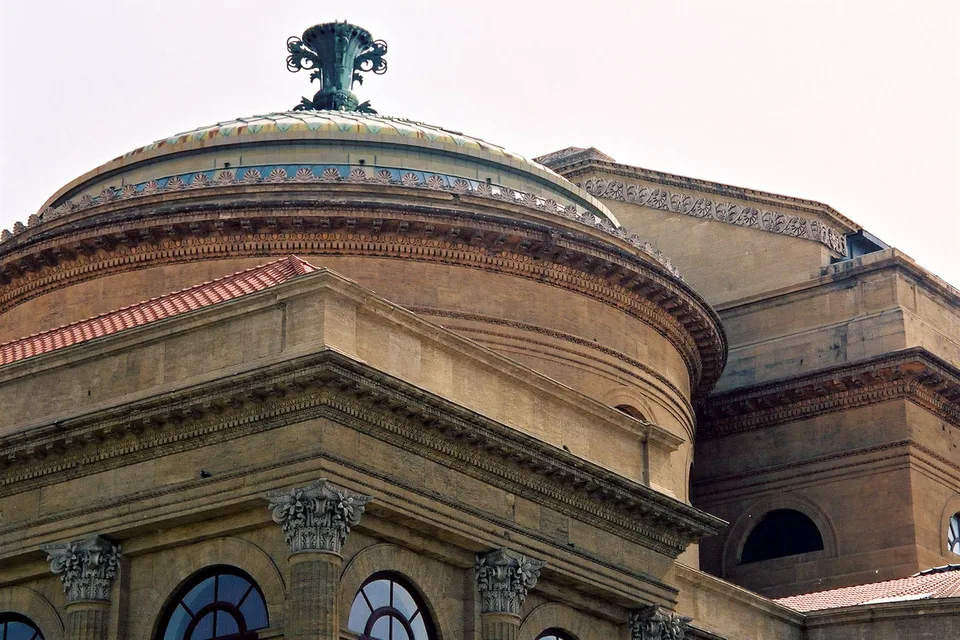
Teatro Massimo offers two distinct experiences. A guided visit explains the building during the day; an opera, ballet or concert makes it part of an evening out. Check the official performance programme for the date you can actually attend, including the running time and seat location before booking dinner around it.
The guided-tour page lists a roughly 40-minute standard visit in several languages. From 1 July 2026, the adult fare is €14, replacing the earlier €12 rate. The standard tour is described as accessible; backstage visits require separate planning and are only partially accessible. Rehearsals and technical work can prevent backstage access.
Palazzo Butera offers a useful comparison if you want both theatre and art. Its official visitor information lists a €19 combined ticket for the theatre tour and the Valsecchi collection, valid for 72 hours from the ticket date. Standalone adult palace admission is €10. The regular palace schedule is Tuesday to Sunday, so check both venues before buying the combination.
Make space for puppets, rather than treating them as a souvenir
The Antonio Pasqualino International Puppet Museum gives a cultural visit a different scale. Its collection description covers Sicilian pupi alongside marionettes, shadow puppets and theatrical equipment from other traditions. Compare how the figures move: Palermo and Catania puppets differ in construction and manipulation, not just costume.
Seeing a performance adds sound, pace and storytelling to objects that can otherwise seem static. The museum’s admission and performance information lists adult museum entry at €5 and a €10 full-price show ticket that includes museum admission. The published show duration is 45 minutes. Confirm the current calendar, particularly around festivals and holidays, rather than assuming every visit includes a performance.
The museum is off Via Butera near Piazza Marina, making it a sensible part of a Kalsa afternoon. Allow time to see the displays before the show. The ticket office closes an hour before the museum, an easy detail to miss when planning a late arrival.
Let the markets explain part of the food culture
Use a market visit as a meal opportunity as well as a walk. Ballarò stretches between the Casa Professa area and Corso Tukory; Capo occupies streets including Via Carini and Via Beati Paoli. Vucciria and Borgo Vecchio provide other points of comparison. Choose one first, rather than rushing through all four and eating nowhere.
The regional street-food introduction identifies dishes that require some explanation. Pani câ meusa is associated with spleen, while stigghiole involve grilled offal; a familiar-looking sandwich or skewer may contain something unexpected. Ask what is in a dish before ordering, especially if you avoid particular meats.
For a different starting point, panelle and crocchè introduce chickpea-flour fritters and potato croquettes, often eaten with bread. Do not assume these are automatically vegan or suitable for an allergy: recipes and frying fats vary, and the official recipe itself includes dairy and egg in the croquettes. Explain dietary needs to the seller and ask about preparation, rather than relying on the ingredient name.
Budget from choices, not a misleading daily average
Accommodation is likely to decide the shape of your spending. Compare the final price for the same dates and room conditions, including any local tax, breakfast, cleaning charge and cancellation terms. A low headline apartment rate can lose its advantage when a short stay attracts a fixed cleaning fee.
For meals, read the menu before sitting down and ask about service or cover charges. Keep a separate allowance for drinks, pastries and unplanned stops: these are often the small purchases omitted from an ambitious budget. For food shopping, compare prices by weight and buy only what you can store safely in your room or apartment. A kitchen helps only if you intend to shop and cook, and if the accommodation actually supplies usable equipment.
Verified admissions provide a firmer planning base than invented restaurant averages. Theatre, palace, cathedral and performance choices should each have their own line in your budget. Buy a combination only when both visits fit your schedule and interests. Keep airport transfers separate from ordinary city travel, and leave a reserve for a taxi if a late arrival changes the original plan.
Arrive with a transfer matched to your address
Palermo’s Falcone Borsellino Airport has a railway station in the terminal basement. Trenitalia’s airport connection page lists a €6.80 adult fare; check the current train and price before buying. Search for the precise destination station and travel date; do not assume every departure has identical stops or takes the same time.
The operator’s airport-coach route sheet lists Prestia e Comandè services to Palermo Centrale, on Via Tommaso Fazello, with an indicative journey of 50 minutes. Traffic can alter that timing. The sheet also explains on-board payment by cash or card. Intermediate stops can change with roadworks and differ by direction, so confirm the current stop and departure for your accommodation.
Compare the whole journey, including the final walk or connection, rather than just the airport fare. With several people, heavy luggage or an arrival after public transport has finished, request a taxi quotation for the exact destination. Confirm the total and any supplements before departure. Leave sufficient contingency on the return journey for disruption, airline check-in and security.
Walk the centre and use transport selectively
A central itinerary can be organised in connected walks, with public transport reserved for longer journeys. Before setting off, group visits by area and check whether a timed admission makes a direct ride more sensible than another cross-city walk. Carry footwear that works on uneven surfaces and leave pauses between major interiors.
The AMAT ticket table lists the ordinary municipal ticket at €1.40 for 90 minutes from validation. A ticket sold by the driver costs €1.80, with availability dependent on traffic and safe operation; buying in advance is the more dependable choice. Validate immediately on the first vehicle.
A day ticket costs €3.50 until the end of service. The €6 two-day and €8 three-day products run to the end of service on their final calendar day, rather than providing rolling 48- or 72-hour validity. Check whether a particular journey uses AMAT or a different operator before assuming your ticket covers it. Regional trains and airport coaches need their own fare checks.
Treat driving permissions as part of the booking
A hire car can complicate a central Palermo stay. Before reserving one, establish where it will be parked, what the parking costs and how you reach that space legally. A hotel offering parking does not by itself establish permission to use every street on the approach.
The city operates restricted-traffic arrangements, including daytime and seasonal night rules. Consult AMAT’s daily-pass activation information and the linked ZTL services for the current map, vehicle eligibility and activation procedure. Check the registration plate carefully. Ask the accommodation what it can arrange and obtain clear instructions before driving into a controlled area.
For a trip built around the historic centre, compare collecting a car only when leaving Palermo. That can avoid paying for days when it sits unused. For excursions, assess an organised tour or scheduled transport against the full hire cost, including fuel, parking and the responsibility of navigating an unfamiliar city.
Choose the season around the activities
Sicily has a Mediterranean pattern of hot summers and milder winters, with rain more associated with the cooler months. The regional seasons overview makes spring and autumn useful starting points for cultural travel. These broad patterns are not a forecast for a particular Palermo weekend.
For a walking holiday, compare spring or autumn dates before defaulting to midsummer. In hot weather, put demanding outdoor sections earlier in the day and use an indoor visit or proper break during the middle hours. Verify that your accommodation has effective cooling rather than assuming a fan will meet your needs.
Winter can suit a museum-led visit, but pack for rain and wind and check shorter schedules. For a beach-centred trip, consult the forecast and local conditions close to departure; do not translate a regional bathing season into guaranteed swimming weather. Events can change room demand and traffic, so check the municipal calendar even when travelling outside the main summer period.
A realistic three-day introduction
On day one, make the Royal Palace and chapel the principal booking, then explore the cathedral area and Quattro Canti. Leave a substantial gap for lunch and a slower walk. If access changes, exchange the palace slot with another day instead of trying to force both a long queue and a timed afternoon appointment into the schedule.
On day two, choose Capo or Ballarò for a market visit, then arrange the theatre tour. Keep the later afternoon for a café, a second neighbourhood or a rest before a performance. This is deliberately a light framework: someone who spends longer in the markets should not feel compelled to collect another museum before dinner.
On day three, give Kalsa the main share of the day, with the puppet museum and a performance if the calendar works. Add Palazzo Butera only if the opening day and your energy allow it. A longer stay creates room for Mondello or an excursion without sacrificing the parts of the city you came to see. Treat airport arrival and departure days as additional time, rather than counting on three uninterrupted sightseeing days within a three-night booking.
Test everyday life before committing to housing
A holiday in the old centre is an incomplete test of living in Palermo. On a scouting stay, travel to the workplace or campus at the hours you would actually commute. Repeat the journey home and assess the last part on foot. A route that looks short on a map may still be inconvenient for daily use.
Inspect housing in person where possible. Check damp, ventilation, heating, cooling, hot water, street noise, daylight and stairs. Ask who pays building charges and which utilities are included. Record meter readings and the inventory at handover, and get repair responsibilities and deposit conditions in writing.
For a longer tenancy, request the registered contract and receipt. The Revenue Agency’s rental-registration explanation gives a general 30-day registration deadline from signing or an earlier start, with an exception for contracts not exceeding 30 days in total during the year. Seek individual advice on the agreement you are offered. This guide does not present an unverified citywide rent average as a reliable housing budget.
Set up the household with the correct local offices
The European Commission’s Italy living-and-working information explains the importance of the codice fiscale for procedures such as leases, utilities and health registration. Establish the documents needed for your own status before arranging appointments. Keep municipal address registration separate from immigration permission.
Palermo’s registry office handles residence and address records. For water, AMAP’s account-transfer guidance distinguishes changing the holder of an active supply from reopening a closed contract. Confirm with the landlord whether the property has its own account or a building arrangement, and agree responsibility for charges before taking over.
Household waste collection varies by area. Use RAP’s collection information for the address and ask the building administrator about containers and presentation times. For healthcare, ASP Palermo’s migrant-health information distinguishes registration routes according to status; visitors should not assume automatic access on the same basis as an enrolled resident. The Biondo district service page illustrates the local offices handling family-doctor and paediatrician choices. Confirm the appropriate office for your address and circumstances.
Separate a visit from permission to work or settle
Start with the Italian foreign ministry’s Visa for Italy checker, entering nationality, country of residence, duration and purpose. Follow the consulate responsible for your residence for the actual application. A useful city article cannot replace that individual assessment or guarantee admission.
Tourism is a different purpose from employment or establishing permanent residence. The Italian embassy’s tourism-visa explanation makes that distinction explicit; its detailed application checklist is specific to its consular jurisdiction. Do not assume a holiday booking or rental contract creates a right to work. For study or a longer move, establish the correct route and post-arrival obligations before committing money.
EU citizens have separate free-movement rights, with conditions and formalities depending on the situation. Consult Your Europe’s residence guidance and Palermo’s registry for the local process. VisaWand’s Italy destination and consultant listings and consultant directory can help identify professional assistance; check the adviser’s credentials and scope of service.
Choose the next stop with enough time to enjoy it
Monreale is a strong extension for travellers interested in the architecture seen in Palermo. Its cathedral and cloister combine extensive mosaics with a different spatial experience around the cloister’s paired columns. Give the journey and the visit their own allocation rather than adding them as a hurried final stop.
For a coastal town with a substantial historic centre, consider Cefalù, with its cathedral, rock and medieval washhouse. Check the actual outward and return transport for your date, particularly if you intend to stay for dinner. Neither excursion needs to compete with an already crowded first visit to Palermo.
For a wider Italian trip, compare VisaWand’s Taormina city guide or Rome city guide, allowing proper transfer time between destinations. The Italy location directory provides other destination pages. Choose the next base for what it adds to the journey, rather than moving every night and spending the holiday repeatedly packing and checking in.
Official planning resources
Reviewed 16 October 2026. Use the official resources linked throughout this guide for admission, transport, housing and immigration decisions. Prices, services and rules can change; confirm the details relevant to your dates. Photography illustrates the locations and is not a live view.
View all official resources
- Palermo municipal tourism portal
- Sicilian tourism department: Arab-Norman Palermo
- Sicilian tourism department: Palermo neighbourhoods and experiences
- Palermo municipal tourism: historic markets
- Fondazione Federico Secondo: Palatine Chapel history
- Fondazione Federico Secondo: Royal Palace admissions and notices
- Sicilian tourism department: Palermo Cathedral history
- Palermo Cathedral official monumental-area ticket shop
- Teatro Massimo: official programme and guided visits
- Teatro Massimo guided tours and current tariffs
- Palazzo Butera: visiting and tickets
- Antonio Pasqualino Puppet Museum: collections
- Antonio Pasqualino Puppet Museum: admission and performances
- Sicilian tourism department: street food
- Sicilian tourism department: panelle and croquettes
- Trenitalia: Palermo airport rail services
- Prestia e Comandè: airport coach route sheet (PDF)
- AMAT municipal bus and tram tickets
- AMAT Palermo: restricted-traffic pass activation
- Sicilian tourism department: seasons and climate
- Italian Revenue Agency: rental registration
- European Commission EURES: living and working in Italy
- Palermo municipal registry office
- AMAP: transferring a water account
- RAP Palermo: household waste collection
- ASP Palermo: health services for migrants
- ASP Palermo: Biondo health district and family doctor services
- Italian Ministry of Foreign Affairs visa checker
- Italian Embassy: tourism visa scope
- Your Europe: EU residence rights
- Sicilian tourism department: Monreale cathedral and cloister
- Sicilian tourism department: Cefalù
Plan the next part of your journey
Explore the Italy guide, browse other cities or compare consultants for your travel and relocation questions.