Visa
Give Naples time beyond the day trips
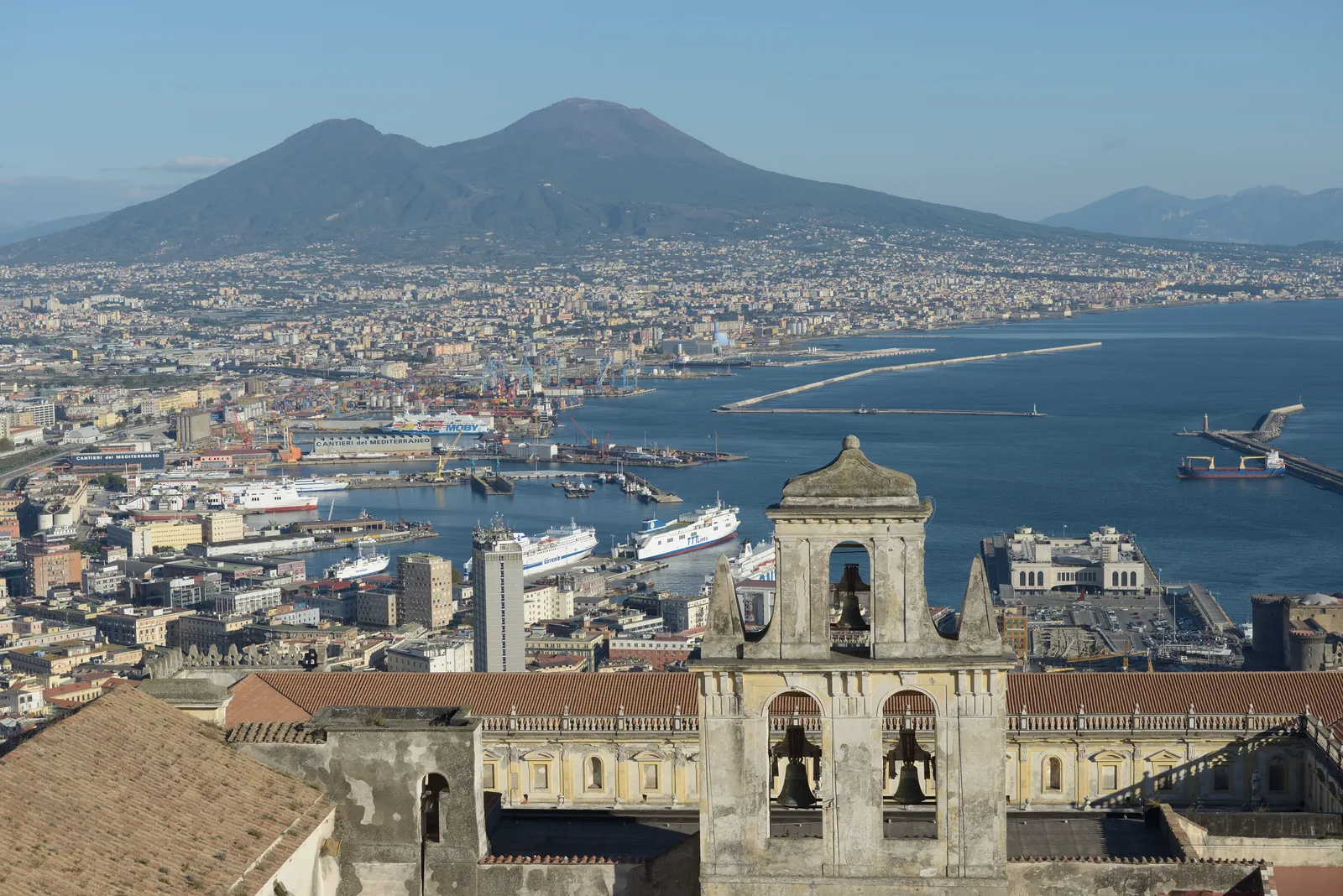
Naples is a place to stay for its own streets, collections and food, even if Pompeii and the islands first drew your attention to the map. The city climbs from a busy port to hilltop neighbourhoods, with Vesuvius across the bay and densely built streets between churches, workshops and apartment balconies. A morning can move from ancient sculpture to a market lunch; an evening might involve little more than pizza and a waterfront walk.
Allow three city days, adding time for excursions. Prospective residents should also test commutes and household services. Start with the official Naples tourism portal and VisaWand's Italy country guide, keeping holiday bookings and immigration applications separate.
Read the city's layers through its streets
The historic centre became a UNESCO World Heritage site in 1995. Its significance reaches beyond individual monuments: the street pattern and buildings show a long sequence of Greek, Roman and later urban life. Churches and palaces sit within a working residential city, so a walk reveals changing scales, courtyards and shopfronts as much as grand façades. Avoid expecting every historic doorway to lead to a public attraction.
Begin with the central historic streets around the decumani and Spaccanapoli, then connect the older centre with the monumental area towards Piazza del Plebiscito. That contrast makes the city's history easier to understand than a succession of disconnected taxi stops. Inside churches, observe worship and posted access rules; outside, leave room for people who live, deliver goods and work along streets that visitors also photograph.
Choose a neighbourhood around your actual itinerary
The city's neighbourhood overview distinguishes places with quite different uses for a visitor. Centro Storico suits days spent on foot among historic streets and central museums. Around Toledo and the Quartieri Spagnoli, you can combine shopping and evening food with access to the monumental centre. Ask about the particular room's noise exposure rather than assuming that a central address guarantees a restful night.
Chiaia and the waterfront suit travellers who want evening promenades and shopping, while Vomero offers hilltop streets and views but introduces a climb or transport journey into daily plans. Near Garibaldi, the main station is convenient for rail arrivals and excursions; inspect the exact walking route to your accommodation. A port address is useful only if you know which terminal your boat uses. These are practical trade-offs, not a ranking of entire districts.
Book a room that works with Naples' terrain
Hotels, guesthouses, hostels and self-catering apartments offer different balances of reception, space and price. In a historic building, verify the floor, lift access and whether steps remain before or after the lift. For summer, confirm that air conditioning serves the sleeping room, rather than relying on a general property description. Light sleepers should ask about internal rooms, glazing and late-opening businesses immediately below.
Compare the complete charge, including any local accommodation tax, cleaning fee, breakfast and cancellation conditions. A kitchen is useful for longer stays, but check its equipment and nearby grocery options. Establish how late check-in works before booking a flight arriving at night. With children, a pushchair or substantial luggage, a short station distance measured on a map can conceal stairs and awkward paving; request precise arrival instructions from the property.
Arrive through the station or airport with a clear onward plan
Napoli Centrale is the main intercity arrival point, beside Piazza Garibaldi and connections into the local network. Check whether your booked train actually serves Centrale: a ticket to another station in the metropolitan area changes the final leg. Keep a modest connection margin when switching between an intercity service and an excursion train, particularly if you have tickets tied to a departure time.
From Capodichino Airport, Alibus connects the terminal with the station and port. The airport publishes approximate journeys of fifteen minutes to the station and thirty-five to the port; traffic and waiting add uncertainty. Check the current stop, ticket product and operating times for your arrival. Airport machines are one purchase option. For a taxi, use the authorised rank and establish whether a published fixed fare applies to your destination before leaving.
Understand the operators before buying a ticket
Naples' network combines ANM metro lines, buses and funiculars with Trenitalia's Line 2 and EAV railways. The official city transport overview is a useful map of responsibilities. A station described as part of the metro network does not make every operator's cheapest ticket interchangeable. Funiculars are particularly useful for the difference in height between the lower city and Vomero; check the service notices before relying on one for a late return.
The UnicoCampania fare table effective 1 October 2026 lists the integrated urban Naples timed ticket at €1.90 and integrated day ticket at €5.70. These cover the relevant urban area, not an unrestricted trip around Campania. Check whether a cheaper operator-specific ticket meets your route, and buy the dedicated airport product for Alibus. An inexpensive city fare should not be used as the assumed cost of reaching Pompeii or Sorrento.
Validate correctly and keep the same payment device
Under the urban ticket rules, the integrated timed ticket lasts ninety minutes from first validation, with limits on repeat railway journeys; it is not unlimited sightseeing on every rail line. The day ticket expires at midnight on its validation day. Follow the instructions for a paper or app ticket, and keep it until you have left the service or station. Buying a digital ticket and activating it are separate steps where activation is required.
On enabled contactless services, use the same card or device for entry and exit. A physical bank card and its phone-wallet version can count as different payment instruments. Check whether your service supports contactless at all; do not assume the system extends to every bus or Line 2. For a complicated day across several operators, selecting an explicit integrated ticket can be easier to understand than discovering the charging rules during a connection.
Make the historic centre a walk with one reservation
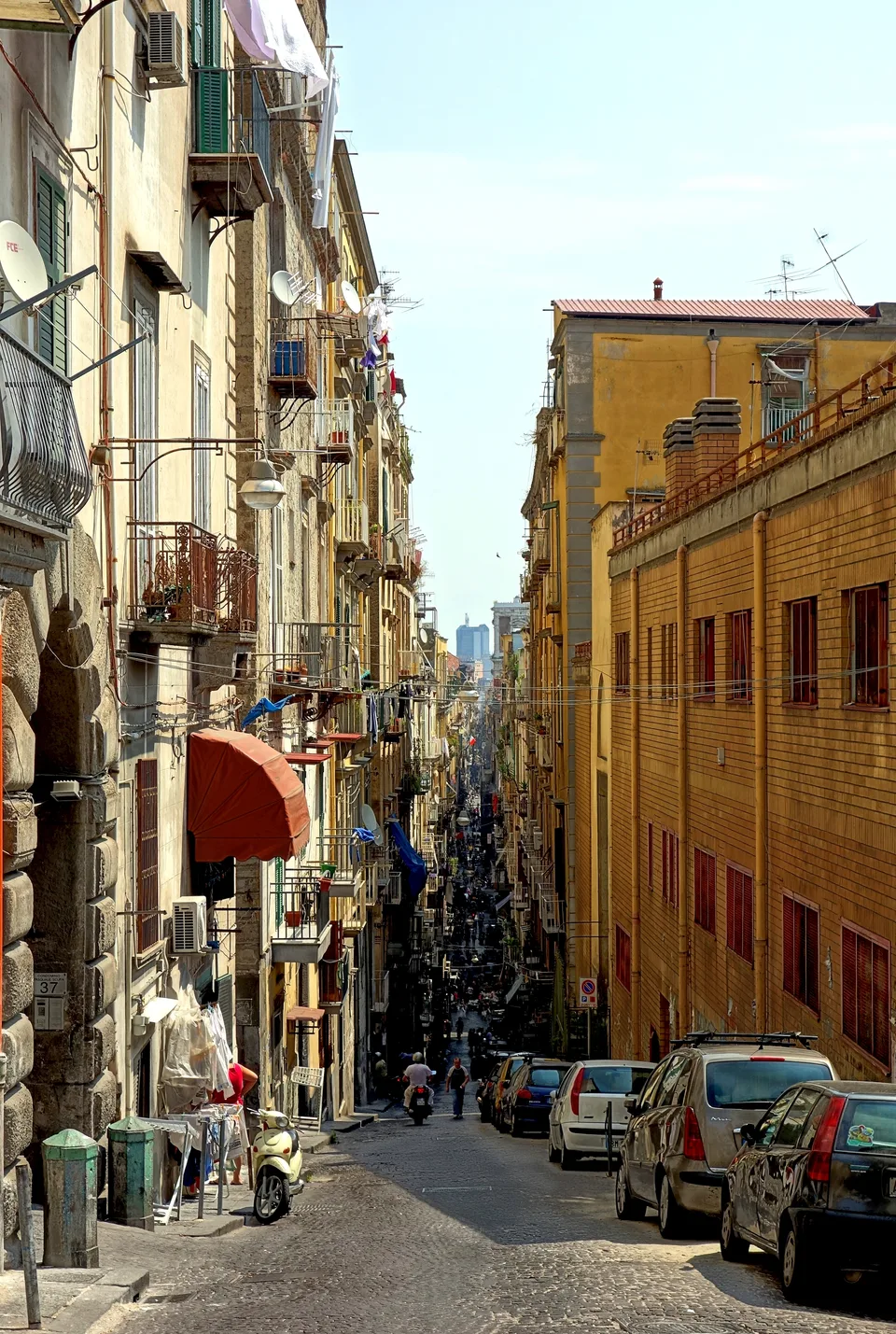
A manageable central walk can link Piazza del Gesù Nuovo, Spaccanapoli and the lanes around San Gregorio Armeno, leaving time for one booked interior. Shops, churches and apartment entrances share the same narrow spaces. Stop out of the pedestrian flow when checking directions, and keep enough attention on the street for deliveries and vehicles. A shorter route with breaks often reveals more than covering every named lane in one morning.
San Gregorio Armeno is associated with nativity-scene craftsmanship; look at materials and workmanship if you want a meaningful souvenir. Shops and workshops differ, so ask whether an object was made locally before describing it as a local craft purchase. In crowded streets, keep your phone and wallet secure and avoid leaving bags unattended during a food stop. That is sensible urban preparation, without treating every encounter as a problem.
Reserve Sansevero before organising the rest of the day
The Sansevero Chapel Museum is an especially focused visit, centred on works including the Veiled Christ. Its scale is different from a large museum: give yourself time to look closely rather than scheduling it as a passing photo stop. The current standard admission is €12, with normal opening from 9 a.m. to 7 p.m. and Tuesday closure, subject to special dates. Check the category for younger visitors before purchasing.
The booking rules require advance reservations. Tickets normally appear sixty days ahead, with additional availability released two days before a visit. Online purchases cannot be changed or refunded, so choose the time after considering travel connections. Photography, video recording and mobile-phone use are prohibited inside. Keep the booking accessible for entry, then put the phone away and allow the sculpture and setting to hold your attention.
Plan MANN around the galleries actually open
The National Archaeological Museum, usually called MANN, adds depth to any visit to the Vesuvian sites. Its collections and visitor notices cover material from Pompeii and Herculaneum alongside the Farnese collection. Select a few priorities and leave time to absorb them. The museum currently warns that the Alexander Mosaic is undergoing restoration and is not displayed in the usual way; do not build a trip around an assumed view of that single work.
Standard admission is €20, with free entry for under-eighteens. Normal hours are 9 a.m.–7.30 p.m., last entry 6.30 p.m., and Tuesday closure, with holiday exceptions. Check the gallery opening schedule because sections can have different availability. Free-admission days bring another trade-off: the museum's published notice closes the Egyptian collection, Secret Cabinet and Magna Graecia section on those days. A free date may therefore suit a different visit from the one you intended.
Go uphill for Castel Sant'Elmo
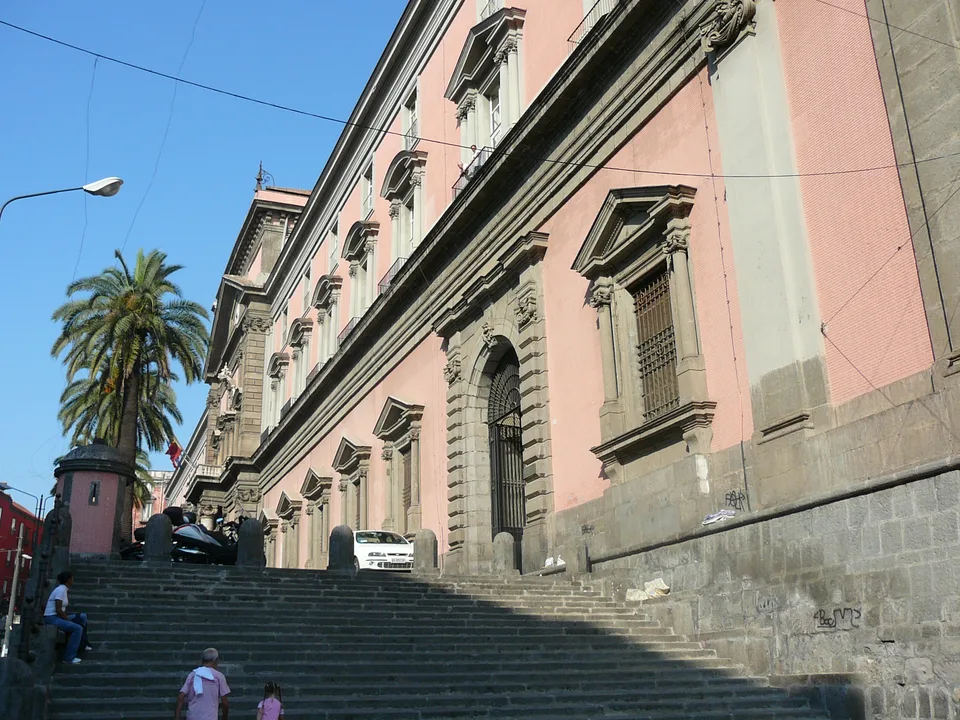
Castel Sant'Elmo makes the city's geography legible: the concentration of rooftops, the bay and the relationship between hill and port are easier to grasp from above. The Ministry of Culture's visitor page describes the six-pointed fortress's sixteenth-century rebuilding and lists standard admission at €5. Its current schedule gives Tuesday closure and warns that adverse weather can close the site. Check the castle and museum hours separately.
Reach Vomero by an appropriate metro or funicular connection, then allow for the final walk. A downhill stair route may appeal afterwards, but it is a separate physical commitment; assess footwear, fatigue and weather first. Anyone avoiding steps should confirm the complete route and the site's access arrangements rather than assuming that reaching the district by rail solves every barrier. Keep the hill visit for a day with useful visibility when possible.
Treat the waterfront as a destination in itself
Piazza del Plebiscito and the streets towards Santa Lucia give way to a wider waterfront setting, a useful change after the historic centre's close quarters. Walk as far as the weather and your energy allow, stopping to see the bay rather than trying to fit another attraction into every hour. Chiaia can provide the return route for a shopping or café stop, depending on where you are staying.
Castel dell'Ovo is a familiar landmark here, but the municipality's current page states that it is closed to the public until further notice for renovation. Plan around seeing it from the waterfront and verify any announced access directly before travelling. A future opening announcement does not establish that ordinary visits are operating on your dates. This distinction prevents an otherwise pleasant walk becoming a wasted journey to an expected interior visit.
Eat well through everyday choices
Naples rewards curiosity beyond a single famous pizzeria. The national tourism board's street-food overview distinguishes folded pizza a portafoglio, pizza fritta and cuoppo, the paper cone of small fried foods. Check what a particular cuoppo contains: seafood and vegetable preparations differ, and frying does not make the ingredients obvious. For dietary restrictions, ask directly about fillings and shared preparation rather than relying on the name alone.
Try a sfogliatella, comparing the layered riccia with the pastry-style frolla, or a babà if a rum-soaked sweet appeals. A bakery breakfast and simple lunch can leave room in the budget for a longer sit-down dinner. Read the menu, drinks prices and any cover charge before ordering. Decide whether a queue is worth your available time; eating near the day's route can be more satisfying than crossing the city to reproduce somebody else's restaurant checklist.
Build a budget from the visits you will use
Accommodation is best priced for the exact nights, room type and cancellation terms you need. For sightseeing, published prices make transparent comparisons possible: MANN at €20, Sansevero at €12 and an integrated urban day ticket at €5.70 total €37.70 before meals and accommodation. That is an example calculation, not a claimed average daily cost. Spread paid visits across your stay if you prefer more time outdoors.
Check a sightseeing pass's named admissions, transport coverage and reservation requirements against your plans. It does not necessarily secure Sansevero entry or cover regional excursions. For fragile souvenirs, request protective packing and clarify delivery charges before paying for shipping.
Choose a season around walking, heat and rain
For a visit built around long walks and archaeology, spring or early autumn are sensible starting points. Summer requires a slower outdoor schedule, shade breaks and suitable accommodation cooling. The university's historic climate observations identify a summer rainfall minimum and a wetter period between October and December; these describe a pattern, not a forecast for your holiday. Check the official Campania weather forecasts shortly before deciding on exposed walks or boat excursions.
Winter can work well for museums and city food, with waterproof footwear and indoor alternatives. Do not equate a southern coastal location with guaranteed warmth or calm seas. In hot weather, start exposed outings earlier and carry water; during rain, reconsider long stair descents. If an island trip is essential, leave flexibility around sailing conditions instead of attaching it tightly to an international departure or a non-refundable evening reservation.
A three-day plan that leaves room to enjoy the city
Day one: walk the historic centre from Piazza del Gesù Nuovo towards Spaccanapoli, arranging Sansevero around the time you actually secured. Leave time for lunch and browsing around San Gregorio Armeno. Continue only as far as you want before returning to your accommodation. A late arrival is a reason to shorten this day, not to place an inflexible museum reservation immediately after a flight.
Day two: devote the morning or early afternoon to MANN, choosing galleries from the current opening information. Afterwards, head towards Toledo and the monumental centre, then finish with a waterfront walk. Avoid automatically scheduling both a long museum session and a lengthy hill walk on the same day. If Tuesday falls within the stay, rearrange the museum and chapel visits around their actual calendar rather than the order printed here.
Day three: go to Vomero and Castel Sant'Elmo, then choose between neighbourhood browsing and a relaxed final afternoon. If you have only two days, select the museum or hill visit according to your interests. Add Pompeii as another day if archaeology matters; replacing a city day is possible, but changes how much of Naples you will experience. Leave a final margin for packing and the journey to your next station or airport.
Give Pompeii a separate day and the correct station
Use EAV's current rail timetables for the Naples–Sorrento route and check the stop at Pompei Scavi–Villa dei Misteri. This is distinct from Trenitalia's Pompei station and other nearby stops. Match the station to your intended entrance, and allow time for orientation before an admission slot. Do not combine Pompeii, Vesuvius and a coastal town simply because all appear close together on a regional map.
The park's current ticket page lists Pompeii Express at €20 for the ancient city and Pompei+ at €25 including the suburban villas route. Tickets are personal and entry is limited; use the official seller linked by the park. The villas are not included in Express, so choose deliberately. Expect exposed ground and uneven surfaces, and investigate railway assistance and accessible entrances if needed. Use VisaWand's Pompei location page for geographic orientation.
Test daily life before taking a long-term lease
For a move, compare the address with your workplace or campus. Test the commute, including the final hill or stairs, and check evening transport, groceries, laundry and internet. Consider whether the street activity you enjoy on holiday would also suit a working week.
Inspect ventilation, damp, heating, cooling, appliances and building access. Establish which utilities, condominium charges and waste obligations sit outside the rent, how the deposit is handled and whether an agent's fee applies. Request a written contract and evidence of the appropriate registration, and verify the person authorised to let the property before paying. For students, Federico II's international support information identifies accommodation assistance; contact the university's own service before relying on a commercial offer claiming an affiliation.
Set up the paperwork and household services together
Arrange your codice fiscale through official tax-code guidance: the identifier is useful for administrative and contractual dealings, but does not itself confer immigration or employment rights. Check the municipal residence-declaration service for the documents applicable to your circumstances. Residence registration, a rental agreement and a residence permit are different things; completing one does not automatically complete the others.
Use the Health Ministry's SSN registration guidance to establish your healthcare position. Eligibility and contributions depend on status; a temporary visitor's arrangements should not be assumed suitable for a permanent move. Confirm school or childcare access where relevant, and arrange utility accounts, waste arrangements and a working contact address. Keep copies of receipts and appointment confirmations. For university admission, follow the institution's current procedures, which also explain the support available for immigration formalities.
Check the address against local emergency planning
Naples' wider setting includes active volcanic areas, so prospective residents should understand the planning relevant to their actual address. Civil Protection's Campi Flegrei planning map lets you look up an address and see designated zones and associated arrangements. A zone on an emergency-planning map is not a prediction that an eruption is imminent, and it should not be interpreted from a tourist photograph of Vesuvius.
Ask about the building's condition and read municipal instructions for your locality. Visitors making excursions should follow current access notices and transport updates rather than treating an old itinerary as an operating guarantee. This is particularly relevant when choosing an address in western parts of the metropolitan area. The practical task is to understand the official instructions and keep informed, not to draw conclusions about an individual building from a broad regional label.
Keep a holiday distinct from permission to relocate
Use the Foreign Ministry's Visa for Italy checker for nationality, residence and travel-purpose requirements. The visa-duration guidance explains the relevant short-stay limit of ninety days in any 180-day period across Schengen. A tourist visit does not authorise taking a local job or establishing a permanent home. Before working or studying, confirm the correct route and conditions rather than assuming you can regularise any change after arrival.
For arrivals on an Italian national visa, the official arrival guidance requires the residence-permit application within eight working days, following the procedure applicable to the permit. EU citizens have different residence-document requirements. Longer-term settlement has separate eligibility conditions, including a qualifying residence history and other requirements. VisaWand's Italy destination page and consultant listings can support preparation; the competent authorities decide applications and grant permissions.
Choose one nearby place instead of collecting connections
Pompeii suits a substantial archaeology day; an island offers a different pace and requires a different transport plan. For Capri, Ischia or Procida, compare actual sailings through an operator such as Caremar, noting the departure terminal, return options and service notices. Book assistance in advance if needed. Do not assume the last advertised sailing leaves enough margin for a flight from Naples the same evening.
For a broader journey, compare the Rome city page and VisaWand's Italy location directory. Naples suits travellers interested in both the city and excursions; an island or coastal base may suit a more concentrated trip. Leave time to enjoy your chosen base.
Official planning resources
Reviewed 15 October 2026. Use the official resources linked throughout this guide for admission, transport, housing and immigration decisions. Prices, services and rules can change; confirm the details relevant to your dates. Photography illustrates the locations and is not a live view.
View all official resources
- Naples DMO: official city tourism portal
- UNESCO: Historic Centre of Naples
- Italia.it: Naples historic centre
- Naples DMO: neighbourhoods
- Naples DMO: public transport and ferry connections
- Naples Airport: bus connections
- UnicoCampania: fare table effective 1 October 2026
- UnicoCampania: ticket rules
- EAV: current rail timetables
- MANN: admission and opening hours
- MANN: collections and current visitor notices
- MANN: current gallery openings
- Sansevero Chapel: prices and opening hours
- Sansevero Chapel: reservations and visitor rules
- Ministry of Culture: Castel Sant Elmo
- Naples municipality: Castel dell Ovo access
- Italia.it: Naples street food
- University of Naples: historic climate observations
- Italian Air Force meteorological service: Campania forecasts
- Federico II: international student services
- Federico II: admission and immigration procedures
- Italian government: tax-code guidance for foreign citizens
- Naples municipality: demographic and residence services
- Ministry of Health: foreign citizens and SSN registration
- Foreign Ministry: Visa for Italy checker
- Foreign Ministry: visa types and duration
- Foreign Ministry: national visas and arrival formalities
- Naples municipality: EU citizen residence documents
- Italian government: EU long-term residence
- Civil Protection: Campi Flegrei address-based emergency planning
- Caremar: island ferries and service notices
- Sansevero Chapel: museum and artworks
- Pompeii Archaeological Park: tickets and opening information
Plan the next part of your journey
Explore the Italy guide, browse other cities or compare consultants for your travel and relocation questions.