Visa
Decide what kind of Tel Aviv trip you want
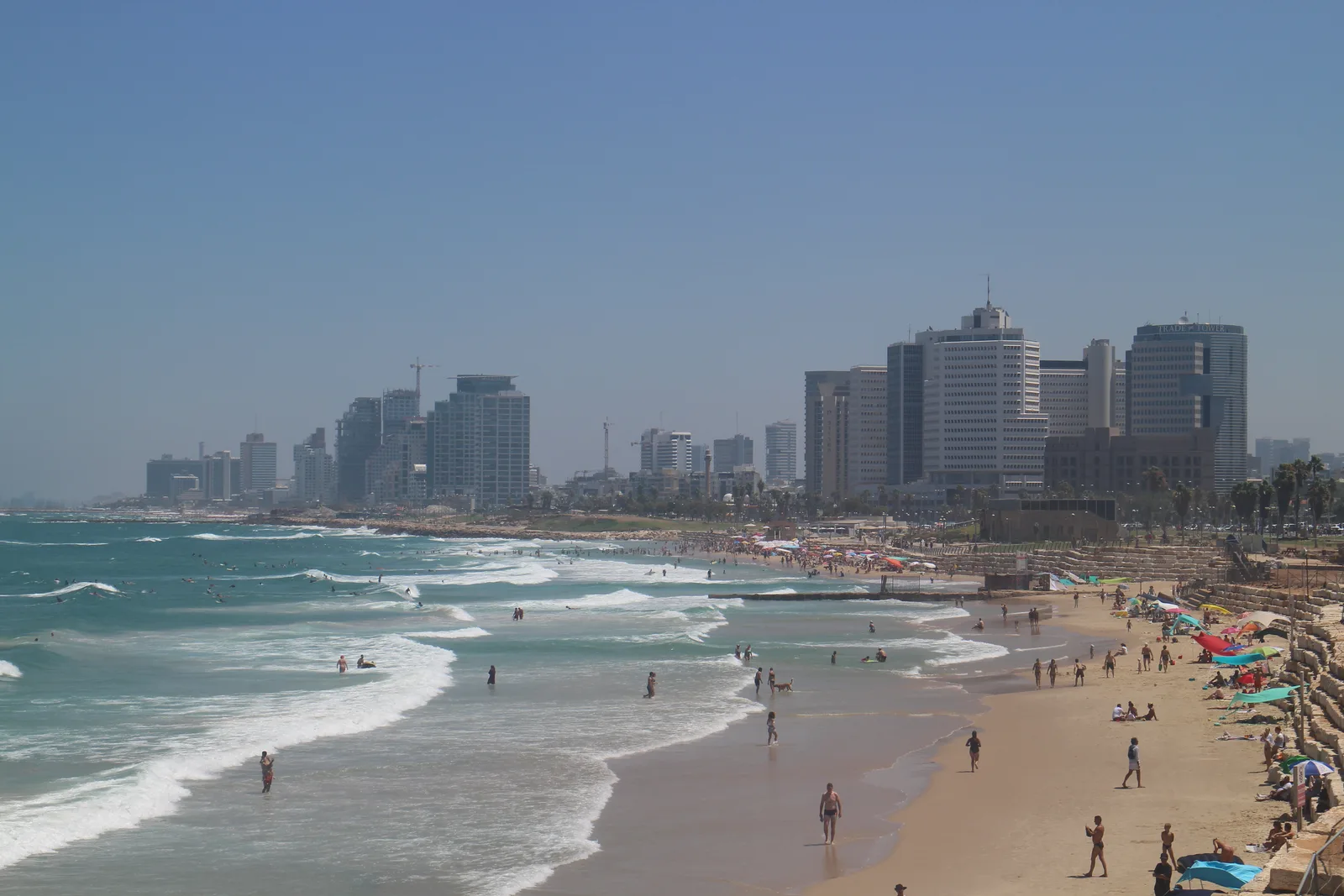
Tel Aviv rewards a stay organised around a few streets as much as a list of sights. Its Mediterranean waterfront, modern architecture and older Jaffa harbour offer quite different days within one municipality. Choose whether the sea, museums, food or exploring a potential home matters most, then locate your accommodation accordingly. A room with a coastal view and an apartment convenient for a workplace can produce very different experiences of the same city.
This guide concerns Tel Aviv-Yafo, the coastal municipality in Israel’s Tel Aviv district. It does not use the wider metropolitan area interchangeably with the city. Start with VisaWand’s Israel location directory and Israel destination page when comparing places; those pages serve a different purpose from this detailed city guide.
Read current conditions before making commitments
Information checked on 17 October 2026 needs to be read alongside current alerts. The UK government’s Israel travel advice describes regional escalation risks, rocket and drone threats across Israel, and possible disruption at Ben Gurion Airport. Its geographical warnings concern specified areas; they should not be presented as a blanket warning covering Tel Aviv. Consult the advice issued for your own nationality, your airline and your insurer before booking.
Keep cancellation terms and an interruption budget in view. An attraction publishing opening hours does not establish that every service will operate during an alert. For accommodation, ask where the protected space is, how guests reach it and whether it is accessible overnight. The municipality’s emergency information explains local preparations and provides municipal and Home Front Command contacts. Understand these arrangements before your first evening out.
Understand the relationship between Tel Aviv and Jaffa
The municipality’s historical account dates Tel Aviv’s foundation to 11 April 1909, when Ahuzat Bayit was established outside Jaffa. Jaffa already had a long history as a port and a substantial Arab cultural and commercial life. The two places were formally combined in 1950. Their shared history also includes the 1948 war, civilian suffering and people fleeing their homes; a sightseeing description should not erase those experiences.
Look for that layered history in the change from harbour lanes to planned boulevards, rather than imagining a single architectural period. A guided walk can be valuable if it identifies its sources and treats different communities’ histories seriously. Ask what the route covers before paying: an architecture tour and a Jaffa history walk need not tell the same story or visit the same streets.
Read the White City at street level
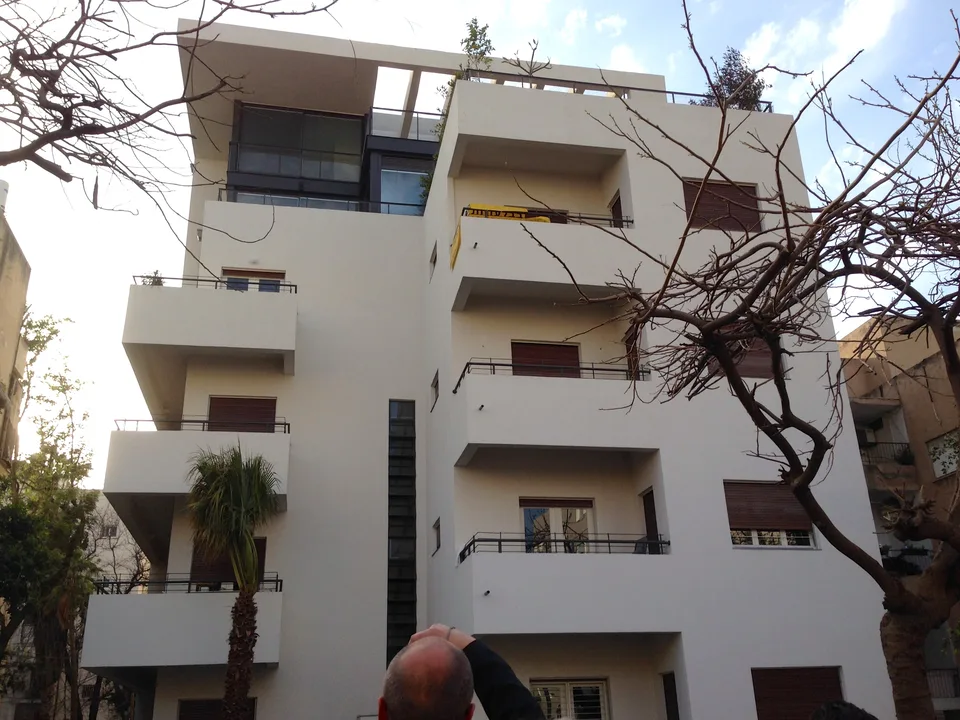
The UNESCO White City inscription recognises a Modern Movement ensemble, inscribed in 2003, shaped by European architectural ideas adapted to local conditions. Its buildings and urban planning belong to designated areas, rather than every white building in the municipality. The development spans the early 1930s into the 1950s, with the earlier Geddes plan contributing to the urban framework.
Walk slowly around Rothschild Boulevard and the adjoining streets. Compare balconies, shading and the relationship between buildings and public space. Looking closely is more rewarding than collecting photographs of identical façades. Keep residential entrances clear and view occupied buildings from public space unless admission is explicitly offered. For a specialist visit, choose a guide who explains both conservation and daily use; restored exterior appearances alone cannot tell you what life inside a building is like.
Choose a base by the journeys you will repeat
For a first visit, draw a small map containing your hotel, the waterfront, the museum and Jaffa. The beachfront favours frequent promenade walks; a central address around the boulevards favours combining architecture with meals and urban errands. A Jaffa base gives greater weight to its harbour and older streets. These are starting points for comparison, not guarantees about quietness, value or travel time.
Check the precise entrance and the final stretch from transport, especially with luggage. A property advertised as central may still leave your particular destinations in different directions. Travelling with children or limited mobility makes this more consequential: a shorter usable journey can be worth more than a larger room. Compare the complete evening return route as carefully as the outbound daytime one.
Give Jaffa a substantial part of a day
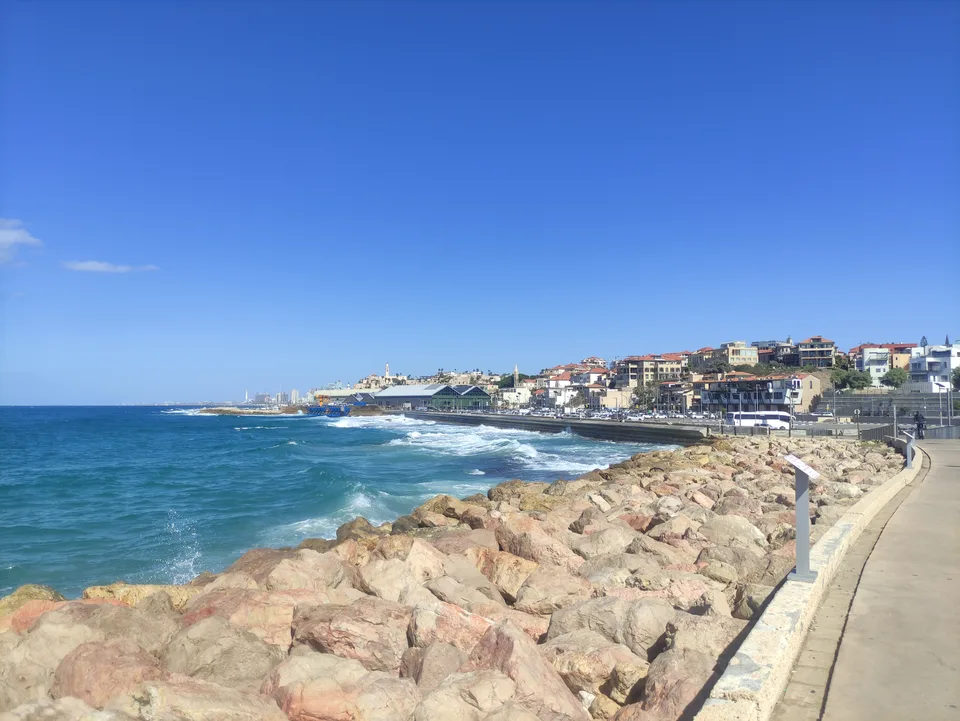
Jaffa’s port, galleries and flea market make a coherent outing. The municipality’s visitor overview describes a working harbour alongside cultural and commercial uses. Allow time to move between the waterfront and the older streets instead of treating the harbour as a brief photograph stop. Check individual gallery access rather than expecting every doorway to lead to a public attraction.
Choose comfortable shoes for changing surfaces and approach a route with steps differently from a waterfront stroll. If accessibility matters, ask about the exact path before joining a walking tour. Leave room for a meal or a pause, but agree prices and portions before ordering. The historical interest of the neighbourhood does not make every tour, restaurant or object for sale equally worthwhile; select according to what you actually want to understand or bring home.
Separate the two ports and the southern neighbourhoods
Tel Aviv Port in the north and Jaffa Port in the south are different destinations. Confusing their names can send an evening plan in the wrong direction. Confirm the map pin when meeting someone or booking a table. Neve Tzedek, which predates Tel Aviv’s 1909 foundation, provides another distinct area for a walk between broader sightseeing plans.
Choose one of these areas for an unhurried meal and exploration rather than crossing the city repeatedly. If a performance is the reason for going, book from the venue and check the language, running time and cancellation arrangements. On an exploratory stay, use a neighbourhood visit to notice grocery access, building entrances and evening activity as well as attractive streets. A pleasant lunch stop provides only limited evidence for choosing a long lease.
Treat the beach as a place with operating rules
The promenade can anchor a low-cost day, but a coastal walk and a swim require separate decisions. The municipality’s beach guidance requires attention to lifeguards and flags; a black flag means no entry to the water. Do not infer permission to swim from other people being in the sea or from a calm-looking photograph. Check the staffed bathing area and the conditions that day.
Ask about accessible approaches and assistance before choosing a beach, including how any specialised equipment is arranged. Keep belongings attended and plan where you will change and store valuables. For a family, a shorter visit with shade and an easy return may work better than committing to a full afternoon. This guide does not reproduce conflicting seasonal hours from older visitor material; verify current lifeguard operation locally.
Make time for the Museum of Art
The Tel Aviv Museum of Art visitor page is the authority for current admission and opening arrangements. At this review, regular admission is NIS 55 and children and young people under 18 enter free; discounted categories require suitable evidence. The museum closes on Sunday, offers later opening on Tuesday and Thursday, and has a shorter Friday. Last admission is one hour before closing.
Allow several hours rather than using the museum as a gap between distant appointments. Choose exhibitions from the dated programme and check whether an event needs a separate booking. Museum sites can have different addresses: the Eyal Ofer Pavilion’s advertised exhibition opening on 27 October 2026 is later than this guide’s review date. It should not be counted as an already available free attraction when planning an earlier visit.
Eat through the markets without losing the budget
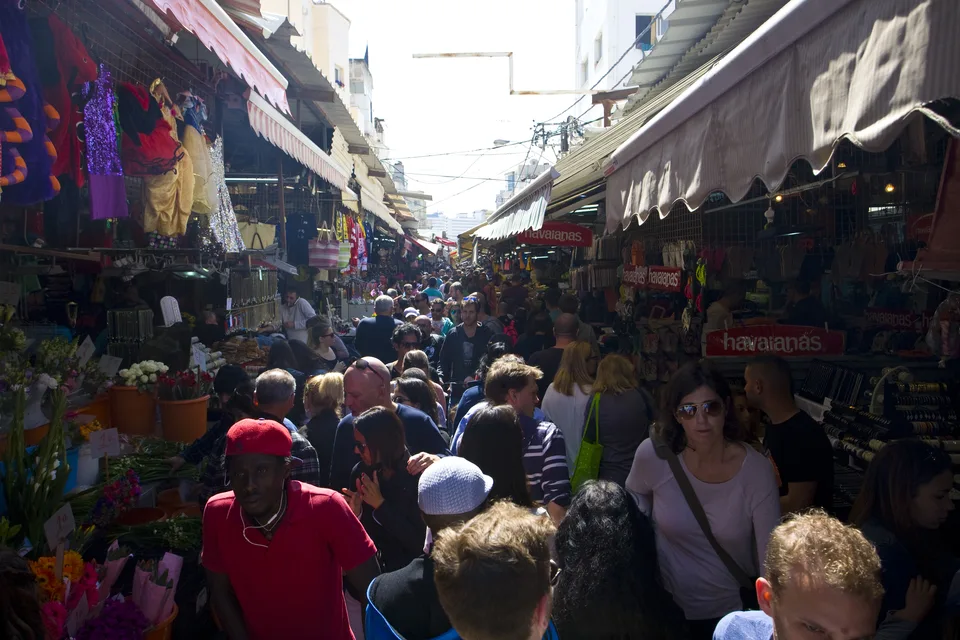
Carmel Market offers produce, bread, cheeses, spices and prepared-food possibilities; Levinsky’s food shops provide a different browsing route. EL AL’s market overview also distinguishes Jaffa’s flea market, where household objects and second-hand goods are part of the appeal. Choose a food-focused visit or a shopping-focused one rather than assuming every market provides the same experience.
For lunch, ask the price of the whole order, including drinks and extras, before paying. Smaller portions leave room to try different things without accumulating a restaurant-sized bill at several stalls. Explain allergies directly and do not assume a plant-based appearance guarantees an allergen-free preparation. When buying spices or packaged food to take home, check your destination’s import rules. For other purchases, consider luggage weight and return arrangements before deciding a bargain is useful.
Levinsky is particularly useful for comparing spices, dried fruit, coffee and baked goods; the surrounding food scene includes Persian, Turkish and Balkan influences. Hummus, falafel or bread and salad can be the basis of a straightforward meal, while halva offers something different to sample in a small quantity. Ask what is freshly prepared and what is sold by weight. Avoid turning an unfamiliar unit price into an unexpectedly large purchase.
Shop for something you can identify
Nahalat Binyamin’s artists’ market is a different proposition from supermarket shopping or Jaffa’s second-hand stalls. The municipal overview describes handmade jewellery, ceramics and other crafts, traditionally offered on Tuesday and Friday. Confirm the current event before building a day around it, especially during holidays or disruption. Ask makers about materials, care and packing if buying something fragile.
For flea-market purchases, examine condition and agree what is included before paying. A decorative object can become expensive to transport, and an attractive old item may need provenance or export checks. Keep a receipt with the seller’s details for a substantial purchase. Window-shopping is a perfectly worthwhile way to explore these areas without making the trip depend on finding an exceptional bargain.
Match accommodation to your actual needs
Compare hotels, guesthouses and apartment-style accommodation on the same basis: final price, cancellation deadline, sleeping arrangements and included services. A kitchen can help on a longer visit, but confirm equipment and cleaning charges. A balcony or sea view should not outweigh missing lift access, inadequate cooling or an inconvenient entrance for your group.
Ask whether the photographed room category is the one being sold. For arrivals outside reception hours, obtain clear access instructions and a working contact. Check noise exposure from the room itself, rather than relying on a neighbourhood label. For a potential move, book an initial stay that leaves time to inspect housing in person. Avoid committing the entire relocation budget to non-refundable accommodation before immigration permission, employment arrangements and travel plans are settled.
Plan Ben Gurion arrivals from terminal to door
Ben Gurion Airport is the relevant international arrival point for most air itineraries. The Israel Airports Authority’s ground-transport information identifies the Terminal 3 railway connection and a free shuttle between terminals. Check your airline’s actual terminal and allow for that transfer when necessary. An airport train journey still needs a final connection to your accommodation.
Use Israel Railways’ journey planner for your date and time. Choose the city station by the onward journey, not simply because its name includes Tel Aviv. For a taxi, follow official signs to the licensed rank; the authority specifies metered fares and identifies Terminal 3’s ground-floor exit at Gate 03. This guide does not quote an unverified fixed airport fare. Confirm the arrangements again before departure, particularly around weekends or service disruption.
The city’s railway stations include HaHagana, HaShalom, Savidor Merkaz and University. Save the exact station and interchange in your arrival plan. A useful booking comparison includes the cost and effort of reaching the hotel from that station, rather than ending the calculation when the train arrives.
If the railway website is unavailable, the airport authority lists the railway information number *5770. Some municipal web services restrict access from abroad; arrange essential questions with your accommodation or the municipality before relying on online access.
Understand ordinary transport and Shabbat separately
The municipality’s public-transport guide describes Rav-Kav as a prepaid travel card and lists a local bus fare of NIS 8. Arrange payment before setting out and check the rules for the service you board. Do not assume that a foreign bank card will work in every vehicle merely because another route accepts it.
Ordinary schedules change around Shabbat, beginning Friday evening, and on holidays. The official Shabbat visitor information explains that many cafés and restaurants remain open while retail and transport arrangements differ. A free metropolitan weekend network provides selected connections; consult the current getting-around information for the actual route and timetable. Check airport-terminal coverage explicitly instead of treating a city weekend bus as a guaranteed airport transfer. For a late arrival, price and organise a workable fallback before flying.
Build a budget from identifiable costs
Use Israeli new shekels, shown here as NIS, when comparing quotes. The verified museum admission of NIS 55 and two separately chargeable NIS 8 local bus journeys total NIS 71 for one adult. That calculation excludes accommodation, food, airport travel and any additional activities; it is an example of known components, not a complete daily allowance.
Obtain accommodation quotes for the same nights and ask whether taxes, breakfast and other compulsory charges are included. Set separate limits for meals, shopping and evening transport. A waterfront walk can reduce paid-attraction spending, while a cancelled connection can consume the saving quickly. Keep an accessible reserve for disruption. No sufficiently reliable current citywide rent, hotel or restaurant average was established for this guide, so it does not invent a reassuring headline budget.
Choose the season for your preferred pace
The Israel Meteorological Service’s Gush Dan climate account describes the coastal region’s warm, humid nights and summer heat stress. Winter brings milder conditions with rainfall that can arrive in intense bursts. Regional climate is more useful here than numbers taken from a weather station in Jerusalem or a single recent forecast.
For a walking-heavy trip, spring or autumn can be a sensible starting preference, with the understanding that hot days and rain still affect plans. In summer, put longer walks earlier, keep an indoor option and assess cooling in your accommodation. In winter, make museum plans flexible around wet periods. Check the short-range forecast before committing to a swimming day or a long outdoor route. A seasonal preference should also be weighed against current security and transport conditions.
A realistic three-day outline
Day one: settle in, establish your transport and emergency arrangements, then walk a manageable part of the waterfront. Add a central boulevard walk if energy allows. Keep the first evening close to your base rather than making a delayed flight the start of a tightly booked programme.
Day two: devote the morning and part of the afternoon to Jaffa, including its port and older streets. Choose lunch deliberately and leave time for the flea-market area if it matches your interests. Add Neve Tzedek only if your pace, weather and return connection make it comfortable.
Day three: visit the Museum of Art on an operating day, then choose either a market meal or more architecture. Move these days around Sunday museum closure and Shabbat transport. With an extra day, explore a potential residential area or take one separately researched excursion; avoid squeezing another city into a tired final afternoon.
Test a possible move through ordinary weekdays
A scouting visit should include the journeys and chores you will repeat. Travel from a candidate home to the actual workplace or campus at the relevant time, then repeat the return. Account for the walk at each end, luggage or school bags, and what happens when a connection fails. A convenient weekend outing cannot establish a dependable working-week commute.
Try shopping near the address and inspect the building in daylight and evening. Ask about repairs, cooling, lift access, internet availability and the protected-space arrangement. If the home is furnished, record what is included and its condition. Compare neighbourhoods through the same practical questions, including nearby Bat Yam where appropriate; VisaWand’s Bat Yam city page helps locate that separate municipality without implying identical services or tenancy conditions.
Read a rental contract beyond its monthly figure
The municipality’s recommended lease agreement gives prospective tenants a useful reference for discussing a contract. It includes clauses requiring choices, so simply receiving the template does not settle every term. Obtain an explanation of any language you do not understand and independent advice where needed before signing or transferring a deposit.
Ask the landlord to identify the property, authority to let it, payment schedule, security requirements, repair responsibilities, renewal provisions and exit terms. Make sure any promised furnishing or work appears in writing. Photograph the condition at handover and keep receipts and communications. This guide does not supply a standard deposit or a supposed average rent: inspect current comparable listings and compare the total contractual cost of the specific homes you can actually rent.
Set up the household with account responsibilities clear
Include Arnona, water, electricity, connectivity and any building charges in the household comparison. The municipality’s city-tax information explains that Arnona depends on property characteristics and that the registered holder’s details matter. Establish which charges the contract includes and which accounts need changing, then record meter readings and the handover date. Do the same when leaving to avoid an unresolved account trail.
Families should approach the municipal education service about registration, documents and suitable provision before making a housing decision around a presumed school place. Ask a prospective employer or institution what practical assistance it provides, and request specifics. Compare mobile and internet plans at the address, including installation and cancellation terms. A successful move depends on usable arrangements for the household, rather than only the person whose job prompted it.
Keep tourism, employment and study permissions distinct
The official Population and Immigration Authority entry portal explains ETA-IL for eligible visa-exempt visitors and the relevant visitor-visa options for other nationalities. These requirements have applied since January 2025. The Foreign Ministry’s ETA-IL guidance lists a NIS 25 charge and validity of up to two years or passport expiry, whichever comes first. Visitor stays may be authorised for up to 90 days; approval is not a promise of admission or the maximum stay in every case.
Employment requires the appropriate authorisation. The official work-visa procedure describes employer-led approval in Israel before the consular stage. For study, A/2 student-visa guidance describes a separate application and states that recipients may not work. Ask the mission responsible for your residence about your circumstances. Neither a rental contract nor a visitor authorisation creates permanent residence; family, longer-term and other status questions need their own eligibility assessment.
Arrange healthcare and compare the wider itinerary
The government healthcare advice emphasises treatment costs and suitable cover. Confirm what insurance covers for your itinerary, existing conditions and disruption. Longer-term residents should establish their own eligibility and arrangements rather than assuming tourist cover or an employment offer automatically provides everything needed. In a medical emergency, Magen David Adom instructs callers to dial 101; keep your accommodation’s exact address available.
Compare Jerusalem’s city page and Haifa’s city page when deciding whether to extend the trip or choose another base. They are location pages, not substitutes for checking current access, attractions and connections. Research an excursion independently, particularly where an itinerary crosses areas with different restrictions. Leave Tel Aviv with time for the airport and a realistic departure plan, rather than depending on one final connection after a distant day trip.
Official planning resources
Reviewed 17 October 2026. Use the official resources linked throughout this guide for admission, transport, housing and immigration decisions. Prices, services and rules can change; confirm the details relevant to your dates. Photography illustrates the locations and is not a live view.
View all official resources
- FCDO: current Israel travel advice
- Municipality: security and emergency
- Municipality: Tel Aviv and Jaffa history
- UNESCO: White City of Tel-Aviv
- Municipality: Jaffa, Neve Tzedek and city landmarks
- Municipality: beaches and swimming rules
- Tel Aviv Museum of Art: visit, prices and hours
- EL AL: Tel Aviv markets
- Israel Airports Authority: Ben Gurion ground transport
- Israel Railways: journey planner
- Municipality: public transport and Rav-Kav
- Official visitor information: Shabbat
- Official visitor information: getting around
- Israel Meteorological Service: Gush Dan climate
- Municipality: recommended residential lease
- Municipality: Arnona, account holders and water
- Municipality: education services
- PIBA: official ETA-IL and visitor visa portal
- Ministry of Foreign Affairs: ETA-IL fee and validity
- Ministry of Foreign Affairs: work visa procedure
- Ministry of Foreign Affairs: A/2 student visa
- FCDO: healthcare and insurance
- Magen David Adom: emergency medical help
Plan the next part of your journey
Explore the Israel guide, browse other cities or compare consultants for your travel and relocation questions.