Visa
A city that rewards time and preparation
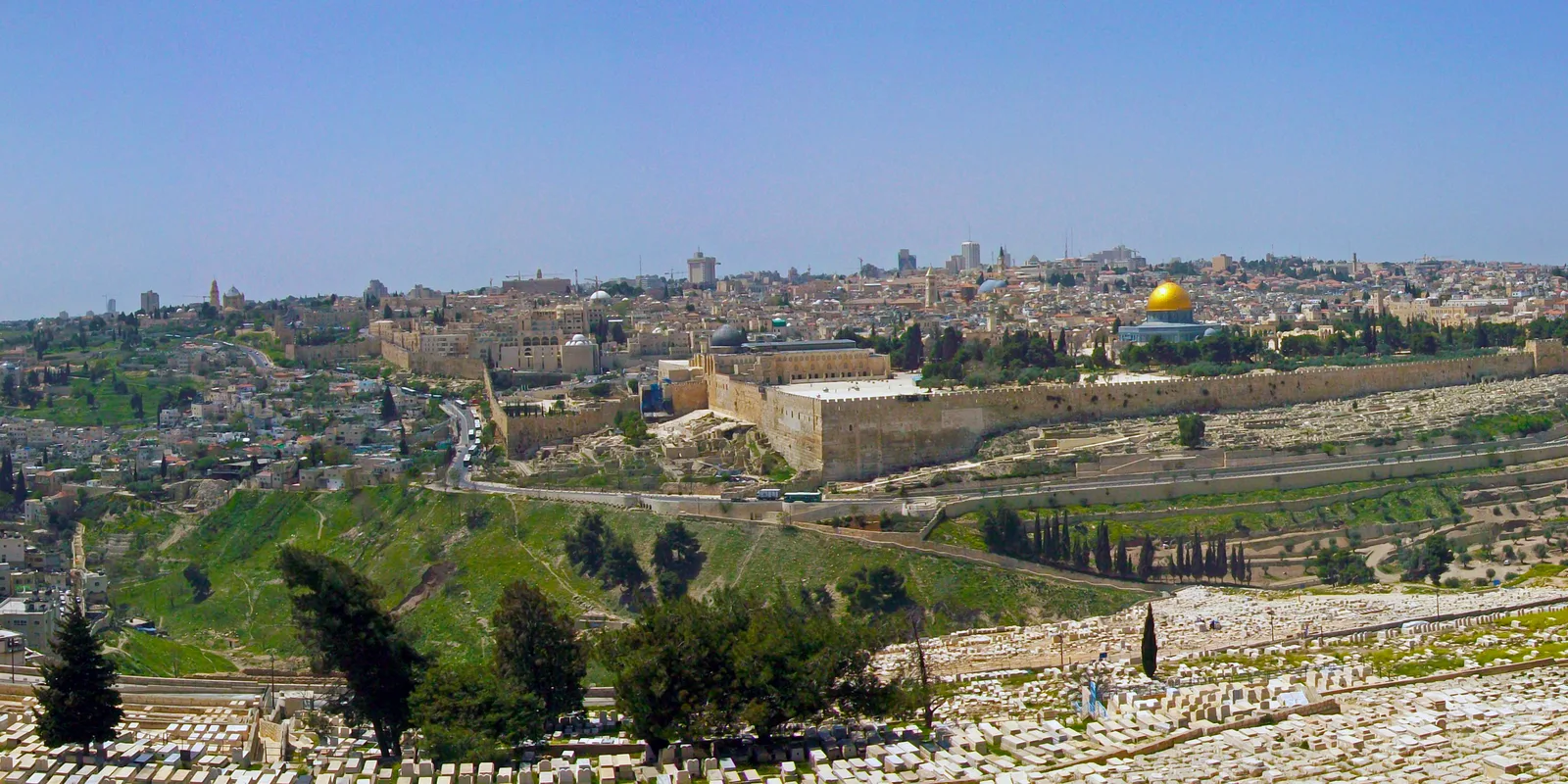
Jerusalem is a place where the distance between two streets can be measured in centuries, religious traditions and very different daily routines. The Old City concentrates extraordinary sacred sites within its walls, while the wider city includes markets, university campuses, museums and residential districts. A rewarding stay needs room for both: looking closely at a doorway or a ritual, then returning to ordinary cafés, groceries and the practical business of getting home.
It also requires an informed decision about whether to travel. Check your government’s current advice and insurance conditions before paying for flights or accommodation. The UK government’s Israel travel advice distinguishes areas with different warning levels; an open hotel or attraction does not establish that your whole journey is advisable. Security conditions, transport and access can change quickly.
For a first visit, three full days provide a workable introduction without pretending to exhaust the city. Use VisaWand’s Israel country guide for the wider trip and its destination directory to explore other locations. Jerusalem deserves an itinerary built around your interests and mobility rather than a race through every famous name.
Read the geography with care
The walled Old City and modern Jerusalem are different scales of destination. West Jerusalem, East Jerusalem and the Old City are useful geographical descriptions, but they are not interchangeable labels for neighbourhood atmosphere or legal status. Jerusalem’s political status is disputed; the country folder in this page’s address is a directory convention, not a statement resolving sovereignty.
That distinction has practical consequences. A traveller’s nationality, residency documents, purpose and arrival route can affect entry and movement. Advice written for an ordinary foreign tourist may not cover someone with Palestinian or Israeli identity documentation. Resolve your own circumstances with the relevant authorities before buying a complicated regional itinerary.
For daily planning, group nearby sights and mark the entrance you actually need. The walls, steep approaches and controlled access mean that a short straight line on a map can conceal a much longer walk. Identify a second meeting point outside a busy gate in case the first becomes inaccessible.
History is visible, but interpretation matters
Jerusalem’s significance comes partly from the overlap of Jewish, Christian and Muslim sacred traditions, and partly from the city’s repeated rebuilding. The UNESCO listing for the Old City and its Walls covers that defined historic property, not the entire modern urban area. Its landmarks need time and context rather than being treated as interchangeable photo stops.
The Tower of David offers a particularly useful introduction to the city’s layers. Its own account describes remains and structures associated with Herodian, Crusader, Mamluk and Ottoman periods. Despite the familiar name, visitors should not assume the surviving citadel was built by the biblical King David.
Separate religious belief, documented building history and present political claims when choosing a tour. A good guide explains whose interpretation is being presented and allows questions. For an independent visit, reading a short site history before entering often makes architectural details easier to understand than another hour of hurried sightseeing.
Choose a base by your actual walking route
The centre around Jaffa Road and Ben Yehuda is worth considering if you want restaurants, shops and access to the tram alongside walks towards the Old City. Around Mahane Yehuda, the market can become part of your daily routine, although a room directly above late activity may be less restful than its attractive location suggests.
Rehavia and the Keren Hayesod area offer other possibilities for a stay combining the centre with the historic city. East Jerusalem accommodation can suit a different set of interests and approaches to the Old City. Compare the precise street, entrances, transport and current local conditions rather than choosing on a broad east-or-west label.
The visitor board’s accommodation overview is useful for understanding areas, but older lists do not prove that every named business remains open. Ask the property directly about reception hours, luggage access, cancellation terms and the route from your arrival station. A quiet room and a manageable final uphill walk can matter more than a polished lobby photograph.
Walk the Old City in smaller portions
Treat the Old City as several walks, not one uninterrupted circuit. Decide which religious sites you most want to understand, then leave space for courtyards, working shops and changes of pace. Streets are lived and worshipped in; a camera should not become an excuse to interrupt a service or obstruct a doorway.
Use clothing that can meet conservative religious expectations, carry drinking water and wear shoes suited to uneven paving. Check a site’s individual rules before joining a queue. A place accessible for worship may have different arrangements for sightseeing, and neither implies access to every room or courtyard.
The UK government’s Jerusalem-specific regional guidance warns that demonstrations, heightened checks and closures can affect the Old City and several gates, including around Friday prayers. Do not build an airport departure around a last-minute walk through a single gate. If access changes, switch to a museum or another district rather than pressing towards a gathering.
Visit the Church of the Holy Sepulchre thoughtfully
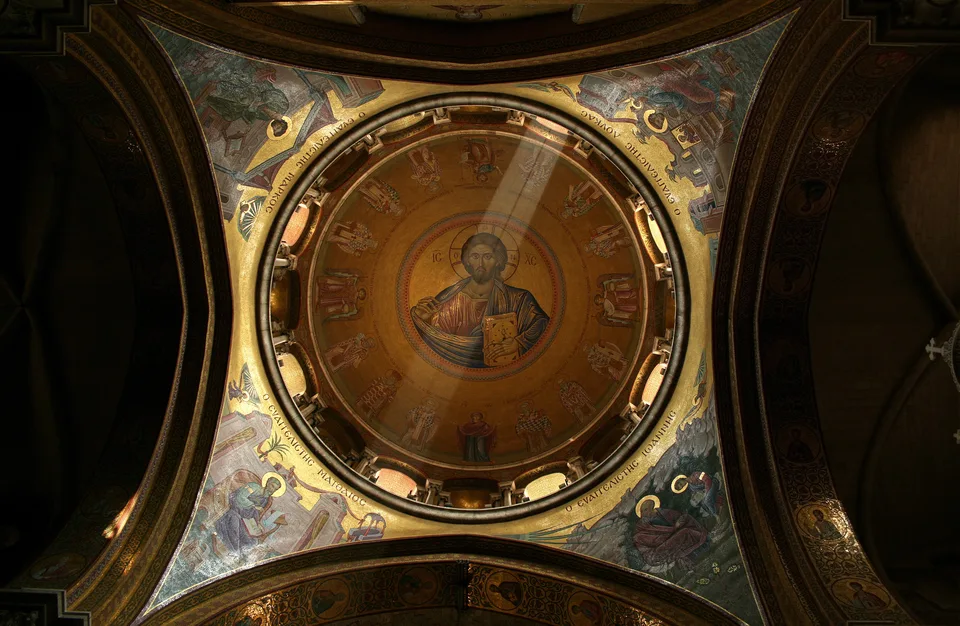
For many Christians, the Church of the Holy Sepulchre is connected with the crucifixion, burial and resurrection of Jesus. That religious significance should be understood on its own terms, without turning tradition into a claim that every historical question has been settled. The interior is also a working place of prayer shared by different Christian communities.
The Franciscan Custody’s visitor information explains the presence of Greek Orthodox, Catholic and Armenian communities and provides a route to practical visiting information. Check current arrangements close to the day, especially around major religious observances. Do not infer today’s access from an old photograph or a tour description written in a quieter season.
Allow time to pause, observe and move aside for worshippers. People with limited mobility should ask about their intended route in advance: a building’s main entrance being reachable does not mean that every interior level or shrine is straightforward to access.
Keep Western Wall and other sacred-site visits distinct
The Western Wall plaza and separately organised tunnel visits are different experiences. Use the Western Wall Heritage Foundation’s visitor service to plan the appropriate visit rather than assuming a general plaza arrival includes a booked tour. Security procedures and religious observance should shape the time you allow.
Check rules for dress, photography and the particular area you intend to enter. Do not assume that access conditions at the Wall establish the conditions for visiting the adjacent elevated sacred compound, known to Muslims as al-Haram al-Sharif and to Jews as the Temple Mount. Religious affiliation, visiting purpose, entrance arrangements and current restrictions matter there.
A specialist guide may be valuable if these sites are central to your journey, but ask what the advertised itinerary actually includes. No responsible booking should promise access regardless of official restrictions. Have a worthwhile alternative planned so a closure does not turn into an argument at an entrance.
Use the citadel to connect the layers
The Tower of David works well early in a stay because it gives structure to subsequent walks. Its exhibitions can help you place buildings and historical periods in relation to one another, making the surrounding city easier to read.
At review, the museum’s official FAQ listed ordinary adult museum admission at 55 new Israeli shekels, with an audio guide included. Night presentations and combined products have separate prices. A photograph of an evening performance is therefore not evidence that it comes with the basic daytime ticket.
The website displayed conflicting opening-hour information in different places, so use the dated ticket-booking page and contact the museum if timing is critical. For access needs, ask which galleries and viewpoints your route can include. Plan a realistic visit rather than purchasing the latest slot and expecting to see everything before closing.
Give the Israel Museum a separate block of time
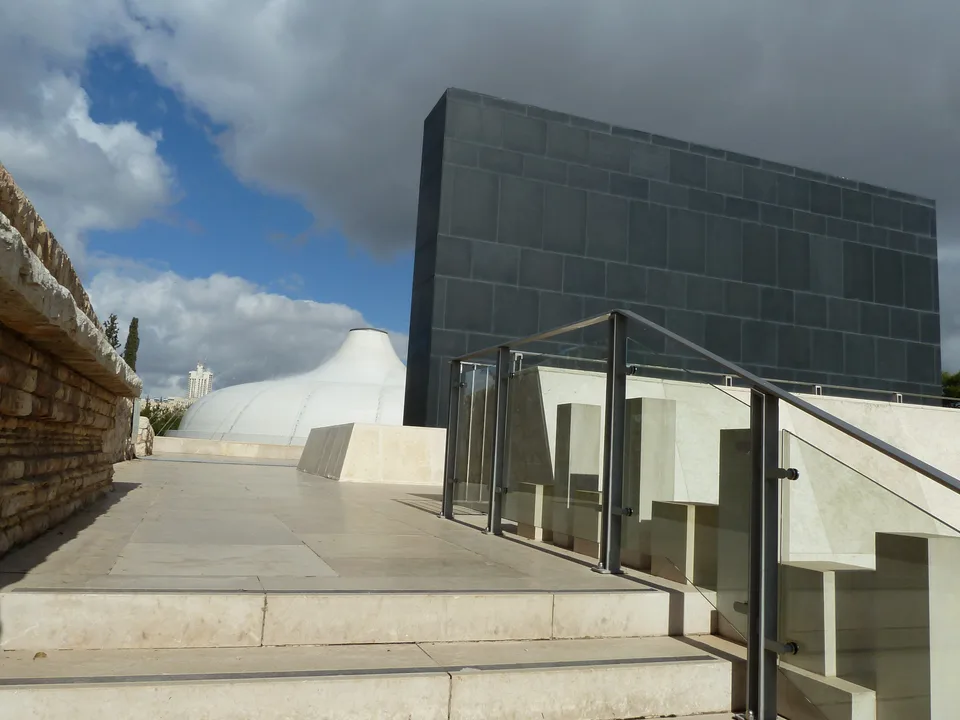
The Israel Museum offers a different rhythm from the Old City: a chance to spend sustained time with collections and exhibitions rather than keep moving between crowded streets. The Shrine of the Book is one of its distinctive features, and the broader museum deserves more than a hurried detour made solely for its white dome.
The official admission page listed an adult ticket at 62 shekels at review, including an audio guide. Concessions require attention to eligibility and identification; workshops or other activities can cost extra. Check the exhibitions and visiting arrangements for your date before deciding how long to reserve.
Choose a few priorities and leave room for a break. For families, agree in advance which collections everyone wants to see. For anyone who finds a full day of stone lanes physically demanding, a museum-focused day can also make the overall trip more sustainable.
Approach Yad Vashem with time and attention
Yad Vashem is a Holocaust remembrance and research institution, not a light interval between shopping and dinner. Give the visit its own space in the itinerary and consider how you will feel afterwards. A quieter evening may be more appropriate than another demanding guided circuit.
The official Holocaust History Museum reservation system says that advance reservation secures an entry time and carries a non-refundable handling fee. Admission without a prior reservation is free but subject to availability. That distinction matters: a description calling the museum simply free does not explain whether your preferred time is secured.
Check the current conditions for your group, children and any guided activity before booking. Avoid relying on old opening-hour tables circulated elsewhere online. Decide whether a guided visit or independent reading better fits your knowledge and interests, and leave enough time for the grounds without treating every part of the campus as compulsory.
Make the market part of everyday exploration
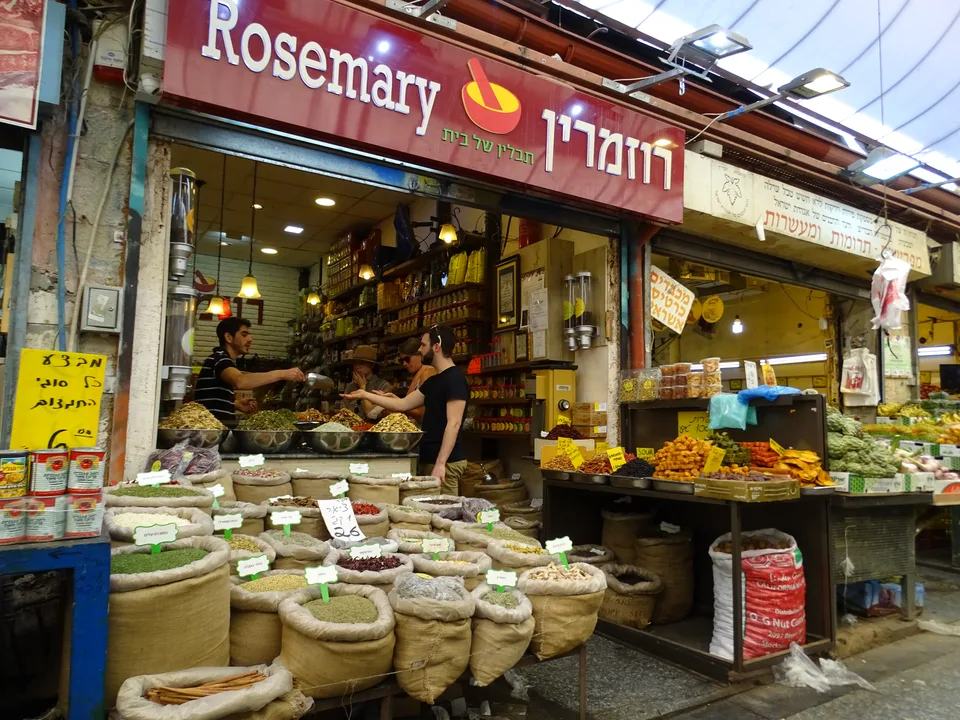
Mahane Yehuda is useful both as a food destination and as a reminder that Jerusalem functions beyond its monuments. The visitor board’s market overview describes a mix of food shopping, restaurants and evening activity. Go with a modest shopping list, compare portions and prices, and let one visit serve a real meal rather than buying more tastings than you want.
A market stall, café and formal restaurant involve different budgets and expectations. Check displayed prices, ask what is included and establish dietary requirements directly. Do not assume every business has the same kosher certification, opening schedule or ability to accommodate an allergy.
For gifts, compare weight, packaging and your destination’s food-import rules before purchasing spices or other edible souvenirs. Keep purchases manageable on walking days. Historic market photographs help convey the setting, but they do not establish that a particular stall, product or seller is present today.
Arrive through a route you can complete
For many international visitors, Ben Gurion Airport is the starting point. Check actual flights and operating conditions first, then plan the onward journey. The visitor board’s airport overview identifies the rail connection to Jerusalem’s Yitzhak Navon station; verify departures for your arrival date rather than treating an older journey-time estimate as a guarantee.
Navon is an arrival point, not necessarily the end of your transfer. Add the local connection, luggage handling and walk to your accommodation. Compare that complete route with a taxi when arriving late, travelling with children or managing limited mobility.
The Israel Airports Authority’s transport information directs Terminal 3 passengers to licensed taxis at the ground-level Gate 03 rank and states that fares are by meter. Confirm the applicable arrangements at your terminal. Budget from current official information or a properly documented booking, not a years-old airport taxi quotation copied into a travel article.
Understand fares, validation and the weekly rhythm
The tram and buses can connect central areas with stations and other districts, but you should check the specific journey and payment method before boarding. The Jerusalem public-transport overview explains Rav-Kav and app-based payment options. An airport rail ticket should not be assumed to cover every onward ride automatically.
For a useful price reference, Rav-Kav Online’s public-transport guidance lists a typical local bus fare of 8 shekels and describes eligible transfers within 90 minutes. Fares depend on distance and mode; this is not a universal ticket price for every bus network or rail journey in the region. Validate as required even when you believe a transfer is included.
Friday evening and Saturday need deliberate planning because many services pause for Shabbat. Check your actual operator and dates; do not assume every East Jerusalem service follows the same pattern. Locate food and a practical return route before setting out for an evening farther from your base.
Build a budget from confirmed components
Use shekels for a working budget and retain a separate allowance for unexpected transport. At the reviewed ordinary adult rates, the Tower of David and Israel Museum together total 117 shekels before any extras. This is a transparent attraction subtotal, not a prediction of what a whole day in Jerusalem will cost.
Accommodation, meals, airport transfers and insurance may dominate spending. Compare refundable room offers for identical dates and occupancy, then ask which taxes or other charges apply to your circumstances. A cheaper room can lose its advantage if it requires repeated taxis or lacks the kitchen facilities you expected.
Keep a small accessible payment reserve and check your bank’s conversion and withdrawal charges. Reconcile receipts as you go. For a longer stay, record several ordinary shopping trips before setting a household allowance; a holiday meal budget and a sustainable monthly grocery budget answer different questions.
Choose the season around your tolerance and calendar
The World Meteorological Organization’s Jerusalem climate information supports a broad pattern of hotter, drier summers and cooler, wetter winters. Its historical averages are not a forecast for your dates. Check the current forecast before packing and again before a long outdoor walk.
Spring and autumn can be worth considering for a walking-focused trip, while summer calls for shade, water and less demanding midday plans. Winter can make indoor museum time particularly welcome. Jerusalem’s inland hill setting means that packing solely for a beach holiday elsewhere on the same journey is a mistake.
Religious calendars can matter as much as weather. Major observances affect accommodation demand, worship schedules, access and transport. Check the dates relevant to your visit rather than assuming a familiar weekend pattern. A flexible museum booking and a spare half-day are more useful than a tightly timed itinerary that cannot absorb a change.
A realistic three-day introduction
Day one can begin with the Tower of David, followed by a focused Old City walk and one principal sacred-site visit, subject to access. Have lunch before fatigue turns the afternoon into a checklist. Return by a route you have already considered rather than adding every remaining landmark.
On day two, give the Israel Museum a substantial block, then spend a separate part of the day around Mahane Yehuda. Adjust the order to actual opening and transport conditions. This combination provides a change of scale from religious precincts to collections and everyday city life.
Set aside day three for Yad Vashem if appropriate to your interests and group, with a quieter afternoon afterwards. Alternatively, use it to deepen an Old City interest with a qualified guide. Keep the final evening and departure transfer straightforward. These are planning suggestions, not timed tours or guarantees that every location will be accessible on consecutive days.
Test a neighbourhood before committing to housing
A longer stay changes the questions. Start with a short accommodation period and inspect housing in person where possible. Walk the exact route to work, study or regular appointments at the times you will use it, including the return uphill and the weekly transport break.
Ask for a written breakdown of rent, deposit, utilities, building charges and any municipal liabilities. Confirm heating, cooling, hot water, internet installation, furnishings and who arranges repairs. Check stairs, lift access, street noise, daylight and delivery access instead of judging only the living-room photographs.
Obtain independent legal advice before signing an unfamiliar lease or considering a purchase. The UK government’s safety guidance specifically flags risks associated with property in settlements on occupied land, including East Jerusalem. Do not let an agent’s reassurance substitute for checking title, contractual obligations and your own legal position. Tourist permission, a tenancy and residence status are separate matters.
Match services and campuses to your household
For students, the Hebrew University’s incoming-student information is a sensible starting point for admissions-related support, housing questions and insurance requirements. Establish your actual campus and teaching location before choosing a district; the university’s name alone does not identify a daily commute.
Families should investigate school eligibility, language support, registration documents and travel arrangements before committing to housing. Anyone moving with continuing medical needs should identify an appropriate clinic, pharmacy and emergency plan, with insurance that covers their status and circumstances.
Hadassah’s international-patient information offers a route for enquiries, but an enquiry or appointment does not establish free treatment or universal insurance entitlement. Confirm the relevant department and location directly. Save the official emergency numbers separately: ambulance 101, police 100 and fire 102. Keep important documents and contact details accessible if your phone is unavailable.
Separate a tourist visit from work or study
Eligible visa-exempt travellers should use the official ETA-IL application portal to check requirements before travelling. The Israeli embassy’s ETA-IL notice lists the fee as 25 shekels and explains validity of up to two years or passport expiry, whichever comes first. Permission to travel is not a promise of entry or permission to remain for that entire validity period.
The UK government’s entry guidance describes tourist visits of up to three months for British citizens and warns that individual documentation and identity circumstances can alter arrangements. Other nationalities must establish their own visa requirements. Retain your entry documentation and check any conditions attached to it.
Employment requires the appropriate authorisation; the official B/1 work-visa information explains the employer-approval process. Study has a separate A/2 student-visa procedure. Do not assume admission to a course authorises employment, or that repeated tourist visits create permanent residence. For individual assistance, investigate VisaWand’s Israel consultant listings and verify the adviser’s relevant qualifications.
Compare other destinations without underestimating the journey
Jerusalem can be combined with other places, but an additional destination needs its own transport and security assessment. Use the Tel Aviv destination page to investigate a coastal urban alternative, or the Ashdod destination page when comparing another Mediterranean base. These directory pages help locate options; they should not be mistaken for complete itineraries.
Bethlehem and other West Bank destinations require a separate review of entry conditions, checkpoints, insurance and current travel advice. Proximity on a map is not evidence that an excursion will be simple, available or advisable for your documents and dates. Avoid attaching a cross-border outing to a flight departure day.
The most useful extra day may ultimately be another day in Jerusalem: revisiting a collection, taking a carefully chosen historical walk, or testing a residential district you are considering. Leave with a clearer sense of how the city works, as well as photographs of its most recognisable places.
Official planning resources
Reviewed 26 October 2026. Use the official resources linked throughout this guide for admission, transport, housing and immigration decisions. Prices, services and rules can change; confirm the details relevant to your dates. Photography illustrates the locations and is not a live view.
View all official resources
- UK government: Israel travel advice
- UNESCO: Old City of Jerusalem and its Walls
- iTravelJerusalem: accommodation areas
- UK government: Jerusalem and regional travel risks
- Custody of the Holy Land: Holy Sepulchre visitor information
- Western Wall Heritage Foundation: visitor arrangements
- Tower of David Jerusalem Museum: visitor information
- Tower of David Museum: dated ticket booking
- Israel Museum: admission prices and conditions
- Yad Vashem: Holocaust History Museum reservations
- iTravelJerusalem: Mahane Yehuda market directory
- iTravelJerusalem: Ben Gurion airport to Jerusalem
- Israel Airports Authority: Ben Gurion transport
- iTravelJerusalem: public transport overview
- Rav-Kav Online: fares and validation information
- WMO: Jerusalem climatological information supplied by IMS
- UK government: security, religious customs and property risks
- Hebrew University: incoming exchange-student support
- Hadassah Medical Center: international patient enquiries
- UK government: emergency services
- Population and Immigration Authority: official ETA-IL and visa portal
- Israeli embassy: ETA-IL eligibility and official fee
- UK government: entry requirements for Israel and Palestine
- Israeli consular service: B/1 work visa
- Population and Immigration Authority: student-entry application
Plan the next part of your journey
Explore the Israel guide, browse other cities or compare consultants for your travel and relocation questions.