Visa
Tehran requires two kinds of planning
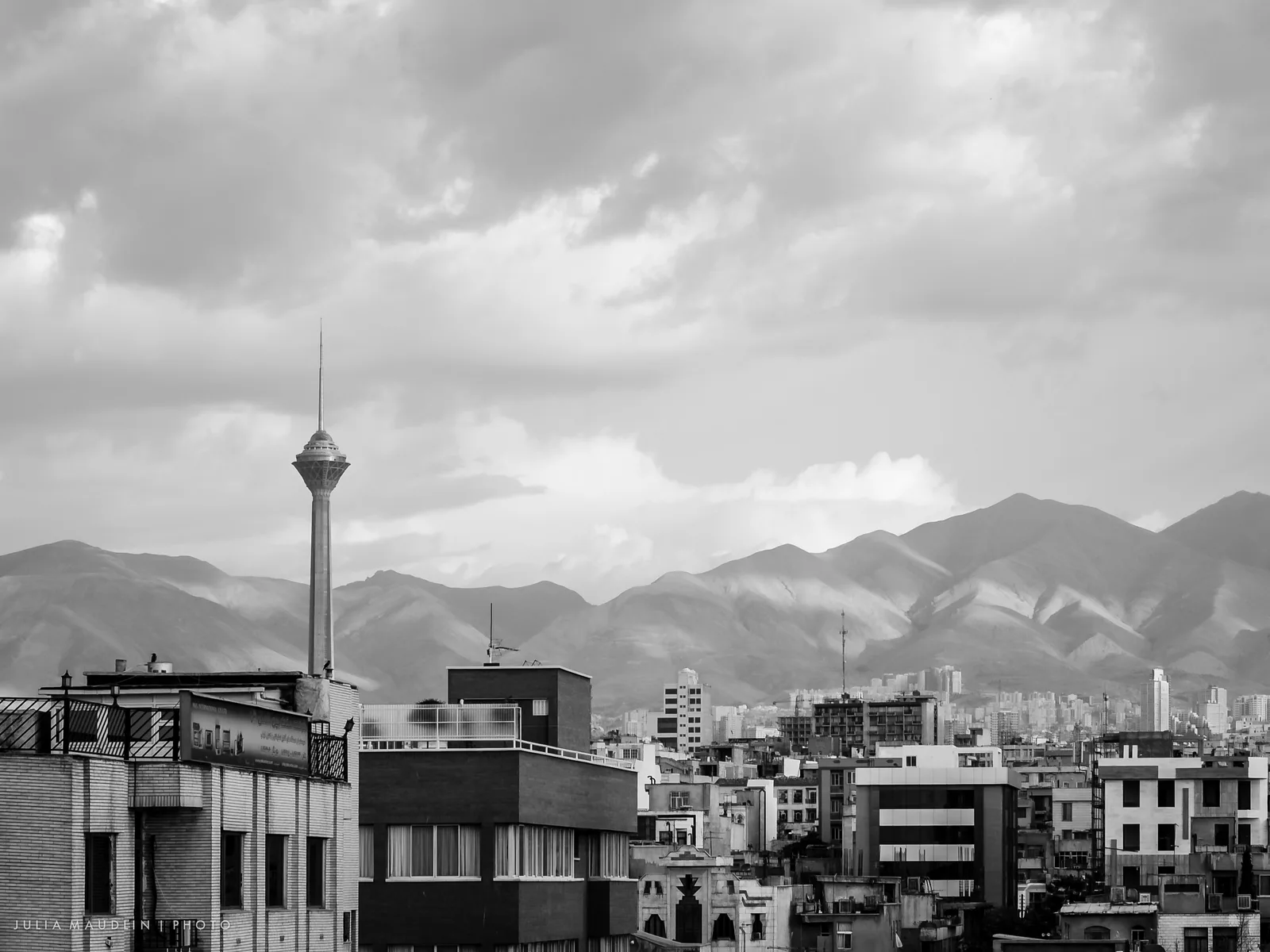
Tehran brings together royal collections, covered bazaars, modern infrastructure and neighbourhoods climbing towards the Alborz foothills. Understanding those different parts of the capital helps explain why a short cultural visit and a possible move demand different decisions. A museum-focused stay benefits from a compact daily route; a household needs dependable access to work, education, healthcare and money.
The present security situation must come first. This guide, researched on 17 October 2026, describes the city and explains practical choices without presenting normal sightseeing as currently assured. Its suggested itinerary is conditional on circumstances, lawful access and current advice. VisaWand’s Iran location directory and Iran destination page provide wider context, while the official sources below are the place to check changing rules before committing funds or making a journey.
Read the current advice before considering travel
At this review, the UK government advises against all travel to Iran. It highlights serious risks for British nationals and British-Iranian dual nationals, including arrest and detention, and extremely limited government support. It also describes disruption affecting communications, infrastructure and routes into and out of the country. Previous trouble-free visits do not establish present safety.
The Australian government also says do not travel, citing armed conflict, unrest and arbitrary detention. Read the full advice applicable to your nationality and circumstances. Clarify insurance exclusions directly: buying a policy does not establish that travel against official advice is covered. If already in Tehran, prioritise current local instructions and verified departure arrangements over a sightseeing plan. A published airline route or an old photograph cannot establish that a journey is possible today.
Place the city within its landscape and history
The official Tehran Province overview explains the capital’s relationship with the Alborz to the north and with older Rey. It also describes a population drawn from different parts of Iran. The municipality, the wider urban area and Tehran Province are different geographical units; their population figures should not be exchanged as though they measure the same place.
Qajar royal architecture provides one thread through the city’s development, while Pahlavi palaces and later public projects show other chapters. Read Tehran through these changes rather than expecting an untouched historic centre. Its appeal lies partly in the contrast between collections, commercial passages and contemporary urban spaces. For a visitor, that variety makes choosing a geographical focus more useful than trying to cross the whole capital several times in a day.
Divide the map before choosing accommodation
Begin with three broad areas for planning. The older central core contains Golestan Palace and the Grand Bazaar. The National Museum and surrounding central streets form another practical cluster. In the north, Tajrish, Saadabad and Niavaran bring different neighbourhoods and royal sites into the picture. These groupings help organise a visit; they do not imply that every attraction is open or immediately next door.
For an essential or longer stay, put the actual workplace, campus or family address on the map before comparing rooms. A northern address may be attractive for a particular purpose but inconvenient for repeated central appointments. A cheaper booking can lose its advantage through transport costs and unreliable connections. Ask for the precise entrance, address in Persian and a local contact, rather than relying solely on a broad neighbourhood label.
Understand Golestan before deciding whether access is possible
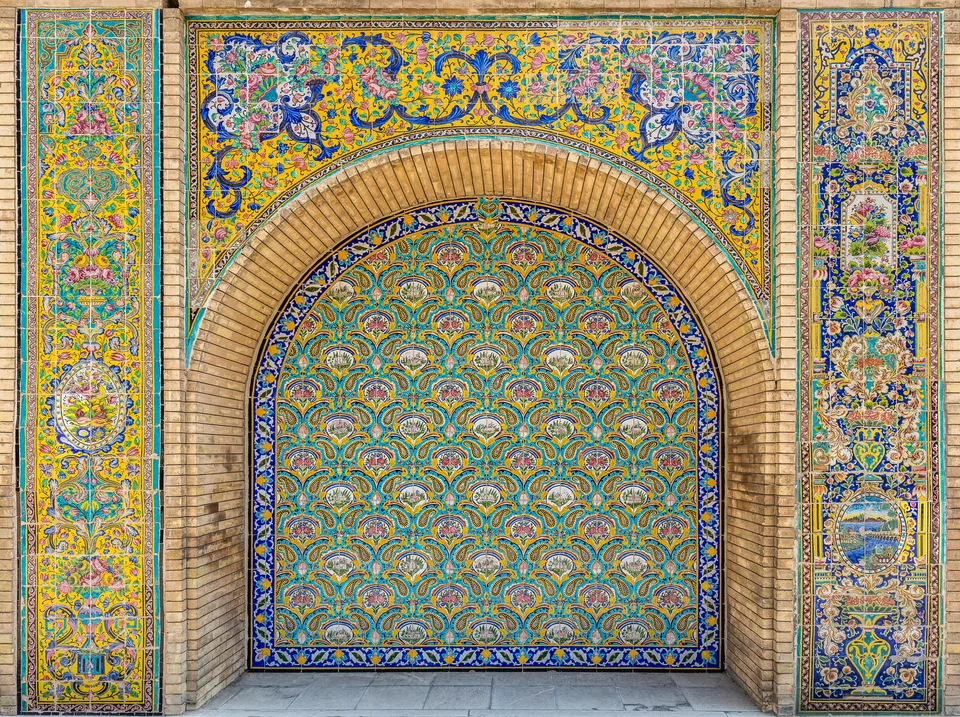
The UNESCO description of Golestan Palace explains its importance as a Qajar seat of power and artistic production, with earlier origins and particularly significant nineteenth-century features. Gardens, pools, decorated surfaces and royal buildings make it an ensemble, rather than a single palace room. UNESCO inscribed the property in 2013; that designation does not cover the whole city.
Its current condition requires separate attention. In a statement dated 2 March 2026, UNESCO reported damage from debris and shock waves following an airstrike near Arg Square, in the property’s buffer zone. This guide does not establish that the complex or particular interiors have reopened to visitors. Confirm access with the responsible institution before travelling there. The photograph included here was taken in 2016 and illustrates historic decoration, not the palace’s present condition.
Give the National Museum a clear purpose
The National Museum of Iran’s official website introduces collections extending from prehistory through later Iranian history, including ancient and Islamic material. It identifies the museum on Henri Rolin Street, near Si-e Tir Street and Imam Khomeini Avenue. The collection is useful context for understanding objects and periods encountered elsewhere in Iran, rather than merely an additional building to tick off.
Contact the museum about current access, galleries and ticket arrangements. Undated visitor information alongside older website news is insufficient evidence for promising today’s opening hours or foreign-visitor tariff. If a visit is available, select a few periods of particular interest and allow time to read the interpretation. Check bag, photography and accessibility arrangements in advance. A shorter, focused museum session is often more informative than rushing every display before another cross-city journey.
The museum lists +98 21 66702061–6 for enquiries. Ask about your proposed date, the collection you hope to see and the entrance suitable for your group.
Navigate the Grand Bazaar as a working place
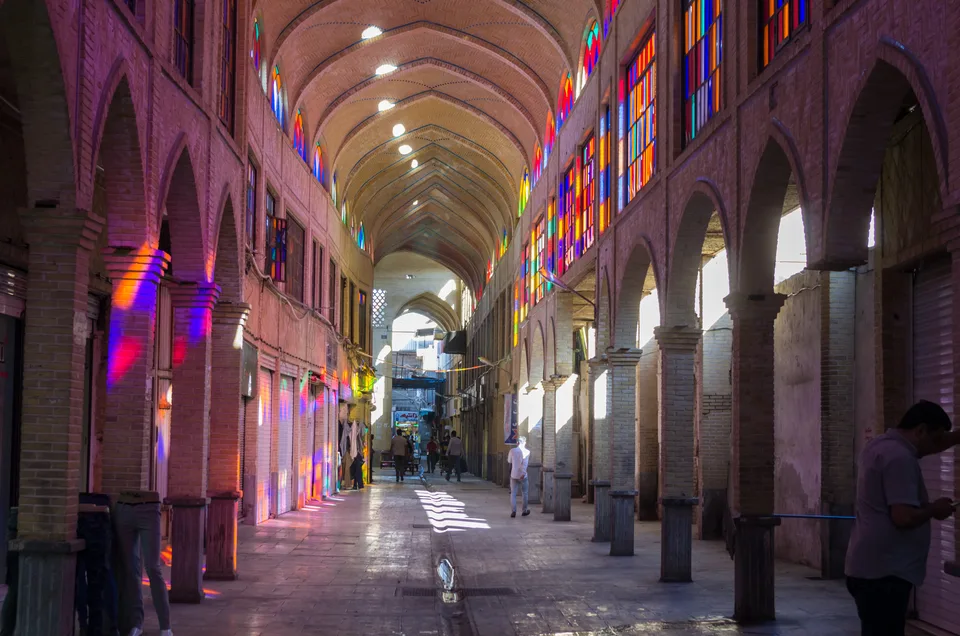
The official Grand Bazaar description presents a commercial network of covered passages, with Safavid roots and substantial Qajar development. It identifies 15 Khordad Street as an approach and describes shops selling goods ranging from textiles and jewellery to spices and household items. Shopping, worship, deliveries and livelihoods share this setting; visitor curiosity does not take priority over people working there.
If access and conditions permit, choose a specific entrance and a small circuit. Keep the return point written down and avoid following an unfamiliar passage indefinitely simply because the market appears continuous. Confirm trading arrangements for the day: the tourism account describes Friday closure and reduced Thursday activity, but that pattern is not a guarantee during disruption or holidays. A bazaar visit is better judged by what you understand than by how many corridors you cover.
Compare Tajrish with the central market
In northern Tehran, Tajrish and its bazaar offer another way to understand the capital’s commercial life. The official visitor account locates the bazaar between the Tajrish and Qods areas, beside Imamzadeh Saleh. Produce, herbs, pickles, spices and everyday purchases distinguish its practical role; it should not be treated as a second copy of the Grand Bazaar.
For a future visit under suitable conditions, pair the area with one northern destination rather than returning to the centre between appointments. Religious spaces require their own access and dress checks. Ask before entering or photographing worshippers, and leave room for people using the site for its intended purpose. For someone evaluating a neighbourhood, shopping here can also reveal how convenient ordinary errands would be, though a single afternoon cannot establish the experience of living nearby.
Choose between the northern palace complexes
Saadabad’s official tourism description traces a summer royal retreat expanded into a group of palaces and museum spaces. Niavaran’s visitor account describes another northern garden complex with Qajar and Pahlavi buildings, including the Ahmad Shahi Pavilion and the later private palace. Their histories overlap, but their buildings and collections make them separate destinations.
Choose according to an available collection and the part of Tehran you are already using. A complex ticket may not answer which individual buildings can be entered; obtain that information before paying or setting off. The Niavaran account itself identifies restoration closure at Sahebqaranieh Palace. Do not interpret an illustrated list of buildings as confirmation that all are accessible. For a household with limited walking capacity, ask about gradients, distances between entrances and any permitted assistance as well as the exhibition content.
Recognise Tehran through its modern architecture
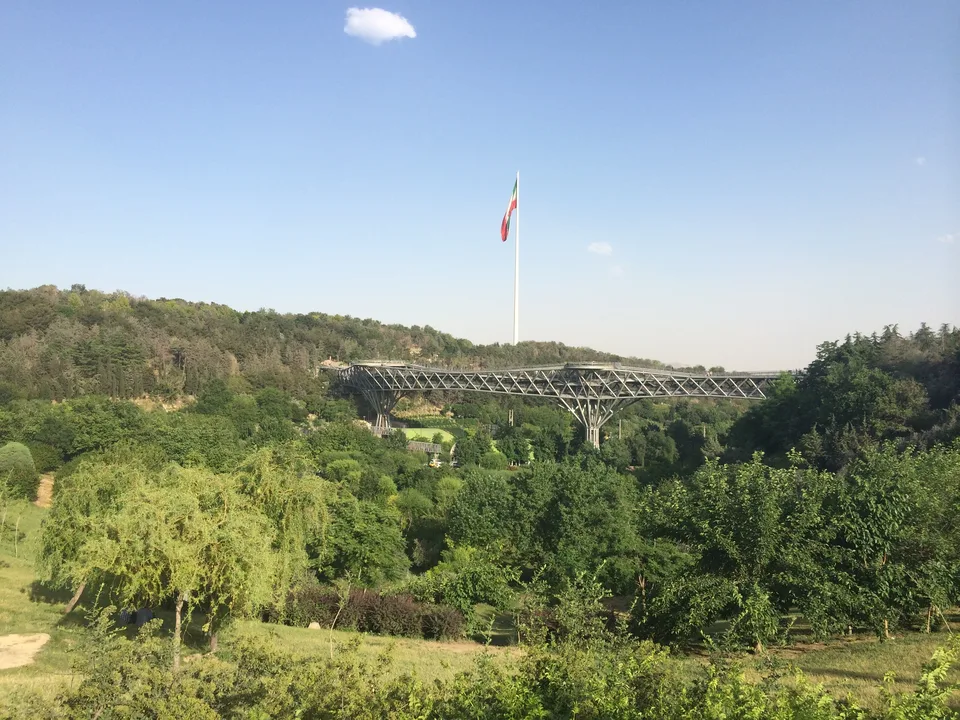
The Aga Khan Award for Architecture’s Tabiat Bridge record identifies a 270-metre pedestrian bridge completed in 2014, designed by Diba Tensile Architecture with Leila Araghian and Alireza Behzadi. Its curved, multilevel structure links parks across Modarres Highway and was conceived as public space where people could pause, rather than simply cross. It offers a useful architectural counterpoint to royal courtyards.
Azadi Tower is another distinct landmark. Arup’s project archive records its completion in 1971, its architect Hossein Amanat and its marble-clad reinforced-concrete construction. Recognising these projects helps read different periods of Tehran’s development. Current access, events and interior admission remain separate questions. Neither an architecture award nor an archive photograph establishes that an outing is advisable now, and sensitive infrastructure must never be treated as a casual photographic subject.
Plan arrivals around the correct airport
Check the airport code on every ticket. Turkish Airlines’ Tehran airport description distinguishes Imam Khomeini International Airport, IKA, from Mehrabad, THR, associated with domestic services. They are separate airports; a booking involving both requires an actual ground transfer and sufficient contingency. A generic Tehran destination label does not settle the connection.
Use the official Imam Khomeini Airport City portal and your operating airline for current information. Confirm that the flight and terminal are operating before heading to the airport. Arrange an identifiable pickup when appropriate, with the driver’s contact, meeting point and total price in writing. Establish the currency and payment method. This guide does not promise a current airport-train timetable, fixed taxi fare or reliable transfer duration, because those details were not established from sufficiently current primary information.
Make local transport a verified daily plan
Metro access can be useful for a geographically focused day. The National Museum lists Hassan Abad and Imam Khomeini among its nearby stations, while the Grand Bazaar’s visitor information points towards the subway and 15 Khordad approach. Use those as orientation references, then confirm the service and the final walk locally. They do not establish a functioning route during an interruption.
For a necessary journey, know the destination address, available payment and return arrangement before leaving. Seek a current network map and ask about any carriage rules that apply. No verified current fare or full operating schedule is reproduced here. Compare a taxi and public transport on the whole journey, including connections and the walk at either end. If travelling with children, heavy luggage or restricted mobility, the simplest dependable route may matter more than the lowest headline fare.
Understand rials, tomans and access to money
The official visitor explanation of Iranian currency distinguishes the rial from the commonly quoted toman convention: one toman represents ten rials. Confirm the unit and write the complete amount before agreeing a price. Do not infer a currency from a bare number on a message or a spoken quotation, particularly for accommodation, transport or deposits.
For example, 10,000 tomans under that convention means 100,000 rials. This illustrates the conversion between units; it is not a quoted fare or recommended spending amount.
The UK’s practical Iran advice warns that non-Iranian bank cards do not work and that street currency exchange is illegal. Establish a lawful, workable payment arrangement before a journey. Obtain written confirmation of how accommodation can be paid and keep receipts. Avoid presenting a converted dollar amount as a reliable local price: changing exchange conditions and unclear units can make comparisons misleading. If access to adequate funds cannot be arranged legally, that is a substantive obstacle, not a detail to solve on arrival.
Eat with the neighbourhood and the full bill in mind
Official descriptions of the bazaars identify kebabs and dizi among familiar food options, with Tajrish also associated with traditional ice cream. The province overview describes food activity around Si-e Tir Street. These references provide starting points for understanding the food scene, without establishing that a particular stall or restaurant is trading now.
When meals are available, ask what a portion contains and whether bread, rice, drinks or other additions are charged separately. Explain dietary requirements directly; a dish’s name does not establish all its ingredients or preparation. For spices, nuts and other purchases sold by weight, confirm both the weight and the price unit. Select packaged gifts with your destination’s import rules in mind. Keep an ordinary food budget separate from shopping, so browsing does not quietly consume money needed for transport or departure.
Build a budget without unreliable averages
Prepare an itemised budget in a clearly named currency. Include the actual accommodation quotation, meals, local journeys, any confirmed attraction tickets and the cost of getting to the departure airport. Obtain the complete price for your dates and visitor category. A tariff copied from an undated page can be less useful than a direct written confirmation from the institution.
Keep a separate allowance for extended accommodation or changed travel. Consider cancellation terms and the practical availability of funds, not only the nominal amount saved. This research did not establish dependable representative October 2026 rents, restaurant averages or transport fares, so none are invented here. For a possible move, compare several genuine properties and their full contractual costs. A national wage or an online expatriate estimate does not establish what a particular household can afford in Tehran.
Match the season to the activity, then check conditions
The official Iranian seasonal guidance distinguishes summer heat, colder winters and snow at higher elevations, with milder spring and autumn conditions. Treat an urban day and a mountain outing as different weather decisions. Proximity to the Alborz does not turn a short walk into a suitable high-elevation excursion without preparation.
If future circumstances permit a discretionary visit, spring or autumn can be a starting preference for walking, rather than a guarantee of comfortable weather. Check a local forecast for the actual address and dates. Ask about heating and cooling in accommodation and keep an indoor alternative. Air quality also matters: Australian advice identifies significant pollution in major cities. Anyone with respiratory concerns should make an individual plan with their clinician. The season cannot override security warnings, closures or the need for essential services to function.
A conditional three-day cultural outline
This outline is for understanding how to group Tehran’s sights if a future visit becomes appropriate and access is confirmed. It is not advice to undertake tourism against current warnings. Begin with central orientation, then give the National Museum a substantial session if it is receiving visitors. Keep the remainder of that day flexible rather than adding a distant palace.
Use a second day for the historic core: Golestan only if access has been confirmed, followed by a limited Grand Bazaar circuit on a trading day. If the palace is unavailable, do not travel there merely because it appeared on an old itinerary.
For a third day, choose Tajrish and one available northern palace complex. Tabiat Bridge would be a separate option if conditions and connections suit. Retain room for meals, return travel and changed plans. Someone already in Tehran should prioritise necessary journeys and current instructions over completing this outline.
Assess a move through the working week
For relocation, the employer, institution or family arrangement should determine the first housing search. Ask where you must physically attend and how often. Test the entire commute when travel is appropriate, including the route home and what happens during a service interruption. A pleasant market visit or attractive mountain outlook cannot establish a workable routine.
Build a household checklist around actual needs: suitable medical care, schooling, language support, grocery access and reliable communication. Ask an employer or institution exactly what it assists with, who is responsible and what is covered in writing. Separate temporary accommodation from a long lease so that decisions can follow inspection. No neighbourhood is recommended here as universally safe, affordable or convenient; compare specific buildings and journeys against your circumstances and the current security situation.
Examine housing and household arrangements closely
Inspect a proposed home and verify the person entitled to let it before transferring money. Obtain a contract you understand, using qualified local advice when necessary. Specify the deposit, rent, payment currency, return of security, renewal and early-departure arrangements. Record furnishings, existing damage and any promised repairs. This guide does not assert a standard deposit structure or automatic rental eligibility for every foreign national.
Discuss water, electricity, heating, cooling, building charges and connectivity separately. Ask how interruptions are managed, what the tenant pays and how accounts are settled at departure. Consider stairs, lift reliability and practical emergency arrangements. Families should confirm available schooling and documentation before committing to an address. Work that depends on continuous international connectivity needs a realistic assessment; an accommodation listing that says Wi-Fi cannot guarantee unrestricted access or the continuity needed for employment.
Keep tourism, study and employment applications separate
Iran’s official electronic-visa instructions make clear that submitting an application is the first stage, not proof that a visa has been granted. Prepare the required documents and follow the process for your nationality and purpose. The MFA’s visa-category directory distinguishes B tourism, E education and F temporary work; the work category involves an employer sponsor and labour approval, while education requires the appropriate institutional eligibility documentation.
British-passport holders should read the specific British entry guidance, including advance visa arrangements and nationality issues. Do not apply those passport-specific rules universally. Ask the responsible Iranian mission about your own status, dependants, permitted activity and exit requirements. A tourist application does not provide a general route to local work, remote employment or permanent relocation. A lease, admission offer or company invitation also does not by itself settle every immigration requirement.
Check the rules that affect ordinary life
Read the applicable legal guidance before arranging accommodation or activities. Iran enforces dress requirements, including women’s head covering and clothing rules. Alcohol restrictions and severe penalties for same-sex relations are material considerations for visitors and potential residents. Photography around sensitive government or military sites is prohibited; sensitive facilities are not always obvious. Do not assume public visibility means permission to photograph.
Communications can be restricted or interrupted. Keep essential addresses and contacts available offline, and agree a practical contact plan with people who need to reach you. For a proposed job, obtain qualified advice on the actual work and legal arrangements rather than relying on general travel commentary. These issues affect whether a trip or move is suitable at all, not simply how to pack or which area to choose.
Arrange healthcare and evaluate further destinations cautiously
The official healthcare advice notes reported medicine shortages and the importance of suitable treatment and evacuation cover. Check medication legality and continuity before relying on a local refill. Ask about a named service for any ongoing condition. For an ambulance, dial 115; keep the address available in Persian and establish who can help communicate if needed.
For geographical comparison, Qazvin’s city page, Kashan’s city page and Isfahan’s city page identify separate destinations. Official Qazvin information outlines its Safavid heritage west of Tehran. These are possibilities to research, not current assurances of safe excursions or easy transfers. Avoid turning a multi-city plan into a string of unverified connections. Reassess each route, service and destination independently, and preserve enough flexibility for a lawful, practical departure.
Official planning resources
Reviewed 17 October 2026. Use the official resources linked throughout this guide for admission, transport, housing and immigration decisions. Prices, services and rules can change; confirm the details relevant to your dates. Photography illustrates the locations and is not a live view.
View all official resources
- FCDO: current Iran travel advice
- Australian Government: Iran travel advice
- Visit Iran: Tehran Province and city context
- UNESCO: Golestan Palace World Heritage property
- UNESCO: reported Golestan Palace damage in March 2026
- National Museum of Iran: collections and visitor contact
- Visit Iran: Tehran Grand Bazaar
- Visit Iran: Tajrish and its bazaar
- Visit Iran: Saadabad palace complex
- Visit Iran: Niavaran palace and garden
- Aga Khan Award for Architecture: Tabiat Bridge
- Arup: Azadi Tower project archive
- Turkish Airlines: Tehran airport identities
- Imam Khomeini Airport City: official portal
- Visit Iran: rial and toman conventions
- FCDO: laws, money, communications and transport
- Visit Iran: seasons and mountain conditions
- Iran MFA: official visa application instructions
- Iran MFA: tourism, education and temporary-work categories
- FCDO: British-passport entry and nationality considerations
- FCDO: medical care and medication
- Visit Iran: Qazvin heritage and location
Plan the next part of your journey
Explore the Iran guide, browse other cities or compare consultants for your travel and relocation questions.