Visa

Mumbai makes more sense when the route comes first
Mumbai offers several different trips within one city: a walk through the architectural history of the southern peninsula, a museum visit, an island excursion, or time in the districts where people work and live. Combining those experiences requires more thought than compiling a list of landmarks. Choose a base around the places you actually intend to reach, and leave room for the journey between them.
For a first visit, the historic centre gives the clearest starting point. Someone travelling mainly for meetings, however, should weigh that sightseeing convenience against the location of the workplace. A beautiful hotel address becomes less useful if every ordinary appointment requires another long crossing of the city. Treat accommodation, airport arrival and the daily route as one decision.
The same distinction matters when considering a move. A successful holiday shows what you enjoy visiting; it does not establish whether a prospective home works for your household. Test the journey to the actual office or institution, inspect the property, and establish the legal basis for your stay before committing to a longer arrangement.
Oval Maidan: read two periods of the city across one space
Mumbai's architectural heritage is especially legible around Oval Maidan. The UNESCO-listed Victorian Gothic and Art Deco ensembles reflect two major periods of urban development rather than one uniform historic district. Victorian Gothic public buildings stand to the east of the open space; Art Deco buildings form the contrasting ensemble to the west.
The distinction rewards a slower walk. Look at the different treatment of windows, balconies and building outlines rather than trying to enter every structure. UNESCO describes the incorporation of local climatic needs into the Victorian buildings, including verandas and balconies, while the later Art Deco cinemas and residential buildings combine international imagery with Indian design.
This is a living urban landscape. Heritage recognition does not mean that residences, offices or civic buildings are open for casual interior visits. Plan an exterior architectural walk, then add a museum or another attraction with confirmed visitor arrangements. That approach gives the streets a purpose without relying on access that has not been established.
Chhatrapati Shivaji Maharaj Terminus: architecture in daily use
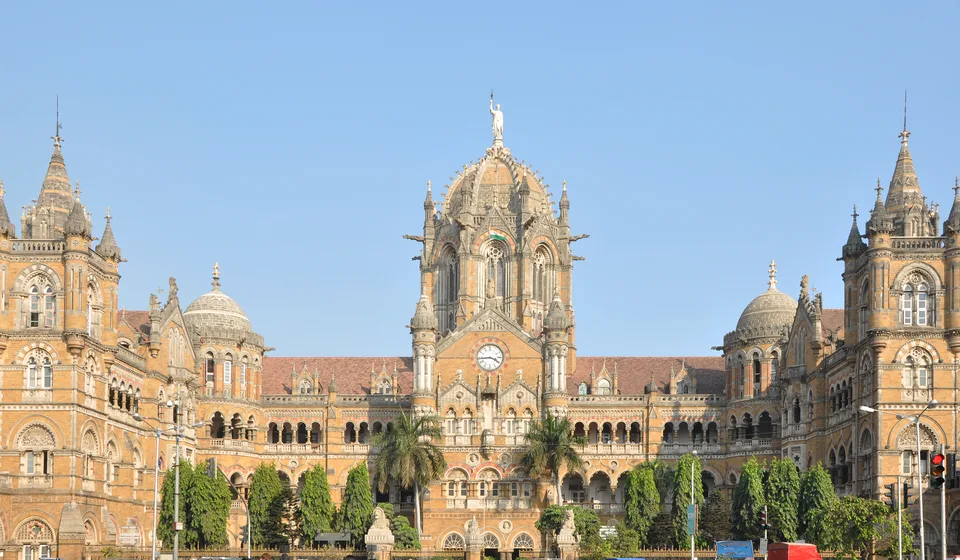
The UNESCO-listed terminus is another major part of Mumbai's architectural story. Designed by F. W. Stevens, its construction began in 1878 and continued over ten years. The building combines Victorian Gothic Revival with Indian architectural influences, visible in the dome, turrets, pointed arches and detailed stonework. Look at the composition as well as individual ornament: the station was designed to make railway travel a monumental presence in the city.
It remains a working railway station. Keep pedestrian routes clear and follow railway instructions if entering passenger areas. For a straightforward sightseeing visit, start with the exterior rather than assuming a heritage listing gives unrestricted access to offices or every interior. If you want a particular tour or railway experience, establish its current booking and access arrangements separately. The distinction lets you enjoy the building without confusing architectural interest with a ticket to travel.
CSMVS: a museum visit with clear admission choices
The Chhatrapati Shivaji Maharaj Vastu Sangrahalaya visitor page lists daily opening from 10.15am to 6pm, with the ticket counter closing at 5.45pm. It also identifies four annual closure dates: Republic Day on 26 January, Maharashtra Day on 1 May, Independence Day on 15 August and Gandhi Jayanti on 2 October. Check the current notice before arranging a visit around a public holiday.
The published admission table, effective from May 2025, distinguishes Indian and foreign visitors. Standard Indian adult museum entry is ₹200, or ₹250 with an audio guide; foreign adult entry is ₹700 with a complimentary audio guide. These are useful planning figures, but confirm the current product and eligibility before buying. The table also lists concession categories with their own identification requirements.
Allow time for the collections rather than arriving shortly before the counter closes. The museum warns that some galleries are closed for work, so an individual object or room should not be treated as guaranteed. Large bags, backpacks and luggage must go to the baggage counter; selfie sticks are prohibited. This makes the museum a more comfortable outing after you have settled into your accommodation than an assumed stop with airport luggage.
Elephanta: choose a separate island outing
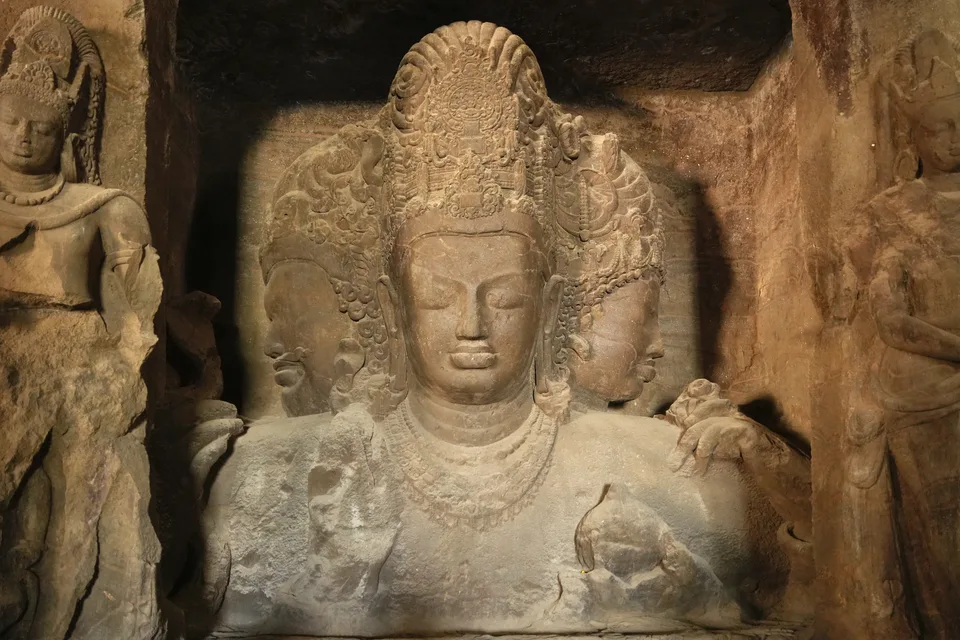
The Elephanta Caves World Heritage listing places the rock-cut caves on Gharapuri, an island near Mumbai. Its principal cave contains major reliefs associated with Shiva. UNESCO dates the caves to approximately the mid-fifth to sixth centuries, while noting archaeological evidence of much earlier occupation on the island. Those are different historical claims: the age of occupation does not date every surviving cave or structure.
Give the excursion its own place in the itinerary. Confirm the current boat service, monument access and return arrangements before leaving, especially when weather affects coastal travel. A ferry journey, the walk on the island and time inside the caves should be considered together. Avoid adding the outing to a day already crowded with timed commitments in the city.
If the crossing is unsuitable for your dates or mobility, keep the architectural walk and museum as a mainland alternative. The useful itinerary is the one you can complete comfortably, with time to understand what you see.
Bandra and Juhu: give the suburbs their own time
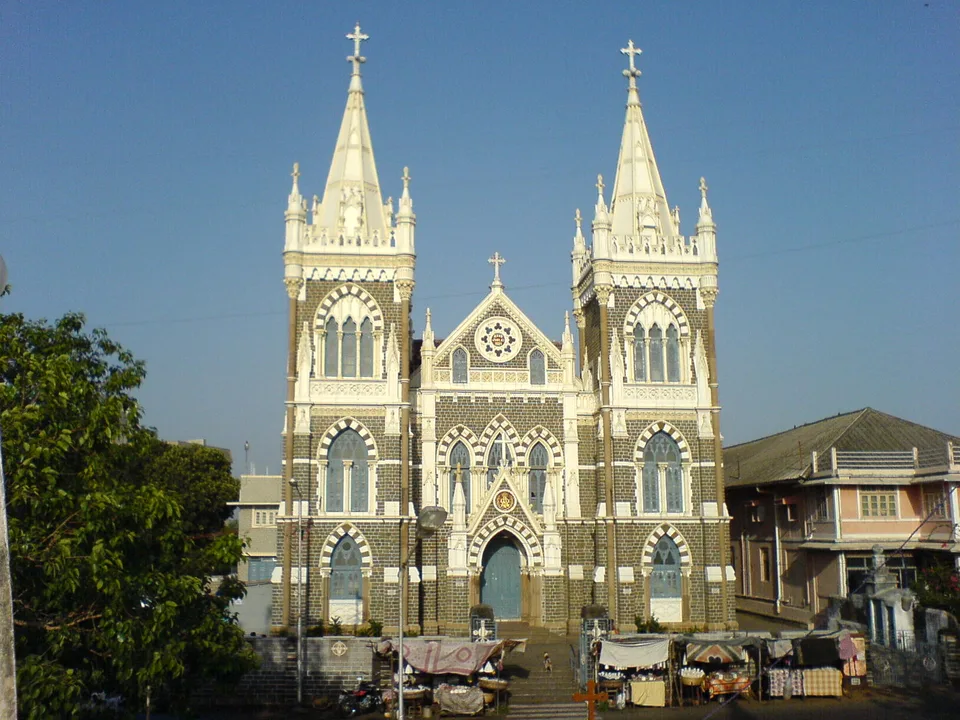
The official Mumbai Suburban visitor information identifies Bandra's Mount Mary Church and nearby Khar Danda fishing community among the district's distinctive places. These offer a different perspective from the monumental streets around Oval Maidan. Choose a focused outing in this part of the city, allowing time to walk and observe rather than treating it as a collection of quick stops between southern attractions.
Juhu adds a beach setting to the itinerary. Plan it as time by the shore, with your return transport arranged, rather than assuming a beach visit automatically includes suitable swimming conditions. Religious sites and residential streets also deserve a considered visit: follow the arrangements at the individual site and avoid treating people's everyday surroundings as a staged attraction.
Local transport: check the line and the ticket
The Mumbai Metro Line 3 operator's passenger guidance confirms the operational corridor from Aarey JVLR to Cuffe Parade. It is a useful planning resource for journeys along that route, but a Line 3 ticket should not be assumed to cover every Metro line, suburban railway or bus. Match the ticket to the actual service you will use.
The operator's ticket FAQ distinguishes single and return journeys. Single-journey tickets have a 30-minute limit before entering the paid area and a two-hour limit after entry; return tickets are valid for the day before the last train departs. Paper QR tickets are available at station counters and ticket machines, and mobile tickets can be purchased online. Ticket machines accept Indian rupee notes. If the purchase process is unfamiliar, ask station staff before passing through the gate.
The operator advertises NCMC tourist passes at ₹210 for one day and ₹600 for three days. Check the current pass conditions and card arrangements before choosing one. Compare it with your actual number of journeys rather than assuming a pass is always the cheaper option. Keep the current route planner available for the final service of the day; a festival notice announcing overnight trains does not establish year-round overnight operation.
Two airports require two arrival plans
Confirm which airport appears on the booking before arranging accommodation or a pickup. Chhatrapati Shivaji Maharaj International Airport and Navi Mumbai International Airport are separate facilities. A driver waiting at one cannot collect you from the other, and an onward flight at the second requires a planned transfer rather than an ordinary change of terminal.
The Navi Mumbai airport operator's October 2026 transport announcement describes bus connections through NMMT and Chalo, alongside taxi options. Its NMMT airport routes connect with railway stations including Panvel, Targhar, Belapur and Nerul. Choose the whole route to your accommodation, including the connection after the airport bus, and confirm the current timetable for your arrival date.
The same announcement describes Metro Line 8 between the airports as proposed. Do not plan a transfer around a direct Metro service on that basis. Some bus and shuttle arrangements in the announcement use future dates or future tense, so confirm that a particular service is operating before relying on it. Allow a substantial transfer margin when booking separate flights; a road connection also needs time for baggage collection, check-in and the second airport's procedures.
Accommodation: compare the complete stay
Choose a hotel around the part of Mumbai where you expect to spend most of your time. For a heritage-focused trip, compare addresses against Oval Maidan, the museum and your intended waterfront walks. If your main purpose is work or study, start with the meeting place or institution and test the journey from each prospective property. A citywide description such as central is less useful than a named address and a route you can follow.
Compare the final charge for your actual dates, including taxes, breakfast and cancellation conditions. Confirm whether the quoted room suits the number of travellers, whether luggage can be stored before check-in, and how a late arrival will be handled. For a longer stay, ask about laundry, workspace, kitchen access and the charges attached to them. Photographs of an attractive lobby do not establish the room's daylight, noise level or ventilation.
When quiet matters, ask about the specific room and its orientation. When mobility matters, establish the entrance route, lift access and bathroom arrangement. Keep the property's written answers with the booking. An airport hotel may suit a short connection, but its convenience for a flight should be weighed against the journey required for sightseeing or daily appointments.
Budget from the actual programme
Build the budget in separate parts: accommodation for the chosen dates, airport transfers, everyday transport, attraction admission and meals. This makes the consequences of each choice visible. One museum afternoon and an architectural walk create a different bill from several paid experiences and frequent private-car journeys. Avoid treating a single daily allowance as a reliable estimate for every traveller.
Museum admission illustrates why eligibility matters. CSMVS publishes different Indian and foreign adult rates, while transport passes need to be compared with the journeys you will actually make. Keep a separate allowance for the arrival and departure legs; an airport connection can involve more than the fare for the first bus or train.
Compare meals using the menu you intend to order, with any service charges and taxes identified before payment. For shopping, check the complete price, return conditions and how the purchase will travel home. A bulky or fragile item can create an additional baggage decision. Leave some room in the budget for a changed plan, without assuming that every contingency requires the most expensive transport option.
Food: Mumbai dishes and choosing where to eat
The official suburban tourism information identifies vada pav, pav bhaji, sev puri, bhel puri and falooda among familiar local choices, alongside seafood associated with the Koli fishing community. Use those names as a starting point for reading a menu, then choose a place based on the food offered, your dietary needs and the price displayed. A dish's association with Mumbai is not evidence that every vendor prepares it equally well.
For a traveller unfamiliar with an ingredient, ask before ordering. Pav bhaji includes a vegetable preparation served with bread; versions and accompaniments can vary. Seafood choices likewise need a clear understanding of the species, preparation and complete price. If an allergy or dietary restriction matters, obtain a specific answer from the establishment rather than relying on a broad vegetarian or traditional description.
Build meals into the neighbourhood visit. This reduces the need to cross the city solely for an unverified recommendation and leaves time to enjoy the streets around the stop.
Shopping: make the purchase fit the journey
A shopping stop is most useful when it complements the area you already intend to explore. Start with the type of purchase you want, then identify the shop, its opening arrangements and its return policy. For clothing, check the fit and any alteration arrangements before paying. For fragile goods, inspect the packaging and decide whether you can carry the item safely through the remaining journey.
Keep receipts for purchases whose value or warranty matters. An attractive price is only one part of the decision: compare the product specification, after-sales support and the complete charge. If a seller proposes delivery abroad, establish the shipping terms separately rather than assuming that a retail price covers customs or international transport.
Leave a substantial purchase until you know how it will fit your baggage. This is especially helpful on a day involving a museum, where large bags must be deposited, or an island outing, where carrying an unnecessary package adds another practical complication.
A realistic first three days
Use the first day for the southern architectural landscape. Walk around Oval Maidan with the Victorian and Art Deco contrast in mind, then make CSMVS the main indoor visit if its galleries and opening arrangements suit your date. Keep the rest of the day flexible. A walk that allows time to look at buildings is more rewarding than a sequence of arrivals followed by immediate departures.
Reserve the second day for Elephanta if the current crossing and monument arrangements work. Confirm the return before leaving the city and avoid placing an inflexible evening commitment immediately after the excursion. If weather or access makes the island unsuitable, use the day for another mainland neighbourhood or a longer museum visit instead.
Give the third day to Bandra or Juhu, choosing one area to explore properly. Plan the journey there and back, include a meal, and leave a realistic margin for your departure if you are flying that evening. These days can be rearranged around closures, arrival time and mobility needs. The structure matters more than following the order rigidly: one principal experience each day, with nearby stops that support it.
Considering a move: inspect the home and the working day
Start with the address you need to reach regularly. Compare possible homes against that workplace or institution, then test the journey at the hours you expect to travel. Include the walk to the station, any changes and the return after an evening appointment. A route that works for a midday sightseeing trip may be less useful for an ordinary working week.
At a viewing, examine daylight, ventilation, cooling, storage and the bathroom as carefully as the floor area. Ask how water is supplied to the property, how the building handles maintenance and who is responsible for faults inside the home. Establish whether furniture and appliances in the photographs are included, and record the condition when taking possession.
Get the complete financial arrangement in writing: rent, deposit, building charges, utilities, brokerage where applicable, notice and the process for returning the deposit. Before paying, check the person or organisation offering the property and obtain the appropriate agreement and registration advice. A rental listing is not evidence of immigration eligibility, and paying for accommodation does not itself establish permission to remain in India.
Household services: check the arrangement for the actual address
For a longer stay, clarify electricity billing, internet installation and laundry arrangements before deciding on a home. Ask which charges are individual and which are collected through the building. Check mobile coverage inside the rooms where you will work, rather than relying only on coverage outside the entrance. Keep the relevant account details and service contacts with your tenancy records.
Identify healthcare near the address and confirm your insurance arrangements before needing a consultation. Ask your insurer which providers it covers, whether payment is direct or reimbursed, and what documentation a claim requires. The presence of a nearby hospital does not establish insurance coverage or the price of a particular service. Families should also confirm school admission requirements directly with the institution rather than assuming that a residential address guarantees a place.
Entry and residence: match permission to the purpose
Use the Government of India's visa portal to establish the route relevant to your nationality and purpose. Tourism, employment and formal study are distinct categories. The official visa overview identifies employment documentation and institutional admission as part of their respective routes; a tourist visit should not be treated as permission to take up a job or a degree programme.
If using an e-Visa, check the current eligibility, permitted entry point and conditions for your actual booking. Mumbai's two airports need to be identified separately during that check. Published lists and older FAQs can differ, so confirm the current authorised list instead of inferring eligibility from a city's name. Check the visa grant and official arrival instructions before travel; submitting a form is not approval.
For students, Study in India's onboarding guidance explains the admission and visa process and directs applicants to confirm country-specific documents with the Indian mission. It also describes foreigner registration obligations for specified longer-duration visa categories. Establish the deadline and procedure applicable to your own grant, with your institution or employer where relevant. Longer residence requires its own lawful basis; neither a holiday itinerary nor a housing contract settles that question.
Weather: keep the outdoor day flexible
Maharashtra Tourism suggests October to February for the suburban visitor programme. Treat that as seasonal planning guidance, with the actual forecast deciding each day's arrangements. The India Meteorological Department's Mumbai centre provides local forecasts, district warnings and coastal bulletins. Check those resources before an island crossing or an extended waterfront walk, and retain a museum alternative when outdoor conditions are unsuitable.
A short trip benefits from flexibility rather than a promise of ideal weather. Choose the outdoor outing for a suitable day, carry what you need for the forecast, and give travel to an airport or another city extra room when warnings affect the route.
Another Indian city: compare the purpose of the journey
If the next stage of your trip is Delhi, use VisaWand's completed Delhi city guide to make a separate plan for its neighbourhoods, monuments and transport. It is another city with its own arrival and accommodation decisions, rather than an extension of the Mumbai itinerary. Compare the time available with the cost and practical effort of another intercity journey.
For wider planning, the India country guide and India destination page provide further context; the India location directory helps identify other places without implying that every listing already contains a completed guide. If you need individual immigration advice, compare consultant profiles and the stated consultation scope before booking.
Official planning resources
Reviewed 14 October 2026. Use the official resources linked throughout this guide for admission, transport, housing and immigration decisions. Prices, services and rules can change; confirm the details relevant to your dates. Photography illustrates the locations and is not a live view.
View all official resources
- UNESCO Mumbai Victorian Gothic and Art Deco ensembles
- UNESCO Chhatrapati Shivaji Terminus history
- CSMVS official admission and visiting rules
- UNESCO Elephanta Caves history
- Maharashtra Tourism suburban visitor information
- Mumbai Metro Line3 operational corridor FAQ
- Mumbai Metro Line3 ticket rules
- Navi Mumbai airport October2026 transport announcement
- Government of India visa portal
- Study in India admission visa and registration guidance
- IMD Mumbai forecasts and coastal warnings
- Mumbai Metro Line3 current tourist-pass announcement
Plan the next part of your journey
Explore the India guide, browse other cities or compare consultants for your travel and relocation questions.