Visa
Hyderabad makes more sense when you plan by district
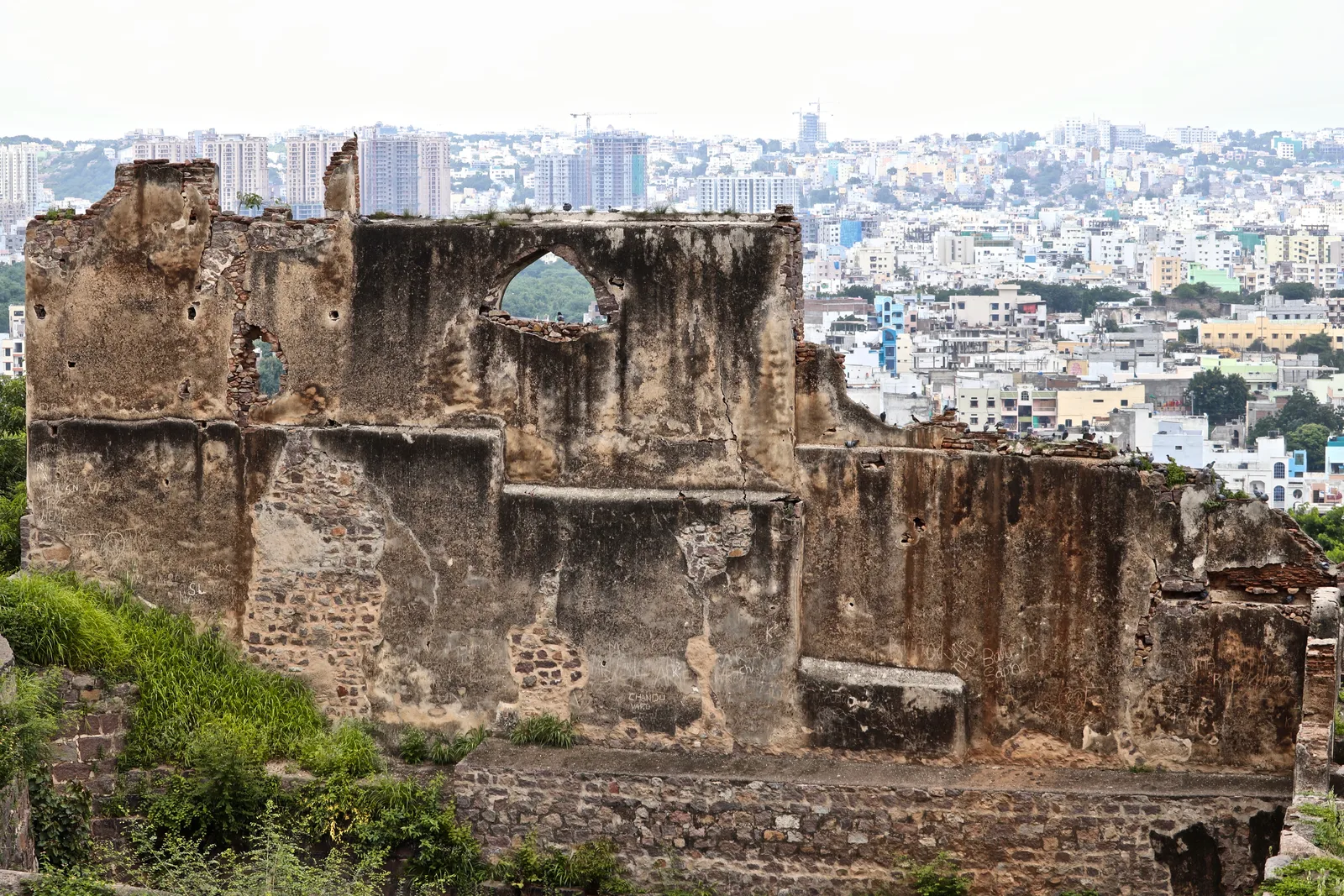
From Golconda's broken walls, Hyderabad spreads across the horizon: a useful first impression of a city that cannot be reduced to one historic quarter. Around Charminar, the experience is close and detailed, with carved stone, markets and food. Elsewhere, journeys lead to palace courtyards, a major museum and the business districts associated with the city's technology economy. The interesting contrasts are real; so are the distances between them.
Give a first visit three full days if possible, and decide early whether it is primarily about history, food or a potential move. A short business trip based near an office in the west will have a different rhythm from a holiday centred on the old city. Use the national tourism introduction to Hyderabad for orientation and VisaWand's India guide for the broader national picture. Then build each day around a manageable area, with time to eat and travel between stops.
Understand the Qutb Shahi and Nizam layers
Charminar was built in 1591 under Sultan Mohammed Quli Qutb Shah. Golconda and the royal tombs introduce the Qutb Shahi period, while Chowmahalla Palace brings the later Nizams into focus. Following those places in sequence makes the city's history easier to understand than treating every monument as an unrelated photograph. Different buildings answer different questions about power, religion, craftsmanship and the use of urban space.
Keep documented history separate from a compelling story. The district administration's Charminar page acknowledges uncertainty about the monument's original purpose. Legends about its construction, or a tunnel linking it to Golconda, should not be treated as established explanations. Hyderabad's present also deserves attention: the business city is part of its character, rather than an interruption to its heritage. Compare the streets around the historic landmarks with an ordinary journey elsewhere before deciding what kind of place you might want to return to.
Choose accommodation around the journeys you will repeat
For sightseeing, compare central accommodation around Nampally, Lakdikapul and the approaches to the old city, checking the exact route to your planned visits. Staying near a Metro station can be useful, but a station name alone says little about the final walk to the hotel. Look at crossings, luggage access and whether the route is comfortable after dark. Ask the property to explain the entrance rather than relying solely on its map pin.
For work, place the actual office on the map before choosing between Madhapur, HITEC City, Gachibowli or another address. A hotel marketed for Hyderabad's business travellers may still leave you with an inconvenient daily transfer. Secunderabad can suit a journey anchored there, especially around a railway arrival, but should be assessed against your own itinerary. A single base is usually simpler for a short holiday; splitting a longer business and sightseeing stay may be worthwhile when it meaningfully reduces repeated travel.
Compare the room, not just the category
A conventional hotel, serviced apartment or guesthouse can each work, depending on the facilities you need. For two nights, reception hours and reliable arrival arrangements may matter most. For a fortnight, investigate laundry, a usable desk, kitchen equipment and the terms for additional guests. Ask whether breakfast, taxes and airport transfers are included in the quoted total, and record the cancellation deadline before paying.
Check the actual room's cooling, hot water, windows and noise exposure. If accessibility matters, confirm lift access, bathroom layout and the route from the street in writing. Families should establish bed arrangements and charges for children. For a scouting stay, choose somewhere that lets you practise normal routines: buying groceries, reaching appointments and spending an evening indoors.
Charminar and the old city: leave space to look
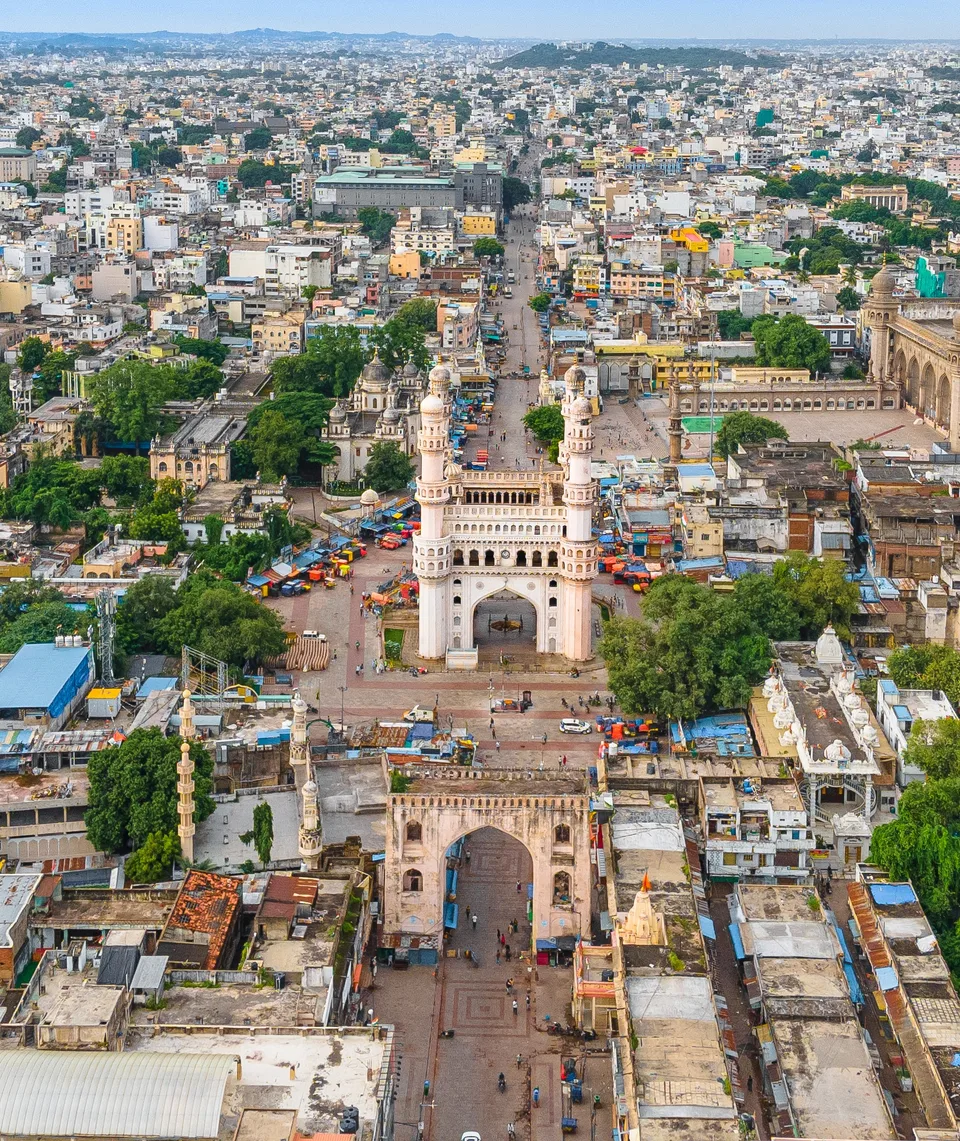
Make Charminar the anchor of an old-city outing. The four minarets and the relationship between the monument and surrounding streets explain its visual prominence immediately. Start with the exterior and the public setting, then check current admission arrangements if you want to enter the monument. Access to historic upper spaces may involve stairs and restrictions; establish the permitted route before buying, particularly if anyone in your party has mobility concerns.
Leave time for the streets towards Laad Bazaar rather than arriving with only a list of ticketed sights. Shops and working streets are part of the experience, and photographs should leave room for other people to pass. When visiting nearby religious places, follow the posted rules and any instructions about dress, shoes and visitor access. Keep your plans flexible around worship and crowd conditions. A guide can add historical context, but agree the fee, duration and included stops before beginning a walk.
Chowmahalla Palace: an unhurried introduction to the Nizams
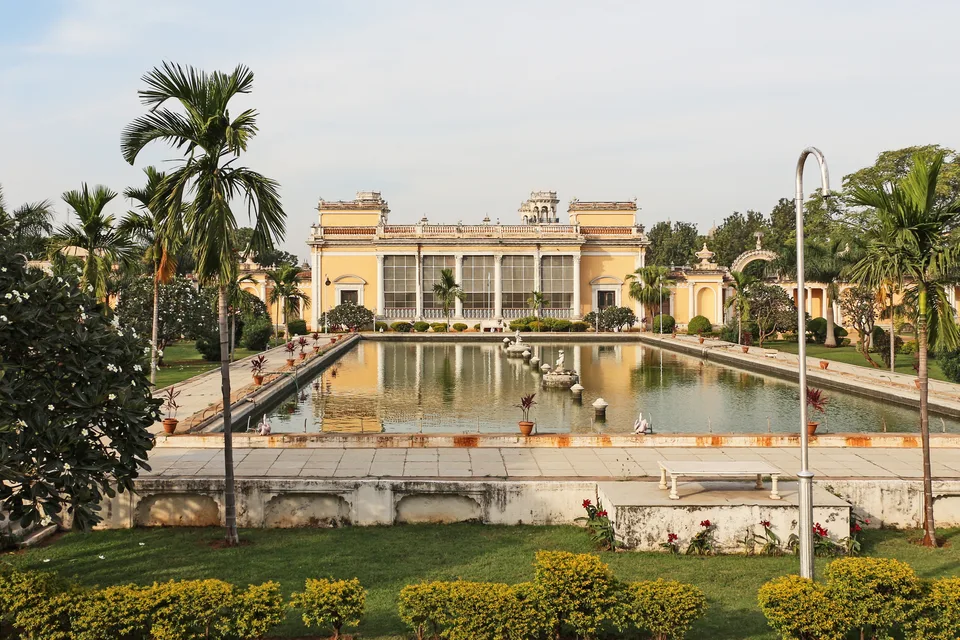
Chowmahalla rewards a slower visit through its buildings and open spaces. The palace's own overview identifies Khilwat Mubarak and the Chaumahal complex among its principal elements. Rather than trying to see it between several distant appointments, allow around two hours, as the operator recommends. Courtyards, architectural details and the relationship between rooms make more sense when you can pause instead of hurrying straight to the next stop.
The current visitor information lists Saturday to Thursday, 10am–5pm, with Friday closed. Published admission is ₹150 for Indian adults, ₹50 for children below ten and ₹500 for foreign visitors, based on passport. Mobile photography costs ₹50; filming, videography and photoshoots are prohibited. Confirm the conditions before bringing camera equipment. Although the grounds are generally level, surfaces include marble, grass and gravel. Charminar is less than a kilometre away according to the palace, making the two a sensible pairing, with a meal between or afterwards.
Salar Jung Museum: use the updated visitor information
Set aside a substantial part of a day for Salar Jung Museum, rather than expecting to absorb a large collection during a brief stop. Read the floor plan, choose a few galleries and take breaks. Visitors with particular interests should check the current collection displays before travelling specifically for an individual object. Availability of a famous exhibit should not be assumed from an old photograph or a third-party itinerary.
The museum currently lists 10am–6pm, with the ticket counter closing at 5:15pm; Fridays and official closed holidays are excluded. Its published fees are ₹50 for Indian adults, ₹20 for Indian children above five and ₹1,000 for any foreign visitor. Still cameras and smartphones require a ₹50 ticket. Carry the identification needed for your category. The current page says the audio guide is unavailable and lists free wheelchairs and accessible toilets. Use the museum's official ticket-channel page when booking. These details differ materially from older pages still appearing in search results.
Golconda: make the climb your main activity
Golconda Fort offers a different kind of history from a furnished palace or gallery. Its walls, ruined buildings and elevated position invite you to read the landscape as well as individual structures. The district administration identifies palace ruins, mosques and a hilltop pavilion within the complex. Choose it when you want an outdoor visit with a physical element, and arrive with enough energy for the route you intend to take.
Ask about the current entry arrangements, permitted areas and available guiding at the gate. Take water, sun protection and footwear that handles stone steps. Decide your turnaround point according to the weather and your party's ability; reaching a viewpoint should not become an obligation. Agree any guide's price and scope before setting off. If an evening sound-and-light programme interests you, verify its date, language, ticket and departure arrangements separately. Daytime admission does not establish that an additional performance is included or operating that evening.
Qutb Shahi tombs: understand a restored landscape
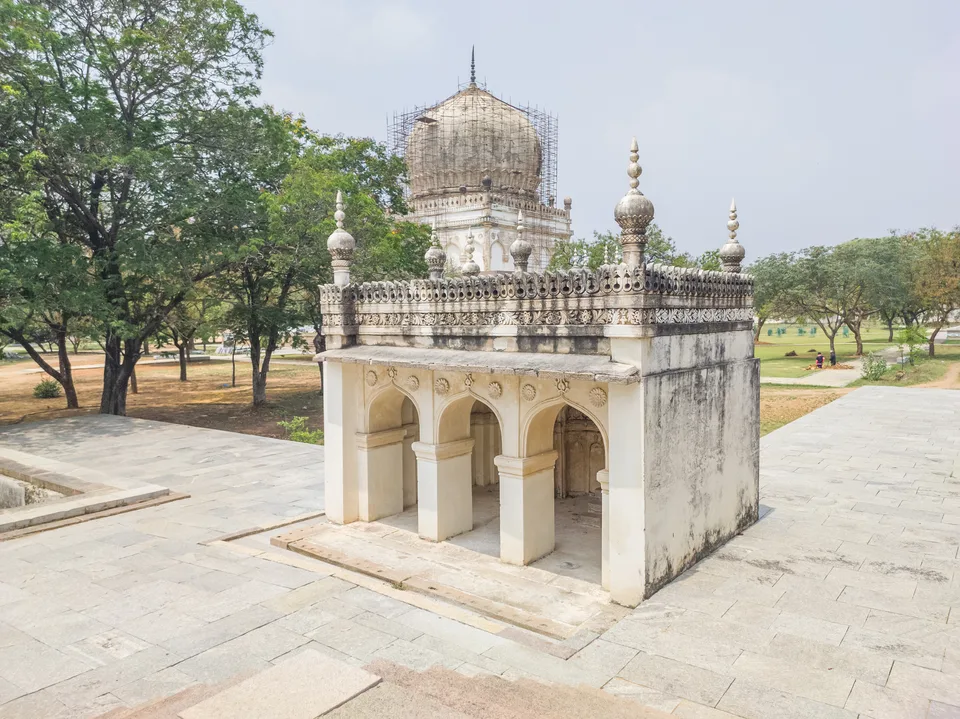
Near Golconda, the Qutb Shahi necropolis deserves its own time. The Aga Khan Development Network's conservation account describes a 106-acre ensemble with mausoleums, funerary mosques, stepwells and a hammam. The restoration partnership involved the Aga Khan Trust for Culture and Telangana's Department of Heritage; the completed project was inaugurated in July 2024. This gives a visit a useful second theme: how historic buildings and their surrounding landscape are conserved.
Look beyond the largest domes to the smaller structures and water systems. Pairing the tombs with Golconda is geographically sensible, but both involve walking outdoors. In hot weather, shorten one rather than exhausting everyone before the second visit. Confirm current entry fees, photography conditions and open areas with the responsible heritage authority. Respect barriers and remain on permitted paths around monuments and stepwells. The photograph accompanying this section predates the project's inauguration, so it illustrates the site without claiming to show every present-day restoration detail.
Add a craft visit or a studio day selectively
For a change of pace in Madhapur, Shilparamam presents arts, crafts and cultural activity. Its visitor information lists 10:30am–8pm, with adult admission ₹60 and children ₹20. Check the programme if a particular performance or demonstration is the reason for going. Browse with an interest in materials and workmanship; ask about the maker and packing requirements before buying a substantial piece. An ordinary visit should not be confused with a major festival programme.
A separate option is a day at Ramoji Film City. Compare the selected package's studio visits, shows, meals and transport before booking. The operator says outside food and drink are prohibited except baby food, so families and travellers with dietary requirements should plan accordingly. Treat this as a dedicated outing, with a confirmed return arrangement. If time is short, retaining a quieter afternoon around your base can be more satisfying than adding another large attraction simply because it appears on a city checklist.
Airport arrival: choose the right bus route or taxi
Rajiv Gandhi International Airport uses the code HYD. Its official ground-transport page describes prepaid and app-based taxis, car hire and Pushpak buses. Follow the current signs and assistance desk for boarding: the page contains differing references to the Pushpak pickup point. With a prearranged car, obtain the meeting instructions and a complete fare, including any waiting or additional charges, before arrival. Share the hotel's entrance location and keep its telephone number available offline.
TGSRTC's Pushpak information lists several routes across the city, including services towards Secunderabad, Miyapur and Lingampally. The published full-route table shows ₹350 towards the airport and ₹400 away from it; confirm the fare for your actual stop and departure. Tickets can be bought on the bus. Choose by the stops and onward transfer, not simply the route's endpoint. For several travellers with luggage, compare the combined bus cost and final taxi leg with one direct car journey.
Metro and rail: useful connections with limits
The operational Metro corridors listed by HMRL connect Miyapur with LB Nagar, JBS with MGBS, and Nagole with Raidurg. Ameerpet, Parade Grounds and MGBS are useful interchange points. Match your accommodation to the line that serves your repeated journeys, then examine the final leg. A trip to an old-city attraction can still require an auto-rickshaw or taxi after leaving the Metro. Do not build an airport connection around a proposed extension shown on a planning map.
HMRL's ticket information links to a station fare matrix showing fares from ₹12 to ₹75; check your actual station pair before travelling. For a railway arrival, read the station on your ticket carefully: Hyderabad Deccan, Secunderabad and Kacheguda are different arrival points. Use IRCTC's booking service to check the journey and operating date. Leave a realistic connection buffer, particularly when transferring between railway stations or onward to the airport with luggage.
Food: explore beyond a single biryani meal
Hyderabad's food is a strong reason to stay longer than a transit night. The district's food and culture information highlights dum biryani, Irani chai and qubani ka meetha, alongside Telangana preparations such as sarva pindi. Use these as starting points for questions rather than assuming every restaurant serves the same version. Ask what meat, dairy or nuts a dish contains, and whether a smaller portion is available when you want to try several things.
Haleem is especially associated with Ramzan, but verify availability for your dates and chosen venue. Avoid turning an unverified recommendation into a claim that one restaurant represents the entire city. Compare menus, preparation and the setting you want: a quick breakfast, a tea break and a leisurely dinner need different places. Drink reliably treated water and favour food served freshly cooked. For a longer stay, investigate a practical grocery routine and kitchen access as carefully as restaurant options, especially if you manage allergies or dietary restrictions.
Shopping and costs: use verified prices as anchors
Leave room in the old-city plan for browsing, and compare that experience with a craft visit at Shilparamam. Before buying jewellery, pearls or an expensive decorative object, ask for a clear written description and receipt. Claims about a gemstone, precious metal or an object's age require evidence beyond the sales explanation. For textiles and craftwork, examine finishing and ask how to care for the piece. Include shipping or luggage costs when comparing larger purchases.
Build a budget using your nationality and actual choices. A foreign visitor choosing Chowmahalla and Salar Jung should allow ₹1,500 in their combined published admission fees, before photography, transport or meals. The equivalent published Indian adult admissions total ₹200. Those figures are useful anchors, rather than a complete daily budget. Add accommodation for your dates, airport transfers and one realistic day's local journeys. Check package inclusions carefully: a low tour price can exclude every attraction ticket, while an expensive hotel can still charge separately for breakfast.
Weather: plan around heat and the rainy months
The India Meteorological Department's 1991–2020 table gives Hyderabad a January mean daily minimum of about 16°C and maximum of 30°C. May's corresponding averages are roughly 27°C and 40°C. August averages about 204mm of rain, with substantial rainfall also in the surrounding monsoon months. These are historical climate normals, not a forecast for your visit, but they explain why an exposed fort climb and a museum afternoon suit different conditions.
Cooler months generally make outdoor sightseeing easier, though sun protection remains useful. During hotter periods, start outdoor visits early, build in breaks and confirm dependable room cooling. In rainy weather, keep an indoor alternative and allow flexibility for road journeys. Check the current forecast before a climb or a long excursion. A wet day should not force your entire group to spend hours sitting on hotel beds, so consider usable shared space when comparing accommodation for a longer stay.
Three days that respect distance and closures
Day one: make Charminar and the surrounding old-city streets your focus, with Chowmahalla as the main interior visit. Allow a proper meal and time for browsing. This is a suggested arrangement for a day when the palace is open; on Friday, move it to another day rather than arriving at a locked entrance. Avoid combining this programme with appointments on the far side of the city.
Day two: visit Golconda early enough to manage the outdoor effort, then choose a measured visit to the Qutb Shahi tombs if conditions and energy permit. Day three: give Salar Jung Museum an unhurried morning or afternoon, again avoiding Friday and checking holiday closures. Use remaining time for food, shopping or Shilparamam according to your base. A Ramoji outing needs another day or should replace one of these days. For a relocation scouting trip, replace an attraction with a weekday commute and neighbourhood inspection instead of adding them after an exhausting sightseeing schedule.
Staying longer: let the commute lead the housing search
For a move, map the workplace or institution first, then inspect housing that makes the repeated journey workable. Test it at the time you will actually travel. A short distance on the map may involve an awkward transfer or a difficult final walk. Keep temporary accommodation until you have compared the address, building and tenancy terms in person. Ask what the quoted rent includes before comparing two properties with different maintenance or furnishing arrangements.
Inspect water pressure, cooling, internet performance, mobile reception, drainage and backup electricity. Establish deposit, notice, repairs and utility responsibilities in writing. Ask how water is supplied and whether tanker or shared building costs are additional. The Telangana government's services directory provides official household-service links; verify the property's account arrangements with the landlord. Anyone considering a development purchase should check the relevant project records and obtain independent legal advice. A sales brochure, rental contract or property purchase does not establish immigration permission to live in India.
Household services, healthcare and study needs
Before choosing an address for months rather than nights, locate everyday food shopping, a pharmacy and the healthcare service your household may need. The district's public-health facility directory is a starting point for identifying services, rather than a guarantee of opening hours, specialist care or insurance acceptance. Confirm those details directly. Arrange suitable medical cover and keep the relevant policy and provider information accessible, especially if ongoing treatment is part of your planning.
For children, contact schools about places, curriculum, fees, transport and required documents before making a long housing commitment. For higher education, verify admission directly with the institution and separate academic acceptance from the immigration application. Test the practical study environment too: internet, travel time and a suitable room matter after the initial arrival. A scouting visit is most useful when it includes ordinary tasks, from grocery shopping to a journey home at your expected finishing time, rather than only a succession of organised viewings.
Immigration: keep a visit separate from work or residence
Consult the Government of India's e-Visa information for nationality eligibility, permitted activities, entry points and the conditions of the authorisation you intend to use. Its FAQ states that e-Visa is not allowed for employment. Tourism permission should not be treated as authority to take a job, pursue an unrelated activity or establish permanent residence. Identify the appropriate work or study route through the official visa-category information and the responsible Indian mission before making commitments.
Read the granted conditions, including stay limits and any registration requirements. Visa validity does not necessarily mean permission for an uninterrupted stay throughout that period. The official portal distinguishes the e-Arrival card from a visa; an arrival form does not replace the required permission. For individual advice, compare the professionals available through VisaWand's India destination page and confirm their qualifications, fees and written scope. Keep an immigration decision independent of assurances made by a landlord, employer recruiter or sightseeing agent.
Choose the next stop around the kind of journey you want
Extend locally if another museum visit, meal or neighbourhood walk would improve the trip. Keep a realistic buffer before onward travel and avoid committing the departure morning to a distant attraction.
For a broader Indian itinerary, compare the lake-and-palace emphasis of VisaWand's Udaipur guide with the riverfront and religious setting in the Varanasi guide. These are onward destinations requiring separate travel planning, not nearby day trips. The India location directory can help you identify further places; a directory entry should not be mistaken for a completed guide. Choose the next destination around available time and your interests, leaving enough room to understand Hyderabad on its own terms.
Official planning resources
Reviewed 16 October 2026. Use the official resources linked throughout this guide for admission, transport, housing and immigration decisions. Prices, services and rules can change; confirm the details relevant to your dates. Photography illustrates the locations and is not a live view.
View all official resources
- Incredible India: Hyderabad
- Hyderabad district: Charminar
- Chowmahalla: palace buildings
- Chowmahalla Palace: visit
- Salar Jung Museum: plan your visit
- Salar Jung Museum: official ticket channels
- Hyderabad district: Golconda Fort
- AKDN: Qutb Shahi Heritage Park restoration
- Shilparamam: location and visitor information
- Ramoji Film City: visitor FAQ
- Hyderabad Airport: ground transport
- TGSRTC: Pushpak airport services
- HMRL: operational corridors
- HMRL: fares and tickets
- HMRL: station fare matrix
- IRCTC: official train booking
- Hyderabad district: culture and food
- IMD: Hyderabad 1991–2020 climate normals
- Telangana government: state services
- Hyderabad district: public-health facilities
- Government of India: e-Visa
- India Visa Online: visa categories
Plan the next part of your journey
Explore the India guide, browse other cities or compare consultants for your travel and relocation questions.