Visa
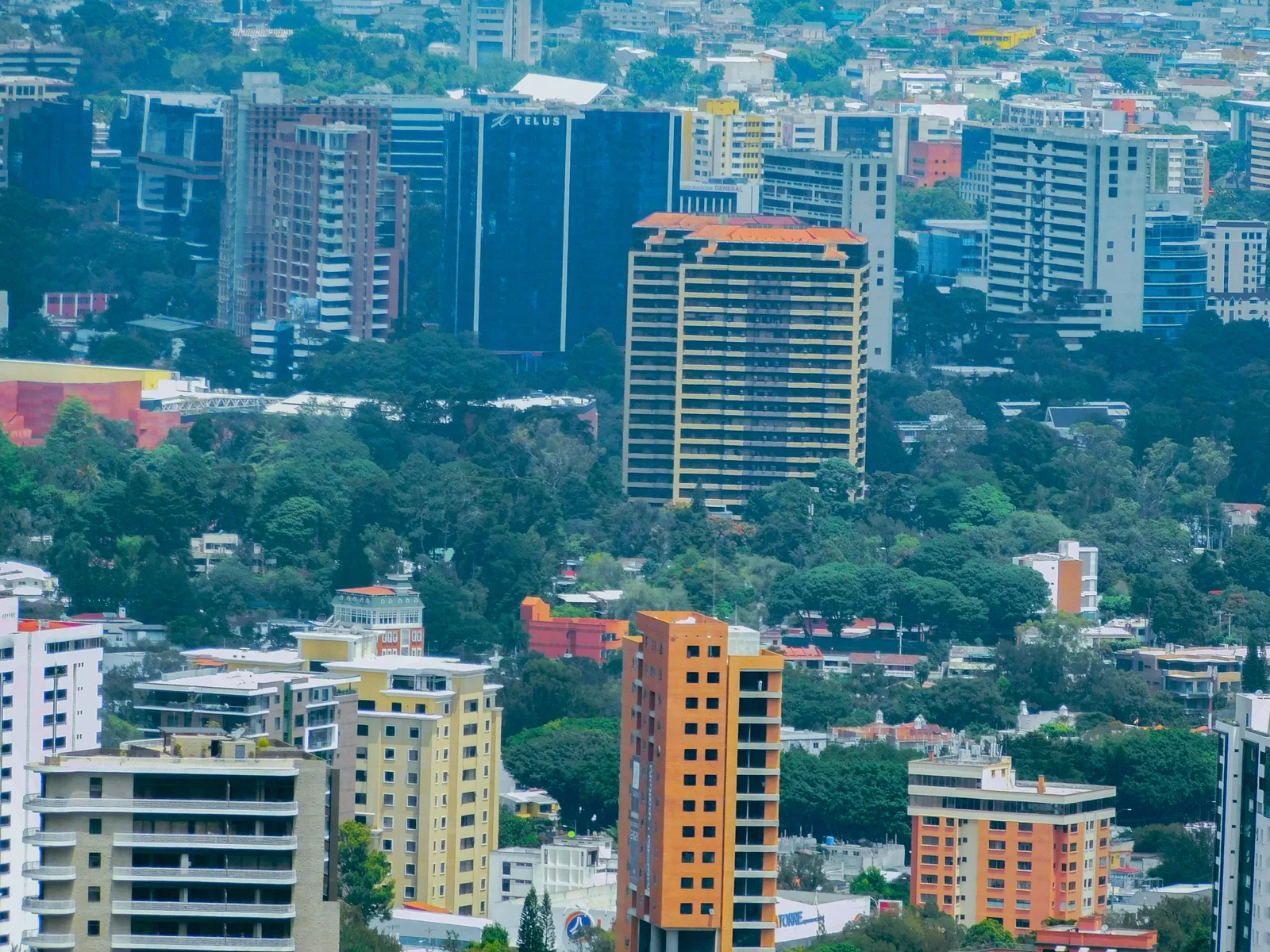
Make the capital part of the journey
Guatemala City can offer more than a bed between an international flight and the road to Antigua. Its museums provide context for Maya history and Indigenous textiles, while the historic centre introduces the architecture and institutions of the modern capital. Give it two or three nights if those subjects interest you, with a plan built around specific visits and dependable transport.
This guide concerns the capital, recorded by VisaWand at 14.64072°N, 90.51327°W. Antigua Guatemala is a different city. The capital’s numbered zones are part of an address, not a ranking of attractions or an automatic indication of safety. Always include the zone when arranging a pickup, checking a hotel or looking up an appointment.
Start with the Guatemala country guide for the national picture. For a visitor, a museum-focused stay is easier to organise than an ambitious attempt to see every district. For a prospective resident, the important question is how an address connects with work, school and essential services. A convenient airport stop and a sustainable everyday base may require different choices.
Choose an address before choosing a hotel photograph
Compare Zone 10 if you want to organise a stay around hotels, dining and the UFM museum campus. Consider the Cuatro Grados Norte area of Zone 4 for another possible base; the municipality identifies it within Zone 4. For either area, check the actual entrance, nearby appointments and transport arrangements rather than treating a district name as a complete description of the stay.
Zone 1 puts the historic centre within reach, while a property closer to the airport may make sense for a brief connection. Neither choice eliminates the need to plan journeys. Ask how you would return after dinner, where a booked driver can wait and what access is available if you arrive late. Families should check room layout, noise and child-seat arrangements before paying.
The UK government’s safety guidance says no part of Guatemala City is free from crime, including Zone 10, and notes targeting of tourists in Zone 1. Take that seriously when comparing a cheaper room with a more practical base. Seek current local advice on the precise streets and journeys you intend to use, rather than accepting a blanket claim that a whole zone is safe.
Read the historic centre through its streets and institutions
The city’s municipal history project dates its transfer to the Valle de la Ermita to 1776, marking the beginning of Nueva Guatemala de la Asunción. That helps explain why the capital and Antigua should be understood separately. Make the historic centre a focused outing, with enough time to look at buildings and public spaces rather than simply collecting photographs from a vehicle.
The municipal historic-centre department describes a defined area between 1st and 18th streets, Avenida Elena and 12th Avenue, and offers information about its cultural work and guided experiences. This is more precise than assuming that every address in Zone 1 belongs to the same visitor circuit. Establish a meeting point and return plan before setting out.
Concentrate on the central plaza area and the architecture that interests you, adding a guide if you want historical explanation. Ask which interiors are open on your date and whether photography is permitted. Keep your attention on the surroundings as well as the buildings. If an event or demonstration changes access, adjust the route instead of trying to force your way through to a planned stop.
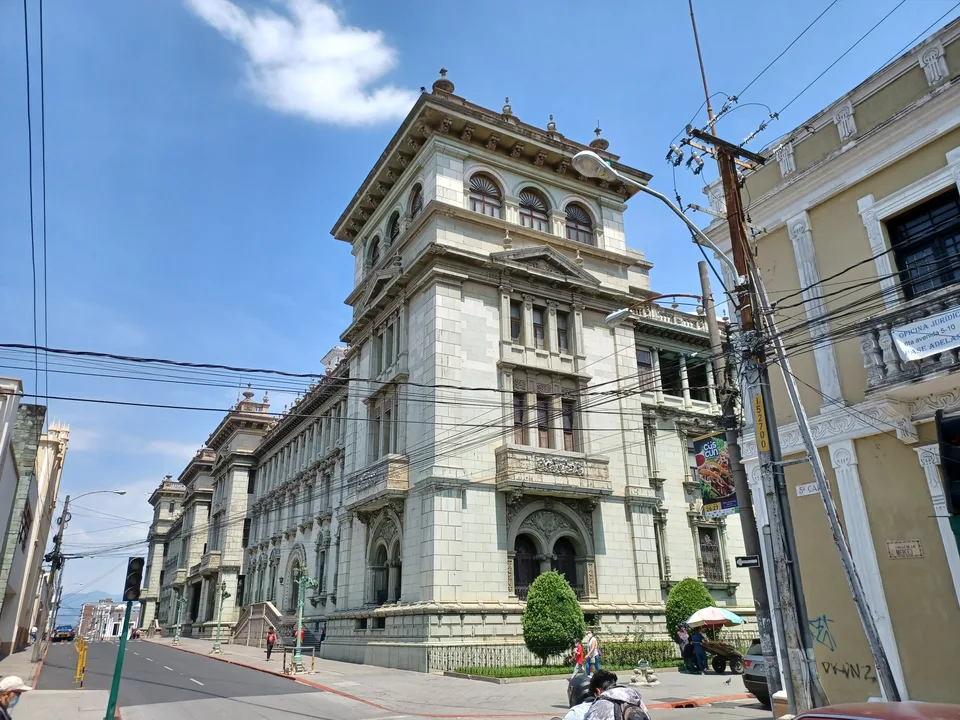
Plan the National Palace as a visit, not just a façade
The Ministry of Culture’s January 2026 visitor notice advertises guided visits to the Palacio Nacional de la Cultura from Monday to Sunday, 9:30am–4pm, with Q40 admission for foreign visitors. Check the current entry arrangements and tour language before going. The notice’s reference to a DPI concerns local identification; foreign visitors should ask what passport identification they need.
A guided interior visit is a different experience from looking at the building from outside. Allow room for waiting, security procedures and the pace of the group rather than allocating only a few minutes between other bookings. If you have difficulty standing for long periods or using stairs, explain that before joining and ask about the route available that day.
Keep the rest of the morning flexible. A palace visit and a closer look at the surrounding historic centre can form a substantial outing without adding another distant museum. When planning photographs, distinguish a permitted personal image from professional filming or a commercial shoot. A tourist admission ticket does not establish permission for every kind of camera use.
Make the UFM museums a deliberate half-day
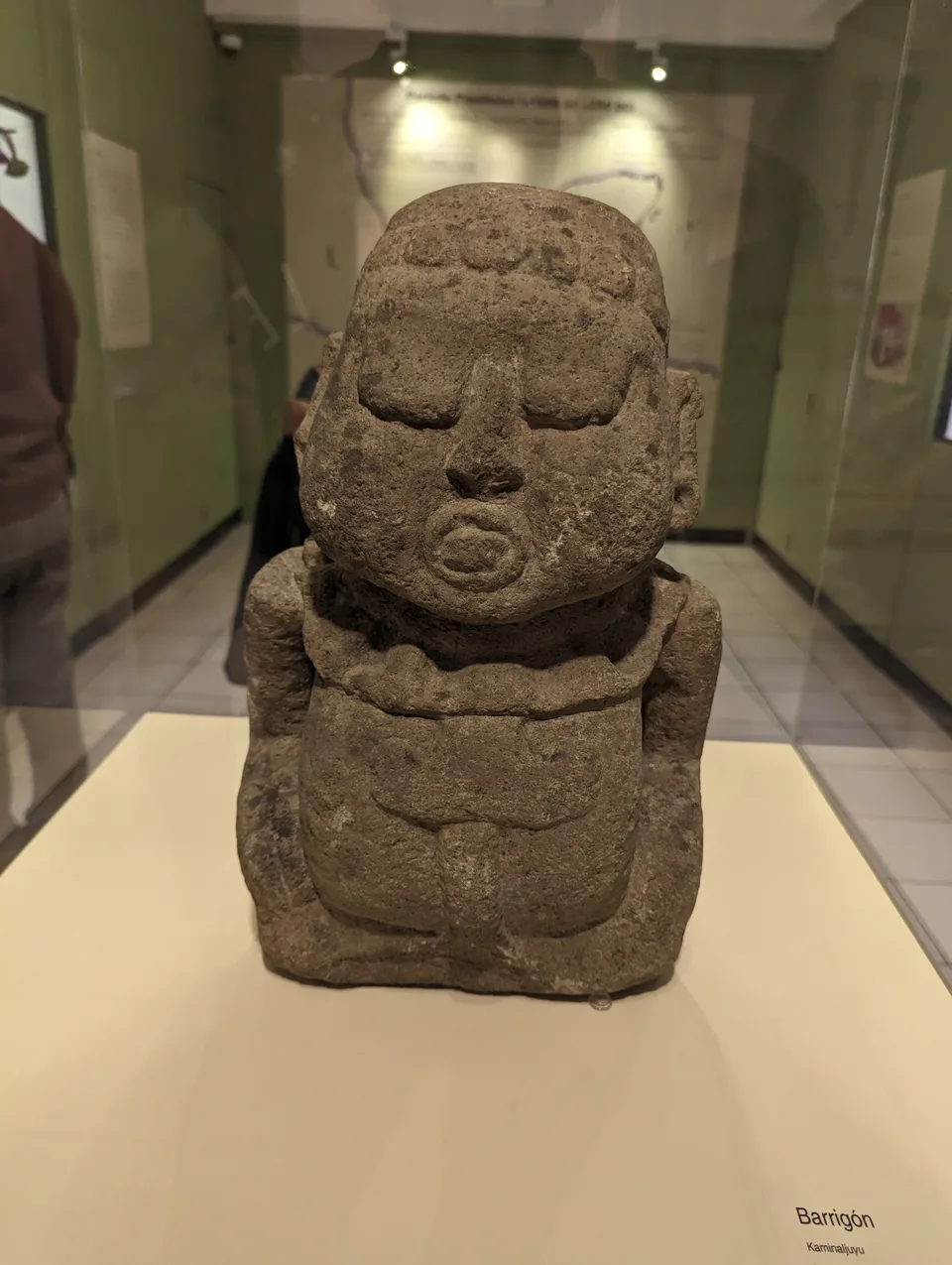
Museo Popol Vuh and Museo Ixchel stand beside one another on the Universidad Francisco Marroquín campus in Zone 10. The Popol Vuh visitor page lists adult admission at Q45 and a combined Popol Vuh–Ixchel ticket at Q70, with the combined option payable in cash. Confirm the arrangement when buying; two separate tickets and one combined ticket are different purchases.
Popol Vuh publishes Monday–Friday hours of 9am–5pm and Saturday hours of 9am–1pm, with Sunday closure. It also describes a ramp and lift. Ask about any specific accessibility requirement and holiday changes before arranging transport. Choose a weekday if you want an unhurried visit to both institutions rather than squeezing two collections into a short Saturday opening.
The museum’s collection information covers pre-Hispanic archaeology and colonial-era material. Select a few objects to study closely, looking at their materials, purpose and context. A first visit need not become a survey of every display. With children, one clear question—how an object was made or used—can make the collection easier to engage with than a long list of dates.
Let Ixchel change how you look at textiles
Museo Ixchel’s own visiting information lists Q45 adult admission, weekday hours of 9am–5pm and Saturday hours of 9am–1pm. It closes on Sundays and holidays. Its posted holiday list includes old dates, so check the calendar for your actual visit rather than treating every detail on that list as current. The institution focuses on Guatemala’s Indigenous textile heritage.
Spend time with the explanation of a textile as well as its colours and pattern. Ask what the display identifies about origin, technique and use, and avoid assuming that one garment represents every community. The visit can give a later shopping trip more meaning without turning the collection into a catalogue of souvenirs you expect to find for sale.
If buying textiles afterwards, ask who made the piece, which fibres it uses and how it should be cared for. Compare the explanation with the object and price. Obtain a receipt for a substantial purchase and leave room in your luggage. Do not rely on a label promising authenticity to establish age, provenance or permission to export a cultural object.
Separate Kaminaljuyú from the Miraflores museum visit
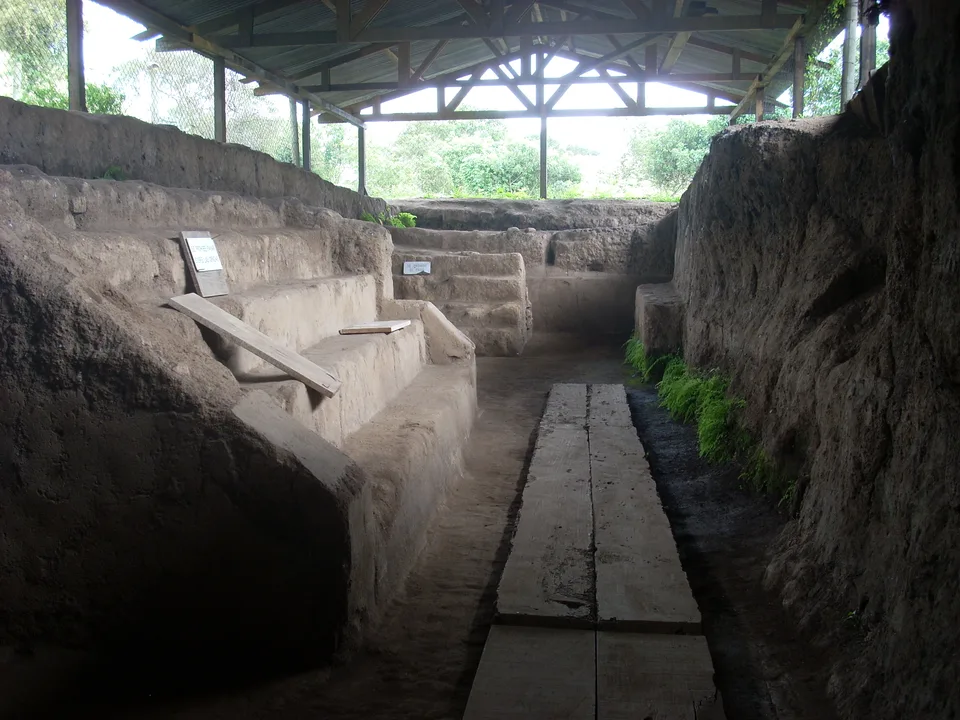
Kaminaljuyú adds an archaeological dimension to a stay in the capital. An April 2026 Ministry of Culture account describes the park’s Acropolis, La Palangana and site museum, connecting it with an important Maya urban and trading centre. Ask about current access, guided interpretation and admission before travelling; this guide does not substitute an old fee or closure notice for a current confirmation.
Museo Miraflores is a separate institution in Zone 11 with its own visitor arrangements. Its website combines museum information with older booking and closure material, so confirm current admission directly. Do not confuse a photograph of the museum’s grounds or mounds with the archaeological park, or assume that one ticket gives access to both locations.
Choose the experience that best suits your interests and available time. For an archaeological visit, wear shoes suitable for uneven ground, follow barriers and keep clear of any ceremonial activity. A conservation site is not a place to climb wherever a photograph looks possible. If conditions limit access, use interpretation to understand what is visible rather than expecting every feature to be accessible.
Use meals to explore, without inventing a must-eat list
Pepián is a useful dish to ask about when looking for Guatemalan cooking. The government’s tourism and food account explains its recognition as national intangible cultural heritage. Ask how a restaurant prepares its version and what accompanies it. Do not assume that a familiar dish name guarantees the same ingredients, portion or level of spice in every kitchen.
Plan meals around the part of the city you are already visiting. Check the restaurant’s current menu, opening arrangements and reservation terms before making a special journey. Ask whether a quoted menu includes drinks, service or other charges, and settle any dietary questions before ordering. A sensible meal plan should make the day easier rather than add several transfers.
For dietary restrictions, communicate the specific ingredient you must avoid and ask about sauces and shared preparation. Choose thoroughly cooked food and a dependable source of drinking water. Leave room for a simple meal near your accommodation after a demanding outing rather than treating every evening as another cross-city excursion. No restaurant in this guide is presented as a personal discovery or an unverified local favourite.
Treat the airport transfer as part of the booking
La Aurora International Airport is the capital’s international gateway; the civil aviation authority’s airport page identifies the facility. Give a transfer provider your flight details, full hotel address and a contact method that will work after landing. Confirm the meeting point, vehicle size and final fare, including any waiting arrangement. There is no verified fixed airport-to-hotel tariff quoted here.
The UK government’s transport advice identifies radio-dispatched taxis, hotel taxis and Uber where available as options for shorter city trips, and describes INGUAT prepaid taxi vouchers at airport arrivals. Check the current desk and pickup arrangements on arrival. Prefer an organised connection over negotiating an unfamiliar street pickup with luggage, particularly after dark.
For departure, work backwards from the airline’s terminal-arrival requirement and allow for the road journey. Keep the day’s plan modest if you have a flight. A hotel marketed as being near the airport may still require a vehicle and time for traffic. If continuing directly to Antigua, arrange that as a separate destination transfer rather than assuming a city-hotel quote covers it.
Understand Transmetro before relying on it
The municipality’s Tarjeta Ciudadana FAQ lists Q1 for an ordinary Transmetro journey and Q2 for express service. It lists a Q20 standard card with five initial Transmetro rides and explains where to buy and recharge it. Check the service you are taking and have suitable notes for a machine; the FAQ says recharge machines do not give change.
Use the official card and line-map page to compare stops with your actual origin and destination. A cheap fare is useful only if the route and final approach suit your journey. Check operating information and current local advice, and allow time to understand the interchange. Do not assume the card means that every bus in the metropolitan area uses the same fare or procedure.
Distinguish the municipal system from informal or intercity services. The UK advice warns against travelling on repainted former US school buses because of serious crime and road risks. For an unfamiliar first visit, booked rides may be the more practical choice for some outings. Compare the whole trip, including your arrival point and walk at the other end, rather than choosing solely by price.
Choose dates around rain, with room to adapt
CONRED’s seasonal guidance describes a rainy period generally running from May to October. Use this as a planning pattern, not a forecast for an individual day. For a first visit built around outdoor stops, the drier part of the year is a reasonable starting choice; museums also make the city adaptable when rain interrupts a plan.
Check INSIVUMEH’s weather and climate information close to departure. Carry rain protection in the wetter months and leave flexibility around road journeys. A light layer is useful when your day includes cool interiors or an evening outing. Avoid importing the conditions of Guatemala’s coast or high volcanoes into a city packing list without checking the places you will actually visit.
Plan your most important outdoor visit when conditions are favourable and keep an indoor alternative ready. Do not turn a rainy afternoon into a hurried dash through several districts. If adding a volcano excursion elsewhere, research it separately: equipment, access and emergency arrangements are different questions from spending a morning in the historic centre. A capital-city hotel does not resolve those preparations.
A realistic three-day introduction
Day one: settle into your base, then explore the historic centre around a confirmed Palace visit. Arrange the return journey and leave time for lunch without rushing between appointments. If your flight arrives late, use the day simply to rest and organise the following morning; the itinerary is an outline, not a requirement to start sightseeing immediately after landing.
Day two: give the UFM museum pair a proper half-day, choosing the combined ticket if both interest you. Take a break between collections and keep the afternoon light. Check the weekday and holiday arrangements first. A Sunday arrival does not make these museums a workable Sunday plan, and Saturday’s shorter opening calls for an early start.
Day three: choose Kaminaljuyú or a separately confirmed Miraflores visit, then allow time for a meal, shopping or returning to a collection you enjoyed. Do not add Antigua and an airport departure merely to fill the remaining hours. With two days, prioritise the historic centre and museum pair; with children or limited mobility, reduce the number of transfers before reducing time at every stop.
Budget for transfers as carefully as admission
The quetzal, shown as Q or GTQ, is the useful currency for your local plan. A foreign visitor combining the published Q40 Palace admission with the Q70 museum-pair ticket would allocate Q110 before meals, transport or other visits. That is arithmetic for those specific admissions, not a city pass or a promise that every attraction is included.
Accommodation and transport will make a larger difference to many budgets than adding another small admission charge. Compare a central room with a cheaper outlying address after pricing the journeys your party would actually make. Ask whether taxes, breakfast, parking and cancellation are included. Keep hotel, guide and transport quotations separate so you can see what each purchase covers.
Carry modest cash for practical purchases and the combined museum ticket, plus an alternative payment method. Check your own bank’s withdrawal and currency-conversion charges. Avoid building a precise daily dollar allowance from an old restaurant menu or an unverified third-party price list. Record actual spending over the first few days if you are assessing whether a longer stay is affordable.
Moving here begins with the commute
Start a prospective move with temporary accommodation and an ordinary working-week trial. Travel to the exact office or campus at your expected times, and test the return trip as well. Include grocery shopping, school transport and healthcare in that experiment. A district that works for a museum break may not be the right base for a daily commitment elsewhere.
Inspect the building’s entrance arrangements, lighting, locks, parking and visitor procedures alongside the room itself. Ask about noise, water storage, hot water, ventilation and internet installation. Test mobile reception where you would work and sleep. For a family, confirm school admission and the pickup route before treating a rental as suitable; do not choose the home first and assume the rest will fall into place.
Put the deposit, inventory, payment currency, repair responsibilities and notice terms in writing you understand. Establish who holds each utility account and what happens when a tenant leaves. Keep an accessible record of the agreement and initial meter readings. These are due-diligence questions for an individual property, not a claim that one standard lease or security arrangement applies throughout the city.
Check household services and healthcare in advance
For electricity, EEGSA’s service information provides the operator’s requirements and channels for new connections and other account work. Check whether your property already has an active supply and what action is needed for your tenancy. A new connection, a billing-name change and a landlord’s inclusive rental charge are different arrangements, with different responsibilities.
The municipality’s online-services links include EMPAGUA. Ask the owner how water is supplied and billed at the actual address, and what storage and maintenance the household must manage. Do the same for internet: confirm installation availability, equipment, contract term and any cancellation cost. Avoid assuming a provider’s general city coverage proves service in a particular apartment.
The UK government’s health guidance advises appropriate insurance and explains that British-issued prescriptions cannot be used in Guatemala. Identify a suitable facility for your own needs, keep prescriptions and assistance contacts accessible, and discuss ongoing care with a clinician before departure. If moving with dependants, establish how you would reach care and pay for it before an urgent need arises.
Separate tourist entry from work, study and residence
Use the migration institute’s country-classification information and visa procedures for your nationality and travel purpose. A visa exemption, an entry permission and a residence application are different things. Check the authorised period when admitted and apply for any extension in time. Do not infer a right to work, study long term or settle permanently from permission to visit.
For an example with a defined audience, UK entry guidance for British-citizen passports describes visits of up to 90 days without a visa. It also explains the regional CA-4 clock: crossing a participating border does not simply restart the allowance, and nationality-specific requirements still apply. British travellers should particularly check Honduras separately. Other passport holders must establish their own conditions rather than copying this example.
The official temporary-residence portal distinguishes migrant-worker and student categories. Ask the employer or institution which permissions and documents your circumstances require; renting an apartment does not establish eligibility. Follow official links for any traveller declaration and retain the required confirmation. VisaWand’s consultant listings can help start an enquiry, but check relevant experience and written terms before engaging an adviser.
Choose the next destination for a different experience
Antigua makes sense when you want a separate stay centred on its historic streets and surrounding landscape. Read the Antigua Guatemala guide and plan a transfer with enough margin for traffic and current conditions. It is not a Guatemala City neighbourhood, and combining both places in one tightly scheduled day can leave little time to appreciate either.
For a wider trip, consult the official regional-risk advice before choosing roads towards Lake Atitlán or international borders. Some routes carry specific warnings, and a short-looking map connection does not establish a sensible journey. Use current advice and a suitable provider rather than assuming that a popular destination makes every approach equally appropriate.
Continue with VisaWand’s Guatemala destination page or explore the Guatemala location directory. The directory lists places and should not be described as a completed guide to every settlement. In the capital, a few well-planned visits can be more rewarding than constant transfers: understand the collections, choose a workable base and leave enough time for the journeys between them.
Official planning resources
Reviewed 17 October 2026. Use the official resources linked throughout this guide for admission, transport, housing and immigration decisions. Prices, services and rules can change; confirm the details relevant to your dates. Photography illustrates the locations and is not a live view.
View all official resources
- MuniGuate: Cuatro Grados Norte in Zone 4
- UK FCDO: Guatemala safety and transport
- MuniGuate: the city’s historical development
- Municipality of Guatemala: historic centre
- Guatemala Ministry of Culture: National Palace guided visits
- Museo Popol Vuh: visiting information
- Museo Popol Vuh: collections
- Museo Ixchel: visiting information
- Guatemala Ministry of Culture: Kaminaljuyú conservation
- Museo Miraflores: operator visitor information
- Guatemala government: pepián and culinary heritage
- DGAC: La Aurora International Airport
- MuniGuate: Tarjeta Ciudadana fares and use
- MuniGuate: Transmetro lines and card services
- CONRED: seasonal rainfall guidance
- INSIVUMEH: climate information
- EEGSA: electricity account services
- UK FCDO: Guatemala health
- Guatemala migration institute: nationality classification
- Guatemalan migration institute: visa procedures
- UK FCDO: entry requirements for British-citizen passports
- Guatemala migration institute: temporary residence categories
- UK FCDO: Guatemala regional and route advice
Plan the next part of your journey
Explore the Guatemala guide, browse other cities or compare consultants for your travel and relocation questions.