Visa
Stuttgart: choose your interests, then allow for the hills
Stuttgart offers more than a pair of famous car museums. Its centre gathers palaces, shopping streets and cultural institutions around Schlossplatz, while stairways climb towards residential hillsides and viewpoints. Bad Cannstatt introduces another historical centre, and the surrounding region opens up further choices for a longer visit. The useful question is how to combine these experiences without spending the whole stay moving between them.
Allow three days for an introduction if you want central Stuttgart, a substantial museum visit and time in another neighbourhood. Car enthusiasts may prefer additional time rather than fitting both major museums into one hurried day. For a possible move, add days for apartment viewings and ordinary journeys to work or university.
A settlement with royal and industrial chapters
The city’s historical account associates Stuttgart’s beginnings with a horse stud said to have been established around 950. It treats this as an approximate origin, while describing earlier Roman activity around today’s Bad Cannstatt separately. The Counts of Württemberg moved their seat of power to Stuttgart in the early fourteenth century. Later royal patronage and the expansion of institutions helped shape the city visitors encounter around its palaces and cultural buildings.
Württemberg became a kingdom in 1806. Industrial development accelerated during the nineteenth century, with railways and a diverse manufacturing economy helping transform the area. The association with motor vehicles belongs to that wider history: Gottlieb Daimler’s workshop in Cannstatt produced an automobile in 1886. Cannstatt joined Stuttgart in 1905. Keep those distinct histories in mind when exploring beyond Schlossplatz; the present city contains places whose development did not begin with the central settlement.
Find your bearings around Schlossplatz
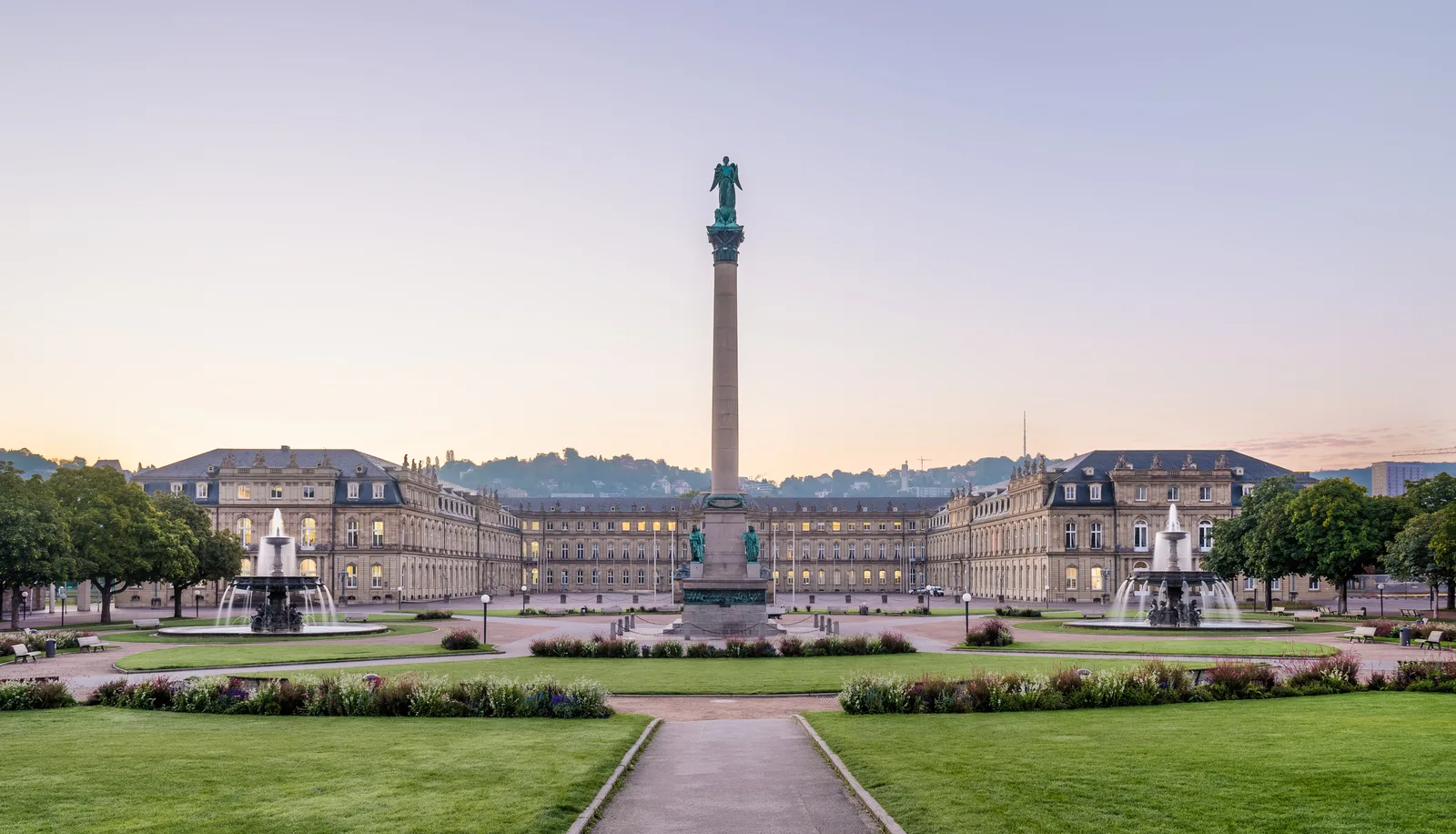
Begin at Schlossplatz, where lawns, fountains and the Jubilee Column provide a setting between the New Palace, Old Palace, Königsbau and art museum. The city’s account describes its transformation from a parade ground into gardens during the nineteenth century. A slow circuit here gives a clearer introduction than rushing straight from the station to the next booking. Look at how the surrounding buildings relate to the square, then choose a direction for the rest of the walk.
Königstraße connects central shopping with this sightseeing area. Use the shops as part of your route if they interest you, rather than treating retail time as compulsory. For accommodation, an address described as central still needs a specific check: look at the distance from your arrival point, the final approach with luggage and the room’s position within the building.
Where to stay: match the base to the itinerary
For a short first visit, central accommodation can make the Schlossplatz area and evening meals convenient. Compare hotels, hostels and furnished apartments by the total price and useful details: reception hours, lift access, cancellation terms, breakfast and whether cooking is possible. A station-side address can simplify arrival, but check the current pedestrian route rather than assuming a short distance on the map means an equally straightforward walk with bags.
The tourism board’s Mitte overview introduces the Bohnenviertel, Leonhardsviertel and Heusteigviertel as alternatives to the busiest shopping streets. Explore their individual streets before choosing a longer stay. Bad Cannstatt is another base worth comparing when your plans focus on that part of the city. If travelling for an exhibition near the airport, weigh a venue-side room against central sightseeing and evening transport. Confirm the precise venue entrance and hotel connection before deciding that either location is more convenient.
Hillside walks: the Stäffele change your route
Stuttgart’s outdoor stairways, the Stäffele, connect the valley basin with higher ground. Their history is tied to vineyard slopes that later gave way to expanding neighbourhoods. The Eugenstaffel, associated with the Galatea Fountain, is one named example in the city’s account. Choose a manageable stairway walk when you want to understand the landscape, and build in time to stop rather than treating the climb as incidental travel between attractions.
This topography matters for moving as much as sightseeing. Test the last section between a station and an apartment, especially when carrying shopping or travelling with children. A route that looks direct may contain steps; a more accessible alternative may be longer. Ask about the building’s entrance and lift separately from the transport stop. For a visit with mobility requirements, establish the complete route rather than assuming that a central location removes every barrier.
Porsche Museum: keep a proper museum visit in the plan
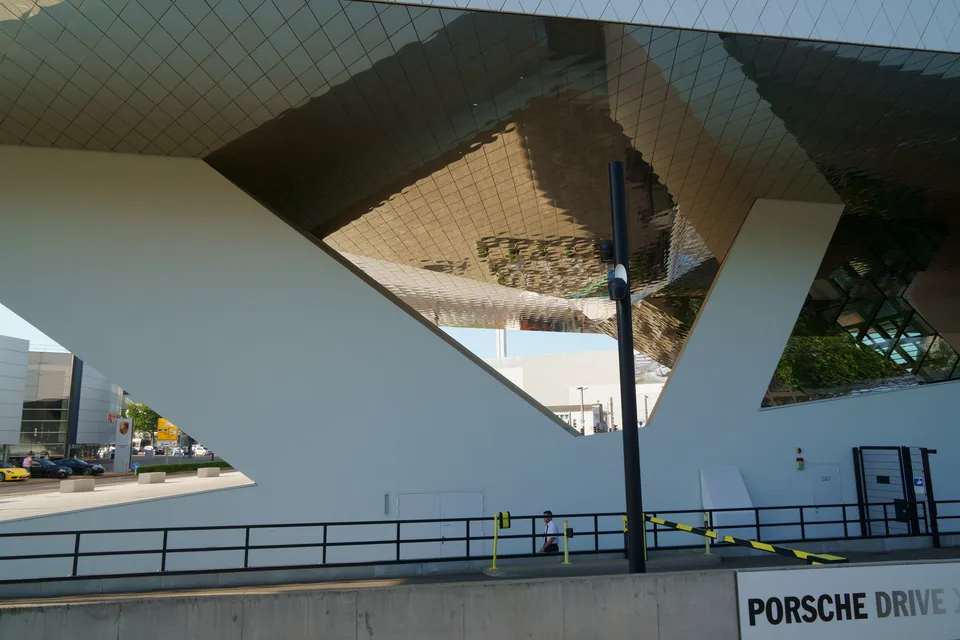
The Porsche Museum’s current visitor page lists opening Tuesday–Sunday, 9am–6pm, with the ticket desk closing at 5.30pm. The standard adult day ticket costs €15. Early-bird entry until 10am and evening entry from 4pm are listed at €12; check the conditions before choosing a discounted arrival.
Children up to and including ten enter free when accompanied by an adult. Bring proof for any concession you intend to claim. The museum also lists free entry with the StuttCard and a discount for holders of a Mercedes-Benz Museum ticket. Compare those options before paying for separate full-price admissions. Museum access, guided visits and factory experiences are different products: do not assume buying an exhibition ticket secures a factory tour or that the latter follows museum opening hours.
Mercedes-Benz Museum: read the dated opening notice
The official tourism museum listing describes a route through automotive history beginning in 1886, starting high in the building and descending through the displays. The normal published schedule is Tuesday–Sunday, 9am–6pm, with Monday closed. The bookable adult day ticket is €16, with normal last admission at 5pm.
Dated exceptions take priority: the listing shows closing at 3.30pm on 16 October 2026. Check your own visit date rather than relying solely on the usual weekly schedule. The museum is at Mercedesstraße 100, a separate destination from the Porsche Museum, so allow for the journey between them if attempting both. For families, compare the museum’s available children’s material and programmes with attention spans, and leave space for a meal rather than treating the entire opening day as usable exhibition time.
Television Tower: decide after checking visibility
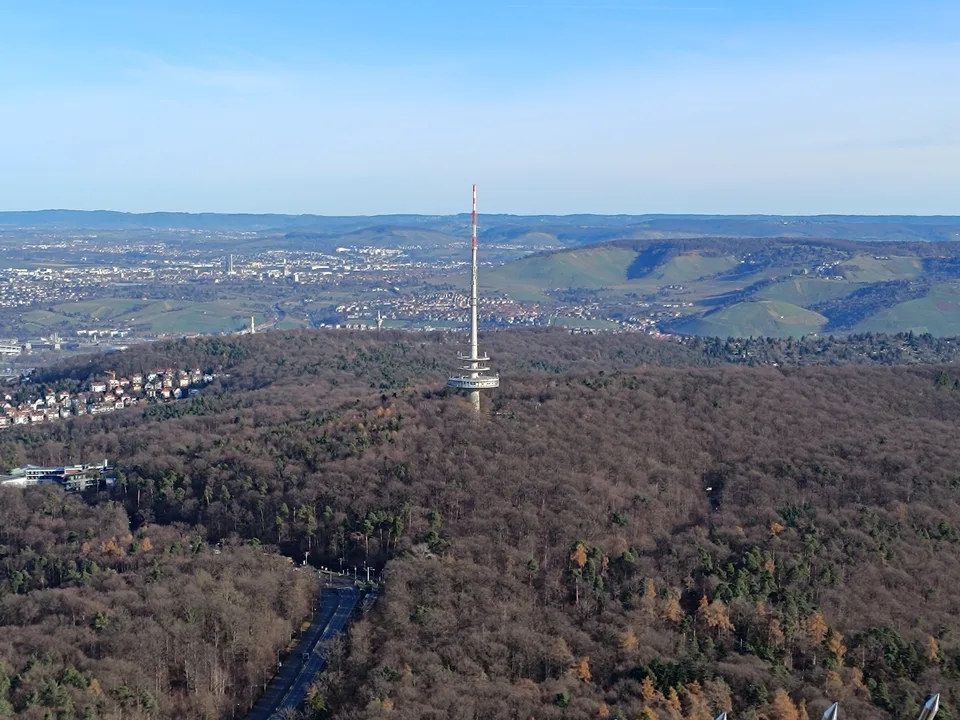
The SWR Television Tower’s visitor information lists adult admission at €12.50 and daily opening from 10am to 10pm, except 24 December. The last ascent is thirty minutes before closing. Check the webcam and weather before committing: poor visibility does not entitle visitors to a refund. A view is a different experience when cloud obscures the landscape, so keep this part of the itinerary movable if possible.
The viewing platform is around 150 metres above ground; that figure describes the visitor level rather than the structure’s total height. Discounted tickets require in-person purchase with the relevant proof. Online tickets cannot be changed or cancelled under the published conditions. Pushchairs and similar equipment must stay at the entrance, and the guided foundations visit includes stairs. Confirm the access arrangements for the specific experience you want, particularly if combining ordinary tower admission with a guided tour or café booking.
Art visits need a dated programme check
Stuttgart’s art itinerary requires care during the Staatsgalerie renovation period. The official listing for Simply the Best! says that from 19 February 2027, a presentation of the twentieth-century collection will be shown in the Kunstgebäude at Schlossplatz. This is a future opening relative to this guide’s October 2026 review, not an exhibition already available. Confirm the venue on the dated ticket rather than following a general institutional address automatically.
For an art-focused stay, choose the actual exhibition first, then arrange the day around its published access and opening details. Do not assume that an older chronological collection route remains available throughout building work. Leave room to explore the central cultural area without making unsupported promises about individual works being on display. A visitor card can still be worth comparing, but the value depends on what is open and relevant to you on the dates you have chosen.
Bad Cannstatt: another centre within the city
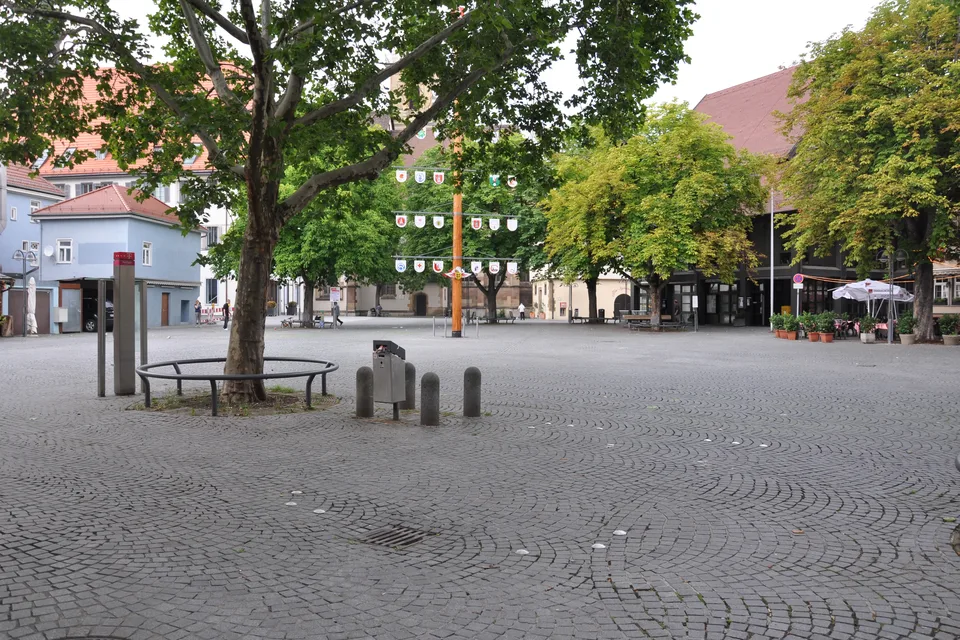
The official old-town introduction points visitors towards Bad Cannstatt’s half-timbered buildings and narrow lanes around Marktplatz. Include it as a neighbourhood outing rather than simply passing through on the way to another attraction. Walk at a pace that leaves time for a meal or a pause in the square, instead of adding another tightly timed admission immediately afterwards.
If considering a base here, compare the actual address with your work, study or sightseeing destinations. The name Bad Cannstatt covers more than the small old-town area, so photographs of Marktplatz cannot describe every surrounding street. Inspect shops, evening transport and the building itself. For a possible move, make the commute at a realistic weekday time and check the return journey too; a convenient outward trip alone does not establish how the whole week will feel.
Airport connections: S-Bahn and U6 are different options
Stuttgart Airport’s transport page identifies S2 and S3 S-Bahn services between the airport and the main station, with a normal combined interval of around fifteen minutes and a journey of roughly twenty-five to thirty minutes. These are planning indications, not a promise for every date or overnight arrival. Check the dated journey planner for engineering work and the connection to your final address before choosing a ticket.
The U6 also serves Flughafen/Messe. The airport describes a walk of about five minutes between its stop and the terminals, so include that final section when comparing routes. The airport bus terminal sits between Flughafenstraße and Terminal 4, beneath the P14 car park. Night-bus arrangements provide another option to investigate for an early flight, but verify the particular departure. Do not infer that every service runs continuously simply because several transport modes serve the airport.
Local transport: a day ticket is not twenty-four hours
The current VVS SingleDayTicket table reflects fares introduced on 1 September 2026. For one zone, the ticket costs €6.90 through mobile or online channels and €7.40 at machines and other listed physical sales points. It lasts from purchase or validation until 7am the following day, rather than for a rolling twenty-four hours. Buy the appropriate zones and follow the activation instructions for the product you select.
The ticket permits repeated journeys within its area. Since the September change, one holder can also bring up to three children aged six to fourteen under the published conditions. Wider journeys need the corresponding coverage: do not assume a city ticket includes an airport or regional excursion without checking the fare calculation. VVS covers several local transport modes, but a regional fare product should not be treated as unrestricted long-distance rail travel. Use the planner to price the complete journey before boarding.
StuttCard or StuttCard PLUS?
The tourism board’s current card information lists the ordinary StuttCard at €25 for twenty-four hours, €31 for forty-eight and €36 for seventy-two. PLUS costs €35, €45 and €55 respectively and adds public transport across the VVS network in second class. The ordinary card does not include that transport benefit. Both are digital products, available in formats such as a PDF or wallet ticket; follow the instructions supplied with the purchase.
The linked visitor-card flyer explains that benefits are generally usable once and that the product is aimed at adults otherwise paying regular admission. Compare children’s concessions and any existing discounts separately. Plan from the places you want to visit and their open dates, then assess the card. Do not buy it simply to chase a promotional savings total containing activities you would skip, or assume that a sightseeing bus is free because participating museums have included entry.
Swabian food and everyday purchases
The tourism board’s food introduction identifies Maultaschen, Spätzle, onion tart and pretzels among the regional choices. Lentils with Spätzle are commonly served with sausages, and preparations may include meat stock or bacon. Ask about the actual dish when ingredients matter rather than deciding from its name.
For everyday spending, compare menus and the facilities at your accommodation. A bakery breakfast or groceries for a furnished apartment may suit some days; cooking requires equipment, storage and time. Check those details before paying extra for a kitchen. Explore central shopping streets as part of a walk if useful, while keeping space for ordinary food purchases near your chosen base. For a move, repeat that exercise at the prospective address rather than relying on shops encountered along a sightseeing route.
Build a budget around the chosen days
Accommodation for your actual dates is the first figure to establish. Add arrival transport, local journeys, meals and the admissions you intend to use. Standard adult entry to the Porsche Museum, Mercedes-Benz Museum and Television Tower totals €43.50 before discounts or travel. This is an illustrative sum of published fees, not a complete daily budget or a recommendation to do all three in one day.
Compare that selection with the visitor-card conditions, the time available and any concessions. An outdoor day around Schlossplatz and a neighbourhood walk has a different cost structure from a museum-heavy day. A potential move needs a separate calculation for the initial deposit, temporary accommodation and furnishing, followed by recurring rent, services, transport and insurance appropriate to your household.
Seasons and weather: keep the outdoor plans flexible
For a trip centred on walking, allow alternative indoor time and check the forecast before choosing the longer climb or tower visit. Hillside routes need more consideration than a flat circuit, especially in rain, heat or conditions that make steps uncomfortable. Comfortable footwear and a practical rain layer are useful, but the most effective adjustment may be shortening the route. Leave an outdoor viewpoint for clearer conditions when the schedule allows.
The city’s heat-action information highlights drinking water, cooler places and shade as practical parts of heat planning. Use current municipal information to arrange breaks rather than assuming every outdoor stop will be comfortable throughout a hot afternoon. For a longer stay, inspect an apartment’s shading, ventilation and access in the conditions that matter to you. Match dates to specific events or exhibitions, and check their calendars before booking; a general description of the city cannot establish what will operate on a particular day.
A realistic three-day introduction
Give day one to Schlossplatz and the surrounding central streets, adding a manageable Stäffele walk if conditions and mobility allow. Keep the arrival day relatively flexible, with time for a meal and an early finish if needed. If central art is your priority, substitute a confirmed exhibition for the climb after checking the current programme.
Use day two for the Mercedes-Benz Museum and time in Bad Cannstatt, allowing a separate journey between the places you select. On day three, choose the Porsche Museum and, in suitable conditions, the Television Tower; alternatively, reserve the day for Ludwigsburg. This is an editorial framework rather than a timetable. Monday museum closures, dated exceptions and your own interests should determine the order. Car enthusiasts who want extensive visits at both museums should consider adding time rather than compressing everything else.
Renting: read beyond the headline price
The federal housing guidance distinguishes Kaltmiete, the basic rent, from Warmmiete, which includes agreed service charges. Check the specific contract: electricity, internet and sometimes gas require separate arrangements. The deposit may be up to three months’ basic rent.
Long-term flats are often unfurnished, and a kitchen is not guaranteed. Check what is installed and usable, inspect the condition and energy information, and record existing damage at handover. Ask which application documents are needed, verifying the provider before sharing sensitive information. For Stuttgart, include the slope, steps and final walk in the commute test as well as the scheduled train time. Compare the full cost and effort of an address rather than assuming a lower advertised rent will be a saving.
Registration and essential household arrangements
Stuttgart’s main-home registration service normally requires registration within two weeks after moving in. It asks for identification and the accommodation provider’s confirmation, with further documents depending on circumstances. An online service is available subject to its eligibility and identification requirements. The city also lists exceptions for some temporary stays; ask the responsible office how they apply rather than treating every short visit as a residential move.
Arrange energy before taking over the home. Stadtwerke Stuttgart’s moving page says changes can only be registered for future dates and recommends notice ideally two weeks ahead. Keep meter numbers, readings and the handover date together, and confirm which services belong to the tenant and which are included by the landlord. Check internet availability at the address and allow for installation. Address registration and utility contracts organise everyday life; neither replaces the immigration permission required for your intended stay.
Schools, healthcare and settling into a routine
The city’s guide for newly arrived parents gives different school contacts according to age: children fourteen or younger are directed to the state education authority’s migration coordination office, while those aged fifteen to eighteen are directed to the vocational-school registration office. Follow that process early rather than assuming a nearby school can immediately provide the appropriate place. Previous school records, language needs and family circumstances deserve preparation before arrival.
The federal health-insurance overview explains the statutory and private systems, with eligibility depending on circumstances. Arrange continuous cover between arrival and the start of regular insurance. Check ongoing treatment, medicines and dependant coverage with the insurer instead of treating visitor insurance as automatically suitable for residence. The city’s Welcome Center can help newcomers understand local services and the school system; confirm the responsible authority separately when an application or formal decision is required.
Tourism, employment, study and settlement
Check nationality and travel purpose before booking a long stay. The Foreign Office’s short-stay explanation describes the general ninety-days-in-180 calculation across Schengen, with arrival and departure days included. Nationality-specific provisions need checking, and a visa’s validity period does not itself establish the permitted number of days. Time in another Schengen country is not automatically a fresh tourist allowance.
The federal work and residence guidance says ordinary tourist or Schengen visitor permission generally does not authorise employment. EU, EEA and Swiss nationals have different rights from other nationalities. Workers and students from elsewhere need the relevant route, with some nationality-specific options allowing entry without a visa but requiring permission before work begins. Check the German mission and competent authority for your circumstances. A job, university place or apartment does not itself confer permanent residence, which has separate conditions.
Nearby: make Ludwigsburg a distinct outing
The Ludwigsburg Palace admission page lists €10 adult entry including one of the standard Herzog or Herzogin guided tours. That is a selected route, not access to every room. The royal apartments are currently closed for restoration, and other museums or special activities may require separate tickets. Check the dated tour timetable, language and what your chosen product includes before travelling.
Give the excursion enough room for the journey and visit, and distinguish the palace from separately operated garden experiences. If choosing another city instead, start with VisaWand’s Germany location directory and check whether the individual page contains a completed guide. The Germany country guide provides broader national context, while Germany consultant listings let you compare support for purpose-specific visa questions. Use those alongside official authorities when planning the next stage of a visit, study period or move.
Official planning resources
Reviewed 16 October 2026. Use the official resources linked throughout this guide for admission, transport, housing and immigration decisions. Prices, services and rules can change; confirm the details relevant to your dates. Photography illustrates the locations and is not a live view.
View all official resources
- VVS: current SingleDayTicket fares
- Porsche Museum: opening and admission
- City of Stuttgart: Schlossplatz
- Stuttgart Tourist Board: Mitte neighbourhood
- Official tourism ticket offer: Mercedes-Benz Museum
- Stuttgart Airport: rail and bus connections
- SWR Television Tower: opening and admission
- City of Stuttgart: historical development
- Stuttgart Tourist Board: current visitor-card prices
- Stuttgart Tourist Board: linked StuttCard flyer
- City of Stuttgart: registering a main home
- Stadtwerke Stuttgart: energy arrangements when moving
- City of Stuttgart: Stäffele and hillside geography
- Stuttgart Tourist Board: Swabian dishes
- Official tourism programme: Staatsgalerie at Kunstgebäude
- Stuttgart Tourist Board: Bad Cannstatt old town
- Stuttgart Tourist Board: Mercedes-Benz Museum programme
- Ludwigsburg Palace: admission and access restrictions
- City of Stuttgart: heat preparation
- City of Stuttgart: starting school for newly arrived families
- Federal government: resident health insurance
- Federal government: work, study and residence permissions
- Federal government: housing and tenancy
- German Foreign Office: Schengen short-stay counting
Plan the next part of your journey
Explore the Germany guide, browse other cities or compare consultants for your travel and relocation questions.