Visa
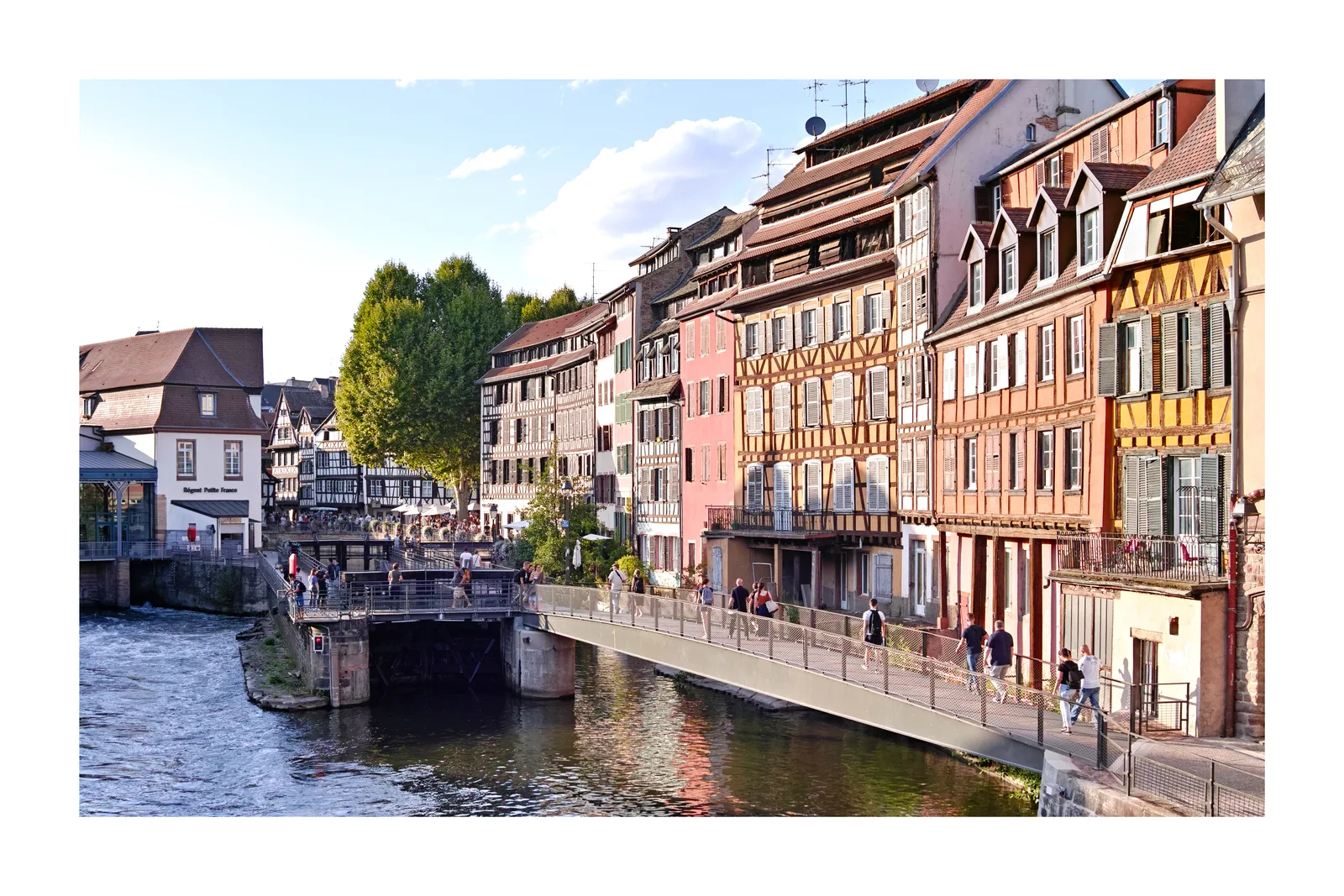
Strasbourg rewards looking beyond the postcard
Strasbourg offers an unusually satisfying combination: a historic centre shaped by water, a monumental cathedral, a second architectural landscape of broad avenues, and a working European political district. You can visit for the familiar half-timbered houses and still find plenty to do after the first photographs. Its strongest appeal is the opportunity to move between those different settings without building every day around a car.
Allow two full days for a first encounter, with a third if you want a regional excursion or a less hurried programme. One day can introduce the centre, but compressing the cathedral, a museum, a boat trip and Parliament into it makes the schedule fragile. For a potential move, add ordinary weekday time: follow the commute, buy groceries and examine a possible home after dark. A picturesque weekend answers different questions from a residential trial.
Two historic landscapes, one city
The tourist office's World Heritage explanation identifies the Grande Île as the historic core enclosed by the Ill and Canal du Faux-Rempart. Its UNESCO inscription dates to 1988; the property expanded to include the Neustadt in 2017. The distinction helps explain Strasbourg better than treating every attractive street as one undifferentiated old town.
The Neustadt developed between 1871 and 1914 under German rule. Its avenues, substantial public buildings and planned views make a deliberate contrast with the tighter medieval centre. Walk through both to understand how the city's French and German histories appear in its streets. The waterways around Petite France belong to the Ill: they should not be described as the Rhine simply because Strasbourg lies beside the German border. That geographical distinction matters when choosing a river excursion or accommodation advertised by the water.
Petite France: follow the water and the working buildings
In Petite France, begin around Place Benjamin Zix and Rue du Bain-aux-Plantes. Look above the restaurants and shopfronts: the open upper roofs associated with drying skins explain something of the former tanning quarter. Continue towards the Covered Bridges and their surviving defensive towers, then the Vauban Dam for a different perspective on the waterways.
Treat this as a walk with pauses rather than a sequence of paid attractions. The Pont du Faisan swivels to let boats through, so a short wait is part of the route rather than necessarily a disruption. For anyone travelling with a wheelchair, pushchair or heavy suitcase, inspect the actual paving, bridge approaches and property entrance. A central address alone does not establish an easy accessible route. Leave room for pedestrians when stopping for photographs at narrow crossings.
The cathedral platform is a separate physical challenge
The cathedral platform operator lists an adult price of €10 and a climb of 330 steps to a platform 66 metres above ground. This is not a lift to the top of the 142-metre spire. The operator requires good physical condition and states that the climb is not accessible to people with reduced mobility.
There are no advance tickets or official skip-the-line tickets. In the October–March timetable, the platform opens from 10am to 1pm and 1.30pm to 6pm, with the final ascent at 5.15pm. Weather and crowding can interrupt entry. Decide whether the exertion suits everyone before joining the queue; splitting the group for this particular activity may make more sense than turning the climb into an obligation. Leave large bags elsewhere and allow time for the descent before another appointment.
Give the astronomical clock its own timetable
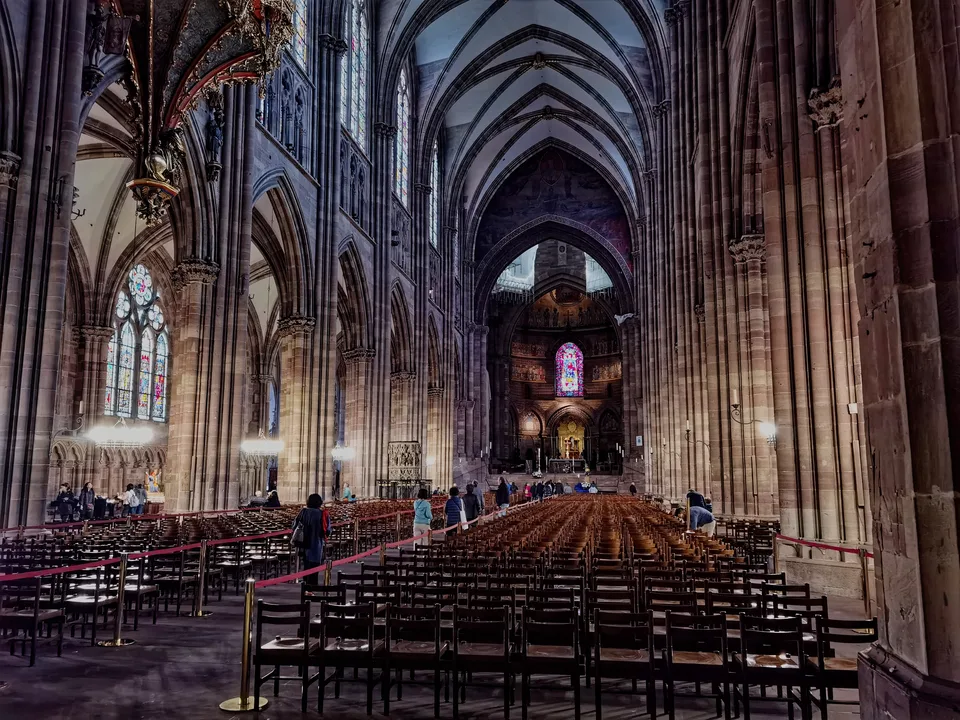
The cathedral parish's clock information lists the adult contribution at €4. Tickets are bought on the day, with no advance reservation. Entry for the presentation begins at 11.30am, the film starts at noon and the automata follow at 12.30pm. Sundays and feast days with an 11am Mass are exceptions.
The parish also explicitly warns that the presentation does not take place during the Christmas market period. Seeing the clock inside the cathedral and attending its full timed presentation are therefore different plans. Check the current parish notice before arranging lunch around it, and do not buy an unrelated commercial tour assuming that it automatically includes this event. Allow worship and any temporary access restrictions to determine the visit rather than expecting the building to function solely as a museum.
Neustadt brings space and a change of perspective
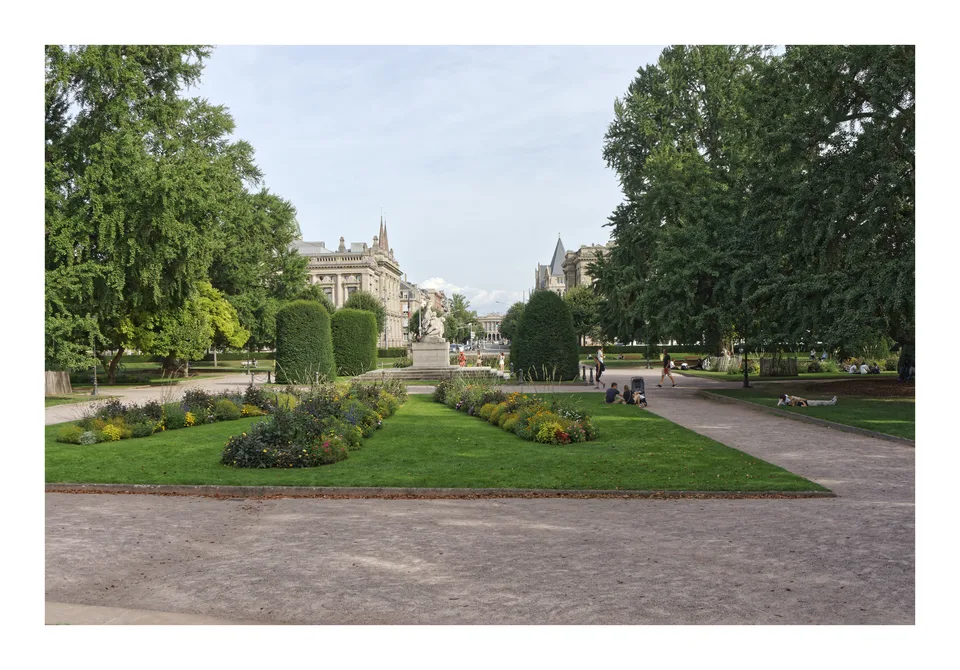
From the historic island, continue towards Place de la République. The official Neustadt visitor information is useful for recognising the Palais du Rhin, the surrounding civic buildings and the planned avenue towards the university. This is a good part of the visit for people interested in architecture rather than another collection of souvenir shops.
Look at how façades, trees and long views work together. Choose a few buildings to study instead of trying to photograph every frontage. A building's architectural importance does not establish public access to its interior: universities, offices and institutions have their own rules and working schedules. Keep an exterior walk as the reliable core, then add any confirmed opening or exhibition. This also makes the district a practical alternative when a particular museum is closed.
Parliament visits need identification, not a ticket budget
The European Parliament's Strasbourg visitor page confirms that visits are free. You must bring an original valid national identity card or passport; driving licences, photocopies and identification displayed on a phone are not accepted. If you registered using a particular document, bring that same document. Airport-style checks apply, and large luggage is excluded.
The programme differs during and outside plenary sessions. Outside-session information describes visits of around an hour and says advance booking is not mandatory, although recommended for groups. Consult the appropriate dated programme before choosing your visit. Tram E serves Parlement Européen. Build in security time and arrange baggage storage separately if this is your arrival or departure day. A valid ticket for transport does not remove the building's entry requirements, and a session calendar does not guarantee unrestricted gallery access whenever you arrive.
Orangerie gives the itinerary breathing room
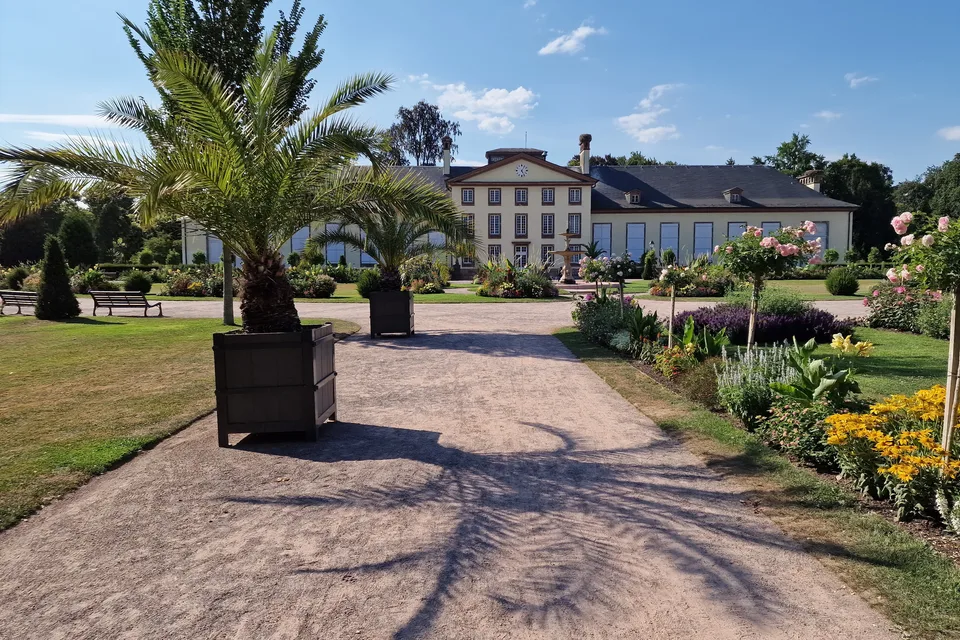
The Orangerie Park combines formal paths, more informal landscaping and a lake across roughly 26 hectares. The Joséphine Pavilion dates to 1807; the grounds provide a useful change from enclosed collections and busy central lanes. The park also sits close enough to the European district to make the two a sensible combination.
Use it for a picnic, a longer pause or an uncomplicated family walk. Do not make a child's enjoyment depend on every optional activity operating: seasonal boat rides and other facilities need their own opening checks. In poor weather, shorten the outdoor portion and keep an indoor alternative. For a longer stay, return at a time when you would normally exercise or take children outside. Everyday use can tell you more about a prospective neighbourhood than a single sightseeing circuit.
Choose a boat route by what it actually includes
Batorama's current departures show several different routes and durations. Some last around seventy minutes, others forty-five minutes; the operator also flags boarding-pontoon works. Check the named circuit, departure point and date on the actual ticket rather than assuming that every boat follows the same complete city route.
A cruise can offer a different perspective or a break from walking, but it need not be mandatory if your time or budget is tight. Check boarding access directly if steps, a wheelchair or transfers are a concern. Keep the booking confirmation available and leave enough time to find the correct pontoon. An attractive photograph of a boat beside a monument is not evidence that your selected departure stops there or admits you to the building.
Where to stay: match the address to the trip
Choose the Grande Île or Petite France when repeated walks through the historic centre are the main purpose. Choose an address near the main station when early trains, luggage or a short stop make the first and last journeys especially important. For a Parliament appointment, compare the complete tram journey from the property rather than paying for proximity to a landmark you will visit only once.
For every shortlist, ask about lift access, the exact room location, cooling, overnight noise and luggage storage. An apartment with a kitchen may suit a family, but compare the complete price, cleaning charge, cancellation terms and arrival arrangements with a hotel. Check whether a quoted tourist tax is included. For a longer stay, confirm laundry facilities and a usable work area rather than relying on photographs of an attractive living room. None of these neighbourhood choices guarantees a particular price or atmosphere on every street.
Arriving by rail: compare the complete journey
The tourist office's rail-arrival page identifies Strasbourg as a high-speed rail destination and links to SNCF Connect. Compare a train journey with flying using the full cost and time: the trip to your departure station or airport, baggage, connections and the final transfer all belong in the calculation. An advertised fastest time is not a promise about every service on the day you travel.
Before paying, check the named arrival station, the exchange conditions and whether a connection is protected under your booking. Keep a practical margin for collecting stored luggage before the return train. If you require assistance, organise it with the operator rather than assuming a short walking route on a map establishes step-free access. For a late arrival, choose accommodation whose check-in arrangements fit the actual schedule.
Airport arrival: eight minutes is the train journey
The airport's official train information describes a journey of about eight minutes to Strasbourg station, with services running up to five times an hour. A covered pedestrian connection links the terminal and railway platforms. Allow separately for walking, waiting, baggage collection and the journey from the main station to your accommodation. The advertised rail time is not an airport-to-hotel estimate.
Check the actual train for your arrival date and choose the ticket by its coverage. If a later connection is essential, allow enough margin for a delayed flight rather than relying on the last possible departure. Travellers with access needs should review the complete route, including the final stop or property entrance, before deciding that a short train journey makes every accommodation equally convenient.
Single fares depend on how you buy and travel
The CTS single-ticket page lists €1.90 when reloading the relevant medium or using the CTS app, and €2.50 for purchase aboard buses. The contactless ticket has a €0.20 first-purchase supplement. The published validity is one hour, with or without transfers, within the metropolitan area and on tram D to Kehl.
TER access under this single-ticket offer is restricted to the Immediate Departure option. Do not assume a paper or stored single ticket has the same train entitlement. Read the conditions in the app before buying and activate or validate as directed. A lower displayed price is useful only if the product matches the journey, the timing and the medium you intend to use.
Museum choices need the current closure calendar
The municipal museum schedule lists the Alsatian Museum as closed for works from 7 July 2025 through 1 June 2028. It should not appear as an available interior visit in a current itinerary. Use the timetable to select another collection that interests you, then check the particular date rather than applying one museum's opening pattern to all of them.
The current schedule distinguishes Monday-closing museums from the Rohan palace collections with Tuesday closure. Some weekday sessions also include a lunchtime break, while holiday exceptions can override the usual pattern. Choose one substantial museum visit and leave time to enjoy it. A shorter programme that fits the doors actually open will be more useful than a long list assembled from historic attraction descriptions.
Seasons: prepare for heat, cold and changing skies
Météo-France's climate explanation places Alsace in the northeastern semi-continental zone, with hot summers and winters that can bring frost and snow. Its account specifically notes that Strasbourg's summer precipitation exceeds winter precipitation because of thunderstorms. Summer should not be treated as a guarantee of dry outdoor sightseeing, and winter photographs do not promise snow on your travel dates.
For a walking-focused trip, spring or autumn is worth considering, provided you keep an indoor alternative and check the forecast close to departure. In hot weather, confirm accommodation cooling and schedule rest between outdoor walks. Winter plans need suitable footwear, warm layers and realistic daylight expectations. If seasonal events are your priority, book against their published dates and access arrangements. Avoid assuming that the Christmas programme leaves every normal cathedral or transport routine unchanged.
A realistic two-day plan
On the first morning, explore the cathedral surroundings and decide whether the platform climb suits you. If the clock presentation is operating and interests you, build the middle of the day around its entry time. Otherwise use that time for a quieter lunch. Spend the afternoon following Petite France towards the Covered Bridges, adding one open museum or a confirmed boat circuit according to your interests and energy.
On the second morning, walk through Place de la République and part of the Neustadt. Visit Parliament at the available session or outside-session time, then leave a generous break for the Orangerie. Change the order when a reservation or museum closure requires it. With only one day, keep the historic centre and one substantial visit. With children, access needs or a late arrival, remove an activity rather than shortening every meal and transfer until the day becomes exhausting.
Considering a move: inspect the home and the commute
A short rental can help you compare daily journeys before committing to a longer tenancy. Test the route to your actual workplace or course at the relevant hour, including the walk from the final stop. A home convenient for the cathedral may still be inconvenient for a job elsewhere. Visit the street at different times and check the nearest groceries, laundry options and practical storage for a bicycle or pushchair.
Before signing, understand the rent, separately billed charges, heating arrangement, deposit, furnishings, insurance requirements and notice terms. Ask for the documents relevant to the particular tenancy instead of accepting a verbal promise about what is included. ADIL Bas-Rhin provides housing advice, including legal and financial questions. Use that service to clarify a proposed arrangement. Holiday accommodation prices and old rent averages are not a sound substitute for comparing current, equivalent long-term listings.
Household services and healthcare need separate preparation
Make a written handover checklist covering electricity, heating, water, internet, meter readings, inventory and who to contact when something fails. Check mobile reception inside the property and confirm an installation date if reliable internet is essential. Families should investigate enrolment and childcare for their own circumstances before treating an available apartment as a complete relocation solution.
For healthcare, Assurance Maladie's entitlement guidance links coverage to work or stable, lawful residence and explains that supporting documents depend on your situation. Do not assume a tourist booking or a newly signed lease automatically activates public cover. Establish appropriate cover for arrival and confirm how your own entitlement will be assessed. Keep copies of important records and plan access to ongoing prescriptions before moving. A relocation budget should include the transition period, when temporary accommodation and initial household costs can overlap.
Tourism, employment and residence are different permissions
Check the official short-stay visa rules against nationality and personal status. For travellers subject to the Schengen short-stay framework, the limit is generally ninety days in any rolling 180-day period across the area, rather than a fresh allowance for each country. A visit across the border to Germany does not reset that calculation.
For a private stay exceeding three months, France-Visas describes the visitor route as excluding professional activity and requiring evidence such as resources, accommodation and medical cover. Employment, study and permanent relocation require assessment under the relevant route; neither a holiday booking nor a city guide establishes eligibility. EU and other protected statuses need their own assessment. Use the official visa assistant for the intended activity before committing to an irreversible plan. VisaWand's France guide and France consultation listings can help organise further research and advice, while official authorities determine requirements and decisions.
Extend the trip without losing the city
Colmar, Alsace's wine villages and places across the German border offer different possible extensions. The visitor office's regional excursion information is a starting point, but select one destination and verify the outward and return transport for the actual day. A metropolitan day ticket should not be assumed to cover an entire regional excursion. For a wine visit, arrange transport that fits the tasting plans and the final return.
Compare Strasbourg with other destinations on the basis of the trip you want. VisaWand's Paris guide offers another urban option, while the Cannes guide covers a contrasting coastal stay. The France location directory helps locate further destinations; directory entries do not necessarily contain completed guides. Keep the last part of your Strasbourg stay free enough to return to a place you enjoyed rather than treating every spare hour as a reason to travel elsewhere.
Official planning resources
Reviewed 16 October 2026. Use the official resources linked throughout this guide for admission, transport, housing and immigration decisions. Prices, services and rules can change; confirm the details relevant to your dates. Photography illustrates the locations and is not a live view.
View all official resources
- Strasbourg Tourism: Grande ÃŽle and Neustadt
- Strasbourg Tourism: Petite France
- Fondation Å’uvre Notre-Dame: cathedral platform
- Cathedral parish: astronomical clock
- Strasbourg Tourism: Neustadt
- European Parliament: Strasbourg visits
- European Parliament: visits outside plenary sessions
- Strasbourg Tourism: Orangerie Park
- Batorama: routes and live departures
- Strasbourg Tourism: arriving by train
- Strasbourg Airport: train connection
- CTS: 24H Solo
- CTS: Alsa+ 24H EMS
- CTS: single ticket
- Strasbourg museums: current openings and closures
- Strasbourg Tourism: places to eat
- Météo-France: French climate types
- ADIL Bas-Rhin: housing advice
- Assurance Maladie: healthcare entitlement
- France-Visas: short stays
- France-Visas: long-stay private visits
Plan the next part of your journey
Explore the France guide, browse other cities or compare consultants for your travel and relocation questions.