Visa
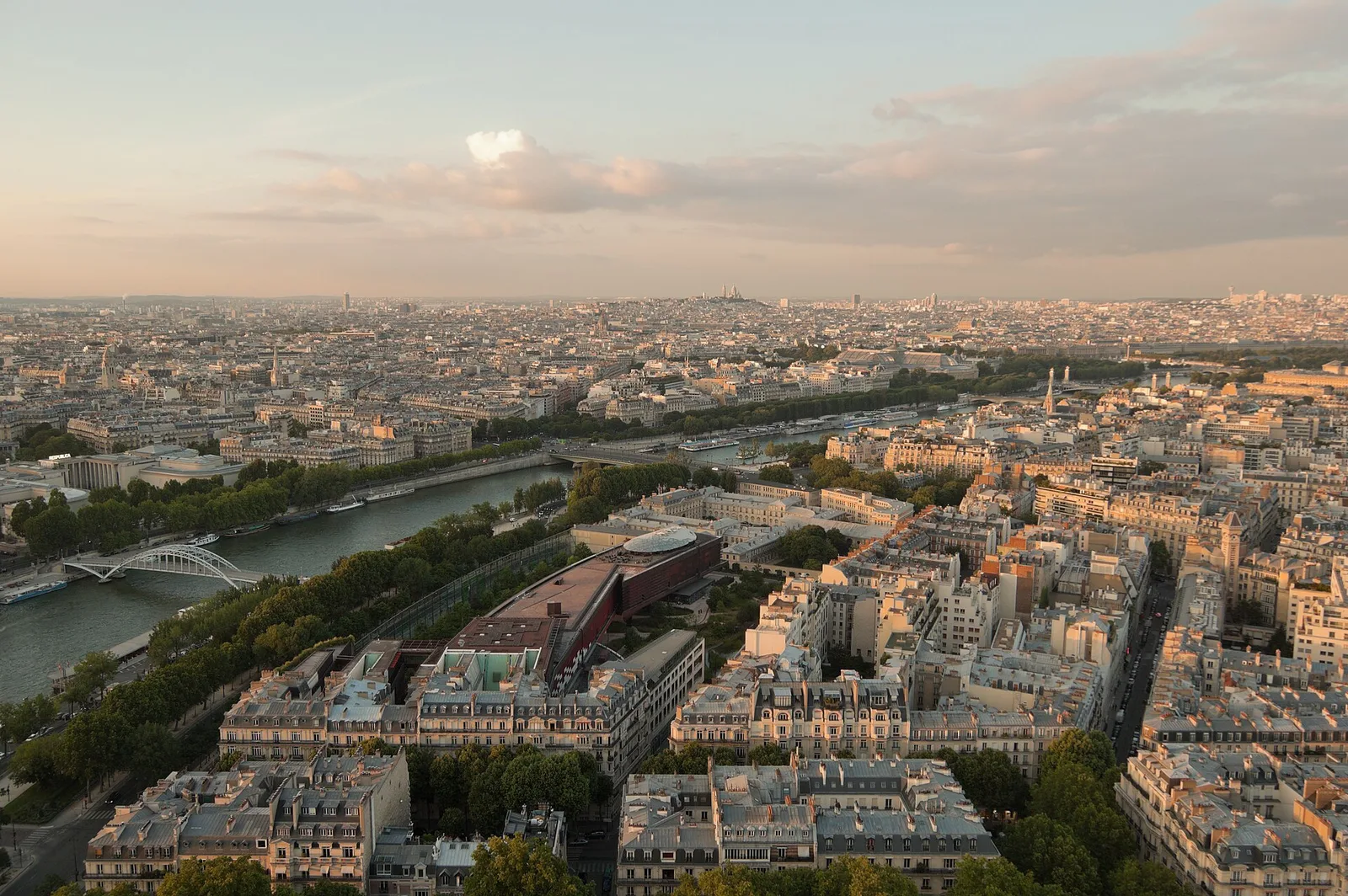
Read Paris through the layers beside the river
Use VisaWand's France country guide for national context and the France location directory to compare destinations.
Paris rewards a visit that gives its streets as much attention as its admission tickets. A view from the Eiffel Tower, a museum collection and an afternoon in the Marais reveal different aspects of the city. Choose the experiences that matter to you, then leave space between them. For someone considering a move, the same visit can include ordinary journeys and time around a possible home, making it more useful than a succession of landmark photographs.
The Archaeological Crypt’s account of Île de la Cité traces successive layers of development through surviving structures: a quay from the Roman port, bath remains, medieval streets and evidence of later redevelopment. Excavations beneath the cathedral square took place between 1965 and 1972, and the crypt opened to the public in 1980. This gives the island a history beyond the buildings visible above ground. It also provides a useful reminder that Paris’s familiar appearance is the result of repeated changes rather than one preserved moment.
The Marais combines a neighbourhood walk with smaller museums
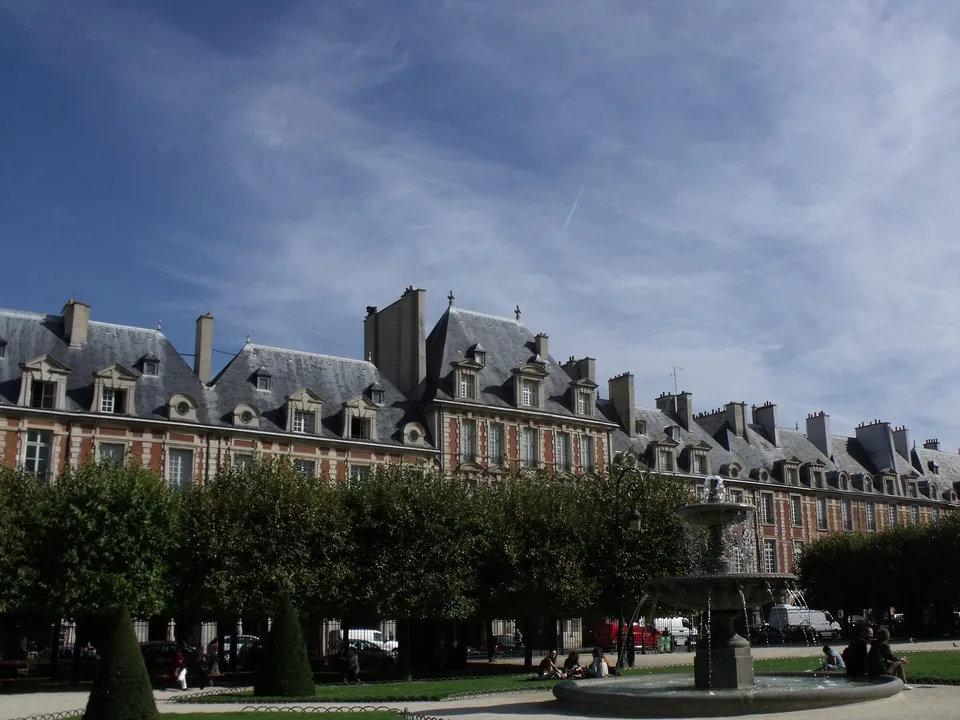
The visitor office’s Marais walk brings together Place des Vosges, the Maison de Victor Hugo, museums and shopping streets. The square’s brick buildings and arcades offer a different scale from the great museum complexes. Build a visit around the streets and one chosen interior rather than attempting every collection listed on a neighbourhood map. That leaves room to stop, look at the architecture and decide whether another museum adds something to the day.
For a museum that explains the city itself, Musée Carnavalet traces Paris from prehistory to the present through objects, pictures and reconstructed interiors. Its two historic mansions are part of the experience: the collection includes shop signs and decorative woodwork, as well as personal belongings associated with figures such as Marcel Proust. This is a useful complement to looking at the Marais's architecture outside.
For individual visitors, Carnavalet's permanent collections are free without booking; temporary exhibitions have separate admission. The museum lists Tuesday–Sunday opening from 10am to 6pm, last permanent-collection entry at 5:15pm and room closure at 5:45pm, with specified holiday closures. Its entrance is at 23 rue Madame de Sévigné, and Saint-Paul on metro line 1 is one listed connection. Large bags and suitcases are not accepted. Plan it as a neighbourhood visit before collecting travel luggage.
Montmartre rewards a slower approach
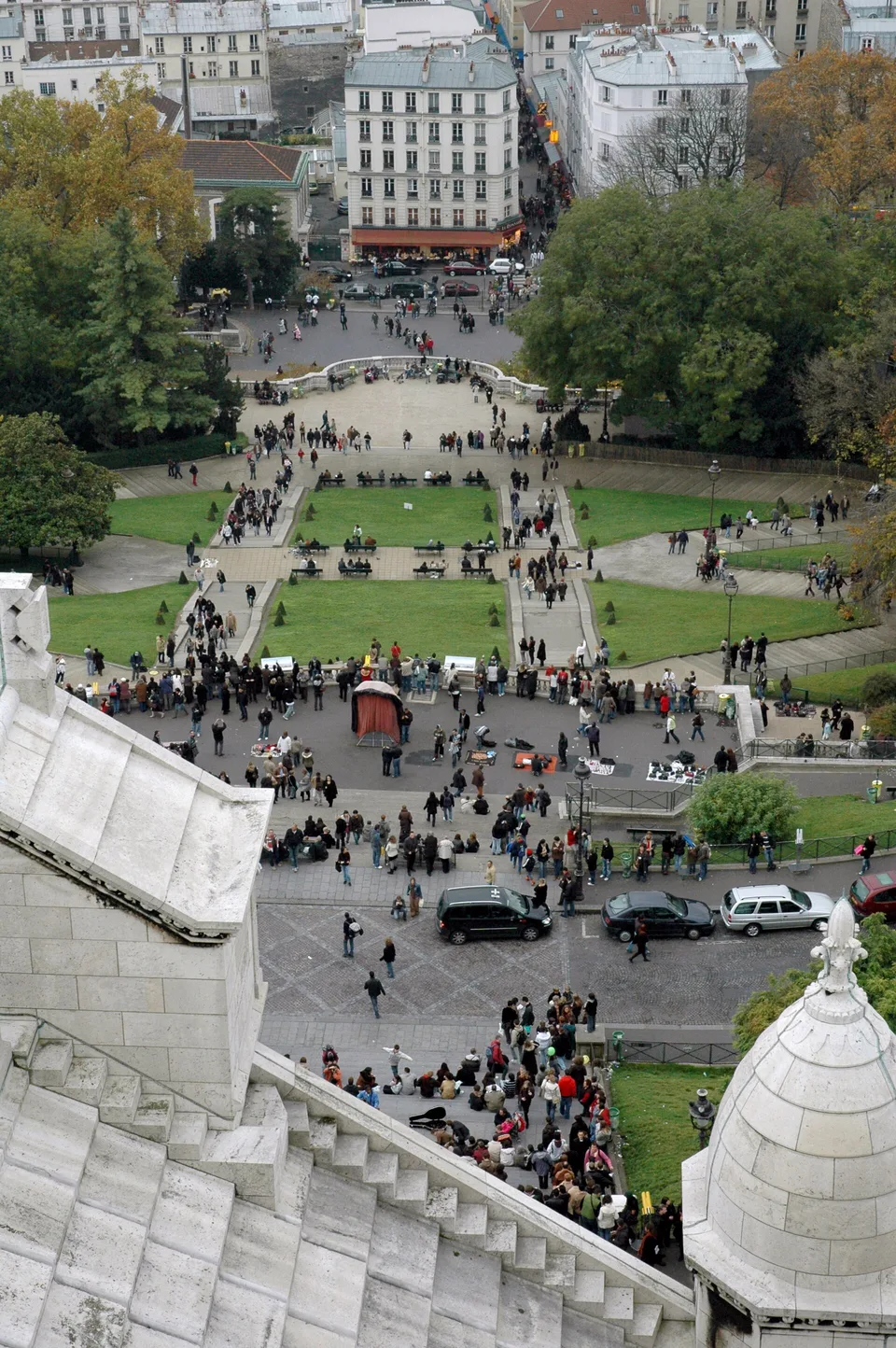
Paris’s official visitor information for Montmartre describes a hilltop district associated with artists including Picasso, Van Gogh and Toulouse-Lautrec. Sacré-Cœur is the obvious landmark, but the approach matters too. The visitor office identifies Anvers on metro line 2 for the funicular or steps, Abbesses on line 12 for the neighbourhood, and bus 40 for travel through the district. Choose an arrival point that fits the walk you actually want to take.
Give this part of the visit its own stretch of time rather than treating the hill as a quick addition between distant museum bookings. For accommodation, examine the route to the specific entrance: a room described as being in Montmartre may still require a climb from your chosen station. Travellers with luggage, limited stamina or a pushchair should compare the final approach before reserving. The funicular is useful to investigate, but its presence should not be taken as proof that every street, hotel or attraction entrance is accessible.
Choose accommodation around the days you intend to have
Begin with two or three priorities: the museum you most want to visit, the neighbourhood where you would like to spend evenings, and the arrival or departure connection. Compare properties against those journeys. The Marais suits a plan built around its walking route and smaller museums; Montmartre gives a different emphasis, with the hill and its approaches becoming part of the stay. Neither description establishes that every address within the area has the same convenience.
For a hotel, establish the room category, bed arrangement, lift access and cancellation terms. For an apartment, confirm the kitchen facilities, linen, check-in procedure and any additional charge before comparing it with a hotel total. A longer booking makes laundry and workspace more relevant, but advertised facilities still need to match your needs. Include the departure journey too.
Plan the airport ticket and the final transfer
The transport authority’s airport-ticket guidance describes the €14 Paris Region–Airports ticket for journeys to Orly or Charles de Gaulle, including travel between those airports. It is valid on the region’s metro, train, RER and Orlyval services. Its stated scope should not be stretched to an airport or transfer product outside those arrangements. Confirm the airport used by your flight before pricing the arrival journey.
The transport authority’s airport connections page identifies RER B for Charles de Gaulle and metro line 14 for Orly. Another Orly route combines RER B to Antony with Orlyval. Match the airport station to your terminal, then compare transfers and the final walk to the accommodation. Check service notices for your dates and allow for baggage and mobility needs.
Choose the transport product for the journey
The regional transport authority’s 2026 fare table lists the full-price Metro–Train–RER single ticket at €2.55 and the Bus–Tram single ticket at €2.05. Airport travel has a separate product: the Paris Region–Airports single ticket is €14. Compare the journey you intend to make with the ticket’s conditions rather than assuming one ordinary ticket covers every form of transport and every destination.
The same table lists the all-zone Navigo Day product at €12.30 and expressly excludes airports. That distinction matters when comparing a pass with separate tickets for an arrival day. Include the final journey to your accommodation and the trips you expect after check-in. Confirm product eligibility, validity and the appropriate ticket medium before paying; a price table alone cannot establish which option is best for every visitor.
Give the Louvre a booked place in the day
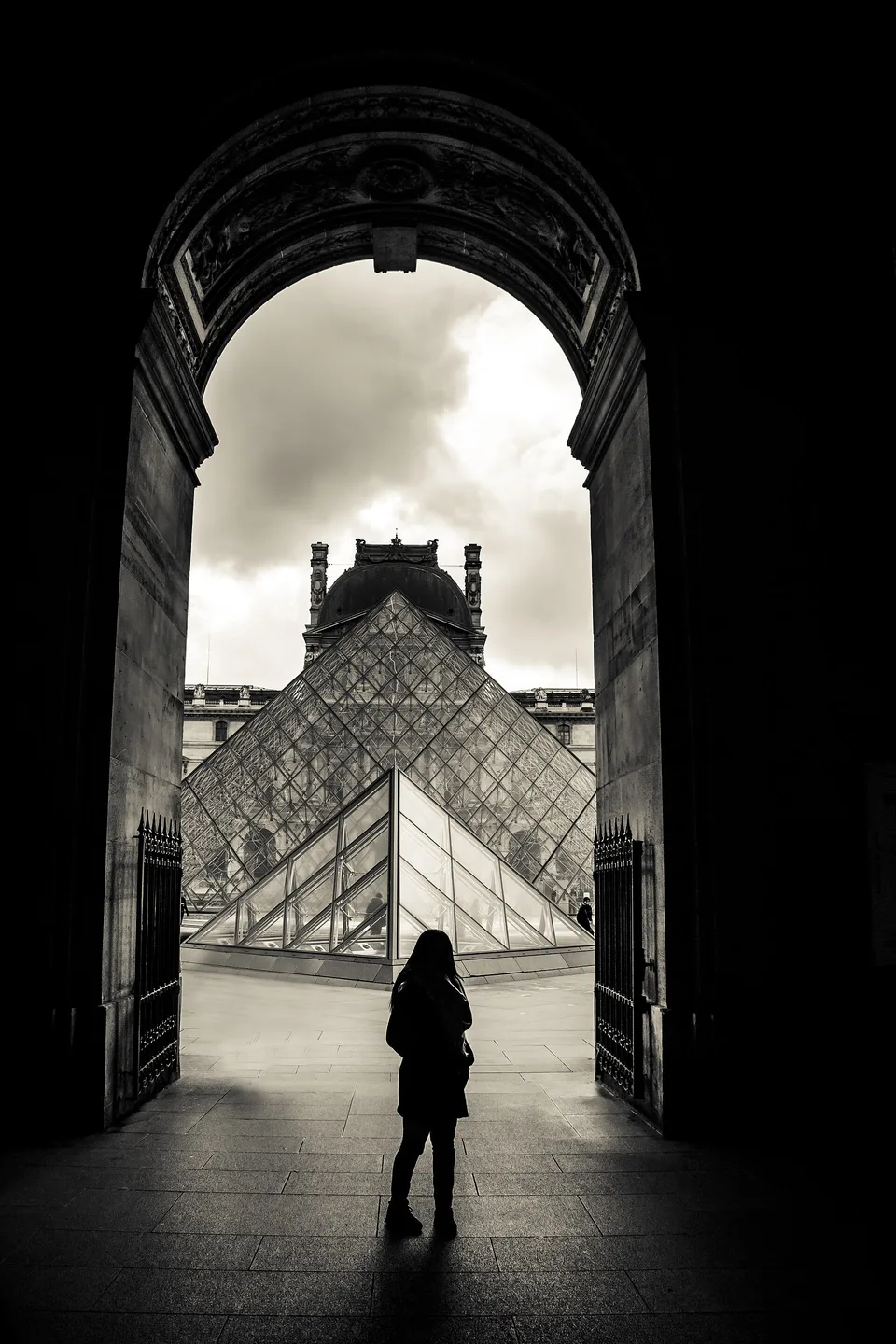
The Louvre’s own admission page lists the museum as closed on Tuesdays. Its regular published hours are 09:00–18:00 on Monday, Thursday, Saturday and Sunday, with opening until 21:00 on Wednesday and Friday. Last admission is one hour before closing, and rooms begin clearing thirty minutes before closing. Check the current notice for your date before making the museum the centre of the itinerary.
At the October 2026 review, the museum lists €22 for EEA residents or citizens and €32 for visitors who are neither residents nor citizens of the EEA. Free-admission categories include under-eighteens and specified EEA categories for visitors under twenty-six, with evidence required. Review your actual eligibility rather than choosing a rate from nationality alone. The museum recommends booking a time slot, including for visitors eligible for free admission.
Choose the Eiffel Tower level before buying
The Eiffel Tower’s official admission table separates access level from the means of ascent. At this review, an adult ticket to the second floor costs €23.50 by elevator or €14.80 by stairs. Summit access costs €36.70 using elevators, or €28 with stairs to the second floor followed by an elevator. These are different experiences and physical commitments; the lowest advertised price does not buy the same journey as the summit elevator ticket.
The operator states that the summit and stairways are unsuitable for people with limited mobility. Check the access information for your party before selecting a product, and use the date-specific calendar for opening hours. Summit access may be restricted in severe weather or at peak periods. Keep enough flexibility in the surrounding day to accommodate a changed visit. When comparing a guided package with direct admission, establish which level is included and what the package adds, rather than comparing prices without matching their contents.
Food shopping belongs in the daily plan
The visitor office’s bakery and pastry overview highlights baguettes alongside sweets such as mille-feuille, macarons and opéra. These provide a starting point for choosing something to try without requiring a costly tasting itinerary. Compare the displayed options and portions at the counter, then buy what interests you rather than following an unverified claim about the city’s best shop.
For a specific market to investigate, the official listing for Marché Alibert places it in the tenth arrondissement near Saint-Louis hospital and Canal Saint-Martin. It identifies food traders including a baker, a wine seller and a seller of roast food. Confirm the current market schedule before planning a visit around it; a map pin alone cannot tell you whether the stalls will be operating when you arrive.
Let meals shape the pace of a day. A bakery purchase or market stop can fit between activities without committing every lunch to a long restaurant visit. If choosing accommodation with cooking facilities, check what is actually supplied and whether the arrangement suits the length of your stay. Food purchases still need storage and preparation space. For a household scouting trip, note the shops along the route you would use regularly rather than relying on an attractive market several journeys away. Establish dietary requirements directly with the seller, including ingredients and preparation, instead of assuming that a familiar-looking dish meets them.
Budget for choices rather than a misleading daily average
Paris’s verified admission and transport prices provide useful building blocks, but they do not support one universal daily budget. Write down the accommodation total first, including disclosed taxes and charges, then add the airport journey, ordinary transport and the attractions you have selected. The difference between a second-floor Eiffel Tower ticket and summit access illustrates why a budget needs named products. Museum eligibility can also change the calculation substantially.
Keep food spending as a separate decision: a room with usable cooking facilities, simple takeaway meals and booked restaurant dinners produce different costs. Retain a margin for changes without making it an invitation to fill every spare hour with another paid activity. For a prospective move, create a second budget covering rent, charges, deposits, utilities and commuting. A holiday total cannot establish whether a household income will sustain the intended home and routine.
Seasons change the plan more than the list of landmarks
The visitor office’s weather table gives an average July high of 25.7°C, compared with 7.6°C in January and 16.5°C in October. It also shows rainfall in every season. These figures are planning context, not a forecast for your particular dates, and they do not rule out a much hotter or colder spell. Consult the current forecast before departure and adjust outdoor plans accordingly.
Spring and autumn are reasonable starting points for a trip focused on walking, but dates should also fit the attractions and events you want to attend. In warmer weather, leave flexibility around long outdoor stretches and examine the accommodation’s cooling arrangements. In colder weather, allow time indoors between walks rather than expecting every afternoon to follow a summer routine. A wet-day alternative should be something you want to do, with admission and opening checked, rather than an unplanned rush to the nearest museum. Weather is one part of choosing dates; compare actual room and transport prices instead of assuming an entire season will be inexpensive.
Three days, with one main commitment each day
On the first day, choose a Louvre time slot that fits arrival and energy levels, then leave the rest of the day for a river-side walk and a meal. If the flight arrives too late to make admission comfortable, move the museum to another day rather than gambling on the transfer. Tuesday closure is a reason to rearrange the sequence, not to force a different museum into the same timetable.
Use the second day for the Eiffel Tower at the level you have chosen, followed by time to enjoy the surrounding area without another major reservation pressing on it. A summit restriction need not spoil the entire day if the rest of the plan remains flexible. On the third day, choose either Montmartre or the Marais as the principal neighbourhood walk, adding one selected interior if it fits your interests. Trying to compress both districts into a hurried checklist loses the slower experience that makes either worthwhile.
For a move-assessment visit, replace part of the sightseeing with the journey from a possible home to the workplace or study site. Make that a real trip at a relevant time, then look at shops and household services near the accommodation. Keep this separate from a holiday itinerary so that each trip has a clear purpose.
Versailles deserves a separate day
The Palace of Versailles recommends a full day to make the most of its estate. Its main visitor page lists the palace as closed on Mondays, opening at 09:00 on other days; the Trianon estate opens at noon from Tuesday to Sunday. Use the current calendar and the admission product for your intended visit, particularly when deciding whether gardens and additional parts of the estate are included.
Treat Versailles as a deliberate extension of the Paris trip rather than an extra stop after a long museum morning. Decide which parts interest you, establish the transport route and leave enough time for the return. If the stay is short, choosing another neighbourhood day in Paris may be more satisfying than adding a journey simply because the palace is famous. For a longer visit, the contrast between an urban walking day and a full estate visit can give the itinerary a useful change of pace.
Assess a proposed rent against the correct rules
The City of Paris explains its rent-control system for covered principal-residence and mobility leases. The applicable reference depends on the address and property category, including furnished status, number of rooms and construction period. The regulated base rent excludes charges and any separately justified rent supplement. A citywide average cannot tell you whether a particular offer complies: use the official tool for the property and the relevant lease date.
Ask for a breakdown that separates base rent, charges and any supplement before comparing offers. A higher headline figure may reflect different components, while an appealing advertised rent may omit household costs. The city explains that a supplement must have its amount and justification recorded in the lease. Seasonal accommodation and other excluded categories follow different arrangements, so establish the actual contract type before applying the rules. Keep the advertisement and proposed lease together when assessing discrepancies or seeking advice.
Separate the deposit from a guarantor
Service-Public’s official deposit guidance distinguishes the security deposit from a guarantor’s commitment. For ordinary leases paid monthly, the stated deposit ceiling is one month’s rent excluding charges for an unfurnished home and two months for a furnished home. A mobility lease prohibits a security deposit. These distinctions make the proposed contract type important; do not transfer the deposit rules for one tenancy category to every temporary stay or rental arrangement.
Budget the deposit as money tied up alongside the first rent payment and other disclosed costs. Before signing, obtain the amount in writing and understand who receives it. At the inventory, record the condition of the accommodation and supplied furnishings carefully, retaining your own copy of the agreed document. That record is useful when discussing damage or deductions at departure. A guarantor requirement is a separate question about backing the tenant’s obligations, rather than another name for money held as a deposit.
Set up a workable household before committing to a home
A prospective resident needs more than an attractive room and a nearby landmark. Compare the complete commute, including changes and the final walk, with the hours required by the workplace or institution. At a viewing, examine storage, ventilation, available heating and the facilities you would use daily. Ask which costs are included in charges and which contracts the occupant must arrange separately; record the answers alongside the proposed lease.
Prepare a household checklist covering electricity, internet, insurance, laundry and access to healthcare. Check eligibility and registration requirements for services against your actual immigration and employment circumstances rather than importing assumptions from a holiday. Families should establish school or childcare arrangements with the responsible organisations before relying on them in a move budget. Temporary accommodation can give time to investigate these questions, but its cost and departure terms still need to be understood. The aim is a home whose ordinary routine works, not simply an address that looks convenient on a sightseeing map.
Establish entry permission before a non-refundable booking
France-Visas short-stay guidance explains the uniform Schengen visa’s limit of ninety days in any period of 180 consecutive days. For travellers subject to that short-stay framework, time in other Schengen countries belongs in the calculation too. Check the territories, permitted entries and dates on the actual document. A long visa-validity period should not be read as permission to remain continuously for that entire period.
Visa requirements depend on nationality and status, including relevant residence permissions. Use the official assistant with your own circumstances before treating a friend’s experience as applicable. Keep the trip’s purpose accurate throughout the application and booking process. EU, EEA and Swiss citizens have different arrangements, which should be assessed through the guidance relevant to their status. For everyone, the practical sequence is to establish the permission needed, understand the conditions attached to it and then make commitments that fit those conditions.
A visitor’s long stay does not authorise employment
France-Visas guidance for private stays longer than three months describes the long-stay visitor route for a person who will not undertake professional activity. It explains that a VLS-TS requires online validation after arrival, while a temporary VLS-T may apply in specified circumstances. Use the official visa assistant for your nationality and country of residence rather than assuming one document list or process applies to everyone.
The guidance calls for evidence of resources, accommodation, medical cover and the applicant’s circumstances, together with a formal commitment not to work during the stay. Keep that route separate from moving for employment or study. Before accepting a job, enrolling or making a long housing commitment, establish the permission appropriate to the activity. A visitor visa should not be presented as a general right to work remotely, settle permanently or obtain another status automatically.
Work, study and settlement need their own assessment
France-Visas employment guidance distinguishes recruitment, postings and internal transfers. In its recruitment guidance, it describes an employer’s prior-authorisation requirement alongside specified exemptions, and explains that the visa reflects the duration and nature of the contract. Establish which route applies to the actual role and applicant rather than assuming that an offer letter completes the immigration process.
For study, obtain the institution’s guidance and follow the official application route for your nationality and course. Admission to a programme and permission to enter or stay are separate steps. Likewise, a temporary visa should not be described as permanent residence. Anyone planning a lasting move should assess renewal and future residence requirements through the relevant official guidance before treating a temporary arrangement as a settled long-term outcome. A consultation can help identify questions and documents to discuss, but cannot guarantee approval by the authorities.
Official planning resources
Reviewed 14 October 2026. Use the official resources linked throughout this guide for admission, transport, housing and immigration decisions. Prices, services and rules can change; confirm the details relevant to your dates. Photography illustrates the locations and is not a live view.
View all official resources
- Archaeological Crypt history of Île de la Cité
- Official Paris bakery and pastry overview
- Official Marché Alibert visitor listing
- Official Paris seasonal weather guidance
- Palace of Versailles visit planning
- Official airport-ticket requirements
- France-Visas short-stay rules
- France-Visas salaried employment routes
- France-Visas tourist stays longer than three months
- Île-de-France Mobilités 2026 fares
- Official Montmartre visitor information
- Official Marais neighbourhood walk
- Eiffel Tower official admission and access
- City of Paris rent-control guidance
- Official rental security-deposit rules
- Louvre visitor hours and admission
- Official airport rail connections
- Musée Carnavalet: history and collections
- Musée Carnavalet: admission, hours and access
Plan the next part of your journey
Explore the France guide, browse other cities or compare consultants for your travel and relocation questions.