Visa
A city best understood from both rivers
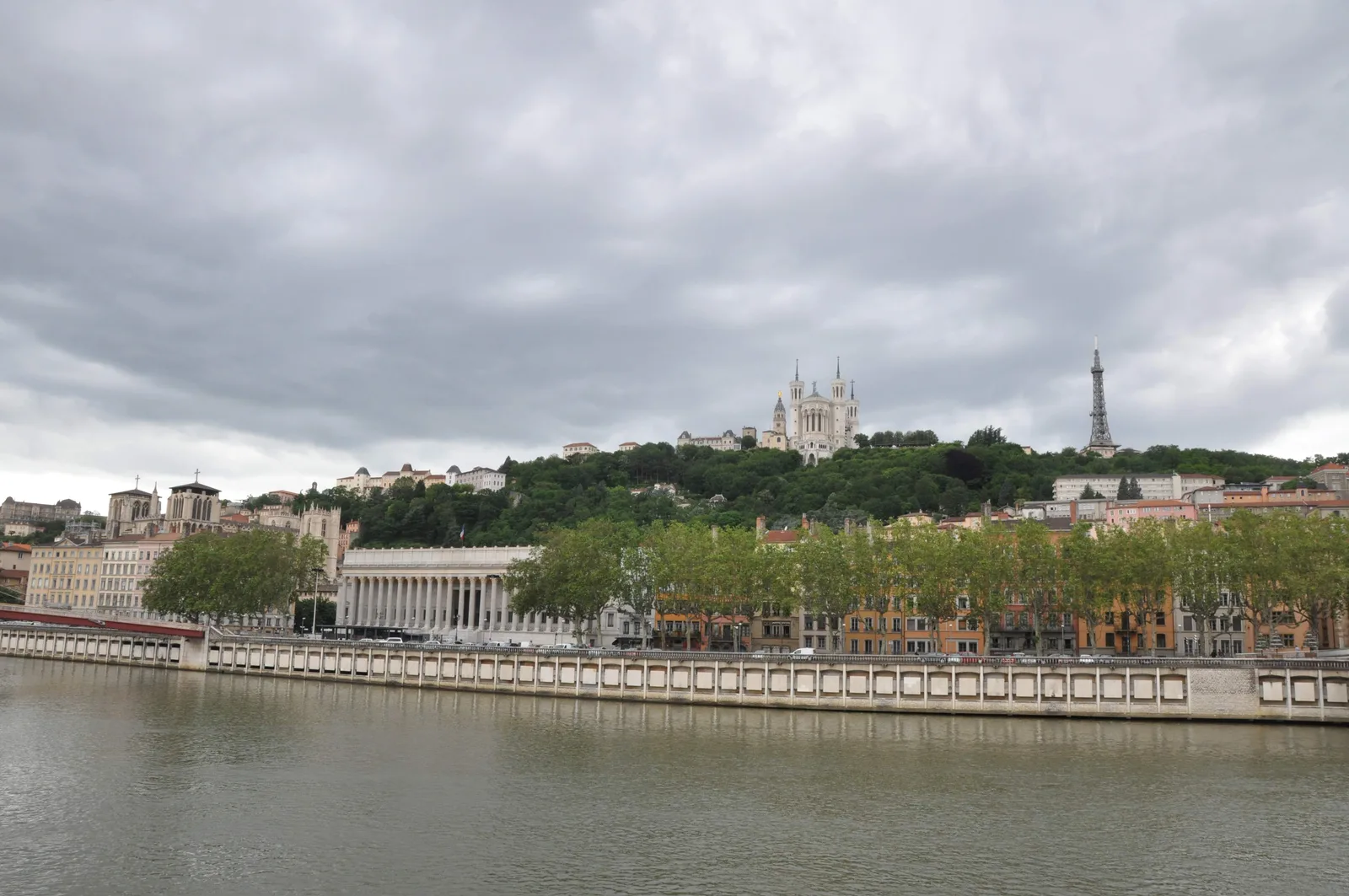
Lyon’s geography does much of the organising for you. The Saône runs below the old town and Fourvière hill; the Rhône gives the city a broader eastern waterfront. Between them, the Presqu’île holds major squares, shops and civic buildings. Beyond that familiar postcard, silk-working neighbourhoods, a busy railway district and the redeveloped Confluence explain why Lyon is more than a convenient stop between Paris and the south.
Three full days give a first-time visitor room for the historic centre, one or two substantial museums and meals worth lingering over. A fourth opens up nearby towns without squeezing them between city appointments. Lyon also merits a scouting visit before moving: the difference between a hillside address and a direct journey to work matters more than a sweeping view. Use VisaWand’s France country guide for the national framework and its France location directory to compare destinations.
Follow the layers of Lyon’s history
The UNESCO-listed Historic Site of Lyon, inscribed in 1998, brings together successive stages of the city’s development. Roman remains occupy Fourvière; Renaissance courtyards cluster below in Vieux Lyon; later streets and squares extend across the peninsula. The slopes of Croix-Rousse reveal another economic story, shaped by silk production and the people who worked its looms.
This is useful history for planning a visit, because the periods occupy different terrain. Group Roman sites with Fourvière, Renaissance streets with the Saône, and silk heritage with Croix-Rousse. Trying to cover them as isolated pins on a map produces unnecessary climbs and crossings. The heritage listing concerns the defined historic site, rather than every part of the modern metropolitan area. Allow time to see working neighbourhoods beyond its boundary as well.
Choose a base between the peninsula and the station
The Presqu’île is a practical first-visit base when you want central shopping, restaurants and walks towards both rivers. Bellecour and Terreaux help orient you, but compare the precise street, room position and walking route to transport. A central postcode does not guarantee quiet nights or a lift in an older building.
Part-Dieu serves a different purpose: rail connections, offices, major shopping and access to the airport shuttle. It can simplify a short business trip or an early departure, although you will travel to reach the old town. Perrache is another central railway gateway; check which station your train actually uses. For longer stays, compare these areas with a neighbourhood near your daily destination. A hotel beside a station and a flat suitable for an ordinary working week answer different needs.
Explore Vieux Lyon without treating homes as attractions
Vieux Lyon lies between Fourvière and the Saône, with Saint-Georges, Saint-Jean and Saint-Paul forming its main historic sections. Narrow streets, paved surfaces and Renaissance details reward an unhurried walk. Start with the public streets and cathedral surroundings, then add a museum or guided visit according to your interests rather than trying every doorway.
The traboules and courtyards are passages through buildings, many of which remain private homes. Only some are open to visitors. Follow the official map, plaques and access information; an unlocked entrance is not an invitation to explore staircases or residential corridors. Keep voices low, let residents pass and leave closed doors closed. A guided tour can explain the architecture while removing the uncertainty about which passages can be visited. Uneven paving and thresholds also deserve attention if mobility is limited.
Reach Fourvière in a way that suits your stamina
The Fourvière basilica offers an elevated introduction to the city, with its richly decorated interior and the open outlook from the hill. Ordinary entry to the basilica, crypt and chapel is free. It remains a place of worship, so services can restrict sightseeing; check the calendar and respect quiet areas. Rooftop and other guided visits are separate experiences requiring reservations.
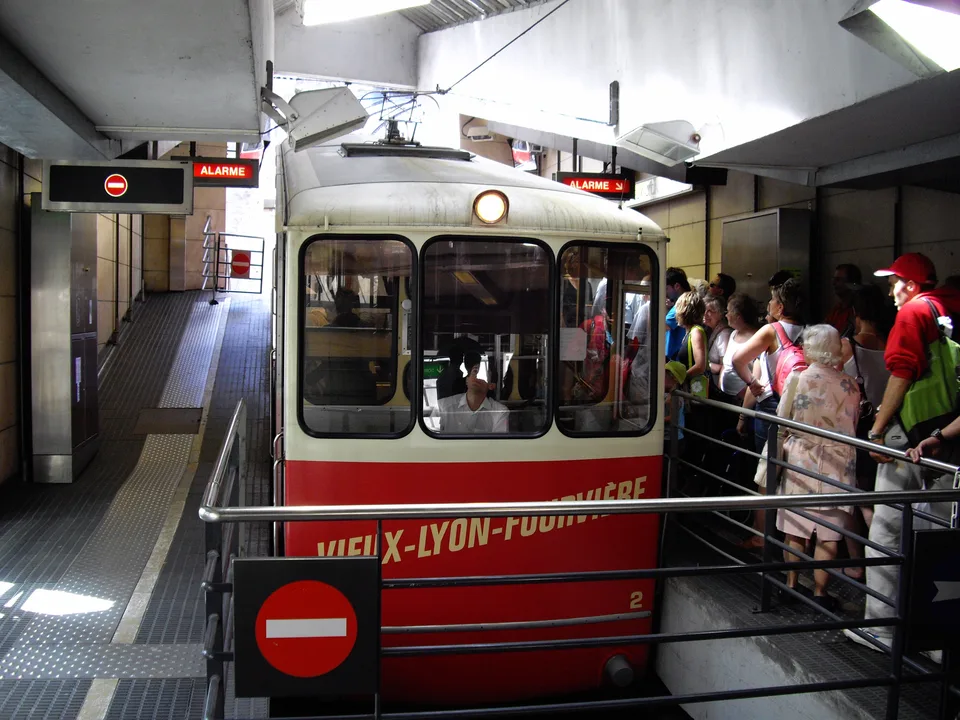
Funicular F2 connects from Vieux Lyon, which is also served by metro D. Walking through the Rosaire gardens is another option, but it involves a hill and is not a substitute for a verified step-free route. The foundation identifies accessible arrangements, including a lift from the esplanade parking area. Confirm the approach that matches your needs before travelling. Leave large luggage elsewhere: the sanctuary does not provide a luggage-storage service.
Separate Lugdunum’s museum from the Roman theatres
Nearby, Lugdunum makes the Roman city tangible through its archaeological museum and theatre site. Combine it with Fourvière geographically, while allowing enough attention for the collections rather than simply walking past on the way to the viewpoint. A theatre performance is a separate event; sightseeing access should not be confused with an evening ticket.
The museum opens Tuesday to Friday, 11am–6pm, and weekends from 10am–6pm. Standard admission is €4 outside temporary exhibitions and €7 during them; the first Sunday of the month is free. Check concessions with appropriate evidence. The outdoor theatres have different hours, published as 7am–7pm from October through April and 7am–9pm from May through September. Annual closures and event arrangements still apply. Keep the museum’s Monday closure in mind when deciding which day to spend on the hill.
Give Croix-Rousse time beyond a viewpoint
The Croix-Rousse district carries the history of the canuts, Lyon’s silk workers, in its high-windowed buildings and steep connecting streets. Large rooms once accommodated looms; today the slopes and plateau mix housing, small shops, cafés and creative businesses. Walk with that history in mind rather than treating the neighbourhood as simply another panorama stop.
At the Maison des Canuts, the permanent collection costs €3 for an adult, while a guided visit with a weaving demonstration costs €10. These are different products: a basic admission does not mean a loom demonstration will be running whenever you arrive. Reserve the appropriate session. The combined visit including Croix-Rousse traboules has separate pricing and is not included in the Lyon City Card. Plan the climb, or use transport uphill and a manageable walk back down.
Reserve a museum afternoon for art or anthropology
The Musée des Beaux-Arts near Place des Terreaux is a strong choice for visitors interested in art and antiquities. Standard collection admission is €8; exhibitions have their own prices, so choose the correct ticket. Under-18s enter free. The usual opening pattern is Wednesday to Monday, 10am–6pm, with a 10.30am start on Fridays. Tuesday is the regular closing day. Check gallery notices if you are travelling to see a particular work.
For a different emphasis, choose the Musée des Confluences, where natural history and human societies sit together in a distinctive riverside setting. Its €12 day ticket covers permanent and temporary exhibitions. Under-18s and students aged 18–25 qualify for free admission with evidence. Opening information normally lists Tuesday to Sunday, 10.30am–6.30pm. Workshops and performances are separate bookings. Neither museum should be reduced to a hurried stop between several other major interiors.
Walk to Confluence for a different Lyon
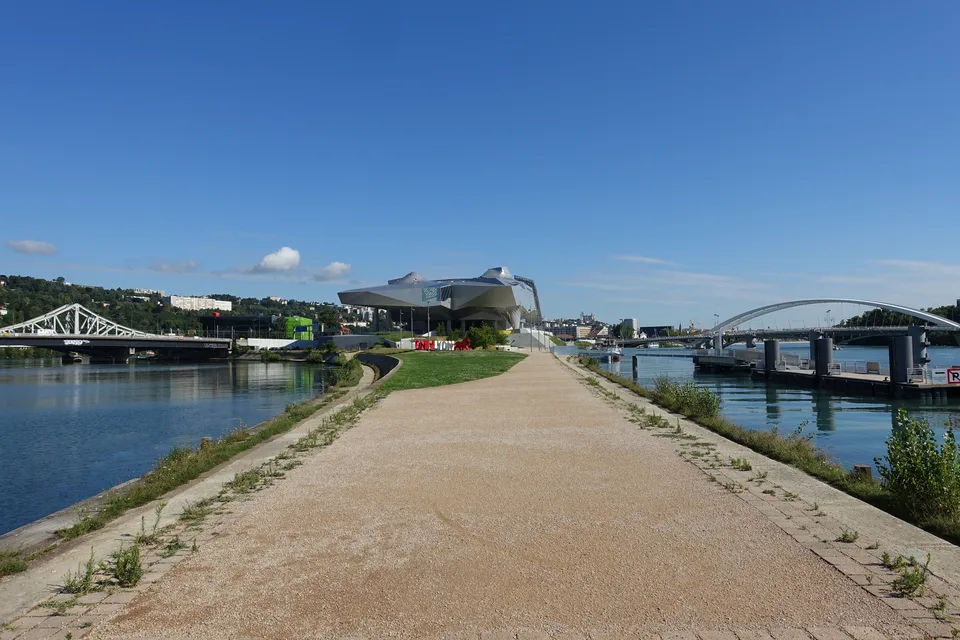
The Confluence district occupies the southern end of the peninsula, where redevelopment has introduced contemporary architecture and new uses to former industrial and logistics land. The meeting of the Rhône and Saône supplies the geographical reason to come; the museum, waterside routes and changing urban fabric provide reasons to stay longer.
It works well as a half-day paired with the Musée des Confluences. Check your route from the station or tram stop rather than assuming the entire peninsula is a short stroll from Bellecour. In exposed weather, shorten the outdoor portion and keep the museum as the anchor. If considering accommodation here, test the journey to your evening plans and your onward train. A modern apartment near the water may suit a different rhythm from a room in the historic centre.
Keep a green afternoon in reserve
The Parc de la Tête d’Or offers a large, free green space beside the Rhône, with a lake, gardens and room to slow down after museums and hills. It is particularly useful for families who need time without timed admissions. Choose a realistic section to explore rather than making the whole park another endurance exercise.
The city publishes seasonal gate hours: 6.30am–10.30pm from 15 April to 14 October, and 6.30am–8.30pm from 15 October to 14 April. Entry stops fifteen minutes before closing. Individual facilities have their own schedules, and strong winds can close the park. Check current notices if the weather is unsettled. For someone scouting Lyon as a future home, an ordinary park visit and the journey there can reveal more about weekend life than an extra monument.
Distinguish airport rail from the city’s other stations
Lyon Saint-Exupéry Airport is outside the central city. Its TGV station is not Part-Dieu or Perrache: check the full station name on any rail booking. Rhônexpress links the airport with Part-Dieu in about thirty minutes under normal conditions, followed by the walk or onward urban journey to your accommodation. Check disruption notices before departure.
The operator’s adult fares are €16.30 one way online or €17.40 from a machine; the corresponding returns are €28.50 and €30.30. Age-based and advance-purchase products have separate conditions. This is not an ordinary TCL tram ticket. The airport also lists buses C200 and 248, which can suit some journeys but require checking the route, fare zones, connections and traffic allowance. Avoid old instructions based on retired bus numbers, and compare the complete door-to-door journey rather than its cheapest first leg.
Buy TCL travel for the zones you need
Lyon’s urban network combines metro, tram, buses and funiculars. The single-journey ticket for zones 1 and 2 costs €2.10 and permits travel for one hour, including connections and return travel within the conditions. A rechargeable ticket costs an additional €0.20 on first purchase. Validate on each required connection and keep the same ticket available for inspection.
The wider network now uses six fare zones, including an external zone. Buy for the actual journey, especially when heading beyond the central area; the cheapest advertised fare is not necessarily your fare. Consult current network maps and the live planner for diversions, stop locations and last services. Navigône river travel has separate ticket arrangements, so ordinary single tickets should not be assumed to cover it. A regional train likewise needs the appropriate rail or combined product.
Check the City Card against your own itinerary
The official Lyon City Card shop lists standard adult prices of €32, €44, €56 and €68 for 24, 48, 72 and 96 hours. At the October 2026 check, online offers were €29.90, €41.90, €52.90 and €63.90. Compare the price available for your purchase with the activities you will actually use. Airport-transfer versions cost extra.
The card includes participating museums, selected activities and TCL travel in zones 1 and 2, excluding Navigône. Read the activation and reservation conditions before buying: validity runs over consecutive hours, visits are generally limited to one per included activity, and some tours require booking. The physical card serves transport; the app handles activity access. Check cruise availability and Festival of Lights exceptions. A pass does not make closed museums open or guarantee a place on a particular departure.
Eat Lyonnais food with the ingredients in mind
Lyon’s regional specialities make a bouchon meal worth considering, but choose the menu rather than relying on the restaurant’s décor. Quenelles and their sauces vary; cervelle de canut is a seasoned fresh-cheese preparation, despite its name. Other traditional dishes can contain pork, offal, eggs, dairy or fish. Ask specifically about ingredients and substitutions when dietary requirements matter.
Book a restaurant you particularly want, especially for a weekend meal, and check whether the quoted menu includes supplements or drinks. A leisurely lunch may be a better fit than dinner after a long day on the hills. The Halles de Lyon Paul Bocuse, at 102 cours Lafayette near Part-Dieu, brings together food merchants and counters for tasting regional produce. Treat it as a specialist food destination, rather than assuming an indoor market automatically means low prices.
Shop and budget around what you value
The peninsula’s shopping streets, Croix-Rousse’s smaller businesses and Part-Dieu’s larger retail setting offer different experiences. For silk, ask about the maker, fibre content and care instructions instead of assuming every souvenir reflects local production. Food purchases need similar thought: refrigeration, packing and customs rules can determine whether something is a practical gift.
Separate your budget into accommodation, meals, transport, admissions and optional excursions. Two €2.10 journeys plus the €8 Beaux-Arts collection ticket total €12.20 before food and accommodation, excluding a new rechargeable ticket. A day centred on free streets, the basilica and the park can cost much less than one with a paid tour and restaurant booking. Price the actual hotel nights first, then compare a pass with individual admissions. Do not buy activities merely to make a pass appear worthwhile.
Choose accommodation by the room and the route
Hotels provide a straightforward base for a brief visit; serviced apartments can help families or longer-stay visitors who need cooking and laundry facilities. A hostel may work well for a solo traveller, but compare the total for your room type and dates. Central accommodation can save repeated journeys even when its nightly rate is higher.
Check lift access, steps at the entrance, air conditioning, room orientation and reception hours. On hills, a short map distance can conceal a demanding walk with luggage. Ask for measurements where accessibility is essential, and confirm your specific room arrangements in writing. For rentals, examine cleaning charges, deposits and the final tourist-tax treatment before paying. If arriving late, establish the complete check-in procedure and the last usable transport connection. A station-side address is only helpful if you can reach the correct entrance easily.
Plan for the season and the Festival of Lights
Spring and early autumn are sensible choices for combining long walks with indoor visits, while keeping rain protection available. Lyon’s inland setting can bring hot summer weather and cold winter days; use Météo-France’s climate information for context and the forecast for decisions. In summer, put demanding climbs earlier in the day and confirm cooling in your accommodation. Wet or icy conditions make steep paving more difficult.
The 2026 Fête des Lumières takes place from 5 to 8 December. It is a reason to visit in its own right, but changes the character of a normal sightseeing trip. Reserve accommodation with the event in mind and use the official programme for access, times and routes. Do not assume ordinary transport or cruise arrangements will apply unchanged. For a quieter first encounter with the city, choose dates outside the event.
A workable three-day first visit
Day one: explore Vieux Lyon, then take the funicular towards Fourvière. Include the basilica and Lugdunum if the museum is open, leaving a proper lunch break and a slower return towards the Saône. On a Monday, shift Lugdunum to another day. Choose dinner near your evening base rather than crossing the city unnecessarily.
Day two: explore Croix-Rousse, with a reserved weaving demonstration if that interests you, then continue towards Terreaux and the Beaux-Arts museum on an opening day. Day three: choose the Musée des Confluences and the southern peninsula, or spend a gentler day around the Rhône and the park. Add a regional outing on a fourth day. If you have only two days, choose between major museums rather than compressing all of them. For a relocation visit, replace one sightseeing afternoon with a commute trial and housing viewings.
Moving means choosing a workable everyday radius
Start with the exact workplace or campus. An address convenient for Part-Dieu offices may be less useful for another employment site or a course outside central Lyon. Test the journey at the hours you will actually travel, including changes, walking and the return after evening commitments. Compare the total cost of housing and commuting rather than rent alone.
Lyon and Villeurbanne have property-specific rent-control rules for relevant principal-residence leases. At this guide’s October 2026 review, the metropolitan page described the experiment as running until 25 November 2026; check the latest position for your signing date. Use its simulator and advice rather than applying one average rent to every property. Examine charges, energy performance, heating, summer comfort, ventilation, inventory and household insurance. A short initial stay can give you time to inspect a flat and understand its street before committing.
Arrange services and healthcare before you need them
Establish what the lease includes, which utility contracts you must open and how meter readings will be recorded. Check broadband availability at the exact address and mobile reception indoors. For families, investigate school and childcare arrangements early; for students, confirm the teaching site and contact the institution’s international office. The Students Welcome Desk provides a further official starting point for arrival and administrative questions.
Healthcare arrangements depend on your status. Consult Assurance Maladie’s arrival guidance and maintain appropriate cover while eligibility and registration are resolved. For planned hospital treatment, the Hospices Civils de Lyon’s international-patient information explains its coordination and payment arrangements. This should not be read as a promise of free treatment. Keep necessary records, prescriptions and insurance information accessible, and identify a regular local care route as part of settling in.
Match immigration permission to your purpose
For relevant non-European visitors, Schengen short stays generally allow no more than 90 days within any rolling 180 across the area. Visa requirements depend on nationality and circumstances. Check the official requirements before travel; holding a holiday permission does not itself authorise taking a job or settling permanently.
The long-stay visitor route concerns private stays without professional activity. Employment and study have their own routes and supporting documents; admission to a course does not replace immigration permission. EEA and Swiss citizens follow different residence-document rules. Longer-term settlement depends on the applicable status and conditions. VisaWand’s France destination page and consultant directory can help you compare support, while official authorities remain the source for eligibility, applications and decisions. Clarify whether you are planning a visit, a course, employment or a longer private stay before seeking advice.
Add Vienne or Pérouges with a complete return plan
Vienne offers another Roman-history day south of Lyon, with rail connections that can be short but vary by service and departure station. Check the timetable and the attractions you want before setting out. VisaWand’s Vienne location page identifies the nearby town, distinct from places with the same name elsewhere.
For a contrasting settlement, Pérouges has a medieval hilltop setting east of Lyon. A train towards Meximieux still leaves an onward journey to the village; allow for that approach and its uneven surfaces. Use the Pérouges location page when comparing your route, and verify the last return connection. Choose one outing for a spare day. Combining both with central Lyon’s main museums would leave little time to understand any of them.
Official planning resources
Reviewed 15 October 2026. Use the official resources linked throughout this guide for admission, transport, housing and immigration decisions. Prices, services and rules can change; confirm the details relevant to your dates. Photography illustrates the locations and is not a live view.
View all official resources
- UNESCO: Historic Site of Lyon
- ONLYLYON: Vieux Lyon
- ONLYLYON: traboules and courtyards
- ONLYLYON: Presqu’île
- ONLYLYON: Croix-Rousse
- ONLYLYON: Confluence
- ONLYLYON: Part-Dieu
- Fourvière Foundation: visiting the basilica
- Lugdunum: opening times and prices
- Musée des Confluences: prices and tickets
- Musée des Confluences: opening hours
- Musée des Beaux-Arts: practical information
- Maison des Canuts: visits and weaving demonstrations
- City of Lyon: Parc de la Tête d’Or
- Lyon Airport: city connections
- Rhônexpress: official fares
- TCL: single-journey tickets
- TCL: fare zones
- TCL: current network maps
- TCL: Navigône river tickets
- ONLYLYON: current City Card offers
- ONLYLYON: City Card conditions and reservations
- ONLYLYON: Lyon food specialities
- ONLYLYON: Halles Paul Bocuse
- City of Lyon: Festival of Lights 2026 dates
- Métropole de Lyon: rent-control rules
- Université de Lyon: Students Welcome Desk
- Hospices Civils de Lyon: international patients
- Vienne Condrieu Tourism: getting there
- Plaine de l’Ain Tourism: Pérouges
- Météo-France: climate regions
- Assurance Maladie: healthcare when arriving in France
- France-Visas: short stays
- France-Visas: long-stay visitors
- France-Visas: salaried employment
- France-Visas: studying in France
- Service Public: residence documents by nationality
Plan the next part of your journey
Explore the France guide, browse other cities or compare consultants for your travel and relocation questions.