Visa

Decide what kind of Addis stay you need
Addis Ababa can be an introduction to Ethiopia, a meeting place, a family destination or the beginning of a longer move. Each version needs a different base and timetable. Museums, palace collections, coffee, markets and live performance make a worthwhile city programme, but an airport layover is not the same thing as three free days. Start with the time you genuinely have after arrival formalities, rest and the return journey.
Current conditions deserve attention alongside the attractions. Official Ethiopia travel advice was updated on 16 October 2026, including information about northern fighting and travel around Addis Ababa. Check the latest advice for every proposed journey and your insurance conditions. A stay in the capital does not establish that an excursion elsewhere in the country is advisable or that an advertised domestic flight will operate.
Read the city through its history and everyday geography
The Mayor’s Office account of Addis Ababa’s history places Emperor Menelik II at the centre of its establishment as a capital. The city’s imperial history remains visible in the institutions visitors can now explore, while its present role extends well beyond those buildings. Diplomatic meetings, working neighbourhoods and commerce all contribute to the experience of being here. Allow time to connect what a museum explains with the streets outside it.
Use a few clear geographical anchors. Bole is practical for airport-related stays and many hotel options. Kazanchis appears frequently in business and accommodation addresses. Piassa is useful for planning a history-focused visit around the Adwa Victory Memorial, while Amist Kilo and Sidist Kilo locate two different museums. The Ministry of Tourism’s 2026 Addis Ababa brochure helps orient these visits without implying that every named stop lies within one easy walk.
Choose an address against your repeated journeys. Ask for the entrance location, a nearby landmark and a telephone contact, especially when arranging a transfer. A property described as central can still be inconvenient for your particular appointments. For a possible move, make the trip to work or school at the relevant hour rather than judging an area from a pleasant hotel stay or a quick Sunday drive.
Make the museum visits distinct
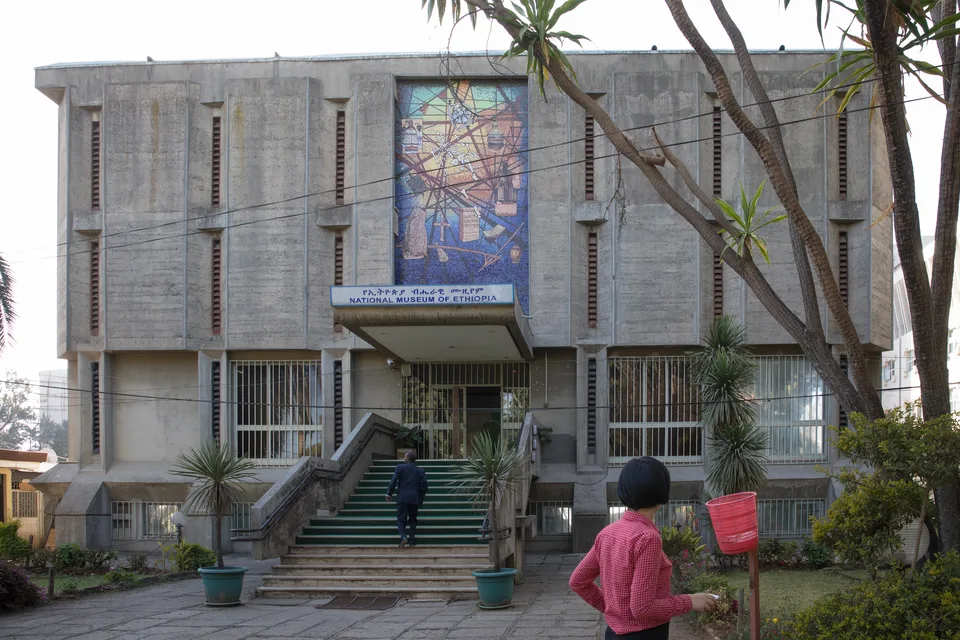
The National Museum of Ethiopia offers a starting point for archaeology, fossils and historical collections. It is in the Amist Kilo area. The tourism ministry reported its reopening after renovation in 2025, so older closure notices need checking against more recent information. Confirm current opening arrangements and gallery access before travelling. An institution reopening does not guarantee that every display mentioned in an older guide is available.
Ask specifically how the museum presents Lucy and other palaeoanthropological material. Distinguish interpretation, casts and original specimens rather than assuming that the most famous fossil must be on open display. A knowledgeable guide can help connect the objects to their wider scientific and historical context. Give yourself time to read labels instead of treating the museum as a short photograph stop on the way to somewhere else.
The Ethnological Museum at Sidist Kilo offers a different subject and setting. The ministry’s brochure identifies collections including icons, crosses, handicrafts and musical instruments, within a former royal residence. Check access and the collections currently open before committing to both museums on the same day. Families may prefer one substantial visit, with questions and a rest afterward, to two rushed institutional tours.
Reliable current admission figures for these two museums were not established during this review. Ask directly about your visitor category, payment method, photography and any guided service. Do not use a historical fee converted at an old exchange rate as a current budget. If step-free access is essential, confirm the specific galleries, entrances and assistance arrangements rather than relying on an exterior photograph.
Palace Museum, Unity Park and Adwa are different choices
The Palace Museum occupies the former Jubilee Palace, built for Emperor Haile Selassie’s silver jubilee in 1955. Its published international ticket options make an important distinction: the regular ticket for visitors above ten is US$10 and covers exterior façades and the vehicles gallery; the US$25 special ticket adds museum collections and a guided experience among its inclusions. Choose the product that matches the visit you actually want.
The museum’s practical information asks visitors to bring identification and lists Monday closure. Its information page gives 9am–5pm opening with the ticket office closing at 4pm, but other parts of the website show different closing times. Confirm that morning’s arrangements, especially when official events affect access. Temporary foreign residency does not automatically qualify a visitor for the Ethiopian ticket rate.
Unity Park is a separate attraction within the Grand Palace grounds, associated with Menelik II-era buildings, cultural pavilions and gardens. The tourism ministry lists Tuesday–Sunday visits, 9am–4pm. Confirm the date, entry slot and ticket inclusions with the park before paying. Do not assume that a Palace Museum ticket covers Unity Park, or that every palace interior is included in a basic park visit.
At Piassa, the Adwa Victory Memorial provides another route into Ethiopia’s historical narrative. It interprets the 1896 victory and its significance for sovereignty and African history. Plan it as a museum visit in its own right, and check current ticketing and access through verified visitor information. It is not the battlefield in northern Ethiopia; the capital’s memorial and a journey to the original battle area involve entirely different planning decisions.
Entoto is a separate outing
The tourism ministry describes Entoto Park as a forested recreational area above the city, with walking and a range of facilities and activities. Select the outing according to your energy, mobility and interests. Ask which entrance best serves the walk or activity you want, how collection works and whether any facilities require separate payment. A general park listing is not evidence that every advertised attraction will be operating that day.
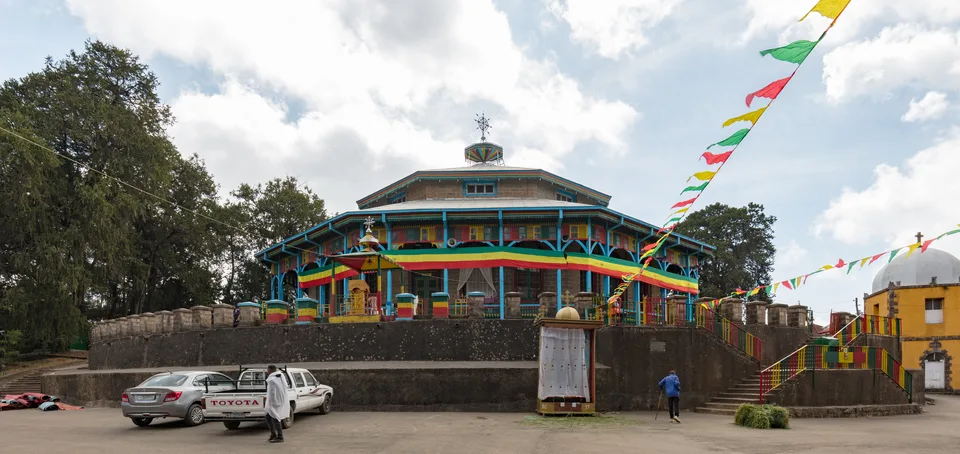
Entoto Maryam Church is distinct from the park. If including a religious visit, confirm access respectfully, follow local dress and photography rules and allow for worship. Do not assume that time spent in the park includes an organised church or palace tour. Establish the route with your guide before leaving, particularly if you want both natural surroundings and historical interpretation from the same outing.
Addis Ababa’s altitude also affects the pace of a first day. UNECA’s visitor information places the city at roughly 2,400 metres (source unavailable). Allow time to settle in and choose a modest walk before committing to an energetic programme higher up. Anyone with relevant health concerns should seek individual advice beforehand. Carry a layer and rain protection, and arrange a return journey instead of assuming that finding a vehicle at the final stop will be straightforward.
Markets, coffee and an evening of music
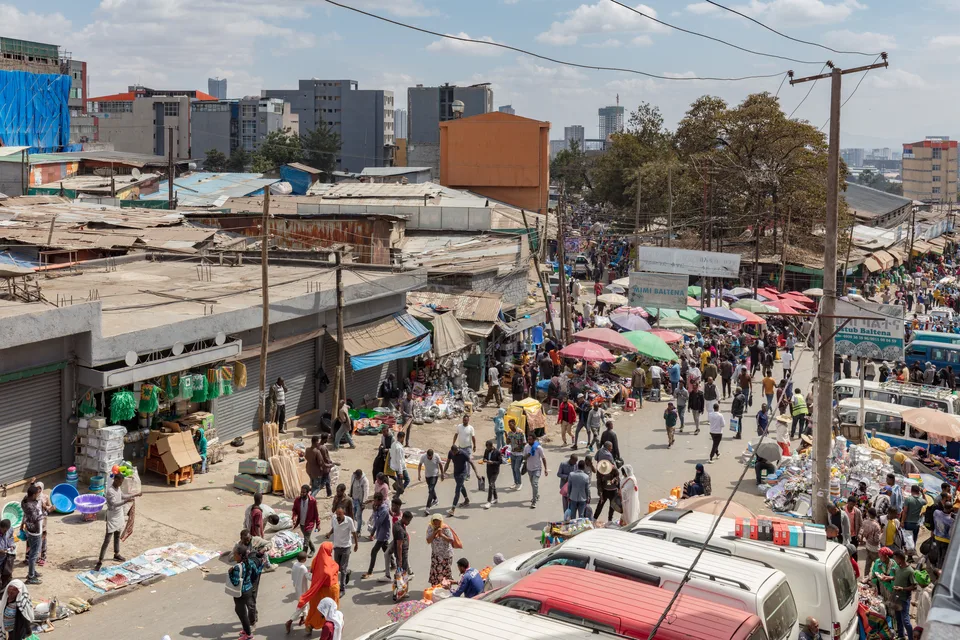
Merkato and Shola are working markets rather than purpose-built visitor attractions. Choose a limited route with a guide who can explain the trade and help you navigate it. Keep out of loading areas, ask before photographing people and agree the price and quantity before buying. Shiromeda is another place to investigate for textiles and souvenirs. Compare materials and provenance rather than buying solely because a vendor describes something as traditional.
Coffee deserves more than a hurried takeaway between museum doors. Tomoca’s outlet information gives several city locations, including its Piassa presence. Check which branch fits your route and its current opening arrangements. A coffee ceremony and a café drink are different experiences: ask what is offered, how long it takes and what it costs, without assuming that every café stages a formal ceremony for each visitor.
For music, use Fendika’s own current venue information. The organisation says its original compound was demolished in October 2024 and describes its partnership with Hyatt Regency from December that year. An old Kazanchis address can therefore lead you to the wrong place. Confirm the performance, date, venue, entry arrangement and finishing time directly; a longstanding reputation does not establish tonight’s programme.
Bole arrival and the first transfer
For flight arrivals, start with Ethiopian Airlines’ Bole arrival-service information and your own booking. It describes arrival support, banking and mobile-service facilities, and ground-transport options. Allow time for immigration, baggage and any customs questions before a fixed appointment. Report missing baggage before leaving the relevant service area, and keep the reference and a usable local contact number.
The travel advisory’s latest Addis Ababa transport guidance recommends airport buses or taxis arranged by your hotel or travel company. If booking your own taxi, it favours yellow or app-based vehicles over blue-and-white ones. It also warns that GPS signals can be unreliable around Addis Ababa. Save offline maps, the hotel’s name, a recognisable landmark and telephone directions; a dropped pin alone may be insufficient.
Confirm the driver’s identification, collection point, passenger and luggage capacity, fare and payment method before arrival. Ask who monitors delays and whether waiting is included. For an early departure, leave a generous buffer and confirm the transfer the previous day. Do not mistake an airport-area hotel for an in-terminal property, or assume that a short road distance guarantees an equally short door-to-gate journey.
Getting around during the stay
RIDE provides an app and the 8294 dispatch service for arranging journeys. Confirm the vehicle and collection details, and retain the accommodation’s contact number if locating the address becomes difficult. For several stops, compare separate trips with a driver booked for an agreed period. Clarify waiting charges and the final drop-off so that an inexpensive initial quote does not hide a different arrangement.
Addis Ababa also has public buses and a light-rail operator with passenger-information services. Check the current line, station, operating hours and ticket arrangements for your journey. No dependable present-day frequency or universal fare is promised here. A network map is useful orientation, but it cannot confirm a particular train’s availability or the time needed to reach a meeting from the station.
Walk manageable daytime sections, inspecting crossings and the return route rather than assuming all landmark pairs form a comfortable walking circuit. Keep valuables secure and use arranged transport at night. For housing research, test how groceries, luggage or a pushchair change the journey. The daily trip needs to work under ordinary conditions, including rain and a tired return, not only during an unhurried sightseeing afternoon.
Accommodation: choose the complete arrangement
For a short airport-focused stay, compare Bole properties and their confirmed shuttle procedures. For business, choose around the venue you will use repeatedly. Ethiopian Skylight’s own information distinguishes its main hotel from its in-terminal accommodation. Check which property your reservation names, whether immigration clearance is needed to reach it and where you should meet the transfer. A similar brand name does not make the access arrangements interchangeable.
Hilton Addis Ababa, on Menelik II Avenue, provides a different full-service city option and publishes airport-shuttle information. Compare hotels, smaller guesthouses and apartments with the same dates, room occupancy and meal requirements. These named examples help establish location and facilities; they are not personal recommendations or a claim about the best price. Obtain a dated total with taxes, transfer charges and cancellation terms clear.
For apartments, confirm cleaning, cooking equipment, laundry, utility billing and the person responsible for repairs. Request recent photographs of the specific unit. Travellers needing accessibility should ask about the full route from vehicle to room and bathroom, including steps and lifts. Check late arrival and meal arrangements so that a delayed flight does not leave you searching for an entrance or essential supplies.
Eating and budgeting without outdated price promises
Explore Ethiopian food by asking what is being prepared, how dishes are served and which ingredients they contain. Cultural restaurants can combine a meal with performance, while cafés and ordinary dining places offer a different pace. Check whether music, service or a set menu changes the bill. If you have a medically important allergy, confirm it with the kitchen rather than relying on an assumed recipe.
Use Ethiopian birr for the ordinary spending column of your budget and keep foreign-currency quotations separately identified. The National Bank’s foreign-exchange guidance is the appropriate starting point for current exchange rules. Use authorised services and retain exchange receipts. Avoid building a trip around an unofficial rate or assuming that every establishment accepts a foreign card because a large hotel does.
Construct the day’s total from your actual room, transfers, meals and admissions, then add data and contingency. The Palace Museum’s two ticket categories illustrate why the lowest advertised admission may not cover the experience you intended. Exact museum fees, vehicle costs and current menus deserve direct checking. A single citywide daily figure would obscure the difference between a modest guesthouse stay and a conference hotel with a private driver.
For a concrete connectivity reference, Ethio telecom’s international visitor page lists a seven-day standard plan at US$10 or €10, including 30GB, local calling and messages, with the SIM and taxes included. Recheck the offer and chosen payment currency when purchasing; these are separate posted currency prices, not an exchange-rate conversion. Compare the allowance and validity with what you will actually use.
Seasons, weather and a workable itinerary
The main rainy period runs broadly from late June through September in the UNECA seasonal description. Plan for wet surfaces and journey changes rather than treating a forecast icon as a precise schedule. Drier months can make outdoor visits easier, but rain protection and a warmer evening layer remain useful. Choose dates around your complete programme, including meetings, public holidays and religious occasions.
Day one: settle in, make a manageable orientation journey and choose the National Museum if current arrangements suit. Keep the afternoon flexible after a long flight. Day two: select the Palace Museum or Unity Park according to the history and ticket inclusions that interest you, adding coffee and a meal nearby. Confirm opening days before assigning a Monday to either palace-related visit.
Day three: choose Entoto, or combine the Adwa Memorial with a limited market route and a confirmed evening performance. Do not force all three versions into the same day. Travellers considering relocation can replace sightseeing with home inspections and a commute trial. Leave a buffer before an onward flight and avoid treating a guide’s list of possible stops as a requirement to complete every one.
Moving: inspect the home and the journeys together
Begin a possible move with temporary accommodation while you establish work, school and household priorities. Compare several addresses and visit at different times. Check vehicle access, road conditions after rain, nearby building work and evening noise. Ask neighbours practical questions about deliveries and essential services. A broad neighbourhood reputation cannot establish the conditions at the exact building you are considering.
Make the financial comparison complete: rent, deposit, service charges, electricity, water, internet, transport and any parking or security charge. Confirm currency, payment periods, notice provisions and repair responsibilities in writing. Verify the authority of the person offering the lease before transferring a deposit. Obtain independent local advice where the agreement is unfamiliar; neither a property agent’s assurance nor a housing contract settles immigration eligibility.
Test taps, hot water, locks, sockets and appliances, and agree an inventory for furnished accommodation. Record meter readings and identify who handles outstanding balances. Establish the emergency contact and how someone reaches the property if navigation fails. Families should investigate school availability and the school-run journey before signing a long lease, rather than choosing the house first and trying to fit the household routine around it.
Utilities, connectivity and health needs
Investigate the water arrangement at the specific property: individual or shared meter, storage, maintenance and responsibility for payments. Ask the landlord to demonstrate the system and explain sanitation arrangements. For electricity, use Ethiopian Electric Utility’s customer-support information (source unavailable) and identify the relevant account, meter and local service contact. Test any advertised backup power and establish which appliances it can run.
For internet, make a real call from the room where you will work and check allowances, installation and fault reporting. Mobile data is a useful alternative only if reception works inside the property. Ethio telecom’s registration guidance accepts a valid passport among identification documents. Use an authorised service point and confirm the product, validity and activation before leaving.
Identify suitable medical care and pharmacies, insurance acceptance and payment arrangements before an extended stay. Review current Ethiopia health advice and obtain individual travel-health guidance, particularly if altitude or an existing condition is relevant. Keep essential records and contact details accessible. A hotel’s offer to call a doctor is helpful during a short visit but does not replace a longer-term care plan.
Tourism, employment and residence need separate permission
Apply through the official Ethiopian tourist eVisa portal for the category that matches the visit. Its published single-entry options are US$62 for 30 days and US$152 for 90 days. The passport must be valid for at least six months from intended entry. Normal processing is described as three days, which is guidance rather than a guaranteed deadline; allow contingency and check the issued document carefully.
The tourist category is for tourism and non-business purposes. Consult the official visa-category information for employment, business, study and other activities, and Immigration and Citizenship Services for residence procedures. Do not infer remote-work permission or permanent eligibility from a tourist stay. A job offer, an apartment lease or repeated visits cannot replace the authorisation required for the activity and length of stay.
Check medical entry and customs rules against the full route. Yellow-fever certification can be required when arriving from a risk country, and airlines should confirm any health-declaration requirement. Specialist equipment, drones, binoculars and antiques require particular attention. Make extension arrangements before permission expires and seek clarification directly where official descriptions differ; do not plan an overstay as a substitute for the correct visa.
Safety and decisions beyond the city
Read current local guidance before setting out. Theft and security checks can affect a city stay; carry accessible identification and accommodation contacts. Same-sex sexual activity is illegal and carries serious penalties, a material consideration for LGBT+ visitors and potential residents. Photography near military sites, the Presidential Palace and posted restricted areas is prohibited. A visitor ticket at one institution does not authorise unrestricted photography elsewhere.
For nearby places, use the Ethiopia location directory to identify possibilities, then check the precise route and current regional advice before booking. Bishoftu’s lakes and the wider highlands are different travel commitments from a museum afternoon. Avoid adopting an old national circuit without reviewing security, road conditions and flight availability. Compare a shorter city stay with a carefully supported onward programme if the wider journey remains uncertain.
VisaWand’s Ethiopia destination page can be reviewed with the appropriate passport selected, and the consultant listings help identify professional application support. For a different regional capital, compare the Kigali city guide. The strongest Addis plan gives its museums, coffee and neighbourhoods enough time while keeping transport, entry permission and the practical household questions firmly grounded in current information.
Official planning resources
Reviewed 17 October 2026. Use the official resources linked throughout this guide for admission, transport, housing and immigration decisions. Prices, services and rules can change; confirm the details relevant to your dates. Photography illustrates the locations and is not a live view.
View all official resources
- UK government: current Ethiopia regional travel advice
- Addis Ababa Mayor’s Office: city history
- Ministry of Tourism: Addis Ababa 2026 visitor brochure
- Ministry of Tourism: National Museum renovation update
- Visit Ethiopia: Palace Museum
- Palace Museum: ticket options
- Palace Museum: practical visitor information
- Visit Ethiopia: Unity Park
- Visit Ethiopia: Entoto Park
- UNECA: Addis Ababa altitude and seasonal context (source unavailable)
- Tomoca: outlet locations
- Fendika Cultural Center: current venue information
- Ethiopian Airlines: Addis Ababa arrival services
- UK government: Addis Ababa transport and safety
- RIDE: Addis Ababa booking service
- Addis Ababa Light Rail Transit: operator information
- Ethiopian Skylight Hotel: accommodation and transfers
- Hilton Addis Ababa: official property information
- National Bank of Ethiopia: foreign-exchange guidance
- Ethio telecom: international visitor plans
- Ethiopian Electric Utility: customer support (source unavailable)
- Ethio telecom: SIM registration and activation
- UK government: Ethiopia health planning
- Ethiopia immigration: tourist eVisa
- Ethiopia immigration: visa categories
- Ethiopia Immigration and Citizenship Services: residence and other services
- UK government: Ethiopia entry and customs rules
Plan the next part of your journey
Explore the Ethiopia guide, browse other cities or compare consultants for your travel and relocation questions.