Visa
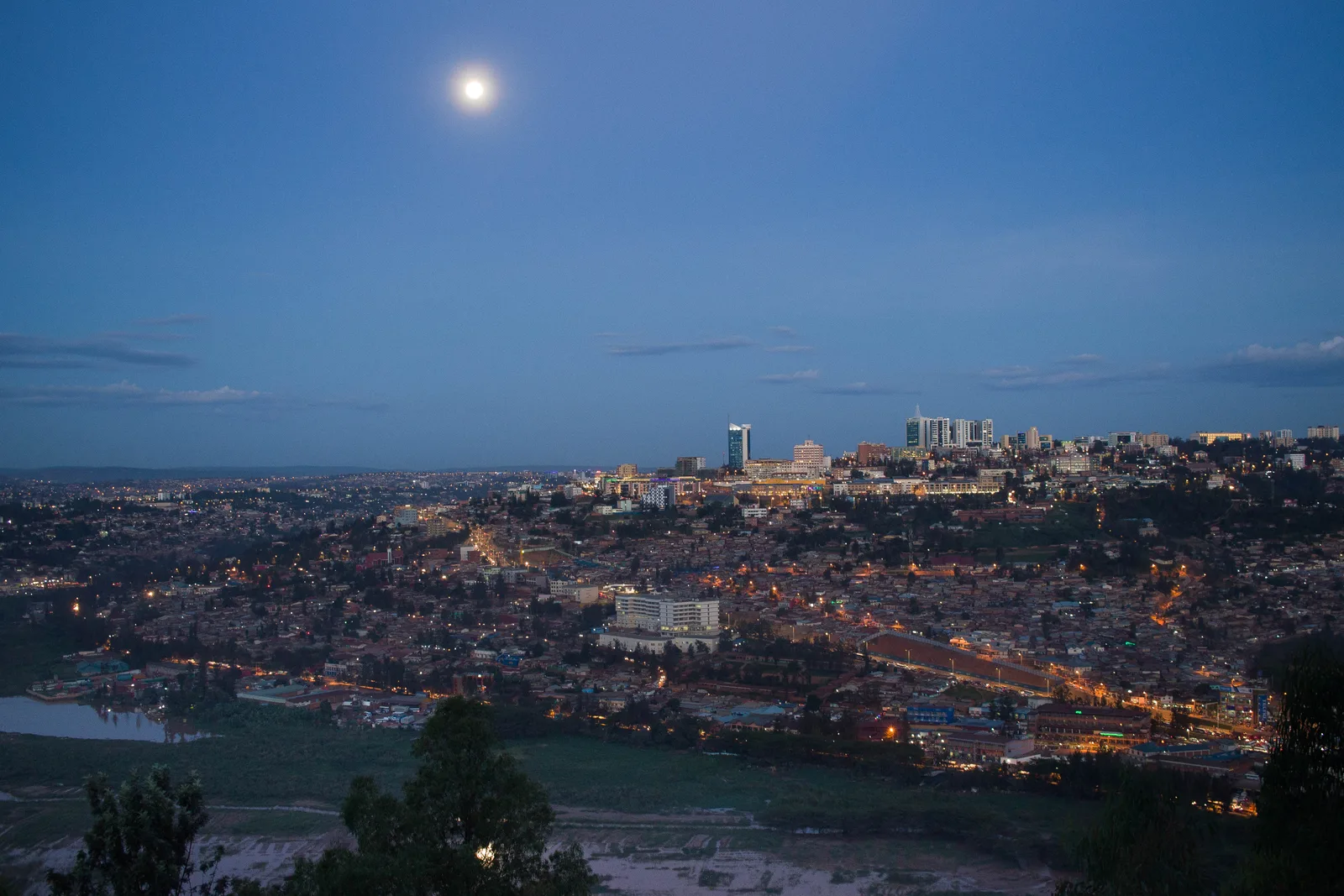
Give Kigali a place in the trip
Kigali makes sense as more than the overnight stop before a wildlife excursion. Rwanda’s capital offers an introduction to the country’s history, opportunities to meet working artists and community guides, and time to investigate the everyday decisions that matter during a longer stay. The most rewarding programme combines these different perspectives, with enough space between appointments to absorb what you have seen.
Allow three full days for a first city visit if your wider itinerary permits. That gives you room for remembrance and historical interpretation, a neighbourhood experience, and contemporary art or conservation. A single day can still be worthwhile, but choose its emphasis before booking a string of stops. The memorial, a cooking workshop and a long excursion each deserve more attention than a hurried arrival between transfers.
Hills, history and the neighbourhood question
Visit Rwanda traces modern Kigali’s administrative beginnings to 1907 and its role as national capital to independence in 1962. Its hills and valleys help explain why nearby-looking addresses can involve very different journeys. The tourism board identifies the central business district with Nyarugenge Hill and the government quarter farther east with Kacyiru. These are useful orientation points, rather than proof that every appointment belongs in one compact centre.
The City of Kigali comprises Gasabo, Kicukiro and Nyarugenge districts. District names cover broad administrative areas; ask for a precise street and entrance when selecting accommodation. Nyamirambo offers a neighbourhood-focused visit through its community organisations. Kacyiru is useful when contemporary art or nearby appointments shape the programme. For a convention-centre event, start the accommodation search with the actual venue and work outward.
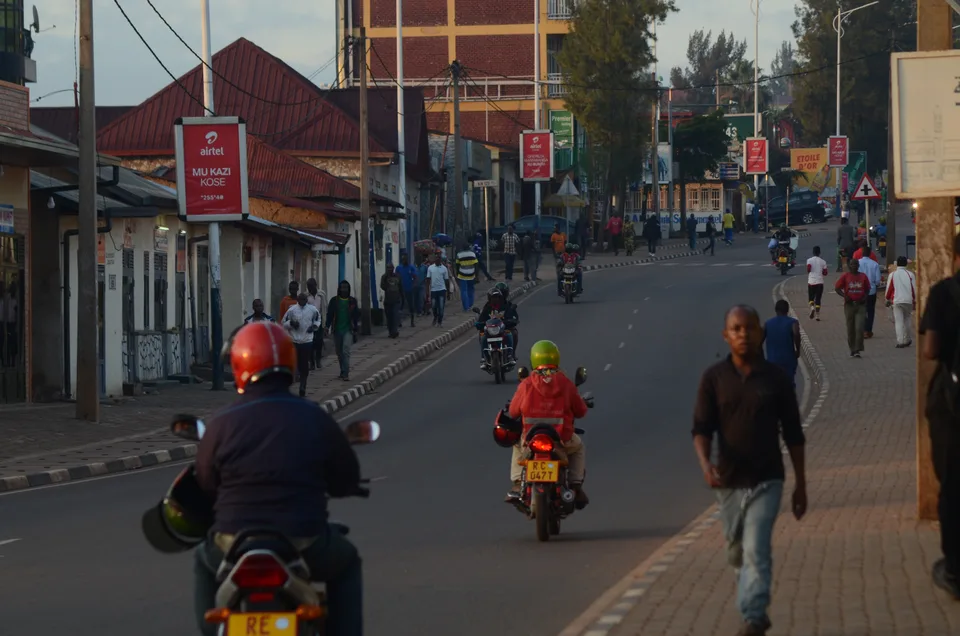
Compare routes rather than descriptions such as “central” or “close to everything”. Examine the uphill return walk as carefully as the outward journey, and check whether a driver can find the building entrance. If you need step-free access, ask about gradients, pavements and thresholds between the vehicle and the door. A location can be convenient for a conference while being less convenient for the particular sightseeing day you have planned.
Plan the memorial visit with care
The Kigali Genocide Memorial’s visitor guidance should shape the booking. The memorial is a place of remembrance for victims of the 1994 Genocide against the Tutsi. Entry is free, with paid guided experiences and audio packages available. Allow at least 90 minutes, and more if needed. Avoid placing a demanding social appointment immediately afterward; leave room to reflect at your own pace.
Published hours are 9am–5pm, with last admission at 4pm. On the final Saturday of the month, opening is 1–5pm. Christmas Day and New Year’s Day are closed, and the morning of 7 April is normally closed to the public. Short-notice closures can occur. Children under 12 are not permitted to visit, so families must plan an alternative rather than assume that adult supervision removes the restriction.
The permanent exhibitions currently require stairs, although much of the site is wheelchair accessible and assistance can be arranged. Discuss your requirements directly before visiting. Dress and behave respectfully, follow photography instructions and avoid walking on the graves. Let the institution’s guidance determine the visit rather than treating it as an ordinary attraction to fit between shopping and lunch.
Museums that explain different parts of Rwanda
Kandt House provides a different historical lens. The Rwanda Cultural Heritage Academy’s institutional material describes its interpretation of Rwanda during German colonial rule. Approach the former colonial residence as an opportunity to investigate how power, settlement and administration shaped the city. Ask what is currently displayed and how the exhibition explains the relationship between that period and the Rwanda you are visiting today.
Use the academy’s current national-museum visitor information for both Kandt House and the separate Rwanda Art Museum. It lists a general 9am–5pm schedule, with noon opening on the final Saturday of the month. Museums close on 7 April, 25 December and 1 January. The two institutions offer different subjects; select one according to your interests instead of assuming they repeat the same city-history exhibition.
The published adult international admission is RWF15,000 for either museum, with different rates for Rwandans, residents and African visitors. Confirm your category and payment arrangements before setting out. The academy also requires prior approval and a valid permit for museum photography or filming. Do not assume that a phone camera, an outdoor setting or a personal social-media account automatically removes that requirement.
Nyamirambo, working artists and a wetland visit
The Nyamirambo Women’s Center publishes community tours and workshops led by people who live in, or grew up in, the neighbourhood. Its options include a walking tour, basket weaving and a cooking experience. Choose according to what you want to learn, and confirm the duration, price, language and meal arrangements directly. Some experiences include lunch, which changes both the day’s timing and its budget.
A guided walk can explain details you might otherwise pass without understanding. Ask about the centre’s work and how the activity supports it, while respecting the privacy of households and businesses. Photography should follow the host’s instructions and the consent of the people concerned. Participation is an invitation to learn, not permission to turn daily life into a performance for visitors.
At Inema Arts Center in Kacyiru, the visitor page lists weekday opening from 10am–8pm and weekend opening from 10am–2pm, with public-holiday closure. Its detailed schedule is more useful than the page’s broad “open daily” introduction. Galleries and exhibitions do not require a ticket, while particular events can require registration. Groups of ten or more should arrange their visit ahead. Ask what is happening on your dates rather than expecting a particular exhibition or class.
For another kind of outing, Umusambi Village combines restored wetland trails with crane conservation. Its 2026 visitor information lists an adult international visitor price of US$25 and a child rate of RWF3,000 for ages 3–16; other nationality and residency categories differ. Normal opening is 8am–5.30pm, with last entry at 4.30pm and a different Umuganda schedule. Arrange transport to the KK3 Road location and check trail conditions and access needs beforehand.
Where to stay for a short visit
Choose accommodation after deciding whether the stay revolves around sightseeing, a conference, family visits or housing research. A hotel near your daily event can remove repeated transfers, while a room elsewhere may suit a broader city programme. Guesthouses and apartment stays can also work well, provided the arrival arrangements, meals and local transport are clear. Ask for the location of the actual property, not only a neighbourhood name.
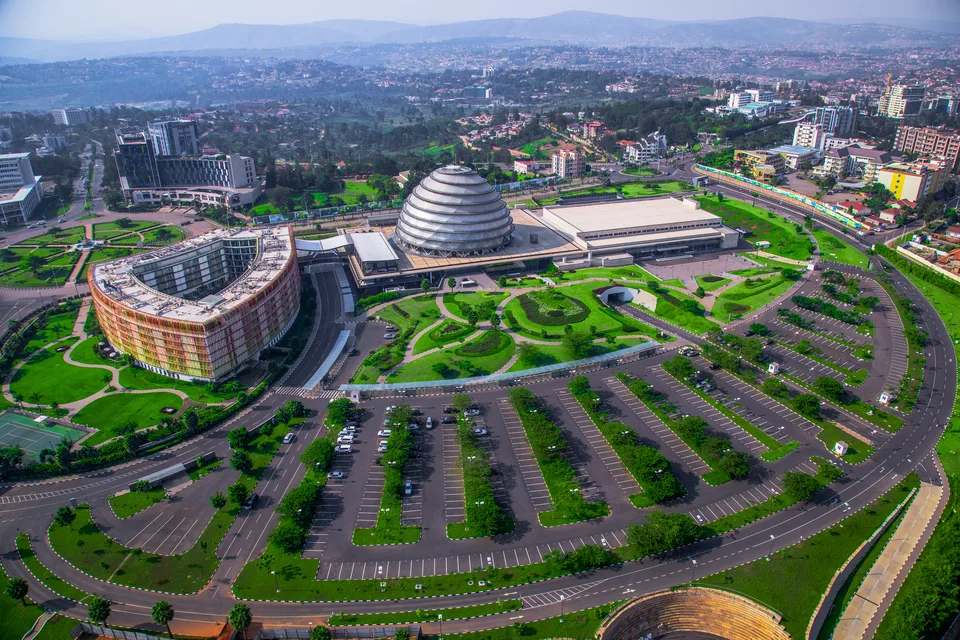
The Radisson Blu Hotel and Convention Centre illustrates the convenience of staying beside an event venue. Kigali Marriott’s official property information provides a different full-service option on KN3 Avenue in Nyarugenge. Compare them with smaller properties using the same dates, room occupancy and cancellation conditions. These examples establish available accommodation types; they are not firsthand recommendations or a claim that either represents the best value for every traveller.
Check breakfast, airport transfers, taxes, evening meals and laundry before comparing totals. For an apartment, establish whether cleaning, cooking equipment and utilities are included. Travellers with accessibility requirements should obtain confirmation about the specific bedroom, bathroom, lift and vehicle drop-off. A booking-site accessibility label is less useful than a clear description of the route you will actually use.
Arriving by air and organising the first transfer
Use the airport on your ticket and the current Rwanda Airports Company transport information when planning arrival. The operator identifies designated taxi ranks outside arrivals, including sky-blue ATAK vehicles and Volkswagen MOVE services. Check the total fare, payment method and final destination before departure. No single airport-to-city price is quoted here because the address, vehicle and arrangements can change the cost.
A prearranged hotel transfer can simplify a late arrival. Provide the flight number, establish who monitors delays and save the accommodation’s telephone number before boarding. Confirm whether the quoted charge covers all passengers and luggage. If travelling with children, request appropriate restraints explicitly. Do not leave those arrangements to an assumption that any available vehicle will suit the household.
For departure, ask the accommodation to assess the route and allow contingency for check-in and traffic. Avoid squeezing a final excursion into a narrow gap before an international flight. If arriving overland, verify the particular border’s current operation and entry conditions separately. An immigration category being available in principle does not prove that every crossing is open or practical for your planned route.
Buses, cars and walking on a city of hills
For public transport, start with RURA’s official tariff publications, which include Kigali route fares updated in April 2026. Use the specific route table rather than an old travel-blog price or a per-kilometre calculation applied to an assumed distance. The regulator describes automated fare collection on Kigali buses; confirm the current ticket or payment method and your boarding point with the operator before travelling.
Cars can be useful for a first arrival, an evening return or several appointments with luggage. Agree whether a booking is one-way or includes waiting, and keep the collection point precise. Motorcycle taxis are another option, but official travel advice highlights accident vulnerability. Consider your own mobility, luggage and insurance coverage before deciding how to travel rather than choosing solely on the lowest quote.
Walk manageable sections in daylight and use transport for distances that exceed your comfort on hills. Check the return route before setting off, especially after rain. For relocation research, repeat a likely commute during the hours you would normally travel. A clear road during a quiet sightseeing morning can give an unrealistic impression of the time needed for a school run or working-day appointment.
Food, coffee and shopping with a purpose
Give food its own place in the visit. A cooking workshop can offer more understanding than ordering several unfamiliar dishes without explanation. Ask about ingredients, preparation and what accompanies the meal. If an allergy or dietary restriction matters medically, confirm it directly with the kitchen. For ordinary meals, compare what is included and whether you need transport home afterward, rather than comparing menu prices in isolation.
Question Coffee’s Kigali centre is in Gishushu, with a café, tasting space and coffee academy. Check its current masterclass arrangements if learning about coffee interests you. Distinguish this city location from the operator’s separate Kinigi outlet, which is associated with park access. A city café visit and a farm excursion are different activities with different booking and time commitments.
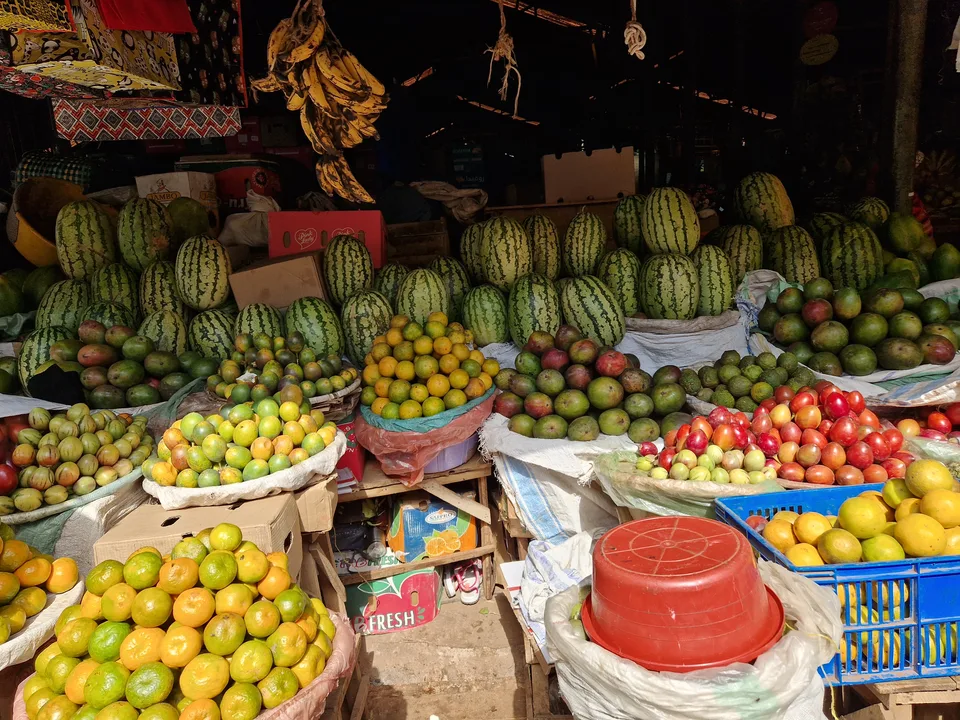
The official destination guide identifies Kimironko Market, Kaplaki and the Nyamirambo Women’s Center as places to explore Rwandan-made goods. Compare materials and workmanship, ask where an item was made and agree the price before purchase. At a produce market, avoid obstructing trading space while taking photographs. For gifts, think about baggage weight and your home country’s rules on food, plant material and animal products.
A budget built from prices you can check
Keep a working budget in Rwandan francs, recording any foreign-currency quotation separately with its payment terms. Start with the room and transfers, then add meals, admissions, workshops, data and a contingency. Free memorial entry does not make every related service free; guided experiences and audio packages are separate choices. Likewise, the wetland’s admission and a specialist guided tour should not be assumed to be the same purchase.
The museum admission, wetland categories and regulated transport resources linked above give useful reference points. They do not establish a universal daily cost. A visitor attending an event at a full-service hotel and a traveller choosing a small guesthouse will have different spending patterns. Obtain dated quotations and compare the full day, including journeys and meals, before choosing where a saving is meaningful.
For a longer stay, separate initial costs from recurring household spending. Deposits, furnishings and connection arrangements can make the first month unusually expensive. Record the currency and billing period for rent, the basis of service charges and whether utilities are individually metered.
Weather and the calendar can change the programme
Visit Rwanda describes a tropical highland climate, with relatively little temperature change through the year compared with the variation between locations. Its seasonal guidance places rain from roughly mid-February to May and mid-September to mid-December, with June to mid-September relatively drier. Plan for showers even then. Footwear with grip, rain protection and a light layer are more useful than expecting every day to follow a perfect dry-season pattern.
Check the calendar as well as the forecast. Official travel advice describes Umuganda on the final Saturday of the month, when many services close in the morning. Individual attractions reopen at different times. Kigali also has scheduled car-free mornings, so confirm your route if travel overlaps one. Ask your accommodation about the date concerned instead of assuming that a normal weekday transfer plan will apply unchanged.
Commemoration affects the atmosphere and schedules around 7 April. Approach the period respectfully and check institutions directly. During heavy rain, leave room to alter outdoor activities or road journeys. A flexible afternoon can rescue an otherwise rushed visit when a workshop runs longer, a site closes temporarily or a downpour makes the planned walk less comfortable.
Three days with room to reflect
Day one: begin with the memorial if it is suitable for everyone in your party and access has been confirmed. Keep the rest of the day gentle, with a meal and a short orientation rather than another emotionally demanding programme. Families with children below the permitted age should select an art or nature outing instead. Agree the alternative before paying for transport.
Day two: arrange a Nyamirambo experience, choosing a walk, cooking session or workshop according to your interests. If lunch is included, allow the booking to set the day’s rhythm. Add a museum only if timing and energy permit. A conversation with a community guide can be more valuable than arriving at another institution minutes before last admission.
Day three: choose contemporary art and coffee, or an Umusambi outing with transport arranged. Leave shopping time near the part of the city you are already using. Travellers investigating a move can substitute housing appointments and a commute trial. Keep a buffer before an onward journey, and avoid treating the three-day outline as a requirement to visit every named place.
Moving to Kigali: inspect the daily routine
Begin with temporary accommodation and an address shortlist built around work, study, school and healthcare needs. Inspect several homes and test the journeys between them and your regular destinations. Ask about road access after rain, evening lighting and where a vehicle can safely collect you. Visit at more than one time of day before deciding that a neighbourhood’s atmosphere suits your household.
For each property, confirm the deposit, rent currency, service charges, notice period and responsibility for repairs in writing. Verify the authority of the person offering the lease before paying. Obtain independent local advice when needed, especially if the agreement or payment terms are unfamiliar. A rental contract establishes a housing arrangement, not an immigration entitlement or a guarantee about the building’s legal status.
Inspect ventilation, locks, plumbing, electrical fittings and access routes. Test appliances in furnished units, agree an inventory and document condition at handover. Ask how rubbish collection, deliveries and visitors are managed. Parents should investigate school availability before signing a long lease, including the actual school-run route. A house with an appealing view can still be a poor choice if basic weekly tasks require repeated difficult journeys.
Water, electricity, connectivity and care
Use the WASAC customer portal to investigate accounts and water services. At a viewing, establish the property’s supply arrangement, storage maintenance, meter and billing responsibility. Ask to see how the system works instead of accepting “water included” as a complete explanation. Check whether bills are shared and whether previous balances need settling before handover.
The Rwanda Energy Group customer FAQ (source unavailable) explains electricity connections and prepaid-token support. Confirm the meter and account details for the actual unit, and test any advertised backup equipment. For internet, check reception inside the rooms where you will work and make a real call before relying on the connection. Ask about data allowances, installation costs and the practical alternative during an interruption.
MTN Rwanda’s eSIM guidance requires a compatible device, original identification such as a passport and attendance at a service centre. Confirm the package and registration requirements for your status. Before an extended stay, identify suitable medical care and pharmacies, confirm insurance arrangements and obtain individual travel-health advice using the official Rwanda health-planning resources. Do not assume that a hotel’s assistance service settles long-term healthcare needs.
Tourism permission is separate from work and residence
Rwanda immigration states that citizens of all countries can obtain a visa on arrival. Nationality affects the fee and permitted period: African Union, Commonwealth and La Francophonie nationals have a 30-day fee waiver, while other arrangements also exist. Check the rule for your passport and circumstances. Availability on arrival is not permission to work or a substitute for meeting entry conditions.
The visitor-visa category lists a US$50 single-entry visa valid for 30 days and a US$70 multiple-entry option valid for 90 days, with applicable exemptions. A travel document needs at least six months’ validity. For a regional holiday, the East Africa Tourist Visa costs US$100 and covers Rwanda, Uganda and Kenya for 90 days within its conditions. If obtained before travel, first entry must be through the issuing country.
Employment requires the relevant work-related permit category, while study and research permits have their own supporting documents. Immigration distinguishes temporary and permanent residence and publishes separate application deadlines; seek clarification before arrival if relocating. Neither a tourist stay nor a remote job automatically establishes the right to live and work indefinitely. A lease, company introduction or repeated border crossing does not replace the required authorisation.
Check current medical entry requirements against your route, including yellow-fever certification when arriving from a risk country and any outbreak-related border measures. Pack reusable bags: plastic bags are banned, as are vapes and e-cigarettes. Follow photography restrictions around government and security sites, and arrange transport carefully at night. These practical rules deserve attention alongside accommodation and sightseeing bookings.
Beyond the city and the next decision
Use the Rwanda location directory to compare onward places without treating every listing as a completed guide. A wildlife or mountain programme needs separate planning for permits, accommodation, transport and physical demands. Check current regional security advice before selecting cross-border or western-border travel. Kigali’s accessibility as a base does not make every outing a straightforward same-day return.
For a wider regional journey, the newly published Kampala city guide offers another capital to consider, with different transport choices and entry rules. Review VisaWand’s Rwanda destination page using the appropriate passport, and use the consultant listings if professional application support is useful. Let verified rules and the journeys you will actually make shape the plan, leaving enough time for Kigali itself.
Official planning resources
Reviewed 17 October 2026. Use the official resources linked throughout this guide for admission, transport, housing and immigration decisions. Prices, services and rules can change; confirm the details relevant to your dates. Photography illustrates the locations and is not a live view.
View all official resources
- Visit Rwanda: Kigali overview
- Government of Rwanda: local-government directory
- Kigali Genocide Memorial: visitor rules
- Rwanda Cultural Heritage Academy: museum institutional history
- Rwanda Cultural Heritage Academy: museum visits
- Nyamirambo Women’s Center: community tours and workshops
- Inema Arts Center: visit
- Umusambi Village: conservation and trails
- Umusambi Village: 2026 visit information
- Radisson Blu Kigali: hotel and convention centre
- Rwanda Airports Company: airport transport
- RURA: official transport and utility tariffs
- RURA: road transport services
- Question Coffee: Kigali centre
- Visit Rwanda: destination guide
- Visit Rwanda: climate and seasons
- UK government: Rwanda safety and local rules
- WASAC: customer service portal
- Rwanda Energy Group: customer questions (source unavailable)
- MTN Rwanda: eSIM requirements
- UK government: Rwanda health planning
- Rwanda immigration: visa on arrival
- Rwanda immigration: visitor visa
- Rwanda immigration: special visa arrangements
- Rwanda immigration: employment permits
- Rwanda immigration: study and research permits
- Rwanda immigration: residence permits
- UK government: Rwanda entry requirements
Plan the next part of your journey
Explore the Rwanda guide, browse other cities or compare consultants for your travel and relocation questions.