Visa
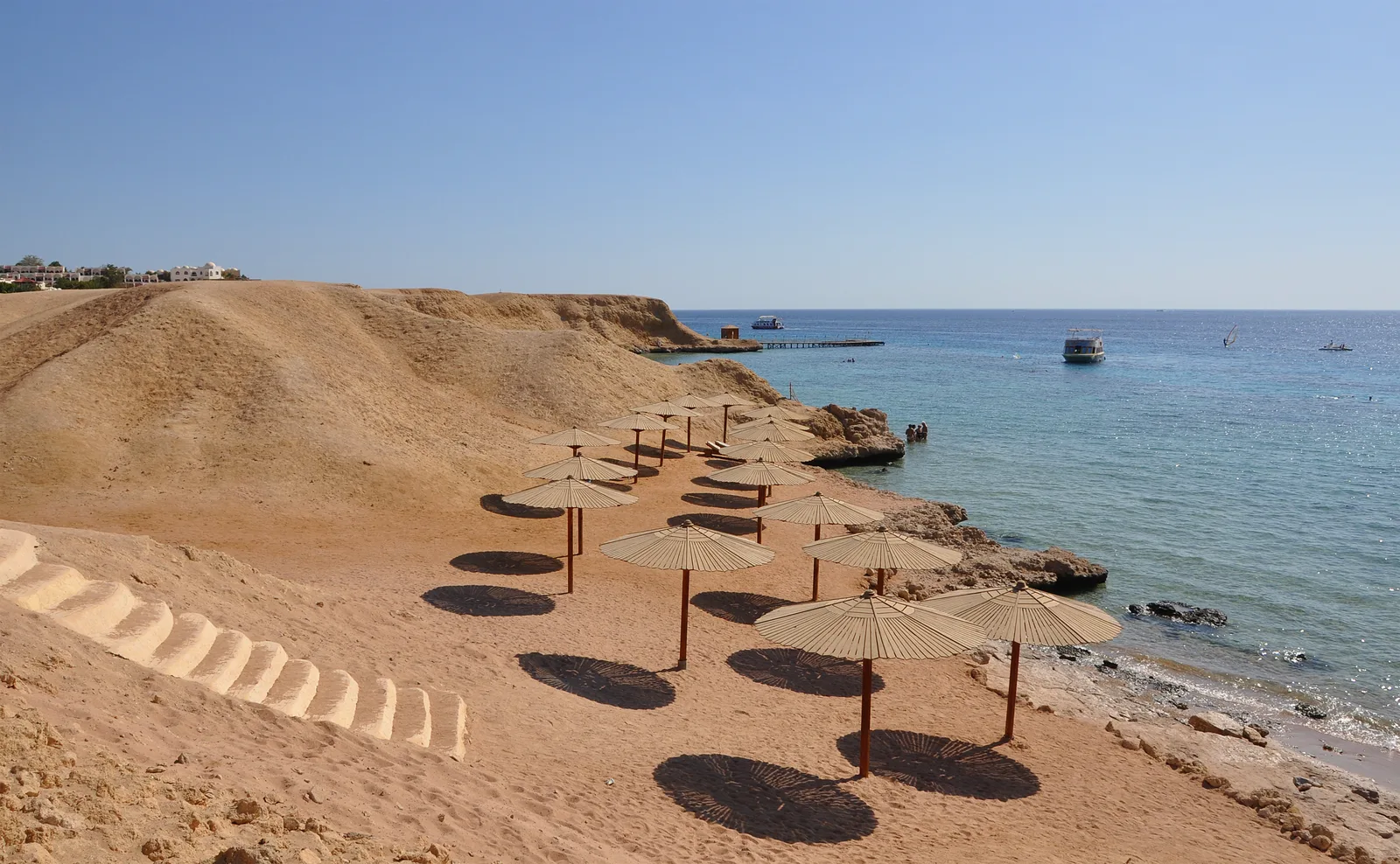
A resort city where the right bay matters
Sharm el-Sheikh is best chosen for the sea rather than for a dense checklist of urban sights. Reef encounters, relaxed hotel days and trips into protected coastal landscapes are its strongest reasons to visit. The decision that shapes the holiday is often less glamorous: whether your accommodation gives you the beach access, evening surroundings and transport arrangements you actually need.
The city lies in South Sinai, on Egypt’s Red Sea coast, with the Gulf of Aqaba, desert terrain and marine reserves defining its setting. The South Sinai governorate’s city information places Nabq to the north and Ras Muhammad to the south. These are not interchangeable names for one beachfront neighbourhood. Allow four or more nights if you want time in the water, an excursion and a day without an early departure. A possible move needs a separate assessment of daily life beyond a resort package.
Understand the modern city and its older setting
Sharm’s present identity owes much to its development from a small fishing settlement into a major tourism destination. The government real-estate platform’s historical overview describes that transformation and investment in resort infrastructure. Read its promotional language critically: a history of development does not establish investment returns, affordable living or guaranteed access to particular facilities.
The region’s natural heritage is equally important to understanding the destination. Egypt’s protected-area authority records Ras Muhammad’s designation in 1983 and Nabq’s in 1992. Marine conservation and tourism have therefore developed alongside one another, sometimes with competing demands on the same shore. The museum offers an introduction to Egyptian and Sinai heritage, while the contemporary resort landscape explains much of what you see outside. Do not expect the old-market area to be an ancient city centre equivalent to Cairo’s historic quarters.
Choose a base around evenings and sea access
Naama Bay is a useful area to investigate if you want shops, dining and a recognisable resort centre within the same part of town. The governorate identifies Naama and the old-market area separately. Sharks Bay, the northern resort areas around Nabq, and accommodation around Al Fanar further south create different patterns of transfers and outings. Check the precise property address rather than trusting “Sharm centre” in a booking description.
A hotel operator’s own information can help establish those distances. For example, Rixos Sharm el-Sheikh’s location page places its Nabq property well away from Naama Bay and the Old Market. That is a geographical example, not a recommendation to book it. Before choosing any bay, compare the beach entrance, the nearest useful shops and the return journey after dinner. A lower room rate may be less attractive once several transfers are added.
Ask how you actually enter the water
A sea-view room does not answer whether you can walk into suitable swimming water. Ask the property to describe its own beach: sandy entry, reef edge, steps, jetty, seasonal restrictions and the supervision available. Request current photographs or a detailed written answer if a particular arrangement matters to children, less confident swimmers or someone with limited mobility.
Also establish whether beach access is included in the room booking. A room in one building or complex should not be assumed to include every nearby stretch of coast. Ask what happens when the usual entrance closes because of sea conditions, and whether a pool or alternative bathing area is available. Treat staff instructions and local closures as the deciding information on the day. Neither an attractive photograph nor a confident swimming ability removes the need to use the designated entry and exit points.
Spend an evening around the Old Market
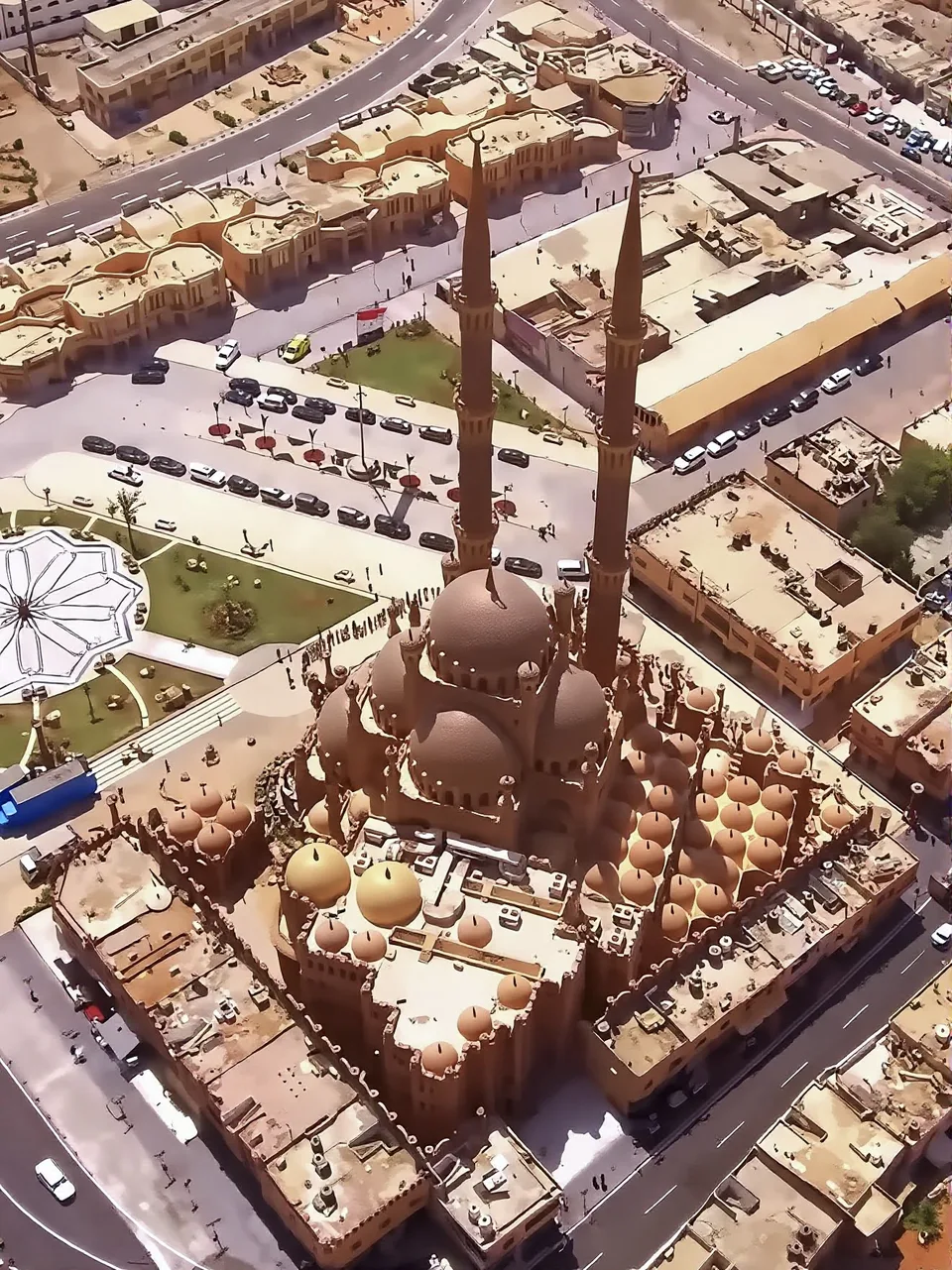
The Old Market and Al Sahaba Mosque provide a change from hotel grounds and organised boat outings. Approach the area as a contemporary place for an evening walk, shopping and dinner rather than a promise of untouched historical life. The governorate’s city gallery identifies both the market and the mosque among Sharm’s landmarks.
Admire the mosque’s exterior, but check local arrangements before entering. Respect worship, follow posted dress requirements and ask before photographing people closely. For shopping, agree the price and what is included before accepting an item or service. Decide whether a purchase genuinely suits you instead of feeling obliged to continue a sales conversation. Arrange the journey back before the evening becomes tiring, particularly if your hotel is in a distant bay. That makes the outing easier to enjoy without turning the return transfer into an unwanted negotiation.
Use the museum for a different view of Egypt
Sharm el-Sheikh Museum provides a substantial indoor alternative to another beach session. The Ministry of Tourism and Antiquities’ collection description highlights human and animal life in ancient Egypt, including animal mummies, the coffins of Isetemheb and objects relating to Sinai heritage. It is a museum of collected material, not an excavation proving that every object originated in Sharm.
The official ticketing page lists foreign adult admission at EGP 200 and foreign student admission at EGP 100. Regular visits are split between morning and evening sessions: the ministry lists 10am–1pm and 5pm–11pm, with ticket sales ending an hour before each closing time. Check Ramadan and special-date arrangements separately. The evening session can fit well after a quiet afternoon. Mobile-phone photography is listed as free, but follow the museum’s restrictions on flash, equipment and photographing other visitors.
Choose a diving provider before choosing a famous site
The Chamber of Diving and Water Sports directory is a practical starting point for checking a provider’s registered identity. Confirm the actual company delivering the activity, not only the name of a hotel desk or booking intermediary. Ask what experience is required, what supervision is provided and how equipment, transfers and emergency arrangements are handled.
The chamber’s Sharm diving overview describes a range of local reefs, boat trips and more demanding excursions. A famous name does not make a site appropriate for a beginner. Give the operator accurate information about qualifications and recent experience, and let the proposed activity reflect that information. Compare the time spent travelling, preparing and waiting with the time actually offered in the water. A cheaper advertised trip may represent a different product rather than better value for the same experience.
Make reef protection part of the outing
The diving chamber’s environmental briefing for boat, dive and snorkel trips is explicit about avoiding contact with coral and marine animals. Do not stand on a reef, chase wildlife, feed fish or collect shells and coral. Use designated water entrances and follow the guide’s briefing about equipment and flotation. A life jacket is useful equipment to discuss before departure, rather than something to improvise after becoming tired.
These rules affect how you choose an outing. Ask how the operator accommodates people who need a slower start or extra assistance, and decline a plan that relies on scrambling across coral. Underwater photography should fit around competent participation, rather than become a reason to approach animals or damage a surface for balance. Wildlife sightings remain unpredictable. An operator offering a named animal encounter cannot establish that the animal will appear or that approaching it is appropriate.
Give Ras Muhammad its own decision
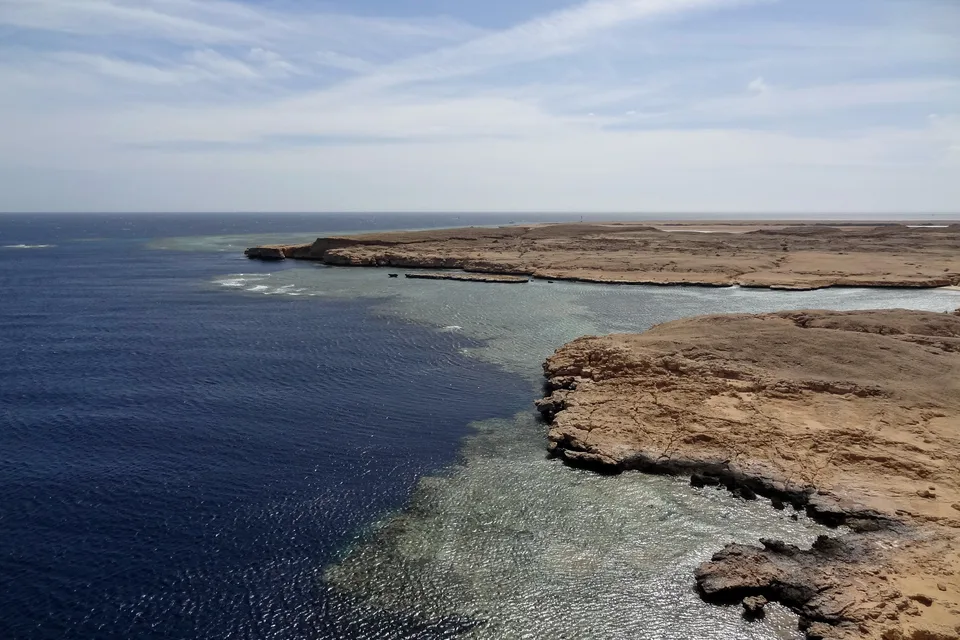
Ras Muhammad combines coastal scenery with important reef environments. A land excursion, a snorkelling boat trip and a dive outing can all be sold under the same park name while delivering very different days. Ask for the actual itinerary, entry arrangements, supervision and included stops before comparing prices. The park’s location on a map does not establish which part your booking reaches.
The environmental authority’s published protected-area fee information separates people, vehicles and marine units and currently carries an updating notice. Confirm the charges applicable to your trip rather than treating one published figure as the complete excursion cost. Ask whether transfers, equipment, food and park charges are included. Also confirm that your entry permission covers the route and activity. Do not assume that a limited resort-only stamp authorises every excursion merely because its departure point is a Sharm hotel.
Arrive with the transfer settled
The civil aviation ministry’s airport information identifies Sharm el-Sheikh International Airport as the city’s gateway for domestic and international travel. Check your actual flight and terminal with the airline, especially when combining separate bookings. An airport’s existence does not establish a particular year-round direct service from your home city.
Arrange the onward transfer around the exact hotel address and your luggage. Ask whether the quote is per vehicle or person, whether waiting for a delayed flight is covered and where the driver will meet you. Keep the written confirmation and a working contact number accessible offline. If a package includes a transfer, establish whether it makes multiple hotel stops. On departure day, follow the airline’s check-in guidance and allow for security checks; the driving time alone is not the full time needed to catch a flight.
Budget for movement between the bays
Treat Sharm as a series of areas linked by road rather than one continuous pedestrian resort. Before booking several evenings out, ask your accommodation or a reputable transport provider for the actual arrangements and current prices. Agree the destination, currency, total charge and return plan clearly. Hotel transfers, private cars and shared transport are different products.
Walk shorter local routes only after checking crossings, lighting and the surface, particularly with children or mobility equipment. A route that appears short on a phone map may be unpleasant in daytime heat or poorly suited to walking after dark. For a prospective resident, test the journey to work or study at the hour you would use it, including any late return. Do not assume that a holiday shuttle will provide a dependable daily commute or remain available after a temporary hotel stay ends.
Compare meal plans with the holiday you intend to take
An all-inclusive package can simplify costs if you expect to spend most days at the property. It may offer less value if several excursions include meals and you plan to eat out most evenings. Compare the actual included restaurants, drinks, reservation rules and service hours rather than assuming the label covers every menu and venue.
When eating outside the hotel, read prices and ask about service charges before ordering. Egyptian dishes and international resort menus offer different possibilities; choose according to the food you want rather than an unsupported claim that one area is always cheapest. Confirm ingredients directly where allergies or religious requirements matter. Keep drinking water available during transfers and outdoor activities. For a longer stay, inspect nearby food shops before deciding that a kitchenette will make daily life convenient, and check whether the accommodation has real cooking and refrigeration facilities.
Build a budget from the actual bookings
Start with accommodation and flights, then add transfers, meals outside the package and the activities you have chosen. Include equipment rental, compulsory charges and cancellation conditions in each comparison. The museum’s EGP 200 foreign adult ticket is a clear published item; a marine excursion with several possible supplements needs an itemised quote instead.
Keep Egyptian pounds and foreign-currency prices distinct. Ask which currency a quoted amount requires and how any conversion is calculated. A hotel’s advertised room price does not establish a monthly residential budget, and a package containing meals cannot be compared directly with a room-only rate. Leave a reserve for changes caused by sea conditions or a missed connection. There is no useful single daily spending figure that fits a diver booking boat days, a family remaining at a resort and someone inspecting apartments for a move.
Choose dates around heat and your water plans
The World Meteorological Organization’s Sharm climate table shows a marked seasonal difference: the 1981–2010 average daily maximum was about 22°C in January and nearly 39°C in August. These are historical monthly averages, not a forecast or a ceiling on present-day heat. Use them to compare the character of a winter stay with the demands of a summer one.
If walking, market visits and land excursions are priorities, consider how much heat you are comfortable managing. During hot periods, favour shorter outdoor sessions and protect time for shade and rest. For a water-focused holiday, ask the activity provider about the conditions relevant to your chosen dates and experience level. Pack a light layer for cooler evenings and wind, and consult the current forecast before longer outings. A generally dry climate does not make every sea day or desert route suitable.
Distinguish Nabq’s reserve from its hotel district
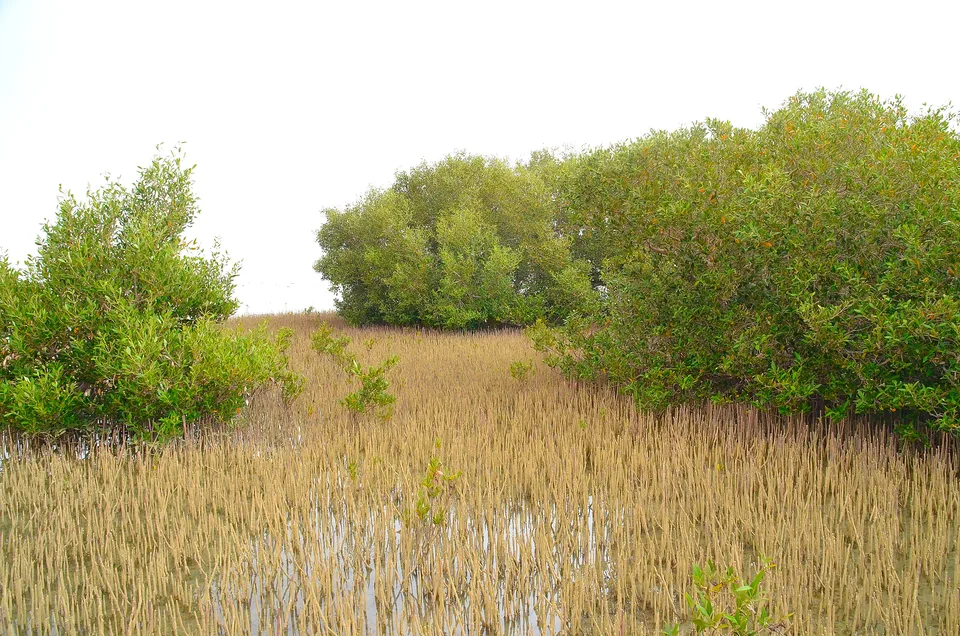
The name Nabq can mean a resort base or a protected-area outing, and that distinction matters. A room marketed under Nabq Bay does not automatically place you within the reserve or give unrestricted access to its habitats. Mangroves and coastal landscapes reward a slower visit, but the route and permitted activities should be confirmed with the organiser.
The environment authority’s July 2026 Nabq management update discusses conservation, waste management and proposed visitor infrastructure. Proposals for accommodation, electric transport or other facilities should not be read as a list of services already operating. Ask what is available on your actual trip, including shade, toilets and drinking water. Keep to permitted access and leave vegetation and wildlife undisturbed. If an operator cannot explain where the outing goes or which permissions apply, obtain a clearer plan before paying.
A four-day plan with a useful margin
Use the first day to settle in, establish the beach rules and take a short local walk. Avoid booking an early boat departure immediately after a late arrival. If you want an evening outing, choose one that leaves the return transfer straightforward rather than crossing the city repeatedly.
Make day two your main guided sea activity, selected around ability and conditions. Leave day three flexible for the museum and an Old Market evening, or simply a recovery day if the previous outing was demanding. On day four, choose a land visit to Ras Muhammad or Nabq, or another appropriately guided water session. This is a suggested allocation, not a promise that every trip operates daily. Leave room to move an activity when conditions change, and obtain professional guidance about the timing of any diving relative to your flight before committing to the final day.
Check the activity rather than the sales description
For boat outings, ask about safety briefings, passenger arrangements and what happens if the planned activity cannot proceed. Insurance should cover the activity you are actually undertaking, including relevant diving limits and rescue or evacuation where needed. Read the policy rather than relying on the name of the package or assuming an operator’s insurance covers every personal expense.
The UK government’s activity and transport advice notes varying standards among Red Sea operators and recommends thorough boat briefings. It also warns about serious quad-bike accidents. Treat a desert excursion as a separate decision about operator competence, equipment and route permissions. A familiar vehicle or a short advertised duration does not remove those considerations. Do not import a drone for holiday filming without the required Egyptian authorisation; the resort setting does not create an exception to national rules.
Research the route for a trip beyond Sharm
Dahab offers a different base to consider for a longer Sinai stay. The diving chamber’s Dahab overview emphasises shore-diving opportunities, including sites requiring different levels of experience. A famous dive location is not automatically a suitable casual swimming stop, and technical routes should not be treated as an extension of a beginner outing.
The UNESCO-listed Saint Catherine area combines a historic monastery with a mountainous landscape of religious significance. It requires its own planning for access, weather, permissions and current visitor arrangements. Consult current regional travel advice for the actual route: restrictions differ across Sinai, so neither a reassuring description of Sharm nor a general warning about North Sinai answers every excursion question. Use an approved operator and confirm immigration coverage. A trip advertised from a resort may still involve substantial travel and a very different physical environment.
Treat a move as more than an extended holiday
Begin with temporary accommodation and inspect potential homes around the routine you intend to lead. Compare the commute, groceries, pharmacy access, noise, internet and cooling costs. Ask which utility accounts and shared facilities are included, whether any charges are metered and who is responsible for repairs. Test the connection you would use for daily work rather than relying on a general Wi-Fi claim.
A residential arrangement needs a clear written contract and an identified owner or authorised agent. Record furnishings, condition, payment terms and the return of any agreed deposit. Seek independent legal advice before a property purchase, especially where Sinai-specific rules may matter. An estate advertisement or an attractive resort apartment should not be treated as evidence that a foreign buyer has unrestricted ownership rights or an automatic route to residence. Visit during ordinary working days before making a commitment.
Plan household services and health cover separately
For a household move, confirm school admission, curriculum, transport and availability directly with the institution before choosing an address. Arrange a usable phone connection, verify utility responsibilities and keep copies of essential documents and agreements. A resort’s visitor services may be helpful on arrival but do not necessarily solve long-term administrative needs.
The official health advice for Egypt recommends appropriate insurance and checking access to necessary treatment. Some medicines require advance permission or supporting documentation; confirm this before travelling rather than assuming a prescription from home is sufficient. Identify how routine consultations and ongoing medication would be managed, and check the position of each household member. Accommodation, employment and healthcare arrangements are separate questions. Renting a home does not itself establish comprehensive medical coverage, and a nearby pharmacy is not a substitute for finding an appropriate clinician.
Match entry permission to the whole itinerary
The official Egyptian e-visa portal lists eligible nationalities and currently charges US$30 for a single-entry tourist visa and US$65 for multiple entries. Check your passport and circumstances directly; online eligibility is not universal, and a granted visa does not guarantee admission at the border.
The UK government’s entry guidance describes a limited free arrival permission for eligible British-citizen passport holders flying into Sharm for stays of less than 15 days at Sharm el-Sheikh, Dahab, Nuweiba and Taba resorts. Check that the arrival stamp actually matches your planned stay, and retain a clear record of the permission granted. Do not generalise this to every nationality, wider Egypt travel or indefinite residence. Confirm the correct permission before booking mainland flights or excursions outside the permitted area. Work, study and longer residence require separate arrangements, as outlined in official living-in-Egypt guidance. VisaWand’s Egypt guide and consultant listings can help organise questions. Compare the Hurghada city guide for another Red Sea base, or use the Egypt location directory and Egypt destination page to investigate other places.
Official planning resources
Reviewed 15 October 2026. Use the official resources linked throughout this guide for admission, transport, housing and immigration decisions. Prices, services and rules can change; confirm the details relevant to your dates. Photography illustrates the locations and is not a live view.
View all official resources
- Sharm el-Sheikh governorate information
- Sharm el-Sheikh development background
- CDWS Sharm diving overview
- CDWS registered Sharm centres
- CDWS environmental guidelines index
- CDWS rules and regulations
- Egypt protected areas
- Official protected-area fees
- Nabq environmental management update
- Sharm museum collections and visiting rules
- Sharm museum official tickets
- Egypt e-visa official FAQ
- Egypt entry requirements for British passports
- Egypt regional travel advice
- Egypt safety and activity advice
- Egypt health and medicines
- Living in Egypt: official UK guidance
- Sharm airport: Ministry of Civil Aviation
- Egyptair official booking
- CDWS environmental briefing
- Rixos Sharm: operator location and admission policy
- Naama Bay Promenade resort location
- Renaissance resort official location and access
- WMO Sharm el-Sheikh climate information
- Dahab diving destination
- Saint Catherine World Heritage Area
Plan the next part of your journey
Explore the Egypt guide, browse other cities or compare consultants for your travel and relocation questions.