Visa
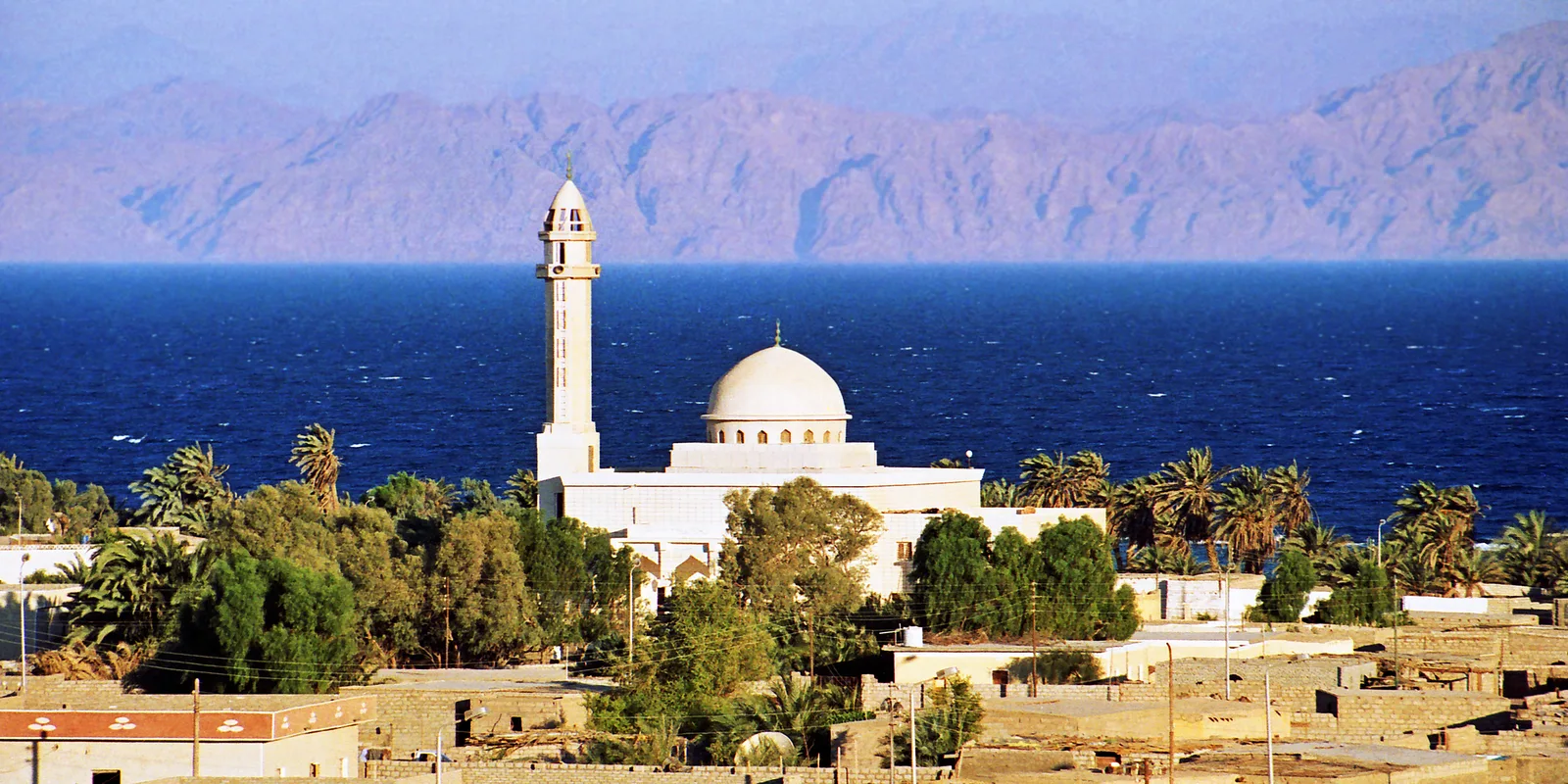
Dahab works best when the pace fits the place
Dahab sits on the Gulf of Aqaba coast of South Sinai, with mountains behind the shoreline and a visitor economy closely tied to the water. It suits travellers who want shore diving, wind sports and time around waterfront cafés rather than a succession of large-city sights. You can enjoy the setting without diving, provided a slower coastal stay is what you actually want.
The Egyptian Tourism Authority describes a former Bedouin fishing village that developed into a diving and windsurfing destination. Ask before photographing people and approach local businesses on their own terms.
Give a first visit several nights, particularly if training or weather-dependent activities matter. Start with the Egypt country guide, then decide whether central Dahab, a lagoon resort or another Sinai base fits your plans and practical needs.
Check the map and current travel advice first
Dahab is in South Sinai, not North Sinai. That distinction matters when reading official travel warnings. As checked in October 2026, the FCDO advises against all travel to North Sinai and against all but essential travel to the northern part of South Sinai beyond the St Catherine–Nuweibaa road, with coastal exceptions. These are specific geographical warnings, not a blanket description of Dahab.
Read the current Egypt travel advisory and map before choosing an arrival route or desert excursion. Advice can change, and a coastal hotel booking does not establish that every surrounding road or cross-border journey is appropriate. Check that insurance covers the route and activities you intend to take.
Regional tensions can affect transport and borders. Avoid building a short holiday around an unconfirmed land crossing. For ordinary arrival planning, compare a flight to Sharm El-Sheikh with an overland connection whose route, departure point and operating arrangements you have actually confirmed.
Choose between Masbat, the northern shore and the lagoon
Masbat’s waterfront is a useful reference point for a first visit, with the Lighthouse area and Eel Garden relevant to divers and accommodation searches. Mashraba is another name you will encounter on dive-centre addresses. Assalah also appears in the Chamber of Diving and Watersports’ descriptions of the town’s diving areas.
Treat those names as starting points, then ask for a pin and the actual walking route. A property close to your chosen centre may be more convenient than one advertised simply as central. Check whether reaching the water means a suitable beach entrance, an organised dive access or merely a sea view.
The main windsurfing lagoon lies south of town, according to CDWS’s Dahab windsurfing information. It is different from the Blue Lagoon outing farther north in Ras Abu Gallum Protectorate. Confusing the two can mean booking the wrong accommodation or underestimating the time and transport needed for a day out.
Start with the waterfront rather than a checklist
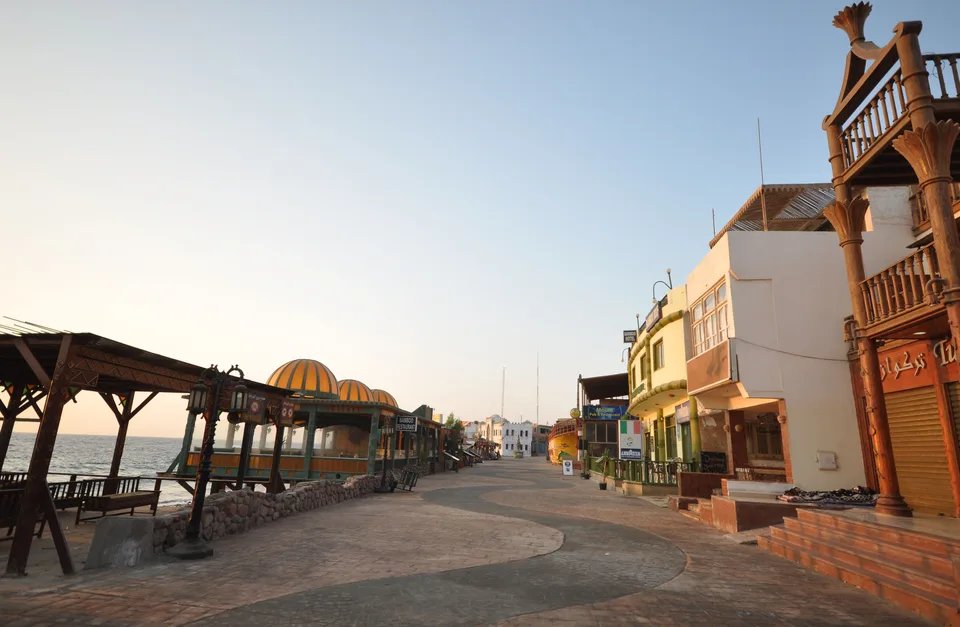
Walk the Masbat frontage to understand distances before committing to activities. Note where you can eat, reach a road for a transfer and meet the operator you have chosen. The value of the waterfront is the everyday rhythm of cafés, small businesses and the sea, rather than an obligation to visit every advertised stop.
The tourism authority’s Dahab page identifies the Friday Market as a place for crafts and food. Confirm its current location and operating arrangements locally before organising a day around it. A recurring market description does not establish that every stall will be present on a particular Friday.
For a non-diving afternoon, combine a short walk with time to read or watch the water. Ask about any beach-use charge or minimum spend before occupying a venue’s seating. A waterfront table, a hotel beach and an unrestricted public access should not be assumed to have identical arrangements.
Choose a dive centre before choosing a famous site
Begin with the CDWS directory of registered Dahab diving centres, then discuss your certification, recent experience and objectives with the centre. Membership is a useful check; it is not a substitute for understanding the actual instructor, group size, equipment and emergency arrangements for your booking.
The chamber’s Dahab diving overview describes the town’s emphasis on shore diving and the range from introductory experiences to technical diving. Those are different activities with different requirements. Someone trying scuba for the first time should be offered an appropriate supervised introduction, not persuaded that a famous site name makes a demanding dive suitable.
Ask what happens if conditions change or a participant cannot complete an activity. Establish which equipment, transport, learning materials and certification charges are included. If you have been out of the water for some time, discuss a refresher or check dive rather than choosing solely by the number of dives advertised in a package.
Understand what a Blue Hole visit does and does not mean
The Blue Hole is one of Dahab’s best-known sites, but its name covers very different experiences. A supervised surface visit, a recreational dive on an appropriate route and a technical dive through the arch are not interchangeable. CDWS explicitly associates the arch with technical divers in its Dahab dive-site information. Do not treat it as a beginner attraction or an optional challenge to attempt independently.
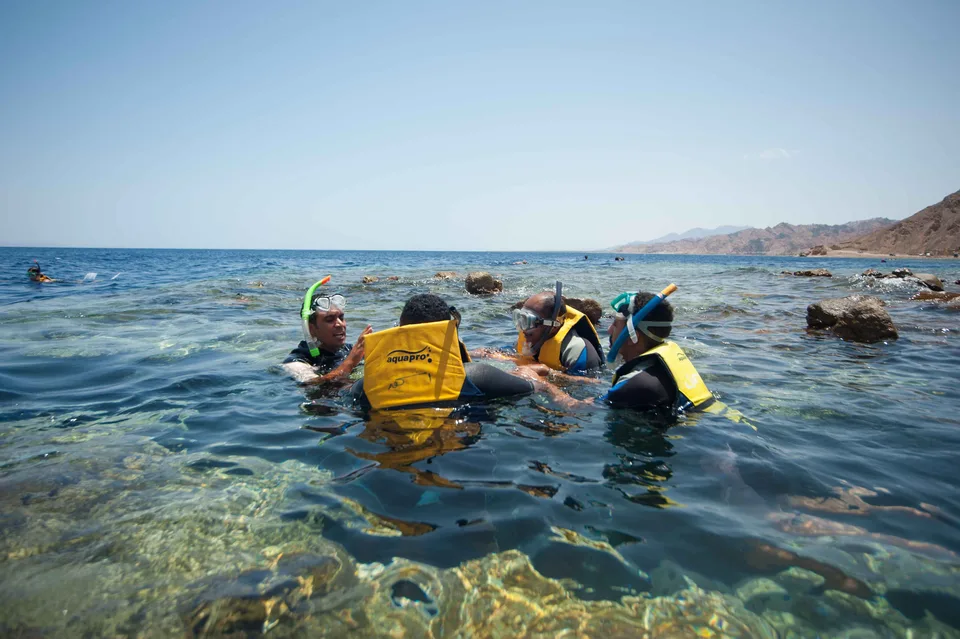
Discuss the exact activity, entry conditions and supervision before agreeing to go. Non-divers need a plan suited to their swimming ability, with suitable buoyancy support where required. A dramatic photograph does not show the day’s current, visibility or access arrangements.
Ask for a current fee breakdown as well. Published operator information reviewed for this guide contains inconsistent Blue Hole supplements, so a universal entrance figure is not quoted here. Confirm site charges, transport and any equipment separately rather than assuming the headline excursion price covers everything.
Windsurfing requires the right zone and supervision
Dahab’s southern lagoon is a significant reason to visit even if scuba does not appeal. CDWS describes different windsurfing zones, including a more protected learning area and conditions for more experienced participants. The wind’s direction and strength can change the demands of a session, so choose instruction and location for your level.
Use the CDWS watersports-centre directory to investigate providers for the particular activity you want. Ask about instructor ratios, rescue cover, equipment condition and what happens if the wind is unsuitable. Renting a board is a different decision from booking a first lesson, and an experienced sailor may still need a local orientation.
If bringing equipment, check airline carriage conditions and storage costs in advance. If hiring, reserve the relevant sizes rather than assuming everything will be available at arrival. Families should establish age, swimming and supervision requirements directly; a sheltered-looking bay does not remove the need for a suitable lesson plan.
Give Ras Abu Gallum and desert outings enough time
The tourism authority identifies Blue Lagoon excursions in Ras Abu Gallum Protectorate and mountain activities around Dahab. Keep an excursion separate from a casual town walk: ask how the outward and return journeys operate, where facilities are available and what happens if weather interrupts transport.
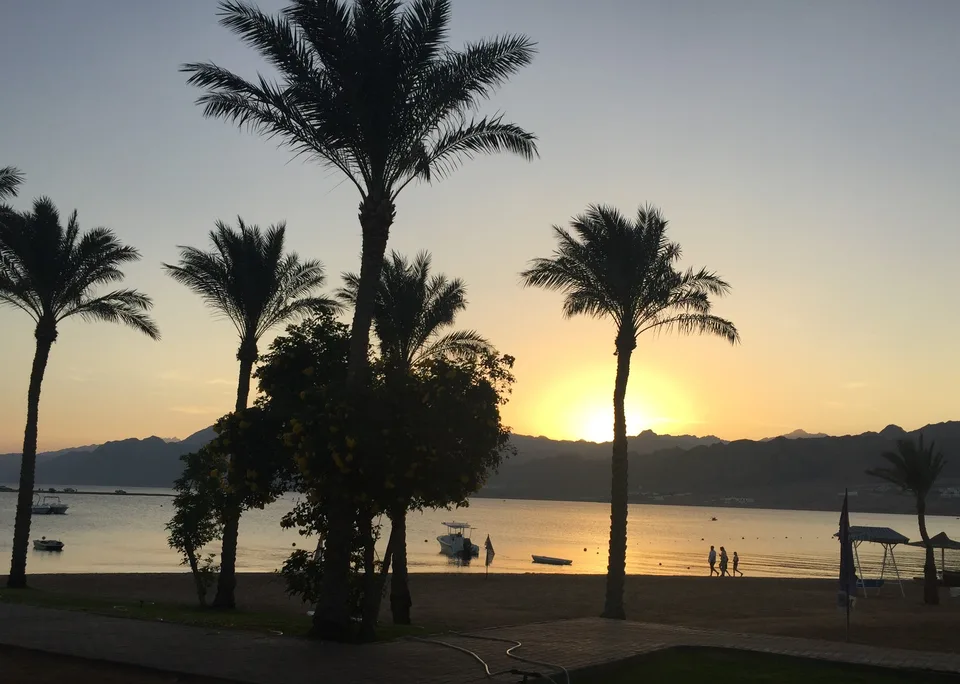
For a coastal outing, establish whether it includes a boat, road section or walking, and whether everyone in the group can manage the access. Ask for the return arrangements before departure. Bring the supplies you need, but confirm what the operator provides rather than carrying assumptions from a photograph of beach shelters.
For a desert or mountain trip, use a competent local operator and check permits, route suitability and current advice. Do not combine a strenuous high-altitude excursion with recent diving without professional planning. A mountain dinner, an easy valley visit and a summit itinerary require different preparation. Treat them as separate products when comparing descriptions and prices.
Match accommodation to your daily routine
A central guesthouse or small dive resort can put meals and your chosen centre within walking distance. A lagoon hotel may better suit windsurfing or a stay organised around resort facilities. Neither is automatically the better value: the useful comparison is the room plus the journeys it creates.
At Eel Garden, Dive Urge’s accommodation information illustrates the range from garden rooms to suites and holiday apartments. It also notes steps to the seaview suite. Use that kind of room-specific detail when comparing properties; sea views and a general accessibility claim do not establish step-free access to a particular bedroom.
Check air conditioning, ventilation, hot water, cleaning, noise and the exact bed arrangement. For an apartment, confirm cooking equipment and laundry rather than relying on the word furnished. Ask about building work and the route after dark. If you are choosing a remote address, include return transport from dinner in the cost and convenience calculation.
Read room rates and packages separately
Published prices are useful only with their conditions attached. Dive Urge’s direct-booking room table lists a three-night Garden View stay at £135, room only, with 14% added. That produces £153.90 before optional items. The page specifies a minimum three-night stay and a maximum of two people for that room type.
This is one property’s published benchmark, checked in October 2026, not a Dahab average or a guaranteed quote for your dates. Ask for availability, the final payable amount and the currency used for settlement. Compare cancellation and prepayment terms alongside the rate.
The same property advertises a separate accommodation package with airport transfers and breakfast, subject to a minimum seven-night stay. Do not read those benefits into the three-night room-only figure. Across other properties, check whether a diving package includes accommodation, equipment and taxes or merely combines items that still carry supplements. Clear inclusions matter more than a large discount headline.
Arrange the final journey from Sharm El-Sheikh
Sharm El-Sheikh is the main airport to investigate for a Dahab stay. The tourism authority places Dahab about 90 kilometres north of Sharm’s coastline; that is a destination-level orientation, not a measured door-to-door airport transfer or a guaranteed driving time. Compare your actual flight and accommodation locations.
Ask a transfer provider for a written quote covering the passengers, luggage, child seats where needed, meeting point and waiting policy. A delayed arrival should have a clear contact arrangement. For a hotel package, obtain confirmation of whether both journeys are included and whether late-night arrivals carry conditions.
A coach departure elsewhere in Sharm should not be mistaken for an airport pickup. If choosing public transport, establish how you reach its station and what happens if you miss the connection. Keep identification and travel documents available for checks, and leave a realistic margin before an onward flight instead of relying on a best-case road journey.
Compare overland travel by route and departure point
For intercity services, use an operator’s current search rather than a copied timetable. Go Bus’s official booking site allows searches by city, station and date. Confirm that a result serves Dahab on your date, where boarding takes place and which vehicle or service category is being sold.
Read luggage and ticket-change conditions before paying. A cheap fare may still involve a separate transfer to your accommodation or an inconvenient arrival hour. For travel from Cairo, compare the total time and rest involved with flying to Sharm and arranging the final road journey; the options create different travel days.
For local movements, a walkable base and occasional arranged transfers may be sufficient. Agree the destination and fare before accepting an informal offer, and consider seatbelts, insurance and luggage space as well as price. If hiring a vehicle, check the permitted routes, paperwork and current restrictions, particularly before travelling into less familiar parts of Sinai.
Eat well and understand the full bill
A useful first breakfast can be simple: beans, falafel, cheese and bread. Waterfront menus also cater to a wide range of visitor preferences, so inspect what a kitchen actually prepares rather than assuming a sea view means a particular cuisine or standard. Ask about the day’s dishes and any dietary requirements before ordering.
For a concrete benchmark, Food Urge’s published menu lists its Egyptian breakfast at EGP 250 and adds 14% tax, giving EGP 285. This is a named venue’s menu price checked in October 2026, subject to reconfirmation, not a citywide breakfast average. Drinks and additional items change the total.
Check whether a menu’s prices include tax and any service charge. For fish or a shared dish, establish the quantity and full price before preparation. For allergies, discuss ingredients and cross-contact directly; the availability of vegetarian or gluten-free options does not guarantee a suitable kitchen procedure for a serious allergy.
Separate local spending from foreign-currency quotes
Egypt’s currency is the Egyptian pound, shown here as EGP. Some diving and accommodation businesses publish in sterling, euros or dollars. Ask which currency you will actually pay, whether tax is included and how any conversion will be calculated. A familiar pound sign does not necessarily mean Egyptian pounds.
As another activity benchmark, Dive Urge’s published diving prices list a one-dive introductory experience at £60 before the stated 14% addition, producing £68.40. Ask about suitability, inclusions and any site charges before booking. A course and an introductory dive are different products, so compare the outcome as well as the number of sessions.
Build the trip budget from accommodation, meals, transfers, activities and a reserve for changes. Confirm cash and card arrangements with the businesses involved. For craft shopping, agree prices and inspect the item you will receive. Keep a receipt for substantial purchases and leave room for an unplanned rest day or weather-related rearrangement.
Choose dates for the activity, not a single ideal season
Dahab has different seasonal considerations for a waterfront break and a windsurfing holiday. CDWS highlights May, June and September for windsurfing, while also noting cooler water in February and March. Discuss the equipment and exposure protection you need for your activity and tolerance rather than assuming warm-looking air means comfortable time in the sea.
For general sightseeing and walks, compare spring and autumn dates with summer heat and winter evenings in mind. The tourism authority’s practical information describes Egypt’s broad seasonal pattern, but a national overview is not a precise Dahab forecast. Check the local forecast near departure and allow activities to move around it.
Pack sun protection, a windproof layer and suitable footwear for the access you expect to use. For winter accommodation, ask about room comfort after sunset; for summer, check cooling and shade. Religious observances can affect business hours, so confirm meals, transport and any appointment during the relevant period.
A four-day stay with the diving schedule built in
Day one: arrive, settle in and walk the waterfront. Meet your chosen centre, complete its required checks and discuss conditions. Keep the evening simple after travelling rather than booking an excursion that depends on a punctual flight.
Day two: take an appropriate supervised introduction, refresher or planned dive programme. Non-divers could choose a windsurfing lesson or a beach afternoon. Leave enough space to rest and change plans if conditions are unsuitable.
Day three: continue training or take a properly arranged coastal excursion. A Blue Hole visit should follow the activity and experience discussion, not replace it. Avoid scheduling a summit outing immediately after diving.
Day four: keep time for town, packing and departure, with the required surface interval before flying already agreed. Divers Alert Network’s guidance distinguishes different dive profiles; repeated diving may require a longer interval than a single no-decompression dive. Extend the stay if necessary rather than compressing the final dive against a fixed flight.
Moving to Dahab means testing the ordinary week
A reconnaissance stay should examine the town as a home rather than a holiday package. Compare a place near the waterfront with residential addresses farther from your daily requirements. Walk to groceries, test the commute and check whether evening transport is practical for the routine you would actually keep.
Inspect cooling, ventilation, water pressure, hot water and the internet connection inside the rooms you would use. Ask how electricity and water are measured and paid for, who holds the accounts and what happens during an interruption. A mobile-data backup may help with connectivity, but it does not establish reliable remote-working conditions or permission to work.
Get the tenancy period, rent currency, deposit, inventory, repairs and termination terms in writing. Confirm that the person offering the property has authority to let it. Families should investigate school places and healthcare before committing. For any purchase, obtain independent advice on Sinai-specific property rules rather than treating a sales description as legal assurance.
Keep tourism, work and residence permissions distinct
Start with the official Egyptian eVisa portal or the responsible consulate to establish your route. The FCDO’s current entry guidance for British citizens describes a free, limited South Sinai permission for qualifying arrivals by air at Sharm, including Dahab resort stays of less than 15 days. It is not a general permission for every nationality or an unrestricted Egypt itinerary.
For eligible airport visa-on-arrival travellers, current official information quotes US$30, with the FCDO specifying cash and a stay of up to 30 days. Confirm your eligibility and current requirements; older pages still show different amounts. Travel beyond the permitted area or a longer stay requires the appropriate permission.
Work, study and residence need separate checks. Use the Interior Ministry’s passports and residence information, the Egyptian consulate’s visa guidance and, where relevant, official guidance on living in Egypt. Seek individual assistance through VisaWand’s Egypt consultant listings, while confirming requirements with the authorities. A lease or overseas job does not itself establish lawful residence or work authorisation.
Make healthcare and diving cover part of the booking
Read the official Egypt health guidance before departure, including rules for controlled medicines. Arrange cover for your actual activities, depth and training level, with treatment and evacuation addressed explicitly. A general holiday policy may not cover everything in a diving package. The official safety advice also notes that watersports operators’ standards vary.
CDWS lists a Dahab hyperbaric medical facility. Confirm current emergency arrangements with your centre rather than treating a directory entry as proof of immediate availability. For an ambulance, the official health guidance gives 123. Seek urgent professional help for concerning symptoms after diving and tell the clinician about the dives.
DAN recommends minimum preflight intervals of 12 hours after a single no-decompression dive and 18 hours after repeated dives or multiple diving days for symptom-free divers; longer may be needed for other profiles. These reduce risk rather than remove it. Follow the appropriate professional plan and avoid flying with possible decompression symptoms.
Choose nearby alternatives for a different kind of stay
Sharm el-Sheikh offers a different accommodation and transport base to compare, particularly if you want to minimise the final journey after flying. Nuweiba is another Gulf of Aqaba destination, but verify the road itinerary and onward arrangements instead of assuming every coastal transfer operates on demand.
For mountains and religious heritage, investigate Saint Catherine as a distinct excursion or stay. Check access, opening arrangements, visa coverage and altitude exposure, especially around a diving itinerary. A destination page is a geographical starting point, not proof that an attraction is currently open or that a particular route suits your circumstances.
Cairo adds a substantially different urban and historical experience. Use the Egypt location directory to orient a wider trip, then leave Dahab enough time for its own appeal: a coastal routine shaped by reefs, wind and mountains, with activities chosen for your experience rather than their fame.
Official planning resources
Reviewed 26 October 2026. Use the official resources linked throughout this guide for admission, transport, housing and immigration decisions. Prices, services and rules can change; confirm the details relevant to your dates. Photography illustrates the locations and is not a live view.
View all official resources
- FCDO: Egypt warnings, current 26 October 2026
- CDWS: Dahab windsurfing and seasonal conditions
- Egyptian Tourism Authority: Dahab
- CDWS: registered Dahab dive centres
- Chamber of Diving and Watersports: Dahab
- CDWS: Dahab dive sites and geography
- CDWS: registered Dahab watersports centres
- Dive Urge: rooms and Eel Garden apartments
- Dive Urge: direct room prices and package terms
- Go Bus: official coach search
- Food Urge: published menu and tax information
- Dive Urge: published course prices and conditions
- Egyptian Tourism Authority: entry and practical information
- Divers Alert Network: flying after diving
- Egypt government: official eVisa application portal
- FCDO: Egyptian entry requirements for British citizens
- Egyptian Interior Ministry: passports, residence and nationality
- Egyptian Consulate in London: visa applications
- FCDO: living in Egypt, February 2026
- FCDO: Egypt healthcare and medicines
- FCDO: Egypt safety and watersports
- CDWS: Dahab diving medical facilities
Plan the next part of your journey
Explore the Egypt guide, browse other cities or compare consultants for your travel and relocation questions.