Visa
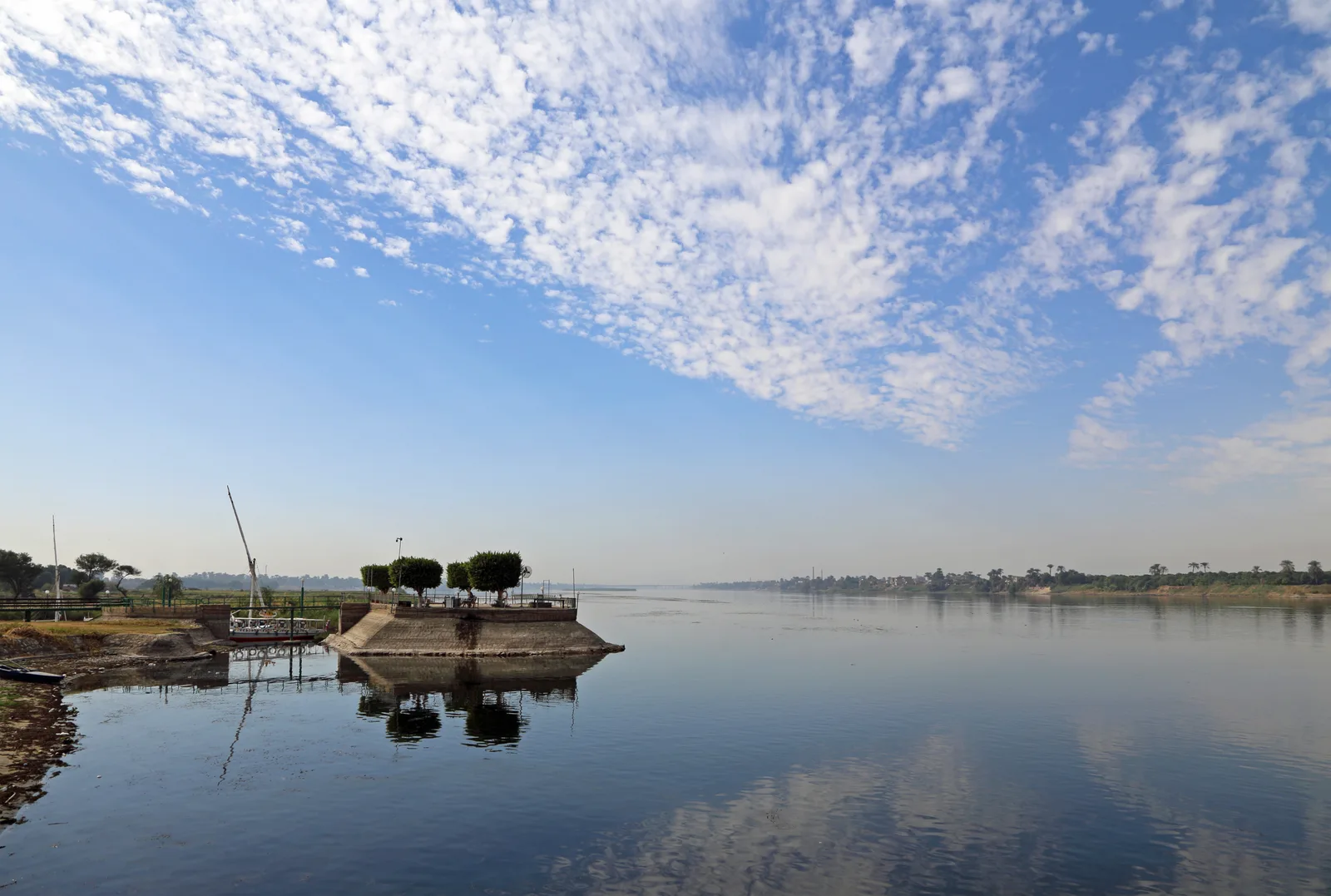
Choose Luxor for time with ancient Egypt
Luxor rewards travellers who want to look closely. A columned hall, a painted burial chamber and the line where farmland meets desert can occupy an entire morning. The Nile runs between the temples of the east bank and the funerary landscapes of the west. Choosing which bank to sleep on shapes your days more than finding a hotel with the longest facilities list.
Egypt's official Luxor visitor page introduces the main sights, but a successful stay needs space between them. Allow three full days for a first visit; add another for more tombs or a quieter pace. A day excursion can show highlights, although it leaves little room for reading reliefs, resting or changing plans. For a longer stay, assess housing and everyday journeys separately from the appeal of a river view. Start with VisaWand's Egypt country guide and use this article to make the local decisions.
Understand Thebes without losing the living city
Modern Luxor occupies the landscape of ancient Thebes, a major political and religious centre during the Middle and New Kingdoms. UNESCO's Ancient Thebes description explains the relationship between the temples and necropolis; the property entered the World Heritage List in 1979. The designation covers particular archaeological components, rather than declaring every modern street a monument.
On the east bank, temples sit within a functioning city. Across the river, cultivated land gives way to the hills containing royal and private tombs. These contrasting settings help explain why a map matters: two attractions that appear close across the Nile may require a boat crossing and another vehicle. Leave time to notice contemporary Luxor as well. Shopping, schooling, farming and family life continue around the visitor economy. Ask before photographing people and avoid treating a residential lane as an attraction with unrestricted access.
Choose a bank before choosing a room
The central east bank suits a first visit focused on Luxor Temple, the Corniche and access to the railway station. Compare the actual walk from a hotel entrance to the places you intend to use; a river-facing address can still involve busy roads or steps. Accommodation farther along the waterfront can offer more space, at the cost of additional journeys for meals and sightseeing.
The west bank suits travellers prioritising the tombs or a less urban setting. A property near a landing and one deep inland present very different transport problems. Ask for a map pin and the route after dark, including the final return crossing. Neither bank removes the need to travel. For a short stay, one carefully chosen base usually makes more sense than moving luggage across the river halfway through your itinerary. Confirm arrival arrangements directly with your host.
Give Karnak a morning of its own
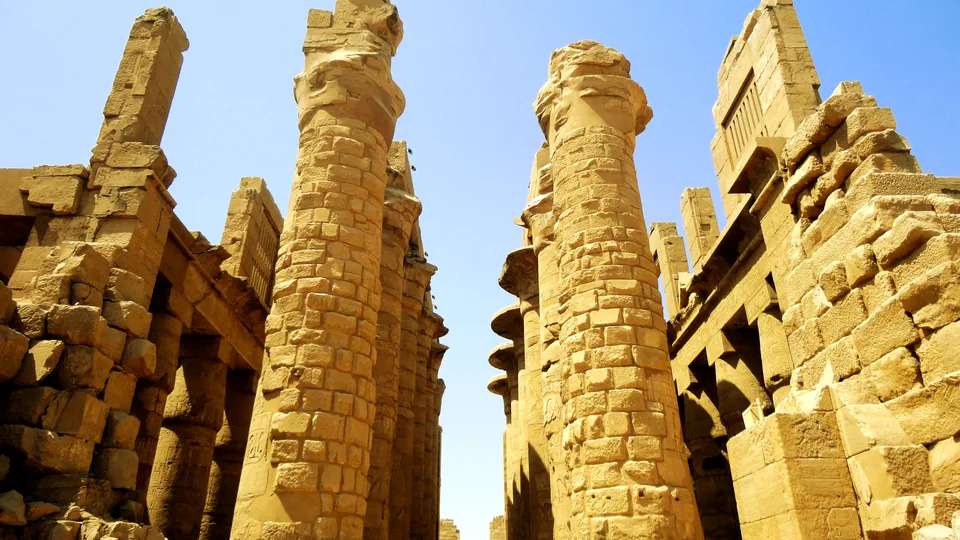
The ministry's Karnak site page describes a complex expanded over many reigns, centred on the worship of Amun. Its Great Hypostyle Hall contains 134 columns. Looking upward is only the beginning: compare the scale of the central columns with the surrounding rows, then look for the carved surfaces that turn architecture into a record of royal ambition.
The ministry currently lists foreign adult admission at EGP 600, including the open-air museum, and student admission at EGP 300. The Mut Temple precinct has a separate listed ticket. Check the scope of your purchase rather than assuming every enclosure belongs to one unrestricted visit.
Plan an early start and several unhurried hours. A guide can make the sequence of building easier to understand; agree the duration and language beforehand. Carry water and take breaks instead of trying to photograph every wall. Returning with a few understood scenes is more rewarding than leaving with hundreds of unexplained images.
See Luxor Temple as a sequence of layers
Around three kilometres south of Karnak, Luxor Temple reflects successive building campaigns, including substantial work under Amenhotep III and Ramesses II. The surviving obelisk at its entrance once had a companion; the second has stood in Paris since 1836. Later Roman intervention adds another layer to a site that cannot be explained through one pharaoh alone.
The ministry lists foreign adult entry at EGP 500 and students at EGP 250, with published hours of 06:00–20:00. Confirm closing and last admission for your date before planning an evening visit. Late light and illumination can change the atmosphere, but leave enough time to see the details before darkness.
The Avenue of Sphinxes links the temple landscape with Karnak. Check the access conditions attached to both temple tickets before building a walk around it. The distance between monuments also needs to be judged against the temperature and your energy after a full sightseeing day.
Budget for the Valley of the Kings selectively
The Valley of the Kings contains royal burials from the New Kingdom, alongside some other high-status burials. The familiar visitor area is principally the East Valley, which is on Luxor's west bank: those names describe different geographical scales. Do not mistake an East Valley ticket for a destination east of the Nile.
The official booking page lists foreign adult entry at EGP 750 and students at EGP 375. It separately offers Tutankhamun's tomb at EGP 700, Ramesses V and VI at EGP 220, and Seti I at EGP 2,000 for adults. These are supplements, not interchangeable names for the standard admission. Ask which tombs are open and exactly what your base ticket permits that day.
Choose additions for your interests rather than collecting expensive names. Steps, sloping passages, confined spaces and heat can make several interiors tiring. A shorter selection with time to absorb the decoration can be the better purchase.
Put Hatshepsut's temple in its landscape
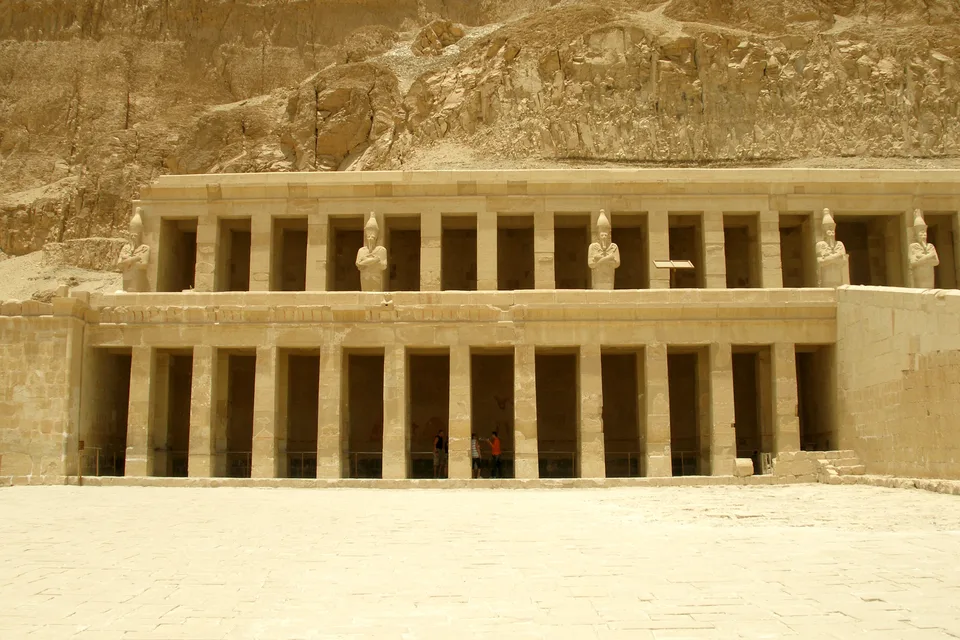
At Deir al-Bahari, Hatshepsut's mortuary temple rises in terraces against a cliff. Its architecture relates the building to the rock behind it, while reliefs present royal legitimacy and an expedition to Punt. This was a place for cult and commemoration, distinct from the queen's burial chamber.
The ministry lists foreign adult admission at EGP 440 and student admission at EGP 220, with published hours of 06:00–17:00. Verify arrangements on the day, including any optional transport between the arrival area and temple. Exposure to the sun matters here as much as the number of steps.
Combine the temple with a manageable west-bank route, allowing lunch and a return journey rather than filling every interval with another stop. For reduced mobility, ask about the precise surfaces, ramps, assistance and accessible toilets. The presence of a ramp in a photograph does not establish access to every part of the monument.
Add another west-bank site with a purpose
For another architectural perspective, Medinet Habu is the mortuary temple associated with Ramesses III. Its gateways, courts and military and religious reliefs offer a useful comparison with the other major temples. Choose it because you want that comparison, rather than because a driver proposes an unexplained extra stop.
The tourism authority's Luxor brochure also introduces Deir el-Medina, the settlement of the workers who created royal tombs. Its houses and smaller decorated tombs shift attention towards the people behind the monumental projects. Confirm current admission arrangements before visiting; the brochure's older practical details should not be treated as a live timetable.
Nefertari's tomb needs particular caution. A ministry conservation notice records its closure in March 2024 for humidity monitoring. A current reopening could not be established from the official material checked. Do not pay for an itinerary that guarantees access without fresh confirmation from the responsible authority.
Use a museum to slow the pace
Luxor Museum offers another way to spend time with antiquities without extending every day across a large outdoor site. The official museum ticket page currently lists EGP 400 for foreign adults and EGP 200 for students. Confirm its opening sessions and gallery access before assigning it a particular afternoon; the ticket seller's support hours are not museum opening hours.
It can fit particularly well after a morning outdoors, provided you have verified the schedule. Leave a gap for lunch instead of arriving tired and rushing through. Ask about any gallery closures if a particular collection is central to your plans. Museum displays can change, and an older photograph is not a guarantee that an object remains on view.
Sail for the experience, not an assumed timetable
A felucca trip can provide a change of pace from stone and road travel. Discuss the planned route, duration, landing point, lifejackets and weather cancellation terms before agreeing a fare. Sailing depends on conditions; avoid tying a leisurely outing to an inflexible airport deadline. A sightseeing boat and a practical cross-river transfer are different purchases.
The tourism authority describes both local ferries and hired motorboats in Luxor. Ask your accommodation to identify the current landing and return arrangements, particularly when staying west of the river. The boat crossing does not complete the journey to the tombs: onward road transport still needs organising.
Ballooning is another advertised experience, but should be optional. Check the operator's authorisation, insurance, passenger requirements and refund policy directly. Sunrise conditions, cancellation and transfers can disrupt a tightly packed morning, so do not make a flight the foundation of your only west-bank visit.
Arrive with a complete transfer plan
Luxor has an international airport, identified as LXR by EgyptAir. Compare date-specific flights and connections through the airline's booking website. Routes and seasonal availability need checking for the actual journey; a historical timetable cannot establish today's service. On separate tickets, leave room for delays and understand the baggage arrangements at the connecting airport.
Prearrange an airport transfer with a named operator or your accommodation, obtaining the total price, meeting point and late-arrival procedure in writing. Include your hotel's bank and exact address. A west-bank booking requires a different transfer plan from a central east-bank hotel, and a quote should explain whether any boat crossing is involved.
Do not assume there is a convenient public airport bus merely because a bus station appears nearby on a map. If travelling independently, confirm the actual service before relying on it, and keep a backup transfer budget.
Check the train, station and onward journey
Rail travel can connect Luxor with other Nile Valley destinations. For sleeping accommodation, inspect the Abela Trains booking service and confirm the departure station printed on your reservation. A ticket described broadly as departing Cairo should not be read as a promise of departure from a particular central station.
Compare the whole journey with flying: cabin occupancy, meals, luggage, boarding time, arrival arrangements and sleep quality matter alongside the fare. Obtain the applicable foreign-passport price for your date and class. Do not assume a domestic fare seen in a screenshot applies to you.
Leave a buffer before an important flight or cruise embarkation. For road travel, use a suitable licensed operator and agree stops and the final drop-off. Travel time estimates should allow for traffic and checkpoints. Within Luxor, walking works best for selected central journeys; organise a vehicle for a spread-out archaeological route rather than improvising every leg in the heat.
Eat simply and ask what a price includes
Egypt's official food introduction explains useful staples: ful medames uses cooked fava beans, taameya is commonly made with fava beans, and koshary combines rice, pasta and pulses with tomato sauce and fried onions. These provide approachable starting points without needing a list of supposedly secret restaurants.
Look at a menu before ordering, check whether prices include service and tax, and clarify the size of a shared dish. For allergies or a strict diet, ask about cooking fat, stock and preparation rather than relying on the dish name. Carry a written explanation where necessary.
Choose a convenient lunch stop around the bank you are visiting. Repeated river crossings for meals can undo the savings from a cheaper menu. Keep drinking water and snacks in your daily budget, particularly for early departures when your accommodation may not yet serve breakfast. Ask about a packed breakfast the previous evening.
Shop with a clear price and provenance
Luxor's markets offer clothing, jewellery and souvenirs, while west-bank workshops sell stone carvings. Compare material, finish and price before committing. A demonstration or a stop arranged by a driver does not create an obligation to buy. Agree the currency and total amount, including any packing or delivery, and ask for a receipt for a substantial purchase.
Treat claims about age, authenticity or exceptional investment value cautiously. Buy modern craft as modern craft; seek proper documentation for any regulated item before considering export. Check your home country's import restrictions as well.
For everyday needs, identify food shops, laundry and a pharmacy near your room. Those errands are particularly informative on a longer stay: the easiest place for a tourist purchase may not suit regular household shopping.
Build a budget from confirmed components
As checked on 15 October 2026, the listed foreign adult tickets for Karnak, Luxor Temple, the Valley of the Kings, Hatshepsut's temple and Luxor Museum total EGP 2,690. That illustration excludes tomb supplements, guides, transport, meals and accommodation. It is a starting calculation, not an all-inclusive pass or a guarantee of future prices.
Add those other costs separately using written, date-specific quotes. Compare rooms on the final payable total and cancellation terms; establish whether transfers, breakfast and taxes are included. For a tour, request an itemised list showing admission and optional shopping stops.
Keep some Egyptian-pound cash for small transactions and confirm how each attraction accepts payment before arrival. Carry a backup payment method. Avoid fixing the entire holiday budget to a foreign-currency conversion that can change. A useful saving is often fewer unnecessary journeys, leaving more money for a knowledgeable guide at the site that matters most to you.
Let the season determine the day's shape
Choose the cooler part of the year if long outdoor visits are your priority. Luxor's inland southern setting requires different expectations from Egypt's Mediterranean coast. Winter can make sightseeing easier, while summer demands much shorter outdoor sessions and dependable cooling at your accommodation. Check the forecast for your actual dates rather than treating a climate average as a temperature guarantee.
Plan exposed sites early, keep a midday recovery period and carry sun protection. Pack a layer for cooler evenings and early starts in winter. Comfortable shoes matter on uneven stone, even when a day looks short on a map.
During religious holidays, ask accommodation and operators about meal arrangements and opening changes. Do not infer monument hours from shop hours. If heat tolerance, pregnancy or a health condition affects your plans, discuss the itinerary with a qualified clinician before booking demanding activities.
A realistic three-day introduction
This suggested itinerary prioritises time at the sites over the number of stops. On day one, visit Karnak early, return for lunch and a rest, then see Luxor Temple later within its confirmed opening hours. Keep the first evening simple if you arrived overnight.
On day two, arrange an early west-bank departure for the Valley of the Kings, choosing supplements only after checking access. Continue to Hatshepsut's temple, then take lunch and reassess energy. Medinet Habu is an optional addition, not a requirement that turns the day into a race.
On day three, choose Deir el-Medina or a museum visit according to your interests and verified opening arrangements. Leave room for a river outing or market walk. If you have only two days, reduce the selection rather than compressing three days into two. With children or limited mobility, a fourth day can provide shorter outings and more flexibility.
Test a home through ordinary routines
A longer stay needs a trial period beyond a sightseeing hotel. View a prospective rental at different times and test the journeys you would make to work, study, groceries and medical care. For a cross-river routine, price both the normal crossing and a late-return alternative. An appealing balcony cannot compensate for a commute you cannot sustain.
Inspect cooling, water pressure, hot water, appliances, cooking facilities and noise. Establish who pays electricity, water, internet and repairs, how consumption is measured, and what happens if an essential service fails. Test connectivity inside the actual room before depending on it professionally.
Use a written agreement, verify the landlord's authority and record the inventory and deposit terms. The British government's living-in-Egypt guidance recommends independent legal advice for property transactions. It is written for British nationals; other residents should also consult their own consulate and a suitably qualified local adviser.
Arrange healthcare, schooling and legal permission separately
Before relocating, confirm the treatment you may need, insurance coverage and any referral or evacuation arrangements. The government health advice gives 123 as the ambulance number. Check rules for bringing prescription medicines and carry appropriate documentation. For children, verify admission, teaching language, fees and transport with an actual school before signing a lease.
Employment requires the relevant work authorisation; admission to a course is a separate question from permission to reside. Ask an employer or institution which documents they support and which steps remain yours. A tourist entry, rental contract or foreign client does not by itself establish permission to work.
For a permanent move, obtain advice on the applicable residence category, renewal conditions, tax position and dependants. Do not interpret a renewable temporary permit as indefinite status. VisaWand's consultant directory can help you identify advisers; verify their credentials, scope and fees before engaging one.
Verify tourism entry for your own passport
The official Egypt e-Visa FAQ currently lists USD 30 for single-entry tourism and USD 65 for multiple entries. Eligibility depends on nationality and circumstances. Check the portal's country list and consult an Egyptian diplomatic mission if your case is outside it. The application instructions explain downloading and printing an approved e-Visa for presentation at entry.
The portal requires a passport valid for at least six months from arrival, an e-Visa printout, itinerary and supporting accommodation details. Approval does not remove border authorities' entry decision. Check the granted dates and permitted stay rather than assuming visa validity and stay length mean the same thing.
The limited South Sinai entry concession does not cover a visit to Luxor. British-passport entry guidance also distinguishes the standard visa from Cairo's digital on-arrival service; those arrangements should not be generalised to every airport or nationality. Resolve the correct route before departure.
Choose the next stop without overloading Luxor
For another temple town, the official Esna introduction outlines a settlement with heritage from different periods. VisaWand's Esna location directory provides destination context; it is not a completed travel guide. Plan transport and site access before adding an excursion.
Farther south, Aswan's archaeological sights offer a different Nile setting, including boat access to Philae. Treat that as an onward stay if you want meaningful time there. For a city comparison, read VisaWand's Cairo guide; for a Red Sea extension, consult its Hurghada guide. Neither is a neighbourhood of Luxor.
Check the current regional travel advice before routes beyond the normal visitor circuit. It explicitly distinguishes Luxor and the Valley of the Kings from wider Western Desert restrictions. Read the safety and local-law guidance alongside it, and use the Egypt location directory and Egypt destination page to compare the rest of your journey.
Official planning resources
Reviewed 15 October 2026. Use the official resources linked throughout this guide for admission, transport, housing and immigration decisions. Prices, services and rules can change; confirm the details relevant to your dates. Photography illustrates the locations and is not a live view.
View all official resources
- Egyptian Tourism Authority: Luxor
- UNESCO: Ancient Thebes with its Necropolis
- Ministry: Karnak
- Ministry: Luxor Temple
- Ministry: Valley of the Kings
- Official tickets: Valley of the Kings
- Ministry: Hatshepsut Temple
- Ministry: Medinet Habu
- Ministry: Nefertari conservation notice
- Official tickets: Luxor Museum
- Egyptian Tourism Authority: Luxor brochure (2024)
- Egyptian Tourism Authority: food
- Ministry of Interior: e-Visa eligibility and fees
- Ministry of Interior: e-Visa application
- FCDO: British-passport entry requirements
- FCDO: living in Egypt
- FCDO: health
- FCDO: regional travel risks
- FCDO: safety and local laws
- Abela Trains: official sleeper booking
- Egyptian Tourism Authority: Esna
- Egyptian Tourism Authority: Aswan
- EgyptAir: flight search
Plan the next part of your journey
Explore the Egypt guide, browse other cities or compare consultants for your travel and relocation questions.