Visa

A Mediterranean city worth giving its own stay
Alexandria offers a different Egyptian journey from a succession of Nile temples. The sea, a working city and a complicated urban past belong in the same visit. Founded by Alexander the Great in 331 BC, according to the Egyptian Tourism Authority's city introduction, it became an important intellectual and cultural centre of the ancient world. Today, its appeal includes museums, archaeological remains, literary history and time beside the Mediterranean.
Give it two or three nights if these interests matter to you. A day trip can cover selected sights, but leaves less room for the contemporary library, a substantial museum visit and an unhurried meal. Choose what you want from Alexandria before comparing excursion stop counts. For somebody considering moving here, the first stay is also an opportunity to test a real working week rather than assess the city solely from a waterfront room.
Make the coast a framework for choosing your base
Think in clusters instead of treating every seafront address as equally convenient. A central stay can serve a trip built around the older city and its museums; accommodation farther along the coast can suit a different routine. Mark your hotel, the library, Qaitbay and any workplace or campus before deciding. The route between them matters more than the word “central” in a listing.
San Stefano provides one identifiable eastern hotel area: Four Seasons Alexandria gives its address as 399 El Geish Road and describes a private beach and rooms with different outlooks. That is a specific property's offer, not evidence that every waterfront booking includes beach access. Compare room categories, the actual entrance and the journeys you will repeat. For a short cultural visit, a lower room rate can lose its advantage if every outing requires a substantial transfer.
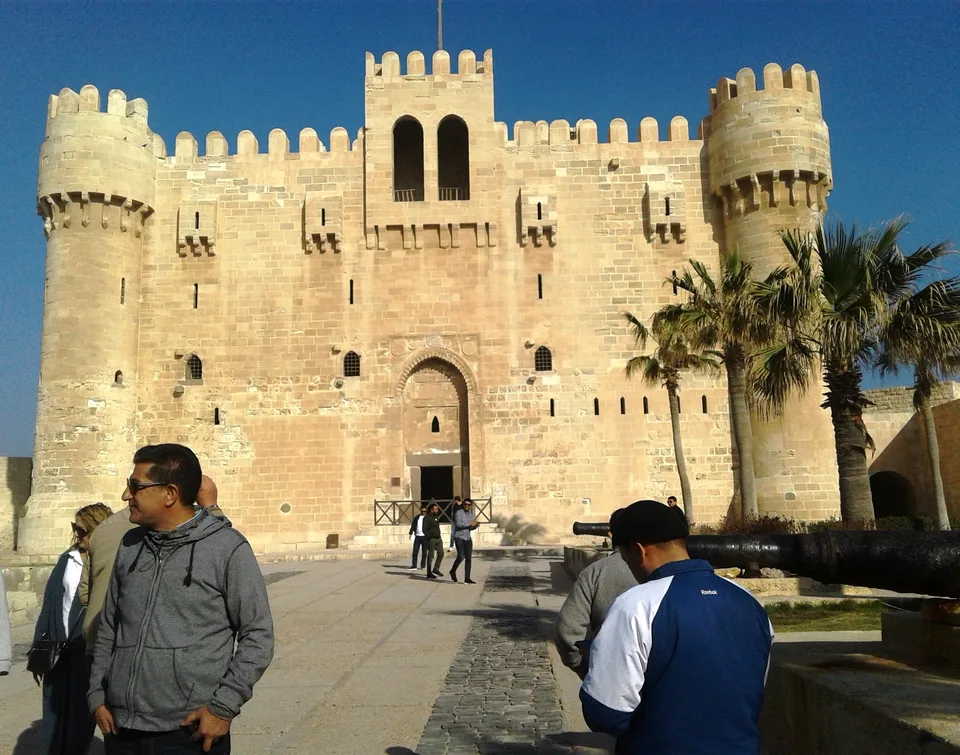
Visit Qaitbay for the fortress that survives
The Ministry of Tourism and Antiquities' Qaitbay Fort account dates its construction to 1477–1479 under the Mamluk sultan Qaitbay, over the ruins of Alexandria's lighthouse. What you visit is the surviving defensive complex, not an intact ancient wonder. Its limestone walls, courtyard and main tower give a tangible setting for understanding the protection of the coastal city.
The ministry currently lists foreign adult admission at EGP200 and foreign student admission at EGP100; Egyptian adult and student rates are EGP60 and EGP30. Establish your category and any evidence required before relying on a discounted ticket. Compare the official ticket page for the visit date, because summer, winter and Ramadan arrangements differ. Arrive comfortably before the last admission rather than treating a closing time as the latest possible arrival.
Allow time outside the interior visit to look at its maritime setting. Keep the return flexible if weather makes a longer waterfront walk unattractive. Confirm access directly if stairs, uneven surfaces or the length of the approach would affect your party.
Give the Bibliotheca Alexandrina a planned visit
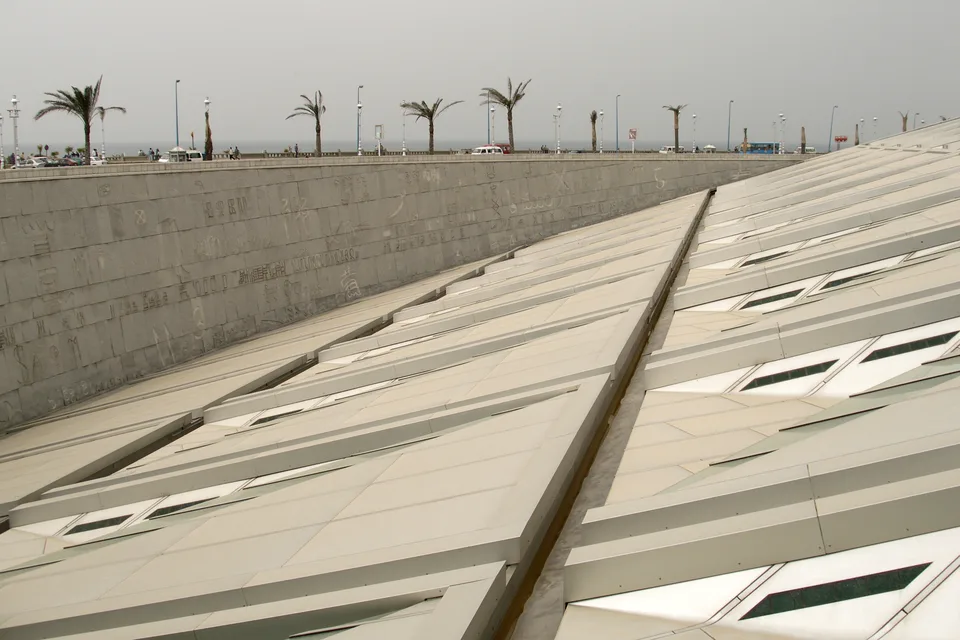
The modern library is a functioning institution, not simply an architectural photograph. Its current homepage distinguishes reading-room hours from visits, museums and the Planetarium Science Center. At the time of review, visits are listed Sunday–Thursday, 09:30–17:00, and Saturday, 10:00–14:00, with Friday closed. Main reading hours run later on ordinary weekdays. Check the live notice again when fixing your day; cached versions of the website show different arrangements.
Choose the ticket around what you intend to see. The admission page lists a non-Egyptian adult Main Library ticket at EGP150 and an inclusive adult ticket at EGP300, covering the Main Library, Antiquities Museum, Manuscripts Museum and free museums. Planetarium activities have their own ticketing. Do not assume a building tour includes every collection or show.
The page also marks the History of Science Museum closed for maintenance. Treat that as a reason to check its status, not to include it automatically in an itinerary. One carefully chosen collection and time to understand the building can be more satisfying than buying access you will not use.
Check the library rules before bringing the family
The library's visitor guidelines say that children under four cannot enter and restrict access to the Main Reading Area to visitors aged sixteen and above. Younger visitors have a limited route to the Callimachus Triangle, while the specialist children's and young people's libraries have their own membership and reservation arrangements. Confirm the programme that actually suits your children's ages before travelling there together.
Guided tours and Culturama reservations are handled through the Visits Front Office Desk, with official online reservation links provided. An ordinary guided tour is described as approximately thirty minutes. Keep time for entry and any separately planned museum afterwards rather than making that duration your entire allowance.
Ask about the particular access arrangements you need. Check food, bags, books and photography rules before arrival, especially if combining the library with a full sightseeing day. This is a place where a little preparation can prevent an unsuitable booking or a family member having to wait outside.
Use the Graeco-Roman Museum to connect the fragments
The Graeco-Roman Museum's ministry page describes an institution dedicated to Egypt during the Greek and Roman periods. Established in 1892, it moved into its purpose-built neoclassical home in 1895 and has undergone substantial subsequent development. It offers a useful collection-based counterpart to archaeological sites spread through the modern city.
Published admission is EGP400 for foreign adults and EGP200 for foreign students, compared with EGP40 and EGP20 for Egyptians. The page lists a ramped entrance, accessible toilet and elevator, useful starting points for an access enquiry. Confirm the route and facilities relevant to your visit directly rather than assuming a general facilities list resolves every requirement.
Plan an ordinary daytime visit and reconfirm the final admission time. The same official page has inconsistent wording for evening opening days, so this guide does not promise a particular late session. Keep a museum-led day spacious enough to read the displays and take a break; the collection should help explain what you have seen elsewhere, rather than become another hurried stop.
Look closely at Kom al-Shoqafa and Kom al-Dikka
The ministry's Alexandria archaeological overview explains how funerary paintings and reliefs at Kom al-Shoqafa combine Egyptian and Greek beliefs and artistic traditions. At Kom al-Dikka, surviving remains include an odeion, baths, lecture rooms, mosaics and workshop spaces. These places reveal different uses of the ancient city: burial, performance, learning and daily life.
Choose the sites according to your interests and mobility, not merely their prominence on tour brochures. Ask about stairs and the current underground route at the catacombs before committing if descending steps or enclosed spaces is difficult. A photograph cannot establish whether the visit is suitable for every traveller. Request a specific description of the access you will use.
Check the official catacombs ticket page for your category and current entry arrangements. Carry the identification needed for a student concession. If visiting more than one archaeological site, separate the admission costs and transfers in your budget. They are distinct places, not necessarily parts of a single combined ticket.
Find the city's literary history at Cavafy House
The Onassis Foundation's Cavafy House information gives a precise destination: 4 C. P. Cavafy Street, second floor, with published hours of 10:00–17:00 Tuesday–Sunday. The restored apartment reopened in May 2024. It presents the poet's relationship with Alexandria through the home where he lived and wrote, offering a different scale of encounter from a large archaeological museum.
Check the street name and building entrance before setting out; historical references may use the former Rue Lepsius. Confirm access if a second-floor apartment creates a difficulty, and ask about current admission arrangements. Do not infer a lift or a free ticket from the absence of a price in a visitor description.
This works as a focused literary visit rather than something to stretch into a full day. Pair it with another central activity and a meal, leaving enough time to engage with the exhibition. No quotation attributed to Cavafy is needed to appreciate how a particular address connects an internationally read writer to the city.
Leave room for Montazah and the waterfront
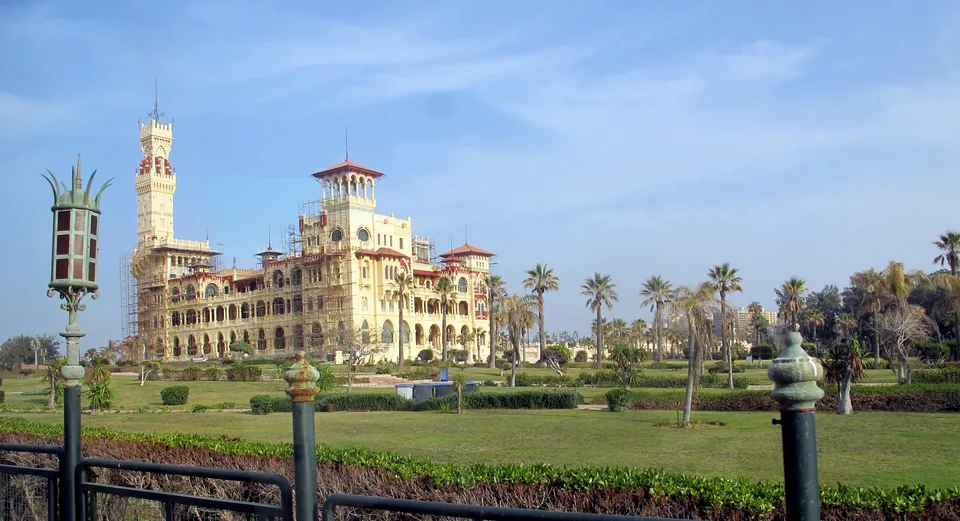
The tourism authority identifies the Gardens of Montazah as a place to walk among grounds formerly associated with the royal family. Put the gardens on a separate part of the itinerary if the journey from your base is substantial. A visit described as “Montazah Palace” does not by itself establish which gardens, buildings or interiors are included.
Confirm the gate, current admission, facilities and permitted areas before paying for an excursion. Decide whether you want a garden outing, architectural views or time by the water, and ask the operator to describe the service accordingly. This guide does not promise palace-interior access or quote an unverified entrance fee.
Treat the waterfront as something to enjoy in sections that suit the day. Check the route back and take breaks where convenient, rather than turning the full coastal frontage into an obligatory walk. A sea view is part of Alexandria's appeal; comfortable timing and suitable weather determine how much time you will actually want to spend outside.
Rebuild transport plans around current works
Old tram advice needs particular care. A governorate announcement preserved by the State Information Service described trial stoppages from February 2026 ahead of partial and full closure in April for the Raml tram project, with replacement road transport planned. These are redevelopment and replacement-transport notices, rather than proof of a finished operating system.
Before booking a home or planning a daily commute, verify the service actually running between your addresses. Do not use a historic blue-tram photograph as evidence that the old journey is available, or count a future metro station as an existing connection. Replacement stops and congestion can change the practical value of a location.
Uber's Alexandria service page confirms ride requests in the city and provides estimates after entering a destination. Check the current offer for your journey, party size and luggage. Availability and a quoted estimate do not guarantee an immediate car, so keep a backup for time-sensitive departures.
Match the airport and railway to your booking
The airport long known as Borg El Arab was officially renamed Alexandria International Airport from 4 September 2025, according to the governorate's announcement. Recognise both names and match the flight booking's airport code and terminal instructions. EgyptAir Ground Services continues to identify its Borg El-Arab station as HBE, a useful cross-check when different names appear in travel paperwork.
Arrange the arrival transfer to the exact accommodation and confirm the meeting point, flight-delay policy, luggage allowance and total charge. No current operator-confirmed airport bus fare or universal taxi price is quoted here. For the return, allow the airline's required check-in time as well as the road journey.
For rail, consult Egyptian National Railways' booking page and check the actual departure and arrival stations. The page reviewed says website booking is for Egyptian nationals, with other nationalities under development. Foreign visitors should confirm the authorised purchase channel and applicable fare directly, rather than assume the online process will work identically for everyone.
Choose food and shopping with the whole bill in view
Seafood is a practical starting point: the tourism authority highlights it as part of Alexandria's visitor experience. Choose from a menu or display whose pricing you understand. If fish is sold by weight, establish the weight, preparation charge and accompaniments before agreeing. Ask whether bread, salads, drinks, tax and service are included when comparing two offers.
Hotel dining is another option, but check the actual venue rather than assuming a hotel's restaurant list is a promise of daily operation. Ask about dietary requirements directly and establish ingredients even when a dish sounds familiar. A higher-priced meal may suit one evening without becoming the template for the entire stay.
For shopping, decide whether you need everyday supplies or something to take home. Compare materials and dimensions, request a receipt and understand packaging or delivery charges before purchasing a bulky item. On a longer stay, locating a workable grocery shop and pharmacy near the proposed home can be more useful than making a special journey to a shopping district.
Budget for the visit you will actually make
Use Egyptian pounds, written EGP, for the daily plan. Build the sightseeing budget from the ticket categories above, then add meals, transfers and accommodation for your dates. Foreign and Egyptian admission prices differ at several institutions; using the wrong column can materially distort a family's expected cost. Check whether a student concession needs a particular form of identification.
Keep transport separate from admission. A cheaper property can mean more paid rides, while a private excursion may include transfers but exclude tickets or lunch. Request a written breakdown so the comparison reflects the same services. Avoid treating an attractive starting price as an all-inclusive total.
Keep a payment backup and enough local cash for the transactions that require it. Ask the accommodation and attractions about accepted methods before arrival. Conversion rates and your bank's fees are separate from a merchant's price. For a prospective move, start a second budget for rent, utilities, communications, healthcare and routine travel instead of multiplying a holiday day's spending by thirty.
Choose a season for your preferred activities
Alexandria's Mediterranean position matters. Egypt's official trip-planning guidance distinguishes the coast's more humid summer conditions from the inland heat, while Alexandria climate information from the World Meteorological Organization shows the wetter winter pattern. Its 1981–2010 averages give January daily temperatures of 9.3–18.3°C and August temperatures of 23.9–30.4°C. Do not interpret broad claims about Egyptian sunshine as a guarantee of dry waterfront weather.
For a trip centred on walking and museums, consider spring or autumn as planning options, then check the forecast for the actual dates. For beach time, establish the property's seasonal access and facilities rather than assuming every stretch of coast operates as a resort. Carry sun protection for outdoor visits and a suitable layer for cooler periods.
Keep an indoor alternative for a wet or windy day and reconfirm holiday or Ramadan hours. Seasonal averages cannot tell you whether a particular afternoon is suitable for a coastal outing. Choose accommodation that remains comfortable when the weather makes staying indoors more attractive.
A realistic three-day first visit
On day one, settle in, orient yourself around your base and make the Bibliotheca Alexandrina the main planned visit if its opening pattern fits. Choose the ticket and any reservation in advance. Add a manageable waterfront walk and a meal, allowing the arrival journey to determine how much else is sensible.
Use day two for the Graeco-Roman Museum and one archaeological priority, such as the catacombs or Kom al-Dikka. Leave room between them for a transfer and lunch. Choosing one carefully can be more rewarding than arriving at several with too little time to read or look.
Put Qaitbay on day three and choose between Cavafy House and a longer Montazah outing according to your interests and departure time. Move the days around the library's Friday closure and Cavafy House's Monday closure. This is an editorial route, not a timed tour or a promise that all sites can fit before an afternoon flight. With only one day, select two principal visits and protect the return journey.
Moving here means testing an ordinary week
Before taking a long lease, spend time near the actual workplace, campus or school you will use. Test the commute at the relevant hour and confirm replacement public transport during construction. The right holiday base may be the wrong household address if routine journeys require crossing much of the city.
Inspect the specific apartment and establish the landlord's or agent's authority before paying. Review the agreement, deposit, inventory, notice conditions and responsibility for repairs. Obtain appropriate local advice where you cannot assess the contract yourself. A furnished holiday listing does not establish the terms of an ordinary tenancy.
Check ventilation, signs of damp, heating or cooling, lift operation, water supply and the position of the room where you expect to work. Test internet and mobile reception there. Ask which bills are included and how accounts are transferred. No unsupported citywide rent average is offered: compare current properties that meet your household's needs and calculate the full cost of living in each.
Keep everyday services practical
The tourism authority's practical information identifies temporary tourist mobile lines from Egypt's main operators and says passport copies are needed for the paperwork. Use an official shop and confirm the package, expiry, renewal and identification requirements. A visitor's data allowance is not evidence that an apartment has a dependable connection for daily work. Test the service where you will use it, and keep arrival details available offline until the phone is working. For a household, establish who holds each utility account and retain the relevant bills and meter details.
Arrange services and permission before committing
Obtain current admissions advice directly from Alexandria University's international-student information and the intended faculty. Confirm the campus, teaching requirements, fees and documents for the current intake; an old admission brochure should not set your moving date. School places, childcare and healthcare likewise require individual arrangements, not an assumption based on the city having those services.
Keep tourism separate from work, study and permanent relocation. The Ministry of Interior's official e-Visa FAQ lists eligible nationalities, a passport requirement of at least six months from arrival, and current tourism fees of US$30 for single entry and US$65 for multiple entries. Check your own eligibility and authorised stay; approval does not guarantee admission at the border.
For employment, study or settlement, ask the competent Egyptian authorities and your employer or institution about the appropriate entry, residence and work permissions before agreeing a start date. A tourist e-Visa, rental agreement or property purchase does not by itself establish permission for those activities. Plan insurance, ongoing treatment and document requirements before departure.
Decide what belongs in the next journey
Compare VisaWand's Cairo city guide if museums and a larger urban itinerary are the next priority, or browse the Rosetta destination page when considering another northern location. Establish current transport and the visits you want before adding either to a short Alexandria stay. A worthwhile place can deserve its own overnight stop rather than a rushed excursion.
Use VisaWand's Egypt guide for country context and the Egypt destination page to explore consultation options. The Egypt city directory lists further locations, while the consultant directory helps you compare individual providers. These directories are not evidence that every destination already has a completed article. Choose the next base according to your interests, time and onward travel, keeping enough space to make the arrangements work.
Official planning resources
Reviewed 17 October 2026. Use the official resources linked throughout this guide for admission, transport, housing and immigration decisions. Prices, services and rules can change; confirm the details relevant to your dates. Photography illustrates the locations and is not a live view.
View all official resources
- Alexandria visitor introduction
- Four Seasons Alexandria at San Stefano
- Qaitbay Fort history and admission
- Official Qaitbay ticket information
- Bibliotheca Alexandrina current opening hours
- Bibliotheca Alexandrina admission
- Bibliotheca Alexandrina visitor rules
- Graeco-Roman Museum visitor information
- Alexandria archaeological remains
- Official catacombs tickets
- Cavafy House visitor information
- Governorate Raml tram closure announcement
- Uber Alexandria service information
- Governorate airport renaming announcement
- EgyptAir Ground Services airport stations
- Egyptian National Railways booking
- Egyptian tourism practical information
- Alexandria University international students
- Egypt Ministry of Interior e-Visa FAQ
- World Meteorological Organization Alexandria climate
Plan the next part of your journey
Explore the Egypt guide, browse other cities or compare consultants for your travel and relocation questions.