Visa
Start with the current travel decision
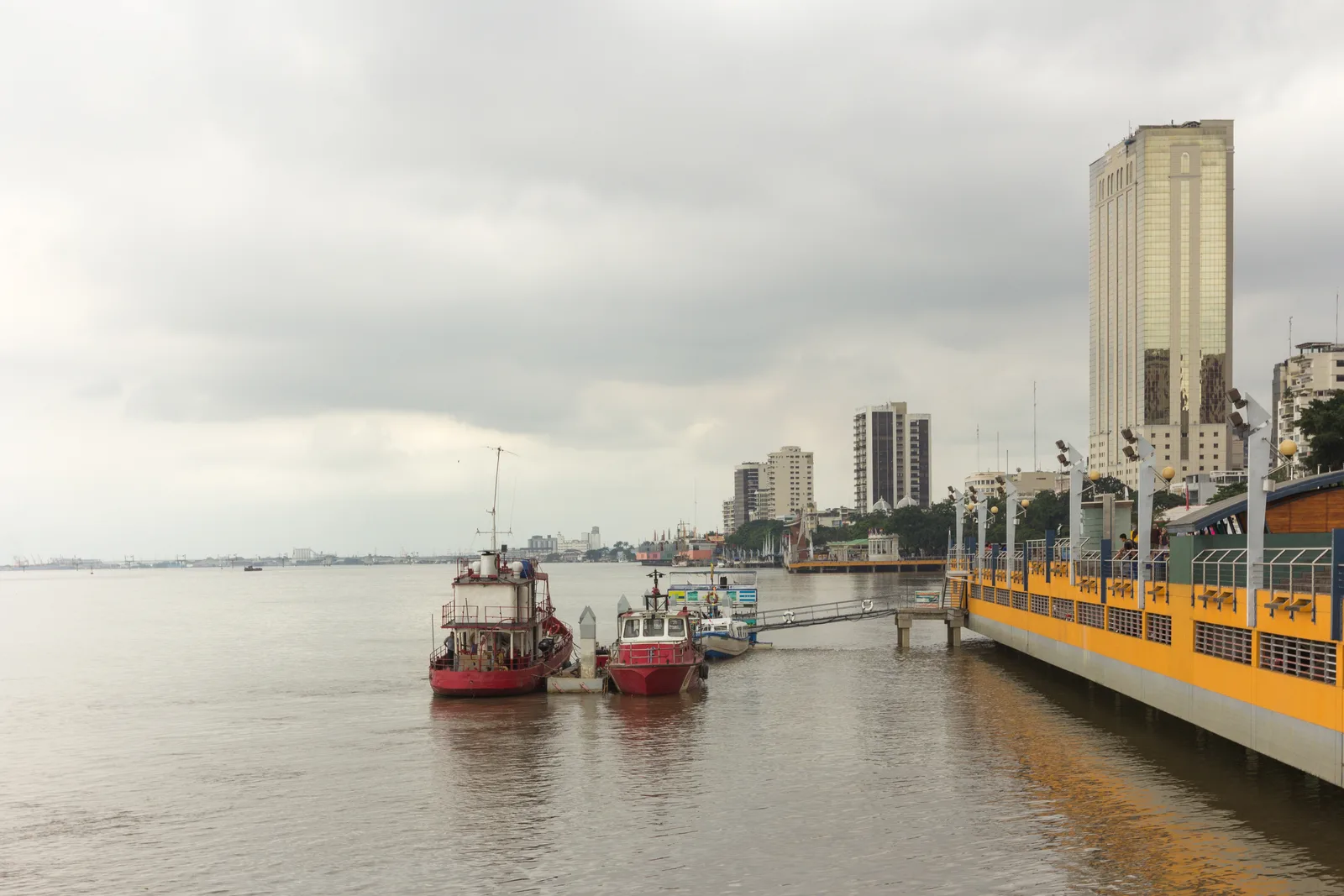
Guayaquil’s riverfront, museums and coastal food culture deserve an informed introduction, but the immediate decision is whether to travel. As checked on 26 October 2026, the UK Foreign Office advises against all but essential travel to Guayas province, including Guayaquil. Its exception is airside transit at the airport. A hotel stay or trip into town is not airside transit.
Consult your own government’s advice and your insurer before booking. Someone visiting relatives, attending an essential appointment or assessing a future move needs the same clear distinction between what a place offers and whether a particular journey is appropriate now.
This guide explains the city and the practical questions behind a stay. Use its visitor suggestions only when current advice and local conditions support them. If your journey is discretionary, postponing the Guayaquil portion may be the more sensible decision than trying to design a sightseeing route around the warning.
A river city with a coastal identity
The Guayas River gives central Guayaquil its defining public landscape. The Malecón faces a broad working waterway, while the hillside around Santa Ana provides a different perspective on the waterfront. This is an urban river destination, not a beach resort. A riverside hotel does not put an ocean swimming beach outside your door.
People come for business and family connections as well as museums, food and onward travel. A stay can connect the commercial city with the history of coastal Ecuador, provided there is time and a suitable basis for leaving the airport. Treat the city as a destination with its own requirements rather than an automatic addition to a flight connection.
VisaWand’s Ecuador country guide provides national context, while the Ecuador location directory helps distinguish destinations.
Read the city through independence and rebuilding
Guayaquil’s independence on 9 October 1820 is central to its public identity. The municipality’s historical account links the event with the creation of the Free Province of Guayaquil and figures including José Joaquín de Olmedo. Understanding that coastal story gives the city’s commemorations and place names more meaning than a list of monuments alone.
Rebuilding is another important thread. The great fire that began on 5 October 1896 transformed the city’s administrative, commercial and residential fabric. Different historical accounts give different totals for the destruction, so an exact count is less useful here than recognising how much the event changed the urban landscape.
The city’s museums offer a way to connect those stories with earlier Indigenous history, colonial life and later commerce. Look for explanations of how the port, households and trading economy developed.
Separate central districts from the wider urban area
For visitor orientation, distinguish the central riverfront, Las Peñas and the Santa Ana hillside, Puerto Santa Ana, and the northern hotel and commercial areas. They are not interchangeable bases. An address near a waterfront attraction can still require a vehicle for a meeting elsewhere, while an airport-oriented stay may suit an essential overnight connection better than sightseeing.
For a prospective move, add the precise workplace, school or family address before comparing homes. Neighbourhood labels such as Urdesa or Kennedy cover more than one street or building type. Avoid using a district’s reputation as a substitute for inspecting the individual property and its access arrangements.
Nearby Samborondón has its own destination page and should not simply be treated as another name for central Guayaquil. Durán is also distinct. If a listing uses a broad metropolitan label, ask for the municipality, exact map pin and real commuting route. A river crossing can become an important part of the household’s daily routine.
Understand what the Malecón actually offers
The municipality’s September 2026 account of Malecón 2000 describes a 2.5-kilometre riverfront containing gardens, plazas, food outlets, shopping and entertainment. It is a useful introduction to Guayaquil’s relationship with the Guayas. The setting combines ordinary city recreation with landmarks that appear in many visitors’ first photographs.
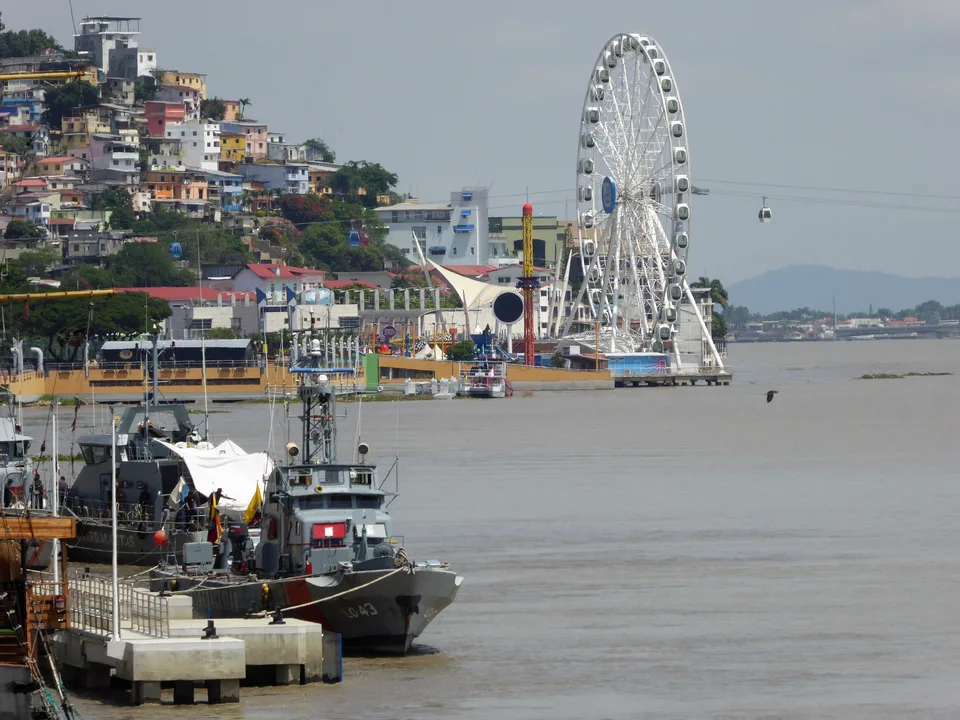
The northern area includes La Perla observation wheel and other paid attractions; the promenade itself and an individual attraction are different propositions. Confirm admission, operating hours and accessibility with the relevant operator. Do not build a tight afternoon around an old photograph or assume every ride is operating because the wider waterfront is open.
If a visit is appropriate, choose a defined section and a clear arrival and departure arrangement. Shade, seating, weather and your mobility determine how much ground is comfortable. The existence of patrols or managed public spaces should not be translated into a guarantee of safety, particularly when wider official advice remains restrictive.
Approach Las Peñas and Santa Ana realistically
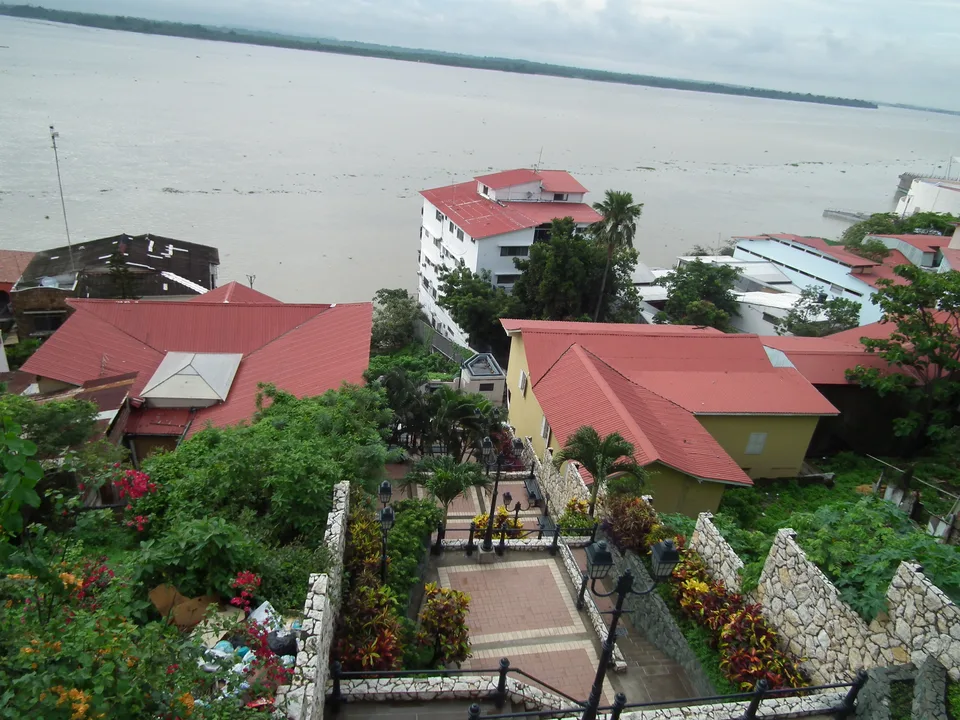
Las Peñas and Cerro Santa Ana are among the city’s most recognisable settings, with colourful buildings, steps and views towards the river. The municipality identifies 444 steps on the traditional ascent. This is a meaningful physical consideration for someone travelling with a pushchair, limited mobility or difficulty coping with heat.
Check the specific route and the current access to individual attractions. A January 2026 notice announced a temporary restriction inside the lighthouse for artistic work; that announcement does not establish whether the interior is open on your travel date. Ask directly rather than treating either an old closure or an old opening time as current.
Security also needs an honest treatment. In March 2026 the municipality discussed additional measures after a tourist’s death in a visitor area. Tourist recognition, cameras and cultural programming do not make the neighbourhood exempt from risk. If your circumstances justify a visit, obtain current local advice and a specific transport plan rather than wandering beyond an agreed route.
Use the museums to connect the stories
The municipality’s museum information places the Museo Municipal at Sucre and Pedro Carbo. Its collections trace the city from pre-Hispanic periods through colonial history, independence and the twentieth century. The published Tuesday-to-Saturday schedule is a starting point for planning, with hours and any special closures worth reconfirming directly.
The Museo Nacional del Cacao, at Panamá and Imbabura, provides a more focused account of a crop that shaped commerce and culture. Municipal information describes its permanent collection and programming inside the historic Guzmán-Aspiazu Marcos house. Pairing the two subjects can make more sense than trying to fit every museum into one hurried outing.
There is a practical pricing discrepancy. A January 2026 municipal update describes free cacao-museum entry, while the museum website still displays a US$5 foreign-adult ticket. Reconfirm the current policy rather than paying an intermediary on the assumption that an older tariff applies. The discrepancy also makes advance confirmation of hours worthwhile, especially around holidays and special events.
Keep Parque Seminario a short, respectful stop
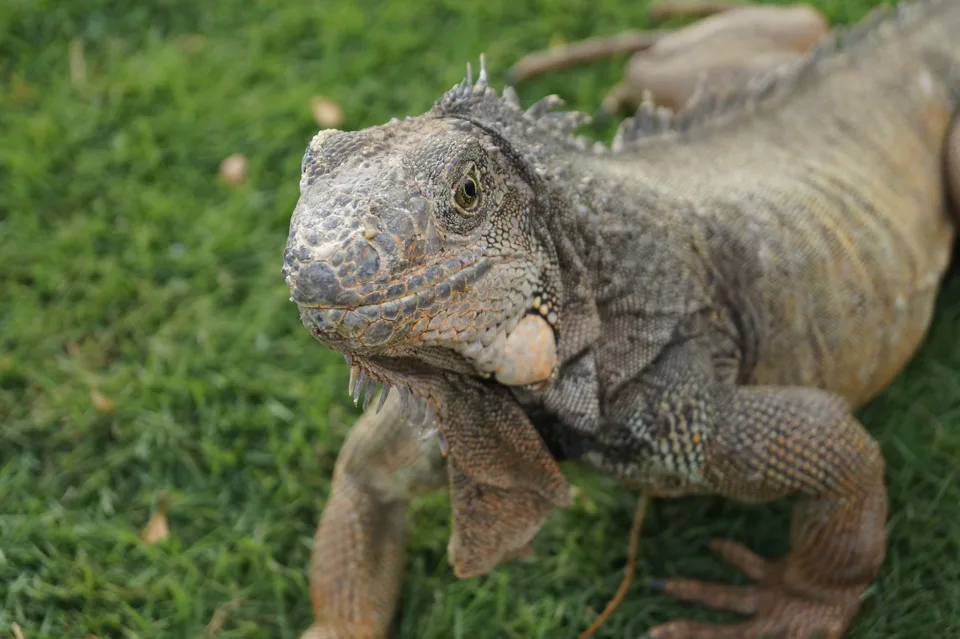
Parque Seminario sits opposite the cathedral in the central city, bounded by Chile, 10 de Agosto, Chimborazo and Clemente Ballén. Its green iguanas make it distinctive, but the setting is an urban park rather than a wildlife reserve requiring a full expedition. It can fit a brief cultural outing when a central-city visit is appropriate.
Observe animals without touching, feeding or attempting to move them for a photograph. Keep children close and give wildlife space. An interesting animal encounter does not require an interaction, and a close-up image is not evidence that handling is acceptable. Leave food packed away and follow any instructions given by staff.
Plan the park together with the reason you are already in the area, rather than making unnecessary cross-city journeys to collect individual sights. Confirm access to the cathedral separately if you wish to enter. A place of worship has its own services, rules and expectations, which may differ from the opening of the public space outside.
Choose accommodation around the essential journey
For an essential overnight stay, start with the actual purpose: a flight, meeting, family visit or appointment. Then compare the route, arrival arrangements and cancellation conditions. The cheapest room is not necessarily the lowest-cost option once transport and the timing of the journey are included. Request a written total for your dates and party.
A verified example of an airport-oriented option is Hilton Colón Guayaquil’s location information. The property lists a complimentary airport shuttle requiring a reservation. Confirm flight coverage, waiting arrangements and the booking procedure directly; a published shuttle facility should not be treated as an unconditional pickup promise at any hour.
For a longer stay, a serviced apartment may offer useful cooking and laundry facilities, but inspect the actual unit and building procedures. Ask about reception, visitor access, lifts, emergency exits and reliable communication with management.
Arrange the airport connection before arrival
José Joaquín de Olmedo Airport is the city’s airport, commonly identified by the code GYE. The operator’s authorised taxi information states that its cooperative operates around the clock, with vehicles outside domestic and international arrivals. Use the official arrangement rather than accepting an unsolicited offer without understanding who is providing the journey.
TAGSA says cash and card payment are available, with card transactions handled through the cooperative’s office in the international arrivals hall. Establish the fare, destination, payment method and any waiting or luggage charges before departure. Keep your hotel’s precise address available, and ask the accommodation how it identifies an arranged driver.
If connecting onwards, check whether the itinerary really keeps you airside. Separate tickets, baggage collection or other procedures can alter what is required. For Galápagos connections, ask the airline specifically about the transfer process before booking. Do not assume that the advisory’s airside exception applies to an airport-area hotel or a brief trip into town.
Compare Metrovía with the whole journey
Guayaquil’s ATM describes Metrovía as its bus rapid transit system, using dedicated lanes. Its published tariff distinguishes US$0.45 without the social contribution from a subsidised US$0.30 fare. As checked on 26 October 2026, the lower figure is not a general visitor fare that everyone should assume they can obtain.
Check the relevant card, eligibility, stop and service information for your journey. A low fare says little about the final walk from a station, luggage handling, crowding or the connection at the other end.
For relocation planning, test a commute with current local guidance at the time you would normally travel. Include the walk to the stop and a workable alternative when service changes. Compare the total monthly transport requirement with housing costs; an appealing rental can become less suitable if the daily route is impractical.
Know what Aerovía’s published fare covers
The Aerovía operator’s card and fare page lists a normal journey at US$0.76 and the travel card at US$2. A preferential US$0.38 fare applies to eligible users with the relevant personalised arrangements. Older information showing US$0.74 should not be substituted for the operator’s current published figure without checking.
Aerovía connects Guayaquil with Durán, with its operator explaining validation at station gates and integration with specified feeder services. Check the journey you need and the current service notices. A cable-car crossing is transport between real urban areas, not a reason to add an unnecessary excursion under restrictive travel advice.
If considering a home on either side, assess the full connection to your workplace or services, not just the time spent in a cabin. Ask about station access, operating hours and alternatives during an interruption. Published fares are useful budgeting evidence, but they do not establish reliability for a particular future journey.
Explore coastal food without inventing a restaurant list
Guayaquil’s municipal account of its culinary traditions highlights encebollado, bolón de verde, ceviche, fried fish with patacones, and rice with menestra and grilled meat. These dishes provide a more useful introduction to coastal food than a ranking of restaurants that has not been independently tested. Ask what a kitchen prepares that day and what the portion includes.
Small traditional eateries, often called huecas, are part of that food landscape, alongside markets and larger restaurants. Choose where to eat with the same attention to access and current conditions as any other outing.
Discuss allergies and preparation directly, especially with seafood and sauces. Confirm whether a menu price includes taxes or service and whether payment by card is available. For a short stay, a reliable meal near your accommodation may be preferable to an ambitious food circuit. Prospective residents should also test ordinary grocery shopping and cooking, rather than budgeting entirely around holiday meals.
Budget in US dollars and confirmed totals
Ecuador’s central bank confirms the US dollar as the official currency. Prices quoted in dollars therefore do not imply a separate Ecuadorian currency conversion. Your bank may still charge for withdrawals or foreign card transactions, so compare its terms before deciding how to pay for accommodation and other larger expenses.
Use verified examples carefully: Metrovía’s published standard tariff and Aerovía’s journey and card costs describe specific transport products. They do not establish a town-wide daily budget. The cacao museum’s conflicting online information is another reason to obtain current totals rather than build a plan from an old price list.
Separate accommodation, arranged transport, food, admissions, insurance and contingency funds. Keep modest cash for small purchases without carrying your entire budget. For shopping, check receipts and customs rules for food or other restricted products. A prospective household should prepare its own monthly basket, including cooling, connectivity, building charges and commuting, before comparing the city with another location.
Plan for heat, rain and disruption
Guayaquil is a warm coastal lowland city; it does not share the high-altitude conditions of Quito or Cuenca. Plan clothing, hydration and outdoor activity accordingly. For travel dates, check INAMHI’s official forecasts and alerts, which include information for Guayaquil and Durán, rather than relying on a generic national weather icon.
Seasonal expectations need particular caution now. The current official travel advice discusses the forecast 2026–2027 El Niño event, including the potential for unusually heavy rain, flooding, landslides and disruption. That outlook is not a prediction that a specific street will flood, but it is relevant to transport flexibility and the suitability of a property.
Ask accommodation providers about drainage, access and their arrangements during service interruptions. Leave extra time when an essential journey depends on roads or a flight connection. If comparing dates, weather is only one factor: current security advice and the purpose of your trip remain decisive.
A conditional two-day outline, not a booking recommendation
Under the current advice, this is an outline for understanding distances and interests, or for future planning if conditions change. It is not a recommendation to make a discretionary visit now. Anyone already travelling for an essential reason should obtain current local guidance before adding optional outings to the necessary journey.
If appropriate, the first day could combine one museum with a defined section of the central riverfront, using pre-arranged transport where suitable. Choose either the Municipal Museum’s broader history or the cacao collection’s focused subject. Leave a break for lunch and avoid turning a useful cultural visit into a race between every attraction.
A second day could focus on the Santa Ana area or a short central outing incorporating Parque Seminario, subject to access and security checks. Keep the departure day clear of ambitious additions. For someone considering relocation, replace sightseeing with housing inspections, service enquiries and a realistic commute test.
Test housing and commuting before a longer commitment
A move to Guayaquil needs more evidence than a hotel stay. Start with the household’s purpose, legal status and daily destinations, then shortlist addresses. Ask a local professional to explain the contract and any unfamiliar obligations before signing.
Inspect the property and building access, document its condition and agree the inventory, deposit, notice period and repair responsibilities in writing. Establish who is authorised to let it. No reliable neighbourhood rental average has been verified for this guide, so obtain comparable current quotes for the size, furnishings and term you actually need.
For an apartment, ask which building charges are included and who manages common areas and equipment. Check mobile reception, internet and the household’s practical security arrangements. Revisit the commute at relevant times and identify an alternative route. Keep housing decisions separate from assumptions that any particular district is exempt from the city’s wider risks.
Check utilities, health and household services
CNEL EP publishes requirements for changing an electricity account’s name, including case-specific tenant documentation and identification provisions for foreigners. Check the current procedure with the utility and landlord. Record the meter reading and responsibility for existing balances; ask whether cooling and other major equipment are covered by the agreed billing arrangement.
Verify water provision, storage, internet, waste collection and any building-managed services at the individual address. Test the arrangements rather than relying on a listing’s short amenities list. For families, confirm school admission and the actual journey, while anyone needing regular treatment should identify an appropriate provider before committing to the location.
The official health guidance notes pressures on public healthcare and potentially expensive private treatment. Check insurance, payment requirements, medicines and access to any specialist care. The published emergency ambulance number is 911. Keep the full address available and arrange medical advice for your itinerary, including any onward regions with different health or vaccination requirements.
Keep tourism, work, study and residence distinct
Check Ecuador’s official entry requirements for your nationality and purpose, with current consular confirmation where needed. The UK entry guidance describes a 90-day visa-free allowance for British citizens; that is not a universal allowance for every passport. Route-specific requirements at land or river borders also differ from an ordinary flight arrival.
The Foreign Ministry’s temporary residence categories include employment, study and remote-work options, each with its own requirements. Use the official electronic visa portal and the applicable category information. Do not assume a rental agreement, job offer or application submission itself provides permission to remain or work. Permanent residence is a separate legal question.
The Labour Ministry explicitly distinguishes tourism from permission for economic activity. Obtain advice before starting work, including remotely. VisaWand’s Ecuador consultant listings can help organise questions. Compare Quito and Cuenca destination pages for other possible bases, checking their current conditions independently rather than assuming the same advisory applies everywhere.
Treat Galápagos as a separate journey
An onward trip to Galápagos requires its own planning, permissions and budget. The National Park’s arrival information describes a US$20 transit control card and biosecurity inspection before airline check-in at Quito or Guayaquil. Conservation entry charges are separate, with different categories and exemptions; check the category that applies to every traveller.
Do not assume an international flight connection automatically includes those arrangements or allows enough time to complete them. Ask the airline about baggage, check-in, immigration and whether the connection remains airside. The airport transit exception in travel advice needs to match the actual process, not simply the destination printed on your final ticket.
For other nearby destinations, assess the current advisory and transport conditions independently before adding a day trip. Samborondón is relevant to metropolitan decisions, while Quito and Cuenca offer different city settings further afield. Choose an alternative because it fits your plans and verified circumstances, not because a short distance or familiar name appears to remove the need for research.
Official planning resources
Reviewed 26 October 2026. Use the official resources linked throughout this guide for admission, transport, housing and immigration decisions. Prices, services and rules can change; confirm the details relevant to your dates. Photography illustrates the locations and is not a live view.
View all official resources
- UK FCDO: Ecuador warnings and insurance
- Guayaquil municipality: independence history
- Guayaquil municipality: the 1896 fire, 5 October 2026
- Guayaquil municipality: Malecon 2000, 3 September 2026
- Guayaquil municipality: Santa Ana lighthouse visitor notice
- Guayaquil municipality: Las Penas security notice, 6 March 2026
- Guayaquil municipality: museums and cultural collections
- Guayaquil municipality: cacao museum, 29 January 2026
- Museo del Cacao: visitor information
- Guayaquil municipality: Parque Seminario
- Hilton Colon Guayaquil: location and transfer information
- TAGSA: authorised airport taxis
- ATM: Metrovia fares and cards
- Aerovia: fares, travel cards and stations
- Guayaquil municipality: coastal food traditions
- Central Bank of Ecuador: official currency
- INAMHI: forecasts and alerts
- UK FCDO: Ecuador safety and security
- CNEL EP: electricity account changes
- UK FCDO: Ecuador healthcare and medical preparations
- Ecuador Government Ministry: entry requirements
- UK FCDO: Ecuador entry requirements
- Ecuador Foreign Ministry: temporary residence categories
- Ecuador Foreign Ministry: official eVisa portal
- Ecuador Labour Ministry: migration and employment
- Galapagos National Park: arrival procedures and conservation fees
Plan the next part of your journey
Explore the Ecuador guide, browse other cities or compare consultants for your travel and relocation questions.