Visa
An Andean capital that deserves time on the ground
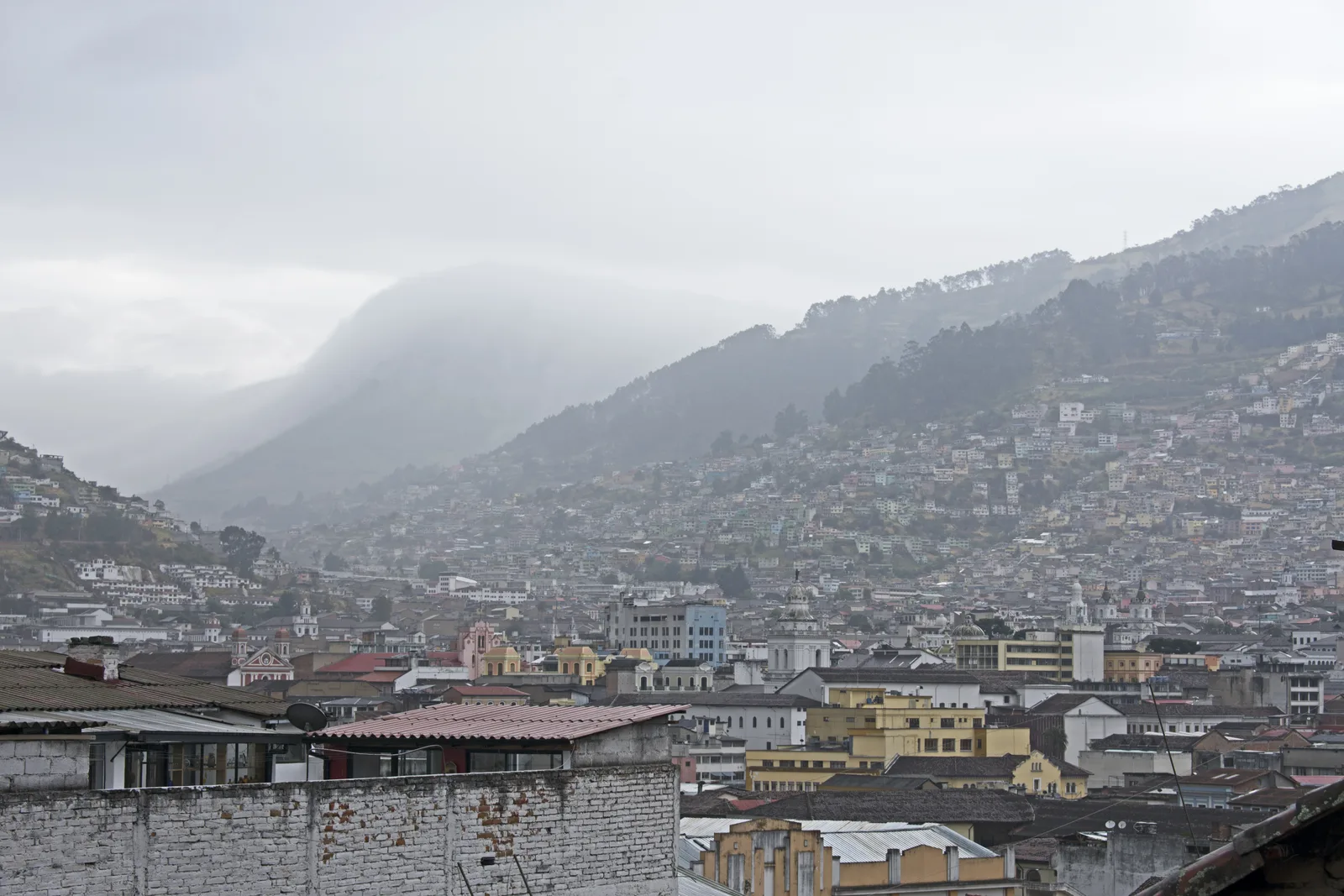
Quito offers a striking combination: church interiors dense with carved detail, streets opening into public squares, and a modern city running along mountain slopes. Ecuador’s capital is rewarding for visitors interested in art, architecture and food, but its geography should shape the trip. Hills, distance and altitude make an overfilled itinerary less enjoyable than a few carefully chosen areas.
The historic centre is the obvious introduction. Beyond it, parks, neighbourhood cafés and markets reveal a city that functions as much more than a collection of monuments. Choose a base around your priorities rather than assuming that a Quito address puts every attraction within walking distance. VisaWand’s Ecuador location directory helps place the capital alongside other destinations across the country.
Allow three full days for an introduction, with a fourth useful for a longer excursion or a slower arrival. If you are connecting to the Galápagos or travelling through the Andes, protect time for the journey onward. People considering relocation should add a separate period for viewing homes and testing commutes.
Read the historic centre as a layered city
UNESCO’s City of Quito listing places the capital at roughly 2,850 metres above sea level and records its World Heritage inscription in 1978. The Spanish city was founded in 1534 on the ruins of an Inca settlement. Its setting on the slopes of Pichincha and its inherited street pattern help explain why buildings and public spaces feel closely tied to the landscape.
The religious ensembles also express the Quito School’s meeting of Indigenous and European artistic traditions. Looking at carving, painting and decorative work is more revealing than simply counting churches. Ask a guide about the makers, patrons and labour behind those interiors, rather than treating colonial history as a sequence of attractive facades.
Start with a manageable circuit through the lower streets and squares. Leave time to sit, look and orient yourself before adding a hillside viewpoint. The municipal tourism cultural directory can help you choose museums and religious sites that match your interests. Confirm actual opening arrangements individually: a place appearing on a tourism route does not establish its availability on a holiday or during worship.
Give San Francisco its own unhurried visit
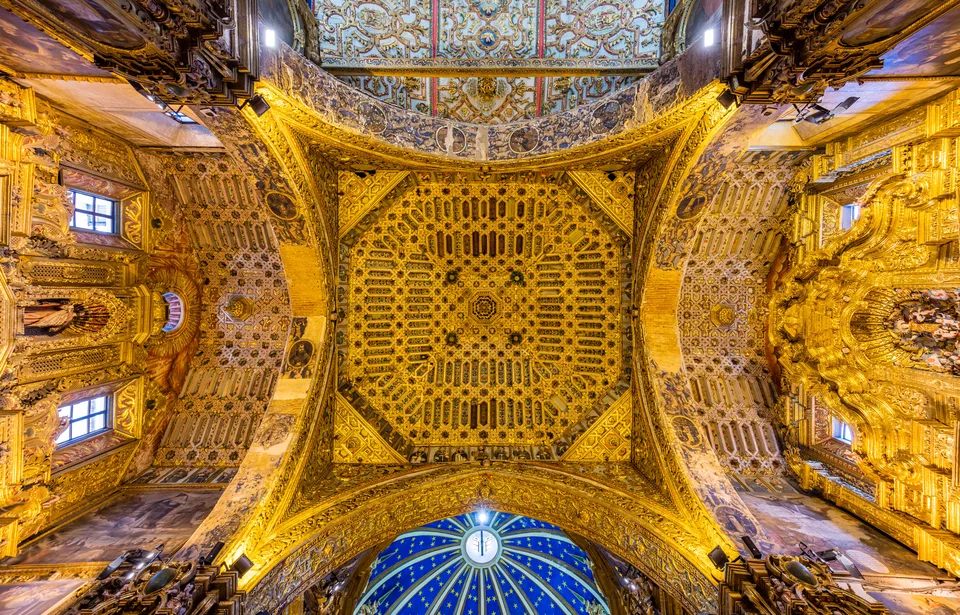
San Francisco is one of the historic centre’s principal religious ensembles. Its setting around the square makes it a natural pause in a walk through the old city, while the decorated interior rewards closer attention. Rather than arriving with a list of superlatives, look at how different surfaces, materials and images work together.
Check which parts of the complex are open and whether a museum visit, guided route or church entrance involves a separate arrangement. A short look into a place of worship and a detailed heritage visit can be different experiences. Dress appropriately, keep voices low and allow services to take precedence over a sightseeing timetable.
This is a good place to limit the morning’s ambitions. Combine it with nearby streets and a meal, leaving another major interior for later if you are tired. Visitors with mobility needs should ask about entrances, steps and accessible toilets before committing to a route. A compact cluster of sights can still involve uneven surfaces and changes in level.
Match your neighbourhood to the kind of stay you want
The Quito Turismo area guide describes several distinct choices. The historic centre and San Marcos suit travellers who want heritage streets close at hand. Check evening dining and transport at the actual address, particularly if a hotel occupies a restored building on a quiet street. Character and convenience are separate questions worth asking about.
La Floresta offers cafés, urban art and independent cultural activity. La Mariscal has a different mix of accommodation, restaurants and nightlife. La Carolina and Iñaquito place you around a modern commercial area and a major park. None should be treated as a uniform block: look at the approach to the building, noise and the journeys you will make most often.
The valleys require another comparison. Cumbayá’s location page helps place it separately from the higher urban core. A home or hotel there may suit plans in the valley, while adding road travel to appointments elsewhere in Quito. Test the actual route instead of choosing from distance alone. For a short first visit, concentrating your base and sightseeing can save considerable effort.
Look closely at La Compañía, then leave room for something different
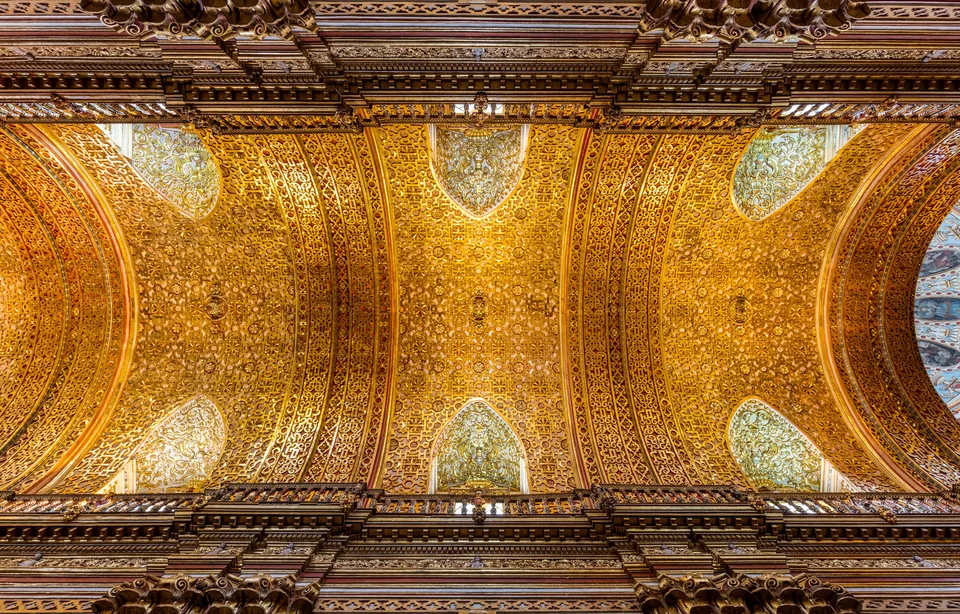
La Compañía de Jesús is another major reason to spend time in the centre. Its gilded decoration and intricately treated surfaces invite slow looking. The church foundation’s visitor information is the appropriate reference for current arrangements and the conservation work behind the building’s presentation.
The foundation publishes weekday hours of 9.30am to 6pm, Saturday and holiday hours of 10am to 4pm, and Sunday hours of noon to 4pm. Confirm exceptions and the admission charge before a dedicated visit. Ask about photography rather than assuming an older published interior image represents the rules in force today.
Two substantial religious interiors may be enough for one day. Balance them with a market, a neighbourhood walk or time in a park. If travelling with children, choose a few details to look for and keep the visit manageable. A slower encounter with a building often leaves a stronger impression than hurrying through three more simply because they are nearby.
Choose accommodation by the room, route and final bill
Quito has heritage hotels, modern business properties, smaller guesthouses and apartment-style stays. The tourism department’s accommodation and travel listings provide options to investigate, including properties in San Marcos. Check the exact room and entrance as carefully as the neighbourhood name. Historic character can come with stairs, internal rooms or a layout that differs from a conventional hotel.
Ask about hot water, heating or extra blankets, ventilation, sound insulation and luggage access. If a kitchen is important, establish what equipment is actually supplied. For a longer stay, laundry and a usable workspace may matter more than an attractive lobby. Confirm whether a property can arrange a reliable late arrival and a transfer to the airport.
Compare total prices for identical dates, including mandatory charges, breakfast and cancellation conditions. A cheaper room can lose its advantage if every outing requires another vehicle journey. No single city-wide nightly average is offered here: accommodation type and location make a live quote a more useful basis for a decision.
Arrive at Tababela and plan the complete transfer
Mariscal Sucre International Airport, code UIO, is in Tababela, outside the main urban sightseeing areas. Use the airport operator’s website and your airline for current flight and maintenance notices. Do not confuse the current airport with the former city airport site when reading older transport advice or choosing accommodation.
The operator’s ground-transport page lists authorised airport taxi organisations and public buses towards Río Coca, Quitumbe and Carcelén. These are different destinations, so establish which arrival point serves your hotel and how you will complete the journey. An airport bus ticket does not by itself provide a direct trip to the historic centre.
Ask for the full taxi or hotel-transfer quote, including the destination and any waiting arrangements. For a late arrival, luggage-heavy journey or family group, a confirmed transfer may be worth more than a small theoretical saving. Public transport can be useful when the route, operating hours and final connection suit you. Avoid relying on an old shuttle advertisement without confirming that the service still operates in the form described.
Use the Metro for the journeys it actually serves
Quito’s first Metro line runs between Quitumbe and Labrador. The operator’s station and hours page helps identify useful stops for the centre and northern districts. Compare the station entrance with your actual destination: the walk after leaving the train can still include slopes, crossings or several blocks.
The municipality’s 2026 fare information lists the standard Metro journey at $0.45 and the standard Trolebús/Ecovía fare at $0.35. These are distinct fares. The introduction of an integrated collection system should not be read as a promise that every transfer between every mode is free. Ask staff about the ticket or account arrangement for the journey you intend.
Consult the official passenger guide for Cuenta Ciudad and available access methods, and seek assistance if registration or document requirements are unclear. Keep small payment needs manageable. For evenings, luggage or an address poorly served by the line, arrange a suitable taxi through your accommodation or a recognised operator. A useful city visit can combine rail, short walks and selected vehicle trips without requiring a rental car.
Treat the TelefériQo as a mountain excursion
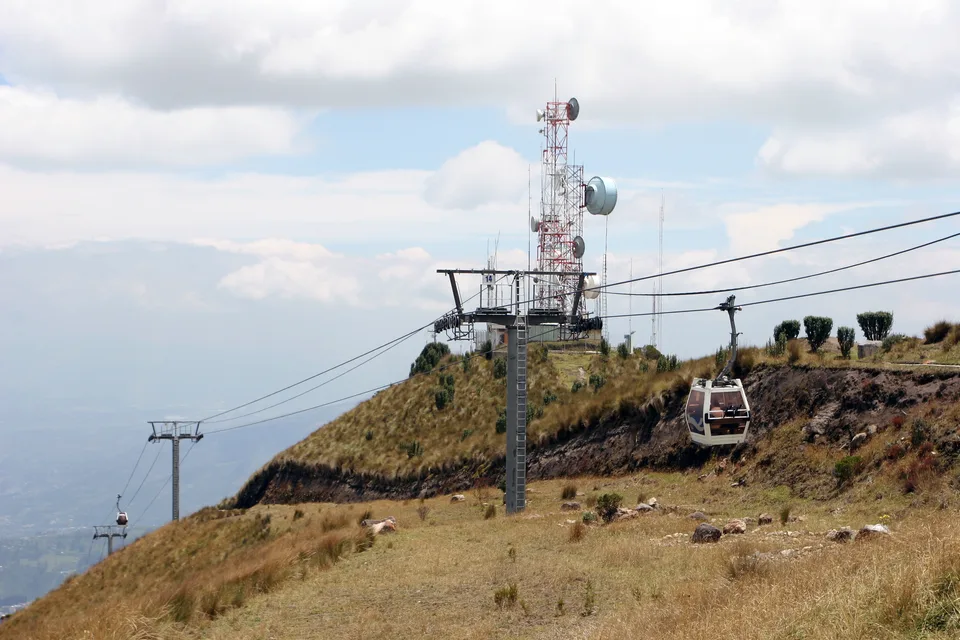
The TelefériQo takes visitors towards Cruz Loma on the slopes of Pichincha, well above the main city. It can provide a dramatic change of perspective, but it belongs later in a stay after you have had time to adjust. Reaching the upper station is not the same undertaking as continuing on a high-altitude hike.
The operator’s current fare page lists the standard adult ticket at $9 and the under-18 ticket at $7. Lower promotional rates require an Ecuadorian identity card. The same page distinguishes operating days and last-ticket times, so check the schedule and allow time to return to the cabins. Weather and operational conditions may affect the visit.
Take a warm layer and suitable footwear, and agree on an uncomplicated return plan. Cloud can obscure the view; do not build a whole short visit around a guaranteed panorama. Continuing towards Rucu Pichincha requires a separate assessment of conditions, fitness, equipment and guidance. A cable-car ticket is not evidence that a mountain route is appropriate for every visitor.
Make altitude and weather part of the plan
Quito’s elevation is a practical consideration even on a city break. The CDC’s high-altitude travel guidance recommends allowing time to acclimatise and keeping activity light during the first couple of days. Begin with shorter walks and breaks rather than scheduling the highest outing immediately after arrival. If symptoms develop, avoid further ascent and obtain medical advice; severe or worsening symptoms require prompt attention.
The municipal tourism weather guide describes June to September as generally drier and October to May as wetter. That is a planning pattern, not a forecast for a particular afternoon. Temperatures remain relatively moderate through the year, with cooler nights, while sunshine, showers and cloud can change the feel of a day quickly.
Pack layers, rain protection and shoes that cope with wet paving. Put an important outdoor visit into a flexible slot and retain an indoor alternative. Check conditions before leaving for higher ground. When a warm, sunny morning turns into a cloudy afternoon, adjusting the plan is usually more useful than trying to force the original timetable.
Eat through markets and neighbourhood kitchens
The Quito Turismo market route identifies the San Francisco and Central markets in the historic area, alongside La Carolina market in Iñaquito. They offer different settings for exploring produce and prepared food. Choose one that fits the day’s route and ask what is being cooked, rather than treating every market as an interchangeable attraction.
The city’s official visitor guide introduces locro de papa, a potato soup commonly accompanied by cheese and avocado, alongside other Ecuadorian dishes. Look for a lunch that interests you and discuss ingredients where dietary restrictions matter. Spanish food vocabulary is particularly useful for asking about dairy, meat stocks and portion sizes.
A chocolate tasting can add another dimension if the producer explains the cacao and the making process. For shopping, ask where crafts and food products are made and compare the actual quality and final price. Markets are working places: request permission before photographing people at close range, and avoid interpreting a traditional ritual or herbal demonstration as a verified medical treatment.
Budget with current fares and actual quotes
Use U.S. dollars when comparing the prices quoted in this guide. Small transport fares do not mean the whole holiday will be inexpensive: accommodation, airport transfers, paid visits and excursions may dominate the total. Build the budget from the itinerary you intend to follow rather than a broad claim about what every visitor spends daily.
At the published standard fare, two Metro journeys cost $0.90 per adult. A $9 TelefériQo ticket is a separate activity cost, with transport to its entrance additional. Church and museum charges should be checked with each operator. Add meals, insurance and a reserve for a changed connection or an extra night.
Ask what a tour includes before comparing it with independent travel: entrance tickets, guide time, transport and meal arrangements can differ. For a family, a well-positioned room may save more than small reductions on individual tickets. For a longer stay, request an itemised accommodation quote and establish utility, cleaning and laundry charges before accepting a monthly figure.
Explore with current local advice
The Quito tourist safety service provides visitor assistance and planning information. Use it alongside advice from your accommodation when choosing routes, particularly for unfamiliar hillside areas or evening travel. Keep valuables discreet and arrange a recognised vehicle when a walk does not suit the time, location or circumstances.
The FCDO’s Ecuador safety guidance is also useful for checking demonstrations, road disruption and security developments that may affect travel. Conditions elsewhere in the country should not be confused with the situation at a particular Quito address, but an onward journey needs its own review. Recheck major road and airport connections if events change.
Avoid making the last afternoon before a flight a distant excursion with no recovery time. For a guided outing, establish the meeting point, contact method and return arrangements in advance. These decisions help preserve the enjoyable part of the visit: time looking at the city, rather than improvising transport when tired or pressed for time.
A realistic four-day introduction
Day one: settle into your accommodation and make a short neighbourhood walk if you feel comfortable. Have an early meal and leave ambitious sightseeing for later. This is useful both for adjusting to altitude and for learning the immediate area without a deadline.
Day two: spend the morning in the historic centre, with San Francisco and surrounding streets as the core. Choose La Compañía or a museum for the afternoon, depending on opening times and energy. Keep lunch and a break within the same area instead of crossing the city repeatedly.
Day three: choose a park and market, or a cultural walk in La Floresta. If you have adjusted well and conditions are suitable, consider the TelefériQo as the main outing instead. Do not add a demanding mountain hike simply because there is time left on the clock.
Day four: visit the equatorial attractions north of the urban core, or retain the day for another district. With only two full days, protect the historic-centre experience and choose one contrasting outing.
Test housing against the journey you will repeat
For relocation, map the workplace or campus before viewing homes. Compare central districts, northern areas and the valleys using actual peak-hour journeys. A road trip that feels easy during a quiet holiday morning may be a different proposition when combined with school drop-offs and a fixed starting time.
Inspect the lease, inventory and owner or agent’s authority before paying a deposit. Ask whether building charges, parking, internet and utilities are included. Check hot water, ventilation, noise, daylight and any lift. View the entrance and route home as well as the apartment. For a furnished property, record the condition of appliances and agree on maintenance responsibilities.
Empresa Eléctrica Quito is the electricity provider to consult about account arrangements and service information. Ask for recent bills and confirm whether the property has its own meter. Establish water billing, connectivity and any backup arrangements directly with the owner. The Quito municipal services portal is useful for local procedures, including those relevant to a business, but municipal registration does not replace immigration permission.
Check healthcare, schooling and household needs before moving
Identify a healthcare provider that can meet your household’s needs, including repeat medication and specialist appointments. Hospital Metropolitano’s service information is one starting point for investigating private care. Confirm insurance acceptance, direct payment and the department you need before relying on a policy or an overseas health arrangement.
For families, discuss school places, teaching language, curriculum, documents and transport before signing a long lease. Students should verify the campus and timetable, while remote workers should test a stable connection at the actual address. A listing’s promise of fast internet is less useful than a working installation that meets your needs.
Use a preliminary stay to shop for groceries, make a weekday appointment and try the proposed commute. Keep funds for deposits and temporary accommodation if the move takes longer than planned. Practical Spanish helps with these tasks; arrange reliable translation or professional advice for a lease or other document you do not fully understand.
Separate a visit from work, study and residence
Ecuador’s entry rules depend on nationality and circumstances. Begin with the foreign ministry’s list of nationalities requiring a visa and confirm the current requirements with the relevant Ecuadorian consulate. The FCDO entry page explains the position for British nationals; its visa-free allowance should not be applied to every passport. VisaWand’s Ecuador destination page can help organise your planning questions.
Review health-entry requirements for the complete itinerary too. The Health Ministry’s yellow-fever measures address travellers connected with countries including Peru, Colombia, Bolivia and Brazil. Confirm current applicability, documentation and any exceptions with the airline and Ecuadorian authorities before departure, particularly on a multi-country journey.
For a move, consult the official temporary-residence categories, which distinguish employment, study, family and other purposes. Ecuador also has a remote-work residence route; that does not turn ordinary tourist admission into unrestricted employment permission. Check the current financial and documentary requirements for your route rather than using an old income figure from a travel article.
Permanent residence is a separate application with its own conditions. Repeated visits, a rental contract or buying property should not be assumed to settle eligibility. VisaWand’s consultant listings offer a way to find individual advice before committing to a job, tuition or a long lease. The authorities make the immigration decision.
Give nearby destinations their own travel time
Mitad del Mundo and related equatorial attractions lie north of the central sightseeing area. Check which site and ticket a tour includes: similarly themed attractions are not automatically one complex. A marked line is an invitation to explore geography and history, rather than proof that every demonstration offered nearby is scientifically reliable.
For a change beyond Quito, the national tourism ministry’s Andean destination information highlights possibilities including Otavalo and Mindo. Otavalo’s location page helps frame a market and cultural visit; Mindo’s location page places a different base for cloud-forest interests. Decide whether each deserves an overnight stay instead of treating them as stops on the same rushed circuit.
Protect the return to Quito before a flight and check current road conditions. Choosing one excursion for a clear reason generally produces a better experience than adding places solely because they appear close together on a small map.
Official planning resources
Reviewed 17 October 2026. Use the official resources linked throughout this guide for admission, transport, housing and immigration decisions. Prices, services and rules can change; confirm the details relevant to your dates. Photography illustrates the locations and is not a live view.
View all official resources
- UNESCO: City of Quito
- Quito Turismo: cultural attractions
- Quito Turismo: city areas
- Fundación Iglesia de la Compañía: visits
- Quito Turismo: hotels and travel offers
- Quiport: Mariscal Sucre International Airport
- Quiport: airport ground transport
- Metro de Quito: 2026 stations and hours
- Quito municipality: 2026 public transport fares
- Metro de Quito: passenger guide
- TelefériQo: mountain visitor information
- TelefériQo: fares and hours
- CDC Yellow Book: high-altitude travel
- Quito Turismo: seasons and clothing
- Quito Turismo: market route
- Quito Turismo: travel and local dishes
- Quito Turismo: tourist safety assistance
- FCDO: Ecuador safety and security
- Quito: municipal services portal
- Hospital Metropolitano: services
- Ecuador foreign ministry: nationalities requiring visas
- FCDO: Ecuador entry requirements for British nationals
- Ecuador Health Ministry: yellow-fever entry measures
- Ecuador foreign ministry: temporary residence categories
- Ecuador Tourism Ministry: remote-work residence
- Ecuador foreign ministry: permanent residence
- Quito Turismo: sights and equatorial excursions
- Ecuador Tourism Ministry: Andean destinations
Plan the next part of your journey
Explore the Ecuador guide, browse other cities or compare consultants for your travel and relocation questions.