Visa
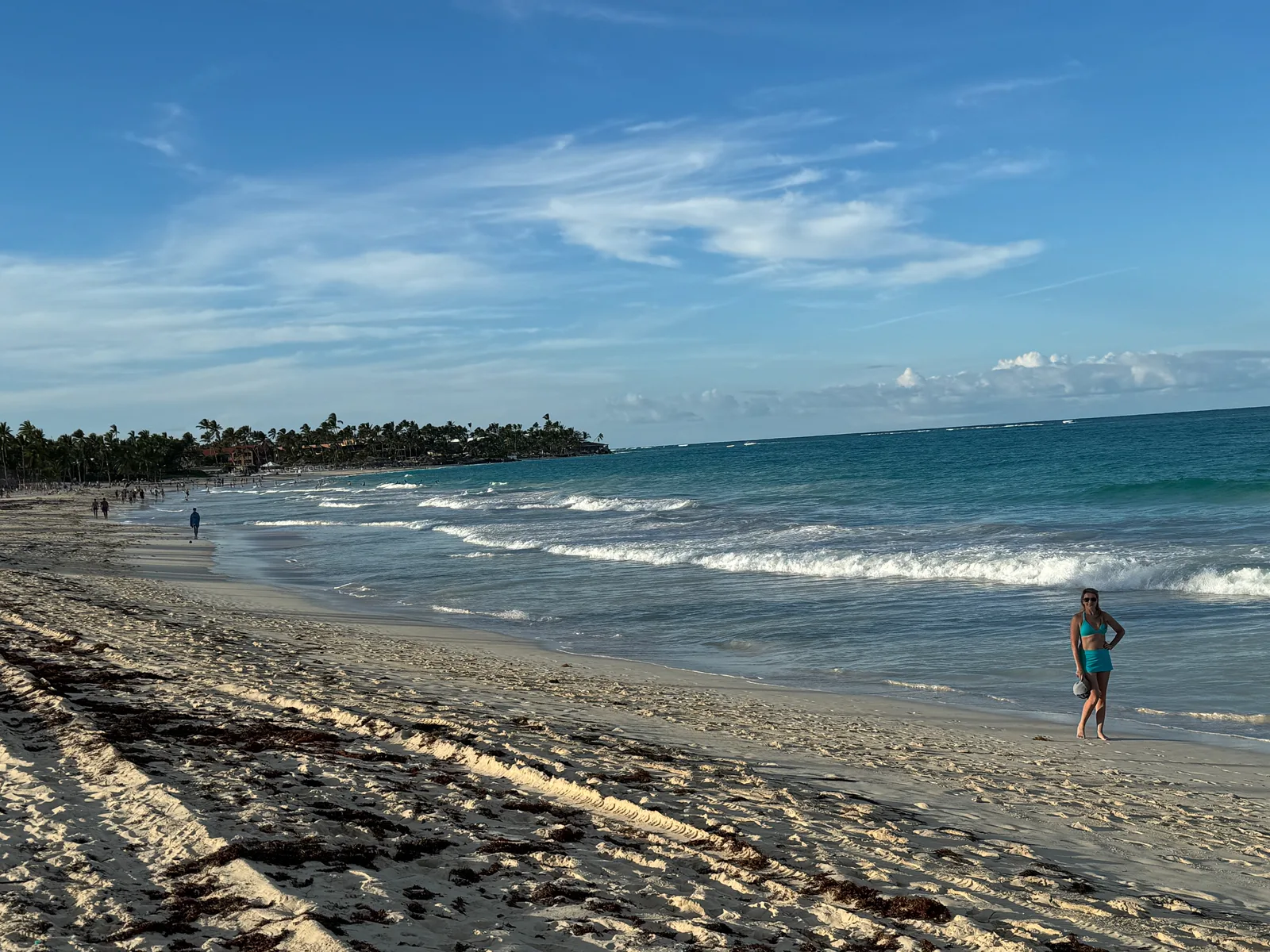
Choose your stretch of coast first
Punta Cana is best understood as a coastal region rather than a city with one centre. On the Dominican Republic’s eastern tip, its beaches, resort grounds, residential developments and working communities spread across an area where a hotel’s precise location can shape the whole holiday. Two properties marketed under the same destination name may offer very different access to restaurants, excursions and everyday services.
Start with the experience you want: a resort stay with few arrangements, a beach apartment with independent meals, or a longer visit to test daily life. The Ministry of Tourism’s Punta Cana overview introduces the main coastal areas. VisaWand’s Dominican Republic country guide supplies the national context; this guide concentrates on choices that affect your time here.
A modern destination with a particular history
The region’s tourism story is closely connected to private development and air access. Grupo Puntacana’s historical timeline records the investors’ land purchase in 1969, an initial resort of ten beach cottages and a clubhouse in 1971, and the airport’s inauguration in 1984. Those milestones explain the destination’s modern layout; they do not mean the region had no earlier inhabitants or history.
That development pattern remains visible in enclosed hotel grounds, purpose-built leisure facilities and residential communities alongside the businesses and homes supporting them. Punta Cana therefore offers a different experience from an old urban centre built around streets and public squares. If historic architecture and museums are your main priority, consider dividing the trip with Santo Domingo rather than expecting every interest to be met on this coast.
Compare Bávaro with the southern communities
Bávaro is a useful starting point for a beach-focused search, with extensive resort accommodation. Los Corales and El Cortecito are names worth checking when comparing apartments and access to independent businesses. Inspect the actual walking route from the property: being near the shoreline on a map does not establish a convenient entrance to the beach.
Farther south, distinguish Puntacana Village, Puntacana Resort & Club and Cap Cana. They are separate developments, not interchangeable names for one hotel district. Puntacana Village’s community information identifies a school, retail and dining galleria, financial institutions and medical services. That makes it relevant to a longer-stay comparison, while beach access still needs a separate question. In Cap Cana, establish which facilities your booking permits you to use and how you will reach them.
Look north when the setting matters more than proximity
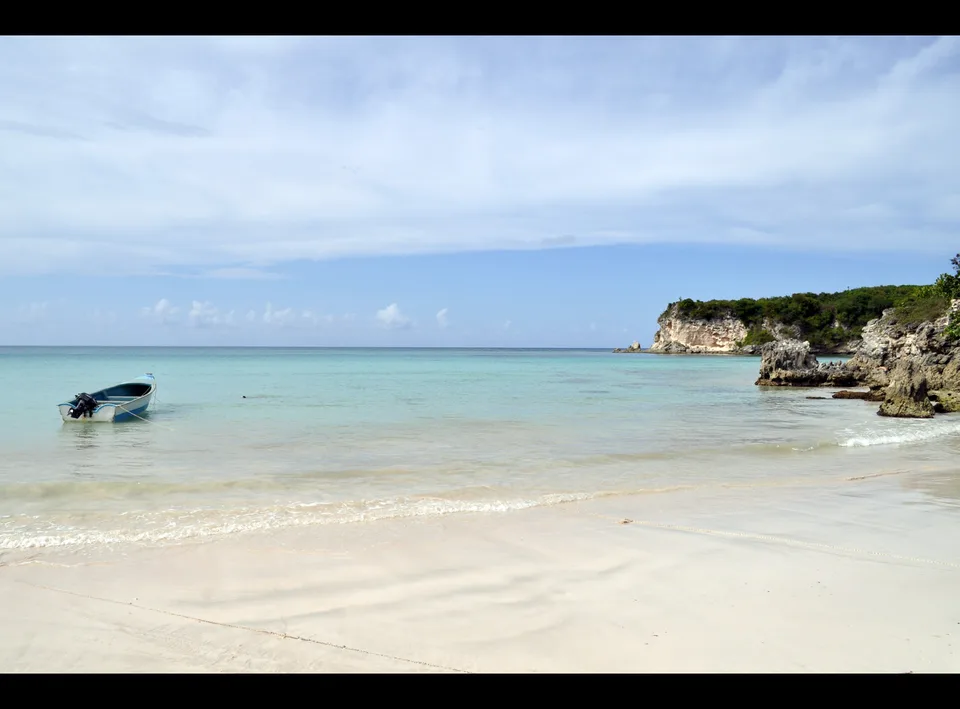
Macao offers a different coastal setting from the main Bávaro resort strip and is associated with surfing. It can suit a beach outing even if you stay elsewhere. Conditions suitable for experienced surfers are not automatically suitable for an inexperienced swimmer; check local advice and flags on the day.
Uvero Alto is another area to compare when considering a resort farther along the coast. Judge the hotel’s setting alongside transfer costs, excursion pickup arrangements and access to meals outside the property. A remote location may be entirely suitable for a week spent largely within a resort, yet inconvenient for someone who plans daily independent trips. Ask for the exact address and entrance before paying for a transfer or assuming a tour includes collection.
Decide what all-inclusive should include
An all-inclusive stay can make spending predictable, provided you read the actual package. Confirm which restaurants, drinks, activities and room services are included, whether dinner reservations are required, and which experiences cost extra. A photograph of a golf course, spa or boat does not mean use is part of the room rate.
Compare like with like: room category, occupancy, airport transfers, taxes, cancellation and the cost of any planned excursions. Families should check children’s ages, bed arrangements and supervised activities. Adults-only properties require a different search. For accessibility, request details of the route from bedroom to dining areas and beach, including surfaces and any steps. A large resort may have substantial distances between facilities even when an individual room is accessible.
Make an apartment booking work in practice
An apartment can give you control over meals and a more ordinary routine. Ask whether electricity is included or charged separately, how consumption is measured, and whether the quoted price includes cleaning, laundry and all compulsory charges. Air-conditioning arrangements can materially affect the total.
Request the exact unit’s photographs and establish what the kitchen contains. Confirm the nearest practical grocery option, permitted pool hours, visitor rules and a reliable contact for repairs. Check whether beach access is public, through a contracted facility, or dependent on a purchase. For a late arrival, agree the key handover and transfer destination in advance. A property described as beachfront may still involve steps, a long path or restrictions that matter to your group.
Let beach days respond to conditions
The coast’s appeal is real, but a beach photograph captures one moment. Waves, wind, water clarity and seaweed can change. Ask your accommodation for a recent, dated view of its own stretch of beach rather than relying on promotional images or reports from another area. Choose somewhere whose pool and other facilities would still make the trip enjoyable if swimming conditions disappoint.
Use designated access routes and follow current flags and staff instructions. Do not infer safe swimming from a calm-looking bay or assume that every beach has lifeguards. For boat trips, confirm the operator, lifejackets, itinerary and cancellation arrangements before paying. Families should ask about child-sized equipment and the actual time spent aboard, including transfers and intermediate pickups.
Visit Cap Cana with a specific plan
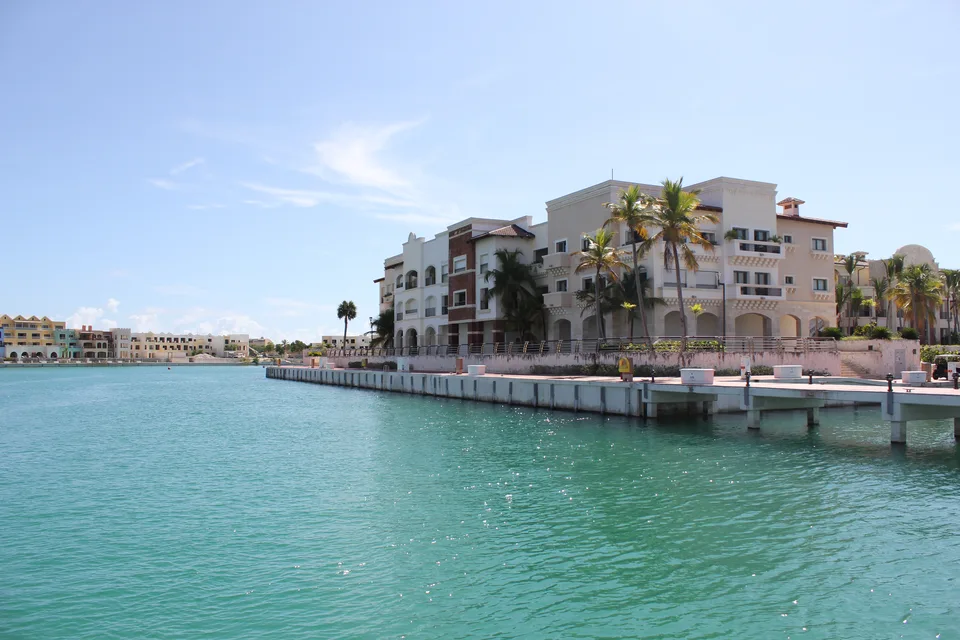
Cap Cana’s marina, beach venues, accommodation and leisure facilities make a distinct southern outing. Decide what you are going to use before travelling: a restaurant reservation, an organised activity or a particular beach venue. Confirm gate arrangements, entry conditions and any minimum spend directly with that venue.
A marina photograph does not promise unrestricted access to every waterfront area, and a restaurant booking does not automatically include a beach club. Avoid combining several paid venues without checking the journeys between them. For a holiday based farther north, a planned southern day can make more sense than repeated taxi trips. If you are considering living here, make a separate visit focused on groceries, commuting and property management rather than assessing the development solely through its leisure facilities.
Understand the Ojos Indígenas experience you book
The Fundación Puntacana reserve information describes nature trails and designated freshwater springs within Ojos Indígenas. This is a managed reserve, not an unrestricted public swimming park. Follow the guide’s instructions about which water bodies are open and how to protect them.
The resort’s current Los Ojos Eco Journey page advertises a guided experience lasting about two hours and forty-five minutes. It lists US$90 for external guests and US$40 for guests of The Westin Puntacana and Four Points by Sheraton Puntacana Village. The itinerary includes conservation projects and a visit to the Inriri lagoon. Confirm eligibility and inclusions when reserving: this guided-tour price should not be confused with an older notice for reserve entry. Ask about footwear, transport and mobility requirements before committing.
Budget a full day for Scape Park
Hoyo Azul, presented by the operator as Blue Hole, is within Scape Park in Cap Cana. The Full Admission product is advertised at US$129 and includes several attractions; the park’s FAQ says activities are not sold individually. Choose it because the package interests you, rather than assuming you can buy a cheap standalone swim.
The operator includes pickup from most hotels in Bávaro–Punta Cana, which does not establish collection from every apartment. Food, drinks, lockers and photos require additional spending. Check the activity restrictions before booking, especially zipline height and weight limits, pregnancy considerations and natural trail surfaces. General opening is 9am–5pm, with attractions closing at 4:30pm and some operating on narrower schedules. Allow time to move between activities and confirm the return transfer.
Treat island excursions as substantial journeys
Saona and Catalina are excursion destinations beyond the local resort coast. Compare the whole outing, including road transfers, time aboard, group size, meals and time ashore. A low headline price may describe a different departure point or omit a necessary transfer. Ask where the boat actually departs and how many hotel pickups precede yours.
Keep a flexible day available for weather changes, particularly if a boat outing is the main reason for your visit. Read cancellation terms and distinguish an operator’s cancellation from your decision not to travel. If the island experience matters more than staying in Punta Cana, compare a base around Bayahibe or La Romana. The La Romana destination page helps locate that alternative without implying that it is a neighbourhood of Punta Cana.
Arrive at PUJ with the transfer settled
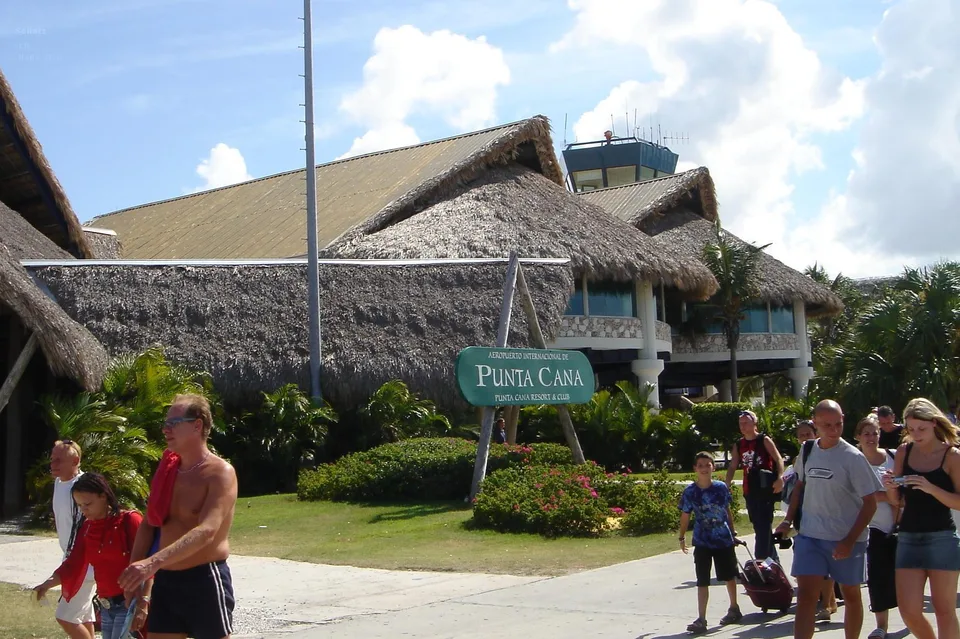
Punta Cana International Airport is identified by PUJ. Check that code when comparing flights: a low fare into a different Dominican airport can add a substantial onward journey. Give the transfer provider your flight, terminal information and exact accommodation name, including the development entrance if necessary.
The airport’s own welcome and transport page lists taxis and car rental services. Confirm a current price for your destination rather than using an old airport tariff found online. For a shared transfer, ask about departure waiting time and intermediate stops. For a private vehicle, confirm luggage capacity and child restraints. Save the meeting instructions and contact number offline, and establish what happens if the flight is delayed. A hotel’s complimentary shuttle should only be assumed where that hotel explicitly confirms it.
Use transport information at the right scale
The airport website identifies the Santo Domingo bus departure point in Verón at Sitrabapu Plaza, opposite Banco BHD. That is not the same as boarding an intercity bus directly outside the arrivals terminal. Check the current service and how you will reach its station before making a tight connection.
For shorter journeys, agree a taxi fare and destination before departure. Uber’s PUJ pickup guidance directs travellers to current app arrangements; follow those instructions rather than an old blog’s meeting point. Availability and price can vary. Local guaguas operate along routes, but a first-time visitor should confirm the destination and return service before boarding. The tourism ministry’s transport overview explains the different modes; its countrywide examples should not be mistaken for a complete local timetable.
Rent a car only when it solves your itinerary
A car can help with repeated independent journeys, especially when staying away from the places you intend to visit. For a holiday concentrated on one resort and one organised excursion, compare the full rental cost with arranged transfers first. Include insurance, deposits, fuel, tolls and parking.
Check the rental company’s licence, age and payment requirements directly, rather than applying a general rule from another country or operator. Inspect the vehicle with photographs and clarify damage reporting. Ask the accommodation about parking and gate access. Plan unfamiliar journeys in daylight where possible and avoid filling a departure day with a distant outing. A short straight-line distance between coastal developments may conceal a longer route through their designated entrances.
Eat beyond the international buffet
The tourism ministry’s food guidance introduces mangú, boiled and mashed green plantain often served at breakfast with eggs, fried cheese and salami. La bandera dominicana brings together rice, beans and meat, while tostones are double-fried green plantain. These are useful starting points for reading a menu rather than a requirement to order an elaborate meal every day.
Ask about ingredients and preparation if you have dietary restrictions. A vegetable-based dish may contain butter, meat stock or a meat accompaniment. Compare restaurant menus near the place you are actually staying and check whether tax and service are included. Keep drinking water and simple groceries in the budget. For an apartment stay, finding a convenient shop can be more useful than compiling restaurants scattered across the whole coastal region.
Keep currencies and extras visible
Prices may be quoted in US dollars or Dominican pesos. Confirm the currency, the final payable amount and any card or conversion charges before accepting a quote. Keep enough small local change for modest purchases, while checking card acceptance for larger plans. Avoid converting every transaction at an assumed exchange rate that may differ from the one applied.
Build the holiday budget in layers: accommodation, transfers, meals, activities and a reserve for changes. Two advertised US$129 park admissions already add US$258 before the extras you choose. A US$90 guided reserve tour is a different spending decision from a beach morning. No single daily budget fairly represents all-inclusive guests, apartment travellers and families hiring a vehicle. Use dated quotes for your own itinerary instead of treating a destination average as a reliable total.
Choose a season without buying a weather promise
The Ministry of Tourism identifies December–April as the drier season for Punta Cana. That is a useful starting point for a beach trip, but it is not a guarantee of clear skies or calm water. Compare accommodation prices for your dates and allow some flexibility around weather-dependent activities.
The National Hurricane Center’s climatology information places the Atlantic hurricane season between 1 June and 30 November; storms can also occur outside those dates. Seasonal risk does not predict the weather for an individual week. Consult INDOMET’s official forecasts near departure and during the stay, including marine conditions before a boat trip. Read disruption and cancellation cover before buying insurance, and understand the accommodation’s arrangements if authorities issue instructions. A lower room rate alone is not a complete assessment of a seasonal trip.
A relaxed five-day itinerary
Day one: arrive, settle into the accommodation and learn the immediate area. Keep the evening local and check the next day’s conditions rather than arranging a distant activity after a flight.
Day two: enjoy your nearest beach and pool, with an independent meal if convenient. Day three: choose Scape Park or the guided Ojos experience according to your interests and budget. They need not be combined into one exhausting day.
Day four: take a prearranged island excursion if conditions suit, or visit another coastal area with return transport agreed. Day five: leave room for a final beach morning, local shopping and packing. Keep a proper airport buffer. For a shorter trip, remove an excursion; for a week, add rest days rather than filling every morning with a pickup.
Try ordinary life before choosing a home
For a move, begin with temporary accommodation and test workdays rather than drawing conclusions from resort service. Compare the actual commute, grocery access, school journey and evenings around the building. Visit the property at different times and distinguish the public road network from private development access.
Puntacana Village may warrant comparison for its listed everyday facilities, while Bávaro, Verón and other communities should be assessed against your workplace and household needs. Test internet and mobile reception inside the exact unit. Ask about installation, backup arrangements and responsibility for repairs. A beach apartment with attractive photographs may be less suitable for regular work than a home with reliable cooling, a quiet room and a manageable commute. Confirm the right to undertake your proposed work separately.
Inspect housing costs and documents carefully
Agree the rental term, deposit, notice, repairs and included furnishings in writing. Record the property’s condition, meter readings and inventory. Clarify community fees, electricity, water, internet, parking and any restrictions on visitors or subletting. Compare the total monthly cost rather than rent alone.
Before a purchase, use an independent lawyer to investigate the title, ownership, charges and transaction documents. The Registro Inmobiliario document-checking service is an official resource, but a document lookup does not replace full due diligence. Do not rely solely on the seller’s representative or assume that a development’s marketing resolves legal questions. No property purchase should be treated as automatic immigration permission. A longer rental trial can reveal practical problems before you commit to a much less reversible decision.
Check services and healthcare at the address
CEPM’s consumer information and account procedures provide a starting point for electricity arrangements. Establish who holds the account, whether supply is prepaid or billed, and how any deposit or transfer is handled. Ask for recent consumption records from a comparable period, particularly when air-conditioning is essential.
Check water storage, drainage, maintenance and any additional supply charges with the landlord or manager. Verify internet service at the building and ask how faults are handled. For healthcare, Hospiten Bávaro’s own information describes its location and services; confirm your insurer’s arrangements and any authorisation before planned treatment. Identify a suitable local contact for routine needs and urgent assistance. A nearby private hospital does not imply that every insurance policy covers its charges.
Before signing a longer lease, ask who handles storm preparation, window protection and repairs after severe weather. Check where you would store important documents and how the manager communicates with residents. Include insect screens, ventilation, damp and the condition of cooling equipment in your inspection. For families, obtain school fees, admission requirements and transport arrangements directly from the school before choosing a home around an assumed place or an advertised journey time.
Separate tourist entry from permission to settle
Check the MIREX entry-eligibility resource for your passport and circumstances before travel. The official tourism entry page lists a general six-month passport rule but also a temporary exception for specified nationalities through 31 December 2026. Travellers relying on that exception should verify its exact scope and check again for travel in 2027.
For commercial flights, complete the free official e-Ticket before the airline counter; it is an entry and exit declaration, not a visa. Keep the confirmation accessible and use the accommodation’s complete address. The immigration authority’s extension service describes an application process for tourist stays beyond thirty days. Paying a departure-related fee should not be interpreted as permission to work or establish permanent residence.
Work, study and residence require the appropriate route. Consult the official work residence, student permit and temporary residence information before making commitments. VisaWand’s Dominican Republic destination page and consultant listings can help organise the next questions around your circumstances.
Consider another base for another kind of trip
Santo Domingo offers an urban and historical contrast; use its VisaWand city page to locate that destination and plan a separate stay. La Romana and Bayahibe are worth comparing when the southern coast or island departures are central to your plans. Avoid treating a long cross-country transfer as a small local outing.
Punta Cana works best when the base matches the holiday or household you actually want. Choose the stretch of coast first, verify the access and costs that matter, and leave enough uncommitted time to enjoy it. For relocation, extend that same method to working hours, services and immigration: the practical details behind the view determine whether a short stay can become a sustainable routine.
Official planning resources
Reviewed 15 October 2026. Use the official resources linked throughout this guide for admission, transport, housing and immigration decisions. Prices, services and rules can change; confirm the details relevant to your dates. Photography illustrates the locations and is not a live view.
View all official resources
- Ministry of Tourism: Punta Cana
- Grupo Puntacana: regional tourism history
- Punta Cana International Airport: transport and arrival information
- Uber: Punta Cana Airport pickups
- Ministry of Tourism: getting around
- Puntacana: Los Ojos Eco Journey
- Fundacion Puntacana: Ojos Indigenas reserve
- Scape Park: current general admission
- Scape Park: FAQs
- Scape Park: activity restrictions
- CEPM: electricity consumer services
- CEPM: account procedures
- Hospiten Bavaro: location, care and insurance
- Registro Inmobiliario: property-document checking
- Ministry of Tourism: entry requirements
- MIREX: visa eligibility resource
- DGM: tourist stay extension
- DGM: labor temporary residence
- DGM: student permit
- DGM: ordinary temporary residence
- Ministry of Tourism: practical FAQs and food
- National Hurricane Center: seasonal climatology
- Puntacana Village: residential and commercial area
- Scape Park: Full Admission inclusions and booking
- Puntacana Village: community information
- INDOMET: official weather and marine forecasts
Plan the next part of your journey
Explore the Dominican Republic guide, browse other cities or compare consultants for your travel and relocation questions.