Visa
Choose between the city and the wider coast
Puerto Plata offers two holidays that are easy to confuse: time in an Atlantic coastal city, and a resort stay with occasional excursions. Its historic centre, waterfront and museums suit visitors who want to spend part of each day exploring. A beach property can make a different kind of trip work well, but the hotel's address and transport arrangements matter more than the destination name on the booking.
Start with the tourism ministry's Puerto Plata overview, then separate the city from the wider province. Sosúa, Cabarete and the inland Damajagua outing are regional choices, not neighbouring streets in the historic centre. Decide whether the priority is cultural sightseeing, beach time or an active excursion before reserving accommodation. A short stay becomes more useful when you choose one main base and understand what requires a separate journey.
Read the historic centre beyond the photographs
The city's appeal is not limited to a beach backdrop. The tourism ministry's introduction to Puerto Plata's heritage highlights the Victorian architecture of the historic centre. Pair a look at building facades with time around Parque Central, also called Independence Square, and the Cathedral of St Philip the Apostle. Keep church visits respectful and subordinate to worship rather than treating the interior as an attraction with uninterrupted tourist access.
Colourful lanes such as Paseo de Doña Blanca and Umbrella Street can be brief stops within this central outing. They need not become the structure of the whole day. Leave time for a museum or a slower meal, and look at the streets connecting the advertised sights. If you want detailed historical interpretation, establish what a guided walk actually covers and how long it lasts before booking.
Make the fortress a history visit
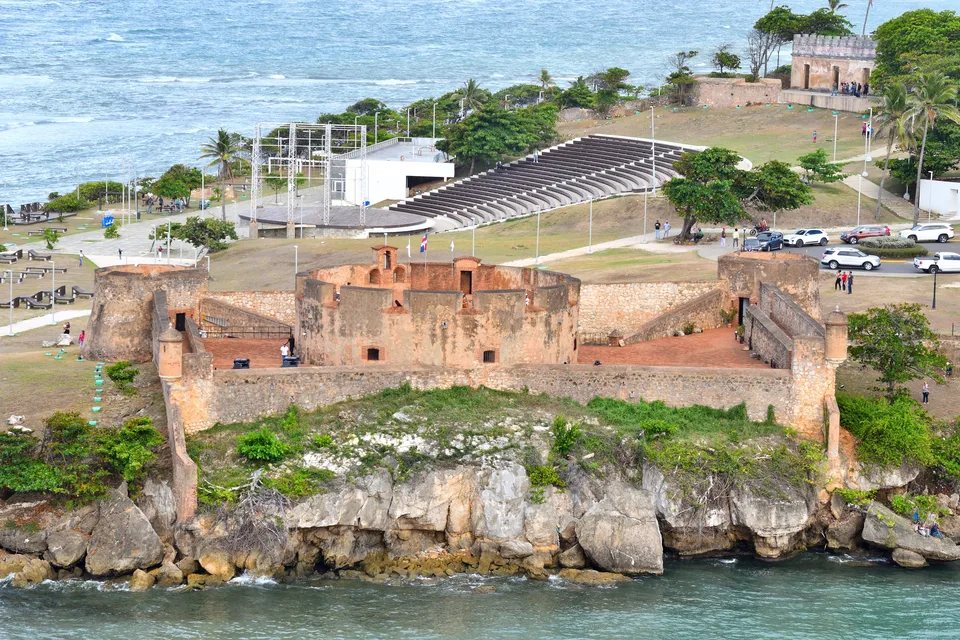
The national museum network's San Felipe listing places the fortress at La Puntilla del Malecón, within the historic-centre area. Its account explains the defensive role of the building and the collection of archaeological finds, old cannon, agricultural tools and military objects. Restoration in 1974 helped establish its museum use. Visiting the interior adds context to a waterfront photograph.
The published weekly schedule is Tuesday through Sunday, 10:00–18:00, with Monday closed. Recheck the hours and current admission charge before setting out; a special event or older travel account is not a dependable regular-price reference. If stairs, uneven surfaces or mobility requirements affect the visit, ask the museum about the route you can actually use. A stated ambition to be inclusive does not establish that every historic space is step-free.
Allow time outside as well as inside. A waterfront stop can be combined with the museum without turning it into an entire day of paid excursions. Keep a flexible meal break nearby in the plan rather than scheduling a long transfer immediately after the visit. The useful distinction is between enjoying the building's setting and having enough time to understand the collection.
Do not build an itinerary around the cable car
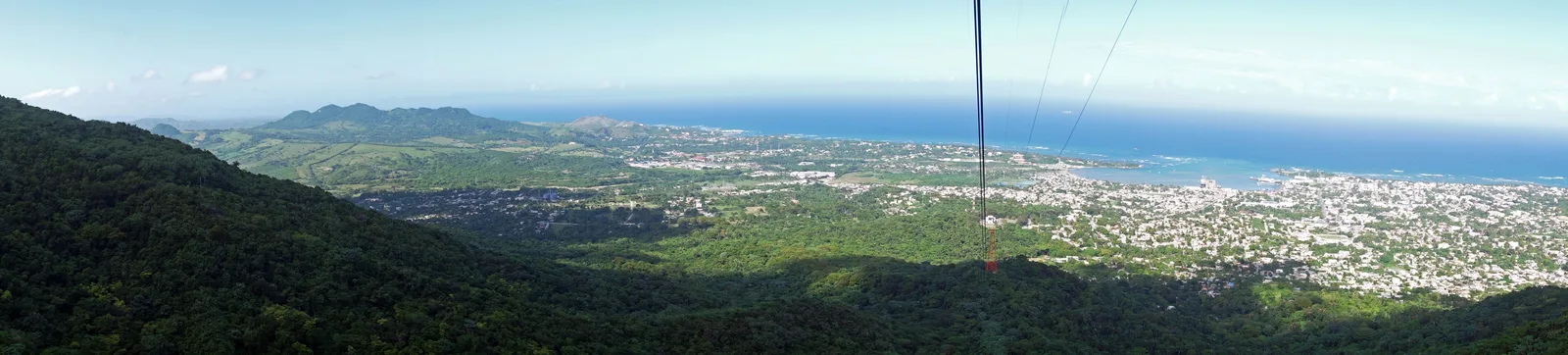
The cable car to Isabel de Torres appears prominently in destination advertising, but newer information changes the planning decision. An official government notice dated 3 October 2026 reports the start of comprehensive modernisation, including replacement of the existing system. Do not book a day on the assumption that the familiar cable-car ride is operating.
If a seller advertises an Isabel de Torres excursion, ask exactly how the mountain is reached and what is included. A road-based outing and a functioning cable-car journey are different products. Obtain current access information before paying, particularly if the advertised photograph shows the old cabins. Until reopening is officially confirmed, use the city, beach and museum options in this guide to organise a visit that does not depend on the ride.
Use the amber museum to understand what you are buying
The tourism ministry's Amber Museum listing describes a city-centre museum in a Victorian-style house, with Dominican amber specimens containing animal and plant inclusions. That makes it a relevant visit for travellers interested in natural history as well as jewellery. Establish the exact museum name and address before travelling: similar names and commercial experiences should not be assumed to refer to the same collection.
Ask about current admission, opening hours and the amount of the building accessible to your party. Those details were not consistently established across the available listings, so a fixed ticket price is not quoted here. If shopping afterwards, request an itemised receipt and an accurate description of the material. A museum visit can inform a purchase, but it cannot authenticate an object offered by another seller.
Decide what a beach day includes
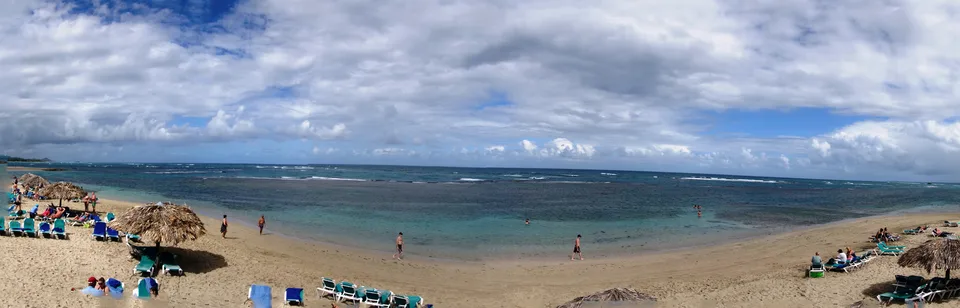
The tourism ministry's Playa Dorada and Costa Dorada information identifies these beaches east of downtown, facing major resort areas. They can suit a holiday where sand, water activities and hotel facilities are central. That does not mean a city room and a beachfront resort offer an interchangeable daily routine.
Before paying for a beach excursion or day pass, establish the meeting point, return transport, food, drinks, loungers and any equipment included. Ask which facilities belong to the particular property and whether your booking grants access to them. A photograph of a beach does not establish the use of the resort behind it. For water activities, confirm operating conditions and the provider's requirements on the day rather than assuming a protected-looking shoreline is always suitable for swimming.
Treat Damajagua as an active regional outing
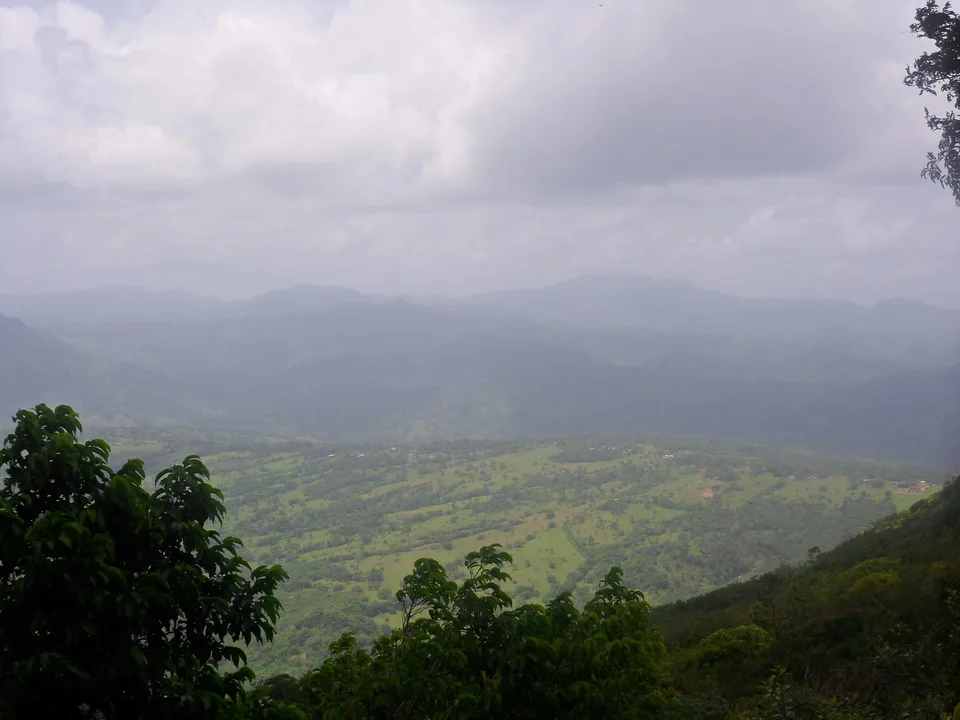
The tourism ministry's Damajagua page describes a combination of hiking, footbridges and descending waterfalls by sliding or jumping, accompanied by community guides. It notes that many excursions cover seven falls. The attraction's name is not a promise that every participant will visit all twenty-seven.
Choose the outing according to your swimming ability, mobility and comfort with the activity. Ask which circuit will operate, the physical demands, any age restrictions and the alternatives to particular jumps. The provincial government's visitor information makes safety equipment mandatory. Establish that the quoted package includes the required equipment and a guide, as well as transport if you need it.
Current gate prices and route availability were not reliably confirmed from a clearly attributable operator, so this guide does not repeat the conflicting figures circulating online. Get a written quotation for the actual circuit and date. Ask how river conditions affect cancellation, and keep dry clothing and the onward journey in your plan. This is a separate excursion, not a short central-city waterfall stop to add between museum visits.
Know the airport before arranging the transfer
Aerodom identifies Gregorio Luperón International Airport as Puerto Plata's airport, with code POP. Read that code on the flight booking before comparing transfers. An apparently attractive airfare to another Dominican airport can require a substantially different onward journey. Match the arrival airport to the exact accommodation address, not simply the province named in its listing.
Arrange a transfer with a clear total, stated currency, passenger and luggage allowance, and instructions for meeting the driver. If the hotel offers collection, establish whether it is included or charged separately and how it handles flight delays. Ask about child seats or accessible vehicles before paying. No dependable current airport-to-city fare was established for this guide, so an unsupported fixed taxi price is not given.
For a rental, compare insurance, deposit, licence requirements, fuel terms and collection hours with the supplier. Do not treat a general airport webpage as the rental contract. Confirm the collection point and supplier contact specifically for POP, and keep the written instructions available when you land.
Separate local rides from intercity coaches
The tourism ministry's getting-around advice describes taxis, route-based minivans called guaguas and shared cars. These serve different journeys. Confirm the destination and fare before boarding a shared service, carry small change and establish where you will get off. For a late return or a trip with luggage, decide in advance whether that arrangement suits the party.
For travel between cities, consult the coach operator rather than applying a countrywide fare range to a particular route. Caribe Tours' branch directory lists its Puerto Plata office at Camino Real and Eugenio Kunhardt. Use the operator to confirm the correct terminal, departure, fare and luggage conditions for your travel date. Its office-opening hours are not a bus timetable.
Include the final journey from the coach terminal to your accommodation when comparing options. The lowest ticket price may cease to be a saving if the departure requires an awkward extra transfer. For excursions, ask the provider whether pickup covers your particular hotel or neighbourhood; “Puerto Plata pickup” need not mean every address along the coast.
Choose accommodation by the days outside it
A central room makes sense when the historic streets, museums and independent meals are the focus. A Playa Dorada or Costa Dorada property puts beach facilities nearer the centre of the holiday. Compare those choices using the journeys you will repeat, including the evening return, rather than treating a resort's distance from the city as a minor detail.
Read the rate carefully. An all-inclusive package, breakfast-only hotel and apartment have different implications for food spending and the incentive to go out. Establish which restaurants, drinks and activities are included and whether reservations or supplements apply. Check cancellation terms alongside the price, particularly when the trip depends on a flight or cruise connection.
For families, confirm actual bed arrangements, child policies and access to cooking or laundry. For anyone with mobility needs, ask about the room-to-entrance route, bathrooms and transport access. A property described as suitable for everyone still needs to answer your specific requirements. Obtain important answers in writing before committing to a non-refundable booking.
Eat beyond the package when it suits the trip
The tourism ministry's food introduction provides a useful vocabulary for reading menus. Mangú is mashed green plantain, often served at breakfast with accompaniments such as eggs and fried cheese. La bandera typically brings rice, beans and meat together for lunch, while tostones are twice-fried green plantains. These are starting points for exploring Dominican cooking, not claims that every restaurant prepares the same plate.
Choose a meal around the day's route rather than a distant restaurant name found in an old list. Check the menu, opening hours, price and any dietary requirements directly. For seafood, establish whether the listed amount is for a portion, a whole fish or a weight-based order before agreeing. Ask which taxes or service charges are already included so that the bill can be compared fairly with a prepaid meal package.
Keep the budget in a single currency
The local currency is the Dominican peso, written RD$, as explained in the official travel tips. Excursions and accommodation may be advertised in another currency, so write down the currency of every quotation. A bare dollar sign is not enough information. Compare the final amount charged, including any card or conversion conditions, before deciding which offer costs less.
Build a personal budget from the room, airport transfers, planned excursions and meals you expect to buy outside the accommodation. Keep an allowance for a changed return journey or a cancelled activity. No verified citywide rent, meal average or standard excursion tariff is available here; a fabricated daily total would hide the difference between a resort holiday and an independent city stay.
For jewellery or souvenirs, compare materials and workmanship as well as price. Keep receipts and ask about any certification being offered. Do not let a claim of a special visitor discount replace an understanding of the item. Decide your spending limit before a demonstration or tour ends in a shop.
Plan for weather without assuming a guaranteed dry week
The tourism ministry's travel tips favour December through early March for comfortable weather and describe more intense humidity from April to October. These are broad country-level patterns, not a guarantee of dry conditions on the north coast. Choose travel dates around the activities you care about, then check the forecast close to departure. A beach holiday, a museum visit and an active river outing respond differently to weather. Give the most weather-sensitive excursion room to move within the stay, and read its cancellation policy before booking the rest of the schedule around it.
The US National Hurricane Center's climatology guidance places the Atlantic hurricane season from 1 June to 30 November and notes that activity can also occur outside those dates. Those calendar boundaries are not a prediction for a particular Puerto Plata holiday. Monitor official advisories and follow local instructions if conditions change. Check what your insurance and supplier contracts actually cover rather than assuming a discounted booking includes flexible cancellation.
A three-day visit with room to enjoy it
Spend the first day in the historic centre. Start around the central square, look at the architecture and make a short stop in the colourful lanes if they interest you. Choose the amber museum or a guided history walk as the main cultural activity, then leave time for lunch and the waterfront. An arrival day should remain lighter if you have had a long journey.
Use day two for the fortress and a beach afternoon, adjusting the sequence around opening days and your accommodation. Agree the beach facilities and transport before setting off. A central hotel guest may need a different arrangement from someone whose room is already beside the sand. Keep the evening simple enough that the day does not become a sequence of transfers.
Reserve day three for Damajagua if the activity suits your party and the circuit is operating. Otherwise, use it for a slower city day or another coastal outing. Do not add the cable car as an assumed extra. This sequence is editorial planning advice: adapt it to actual hours, fitness, weather and departure commitments, and protect the time required to reach your next flight or ship.
Test everyday life before choosing a long stay
A resort visit can show you the coast without answering how a normal household would function. For a move, spend time at the exact neighbourhood and travel times you are considering. Test the journey to work or study, the walk to groceries and the practical return after dark. Check whether a regular taxi cost would materially change an apparently affordable rent.
Inspect a rental before transferring a substantial payment and establish who has authority to let it. Read the agreement, inventory, deposit terms and notice requirements with appropriate local advice where needed. Do not assume that a holiday apartment can be extended indefinitely on the same terms. Keep receipts and written answers to important questions.
Compare furnished and unfurnished options using the full household cost. Ask who pays for electricity, water, internet, maintenance and any common-area charge. Check ventilation, cooling, cooking facilities and laundry against how you will actually live. A low advertised monthly figure says little without those inclusions and the length of the commitment.
Establish services at the address you will use
Edenorte's service portal is a starting point for electricity account information, while CORAAPPLATA provides the local water authority's information. Ask the owner which accounts cover the property and who is responsible for payments or reporting a fault. Establish any storage or backup arrangements directly; a property's claim of uninterrupted service should be checked before it becomes essential to your work or health needs.
Test internet and mobile service inside the unit, not just in a reception area or nearby café. For a household with children, obtain current school admission information and the actual journey from the proposed home. For healthcare, establish insurance acceptance, access to routine treatment and arrangements for ongoing prescriptions with the relevant providers before relocating. Neither a holiday booking nor a lease proves eligibility for a particular medical service.
Check entry documents before buying the final itinerary
Use the MIREX entry-conditions checker for the passport and immigration documents you hold. The official tourism entry page sets out document requirements and nationality-specific exceptions, including a passport-validity measure currently stated to run until 31 December 2026. Check the rule covering the date and purpose of your own journey instead of applying one nationality's exception to everyone.
Passengers on commercial flights must complete the free government E-Ticket before reaching the airline counter. Use the official link in the entry guidance and keep the confirmation available. This is separate from buying an airline ticket or obtaining a visa where required. Have the accommodation's complete address and the required onward or return travel information ready when preparing the documents.
The tax authority's tourist-card explanation describes a maximum 30-day tourist stay and says the card is included in airline tickets issued outside the Dominican Republic. It also distinguishes tourism from activities for profit. For a longer visit, follow the immigration authority's extension procedure, which involves an application and approval; do not treat paying a departure charge as permission to work or settle.
Keep work, study and residence applications distinct
The immigration authority's residence categories distinguish temporary labour residence from ordinary temporary residence and permanent or investment-related routes. Identify the category matching your circumstances before arranging a job start or a permanent move. A local rental, property purchase or repeated holiday does not itself demonstrate eligibility for the category you want.
Study requires its own immigration checks. Confirm the relevant visa and permit requirements with the authorities and the educational institution, rather than assuming a tourist entry is appropriate for the whole course. Documents, fees and application conditions can change, so obtain the current instructions for the specific category. Individual professional advice can help clarify a complicated case, while the official authority remains the source for application requirements and decisions.
Compare other bases before extending the trip
If the coast is the main attraction, consider a separate stay in Sosúa rather than travelling back and forth from Puerto Plata every day. The tourism ministry's Sosúa overview highlights its beach, snorkelling and diving interests. Establish the particular operator, conditions and facilities you need before choosing a water-based activity. A town's general reputation does not establish the suitability of an individual excursion.
Use VisaWand's Sosúa destination page and Cabarete destination page to explore local consultant listings and compare locations. These pages are destination directories; check what editorial coverage is present rather than assuming every listed place has a completed travel guide. If adding Santo Domingo, treat it as another base with its own transport and accommodation planning, rather than a quick extension of a Puerto Plata walking day.
For country-level planning, continue with VisaWand's Dominican Republic guide and the Dominican Republic destination page. The country's city directory provides other location options, while the consultant directory helps identify relevant individual advice. Compare the scope, credentials and stated consultation terms before booking. Keep practical location research and immigration eligibility as separate decisions: a place can suit your holiday or household without resolving the permission needed for a longer stay.
Official planning resources
Reviewed 17 October 2026. Use the official resources linked throughout this guide for admission, transport, housing and immigration decisions. Prices, services and rules can change; confirm the details relevant to your dates. Photography illustrates the locations and is not a live view.
View all official resources
- Tourism
- Puerto Plata architecture
- Cable-car modernisation notice
- Amber Museum visitor information
- Playa Dorada and Costa Dorada
- Damajagua visitor information
- Provincial Damajagua safety information
- Gregorio Luperon airport operator
- Dominican transport overview
- Caribe Tours branches
- Official practical questions
- Official travel tips
- National Hurricane Center season guidance
- Edenorte electricity services
- CORAAPPLATA water services
- MIREX nationality entry checker
- Entry
- Touristcard
- Official tourist stay extension
- Official residence categories
- Sosua official tourism
Plan the next part of your journey
Explore the Dominican Republic guide, browse other cities or compare consultants for your travel and relocation questions.