Visa
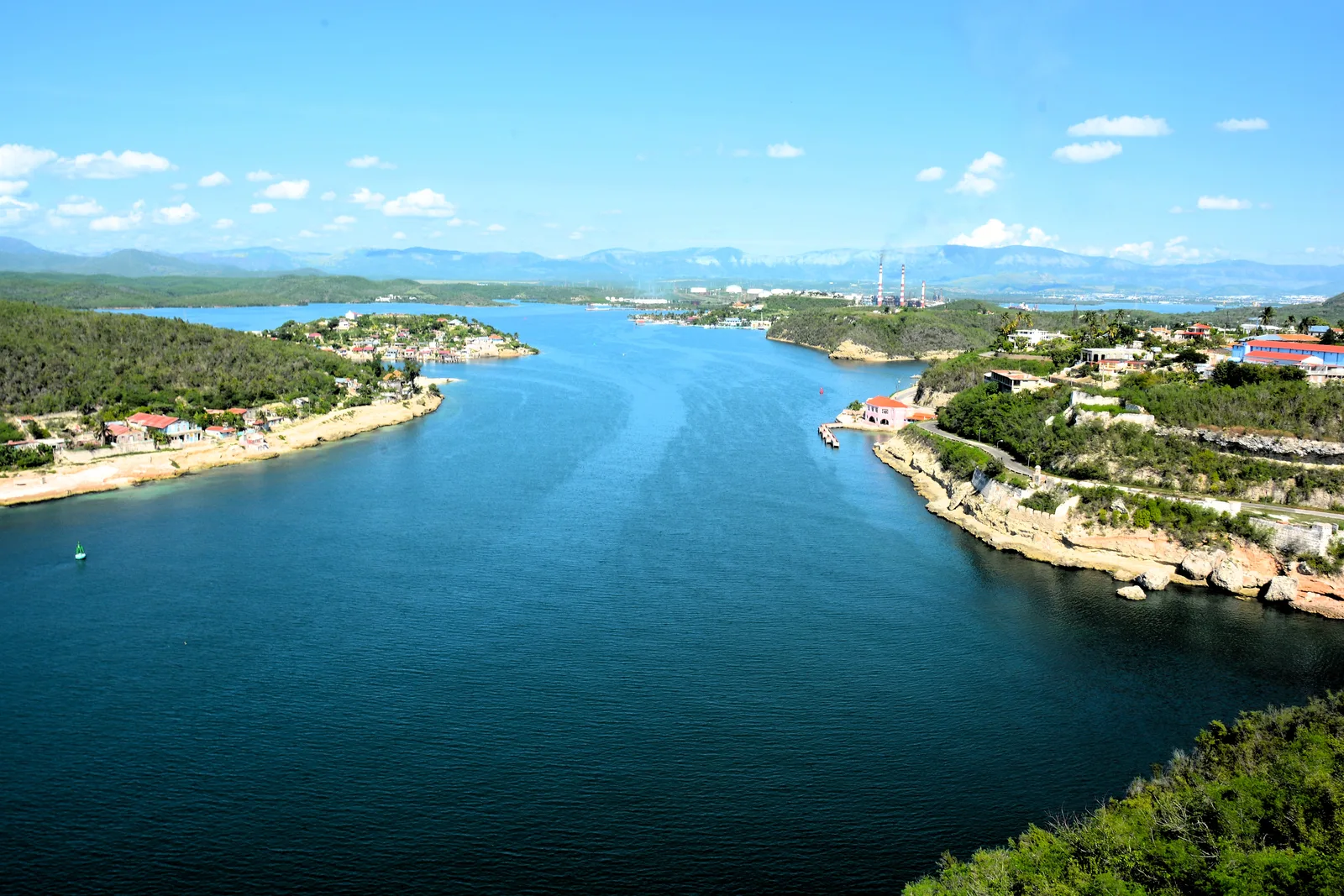
Decide whether Santiago suits your journey
Santiago de Cuba rewards an interest in music, architecture and the complicated history of eastern Cuba. Its setting brings the Caribbean, a sheltered bay and mountain country into the same journey, while its centre offers squares, museums and streets that climb into residential neighbourhoods. Visitors come for this combination rather than a single landmark. Allow time to listen, look and understand the places between the monuments.
There is an immediate qualification. At this guide's October 2026 review, UK government travel advice advised against all but essential travel to Cuba because severe shortages were disrupting essential services. Check your own government's advice, insurance and actual transport arrangements before committing money. The itinerary below describes how to organise a visit when conditions and your circumstances permit; it cannot establish that services are operating normally.
Allow three full days for an introduction. Compare the wider context in VisaWand's Cuba guide before deciding how Santiago fits your plans.
Understand the city's historical layers
Founded as a Spanish colonial settlement in 1515, Santiago developed around its port and central square. Its buildings reflect successive periods rather than one preserved architectural moment. The cathedral's present appearance includes substantial twentieth-century changes, while the former town hall acquired its current adaptation before its 1950 reinauguration. Reading these buildings together is more informative than treating every façade as an untouched colonial survivor.
The city also belongs to a broader Caribbean history of forced migration, slavery, resistance and cultural exchange. Connections with Haiti shaped eastern Cuba's plantation landscape and performance traditions. These influences remain important when interpreting music or visiting coffee heritage sites; they should not be reduced to a picturesque story about European settlers.
Revolutionary history provides another layer. The former town hall is associated with Fidel Castro's speech on 1 January 1959. Use museums to examine specific events and their presentation, leaving room for questions about how official narratives are constructed.
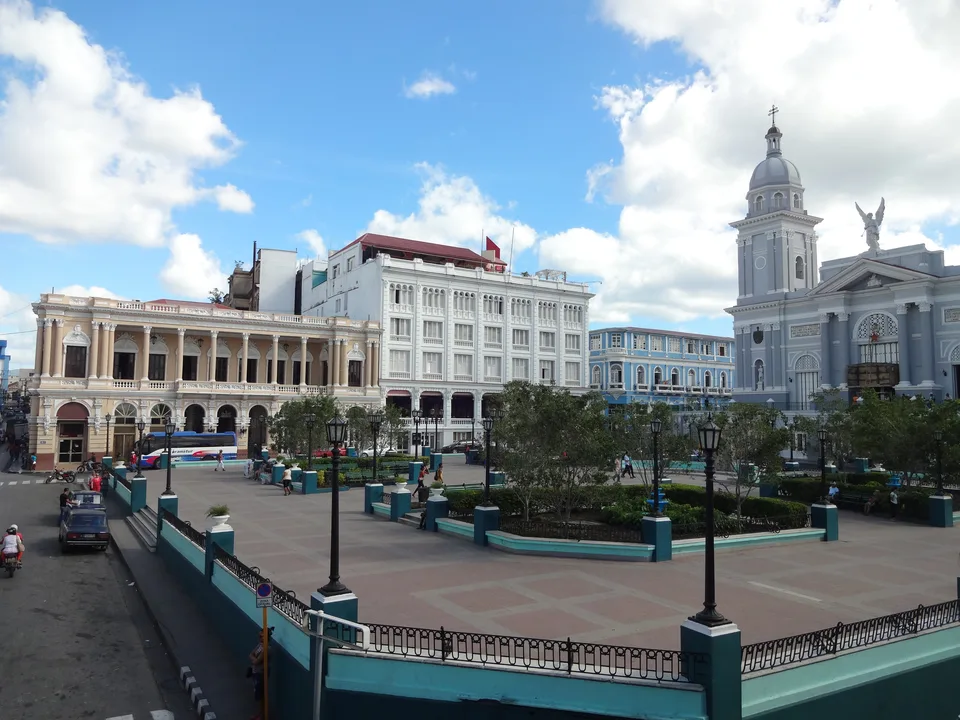
Begin around Parque Céspedes
Parque Céspedes is the most useful starting point for understanding the historic centre. The cathedral, Casa de Diego Velázquez, former town hall and Casa Granda gather around or beside the square. Their proximity makes an introductory walk practical without arranging a vehicle for each stop. Start early enough to explore before the strongest heat and leave time to sit rather than marching between entrances.
The official city landmarks page explains the surrounding buildings and their history. Casa de Diego Velázquez contains a museum and architectural details associated with Mudéjar traditions. Ask which rooms are accessible that day, whether explanations are available in a language you understand and what the complete admission charge includes.
Keep the first outing short after a long journey. Shade, seating and drinking water deserve consideration alongside the sights.
Explore El Tivolí at walking pace
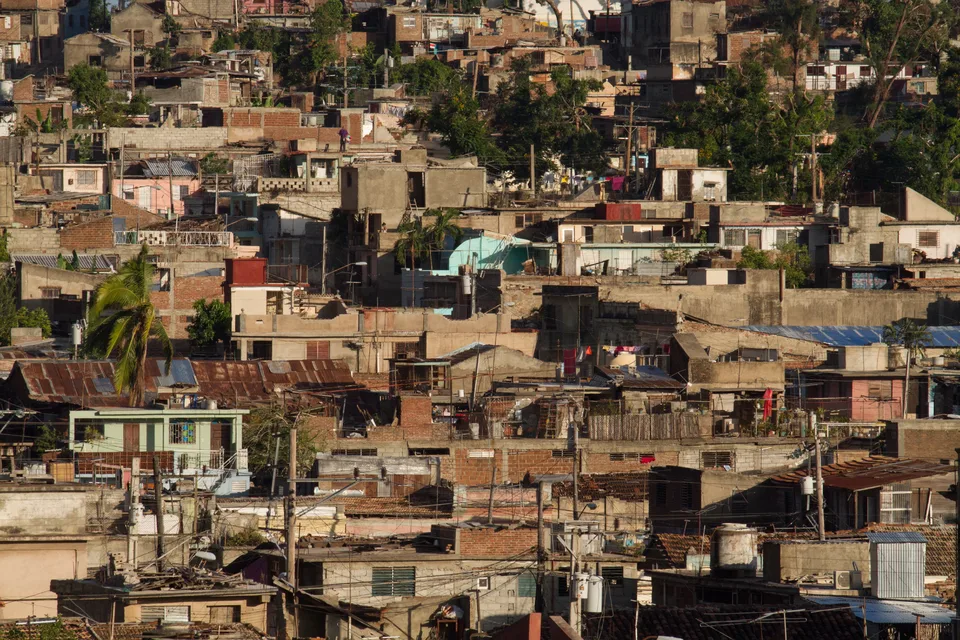
El Tivolí offers a different view of Santiago: sloping streets, steps and closely packed buildings, with cultural links to migration from Haiti. The Padre Pico staircase is one approach to the neighbourhood. Plan a route that suits your mobility and the weather; a short distance on a map can involve considerably more effort than a level walk.
The Museo de la Lucha Clandestina and Casa de las Tradiciones give the area historical and musical points of reference. Confirm opening and performance arrangements locally before building the afternoon around either. A cultural venue's presence in a directory does not establish that a particular event is running.
Carry only what you need, ask before photographing people and avoid obstructing doorways or everyday activity. Residential streets remain places where people live and work. If stairs are difficult, describe that requirement when arranging a guide or taxi rather than accepting a standard walking circuit without checking its route.
Make room for music
Music is a reason to stay in Santiago rather than passing through for photographs. Son, bolero and traditional trova are central to the city's cultural identity. Casa de la Trova is an established reference point, but choosing an evening should involve finding out who is performing, the format, the admission charge and how you will return to your accommodation.
The tourism board's cultural spaces directory also identifies La Caridad de Oriente, associated with Tumba Francesa. This is a tradition of song, dance and drumming with Afro-Haitian roots, not a cemetery: literal English translations of its name can be misleading.
Ask whether a performance is confirmed and whether photography or recording is welcome. Allow a complete session rather than treating live music as background to a rushed dinner. Older recurring timetables are useful leads, but they need reconfirmation under present operating conditions. Prearrange transport for a late return and keep its cost separate from entry and drinks.
Visit San Pedro de la Roca for its setting and engineering
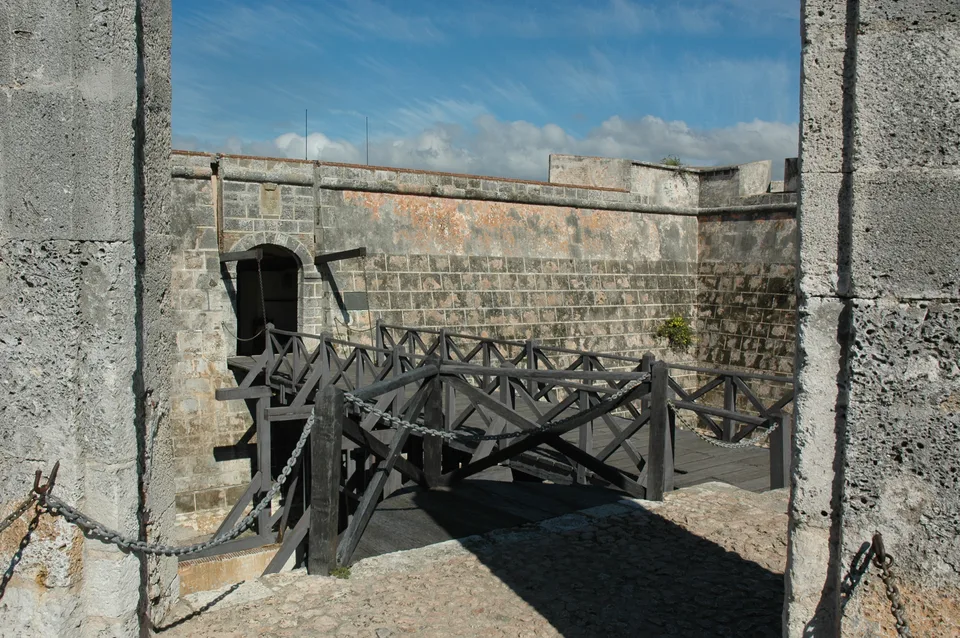
San Pedro de la Roca stands on a rocky promontory at the bay entrance. Its importance becomes clearer when you look beyond the views to the arrangement of walls, batteries and terraces. UNESCO's account of the fortress explains how military engineering was adapted to the terrain and the commercial and political rivalries of the Caribbean.
The surviving complex developed over several centuries. It should not be described as a building completed in a single year. Stairways connect different levels, so check the accessible route if uneven surfaces, steps or heat are a concern. Take water and sun protection and establish a return arrangement before setting off.
Treat the fortress as a separate excursion from the central walking area. Obtain a current transport quote and admission information; this guide does not reproduce an unverified entrance price. Ask what is open and whether any ceremony is actually scheduled rather than arriving solely for an old advertised timetable.
Choose a base by address and services
For a short cultural visit, accommodation near the historic centre reduces the effort of reaching squares, museums and evening venues. The tradeoffs can include street noise, stairs and limited vehicle access immediately outside a property. Ask for the room's actual position and entrance arrangements, particularly if arriving after dark or carrying substantial luggage.
Other options appear around Reparto Sueño, Avenida Las Américas, Vista Alegre and the approaches towards the bay. These addresses may suit a different daily routine, but calculate transport for the places you intend to visit. A provincial listing can include properties well outside the city; it does not make every listed hotel a practical base for central Santiago.
Use the official accommodation directory to identify locations, then confirm current operation directly. A hotel name, star rating or historic reputation does not answer today's questions about water, electricity, meals or staffing. For travellers subject to US rules, accommodation restrictions also require a separate check.
Ask useful questions before booking
Request written confirmation of your room, cancellation terms, payment currency and arrival arrangements. Ask what backup electricity covers: lighting and a charging socket are different from continuous air conditioning, refrigeration or a lift. Establish how water is stored and supplied during interruptions and whether drinking water and breakfast can be provided.
For an authorised private rental, clarify who will meet you, whether the bathroom is private, how many stairs reach the room and how to contact the host if your flight changes. Photographs should help you understand the actual room rather than a different unit in the same building.
Compare the complete cost of meals, transport, laundry and communication. Keep confirmation details available offline. Ask about refrigeration and cooling if these are essential for your household.
Confirm the journey before choosing a flight
Antonio Maceo International Airport, identified by the code SCU, serves Santiago de Cuba. The official local transport directory identifies the airport and transport contacts. It establishes where facilities are located, not which flights are currently operating. Check the airline's own booking and operational information for your dates and reconfirm close to departure.
Fuel shortages have affected aviation and ground transport nationally. Avoid relying on an old route map, an advertised connection that cannot be booked or an assumed domestic flight from Havana. A cheap arrival elsewhere in Cuba can become an expensive journey if onward arrangements are uncertain.
Arrange collection through a known provider or accommodation contact and confirm the driver, vehicle, total fare, currency and waiting policy. Ask what happens if the arrival time changes. Do not assume an airport transfer is included with the room. Keep enough flexibility for a delayed arrival without losing a tightly scheduled first day.
Keep local and intercity travel realistic
Central visits can often be grouped on foot, but slopes and heat influence what is comfortable. Reserve vehicle journeys for sites outside the centre or for a route whose effort would otherwise outweigh the benefit. Agree the destination and full charge before departure, including waiting time, multiple stops and the return journey where relevant.
Viazul is identified by the tourism board as an intercity operator. Its presence in the directory should not be read as confirmation of a departure on your chosen date. Verify availability, the current boarding point, luggage arrangements and the method of payment before making accommodation depend on that service.
The same caution applies to trains and vehicle hire. Access to a car does not establish access to fuel or a trouble-free journey. For essential appointments, leave a generous margin and have a contact who can help if transport fails. Avoid combining a long overland arrival with an immediately departing international flight.
Eat according to what is available
Santiago's food listings include Cuban and international cooking, cafés and restaurants serving dishes such as roast pork, rice with chicken and ropa vieja. These offer useful starting points for a conversation about what is being prepared today. They are not a promise that every printed menu item is available or that a directory's opening hours remain accurate.
The official restaurant directory lists establishments around the centre, Avenida Garzón, Vista Alegre and locations farther afield. Choose an address that fits your route, contact it when possible and ask for the day's menu and prices. For a fortress or countryside excursion, establish the meal arrangement before leaving town.
Explain allergies clearly in Spanish or with a prepared translation and ask about ingredients rather than relying on a familiar dish name. If your diet depends on particular foods, discuss those needs with your host before booking. Keep a dependable drinking-water arrangement throughout the stay, including on travel days.
Build a budget in confirmed currencies
A credible Santiago budget starts with dated quotes rather than a universal daily spending figure. Record accommodation, breakfast or other meals, airport collection, local journeys, admissions and an emergency reserve separately. For each quote, note the currency, whether the amount is per person or per vehicle and whether any additional charge remains payable.
Current official guidance says international Visa and Mastercard transactions are unavailable in Cuba, including cash withdrawals with those cards. Do not assume a card issued outside the United States will solve the problem. Plan accessible funds for the whole visit and an unexpected delay, while arranging secure storage and carrying only what you need for an outing.
Check authorised exchange arrangements and keep receipts. An informal exchange rate found online is not a verified lawful transaction available to you. Recheck payment arrangements shortly before travelling: this is a changing part of trip planning, and older tourism pages can give conflicting advice.
Shop with attention to provenance and practicality
Crafts, prints and other small artworks offer alternatives to buying the same souvenir at every stop. The official shopping directory identifies galleries and craft outlets on streets including Heredia, Aguilera and Enramadas. Use it to locate possibilities, then check current opening and stock rather than planning around a particular product.
Ask who made an item, what it costs in the stated currency and whether you receive a receipt. If buying art or an antique, establish any export documentation needed before payment. Your home country's import rules can also affect what you may bring back; permission to buy something locally is not the same as permission to import it.
For household shopping during a longer stay, distinguish an occasional purchase from a reliable supply. Confirm where everyday essentials can actually be obtained and budget for alternatives when stock is unavailable. Keep some luggage capacity for items you need to bring yourself rather than assuming every familiar product will be easy to replace.
Choose dates with weather and disruption in mind
Santiago's coastal lowlands and surrounding mountains have different conditions. The regional climate information describes substantial variation with elevation and location, so a provincial average is a poor basis for packing for a specific excursion. Plan exposed walking for cooler parts of the day and keep a rain layer available when heading into higher country.
The Atlantic hurricane season officially runs from June through November, although storms can occur outside those dates. Consult National Hurricane Center information and current local instructions when travelling during unsettled weather. A quieter seasonal forecast cannot guarantee an individual trip will avoid disruption.
Music festivals can provide an appealing reason to choose particular dates, but verify that an edition is taking place before booking around it. Weather preferences should also be weighed against current service conditions. A season normally attractive for sightseeing does not remove the need to check transport, accommodation and essential supplies.
A flexible three-day introduction
Day one: begin at Parque Céspedes, examine the surrounding architecture and choose one museum or interior visit. Pause for lunch, then follow a manageable central route rather than attempting every landmark. If you have a confirmed performance and a return arrangement, leave the evening for music.
Day two: organise the fortress excursion with a defined collection time and return plan. Keep the afternoon flexible for a rest, a gallery or a cultural visit that was unavailable the previous day. Resist filling the gap with a distant stop solely because it appears nearby on a provincial tourism map.
Day three: explore El Tivolí at a comfortable pace or arrange one countryside outing if transport, access and conditions have been confirmed. Finish with time to prepare for onward travel. This is a sightseeing framework, not evidence that a trip meets a particular visa condition or US sanctions authorisation. Adjust it to your purpose and the services actually available.
Consider Gran Piedra and the coffee landscape
The country around Santiago can add perspective to the urban visit. Gran Piedra and La Isabelica connect mountain scenery with the history of coffee production. The UNESCO-listed coffee landscape extends across parts of Santiago de Cuba and Guantánamo provinces; it is a dispersed heritage area, not one compact attraction beside the central square.
La Isabelica is a restored plantation museum within that wider story. Interpret the surviving buildings and infrastructure alongside the enslaved African labour that sustained production. The landscape's appeal does not erase that history. Ask what can currently be visited and how much walking is involved before agreeing an excursion.
The regional natural-areas information offers further ideas around Baconao and the mountains. Choose one manageable outing rather than combining several distant sites. Establish access, weather, food, water and the return vehicle in advance. Do not assume an old description of a daily tour guarantees a departure now.
Test everyday life before committing to a move
Living in Santiago requires a different assessment from enjoying a short cultural stay. Begin with the legal basis for residence and your actual work or study arrangements, then examine housing and services. A pleasant holiday room does not establish that a property will support your household for months.
Inspect water supply, ventilation, cooking facilities, refrigeration, laundry and the extent of backup electricity. Ask which utilities are included, how interruptions are handled and who organises repairs. Clarify the written rental terms, authorised use, deposit and receipts before transferring a substantial amount.
Test the commute to your real workplace or institution at the times you will travel. For a household with children, obtain direct confirmation of school admission, language, charges and transport rather than assuming local residence creates an immediate place. Check access to healthcare and regular supplies with equal care. Keep enough flexibility to change arrangements if essential needs cannot be met.
Check communications and healthcare directly
ETECSA's current CubacelTur information describes temporary tourist mobile services with seven-day and thirty-day basic options. Check the applicable package, compatible handset, purchase method and collection location before buying. A temporary visitor line and an ongoing household connection are different arrangements; neither should be treated as a guarantee of uninterrupted internet.
Download travel documents and useful addresses in advance and maintain a contact plan that works when a device cannot be charged. If your income depends on connectivity, assess the connection at the actual property and consider the consequences of an outage before committing to remote work there.
The official healthcare advice warns of serious medicine shortages and limited ambulance reliability. The emergency ambulance number is 104. Bring necessary medication through lawful arrangements and confirm insurance that covers Cuba, treatment and possible evacuation. Anyone with recurring medical needs should establish a realistic care plan before making either a short trip or a relocation decision.
Separate tourist entry from work, study and residence
Use Cuba's official entry information and the government electronic tourist visa portal to check requirements for your nationality and journey. Visa exemptions exist, so a blanket statement that every visitor needs the same document would be misleading. The tourist evisa portal describes a single-entry ninety-day stay with a possible extension; an extension requires the appropriate process rather than happening automatically.
The official DViajeros declaration is separate from the visa. Check its current completion instructions before departure and retain the resulting documentation offline. Arrange medical travel insurance and the required onward or return travel evidence. Contact a Cuban consulate when your circumstances fall outside ordinary tourism.
For employment, study or permanent relocation, seek the corresponding authorisation before organising your life around a tourist stay. Government guidance on residence and work in Cuba identifies separate procedures for workers and postgraduate students. Renting a home, extending a visit or possessing a foreign income does not establish permission to work or settle permanently.
Check US rules and compare onward options
People subject to US jurisdiction must check OFAC's current Cuba travel rules. Ordinary tourism transactions are prohibited, and an authorised purpose comes with conditions. Accommodation and restricted-entity rules matter separately. Recent changes mean older descriptions of educational or professional travel can be misleading; do not assume attending a conference or following a cultural itinerary qualifies.
Travellers who normally use ESTA should also review US Customs and Border Protection's Cuba guidance. With limited exceptions, visiting Cuba on or after 12 January 2021 makes a traveller ineligible to use the Visa Waiver Program. Applying for a US visa can still be possible; this is not a blanket ban on entering the United States.
For another Cuban base, compare Havana's destination page or Trinidad's destination page and the Cuba destination directory. Consider the purpose, journey and essential services of each option before adding transfers. For help identifying a suitable adviser, browse VisaWand's consultants for Cuba and confirm the service relevant to your own circumstances.
Official planning resources
Reviewed 28 October 2026. Use the official resources linked throughout this guide for admission, transport, housing and immigration decisions. Prices, services and rules can change; confirm the details relevant to your dates. Photography illustrates the locations and is not a live view.
View all official resources
- FCDO Cuba warnings and insurance
- Cuba Travel city landmarks
- Cuba Travel cultural spaces
- UNESCO San Pedro de la Roca
- Cuba Travel accommodation directory
- Cuba Travel Santiago transport
- Cuba Travel restaurant directory
- Cuba Travel shopping directory
- Cuba Travel regional climate
- National Hurricane Center tropical cyclone climatology
- UNESCO southeastern Cuba coffee landscape
- Cuba Travel surrounding natural areas
- ETECSA current CubacelTur service
- FCDO Cuba healthcare
- Cuba Travel entry formalities
- Official Cuba electronic tourist visa portal
- Official DViajeros arrival declaration
- Spanish Labour Ministry residence guidance for Cuba
- OFAC current travel authorizations
- CBP ESTA frequently asked questions
Plan the next part of your journey
Explore the Cuba guide, browse other cities or compare consultants for your travel and relocation questions.