Visa
First decide whether this is the right time
Trinidad’s cobbled streets, courtyards and sugar-era buildings make it one of Cuba’s most distinctive places to explore on foot. The historic centre is compact enough for an unhurried visit, while the surrounding valley, mountains and coast offer very different days outside it. This is Trinidad in Sancti Spíritus province, in central Cuba, rather than Trinidad and Tobago.
Current conditions must come before itinerary planning. Checked on 21 October 2026, the UK Foreign, Commonwealth and Development Office’s Cuba advice advises against all but essential travel, citing shortages affecting tourism and journeys. Check your own government’s advice, insurance and practical arrangements before committing money. This guide explains the destination and the decisions a visit requires; its suggested outings depend on suitable conditions and confirmed services. Start with the Cuba country guide for wider context and keep the current advice open alongside any attractive accommodation listing.
Understand what the handsome buildings represent
The UNESCO description of Trinidad and the Valley de los Ingenios connects the city’s architecture with the sugar industry that flourished nearby during the eighteenth and nineteenth centuries. The wealth visible in grand houses cannot be separated from the enslaved people whose labour sustained the plantations and mills. Reading that history changes a visit from an exercise in admiring façades into an encounter with the economy that produced them.
Trinidad was founded in the early sixteenth century, but much of the built environment visitors recognise belongs to its later prosperity. The preserved streets and squares form a coherent urban setting rather than a single monument. Look at ordinary houses as well as the largest residences: doorways, rooflines, tiled surfaces and shaded interiors reveal how the city was constructed and inhabited. Leave space for interpretation instead of trying to photograph every building in one circuit.
Start around Plaza Mayor
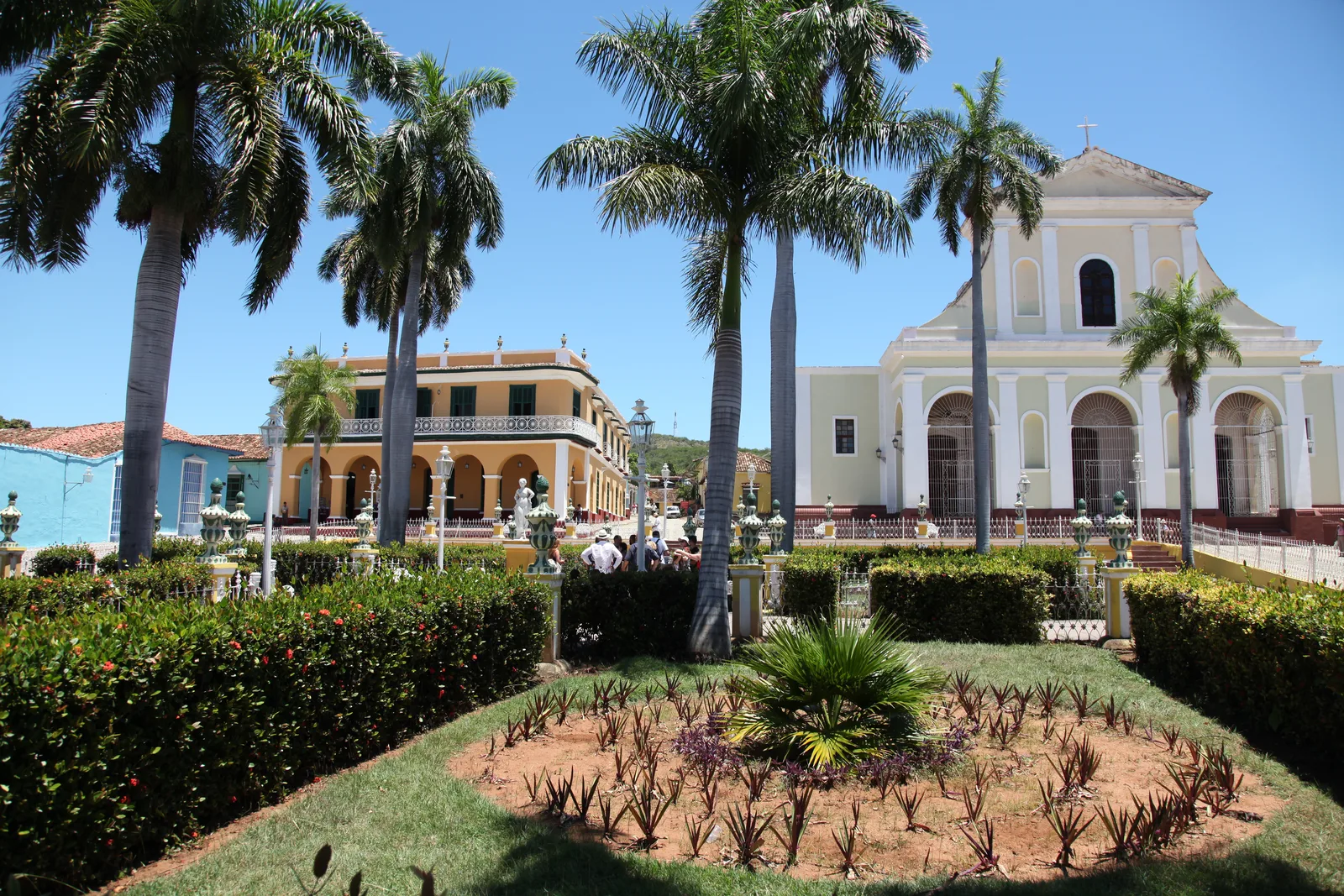
Plaza Mayor is the natural orientation point for the historic centre. Begin with a short walk around the square and adjacent streets, then choose one interior to explore if it is open. The official Trinidad city information identifies Palacio Cantero with the municipal history museum and Palacio Brunet with the Museo Romántico. Their value lies partly in understanding how domestic space expressed status and wealth.
Confirm current opening, access and admission locally rather than arriving with an old fee table. A tower or upper floor can involve steps and may have separate restrictions. If mobility or fatigue matters, ask before paying. One well-chosen museum and time to absorb the surrounding streets can be more rewarding than a hurried attempt to enter every institution. Return to the square at another time of day to see how light and daily activity change its character.
Walk the centre in manageable pieces
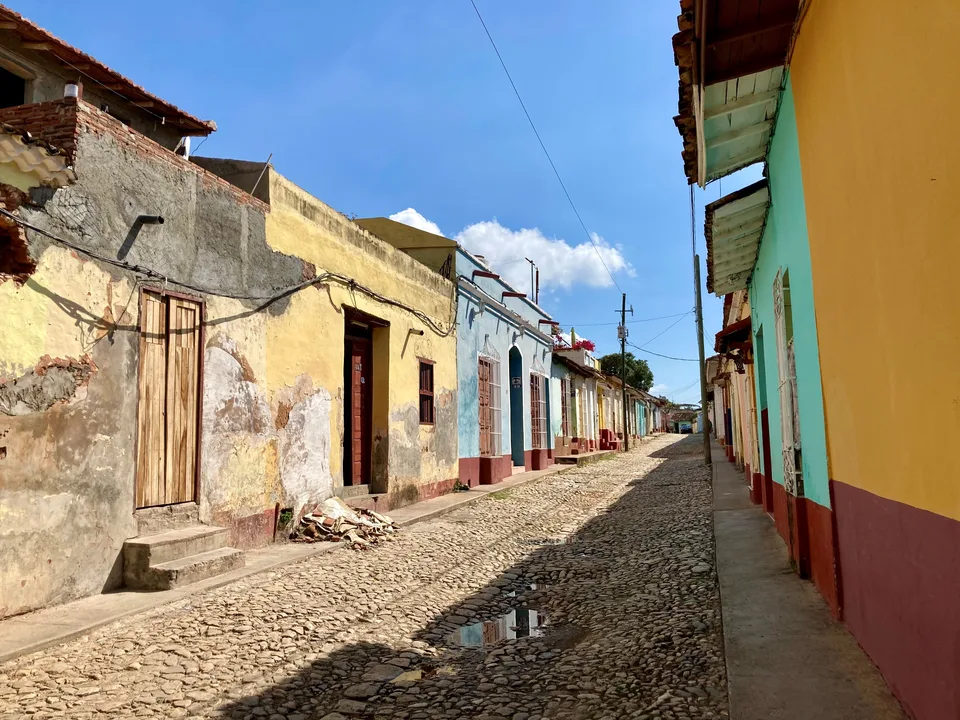
The cobbles are part of the city’s appeal and a practical consideration. Choose footwear for uneven ground, keep luggage transfers short where possible and ask an accommodation provider how close a vehicle can get to the entrance. A property that looks conveniently central on a map can still involve a difficult final walk with a heavy case.
Divide exploration into short routes with water and rest breaks. Plaza Real del Jigüe and Plaza Santa Ana are useful places to ask about when arranging a local walk, rather than treating the entire centre as one compulsory march. Save an offline map and the accommodation’s exact address, including any alternative street names supplied by the host. If someone uses a wheelchair, cane or pushchair, request specific information about surfaces, steps and doorways. “Historic property” is not an accessibility description.
Give music and crafts their own time
Trinidad’s cultural life deserves more than an evening added to fill a gap. The tourism board’s walking and cultural excursion information includes craft visits and music venues, but an advertised programme is not proof that a particular performance will run tonight. Ask about the current programme, admission and return journey before going out.
Choose an activity that suits your interests: a conversation about pottery, a small performance or a guided introduction to the streets. When shopping, ask the maker or seller about the object and its materials, and check any applicable export requirements before buying something unusual or old. Pay an agreed price and obtain a receipt for a significant purchase. The most useful souvenir is one you understand and can transport, rather than an impulsive item bought because a tour group stopped at a shop.
Take the valley as a historical excursion
The Valle de los Ingenios is a landscape of former sugar production, with plantation houses, industrial remains and rural communities. It belongs beside the historic city in your understanding of Trinidad. A guided visit can help explain what survives and how individual sites related to the wider system.
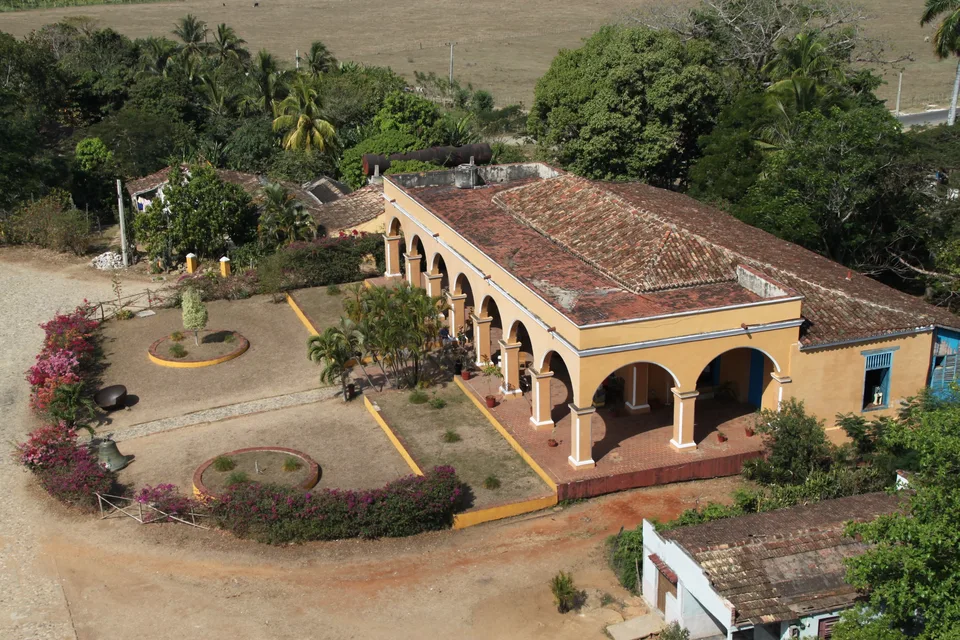
Manaca Iznaga is one possible focus, with its house and tower setting. Ask which sites are actually accessible, how much walking or climbing is involved and what transport is included. Do not assume a published train excursion is currently operating, or that reaching one site provides easy access to all the others. Choose a manageable route and agree on the return before departing. Allow time to discuss the labour and living conditions behind sugar production, rather than treating former plantation properties only as attractive viewpoints.
Keep Ancón separate from the old town
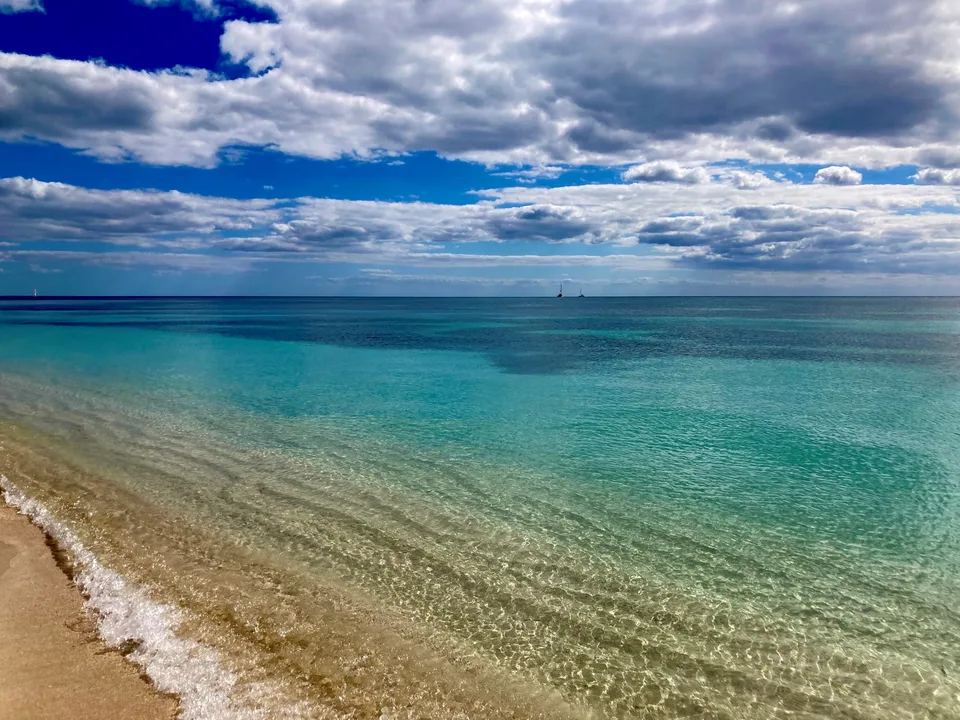
Playa Ancón and the surrounding peninsula offer a coastal setting outside Trinidad rather than a beach immediately beside Plaza Mayor. A stay here changes the holiday: shore time becomes easier, but visits to the historic centre require transport. A city stay does the reverse. Choose the balance deliberately instead of expecting both experiences outside the same door.
For a day visit, arrange a viable return journey and check available facilities before leaving town. Bring what you need for the day, including drinking water and suitable sun protection. Follow local instructions about sea conditions and supervised areas; a calm photograph cannot establish safety on another date. Avoid relying on legacy beach-bus schedules found online. The official transport page still contains obsolete currency prices, so its old timetable is not used here as a current promise.
Treat Topes de Collantes as a mountain day
Topes de Collantes introduces a different landscape from the coastal plain. Choose the outing according to the actual trail and your fitness, not the general label “waterfall tour”. The regional visitor information describes demanding walking options, including the Caburní excursion. Ask about gradients, footing, distance, weather and the condition of the return climb.
A shorter guided visit may be more appropriate than a strenuous hike, particularly for families or anyone affected by heat. Confirm road transport, fuel, guide arrangements and whether the selected route is open. Carry the supplies agreed with the operator and leave sufficient daylight for the journey back. Do not interpret a tour brochure’s photograph of a pool as confirmation that swimming is currently allowed or sensible. Keep a city-based alternative if the excursion cannot operate; reaching the mountains should not become an obligation regardless of conditions.
Choose a base around the journeys it creates
The historic centre suits visitors who want to spend most of their time walking between streets, squares and meals. Ask about vehicle access, evening noise and the actual room location. A quieter address farther out can work well if the route back after dinner is practical and the accommodation provides reliable local advice.
La Boca, the Ancón peninsula and the valley are separate settings, each with a different transport calculation. The official accommodation directory helps distinguish these areas, but verify a property’s current operation and facilities directly. A listed brand, photograph or star category does not establish today’s electricity, water or food arrangements. For visitors subject to United States rules, accommodation also requires a sanctions check; a room being available for sale does not establish that your transaction is permitted.
Ask precise questions about a room
A private room, small guesthouse or hotel can offer very different experiences, but the useful comparison is concrete. Establish the bathroom arrangement, stairs, ventilation, cooling, included meals and access to drinking water. Ask how power and water interruptions affect the room you would actually occupy, rather than accepting a general statement that the building has backup facilities.
Clarify what backup electricity supports and for how long: lighting, refrigeration, a charging socket and air-conditioning are different loads. Ask how the host will communicate if mobile data is unavailable and what happens if your transfer is delayed. Retain written terms covering payment, cancellation and any advance deposit. If the answers do not meet essential medical or household needs, change the plan. A beautiful courtyard cannot compensate for an arrangement that is unsuitable for the people staying in it.
Request the entrance address as well as the property name, and agree on a recognisable meeting point if the driver cannot enter the street. Send arrival changes through the channel the host actually monitors. Keep a second contact method available rather than relying on one message being delivered promptly.
Reach Trinidad through a confirmed connection
The official information on reaching Trinidad describes road approaches through Cienfuegos, Santa Clara and Sancti Spíritus. Compare the complete journey from your actual arrival airport, including flight availability, road conditions, fuel and the final transfer to the property. An airport appearing close on a map does not mean it has a useful flight for your dates.
Avoid making an inflexible excursion the appointment immediately after arrival. Leave time for delays and establish how the accommodation will receive you. If travelling onward, confirm the next service before leaving the previous base and keep the provider’s contact details offline. A shorter itinerary with dependable connections is preferable to a chain of distant stops that only works when every service runs perfectly. This is especially relevant when the reason for travelling is essential and a missed connection would have consequences beyond a lost sightseeing day.
Check buses and taxis with the operator
Viazul’s current booking portal is the place to check offered intercity journeys, availability and booking conditions. Search for the actual date and retain the ticket or confirmation offline. Do not infer a current departure from a blog, an old PDF or a route that used to run.
Payment abroad and payment at a terminal are separate questions. Ask the operator which methods work for your booking and whether anything remains payable locally. For a transfer with a driver, agree on the pickup point, luggage, passengers, total charge and return arrangement. Ask about the realistic effect of fuel availability on the plan. If a vehicle cannot reach your lodging, establish the final walking section before travelling. Keep enough time between independent bookings to cope with disruption instead of assuming that one operator will protect a connection sold by another.
Make payment arrangements before arrival
The current FCDO practical advice on money and transport says international Visa and Mastercard payments are no longer accepted in Cuba and international cards cannot be used to withdraw cash at ATMs. Older advice suggesting that only US-issued cards are problematic is therefore inadequate for planning this visit. Confirm arrangements with each provider before departure.
Work out how to cover the entire stay, emergencies and a delayed departure. Check which currency each quoted charge uses and what is already paid. Use authorised exchange services and keep records; do not base a budget on an informal rate offered in the street. Carrying substantial cash also needs thought about storage and access. A prepaid product mentioned by a provider is not a reason to abandon an emergency plan: establish where it is accepted, how it is funded and what happens to any unused balance.
Eat according to what is actually available
The official Trinidad restaurant directory is useful for orientation, including places around the centre and on the coast. Treat it as a directory rather than a verified daily menu or personal recommendation. Ask what is available, what the price includes and how payment works before ordering, especially for a group or a particular dietary requirement.
Arrange breakfast or an evening meal with your accommodation if that helps simplify the day, confirming the charge and expected time. Keep drinking-water needs separate from assumptions about what a room supplies. If considering a named bar or a drink associated with Trinidad, enjoy it as an optional part of the cultural visit rather than a compulsory stop. Avoid building the day around a promised ingredient, unlimited choice or a late meal without checking that the establishment can actually provide it.
Build a realistic budget without false averages
A useful Trinidad budget begins with confirmed quotes, not a single daily spending figure. Separate accommodation, meals, transfers, admission, guiding and communication. Note the currency and payment method beside each item, and distinguish charges already settled abroad from expenses still due locally.
For two people sharing expenses, agree who holds each booking and how either person can access the essential details. Include the cost of reaching the departure airport again if the planned route changes. That return connection deserves the same attention as the arrival transfer.
Keep an additional allowance for a changed route, extra nights or medical costs. An excursion price means little until you know whether transport, entry and a guide are included. A cheap room outside town may require several paid journeys, while a central address may simplify the whole visit. Do not interpret the absence of current prices in this guide as evidence that activities are free. Reliable up-to-date tariffs could not be established for every site, so readers should obtain them directly rather than plan from invented or obsolete figures.
Choose the season around comfort and disruption
Trinidad’s official climate information distinguishes the warmer coastal plain from cooler mountain areas and describes seasonal differences in rainfall. Winter is generally the drier period; the same page identifies January as the least rainy month and June as the wettest in its historical account. This is context rather than a forecast for a particular week.
Plan walking for comfortable parts of the day and keep rain protection available. A mountain outing needs its own conditions check even when the city looks clear. During periods of severe weather, allow a wider margin for transport and follow official instructions. Ask how your accommodation handles drainage and interruptions before choosing a longer stay. Travellers who need an uninterrupted schedule should judge the consequences of a disrupted day before booking, rather than assuming seasonality alone will remove the practical constraints.
A flexible three-day outline
Use this outline only after deciding travel is appropriate and confirming essential arrangements. Day one: arrive, settle in and take a short orientation walk around Plaza Mayor. Find a practical place for a meal and confirm the following day’s opening or guide arrangement. Leave the evening flexible after a potentially long transfer.
Day two: explore the historic centre in two manageable sessions, with one museum if open. Include time for interpretation, crafts or a confirmed musical programme according to your interests. Build in a proper rest rather than treating the cobbled streets as an endurance circuit.
Day three: choose the valley or a coastal visit with return transport arranged. Topes de Collantes deserves a separately planned day if you want a demanding walk. Keep an alternative in town and avoid scheduling a distant excursion immediately before a flight or other critical onward connection.
Test the requirements of a longer stay
Living in Trinidad asks more of the household than a short cultural visit. Start with the legal purpose of the stay and a realistic source of income, then test whether services can support it. A visitor’s interest in the city does not establish access to employment, an appropriate course or residence permission.
Before committing to housing, examine ventilation, cooling, water storage, food preparation, refrigeration and power arrangements. Ask who is responsible for repairs and recurring bills. Consider the routine journey to groceries, healthcare and any work or study location. If someone needs temperature-controlled medication, regular treatment or dependable communications, obtain specific professional and provider advice before moving. The key question is whether the arrangement remains workable on an ordinary difficult day, not whether it feels appealing during one sunny afternoon.
Treat internet and healthcare as essential planning
The local communications information identifies ETECSA and tourist connectivity options, but old package details do not establish current price, coverage or reliability. Check a suitable product and compatible device directly, and ask about reception at the actual address. Save confirmations, maps and key telephone numbers offline. An advertised Wi-Fi connection is insufficient evidence that a remote-working schedule will be dependable.
Read the current official healthcare advice before relying on local treatment or supplies. FCDO reports severe medicine shortages and gives 104 as the ambulance number, while warning that service is limited. Discuss prescription supplies, insurance, payment and possible evacuation with the relevant professionals before travel. Confirm what any named local clinic can provide today. A facility appearing in a directory does not establish specialist availability, equipment or the ability to meet a continuing medical need.
Keep Cuban entry rules separate from other permissions
The Cuban Foreign Ministry’s official eVisa portal states that the tourist visa is for a single entry and a 90-day stay, extendable for another 90 days. Check eligibility and the conditions applying to your passport; an extension requires the appropriate process rather than an assumption that six months is automatic. Use the official DViajeros portal for the required advance traveller information and retain the completed confirmation offline.
Tourism permission does not establish the right to take employment, undertake a longer course or settle permanently. Seek the correct purpose-specific information from the Cuban authorities or consulate before signing contracts or relying on a proposed arrangement. VisaWand’s Cuba consultant listings can help you compare professional assistance. Confirm credentials, fees and exactly what advice or application work is included; neither a housing booking nor a consultant’s involvement guarantees approval.
Check United States implications and onward alternatives
For people subject to US jurisdiction, OFAC’s explanation of tourist travel transactions is essential: ordinary tourism is not an authorised basis for transactions. Review the current travel-authorisation criteria and applicable accommodation and entity restrictions before paying. A Cuban visa is a separate permission. Do not treat a cultural activity or a stay with a local host as automatic proof of compliance.
Travellers planning a later United States visit should also check the official Visa Waiver Program rules for the effect of travel to Cuba on ESTA eligibility. For the Cuban itinerary itself, compare Cienfuegos’s destination page and Santa Clara’s destination page according to onward connections and services. Use the Cuba destination directory for orientation, checking what content each page currently contains. Keep the route proportionate to verified transport and your household’s needs, with space to change it when conditions require.
Official planning resources
Reviewed 21 October 2026. Use the official resources linked throughout this guide for admission, transport, housing and immigration decisions. Prices, services and rules can change; confirm the details relevant to your dates. Photography illustrates the locations and is not a live view.
View all official resources
- FCDO: current Cuba travel advice
- UNESCO: Trinidad and the Valley de los Ingenios
- Cuba Travel: historic Trinidad
- Cuba Travel: Trinidad and valley excursions
- Cuba Travel: Ancón and surrounding beaches
- Cuba Travel: accommodation locations
- Cuba Travel: reaching Trinidad
- Viazul: official intercity booking portal
- FCDO: payments, transport and practical conditions
- Cuba Travel: Trinidad restaurant directory
- Cuba Travel: Trinidad climate
- Cuba Travel: Trinidad communications
- FCDO: Cuba healthcare and medication
- Cuban Foreign Ministry: official tourist eVisa
- Cuban Ministry of Transport: DViajeros arrival information
- US Treasury OFAC: tourist travel transactions
- US Treasury OFAC: current travel authorisations
- US Customs and Border Protection: Visa Waiver Program conditions
Plan the next part of your journey
Explore the Cuba guide, browse other cities or compare consultants for your travel and relocation questions.