Visa
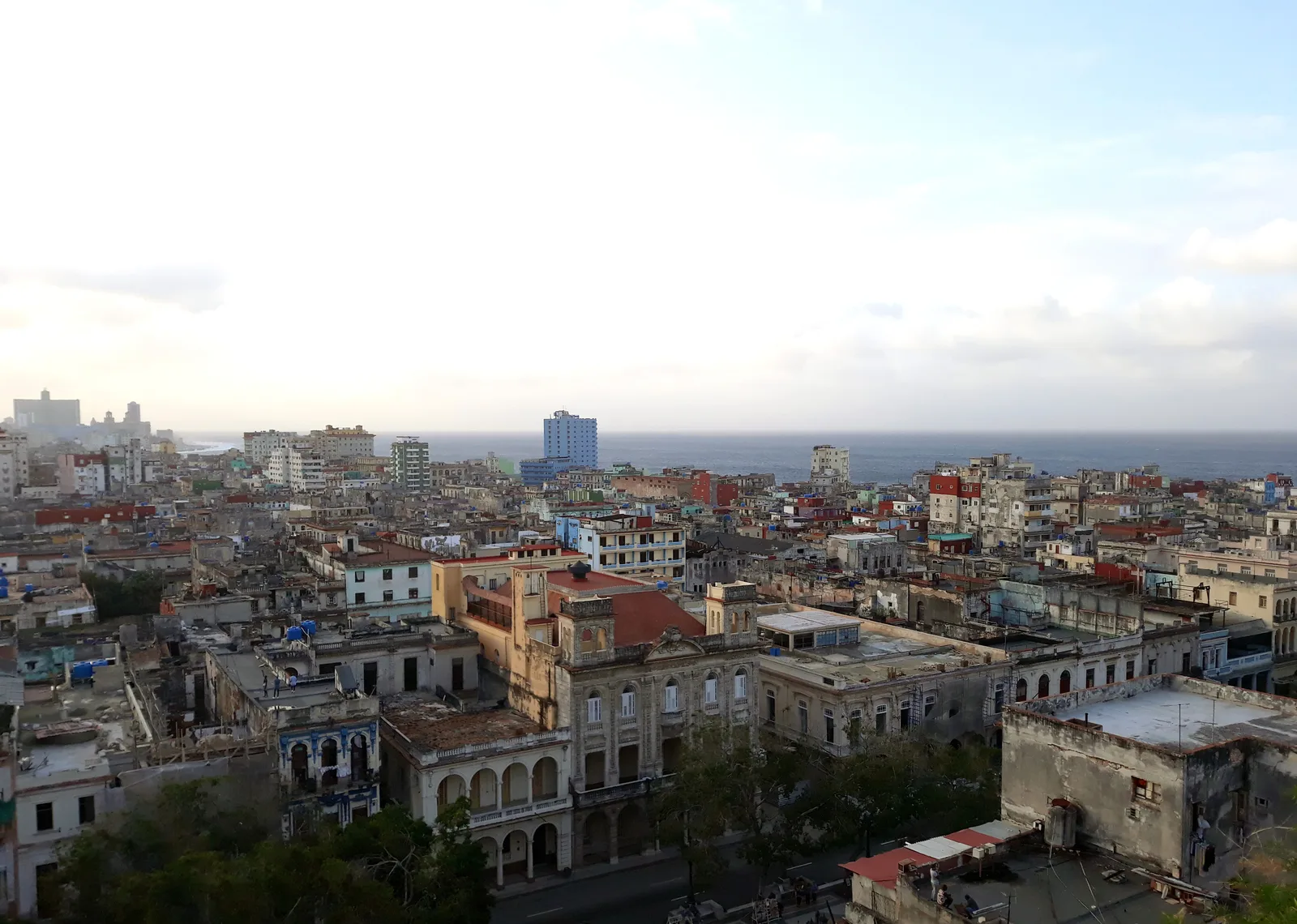
Havana deserves time, and a decision about timing
Havana rewards attention to the ordinary street as much as the celebrated monument: a courtyard glimpsed through a doorway, the curve of the harbour entrance, a neighbourhood changing from close terraces to broad avenues. Cuba's capital occupies the island's western region. Its historic centre, waterfront and twentieth-century districts offer quite different experiences. Decide which matters most before choosing an address on a booking map.
There is a pressing qualification. Checked on 15 October 2026, UK Foreign Office advice for Cuba advises against all but essential travel, reporting serious power, fuel and water shortages. Disruption affects tourism as well as essential services. Read your own government's advice and confirm insurance before committing money. This guide explains the city and how to assess a visit; the suggested walks depend on conditions allowing them.
For wider planning, use VisaWand's Cuba country guide and Cuba location directory alongside current official notices. A short cultural visit and a move requiring dependable utilities demand different decisions. Neither should rest on an attractive room photograph alone.
Understand the harbour city before exploring it
UNESCO's account of Old Havana traces the settlement to about 1519 and describes a port shaped by shipbuilding, trade and fortifications. Its World Heritage inscription dates from 1982. The protected ensemble connects public squares, religious and civic buildings, domestic architecture and the defensive works around the harbour entrance. It is a living urban area, rather than a collection of isolated monuments.
Look across the water to understand the geography. Morro and La Cabaña stand on the eastern side of the entrance; La Punta and the Real Fuerza belong to the western side. A fortress that appears close across the channel is not the next stop on a continuous waterfront walk. Plan the crossing separately.
The city's worn fabric also deserves an honest description. Restoration and deterioration coexist. Avoid presenting damaged homes as picturesque scenery detached from their residents, and do not enter a building merely because a door stands open. Ask before photographing people or private interiors.
Choose an area around the days you actually want
Habana Vieja suits a first visit centred on historic streets and squares. Centro Habana lies between the old city and Vedado; compare the particular block, entrance and walking route rather than assuming every central address has the same surroundings. Inspect the location of the accommodation itself, not just a pin identifying the district.
Vedado belongs to Plaza de la Revolución municipality. Miramar is in Playa, farther west. These are areas within Havana, not separate destinations requiring a second city itinerary. The official Havana overview explains the capital's municipal geography. Someone with meetings in Miramar may reasonably choose a different base from a visitor spending mornings around the cathedral.
Walk the old squares without rushing through them
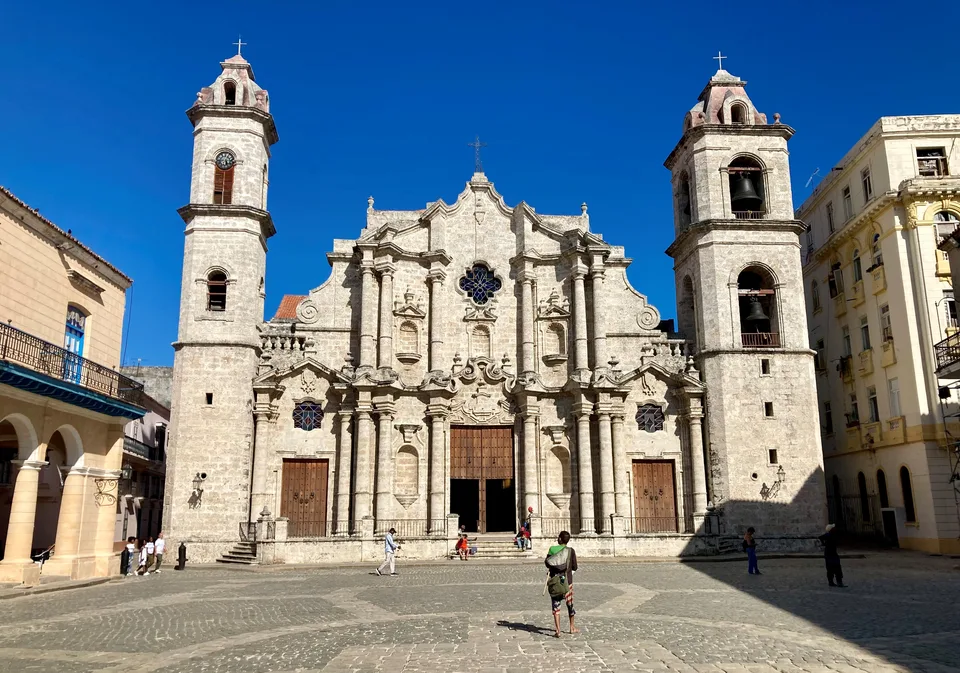
Start with Plaza de Armas, then connect the cathedral area, Plaza de San Francisco and Plaza Vieja at a manageable pace. UNESCO also identifies Plaza del Cristo among the old city's five principal plazas. There is no need to turn their number into a race: choose two or three, with time to look at façades and the streets linking them.
The tourism board's city inventory helps identify the cathedral, Prado, Parque Central and the Capitolio. Use it as a location reference. An entry in a directory does not establish that an interior is open today, that a guided visit is available, or that an old admission price still applies.
Wear shoes suitable for uneven surfaces and carry drinking water. Build the route around shade and somewhere confirmed for lunch. For a visitor with limited mobility, ask about the exact entrance, steps and accessible toilet before travelling to a museum; a description of the square outside answers none of those questions.
Give Cuban art and social history a place
The official cultural directory distinguishes the Cuban and Universal Art buildings of the Museo Nacional de Bellas Artes. Choose the collection that interests you and confirm which building admits visitors, rather than buying transport to an unspecified museum pin. The Museo de la Ciudad in the former Capitanes Generales palace offers another possible focus for the historic centre.
José Martí's birthplace is on Leonor Pérez in Habana Vieja. Hemingway's Finca Vigía is a separate excursion in San Francisco de Paula, within San Miguel del Padrón. Treat these as choices reflecting your interests, not compulsory additions to an already crowded morning. A substantial museum visit is more useful than several entrances seen from a taxi.
Current admission prices and dependable operating hours could not be established for these institutions during this review. They are deliberately omitted. Obtain a same-day confirmation through the institution or official visitor information, including whether power interruptions affect the galleries you want to see.
Keep the Malecón and the forts in perspective
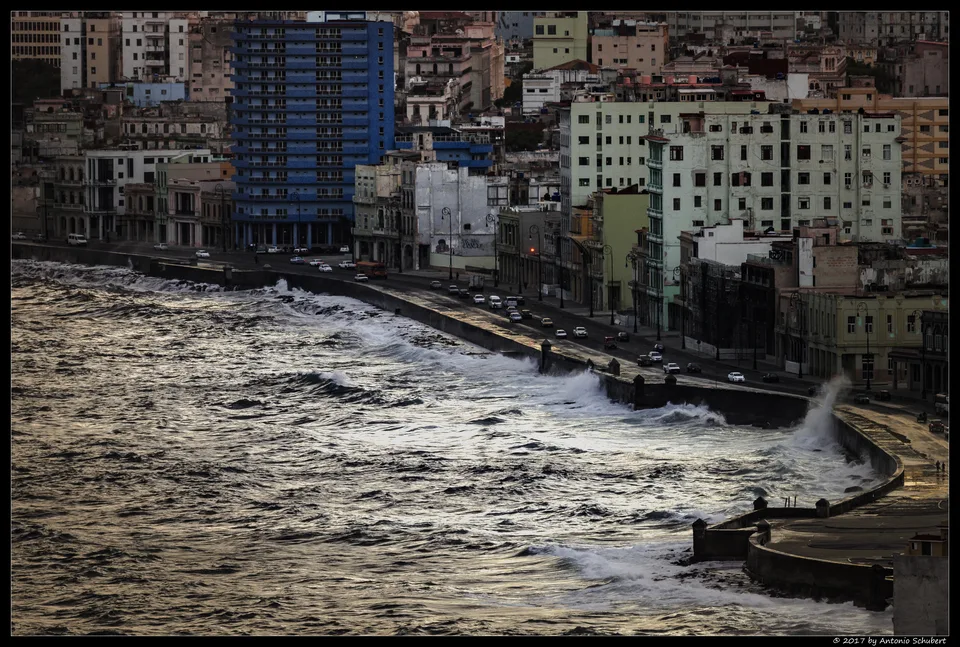
The Malecón offers a way to understand Havana's relationship with the sea. Make a short waterfront stretch part of a nearby walk instead of assuming the entire frontage is comfortable in every condition. Strong wind, spray, heat and an uneven walking surface can change the experience. Turn back when conditions warrant it; the seawall is not a protected bathing beach.
For the harbour fortifications, Cuba Travel's excursion descriptions show how road transport connects the opposite shore with the historic centre. Arrange a return journey before crossing. Ask which fort, museum or viewpoint is included, whether entry is additional and how much walking is involved.
The famous evening cannon ceremony should be confirmed for your date, with access and return transport agreed beforehand. Do not make an unverified evening performance the reason for keeping a driver indefinitely. If it is unavailable, a daytime study of the harbour's defences remains worthwhile.
Book a room by its services as well as its style
Havana has hotels and privately rented accommodation, including rooms commonly described as casas particulares. The official accommodation directory provides a starting inventory across the city. Its listings do not guarantee current operation, and star categories cannot establish how a property manages today's shortages. Compare recent written answers from the people operating the accommodation.
Ask whether the quoted room has a private bathroom, functioning cooling, drinking-water provision and dependable access after dark. Establish what backup power actually supplies: a light and charging socket are different from air conditioning, a lift or a water pump. Ask how long backup arrangements can run and what happens if the booked room becomes unusable.
Confirm breakfast, cleaning, laundry, cancellation terms, payment currency and the full balance due on arrival. For stairs or a lift, request the floor number and entrance details. Travellers subject to US jurisdiction must also check the accommodation restrictions described below before reserving, including through an intermediary.
Treat arrival and departure as part of the plan
José Martí International Airport is in Boyeros, away from the old centre. Arrange a named pickup with the exact accommodation address and an agreed total fare, currency and payment method. Include baggage, waiting time and the procedure if your flight changes. Keep the driver's contact and address offline, in addition to any booking application.
The current FCDO warning says only Terminal 3 is operating and reports substantial flight disruption associated with aviation-fuel shortages. Check the airline's operating notice and your actual booking before both journeys. An old airport transfer brochure or a route displayed in a search engine does not confirm that the service will run.
Leave room in the budget for a delayed departure. Ask the airline how it will communicate schedule changes and keep any onward-entry documents valid. Avoid connecting a long road excursion directly to an international departure; build in a return night when practical and retain enough flexibility to change plans.
Keep journeys short and transport agreements clear
The Havana transport directory describes taxis, tourist buses and intercity services, but published listings require reconfirmation during the present disruption. Do not base a tightly timed day on an unverified bus frequency. A compact walking plan can reduce vehicle dependence, provided the distance, heat and your own mobility make it realistic.
For a classic-car outing, agree whether you are purchasing a sightseeing circuit, a timed hire or a direct transfer. Ask about seat belts, vehicle condition, stops and the final price before boarding. Choose a reputable operator whose identity and arrangements you can verify, rather than treating a vintage body as evidence of safety.
Current official transport advice warns about intermittent fuel supplies and poor lighting, and recommends avoiding night driving. Prearrange a return where possible. For longer journeys, obtain confirmation of fuel and pickup arrangements from the operator. Hiring a car does not by itself solve the problem of finding fuel.
Build the budget around usable payment methods
The most consequential money advice is to discard old assumptions about bank cards. The Cuban central bank's 3 June 2026 notice states that Visa and Mastercard processing stopped from 6 June. It names cash, national Clásica and Tropical prepaid cards, and Mir and UnionPay among the remaining methods. That does not mean every business accepts every listed option.
Before departure, ask each major provider how you can actually settle the bill. Separate prepaid bookings from expenses payable locally. Do not count an international card or an airport cash machine as your emergency reserve. Confirm arrangements directly with your bank and providers, including any restrictions applying to you.
Prepare a cash plan for accommodation balances, meals, transport, admissions and unexpected extra nights. Keep a separate emergency amount and record expenditure as you go. Use authorised exchange services and check the denomination and currency on every quotation. A large number printed beside a meal is meaningless until the currency is clear.
Eat with curiosity and check what is available
The official food directory introduces dishes such as lechón asado, yuca con mojo, congrí, ajiaco and ropa vieja. Use the names to begin a conversation about the day's cooking. Availability matters more than an extensive printed menu; ask which dishes can actually be prepared before choosing drinks or settling into a long meal.
Confirm prices, currency, service charges and payment method before ordering. If a street invitation involves a restaurant, establish whether someone expects an introduction fee or commission. There is no need to accept a claimed closure or special deal without checking for yourself. A restaurant's appearance in an official directory is not a personal recommendation from this guide.
For allergies or dietary requirements, ask specific ingredient and preparation questions in Spanish or with a clear written translation. Arrange dependable breakfast and drinking-water provision with your accommodation. For a longer stay, assess shopping and cooking facilities separately; a kitchen photograph does not demonstrate a reliable supply of ingredients.
Buy something you understand and can take home
The craft market at the Antiguos Almacenes San José is one place to investigate locally made work. Compare the object, maker information and price rather than assuming everything sold in a visitor area has the same origin. Keep receipts, particularly for purchases that might require export documentation.
Official entry and customs guidance notes that some art and antiques require an export permit. Ask about the paperwork before paying, and check your home country's import rules as well. Cuban export permission and permission to import an item elsewhere are separate matters. Travellers under US rules need particular care with purchases and restricted counterparties.
Choose the season, then check the actual forecast
Havana is warm through much of the year, with cooler conditions possible in the northern winter. Cuba's national climate report identifies November–April as less rainy and May–October as wetter. That pattern helps choose a travel window; it does not predict the weather during an individual walk or the availability of essential services.
Allow early starts, shade and indoor alternatives rather than arranging consecutive exposed outings. A light extra layer can be useful when a winter front changes conditions. Follow current forecasts and cyclone instructions close to travel, especially during the Atlantic hurricane season from June through November.
Do not rely on claims that Havana cannot receive a direct hurricane impact. Nor should the possibility of a cheaper room determine the decision when transport and utilities are already strained. The best date is one on which conditions, insurance and the services you require make the trip workable.
A flexible three-day outline when conditions permit
Day one can stay within Habana Vieja: begin around Plaza de Armas, continue towards the cathedral and leave the afternoon for Plaza Vieja or a confirmed museum. This is an editorial outline, not a packaged tour. Stop early if heat, closures or water availability make a longer walk unwise.
On day two, choose a Bellas Artes collection and the Prado–Parque Central area, then arrange a separate Vedado visit if transport is confirmed. Keep a substantial break rather than filling the space with additional monuments. If your interests lie in architecture, neighbourhood streets may deserve more time than another museum.
Day three should have one main excursion: the harbour forts, Finca Vigía, or the eastern beaches when conditions and return transport permit. These alternatives are not a single circuit. Keep the evening free for packing, flight checks and a confirmed meal. Anyone travelling for an essential purpose should organise sightseeing around that purpose, not the reverse.
Check the beach journey before leaving the centre
The official Playas del Este overview places the main sandy beaches east of the city and names Santa María, Tarará, Bacuranao and Guanabo among them. The waterfront beside central Havana is a different setting. Choose the particular beach and access point before discussing a taxi fare or pickup time.
Confirm both directions, somewhere to obtain safe drinking water and the facilities you need. Do not assume a beach hotel admits outside visitors to its toilets, pool or loungers. Ask about access charges before arrival and follow local warnings about sea conditions.
An older tourism page describes daily tourist-bus services, but that is insufficient evidence of today's operation. Obtain a current confirmation. If there is no dependable return option, keep the day in Havana. A beach excursion should not consume the cash or transport reserve needed for your departure.
For a move, test the household before signing
A longer stay calls for a practical inspection rather than a holiday checklist. Visit the proposed home, test taps, examine water storage and ask who maintains pumps or backup equipment. Check ventilation, damp, window security, insect screens and the route out during a power cut. Request a written inventory and clear responsibility for repairs.
Agree rent currency, deposit terms, included services and how payments will be recorded. Establish whether the accommodation arrangement is lawful for your status and intended stay, with appropriate local advice. Do not send a substantial deposit solely because an online listing promises to arrange immigration matters later.
Build a household budget from actual quotations. Include water provision, laundry, communication, transport and essential supplies as well as rent. An apparently inexpensive home can become impractical when its daily needs require repeated journeys. Keep a temporary alternative until you understand how the address works under ordinary conditions and during disruption.
Plan work, school and connectivity realistically
Choose housing with the actual workplace, institution or essential appointment in mind. Test the journey and discuss disruption arrangements with the employer or school. Ask who communicates closures, whether attendance can change and what support exists when travel is interrupted. Families should confirm admission, language, fees and transport directly before committing to a home.
ETECSA's CubacelTur information currently distinguishes temporary Basic and Basic Plus offers, with different validity periods. Office purchases and international-distributor offers can differ. Check the exact allowance, expiry, payment method and collection point rather than repeating an old package price. A tourist line is not automatically a suitable permanent household service.
For remote work, test the connection in the actual room and agree a backup plan with your employer. A mobile package cannot guarantee uninterrupted electricity or network access. Immigration permission, employer approval, payment access and practical connectivity all need separate answers before a working arrangement becomes viable.
Put medical and everyday needs ahead of convenience
Current official health advice reports severe medicine shortages and recommends planning for treatment and possible evacuation. Discuss your circumstances with a travel-health professional before departure. Bring an adequate lawful supply of prescribed medication and the documentation it requires; do not assume that a familiar brand can be replaced locally.
Identify a suitable medical provider with your insurer and understand how treatment would be paid for. The ambulance number is 104, but the service is limited. Keep accommodation contacts and the insurer's assistance number available offline. For a household, this preparation matters more than proximity to a fashionable street.
Keep Cuban entry permission separate from your purpose
Begin with the official Cuban eVisa service and the Cuban consulate responsible for your nationality and residence. The portal describes a single-entry tourist stay of 90 days, extendable by a further 90; an extension should not be treated as automatic. Confirm your own eligibility, documents, fees and conditions before applying.
Complete the required DViajeros arrival declaration using the current portal instructions and retain the resulting documentation offline. Check passport validity, onward travel and medical-insurance requirements with the responsible authorities and carrier. Requirements described for British citizens should not automatically be applied to every nationality.
Tourist permission does not settle permission for employment, formal study or permanent residence. The Spanish labour ministry's Cuba residence information directs foreign workers to Cuban labour authorities and postgraduate students to the appropriate consulate. Obtain the correct category and written requirements for your circumstances. Renting or buying a home is not evidence that you may work or settle permanently.
US rules require a separate check before booking
For people subject to US jurisdiction, US Treasury's Cuba sanctions guidance is essential. Ordinary tourism is not authorised. Permitted categories have conditions, documentation requirements and restrictions on transactions and accommodation. A Cuban visa does not establish compliance with those rules, and using an intermediary does not remove the need to check the underlying transaction.
The rules changed again in September 2026. Read the current guidance rather than relying on an old description of educational or people-to-people travel. Treasury's education-travel update explains the narrowed authorisations. Seek appropriately qualified advice when you cannot establish how your proposed activities fit.
There is also a separate US entry issue: State Department Visa Waiver Program rules generally exclude travellers present in Cuba on or after 12 January 2021, subject to limited exceptions. This can require a US visa for a later visit or transit. It is not a blanket permanent ban on entering the United States.
Consider the next destination without overextending
Cojímar, Finca Vigía and the eastern beaches can broaden an understanding of the capital, but they are different journeys. Farther afield, Las Terrazas is in Artemisa; Varadero and Viñales involve more substantial travel. The existence of an advertised excursion is not confirmation of its present availability. Ask what transport, meals and contingency arrangements are included.
Compare the Cuba destination page for broader planning. For a move, get advice specific to nationality, family and purpose through VisaWand's consultant listings, then confirm requirements with the relevant authorities. Havana's strongest itinerary leaves time to observe; its strongest relocation plan leaves room to respond when everyday conditions change.
Official planning resources
Reviewed 15 October 2026. Use the official resources linked throughout this guide for admission, transport, housing and immigration decisions. Prices, services and rules can change; confirm the details relevant to your dates. Photography illustrates the locations and is not a live view.
View all official resources
- FCDO: current Cuba travel warnings
- Cuba Travel: Havana destination overview
- UNESCO: Old Havana and its Fortification System
- Cuba Travel: Havana monuments and city areas
- Cuba Travel: Havana transport directory
- Cuba Travel: Havana cultural institutions
- Banco Central de Cuba: Visa and Mastercard processing announcement
- ETECSA: current CubacelTur packages
- FCDO: healthcare and medicines in Cuba
- FCDO: transport, money and safety in Cuba
- Cuban Ministry of Foreign Affairs: tourist eVisa
- Cuban transport ministry: DViajeros arrival declaration
- FCDO: entry requirements for British citizens
- US Treasury: Cuba sanctions and authorised travel
- US Treasury: September 2026 education travel changes
- US State Department: Visa Waiver Program restrictions
- Spanish labour ministry: residence, work and study in Cuba
- Cuba Travel: Havana accommodation directory
- Cuba Travel: Havana food and restaurant directory
- Cuba Travel: Playas del Este
- Cuba Travel: Havana excursions
- Cuba: national climate report submitted to UNFCCC
Plan the next part of your journey
Explore the Cuba guide, browse other cities or compare consultants for your travel and relocation questions.