Visa
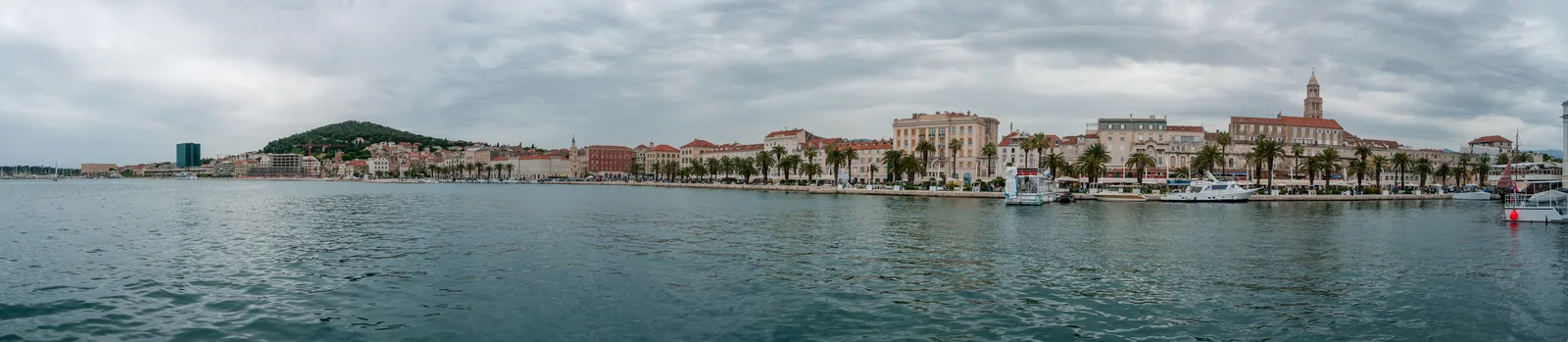
Stay for the city as well as the islands
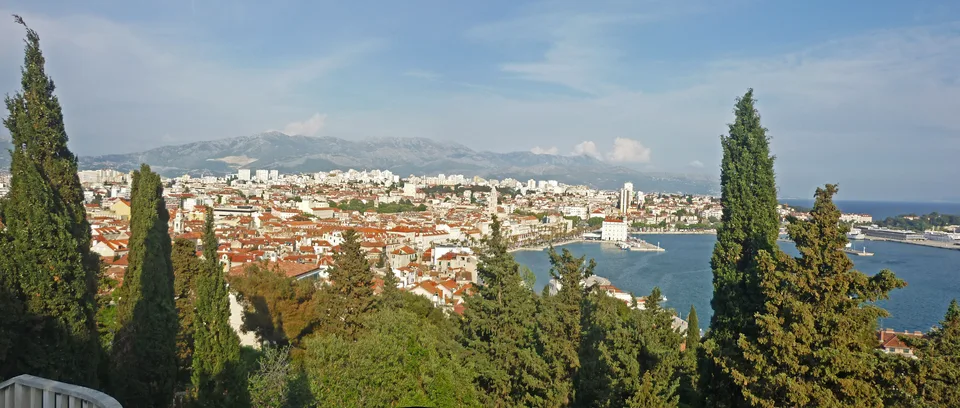
Split makes an unusually persuasive case for slowing down between journeys. Its Roman palace is embedded in an inhabited centre; the waterfront is a place to sit as well as catch a connection; and Marjan’s wooded peninsula gives the city a substantial outdoor counterweight. A short stay can combine architecture, a museum, a beach and a long lunch without needing an excursion every morning.
The first decision is whether Split is your destination, your island gateway or a potential home. Three nights allow two full days with different emphases. A longer visit lets you test a residential routine beyond the waterfront. If the main ambition is several days on one island, compare staying there rather than making repeated crossings. VisaWand’s Croatia location directory provides a wider geographical starting point without implying every listed place already has a completed guide.
Understand how a palace became a city
The UNESCO entry for historic Split places the construction of Diocletian’s Palace in the late third and early fourth centuries. Subsequent generations transformed it: the imperial mausoleum became the cathedral, while medieval churches and later Gothic, Renaissance and Baroque buildings contributed to the surrounding historic complex. The World Heritage inscription dates to 1979 and covers a defined property, rather than the whole modern city.
That layered history explains why a palace visit feels different here. The tourist board’s palace overview describes a fortified residence organised around two main streets, subsequently adapted by inhabitants. Follow its gates and axes to understand the plan, then notice where everyday life has altered it. Public streets, shops and homes coexist with separately managed attractions. There is no single admission that turns the entire historic centre into one museum.
Choose a base by the route you will use
Inside or immediately beside the palace area, the main reward is being able to return to the centre without organising transport. The trade-off is property-specific: check stairs, noise, luggage access and the route from a vehicle drop-off. A small distance on the map can still involve a difficult entrance.
The tourist board’s neighbourhood account identifies Veli Varoš beneath Marjan and Lučac, with Radunica, on the other side of the historic core. Compare these for a stay close to the old streets, then inspect the precise address. Bačvice is useful to investigate when beach time matters. For a longer stay, map the actual workplace, campus or household destinations before choosing an area. A neighbourhood name is a beginning to the search, not evidence that a particular flat will be quiet, affordable or convenient.
Make Peristil the start of a walk
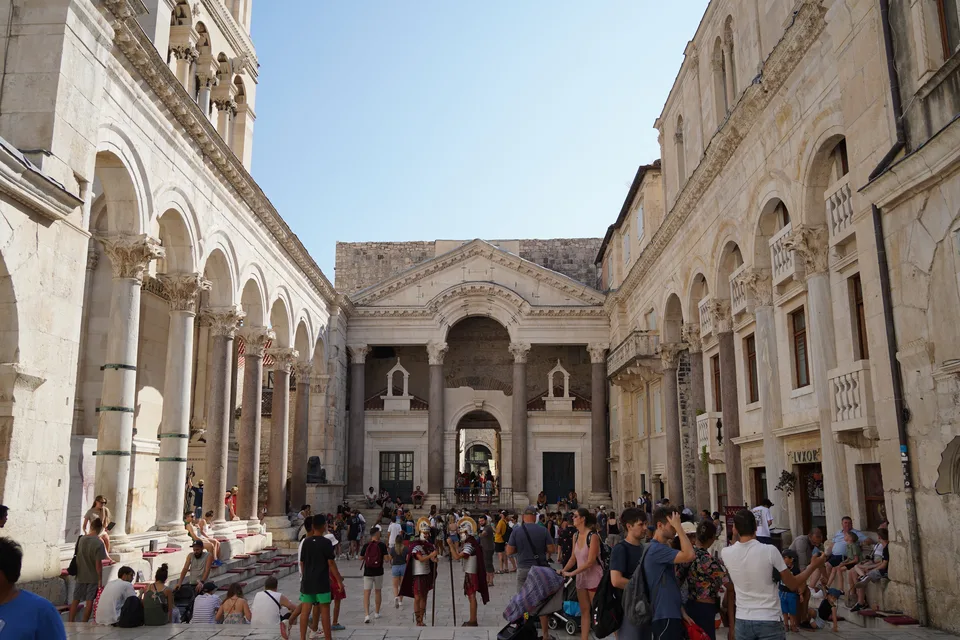
Begin around Peristil, where the relationship between the cathedral, columns and palace approaches is easiest to appreciate. Continue through the palace streets, looking for the changes in scale between open squares and narrow passages. An early orientation walk helps you distinguish the gates and choose the interiors you want to return to later.
Allow time to pause without blocking doorways or circulation. This is a working urban centre, with residents, deliveries and businesses alongside visitors. A guide can add architectural interpretation, but check the meeting point, duration, group size and included admissions before booking. A walking tour’s description may cover the palace district without including every paid interior. If travelling with children, choose a limited route and a break rather than assuming they will enjoy a long catalogue of building dates.
Treat the cathedral and tower as separate choices
The Cathedral of Saint Domnius is remarkable for the reuse of an imperial mausoleum as a Christian place of worship. Its carved walnut doors and changing architectural details reward attention at close range. It remains a religious building, so plan sightseeing around the arrangements for worship and follow the staff’s instructions.
The bell tower adds an elevated view and a stair climb. Decide whether that climb suits your mobility, comfort with heights and the weather, instead of treating it as an obligatory extension of the cathedral visit. Check the current ticket combinations at the official sales point and establish precisely what each includes. Prices and access for the cathedral complex should not be inferred from a city museum ticket. For anyone needing step-free access, ask about the exact spaces and route before purchasing.
Go below the palace for its structural story
The palace substructures make the scale of the imperial residence easier to understand. According to the Split City Museum’s account of the halls, their arrangement preserves evidence of the rooms above and their construction helped support and level the southern residential part. They add something different from walking the streets overhead.
The museum’s official substructures ticket shop currently lists €10 for an adult. Its visitor page publishes daily opening from 08:30 to 20:00 with final entry thirty minutes before closing; check again for your date and any exceptions. Distinguish the attraction’s admission from simply passing through public approaches in the palace district. If you have only one short museum-sized slot, these halls offer a focused way to deepen the morning’s architectural walk without travelling to another part of Split.
Give Meštrović a different part of the day
For a change from Roman and medieval buildings, consider the Meštrović Gallery in Meje. The artist’s former home was conceived for living, working and displaying art, and the sculpture collection brings another period of Split’s cultural history into view. Combine it with time in the western part of the city rather than squeezing it between two departures from the port.
The museum’s price list gives €12 adult admission, including Meštrović’s Crikvine–Kaštilac. Current gallery hours are Tuesday to Sunday, 08:00–18:00, with last entry thirty minutes before closing; Mondays and public holidays are closed. Confirm both venues’ arrangements if the combined visit is important. Accessibility information is limited to specified areas such as the garden and shop, so do not assume the full interior is step-free. Ask staff about the parts relevant to your visit.
Walk Marjan with the latest access information
Marjan is more than a viewpoint to collect. The tourist board’s park introduction describes walking routes, lookouts and a visitor centre at Trumbićeva obala 18. Decide whether you want a brief climb for orientation or a longer outing, then choose a route that fits the available daylight and your ability.
Check the park authority’s notices first. Its published February 2026 order restricts movement on the Marina Tartaglie promenade and specified northern forest areas during remediation works, until completion or official revocation. This does not establish that the entire peninsula is closed, nor that every route has reopened. Obtain current guidance and respect barriers on the ground. Carry water and shoes suitable for uneven paths. If a proposed loop passes through a restricted area, change the route rather than treating an older online map as permission.
Use Bačvice as a city beach
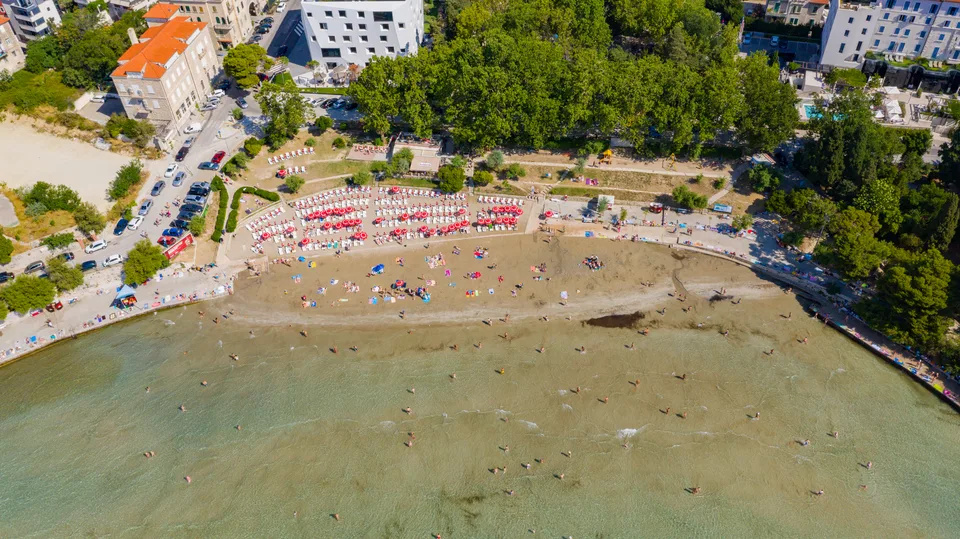
The official Bačvice description identifies a sandy beach near the harbour and its close connection with picigin, the local ball game played in shallow water. It can provide a beach break within a city stay, without converting the whole holiday into a resort itinerary. Watching a game may be as interesting as taking a swim.
Choose the timing according to weather, conditions and your tolerance for a busy urban waterfront. A beach district can also have evening activity, so check the room’s exact position if sleep is a priority. Confirm any equipment hire or paid facilities at the point of use. For families, assess the water and supervision on the day; sand and shallows do not establish safe conditions for every swimmer. Keep valuables managed as you would during any public-beach visit.
Plan the airport connection around traffic
Split Airport is outside the city, in the Kaštela area towards Trogir. The airport’s ground-transport page distinguishes the dedicated shuttle from public buses and warns about heavy summer road traffic. Avoid building a close ferry connection around an optimistic road journey after landing, especially when baggage collection and finding the stop must happen first.
The Platanus shuttle currently lists €10 one way and €15 return, travelling directly to Split’s main bus station near the railway station and ferry port. Airport departures follow arrivals; they are not a guaranteed fixed-frequency urban service. The operator quotes roughly thirty minutes in traffic-dependent conditions. Buy online or at its sales point rather than relying on the driver to sell tickets. Its page gives conflicting return-validity statements, so confirm the permitted return date before paying. For departure, check the city-to-airport schedule separately.
Use Promet’s current fares and precise stops
For local buses, start with Promet Split’s routes and timetables. Establish the boarding stop and direction, especially when a regional journey starts outside the port area. An airport-serving public bus and a dedicated airport shuttle are different products; compare their endpoints and the final walk to your accommodation.
The tariff published for 1 June 2026 onwards lists a Split-to-Split adult single at €3 from the driver and €1.50 through the listed alternative channels, including online purchase and ticket machines. That distinction can matter over several journeys. Select the correct geographical coverage and validate according to the operator’s instructions. Do not apply the city fare to an onward journey merely because it begins in Split. For regular commuting, compare the relevant monthly product and eligibility with repeated single tickets after checking your actual route.
Book the island port you actually want
Split is a practical island gateway, but the island name alone is insufficient when choosing a sailing. The Jadrolinija Split–Supetar route reaches Supetar on Brač in about fifty minutes and publishes a year-round schedule and current fares. Supetar is not Bol: a beach or accommodation elsewhere on Brač needs a separate onward plan.
The operator says the route’s ticket is valid for departures on its printed travel date. Do not interpret that wording as a reserved vehicle space on a particular sailing. Check the boarding conditions for the service and whether you are travelling on foot or with a vehicle. For an island day trip, choose both outward and return possibilities before setting off and monitor sailing notices. If your flight home is important, leaving a mainland night between the island stay and departure creates useful breathing room.
Follow the waterfront into ordinary Split
The Riva promenade is an easy place to understand the city’s relationship with the sea: the palace frontage behind, harbour activity nearby and cafés facing the water. It works well for an arrival-day walk, a pause between sights or an evening without another admission to buy.
Give that pause some purpose if you are assessing a move. Watch the routes people use, then walk towards the services your household would need. Time the journey with ordinary shoes and shopping rather than evaluating everything from a restaurant terrace. On a short visit, leave one unbooked interval for the same kind of exploration. Split’s appeal includes the way major architecture sits within daily life; an itinerary consisting entirely of ticketed stops misses part of what makes the city worth staying in.
Shop and budget for the trip you intend
Marmontova is a central shopping street identified by the official shopping guide. For a short stay, browsing it can fit between historic-centre visits without planning a separate shopping expedition. Look at provenance and receipts for gifts, and check packing and import requirements before buying food, liquids or fragile objects to take home.
Build the activity budget from choices. The palace substructures at €10 and the Meštrović combined ticket at €12 make €22 in adult admissions before other sights. Add airport transport, local travel, accommodation and meals separately. This is a transparent example, not a daily spending average. Compare dated room offers with their final charges and cancellation terms. If self-catering matters, confirm the apartment’s equipment and refrigeration; a listing that includes a kitchenette does not establish that it supports the meals you plan to cook.
Choose a season for the activities that matter
The DHMZ Split-Marjan climate table reports a July mean temperature of 26.2°C and a January mean of 8°C across its 1948–2024 series. These are monthly averages, not daytime highs. Its precipitation figures put July at about 27 millimetres and November at about 116, which makes a flexible indoor alternative particularly sensible in late autumn.
Summer suits time by the sea, with exposed walks planned around heat. Spring and autumn can suit an architecture-led break, but neither guarantees empty streets or uninterrupted boat trips. In winter, choose accommodation and transport against actual operating dates and make the museums and city the centre of the plan. Check a current forecast before travelling and marine conditions before an excursion. Climate data helps choose a season; it cannot tell you whether a particular crossing or outdoor activity will operate.
Spend three nights without collecting excursions
On the first evening, walk the Riva and make a short circuit through the palace streets. Locate the next day’s attractions and have dinner without a complicated booking schedule. If arrival is late, move the orientation to the morning.
Use the first full day for Peristil, the cathedral areas that interest you and the substructures, with a proper lunch break. Leave the later afternoon open for smaller streets, a café or shopping. Avoid making every ticketed interior a compulsory stop.
For the second full day, choose Marjan on an advised open route and the Meštrović Gallery if its opening day fits, or make Bačvice the main outdoor break. An island trip can replace that day if it is the priority, rather than being added to it. Keep departure morning simple. People arriving for just one day should concentrate on the historic centre and waterfront, with one substantial interior and ample time for their return transfer.
Test a residential tenancy before committing
Begin a possible move with a temporary base and in-person viewings. Ask whether the offered tenancy covers the entire period you need, including summer, rather than assuming a holiday listing becomes a year-round home. Establish rent, deposit conditions, repair responsibilities, utility arrangements and the notice required to leave.
The Croatian government’s rental guidance calls for a written tenancy agreement and says the owner should show the energy certificate to a prospective tenant. Inspect cooling, heating, ventilation and moisture as well as the furniture. Test the journey to your workplace or institution at the relevant time of day. Confirm whether the building entrance, supermarket route and parking arrangement work for your household. A location that suits two nights with a small bag can be a different proposition with groceries, work equipment or a pushchair.
Establish services before the first working week
Clarify which accounts remain in the landlord’s name and which you will manage. Record meters and the inventory at handover, and agree how bills will be shared. ViK Split’s customer information is a useful starting point for water-account services; having a customer portal does not mean every tenant needs a separate account.
Test the internet serving the actual flat if work depends on it. Families should confirm school admission and transport with the intended institution before choosing a home around an assumed place. For healthcare, use UK government’s Croatia medical-facilities directory and note that Firule and Križine are different locations. Confirm the department and address for an appointment. Establish insurance and routine-care arrangements separately from emergency provision; a major hospital’s presence does not guarantee free treatment or immediate specialist access for every newcomer.
Keep immigration permission separate from a holiday
Consult the Croatian Foreign Ministry’s visa overview for entry planning. Where the standard Schengen short-stay rule applies, the limit is ninety days in any 180 across the area, not a new Croatian allowance after time elsewhere. Check nationality-specific requirements with the competent authority. A side trip outside Schengen also requires checking re-entry rights, especially with a single-entry visa.
Tourist entry does not itself authorise local employment. The Interior Ministry explains work permission for third-country nationals and temporary residence purposes, including study and family routes. EU, EEA and Swiss citizens have different arrangements. Temporary approval should not be confused with immediate permanent residence.
Qualifying overseas remote workers can investigate the digital nomad temporary-stay route, currently allowing up to eighteen months under its conditions. This is not unrestricted permission to provide services to Croatian employers. Check application location, documentation, funds and insurance requirements before committing to a lease. Establish address-registration obligations for your status. VisaWand’s consultant listings can help you find professional assistance for a specific case.
Compare Salona and other Croatian bases
For more archaeology, compare the Archaeological Museum’s combined ticket with Salona in Solin. Its published adult combination is €10 and can be used within seven days. This is a separate institution from Split City Museum. Choose an outing around your interest and the relevant sites’ current opening arrangements rather than assuming every museum has the same weekly schedule.
The Archaeological Museum is at Zrinsko-Frankopanska 25 and lists Sunday and public-holiday closures. Check the museum and Salona separately when dividing the combination across days. The seven-day validity can be useful for avoiding an overfilled afternoon, particularly if you would rather see the collection before visiting the archaeological site. It also allows the outdoor element to be moved around the weather. Keep the ticket and establish any validation requirements when buying; a combined admission is not transport between its two locations.
Trogir is another nearby place to consider when planning the mainland part of a trip. For a wider Croatian journey, compare the completed Dubrovnik city guide with the existing Zagreb destination page. Use VisaWand’s Croatia country guide for national context and its Croatia destination page for consultation options. Split works particularly well when the city itself interests you as much as the connections from it; the right length of stay follows from that balance.
Official planning resources
Reviewed 15 October 2026. Use the official resources linked throughout this guide for admission, transport, housing and immigration decisions. Prices, services and rules can change; confirm the details relevant to your dates. Photography illustrates the locations and is not a live view.
View all official resources
- UNESCO: Historical Complex of Split with the Palace of Diocletian
- Split Tourist Board: Diocletian Palace
- Split Tourist Board: Cathedral of Saint Domnius
- Split City Museum: palace substructures tickets
- Split City Museum: substructures access and history
- Ivan Meštrović Museums: the Split gallery
- Ivan Meštrović Museums: prices and inclusions
- Split Tourist Board: Marjan and visitor centre
- Marjan Forest Park: access notices
- Split Tourist Board: Bačvice beach
- Split Tourist Board: city neighbourhoods
- Split Airport: ground transport
- Platanus: Split airport shuttle
- Promet Split: current fares
- Promet Split: timetables and network
- Jadrolinija: Split to Supetar on Brač
- DHMZ: Split-Marjan climate data
- Split Tourist Board: food and culinary experiences
- Split Tourist Board: shopping
- Croatian government: renting a home
- ViK Split: customer portal information
- UK Foreign Office: Croatia medical-facilities directory
- Croatian Foreign Ministry: visa overview
- Croatian Interior Ministry: work permission
- Croatian Interior Ministry: digital nomad temporary stay
- Croatian Interior Ministry: temporary residence categories
- Split Archaeological Museum: visits and combined Salona ticket
- Split Tourist Board: the Riva promenade
- Dubrovnik Tourist Board: Dalmatian food traditions
Plan the next part of your journey
Explore the Croatia guide, browse other cities or compare consultants for your travel and relocation questions.