Visa
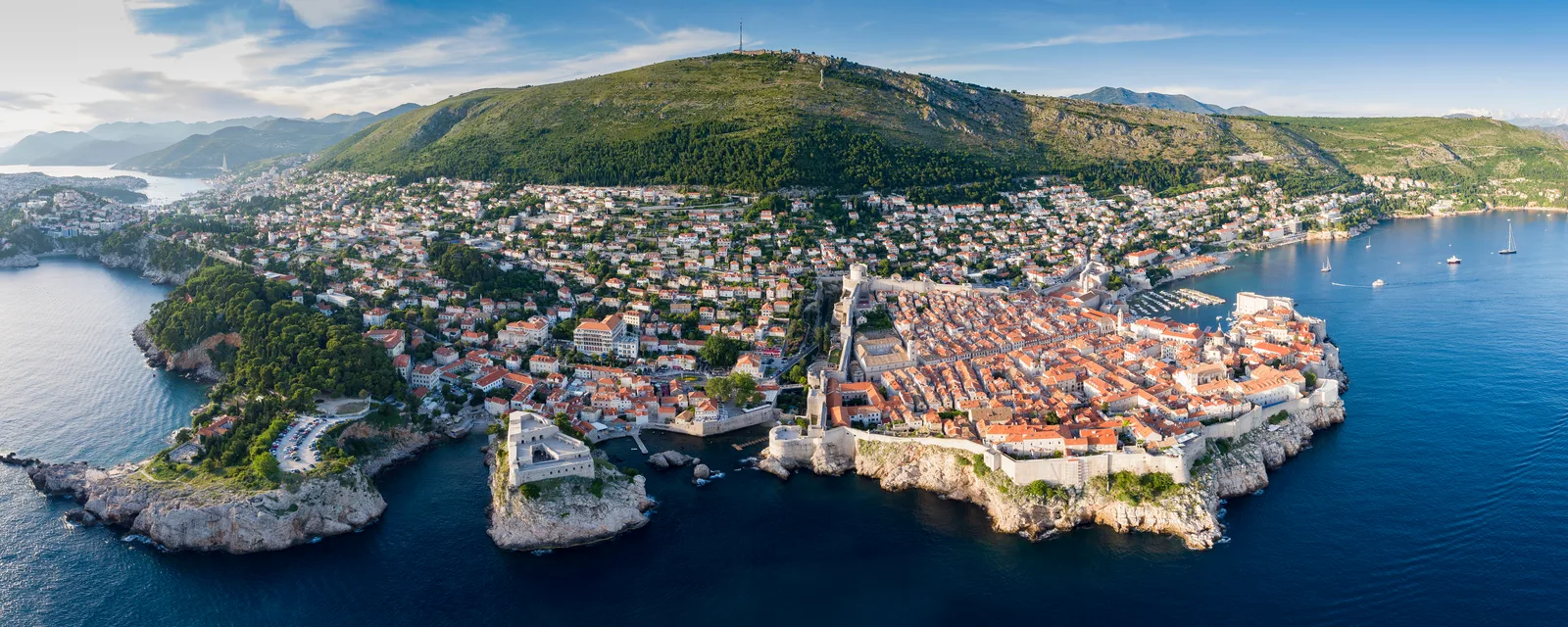
A compact city with decisions beyond the walls
Dubrovnik puts a remarkably complete fortified town between a steep hillside and the Adriatic. Terracotta roofs, pale stone streets and the sea explain the first impression; the practical question is how much of your stay should happen inside that small historic centre. A room near Stradun suits early walks and late dinners. A base in Lapad or Gruž changes the balance towards coastal downtime or onward transport.
Three nights make a useful first visit: time for the walls, museums and one weather-dependent outing without treating every hour as a timed attraction. People considering a move should add ordinary weekdays to that visit. Test the grocery run, the uphill journey home and the actual workspace. The holiday view and the daily routine can be quite different experiences. VisaWand’s Croatia location directory helps place Dubrovnik within a wider search.
Read the architecture as a history of recovery
The UNESCO Old City entry records Dubrovnik’s growth as a Mediterranean maritime power from the thirteenth century. Its churches, palaces and fountains bring Gothic, Renaissance and Baroque forms into close proximity. The 1667 earthquake and damage during the 1990s conflict are essential parts of that history; the city is a place of survival and repair, rather than an untouched medieval exhibit.
Walk Stradun as an orientation route, then leave its main flow for smaller streets and the harbour. The relationship between civic buildings, religious institutions and defensive structures is more revealing than collecting viewpoints alone. UNESCO inscription dates to 1979 and applies to a defined heritage property. It should not be read as a description of every modern neighbourhood in the municipality.
Choose between the Old Town, Lapad and Gruž
Inside the walls, staying close to Stradun reduces the distance to major sights, although the address may still involve stairs. Pile lies outside the western entrance; Ploče is on the eastern side. These names matter for meeting a transfer or choosing an apartment. A booking described simply as “near the Old Town” needs an exact entrance and walking route.
Lapad is worth comparing for a stay built around the coast as well as sightseeing. Gruž deserves attention when bus or passenger-ship connections shape the trip. Neither label guarantees a flat walk, a quiet bedroom or a bargain. Plot the property itself, its nearest useful stop and the route back after dinner. The tourist board’s current visitor information is a better starting point for local orientation than an accommodation listing’s broad neighbourhood promise.
Walk the walls when conditions suit the climb
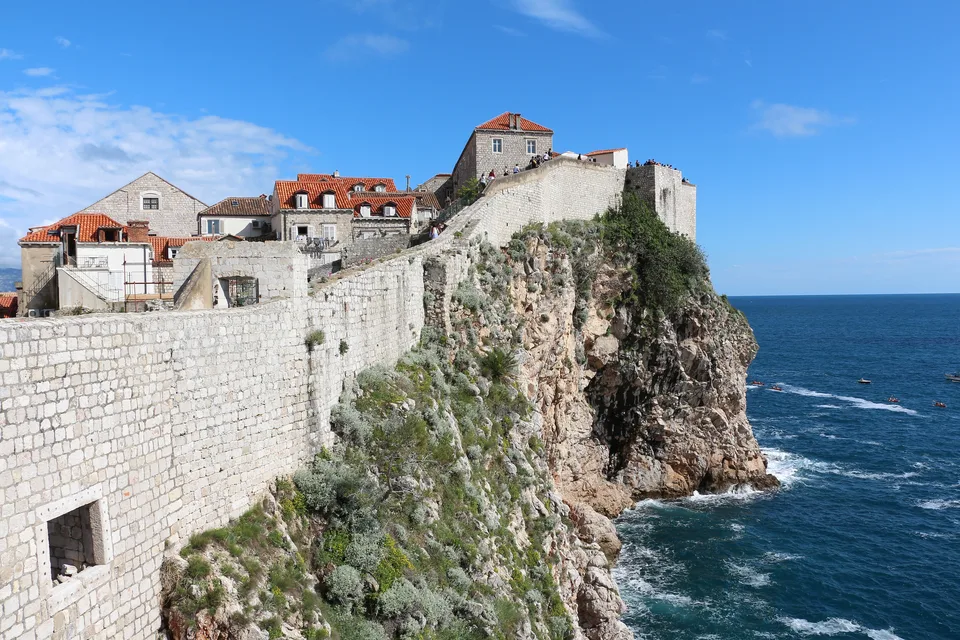
The defensive circuit gives Dubrovnik its clearest geographical explanation: sea on one side, roofs and lanes below, hillside beyond. The city walls operator describes a circuit of 1,940 metres. Treat it as an exposed walk with steps, rather than a short scenic terrace. Carry water, wear shoes with grip and choose a cooler part of the day when opening hours allow.
Check your ticket before entering. The operator’s rules allow a complete circuit without re-entry; leaving for lunch is not a promise of returning on the same admission. Keep the ticket throughout. For anyone who finds steps or heat difficult, street-level exploration and selected interiors can make a more comfortable day. Do not force the walls into an itinerary merely because they appear on every photograph. Opening hours and weather should decide the timing.
Use the Dubrovnik Pass deliberately
Checked in October 2026, the official Dubrovnik Pass lists €40 for one day, €50 for three and €60 for seven. It combines listed cultural attractions, including the walls, with city bus travel. This is worth comparing against your actual plans before purchasing separate admissions. It does not make every activity in Dubrovnik free.
The pass conditions specify 24, 72 or 168 consecutive hours from first activation and one visit to each included cultural institution. On the first bus journey, scan the pass and obtain the bus ticket; keep that ticket for subsequent journeys because it cannot be reissued. Airport transport and suburban buses to Mlini or Cavtat are excluded. Activate the pass when you can use its benefits, rather than just before a quiet evening or a day spent elsewhere.
Put museums between outdoor visits
The Rector’s Palace, Maritime Museum in Fort St John and Ethnographic Museum at Rupe offer different ways into the city’s past. Choose according to your interest instead of assuming that inclusion in a pass makes every museum essential. They also give an outdoor itinerary a useful change of pace.
Consult Dubrovnik Museums’ opening calendar before allocating days. Its April–October schedule lists the Rector’s Palace daily from 09:00 to 18:00, while the Maritime Museum closes on Wednesdays and the Ethnographic Museum on Tuesdays. Winter hours are shorter and the palace also closes on Mondays. Holiday exceptions apply. A rainy Wednesday therefore cannot simply become “all the museums day”. Keep one alternative available and confirm the relevant building’s access arrangements if steps or mobility assistance affect your visit.
Keep Lokrum as a flexible island day
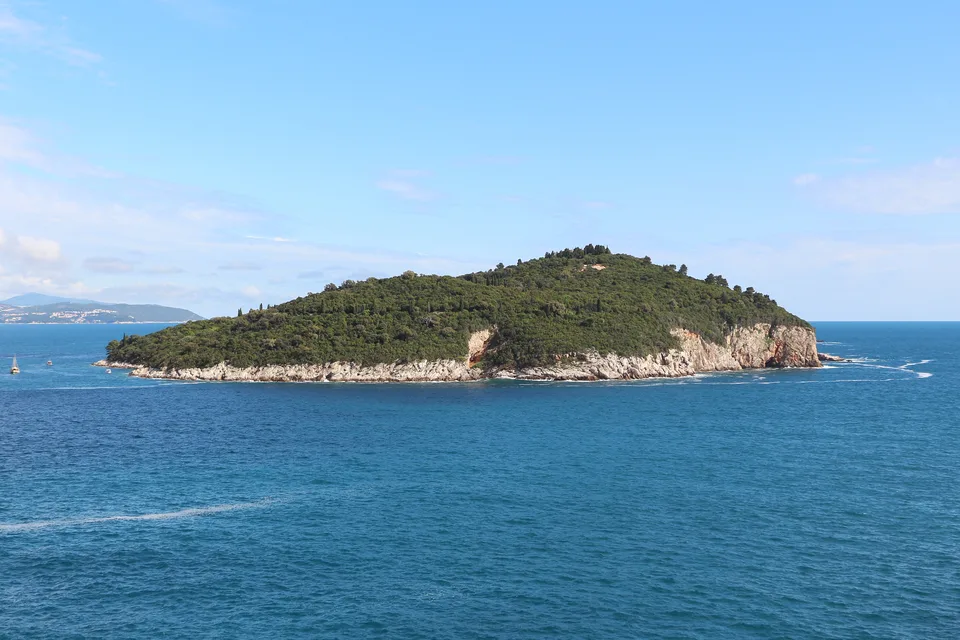
Lokrum offers a wooded change from the stone streets, close enough to consider without moving accommodation. Use the reserve’s official visitor and ticket information: its published €30 ticket includes entry and a return journey on the official boat from Luža in the Old City Port. Arriving independently does not remove the reserve charge; the operator also lists €30 entry for those visitors.
That distinction matters when comparing a water taxi with the reserve boat. Price the complete outing, rather than transport alone. Check the current departure schedule, weather notices and final return before leaving. Bring what you need for walking and time beside the water, and keep enough margin to get back comfortably. If conditions interrupt boats, replace the island day with mainland plans. A calm photograph is not evidence that a particular sailing will operate.
Pay for the Srđ view only when it works for you
The cable car is a separate spending decision. The operator’s current fare page lists €30 for an adult return and €17 one way. Decide whether the panorama adds enough to your visit after the walls; buying both is a choice, not a requirement for seeing Dubrovnik properly.
Seasonality is substantial. The published timetable shows closures in December, January, February and March, with additional maintenance closures on 10, 11 and 20 November 2026. Wind or lightning can stop service. The last departure from the lower station is thirty minutes before closing. Check the day’s arrangements before committing an evening to the ride, and do not buy a one-way ticket without a realistic plan for the other direction. A hill journey deserves more preparation than the map’s short horizontal distance suggests.
Match accommodation to luggage, sleep and access
Compare the exact room as carefully as the area. A historic building may offer atmosphere while requiring luggage to be carried up several flights. Ask about the route from the vehicle drop-off, internal stairs, lift availability and who can help at check-in. Request a clear answer about air conditioning, heating and bedroom windows rather than relying on a building-wide amenities list.
Apartments can suit longer stays or simple meals at home; check that the advertised kitchen has the equipment you expect. Hotels may make reception and arrival logistics easier, but parking or transfers still need confirmation. For a family, the second bed’s size and the journey with a pushchair matter more than a wide-angle room photograph. Compare the final payable total, cancellation terms and any separately collected charges across the same dates.
Know the airport stop before you land
The Platanus airport shuttle currently costs €10 one way or €15 return. From the airport, its published route stops at Ploče Gate before continuing to the main bus station in Gruž. Ploče and Pile are different entrances: give your host the actual stop when asking for walking directions. Approximate journeys of thirty minutes to Ploče and thirty-five to Gruž depend on traffic.
Airport departures follow flight arrivals; this is not a promise of a fixed interval all day. Buy online or at a sales point, since the operator says tickets are not sold aboard. For the return, consult the separate city-to-airport timetable and boarding stops, including Gruž and the Cable Car stop. Its two pages disagree about return-ticket validity, so confirm the permitted return date before purchasing. Leave room for traffic and your airline’s check-in requirement.
Build local journeys around the actual route
For city buses, use Libertas timetables and current notices rather than an old timetable screenshot. The operator’s onboard fare notice sets a city ticket bought in the vehicle at €2.50. Check the applicable ticket and conditions for your journey, especially if travelling beyond the city. A pass covering city services is not a general regional transport entitlement.
Walking works well for a focused visit inside the historic centre, but gradients and stairs can change an apparently short connection. With luggage, compare a bus-plus-walk against a direct transfer to an agreed accessible meeting point. If driving, ask the property to confirm parking, permitted access and the final unloading point before arrival. The tourist board flags traffic controls around the historic core; a navigation app’s suggested road is not permission to enter a restricted area.
Shop the markets in the morning
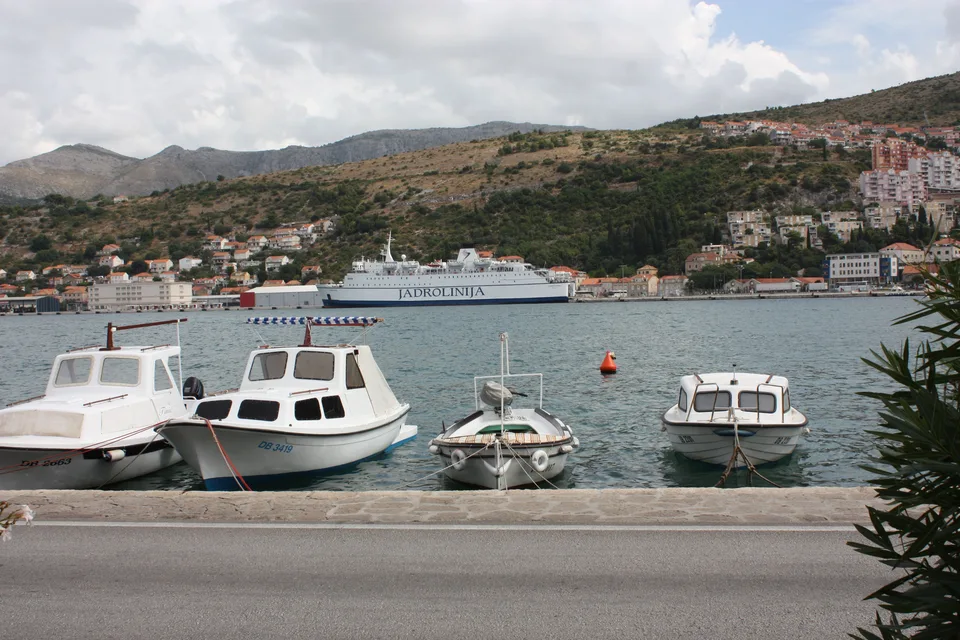
Gundulićeva poljana puts a market visit within an Old Town walk. If staying near Gruž, use the market and fish market at Obala Stjepana Radića 21 instead of crossing town simply to shop. The municipal market operator, Sanitat, lists both locations from Monday to Saturday, 06:00–13:00. These are market hours, not a guarantee that every vendor will be present throughout.
Plan a visit before an afternoon sightseeing programme and buy quantities you can store or eat. For apartment stays, establish fridge space and cooking equipment before buying fresh ingredients. Ask vendors about provenance and prices without assuming that everything offered was produced within the city. A market can be part of an ordinary food shop as well as an enjoyable stop between attractions.
Keep a transparent budget and shop selectively
A useful adult activity example is €40 for the daily pass, €30 for Lokrum and €30 for a return cable-car ride: €100 before accommodation, meals, airport travel or other purchases. It illustrates how several attractive choices accumulate. It is not a recommended daily allowance or a promise that those activities fit comfortably into one day.
Choose the one or two paid experiences that matter most, then leave time for walks and unhurried meals. Compare dated accommodation offers rather than applying an unsupported city-wide average. For gifts, ask where products were made and how food, liquids or fragile purchases will travel home. Keep receipts and check your destination’s import rules for anything restricted. Self-catering only produces savings if the apartment is equipped and shopping fits the trip; include those practicalities when comparing a room with an apartment.
Let season and weather determine the emphasis
Choose summer for a trip centred on long outdoor days and time by the sea, while making heat management part of the schedule. A spring or autumn visit can suit a balance of walking and museums, but a date outside peak summer does not guarantee empty streets or settled weather. Keep the sea outing movable.
Winter suits a more selective cultural stay if the available flights, accommodation and opening calendars work for you. The cable car’s published winter closure and shorter museum hours materially change the itinerary. Before booking a short break, check the specific services you intend to use on those dates. Pack for rain as well as sunshine and make wind-sensitive activities optional. An indoor alternative should be something you actually want to see, rather than a collection of places added only after the weather changes.
The Croatian meteorological service’s Dubrovnik climate table provides a useful check on expectations. Its 1961–2024 series gives a mean temperature of 25.4°C in August and 9.2°C in January; these are monthly means, not daily maximum temperatures. It records about 32 millimetres of precipitation in July against about 143 in November. The difference supports planning more indoor flexibility for late autumn, but neither figure predicts the weather during a particular stay. Read a current forecast shortly before the journey and again before an exposed walk or boat excursion. Climate averages help choose a season; operational notices decide whether an activity runs.
Spend three nights with one adjustable day
On arrival, settle in and make a simple orientation walk along Stradun towards the Old City Port. Locate your next morning’s entry point and have dinner without an ambitious sightseeing target. If the arrival is late, use the next morning for orientation instead.
For the first full day, choose the walls in suitable conditions, take a proper lunch break and select one museum whose opening day fits. Use the afternoon for smaller streets and the waterfront rather than immediately adding a second exposed climb.
Keep the second full day for Lokrum if boats and weather cooperate. Alternatively, spend time in Lapad or Gruž and consider the cable car if operating and visibility is worthwhile. On departure day, stay close enough to collect luggage and reach the confirmed airport stop comfortably. Swap the two full days around museum closures and marine conditions; the sequence is deliberately adjustable.
For a single day ashore or a short stop, reduce the plan to the Old Town and one substantial paid attraction. Establish the required return time and transfer arrangements first, especially if your ship uses Gruž while your sightseeing starts inside the walls. Save the island and hilltop for a longer stay. A short visit is more satisfying when a meal and the return journey have space in the schedule, rather than depending on every queue and connection being unusually quick.
Investigate a home beyond the holiday listing
For relocation, begin with a temporary base and view properties in person before taking a longer commitment. Ask explicitly whether the offered tenancy covers the full period you need, including summer. Record who pays utilities, what the deposit covers, how repairs are reported and the terms for leaving. A holiday booking and a residential tenancy answer different needs.
The Croatian government’s rental guidance calls for a written agreement and says the owner should show the energy certificate to a prospective tenant. Inspect ventilation, heating, cooling, moisture and the working space as well as the view. Test the journey to work or study at the time you will actually travel. For a hillside address, carry a realistic grocery load along the final route; this makes an otherwise attractive viewing more informative.
Check the household services you will depend on
Before signing, establish how electricity, water and internet are billed and whether accounts stay with the landlord or need a change of customer. Record meter readings and the inventory together. Ask for evidence of the connection serving the actual apartment if remote work depends on it; a provider’s general coverage map cannot guarantee your room’s performance.
For healthcare, distinguish emergency treatment from routine appointments and confirm your insurance position before relying on a service. Dubrovnik General Hospital’s official contact page gives its location and contact channels; it is not a guarantee of free treatment or immediate specialist availability. Families should confirm school admission, language support and transport with the intended institution. Establish those arrangements before committing to a home whose convenience depends on a particular placement.
Separate visiting from permission to live and work
Start with the Croatian Foreign Ministry’s visa overview and its Schengen application guidance. Where the standard short-stay limit applies, it is ninety days in any 180 across Schengen, not a fresh Croatian allowance after time elsewhere in the area. Check your passport and circumstances before booking. If considering a side trip outside Schengen, check re-entry rights: a single-entry visa does not permit another Schengen entry after leaving.
Tourist entry does not itself authorise local employment. The Interior Ministry explains work permission for third-country nationals and temporary-stay categories, including study and family purposes. EU, EEA and Swiss citizens have different rules. Temporary permission should not be presented as immediate permanent residence.
Eligible remote workers can examine the official digital nomad route, currently allowing up to eighteen months under its conditions. It concerns qualifying work for an overseas company, not unrestricted services to Croatian employers. Insurance, funds, documents and application location matter. Check address-registration obligations for your own status; accommodation registration alone does not resolve residence permission. Use VisaWand’s consultant listings when you need professional help assessing a specific case.
If employment is part of the move, establish the actual workplace and contract before choosing housing around an assumed tourism job. Ask an employer about working hours, seasonal duration, any provided accommodation and the permit process that applies to you. Someone arriving to study should obtain the institution’s written advice on enrolment and residence documentation. These details affect both the length of lease and the cash needed before the first salary or term begins. An exploratory holiday is useful for comparing neighbourhoods, but it should lead to specific arrangements before a permanent move.
Compare nearby places with a clear purpose
The Jadrolinija Elaphite passenger route connects Dubrovnik with Koločep, Lopud and Suđurađ on Šipan and publishes 2026 schedules and fares. Choose one island and verify both outward and return sailings before making a day of it. An island overnight is a different accommodation decision, especially when a departure flight follows.
Cavtat or Mlini may be alternatives when the preferred balance is more time outside Dubrovnik’s core, with separate transport planning. For a wider Croatian trip, compare the existing Split destination page and Zagreb destination page, then use the Croatia country guide for national context and the Croatia destination page for planning links. Judge each base by the journey you want to make, rather than assuming that the most recognisable skyline is automatically the right place to stay.
Official planning resources
Reviewed 15 October 2026. Use the official resources linked throughout this guide for admission, transport, housing and immigration decisions. Prices, services and rules can change; confirm the details relevant to your dates. Photography illustrates the locations and is not a live view.
View all official resources
- UNESCO: Old City of Dubrovnik
- Society of Friends of Dubrovnik Antiquities: city walls
- Dubrovnik Pass: prices and inclusions
- Dubrovnik Pass: activation and transport conditions
- Dubrovnik Museums: opening hours
- Public Institution Lokrum Reserve: visits and tickets
- Dubrovnik Cable Car: fares, timetable and maintenance
- Platanus: airport to Dubrovnik shuttle
- Platanus: Dubrovnik to airport departures
- Libertas Dubrovnik: onboard ticket prices
- Libertas Dubrovnik: timetables and travel notices
- Dubrovnik Tourist Board: current visitor information
- Dubrovnik Tourist Board: local food and wine
- Croatian government: renting a home
- Croatian Foreign Ministry: visa requirements
- Croatian Foreign Ministry: applying for a Schengen visa
- Croatian Interior Ministry: working in Croatia
- Croatian Interior Ministry: digital nomad temporary stay
- Croatian Interior Ministry: temporary stay routes
- Dubrovnik General Hospital: contact and location
- Jadrolinija: Koločep, Lopud and Šipan passenger ships
- DHMZ: Dubrovnik climate measurements
- Sanitat Dubrovnik: markets and fish markets
Plan the next part of your journey
Explore the Croatia guide, browse other cities or compare consultants for your travel and relocation questions.