Visa
Decide whether you want Hvar town or Hvar island
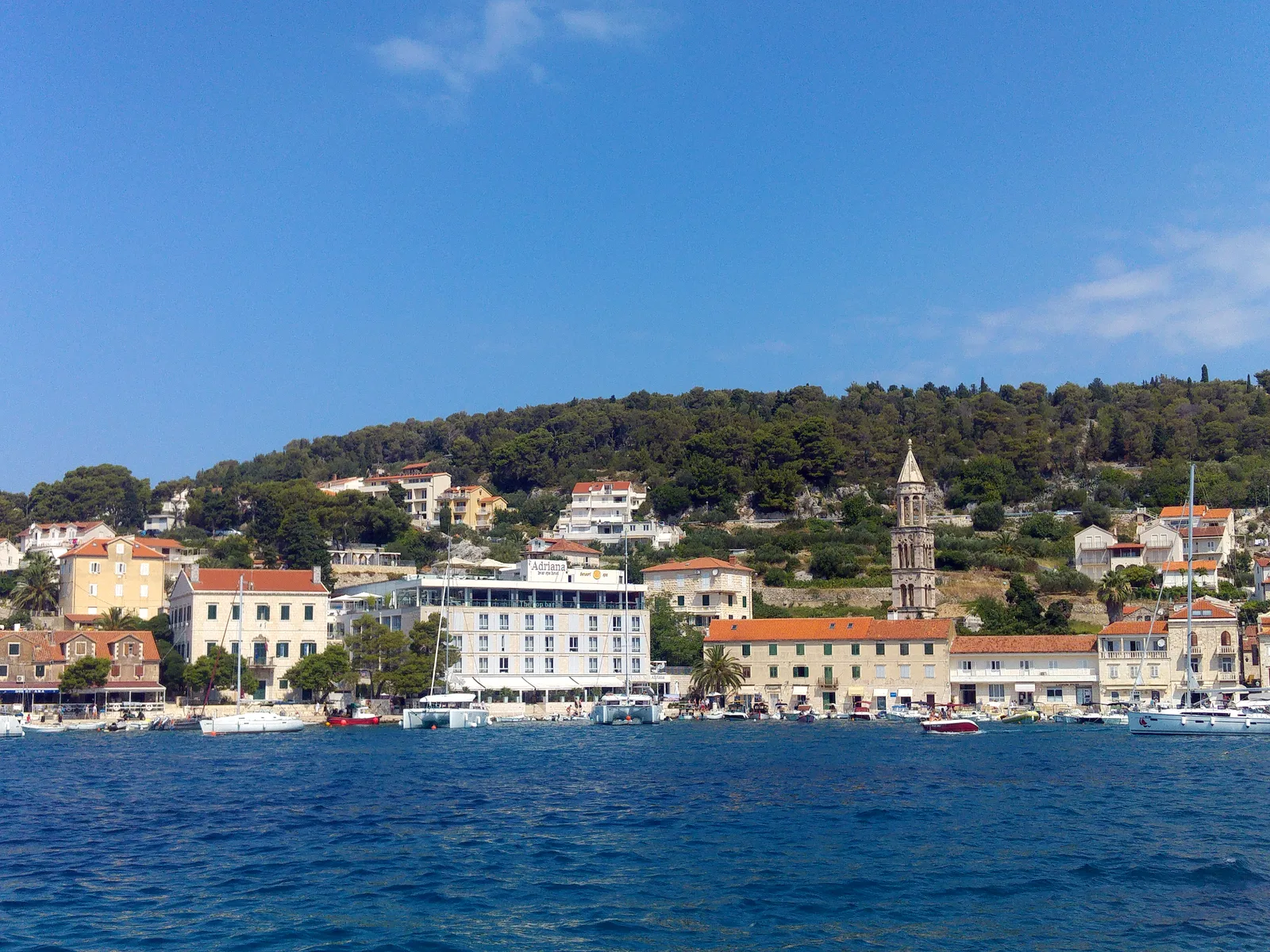
Hvar rewards visitors who leave room between the ferry, the fortress and the first swim. Its waterfront brings boats, cafés and stone buildings into one compact scene; above it, lanes climb towards a defensive skyline. You can spend a satisfying short stay here without hiring a car, provided your accommodation and arrival port genuinely match that plan.
This guide concerns Hvar town, on the Croatian island of the same name. Stari Grad, Jelsa and other island settlements are separate places. The Hvar tourist board also covers surrounding villages and the Pakleni Islands, so an address marketed under Hvar can sit well beyond the historic centre. Check the actual map pin before paying. For a first visit, allow two full days in town, then add another if swimming or exploring inland matters more than collecting sights.
Read the harbour through its history
The town’s appearance makes more sense when viewed as a working Adriatic harbour with a long administrative and cultural history. According to the official historical account, the island’s administrative centre shifted from Stari Grad to Hvar under Venetian authority in 1278. Later Venetian rule shaped much of the architectural character visitors notice around the square and waterfront.
Tourism has its own history here: the Hvar Hygienic Society was founded in 1868, connecting the island’s climate with an organised visitor economy. That helps explain the older hotel frontage as well as today’s holiday businesses. Ancient Greek Pharos, meanwhile, belongs to Stari Grad’s history. It should not be presented as the foundation of this town. The distinction matters when deciding which heritage sites deserve an additional journey across the island.
Choose a base by walking route
The main square and harbour are the simplest orientation points. A central room reduces the distance to passenger boats, dinner and cultural visits, but the precise street matters more than a promise of being in the old town. Ask about late evening noise, the number of steps and how luggage reaches the door.
The western waterfront offers a different relationship with the sea, with walks towards Bonj; the eastern side leads towards the Franciscan monastery and routes further along the coast. Upper streets can offer views while adding a repeated climb. For anyone with limited mobility, a sea view photograph is insufficient evidence of easy access. Request an unbroken description of the route from the nearest vehicle drop off, including thresholds, stairs and lift availability inside the building.
Give Fortica a proper visit
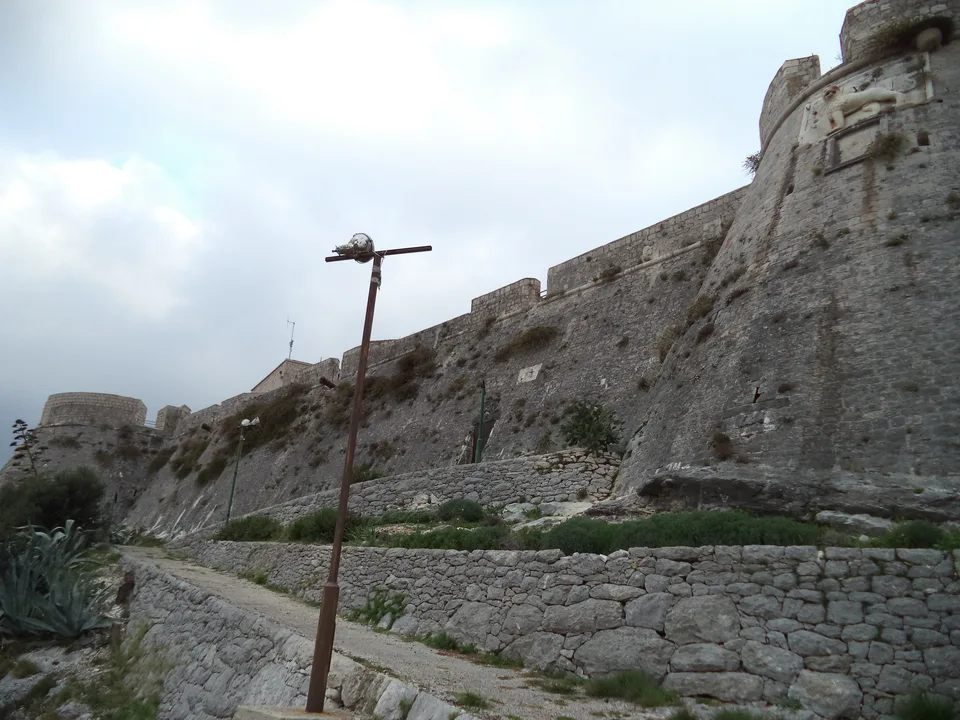
Fortica, also called Španjola, is the natural place to understand how the town sits below its hill and faces the offshore islands. The tourist board’s cultural history traces the fortifications to the period after 1278 and describes the later fortress as a refuge during the 1571 attack. Its walls belong to a defensive story rather than simply providing a photographic platform.
Set aside a separate part of the day for the ascent and visit. Take water, choose footwear for stone paths and leave flexibility for heat or rain. A viewpoint is more enjoyable when you are not trying to descend straight into a ferry queue. If stairs or slopes are difficult, establish the practical access arrangements with the operator beforehand; a ticket purchase alone does not resolve the approach.
Compare the cultural tickets before paying
The Hvar 1612 visitor page lists adult Fortica admission at €12 and a combined ticket at €15. Its current published hours are 09:00–19:00 for Fortica and 10:00–18:00 for the theatre and Loggia/Leroj. These are the operator’s published arrangements when checked in October 2026, rather than guaranteed hours for a future season.
The same page marks the Arsenal and St John’s Church closed. Do not assume that every place associated with a combined ticket is accessible on your chosen date. Compare what you can actually visit with the individual prices, then confirm the ticket’s validity and any event closures before purchasing. A combined ticket can be useful for someone who wants several interiors; it has less value if your interest is only the fortress view.
Let the square lead into smaller museums
Hvar’s theatre, established in 1612 above the Arsenal, gives the waterfront a cultural dimension beyond restaurants and boat departures. The museum and gallery listings also point towards the Hanibal Lucić summer residence, with its garden and heritage collections. These smaller places work particularly well between a morning walk and a later beach visit.
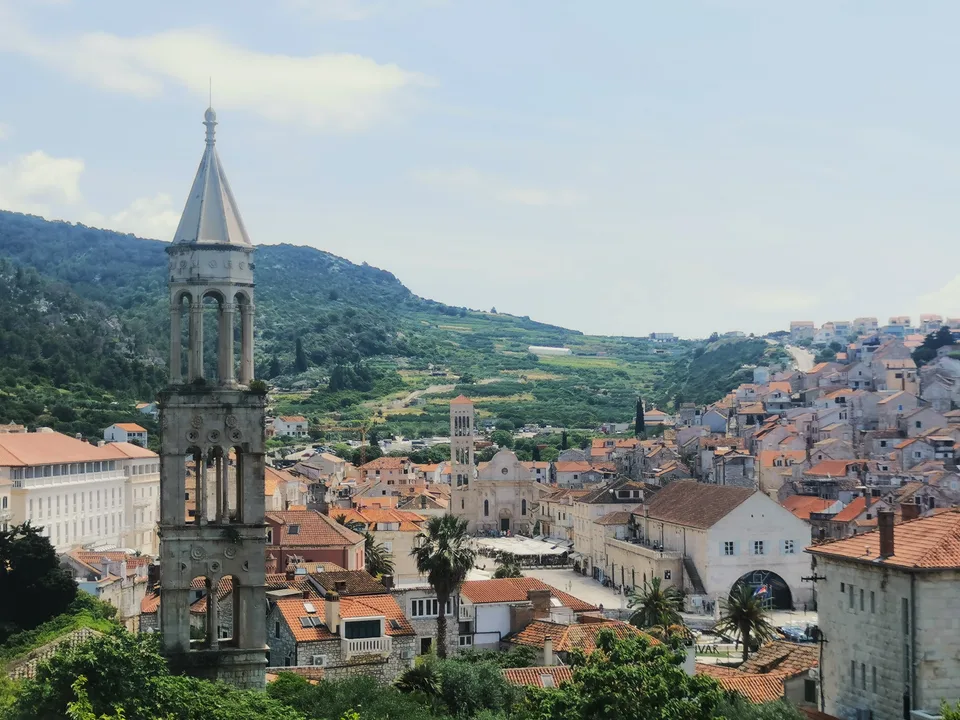
Around St Stephen’s Square, treat churches as active religious spaces. Check visiting arrangements separately from worship, dress appropriately and allow services to take precedence over sightseeing. The tourist board’s admission bulletin lists the cathedral, Benedictine lace museum and Franciscan monastery museum, but its June opening hours require reconfirmation outside summer. Choose one or two interiors that interest you instead of turning the square into a sequence of hurried admissions.
Follow the coast to the Franciscan monastery
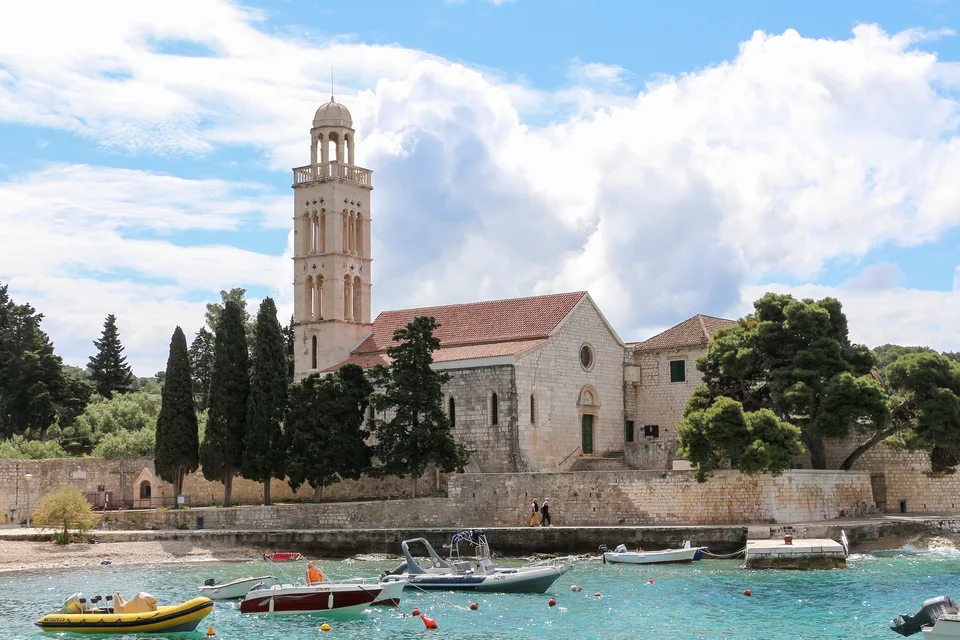
The Franciscan monastery provides a quieter cultural destination along the waterfront, with a museum visit that can be paired with time beside the sea. Check its current visiting window before walking over specifically for an interior: a church being visible or accessible does not establish that its museum is open.
This is also a useful place to slow the itinerary down. Have a look at the shoreline, then decide whether the afternoon calls for another admission or simply a walk back through town. Hvar’s compact scale makes that kind of adjustment easy. Keep swimwear for swimming and use a cover up when returning to religious buildings or sitting down to a meal. Respect for the setting is more useful than treating every waterfront stop as part of a beach club circuit.
Match a beach to the day you have
The tourist board’s current beach guide places Pokonji Dol about a 25 minute walk from the main square and identifies summer facilities there. Križa offers a closer small pebble beach near the centre, while Bonj lies along the western promenade. Most local shorelines are pebble or rock, so consider water shoes and the ease of entering and leaving the water.
For a longer coastal outing, Mekićevica is roughly 2.5 kilometres east of the centre. Carry water and check how you will return before committing to a longer walk. Shade, summer food service and boat availability are separate questions. Families should assess the actual shoreline and conditions themselves rather than taking a general description of a beach as a guarantee of suitability for every child.
Make a Pakleni trip conditional on the sea
The official beach listings include the Pakleni Islands offshore, where a boat journey becomes part of the outing. Choose one destination and allow time to enjoy it. Trying to combine several coves, a long restaurant lunch and an afternoon departure from Hvar often creates more transport pressure than pleasure.
Before boarding a taxi boat, establish the landing point, return arrangement, final departure and whether the price covers both directions. Check what happens if conditions change. Do not infer a winter timetable from a busy summer quay. For weather decisions, use the Croatian meteorological service’s Hvar forecast alongside marine warnings and the operator’s advice. If wind prevents the trip, keep a town based alternative ready instead of making an exposed crossing the essential event of your only full day.
Book accommodation for the stay you actually want
The tourist board’s hotel directory is a starting point for comparing properties and locations, with apartments and other accommodation available through its wider listings. Confirm whether breakfast, cooking facilities, cleaning, air conditioning and luggage storage are included. For a short trip, those details can change the usefulness of a room more than a small difference in its advertised rate.
For an apartment, ask whether the kitchen is equipped for meals or just drinks and reheating. Request the full price for your dates, including any compulsory charges, and read the cancellation terms against your ferry plans. A cheaper address outside town can become expensive once repeated transfers are added. Conversely, a more central room may let you avoid a car and spend more of a two day visit on foot.
Check the departure day arrangements as carefully as arrival. If checkout is in the morning and your boat leaves later, luggage storage and somewhere to change can make the final day useful. Establish whether the host will be present or whether entry depends on a message and a working phone. Save those instructions before boarding.
Arrive through the correct port
The year round Jadrolinija Split–Stari Grad car ferry reaches Stari Grad port on Hvar island, not Hvar town. Allow roughly two hours for the crossing, then plan the road transfer separately. The operator’s dated timetable varies by season; check the actual departure rather than copying a summer frequency into a winter itinerary.
Passenger services can arrive directly at Hvar town. Compare the dated departures on Krilo’s schedule and TP Line’s sailing pages, checking the destination name, baggage rules and connection you need. Bringing a vehicle changes the calculation: passenger catamarans are not a substitute for a car ferry. If arriving late, agree the onward transport and accommodation check in in advance. Do the same for your return journey, when a missed connection may affect a flight rather than merely dinner.
Allow a margin between the airport and the island
Split Airport’s ground transport information describes connections to Split, including a shuttle to the main bus station near the ferry area. The airport and Hvar are not joined by one continuous protected transfer. Road traffic, finding the correct berth and the vessel’s boarding deadline all consume time after landing.
Build your plan backwards from a feasible sailing. With a late flight arrival, a night in Split can be more realistic than relying on the last boat. Check the return in the same way, especially before an early departure. VisaWand’s Split city guide helps if an overnight connection becomes part of the trip. Keep the ferry booking and airport transfer details available offline, and make sure everyone in the group understands which port the ticket names.
Use buses for island journeys, walking for town
The tourist board’s transport page links current boat information and island bus timetables. The bus schedule effective from 7 September 2026 distinguishes Hvar town, the ferry port, Stari Grad, Jelsa and Vrboska, and says tickets are bought on the bus. Some listed departures have already expired, illustrating why the date and footnotes matter as much as the route name.
For a specific journey, check both directions before leaving. A sightseeing trip and a working commute need different levels of reliability. In town, plan around walking and use a taxi when luggage, access or distance warrants it. Agree the destination and fare basis before setting off. If renting a car, establish where it can be parked and how you will reach the accommodation; a central address does not automatically provide a parking space.
Eat locally without making every meal an event
The official Hvar brochure introduces gregada, a fish and potato stew, and pašticada, marinated beef served with gnocchi. Paprenjaci offer a different souvenir of local food traditions: spiced biscuits made with honey and olive oil. These names are useful prompts for reading menus rather than a claim that every restaurant prepares the same version.
Ask how fish is priced, whether a dish is intended for sharing and what side dishes cost. A menu showing a weight based price can produce a different bill from a fixed portion. For dietary requirements, explain the restriction directly and confirm ingredients rather than relying on an English dish name. Balance a planned restaurant meal with simpler lunches or self catering if you want spending room for boats and cultural visits.
For an excursion, buy what you need before departure and carry drinking water. Check whether food is available at the destination during your dates; a restaurant shown in a summer photograph may not be serving when you arrive. This is especially useful when travelling with dietary restrictions or young children.
Budget around the largest choices
Accommodation, season and transport determine much of the budget before you order a coffee. Price a complete example day using your actual room quote, return journey, chosen admissions and meals. Add a separate contingency for a missed connection or taxi rather than assuming every transfer will use the cheapest option.
As one concrete transport example, TP Line’s 2026 route 654 tariff lists Split–Hvar at €25, but that timetable runs only from 8 May to 18 October 2026. It is not a universal fare or a promise of service on later dates. Compare the live booking for your journey. For shopping, distinguish products genuinely made on the island from general souvenirs, ask about packaging liquids for flights and keep receipts for purchases you may need to exchange.
Choose the season around your priorities
A swimming holiday, an inland walking trip and a trial of everyday island life call for different calendars. Summer brings more visitor activity and seasonal services, but also makes shade, accommodation availability and advance transport planning more significant. In the quieter months, ask directly which facilities and restaurants will operate during your dates.
Spring or autumn can suit a trip built around walking and town culture, provided you accept weather changes and check crossings. Winter requires a more deliberate accommodation and transport plan; do not book solely from summer photographs. For a potential move, visit during a quieter period as well as the season that first attracted you. Seeing how you would shop, travel and spend an ordinary evening provides information a sunny weekend cannot supply.
A realistic three day introduction
On the first day, settle into the accommodation, walk the harbour and square, and choose a cultural interior if its hours fit. Keep a short shoreline walk as an alternative. This leaves room for a delayed sailing without sacrificing an expensive prebooked excursion.
Use the second day for Fortica and an unhurried lunch, with swimming later if conditions suit. On the third, choose either a Pakleni outing or an inland journey. Confirm the return before departure and leave the final evening flexible. If you have only two days, remove the extra island journey. If travelling with children or anyone who finds heat and steps tiring, choose one principal outing per day and keep the rest optional. An achievable itinerary leaves more space to enjoy the place than a list of every attraction.
Test a longer stay before committing
A holiday apartment and a workable home are different propositions. For a longer stay, request a written rental period covering all intended months, the total payment schedule and clear rules for deposits, utilities and termination. Do not assume a winter rate continues into summer, or that a holiday booking permits permanent occupation.
Inspect ventilation, heating, cooling, hot water, laundry and storage. Test the internet connection where you would actually work and ask how faults are handled. Establish whether deliveries can reach the door and where household waste goes. A balcony view will not compensate for a difficult daily climb with groceries. Before paying a substantial sum, verify the landlord’s authority to rent the property and whether the documentation will support the residence procedure appropriate to your nationality.
Record the condition of the home and the meter readings when taking possession, and agree who pays each bill. If furniture or appliances are essential to the tenancy, put the inventory in writing. For a remote worker, a trial video call provides a more meaningful connection check than an advertised internet speed alone.
Investigate work, commuting and household needs
Hvar should be assessed as an island home with specific transport links, rather than as a neighbourhood of Split. Try the journey to any prospective workplace at the hours you would use it. Check how the timetable changes outside the visitor season and what a cancellation would mean for attendance.
For household basics, the official practical contacts page lists supermarkets, laundries, banks, a post office and a local library. It also identifies a pharmacy and medical contacts; published summer pharmacy hours should not be treated as year round. Families should contact schools about the relevant child’s placement, language and transport before signing a lease. Ask service providers about actual availability at the address, including internet installation, rather than assuming a service advertised somewhere on the island reaches every property.
Separate a visit from permission to work or study
Croatia participates in Schengen. The Ministry of Interior’s foreign national information is the starting point for checking entry requirements for your nationality and circumstances. For applicable short visits, the usual limit is 90 days in any 180 across the Schengen area, not a fresh allowance issued on arrival from another member country.
Tourist entry does not itself establish permission to take employment, enrol for a longer course or settle permanently. Use the official stay and work guidance for the purpose and duration of your planned residence, including any permit requirement. Check the current application process before making commitments. A prospective employer, education provider or consultant can help with documents, but the relevant authorities determine eligibility. VisaWand’s Croatia country page offers wider country context alongside this town guide.
Check the residence route that fits your circumstances
The official EEA residence guidance sets out a separate framework for EEA nationals staying beyond three months. Do not apply a third country employment checklist to everyone. Conversely, owning or renting a property should not be treated as automatic residence permission.
Croatia also has a specific temporary stay route for digital nomads, currently allowing up to 18 months subject to its conditions. It concerns eligible third country nationals working through communications technology for foreign businesses or qualifying businesses abroad, with restrictions concerning Croatian employers and services. Check the exact definition, evidence and application timing. A remote job and a tourist booking alone do not establish eligibility. VisaWand’s Croatia consultant listings and consultant directory can help identify advice, while official application resources remain the authority for the decision.
Arrange healthcare and keep alternatives in view
For a move, confirm your healthcare position before arrival. HZZO’s health insurance information explains how residence, employment, European coordination and other arrangements affect cover. Visitor insurance, an eligible European health card and resident insurance serve different circumstances; none should be assumed to make every private service free. Keep prescriptions and essential medical information available and establish where continuing treatment would take place. For an emergency, call 112.
For another island perspective, the official island overview introduces villages and surroundings beyond Hvar town. Stari Grad can suit an additional heritage visit, while other settlements may offer a different base. For mainland connections, compare Split; for a separate coastal stay, consider the Dubrovnik city guide. Choose the combination that fits your available days and dated transport options, leaving room for Hvar itself.
Official planning resources
Reviewed 17 October 2026. Use the official resources linked throughout this guide for admission, transport, housing and immigration decisions. Prices, services and rules can change; confirm the details relevant to your dates. Photography illustrates the locations and is not a live view.
View all official resources
- Hvar town tourist board
- History of Hvar
- Hvar cultural monuments
- Hvar 1612 visitor information
- Museums and galleries
- June 2026 admission bulletin
- Town beach planning
- Hvar beaches
- DHMZ Hvar forecast
- Hvar accommodation listings
- Split to Stari Grad ferry
- Jadrolinija 2026 line 635 timetable
- Krilo sailing schedule
- TP Line sailing schedules
- Split Airport ground transport
- Getting to Hvar and island buses
- Hvar island bus timetable from 7 September 2026
- Hvar official visitor brochure
- TP Line 654 timetable and fares 2026
- Hvar practical contacts
- Information for foreign nationals
- Croatian Ministry of Interior stay and work
- EEA nationals residence
- Digital nomad temporary stay
- HZZO health insurance
- Hvar island and settlements
Plan the next part of your journey
Explore the Croatia guide, browse other cities or compare consultants for your travel and relocation questions.