Visa

Abidjan begins with the lagoon
Abidjan’s skyline makes a striking first impression, but the more useful introduction is its geography: distinct urban districts connected around the Ébrié Lagoon, with a very different experience on either side of a bridge. Come for contemporary art, religious architecture, Ivorian food and a forest excursion; choose your accommodation around the journeys you will actually make.
A first visit works well with three full days in the city and a separate day for Grand-Bassam. That is a suggested allocation, not a minimum entry requirement. Business travellers can build a shorter cultural programme around their appointments, while prospective residents should reserve time for neighbourhood inspections and a trial commute. Neither group benefits from an itinerary based on uninterrupted driving times.
Use the Ministry of Tourism and Leisure for national visitor information and VisaWand’s Côte d’Ivoire country guide for broader preparation. This guide focuses on decisions in and around Abidjan. The city offers a substantial urban stay; treating it solely as an airport gateway would miss much of its interest.
For a short stay, keep a written shortlist of the experiences that matter most: a particular exhibition, an architectural visit, time in the forest or an introduction to Ivorian cooking. That makes it easier to choose between a central hotel and a quieter property with more facilities.
Choose a base around your daily destinations
Le Plateau is the natural district to consider for central business appointments and the cathedral. Cocody offers another proposition, illustrated by the lagoon-side Hôtel Ivoire and the contemporary-art programme on Boulevard Latrille. These are different accommodation choices, rather than interchangeable addresses within a compact sightseeing centre. Ask for a location pin and the building’s actual entrance before booking.
Marcory and Zone 4 are further options to assess against restaurants, appointments and the airport journey. Treichville and Yopougon should likewise be approached as substantial parts of a working city, rather than quick attractions to tick off between unrelated stops. A district name alone cannot establish quietness, walking conditions, security arrangements or convenience for your particular household.
Compare three journeys for each candidate: arrival from the airport, the principal daytime destination and the return after dinner. A lower room rate may be poor value if it creates repeated transfers. For a relocation visit, add the school run, food shopping and a medical appointment to that comparison. Shortlist exact streets before making claims about which whole commune is best.
Le Plateau and Saint Paul’s Cathedral
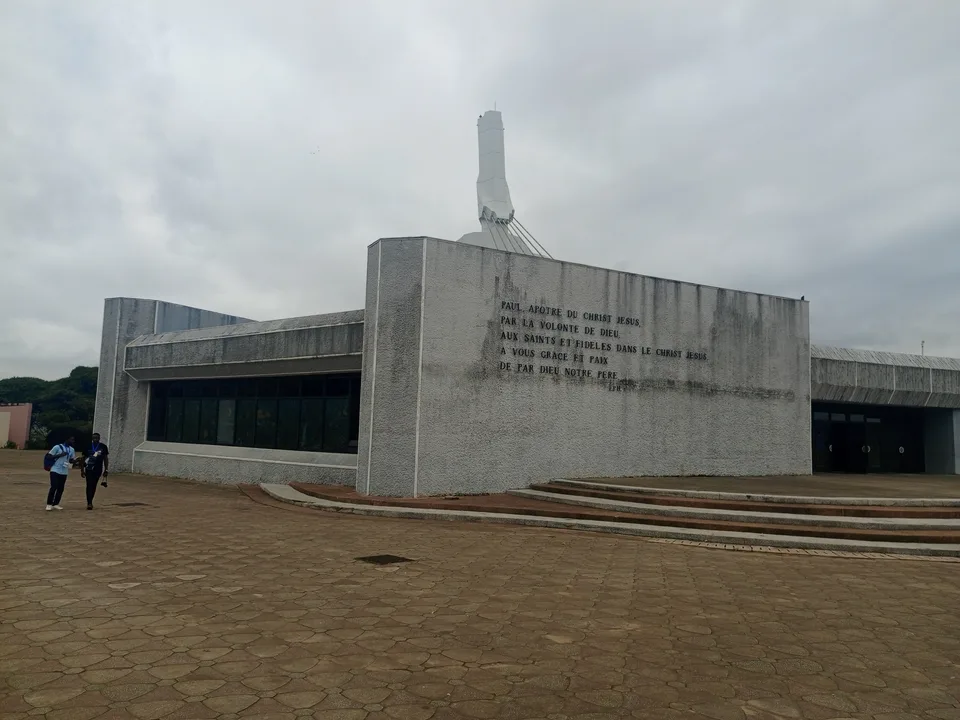
Saint Paul’s Cathedral gives a Plateau visit a clear architectural focus. Its sculptural concrete forms make it recognisable even before you enter. The tourism ministry includes it in its account of Côte d’Ivoire’s religious heritage, alongside important mosques in Abidjan. These are active religious places, so the visit should fit around worship and the instructions of staff.
Confirm current visitor access before setting out. A reliable universal admission price and daily sightseeing timetable were not established for this guide. Ask about access to the interior, photography and any areas temporarily unavailable; do not assume a photograph of an open space establishes unrestricted entry today. Dress appropriately and avoid interrupting services for pictures.
Build a measured half-day around the cathedral and a nearby cultural stop, allowing a proper lunch break. The district’s skyline is best understood as part of Abidjan’s commercial character, not proof that every tower welcomes visitors. Keep photography away from sensitive government installations. If someone in your party needs step-free access, ask about the entrance and internal route specifically rather than accepting a general assurance that the building is accessible.
Museums and contemporary art deserve separate time
The Museum of Civilizations is a sensible enquiry for visitors interested in cultural history. However, current museum hours, admission and the availability of particular galleries could not be verified reliably during research. Ask your accommodation to obtain direct confirmation before allocating a morning to it. Avoid purchasing a purported combined ticket without knowing precisely which institution and access it covers.
For contemporary work, consult Galerie Cécile Fakhoury’s exhibition programme and its Abidjan contact information. An exhibition calendar is more useful than an old review: installation periods can affect what is available, and a forthcoming exhibition is not necessarily open today. Contact the gallery about your date, group size and any accessibility needs before travelling across the city.
Give an art visit enough time to read the interpretation and discuss the work. If considering a purchase, establish the artist, medium, provenance, full price and delivery arrangements. Request written information about packing, insurance and any export paperwork relevant to the object. A gallery visit and a purchase consultation are different commitments; decide which you want before arranging the afternoon.
Where to stay: city hotel, apartment or airport base
The Sofitel Abidjan Hôtel Ivoire is an established Cocody option on Boulevard Hassan II, with rooms and suites, restaurants, pools and meeting facilities. It illustrates a full-service city stay, particularly for visitors who want facilities between outings. Do not turn the operator’s promotional driving estimates into a guaranteed commute; check the journey for your appointment time.
The Radisson Blu Hotel, Abidjan Airport offers a contrasting airport-area base. The operator places it approximately 500 metres from the airport and lists dining, a gym and an outdoor pool. Proximity does not establish an appropriate pedestrian route with luggage. Ask about collection, the meeting point and any shuttle charge, especially for an arrival outside ordinary daytime hours.
For a longer stay, compare serviced apartments against hotels using the entire bill: cleaning, laundry, electricity, internet, cooking facilities and cancellation conditions. Ask whether the photographs show the actual unit. Verify the person authorised to accept payment and obtain a receipt. Families should confirm sleeping arrangements and cooking equipment rather than assuming that a listing described as an apartment has everything needed for a week.
If accessibility matters, request practical details or photographs: steps at the entrance, lift access, bathroom layout and the route between the room and breakfast. For children, ask about pool supervision and barriers. A hotel’s star rating does not answer these household questions, and a room category may have different facilities from the one pictured.
Airport arrival and travelling across the city
The airport operator’s urban transport information lists SOTRA line 6 between the airport and Gare Sud in Plateau, with published hours of 5.30am–9.30pm and a single fare of 200 CFA francs, purchased from the driver. Reconfirm operation, boarding point and luggage arrangements on arrival. The published fare is useful context, not a promise that this service suits every flight or destination.
For a pre-arranged transfer, send the driver the flight number and exact address, and agree waiting arrangements if immigration or baggage takes longer than expected. Obtain a total quotation covering passengers, luggage and any extra charges. Some hotels provide shuttles; confirm directly whether yours does and whether collection requires advance booking.
Within Abidjan, plan each connection from an exact address. For buses or boats, establish the current route, boarding place, payment method and final connection before relying on them for a timed appointment. A transport project announcement is not evidence of an operational passenger service. This guide does not promise a working metro or a universal fare across modes. Keep a confirmed alternative for journeys where arriving late would matter.
Banco: make room for a forest visit
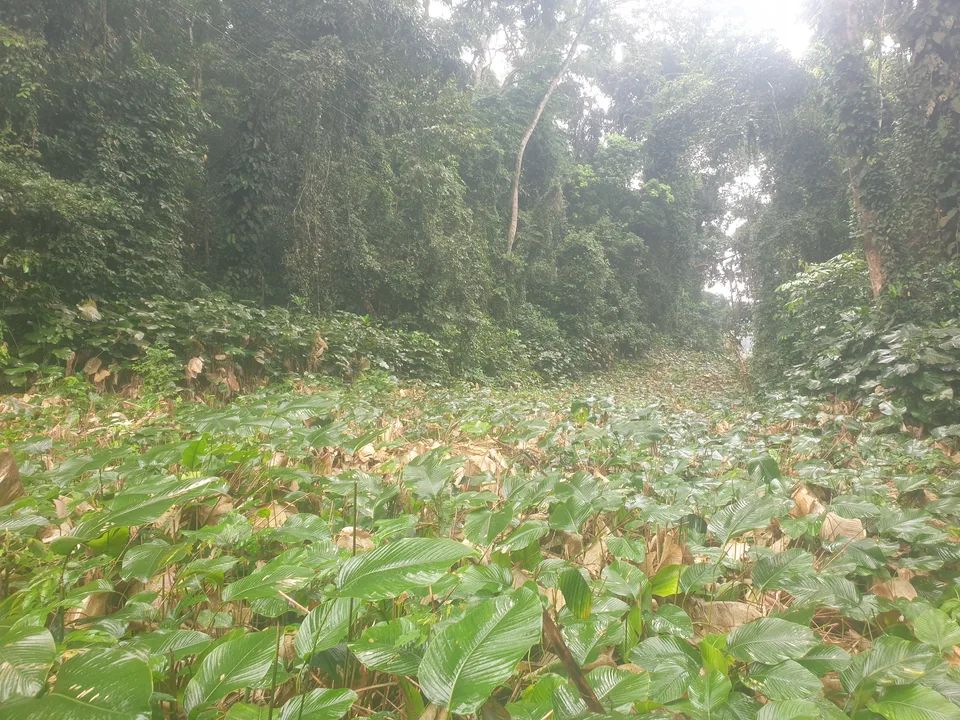
Banco National Park offers a different perspective on Abidjan from its office towers and road junctions. A September 2026 government conservation report describes improvements visited by officials, including a catfish observation site and access stairs to the ecomuseum. It establishes recent conservation activity, but it does not provide a complete current visitor tariff or guarantee every facility is open on your date.
Arrange the outing through a source that can confirm admission, visitor reception, the proposed walking route and whether a guide is required. Ask about weather-related restrictions, toilets, suitable footwear and the realistic length of the visit. Do not assume a forest photograph depicts a particular maintained trail or promises wildlife sightings. Choose the route for the least mobile person in the group.
Keep water and protection for your phone and documents with you, and organise the return collection before starting. Banco is worth giving its own unhurried block of time. Combining it with multiple appointments elsewhere risks turning the forest into a rushed stop. Keep an indoor alternative if conditions make the planned walk unsuitable, and avoid fixing it immediately before an international departure.
Food, markets and a meaningful shopping stop
Attiéké provides a useful starting point for understanding Ivorian food. The Ivorian embassy’s account describes it as cassava semolina, while the Ivorian delegation to UNESCO records the inscription of the traditional skills involved in its production on the Representative List in 2024. The recognition concerns knowledge and production practices, rather than certifying every restaurant serving the dish.
Ask what accompanies a portion, how it is prepared and what the quoted price includes. For allergies, discuss ingredients, sauces and shared preparation directly. A familiar dish name is not an assurance of an identical recipe. Choose a meal for the food and setting you want, and establish whether music, service or a group arrangement changes the bill.
For shopping, distinguish everyday groceries from textiles, craftwork and significant artworks. Agree the full price before alterations or delivery and keep receipts. Ask permission before photographing a stall or its staff. If buying something fragile or bulky, check packing and baggage limits first. A smaller purchase with a clear maker and a practical way home may be better value than an object bought hurriedly at the end of an outing.
For a food-focused outing, agree with a guide whether the price includes tastings, a seated meal, drinks and transport. Explain dietary restrictions before the itinerary is fixed. An encounter with a producer or cook should be arranged with their consent and enough time for them to explain the work, rather than treated as an unannounced photo opportunity.
Build the budget in West African CFA francs
Côte d’Ivoire uses the West African CFA franc, abbreviated XOF. The Central Bank of West African States publishes the euro parity of €1 to 655.957 CFA francs. That reference does not remove card charges, conversion margins or withdrawal fees. Ask your bank what it charges and keep a second payment method available separately.
Separate the budget into accommodation, meals, local journeys, admission, airport transport and a reserve. Current hotel prices depend on dates and room conditions; this guide does not substitute an invented nightly average for a real quotation. Compare refundable and prepaid rates on the same basis, including breakfast and taxes. For an apartment, identify which household costs sit outside the advertised rent.
Transport planning can change the total more than a small saving on lunch. Compare a day’s car quotation with the actual journeys intended, including waiting and the return. Keep modest denominations for purchases where change may be awkward, without carrying the entire trip budget. Before paying an unfamiliar supplier, confirm the amount and recipient with them directly and retain the transaction record.
Weather should shape the day’s sequence
Use SODEXAM’s meteorological information close to departure and during the stay. Its 2024 short rainy-season note identifies September to November for southern Côte d’Ivoire; it is historical seasonal context, not a forecast for your particular week. Current warnings and local conditions should decide whether an outdoor excursion remains sensible.
For a visit centred on walking and excursions, compare dates with the current seasonal outlook before committing to non-refundable arrangements. Leave flexibility for rain throughout the programme. Schedule indoor art or museum visits as alternatives, subject to confirmed opening, and protect passports and electronics when moving between vehicles and entrances. A forecast for the city does not establish that every approach road will remain passable.
For a move, weather becomes a property question. Ask about drainage, previous water ingress, roof condition and the route home after heavy rain. Inspect the street as carefully as the apartment itself. Seek evidence of repairs rather than accepting a freshly painted wall as reassurance. A convenient address should remain practical under the conditions in which you will actually live, not just during a sunny viewing.
Grand-Bassam is a separate excursion
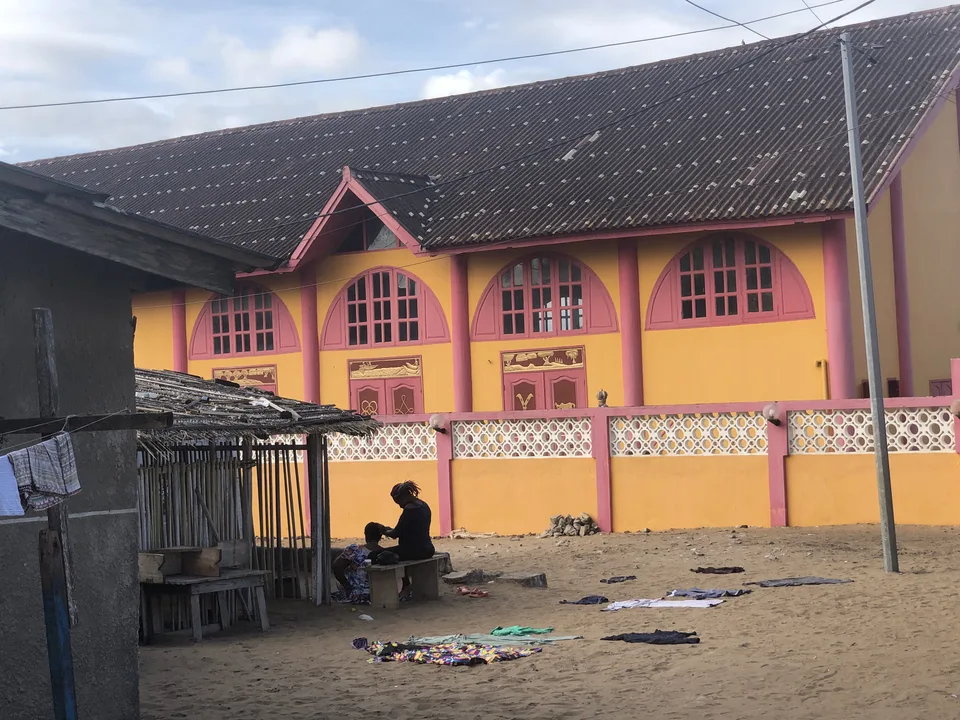
The UNESCO-listed Historic Town of Grand-Bassam adds historical depth to an Abidjan stay. Inscribed in 2012, the property includes colonial urban architecture and the African N’zima fishing village. Its interest extends beyond a sequence of European buildings: allow time to understand the relationship between the communities and the town’s former role as a colonial capital.
Treat Grand-Bassam as another destination, rather than an Abidjan neighbourhood or an effortless extra stop. Agree the transport, places to visit and return arrangements before leaving. A guide can be worthwhile if the interpretation is substantive and the scope clear. Ask which interiors are actually accessible and whether admission is included, instead of assuming every historic façade conceals a visitor attraction.
A coastal lunch or overnight stay changes the pace, but a beach setting does not establish safe swimming. Ask specifically about conditions and rescue provision; choosing a property with a pool is a different decision from entering the ocean. If the purpose is heritage, keep enough daylight for that visit before settling into lunch or a hotel afternoon.
Four days with a realistic order of priorities
Use the first full day for Plateau, anchored by the cathedral and a confirmed cultural visit. Keep the evening near your accommodation while learning how the journeys work. Do not allocate a fixed museum slot until access is confirmed. If arrival formalities consume the morning, shorten the programme rather than pushing every stop later.
Set aside day two for Banco, with the length and route agreed in advance. Leave the afternoon flexible for rest or a nearby appointment. Use day three for Cocody and a gallery visit, arranged around the actual exhibition programme. Travellers interested primarily in art may prefer more time here to another cross-city sightseeing stop.
Reserve day four for Grand-Bassam if the excursion fits your interests and current advice. Otherwise, spend it on a second cultural visit or a slower meal and shopping programme. Prospective residents should replace part of this schedule with property viewings, a weekday commute and a school or clinic enquiry. Keep the final flight day clear enough for an airport transfer with a sensible margin. These are suggested priorities, not guaranteed combinations within advertised driving times.
Moving here: inspect the household, not just the rooms
Begin a housing search with the workplace or institution and the daily routine. Obtain the rent period, deposit, agency charges, service charges, repairs policy and notice conditions in writing. Have an independent professional check the lease and the person’s authority to grant it. A polished listing cannot establish ownership or make a payment request legitimate.
Discuss electricity with the actual property manager and consult CIE’s customer information for the supplier’s procedures. Establish the account holder, meter, outstanding balance and responsibility for backup equipment or shared charges. For water, SODECI’s subscription guidance distinguishes taking out a subscription from arranging a physical connection and lists supporting documents. Confirm which situation applies to the property before agreeing to move in.
Test mobile reception and internet inside the unit, inspect water storage and ask who handles waste collection and urgent repairs. Families should obtain school admission and fee information directly before signing a lease around a presumed place. Trial the commute at the relevant hour. For a first month, a flexible furnished booking can give you time to assess these practicalities before making a larger commitment.
Before accepting a furnished unit, make an inventory with dated photographs, meter readings and a record of existing damage. Test locks, air conditioning and major appliances while the manager is present. Clarify who can enter for cleaning or repairs and how notice is given. Keep the signed agreement and payment receipts somewhere accessible outside the apartment.
Health, security and keeping plans workable
The UK government’s health guidance identifies 185 for an ambulance and notes that medical facilities in Abidjan can be expensive, with emergency capacity limited to a few major hospitals. Arrange insurance suited to the trip, including possible evacuation, and identify a provider before an emergency. Discuss vaccinations, malaria prevention and regular medication with a qualified clinician before travelling.
Read the current safety and security advice for your circumstances. It recommends pre-arranged taxis or ride-hailing services, avoiding walking after dark and keeping accommodation security in mind. It also warns of flooding and strong coastal currents. Check regional advice before extending the trip; restrictions elsewhere in the country should be assessed against the actual route.
Keep insurer details, accommodation contacts and essential documents accessible offline. For longer stays, establish how prescriptions, follow-up appointments and emergency transport will work. Agree a practical meeting point if members of the household become separated. Preparation should support the visit, with arrangements specific enough to use when a phone battery fails or the person who normally helps is unavailable.
For households arriving on different dates, organise a backup contact who knows the address and can assist with collection. Carry enough regular medication for the journey within the applicable rules, retain the prescription and check storage needs. A comprehensive policy is useful only if you know how to reach its assistance team and obtain authorisation for treatment.
Entry permission, residence and the next destination
Check nationality-specific requirements before buying a ticket. SNEDAI’s official eVisa procedure lists a €73 fee, including bank charges, for a three-month multiple-entry visa. It requests passport details, a return reservation and accommodation or invitation evidence. Payment confirmation is not approval: obtain and print the approved pre-enrolment document and payment receipt before boarding. Processing can exceed 48 working hours; biometrics and visa printing take place at Abidjan airport.
Review official entry guidance for passport validity and yellow fever certification, alongside advice from the Ivorian consulate relevant to your nationality. Tourism, employment, study and long-term residence require separate assessment. ONECI’s residence-card checklist includes mandatory pre-enrolment and category-specific evidence, such as employment or student documentation. ECOWAS applicants have a separate published route. A visitor visa does not establish permission to take local employment or automatic permanent residence.
Use VisaWand’s Côte d’Ivoire visa consultant directory and consultant listings for further assistance. Compare places through the Côte d’Ivoire location directory, whose entries are not all completed guides. For another major West African urban stay, read the Lagos city guide, while checking its separate Nigerian entry rules and transport arrangements.
Official planning resources
Reviewed 21 October 2026. Use the official resources linked throughout this guide for admission, transport, housing and immigration decisions. Prices, services and rules can change; confirm the details relevant to your dates. Photography illustrates the locations and is not a live view.
View all official resources
- Côte d’Ivoire Ministry of Tourism and Leisure
- Tourism Ministry: religious heritage
- Galerie Cécile Fakhoury
- Galerie Cécile Fakhoury: contact team
- Sofitel Abidjan Hotel Ivoire: Cocody hotel
- Radisson Blu Abidjan Airport
- AERIA Abidjan airport: urban transport
- Government environment fund: Banco conservation visit
- Ivorian embassy: attiéké and cassava
- Ivorian UNESCO delegation: attiéké production skills
- BCEAO: official exchange rates
- SODEXAM: national meteorological information
- SODEXAM: short rainy-season information
- UNESCO: Historic Town of Grand-Bassam
- Compagnie Ivoirienne d’Électricité: customer services
- SODECI: water subscription
- UK FCDO: Côte d’Ivoire health
- UK FCDO: Côte d’Ivoire safety
- UK FCDO: regional travel risks
- SNEDAI: official Côte d’Ivoire eVisa
- UK FCDO: Côte d’Ivoire entry requirements
- ONECI: residence-card documents
Plan the next part of your journey
Explore the Côte d'Ivoire guide, browse other cities or compare consultants for your travel and relocation questions.